

Polyrhachis decemdentata
- Scientific Name
- Polyrhachis decemdentata
- Subgenus
- Myrma
- Tribe
- Camponotini
- Subfamily
- Formicinae
- Author
- André, 1889
- Distribution
- Found in 10 countries
Polyrhachis decemdentata Overview
Polyrhachis decemdentata is an ant species of the genus Polyrhachis. It is primarily documented in 10 countries , including Congo, Democratic Republic of the, Central African Republic. Detailed taxonomic data and occurrence records can be further explored via authoritative databases such as AntWeb or the Global Biodiversity Information Facility (GBIF).
Polyrhachis decemdentata
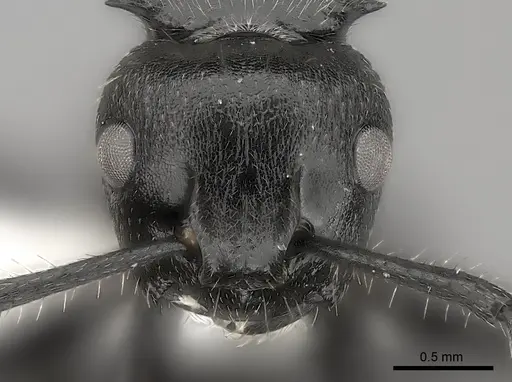
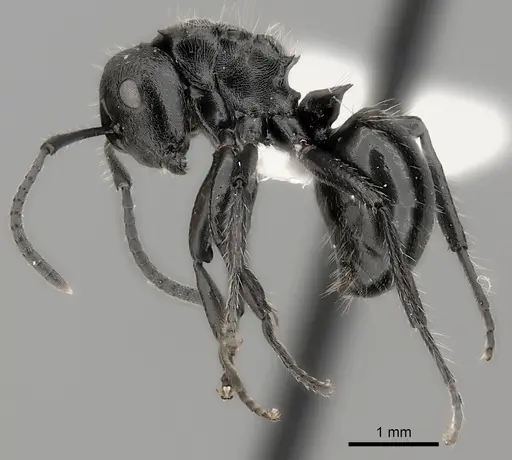
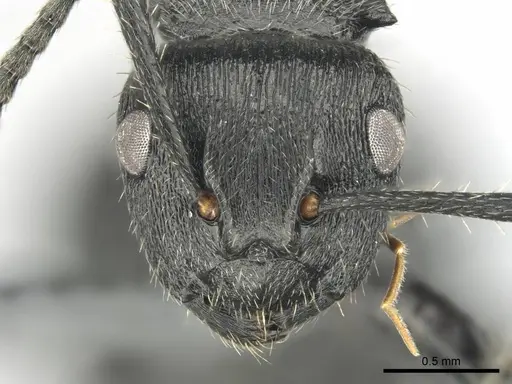
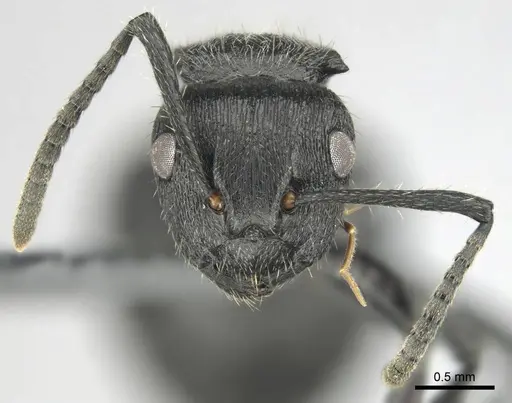
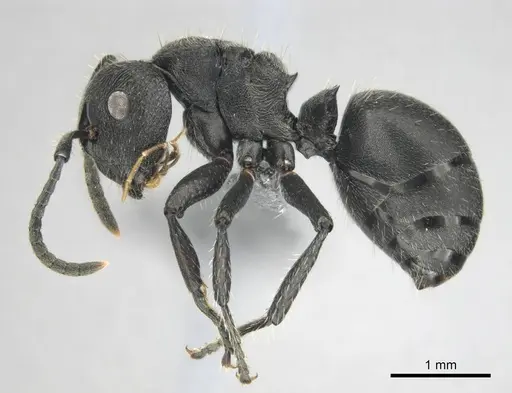
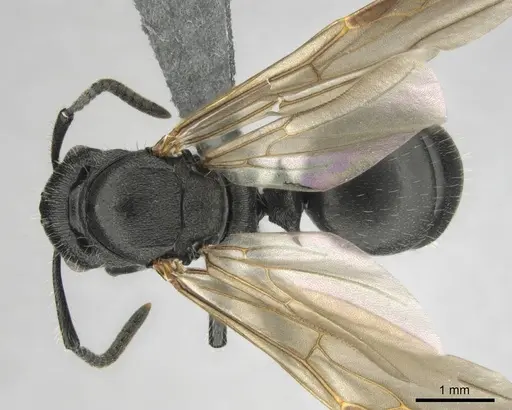
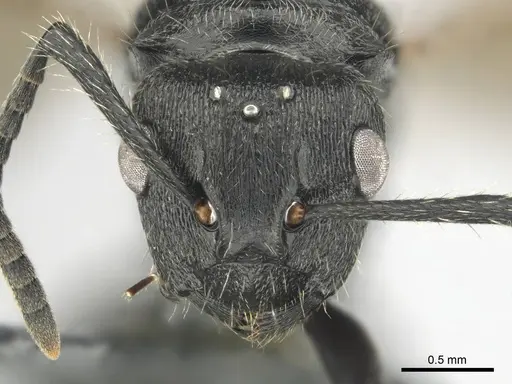
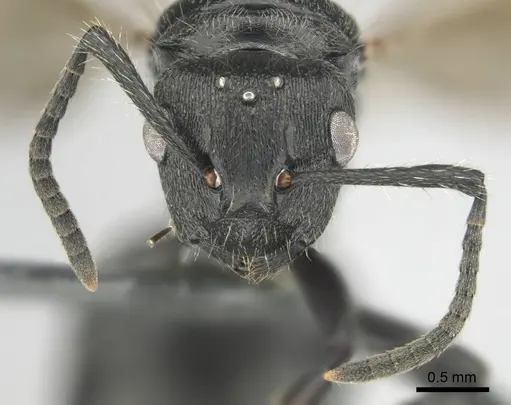
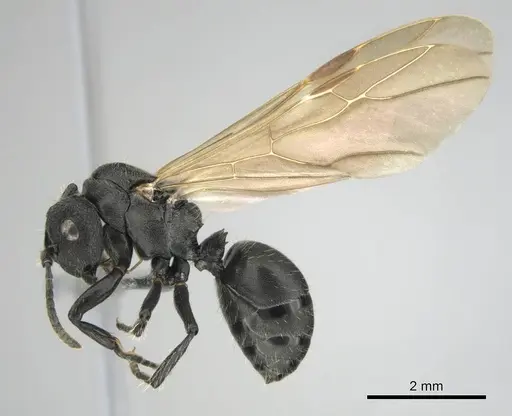
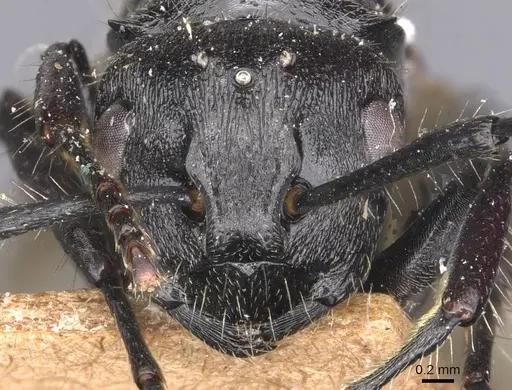
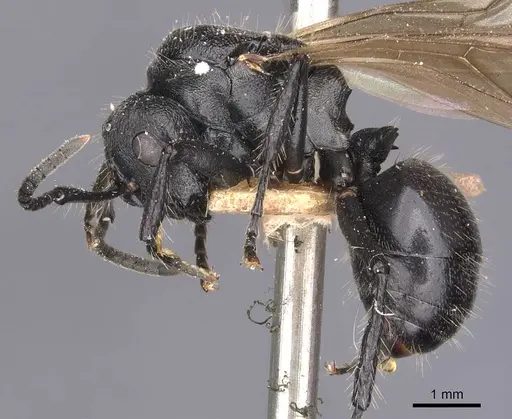
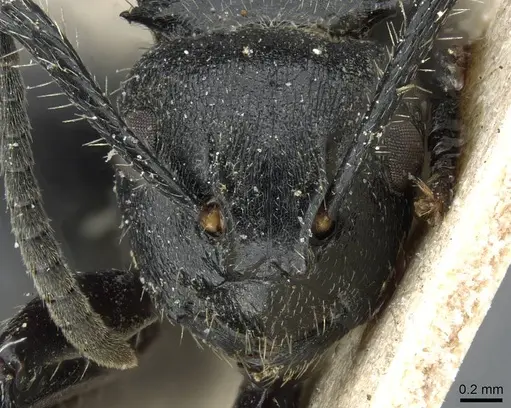
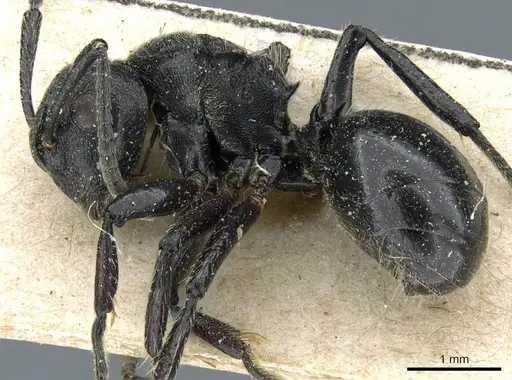
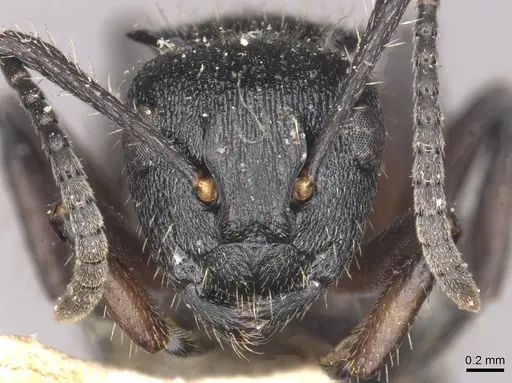
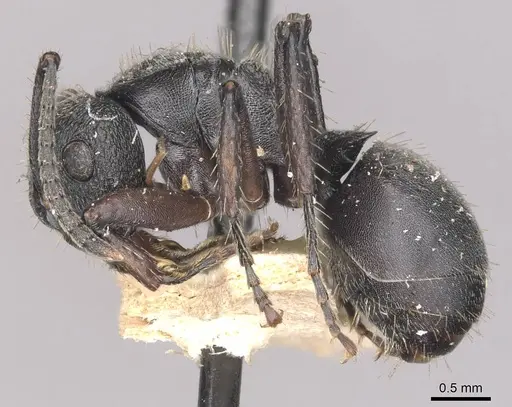
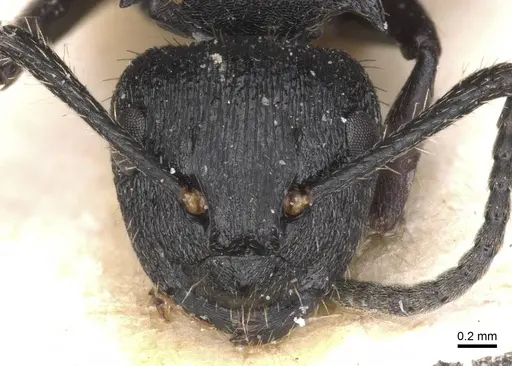
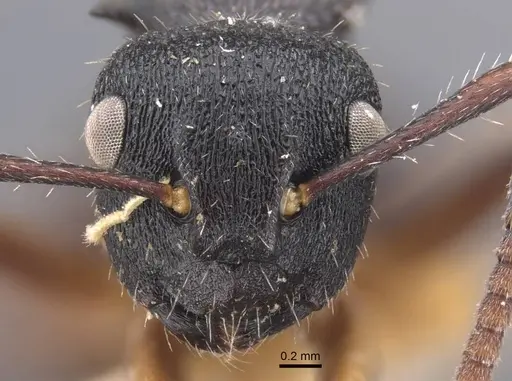
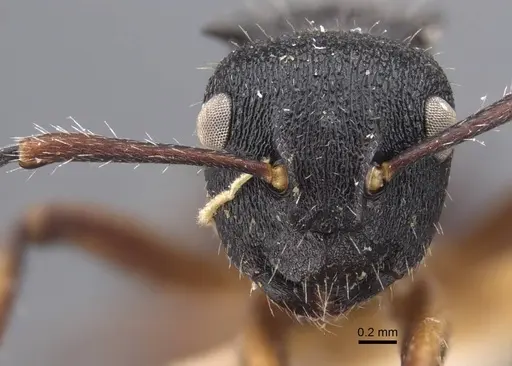
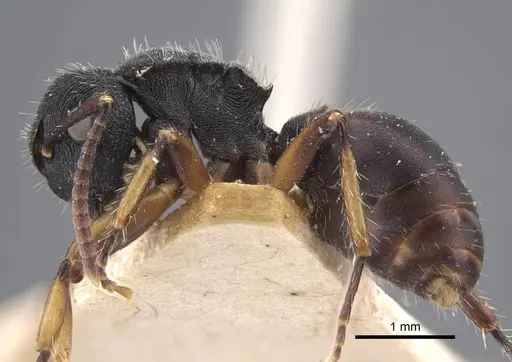
Polyrhachis decemdentata is a medium-sized arboreal ant native to the Afrotropical region, found across West and Central Africa from Sierra Leone to Uganda. Workers measure 4.7-6.7mm and are primarily black, though the legs are sometimes lighter brown or yellow-brown. This species is easily identified by its six distinctive spines or teeth on the petiole (the narrow waist section), along with pronotal spines and propodeal teeth. They belong to the militaris species-group within the subgenus Myrma. Unlike many ants, P. decemdentata is almost entirely arboreal, rarely descending to ground level, and builds nests in rotting wood of standing trees, often in branches previously attacked by termites [1].
This species shows interesting ecological relationships in African forests and cocoa farms. Research from Cameroon shows P. decemdentata is numerically dominant in some cocoa-growing areas, with thousands of workers found on individual trees. However, they are subordinate to more aggressive species like Oecophylla longinoda (weaver ants) and Crematogaster striatula at food baits, which explains why they are often found nesting in trees away from these dominant species [2][3].
Quick Summary
- Difficulty: Medium
- Origin & Habitat: Afrotropical region, found in Cameroon, Congo, Democratic Republic of Congo, Equatorial Guinea, Gabon, Ghana, Guinea, Ivory Coast, Nigeria, Sierra Leone, and Uganda. They are arboreal ants that nest in rotting wood of standing trees, often high above ground in branches that have been attacked by termites [1].
- Colony Type: Colony structure is not well-documented in scientific literature. Based on related Polyrhachis species, likely monogyne (single queen) but this requires confirmation. The species is arboreal and builds nests using silk and pupal cocoons [4].
- Founding: Claustral
- Size & Growth:
- Queen: Not specifically measured in available literature, estimated 6-8mm based on worker size range and related species
- Worker: 4.7-6.7mm [1]
- Colony: Likely several hundred to over 1000 workers based on abundance data from cocoa farms, one study recorded over 2000 workers across sampled trees [2]
- Growth: Moderate, estimated based on typical Polyrhachis growth patterns
- Development: Estimated 8-12 weeks at tropical temperatures based on genus-level data (Development time is inferred from related Polyrhachis species, specific data for this species is not available)
- Antkeeping:
- Temperature: Keep at 24-28°C. This is a tropical African species that thrives in warm, humid conditions. Room temperature in most homes should be suitable, but a heating cable on one side of the nest can help maintain optimal warmth [1].
- Humidity: High humidity is essential, aim for 70-85%. These arboreal ants naturally live in humid forest environments, so the nest area should stay moist but not waterlogged. Mist the outworld regularly and keep the nest substrate damp [1].
- Diapause: No, this is a tropical species that does not require hibernation. They remain active year-round in consistent tropical conditions [1].
- Nesting: Arboreal nesting is essential. Provide a nest setup that mimics rotting wood conditions, a Y-tong (acrylic) nest or plaster nest works well. The chambers should be appropriately sized for 4-7mm workers. Include some vertical orientation options since they naturally nest in tree branches. Avoid test tube setups as they prefer enclosed wood-based nests [4][1].
- Behavior: Workers are moderately active and for both day and night. They are subordinate to more aggressive ant species like Oecophylla and Crematogaster, which means they avoid conflict rather than fight. They are not aggressive toward keepers and rarely sting. Escape risk is moderate, these are not tiny ants but they are agile, so standard escape prevention measures apply. They forage in trees and may travel significant distances along branches [5][2].
- Common Issues: arboreal nature makes housing challenging, they need vertical space and proper nesting material that mimics rotting wood, humidity control is critical, too dry and colonies will decline, too wet and mold becomes a problem, colonies may struggle if kept with more dominant ant species, isolate them from aggressive species, slow founding phase, new colonies may take longer to establish than more common species, wild-caught colonies may carry parasites or be stressed from capture, leading to colony failure
Natural History and Distribution
Polyrhachis decemdentata is widely distributed across West and Central Africa, from Sierra Leone east to Uganda and south through the Congo region to Gabon. They are strictly arboreal ants, almost never descending to ground level. Nests are constructed in the rotten parts of standing trees, often considerable distances above the ground. They appear to prefer branches that have previously suffered termite attack, which likely provides the soft, decaying wood they need for nesting. In Ghana, they have been recorded nesting in the stump of a fallen cocoa tree. This species is notably tolerant of the presence of dominant ant species like Oecophylla longinoda (weaver ants) and Crematogaster, nesting in trees where these aggressive species are present but avoiding direct competition at food sources [1][5].
Housing and Nest Setup
Because P. decemdentata is arboreal, your setup should prioritize vertical space and appropriate nesting material. A Y-tong (acrylic) nest or plaster formicarium works well, these mimic the rotting wood cavities they naturally use. The chambers should be sized appropriately for workers that are 4.7-6.7mm. Include some vertical orientation in the nest since they naturally nest in tree branches. The outworld should have climbing structures like twigs, cork, or artificial plants that allow them to forage naturally. Test tube setups are not recommended for this species long-term, they do best in enclosed nests that simulate tree hollows. Ensure your setup has good humidity retention while still allowing some ventilation to prevent mold [4][1].
Feeding and Diet
Like most Polyrhachis species, P. decemdentata is likely omnivorous, feeding on honeydew, nectar, and small insects in the wild. In captivity, offer a varied diet including sugar water or honey as a constant energy source, and protein sources like small crickets, mealworms, or other insects twice weekly. Based on their behavior in cocoa farms where they forage extensively in trees, they are active foragers. Remove uneaten prey after 24-48 hours to prevent mold. The subordinate status of this species in the wild suggests they may be more cautious foragers, ensure food is accessible and not positioned where more aggressive ants could dominate [2][3].
Temperature and Humidity Requirements
As a tropical African species, P. decemdentata requires warm and humid conditions. Keep the nest area at 24-28°C, this matches their natural range in central African forests. A heating cable placed on one side of the nest can help maintain these temperatures, but always provide a temperature gradient so ants can move to cooler areas if needed. Humidity should be high, around 70-85%. The nest substrate should remain consistently moist but never waterlogged. Mist the outworld regularly and consider a water reservoir in your formicarium setup. These conditions mirror their natural habitat in humid tropical forests where they nest in rotting wood that retains moisture [1].
Behavior and Colony Dynamics
P. decemdentata is a subordinate species in ant communities, research shows they consistently avoid conflict with more dominant ants like Oecophylla longinoda and Crematogaster striatula at food baits. This explains why they are often found nesting in separate trees from these aggressive species. Despite being subordinate, they can be numerically abundant in suitable habitats, studies in Cameroon cocoa farms recorded them on over 30% of sampled trees with thousands of workers. Workers are active foragers that travel along tree branches searching for honeydew, nectar, and small prey. They are not particularly aggressive and rarely sting, making them manageable for keepers. The genus Polyrhachis is known for using silk in nest construction, and this species builds nests that include silk and pupal cocoons [4][5][2].
Frequently Asked Questions
How long does it take for Polyrhachis decemdentata to produce first workers?
Based on related Polyrhachis species, expect 8-12 weeks from founding to first workers (nanitics). This is an estimate as specific development data for this species is not available. The claustral founding process means the queen seals herself in and raises the first brood alone using stored energy reserves.
Can I keep Polyrhachis decemdentata in a test tube setup?
Test tubes are not ideal for this species long-term. They are arboreal ants that naturally nest in rotting wood cavities, so a Y-tong or plaster nest that mimics wood hollows is much more appropriate. Test tubes can work for temporary housing during founding, but plan to move them to a proper arboreal-style nest once the colony grows.
What temperature do Polyrhachis decemdentata need?
Keep them at 24-28°C. This tropical African species thrives in warm conditions. A heating cable on one side of the nest can help maintain these temperatures, but provide a gradient so ants can regulate their own temperature by moving between warmer and cooler areas.
How big do Polyrhachis decemdentata colonies get?
Based on field data from cocoa farms in Cameroon, colonies can reach several hundred to over 1000 workers. One study recorded over 2000 workers across sampled trees, suggesting mature colonies can become quite substantial.
Do Polyrhachis decemdentata need hibernation?
No, they do not require hibernation. This is a tropical species from central Africa where temperatures remain warm year-round. They should be kept at consistent tropical temperatures (24-28°C) without seasonal cooling periods.
What do Polyrhachis decemdentata eat?
They are omnivorous. Offer sugar water or honey as a constant energy source, and protein like small crickets, mealworms, or other insects twice weekly. They are foragers that naturally collect honeydew from aphids and hunt small prey in trees.
Are Polyrhachis decemdentata good for beginners?
This species is rated as Medium difficulty. They require specific arboreal-style housing and high humidity, which makes them more challenging than common species like Lasius or Tetramorium. They are best suited for keepers who have some experience with arboreal ant species and can maintain consistent warm, humid conditions.
Why are my Polyrhachis decemdentata dying?
The most common issues are incorrect humidity (too dry causes decline) and inappropriate nesting setup (they need wood-style nests, not test tubes). Also ensure temperatures stay in the 24-28°C range. Wild-caught colonies may carry parasites or be stressed from capture. If workers are leaving the nest and dying outside, check for stress from poor conditions or disease.
Can I keep multiple queens together?
The colony structure of this species is not well-documented. Based on typical Polyrhachis patterns, they likely form single-queen colonies. Combining unrelated queens is not recommended as it has not been studied and could result in aggression.
References

This caresheet is licensed under CC BY-SA 4.0 .
CASENT0227571
View on AntWeb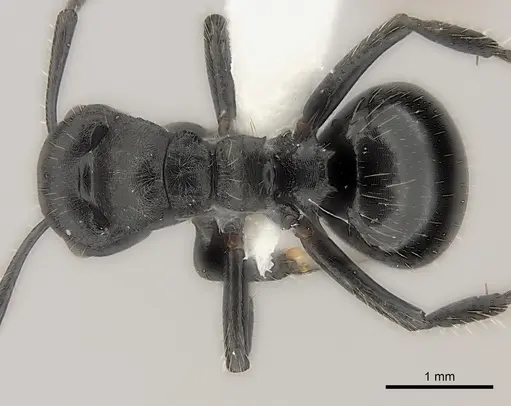
CASENT0250044
View on AntWeb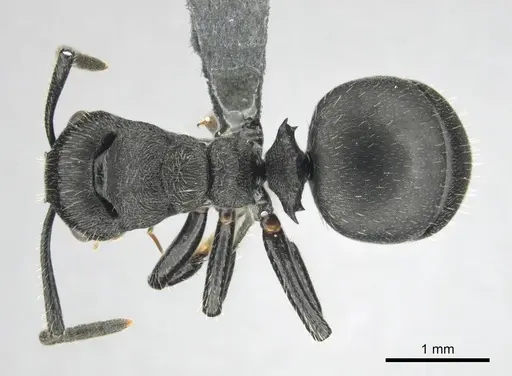
CASENT0250045
View on AntWeb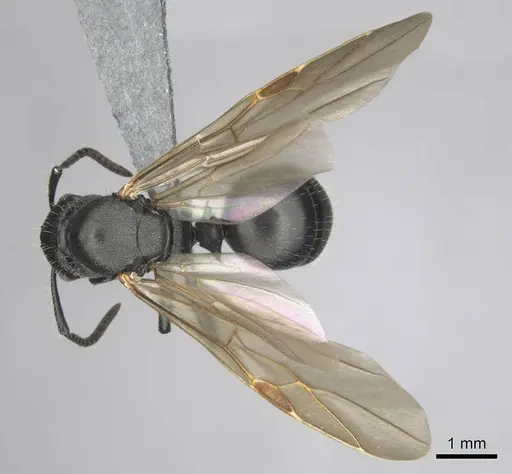
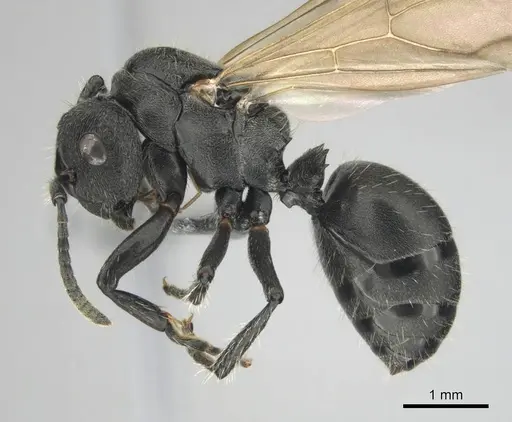
CASENT0281445
View on AntWeb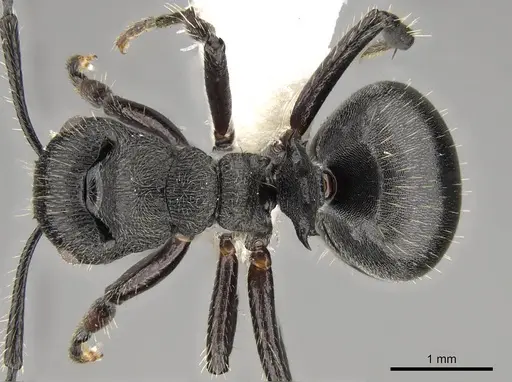
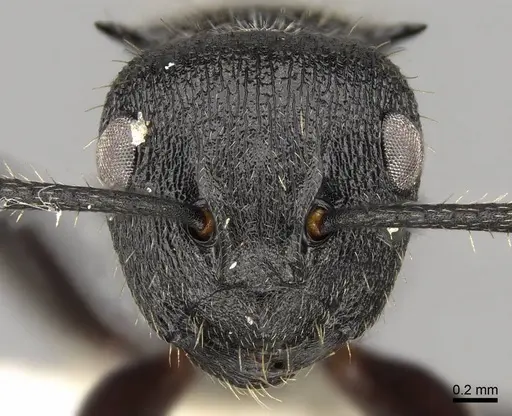
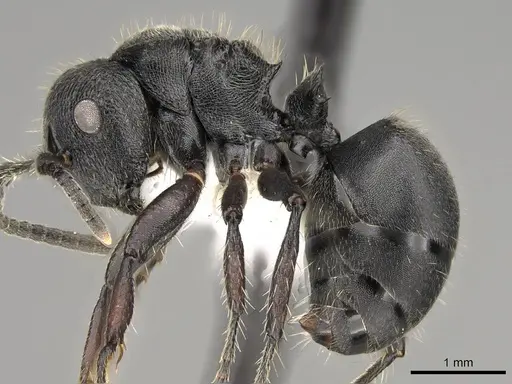
CASENT0905620
View on AntWeb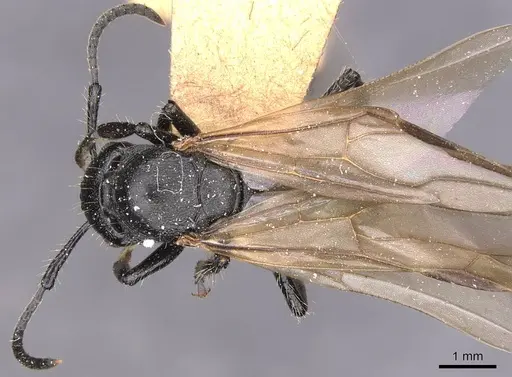
CASENT0905859
View on AntWeb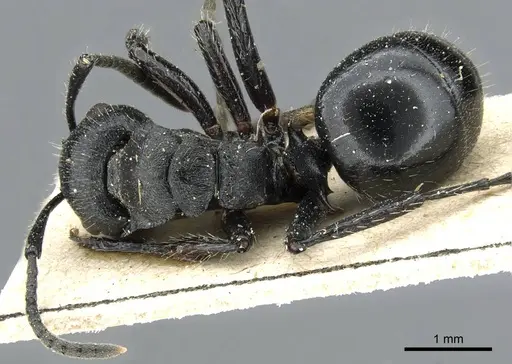
CASENT0910947
View on AntWeb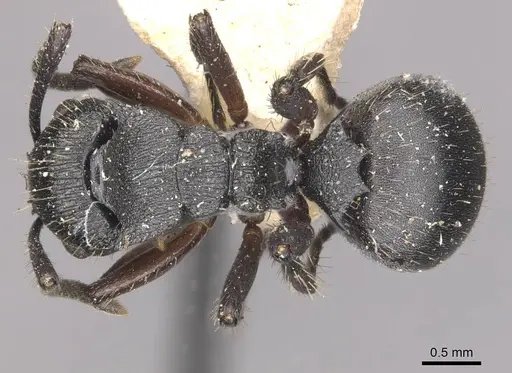
CASENT0913674
View on AntWeb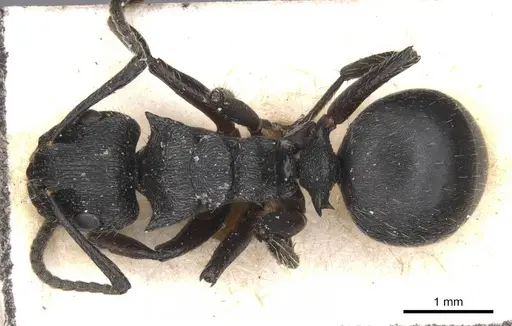
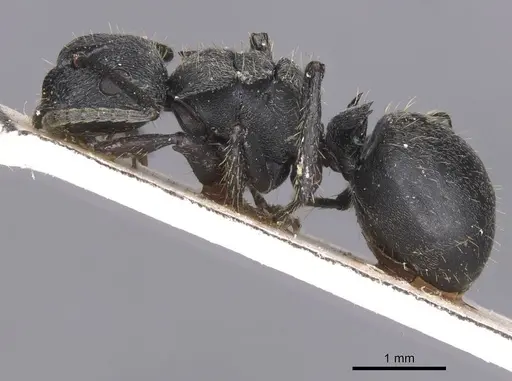
CASENT0915811
View on AntWeb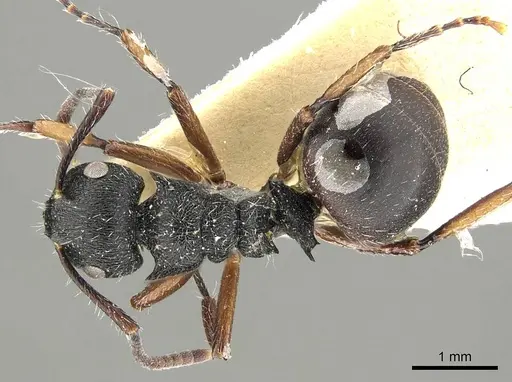
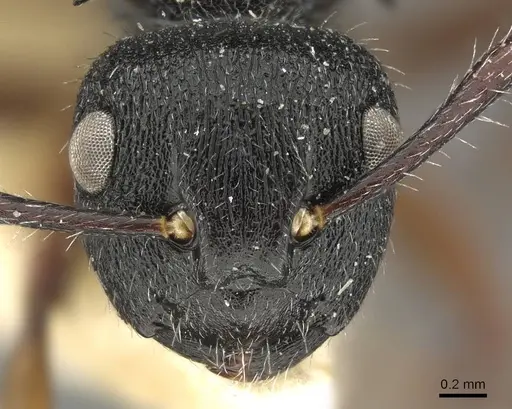
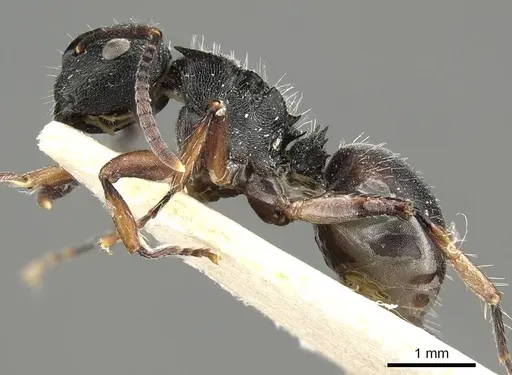
CASENT0917290
View on AntWeb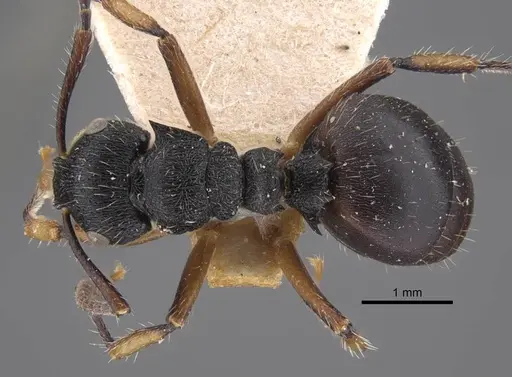
Literature
Loading...Loading products...