

Polyrhachis brevipilosa
- Scientific Name
- Polyrhachis brevipilosa
- Subgenus
- Myrma
- Tribe
- Camponotini
- Subfamily
- Formicinae
- Author
- Rigato, 2016
- Distribution
- Found in 1 countries
Polyrhachis brevipilosa Overview
Polyrhachis brevipilosa is an ant species of the genus Polyrhachis. It is primarily documented in 1 countries , including Congo. Detailed taxonomic data and occurrence records can be further explored via authoritative databases such as AntWeb or the Global Biodiversity Information Facility (GBIF).
Polyrhachis brevipilosa
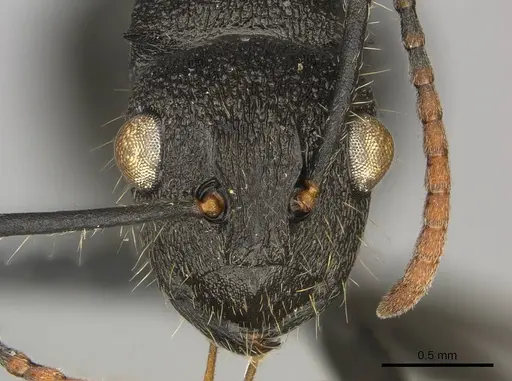
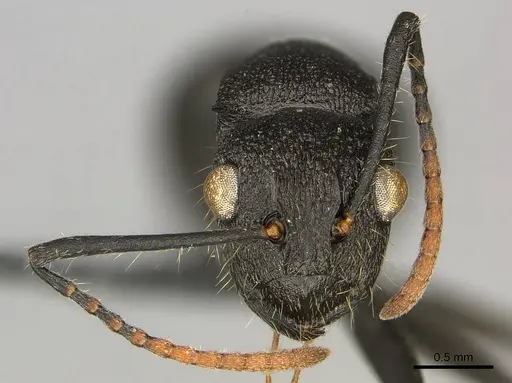
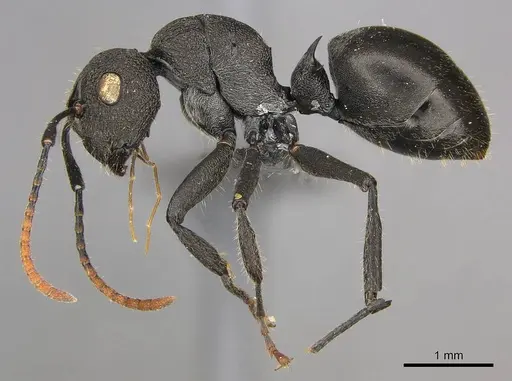
Polyrhachis brevipilosa is a small ant species native to the Afrotropical region, specifically found in Gabon and the Republic of Congo. Workers measure just 1.07-1.34mm in head length, making it the smallest species in the revoili species-group [1]. The workers have a distinctive appearance with a black body, dark legs with brown tibiae, and relatively short standing hairs covering the body and appendages. They can be identified by their lobed clypeus (the front part of the head), weakly marginate pronotum, minute propodeal teeth, and four spines on the petiole (the narrow waist segment) [1]. This is a newly described species, with only limited specimens collected through canopy fogging in primary forest habitats [1].
Quick Summary
- Difficulty: Unknown
- Origin & Habitat: Native to the Afrotropical region, specifically Gabon and Republic of Congo. Specimens have been collected from primary forest habitats using canopy fogging at elevations around 710-754m [1].
- Colony Type: Unconfirmed. Polyrhachis species are typically monogyne (single-queen colonies), but colony structure has not been documented for this specific species.
- Size & Growth:
- Queen: Undescribed, no queen caste has been documented for this species [1].
- Worker: 1.07-1.34mm head length, corresponding to approximately 3-4mm total length [1].
- Colony: Unknown, no colony size data exists for this species.
- Growth: Unknown, no development or growth data available.
- Development: Unconfirmed. Based on typical Polyrhachis patterns, expect 6-10 weeks at optimal temperature, but this is a rough estimate. (No direct development data exists for this species. Related Polyrhachis species typically develop in 6-10 weeks under warm tropical conditions.)
- Antkeeping:
- Temperature: Unknown for this species. Based on its Afrotropical distribution and related species, aim for warm conditions around 24-28°C. Monitor colony activity and adjust accordingly.
- Humidity: Unknown for this species. Based on its primary forest habitat in central Africa, it likely prefers moderate to high humidity (60-80%). Keep the nest substrate consistently moist but not waterlogged.
- Diapause: Unlikely. As a tropical species from central Africa, it probably does not require a diapause period. However, a slight reduction in temperature during winter months may be beneficial.
- Nesting: Unconfirmed. Most Polyrhachis species are arboreal or semi-arboreal, often nesting in vegetation, hollow stems, or under bark. In captivity, a naturalistic setup with vertical surfaces, a Y-tong nest, or acrylic nest with moisture provision would be appropriate starting points.
- Behavior: Not documented for this species. Polyrhachis ants are generally not aggressive and are moderate foragers. Their small size (around 3-4mm) means escape prevention should be taken seriously, use fine mesh and secure barriers. Based on genus-level observations, they are likely diurnal and may show territorial behavior around their nest.
- Common Issues: lack of biological data makes proper care challenging, this species has no documented husbandry history, small size increases escape risk through tiny gaps, no information on accepted foods, start with standard ant diet and observe, newly described species means husbandry knowledge is essentially nonexistent
Species Identification and Discovery
Polyrhachis brevipilosa was formally described by Fabrizio Rigato in 2016,making it a relatively recently discovered ant species. It belongs to the revoili species-group within the subgenus Myrma. The species was identified from specimens collected in Gabon and the Republic of Congo through canopy fogging in primary rainforest environments. What makes this species particularly interesting is its size, it is the smallest member of the revoili-group, with workers measuring only about 3-4mm in total length. The species name 'brevipilosa' literally means 'short-haired', referring to the distinctive short standing hairs that cover its body and appendages. The identification key features include a lobed clypeus, weakly marginate pronotum, minute propodeal teeth, and rough reticulate-punctate sculpture on the body surface. [1]
Natural Habitat and Distribution
This species is known only from two locations in central Africa: Gabon and the Republic of Congo. Specimens have been collected at elevations between 710-754 meters in primary forest habitats. The collection method (canopy fogging) suggests these ants may be arboreal or at least frequent the forest canopy. The region is characterized by tropical rainforest climate with high year-round humidity and temperatures. Based on the collection data, P. brevipilosa appears to be a rare or infrequently encountered species, as only a handful of specimens have been documented despite targeted collecting efforts. [1]
Current State of Knowledge
It must be emphasized that Polyrhachis brevipilosa is one of the least studied ant species in captivity, if it is kept at all. The AntWiki explicitly states that nothing is known about the biology of this species. No information exists regarding colony structure, founding behavior, development timeline, diet preferences, temperature requirements, or any other aspects of its natural history. This makes creating a definitive care guide impossible. However, we can make educated inferences based on what is known about the genus Polyrhachis as a whole and related species in the same geographic region. Any keeper attempting to maintain this species should be prepared to be a pioneer and document their observations carefully.
General Polyrhachis Care Guidelines
While specific care requirements for P. brevipilosa are unknown, Polyrhachis ants in general share certain characteristics that can guide initial husbandry attempts. Most Polyrhachis species are arboreal or semi-arboreal, preferring to nest in elevated locations rather than in soil. They are typically claustral founders, meaning the queen seals herself in a chamber and raises the first workers without leaving to forage. Colonies are usually monogyne (single queen). In captivity, these ants generally do well in nests that allow for some humidity control, with temperatures in the low-to-mid 20s Celsius or higher. They are not typically aggressive and can be kept in standard formicarium setups. However, these are generalities and this specific species may have unique requirements that deviate from the norm.
Frequently Asked Questions
How do I care for Polyrhachis brevipilosa?
Unfortunately, no specific care guide exists for this species. It was described in 2016 and nothing has been documented about its biology. Start with standard Polyrhachis care: keep warm (24-28°C), maintain moderate humidity (60-80%), and provide a nest with moisture access. Document your observations carefully as you will be pioneering the husbandry of this species.
What do Polyrhachis brevipilosa ants eat?
Diet is unconfirmed for this species. Based on general Polyrhachis behavior, they likely accept both sugar sources (honey, sugar water) and protein (small insects, mealworms). Start with a varied diet and observe what the colony accepts. Given their small size, prey items should be appropriately sized.
How big do Polyrhachis brevipilosa colonies get?
Colony size is unknown. No wild colonies have been documented, and no captive colonies are known. Related Polyrhachis species can form colonies ranging from dozens to several hundred workers.
What is the best nest type for Polyrhachis brevipilosa?
Nest type is unconfirmed. Based on genus-level behavior, Polyrhachis species often prefer arboreal setups. A Y-tong (AAC) nest, acrylic nest, or naturalistic setup with vertical surfaces would be appropriate starting points. Ensure the nest can maintain humidity.
Does Polyrhachis brevipilosa need hibernation?
Unlikely. As a tropical species from central Africa, it probably does not require a diapause period. However, a slight reduction in temperature during winter months may be natural and could be beneficial.
How long does it take for Polyrhachis brevipilosa to develop from egg to worker?
Development timeline is unconfirmed. Based on typical Polyrhachis patterns, expect approximately 6-10 weeks from egg to first worker at optimal temperature, but this is a rough estimate with no species-specific data.
Is Polyrhachis brevipilosa good for beginners?
No. This species cannot be recommended for beginners due to the complete lack of documented care information. It would be an expert-level species for those willing to experiment and document their findings. If you are interested in Polyrhachis, consider more established species like Polyrhachis dives or Polyrhachis laboriosa which have known care requirements.
Can I keep multiple queens together?
Colony structure is unconfirmed. Polyrhachis species are typically monogyne (single queen), but this has not been documented for brevipilosa. Do not attempt combining unrelated queens without research specific to this species.
Where can I get Polyrhachis brevipilosa?
This species is extremely rare in the antkeeping hobby, if present at all. It was only recently described (2016) and has been collected only a few times in the wild. It is unlikely to be available through commercial ant vendors. If available, expect very high prices given its rarity.
References

This caresheet is licensed under CC BY-SA 4.0 .
CASENT0250033
View on AntWeb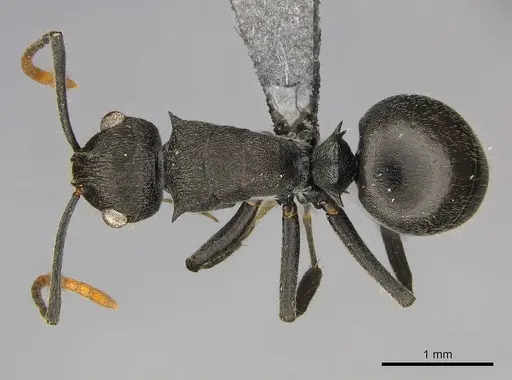
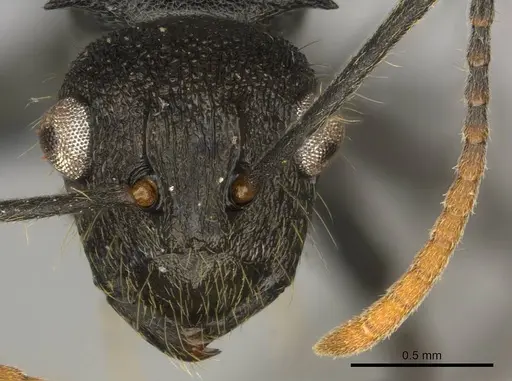
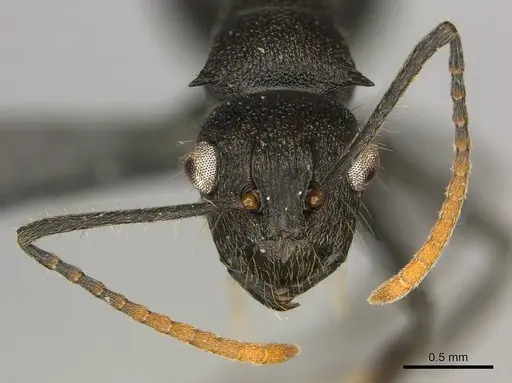
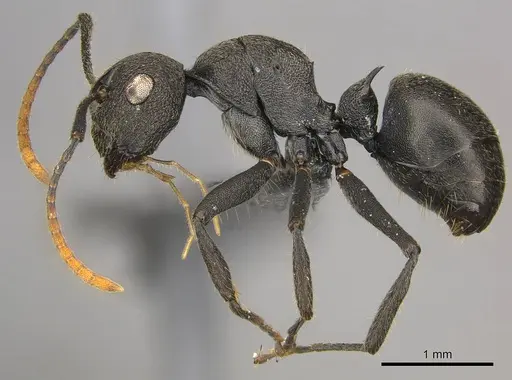
CASENT0250041
View on AntWeb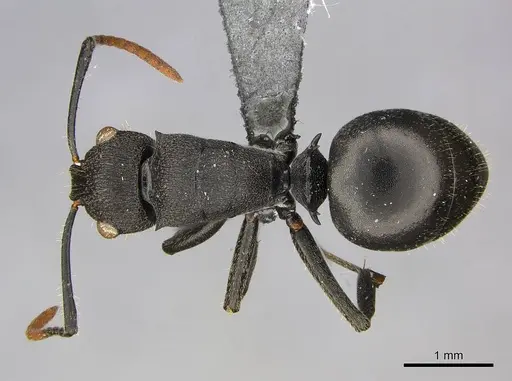
Literature
Loading...Loading products...