

Polyrhachis laboriosa
- Scientific Name
- Polyrhachis laboriosa
- Subgenus
- Myrma
- Tribe
- Camponotini
- Subfamily
- Formicinae
- Author
- Smith, 1858
- Distribution
- Found in 7 countries
Polyrhachis laboriosa Overview
Polyrhachis laboriosa is an ant species of the genus Polyrhachis. It is primarily documented in 7 countries , including Congo, Democratic Republic of the, Congo. Detailed taxonomic data and occurrence records can be further explored via authoritative databases such as AntWeb or the Global Biodiversity Information Facility (GBIF).
Polyrhachis laboriosa
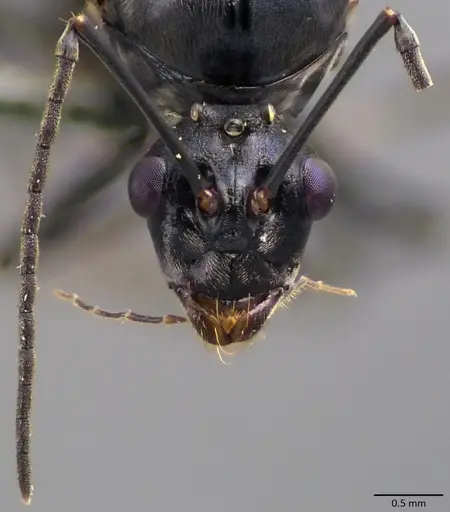
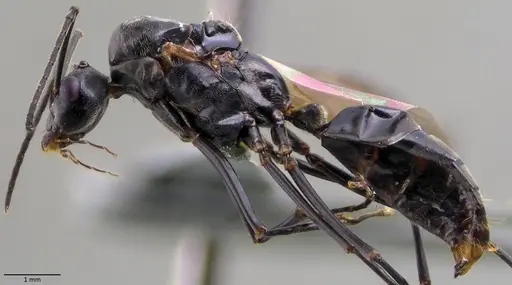
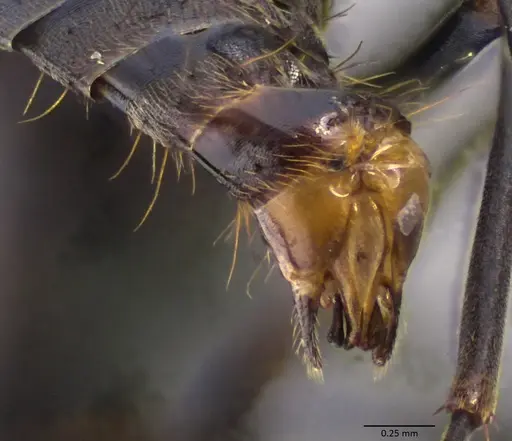
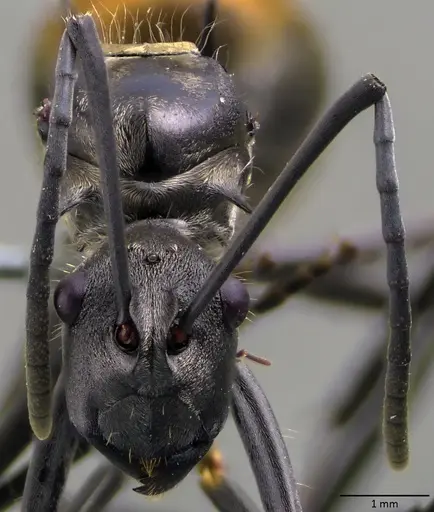
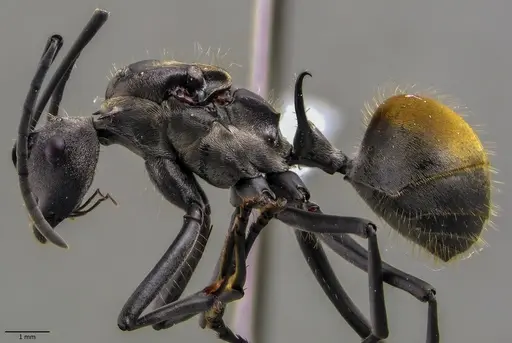
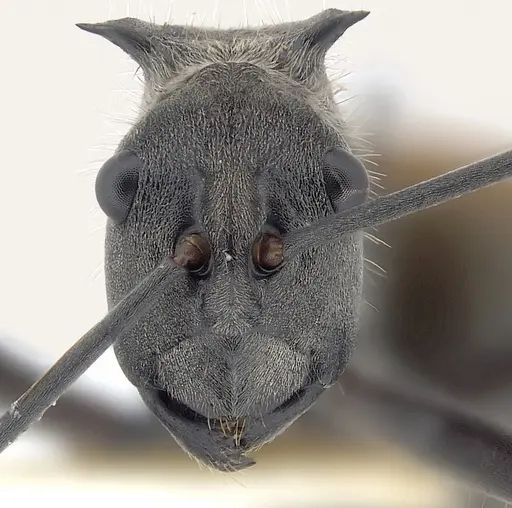
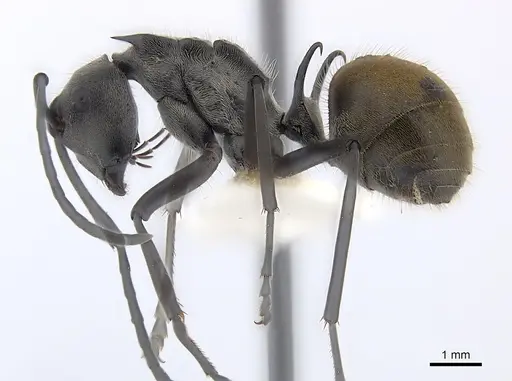
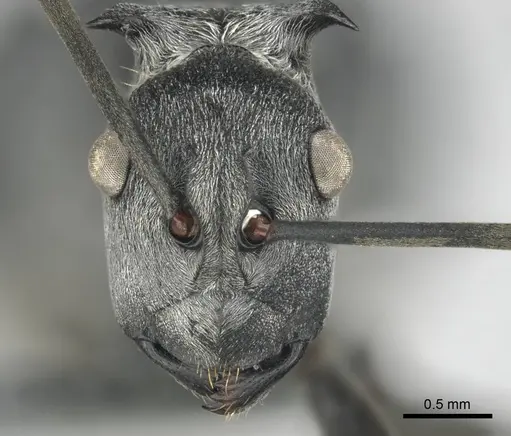
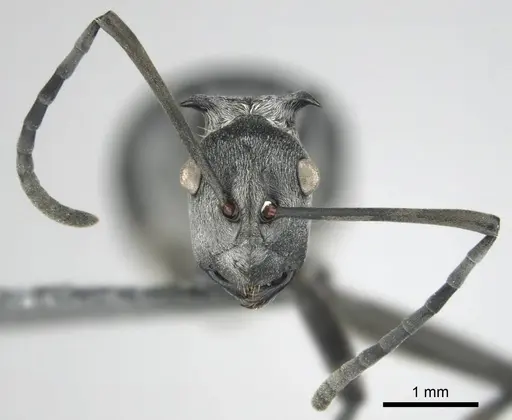
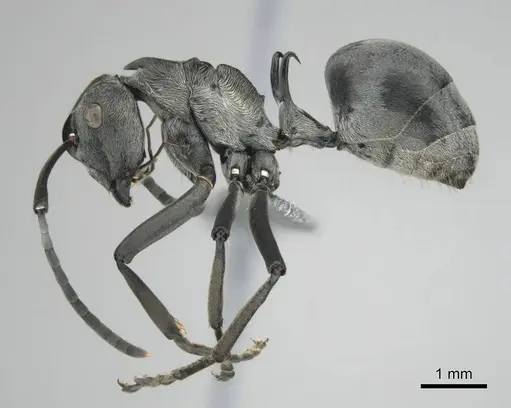
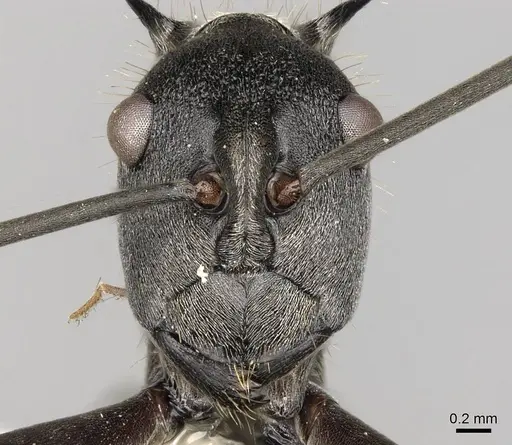
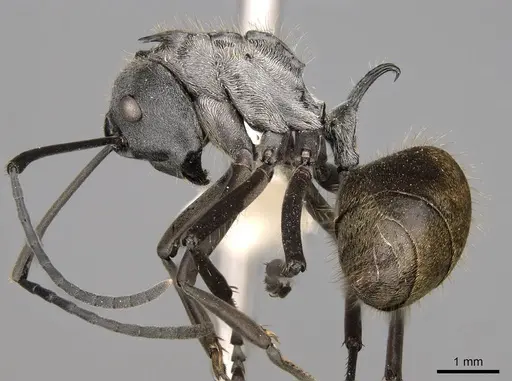
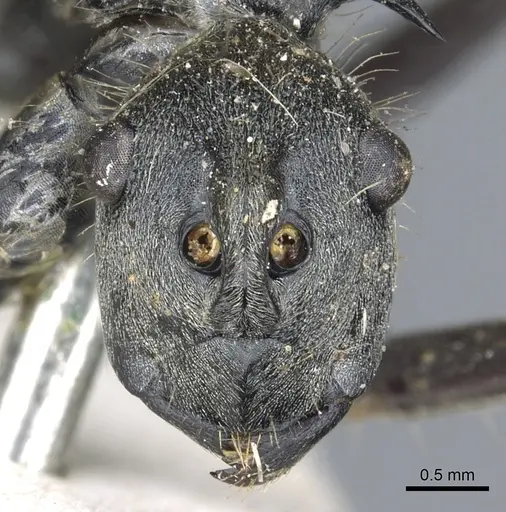
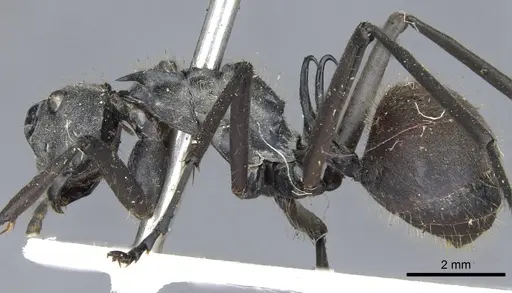
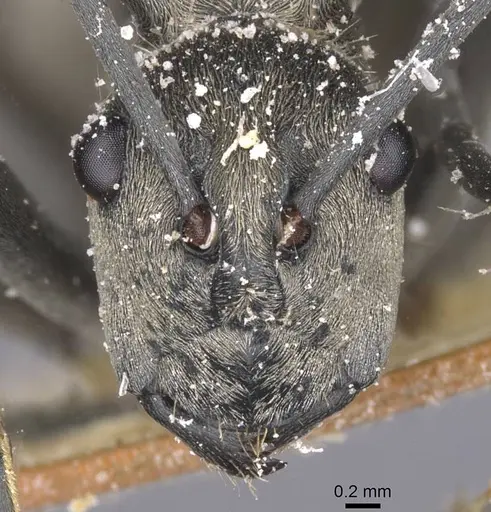
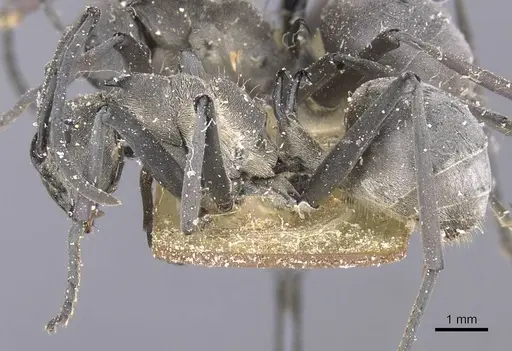
Polyrhachis laboriosa is a medium-large arboreal ant native to West African forests and forest edges. Workers measure 10.2-11.6mm with a distinctive appearance featuring erect hairs ranging from grey to golden-yellow, and a dense golden or bronzy pubescence on the gaster that often hides the underlying sculpturing. The species is easily identified by its unique petiole shape, a single pair of spines set at the dorsolateral corners, weakly divergent with strongly hooked apices pointing posteriorly. What makes this species particularly fascinating is its nest-building behavior: unlike many Polyrhachis species that use larval silk, P. laboriosa collects spider silk from webs to bind together vegetable fragments, leaves, and twigs into carton nests attached to the underside of leaves 2-3m high in the canopy[1]. Colonies are polydomous (spread across multiple nests) and typically monogynous (single queen), with an average of about 400 workers per nest [1].
Quick Summary
- Difficulty: Medium
- Origin & Habitat: West African forests and forest edges, found in Sierra Leone, Ghana, Ivory Coast, Nigeria, Cameroon, Congo, Democratic Republic of Congo, Equatorial Guinea, Angola, Togo, and Uganda [1]. Nests are built 2-3m high in the canopy of small trees and shrubs, attached to the undersides of leaves [1].
- Colony Type: Polydomous (multiple connected nests) and monogynous (single queen). About 21% of nests contain a dealated queen, and queen-right colonies are significantly larger (881±505 workers) than queenless ones (277±263 workers) [1]. Semi-claustral colony founding has been documented, queens seal themselves in but may leave to retrieve building materials.
- Colony: Monogyne
- Founding: Semi-claustral, Pleometrosis
- Size & Growth:
- Queen: Larger than workers, with reduced pronotal spines and propodeal teeth
- Worker: 10.2-11.6mm
- Colony: Average ~400 workers per nest, range 25-1919 workers [1]. Queen-right colonies can reach 800+ workers.
- Growth: Moderate, development timeline unconfirmed but typical for tropical Polyrhachis
- Development: Estimated 6-8 weeks at tropical temperatures based on genus patterns (Direct development data unavailable, estimate based on related Polyrhachis species)
- Antkeeping:
- Temperature: Keep at 24-28°C, these are tropical ants requiring warm conditions. A gentle gradient allowing warmer and cooler areas is recommended.
- Humidity: Moderate to high, forest species requiring 60-80% humidity. Provide moisture through a water reservoir but ensure ventilation prevents stagnation.
- Diapause: No, as a tropical species, they do not require hibernation. Maintain consistent temperatures year-round.
- Nesting: Arboreal nesters requiring vertical space and leaf-like structures. A naturalistic setup with live or artificial leaves works well, or a Y-tong/plaster nest with damp conditions. They need to attach nests to surfaces.
- Behavior: Workers forage individually using visual orientation for small prey and plant secretions, switching to group recruitment (1-4 followers behind a leader) for larger food sources. They are capable of learning visual landmarks and have demonstrated numerical competence in studies. When disturbed, workers curve their gaster under to eject formic acid and tap their gaster to produce a rattling noise as a defensive display [1]. Individual foragers that are disturbed tend to release their grip and fall into the undergrowth. Escape risk is moderate, medium-large ants but good climbers.
- Common Issues: arboreal nesting requirements mean standard horizontal nests are unsuitable, they need vertical space and attachment points, polydomous colony structure means colonies may split or relocate if conditions aren't ideal, humidity must be maintained but ventilation is critical to prevent mold in their carton nests, tropical temperature requirements mean they cannot tolerate cool conditions, keep warm year-round, queenless colonies are common in the wild (79% of nests) and may be harder to establish long-term
Nest Preferences and Housing
Polyrhachis laboriosa is an arboreal species that builds nests on the underside of leaves 2-3m above ground in the forest canopy [1]. In captivity, you need to replicate this vertical, leaf-focused nesting environment. A naturalistic setup works best, use a frame or container with artificial leaves, live moss, or other surfaces where they can build their characteristic carton nests from vegetable fragments bound with spider silk and fungal hyphae. Alternatively, a Y-tong or plaster nest with good moisture retention can work, but you must provide attachment points and vertical space. The key requirement is having surfaces they can affix their nest to, they won't simply occupy pre-made chambers like many ground-nesting ants. Keep the nest humid but ensure adequate ventilation to prevent mold in their organic nest material. A water tube or small reservoir nearby provides moisture without flooding their delicate nest structure.
Feeding and Diet
In the wild, P. laboriosa forages for plant secretions (honeydew from aphids and scale insects), small prey, and insect corpses [1]. Workers primarily forage individually, using visual cues to navigate rather than chemical trails, they orient visually toward food sources and landmarks. For large or permanent food sources, they switch to group recruitment, with one to four followers closely trailing behind a leader ant. In captivity, offer a varied diet: sugar water or honey as a constant carbohydrate source, and protein sources like mealworms, crickets, or other small insects. Their tropical origin means they likely have moderate protein needs. Feed protein 2-3 times per week and keep sugar water available. Remove uneaten prey after 24-48 hours to prevent mold.
Temperature and Seasonal Care
As a West African tropical species, P. laboriosa requires warm temperatures year-round with no hibernation period. Keep the nest area at 24-28°C, with a gentle gradient allowing workers to choose their preferred temperature zone. A small heating cable on one side of the nest (placed on top to warm rather than dry) can help maintain these temperatures, especially in cooler climates. Avoid temperatures below 22°C for extended periods, these ants are adapted to stable tropical conditions and will become sluggish or decline in cool environments. There is no diapause requirement, so maintain consistent temperatures throughout the year. Room temperature in most homes may be too cool, consider supplemental heating. [1]
Defense and Behavior
P. laboriosa has several interesting defensive behaviors. When disturbed, workers curve their gaster beneath the alitrunk to eject formic acid, a chemical defense against predators and threats [1]. They also perform a unique behavioral defense: tapping their gaster against the substrate produces a rattling noise, and when multiple workers do this together, it creates a collective warning signal. Individual foragers that are disturbed while on bark will often simply release their grip and fall into the undergrowth below, an escape strategy that avoids confrontation. In captivity, you may observe this falling behavior if they feel threatened. They are not particularly aggressive toward keepers but will defend their nest vigorously. Their medium-large size (10-12mm) makes them visible and interesting to observe, and their visual foraging navigation is a fascinating behavior to watch.
Colony Structure and Social Organization
P. laboriosa has a complex social structure that differs from many common ant pets. Colonies are polydomous, meaning they distribute across multiple connected nests rather than occupying a single nest site [1]. They are typically monogynous with a single queen, though only about 21% of wild nests actually contain a dealated fertile queen. Queen-right colonies are significantly larger (around 881 workers) compared to queenless colonies (around 277 workers), suggesting that queen presence greatly boosts colony growth [1]. Interestingly, founding has been observed with multiple queens, two out of 18 documented foundations involved two queens together [1]. This suggests pleometrosis (multiple queens founding together) is possible, though typically only one queen eventually dominates. In captivity, starting with a single queen is most reliable, but understanding their flexible social structure helps explain why some colonies may behave differently.
Frequently Asked Questions
Can I keep Polyrhachis laboriosa in a test tube?
A test tube alone is not ideal, this is an arboreal species that needs vertical space and surfaces to attach their carton nests to. Use a naturalistic setup with leaves, moss, or other surfaces they can build on, or a Y-tong/plaster nest with attachment points and vertical orientation.
How long does it take for the first workers to emerge?
Based on typical Polyrhachis development, expect 6-8 weeks from egg to first worker at optimal tropical temperatures (24-28°C). Direct development data for this species is not available.
Do Polyrhachis laboriosa ants need hibernation?
No, as a West African tropical species, they do not require hibernation or winter cooling. Keep them warm (24-28°C) year-round.
Are Polyrhachis laboriosa good for beginners?
This species is intermediate in difficulty. Their arboreal nesting requirements and need for warm, humid conditions make them more challenging than common ground-nesting ants. They are fascinating to keep but require more specialized housing.
How big do Polyrhachis laboriosa colonies get?
Colonies average around 400 workers in the wild, with queen-right colonies reaching 800+ workers. They are polydomous, meaning the colony may spread across multiple nests.
Can I keep multiple queens together?
In the wild, pleometrosis (multiple queens founding together) has been observed in about 11% of foundations (2 out of 18). However, starting with a single queen is more reliable for captive colonies.
What do Polyrhachis laboriosa eat?
They are omnivorous with a preference for plant secretions (honeydew) and small prey. Offer sugar water or honey as a constant carbohydrate source, and protein like mealworms or crickets 2-3 times per week.
Why is my Polyrhachis laboriosa colony dying?
Common issues include: temperatures below 22°C (they need tropical warmth), low humidity (they're forest ants), improper housing (they need vertical surfaces to build nests), or mold from poor ventilation. Check all three environmental factors first.
When should I move them to a formicarium?
Move them when the founding colony has established a nest and has 20+ workers. Since they're arboreal, a naturalistic setup with vertical surfaces is preferable to a standard formicarium.
References

This caresheet is licensed under CC BY-SA 4.0 .
ANTWEB1060028
View on AntWeb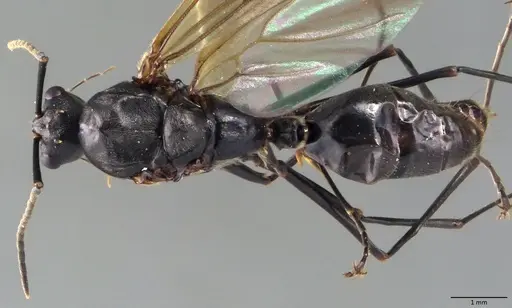
ANTWEB1060030
View on AntWeb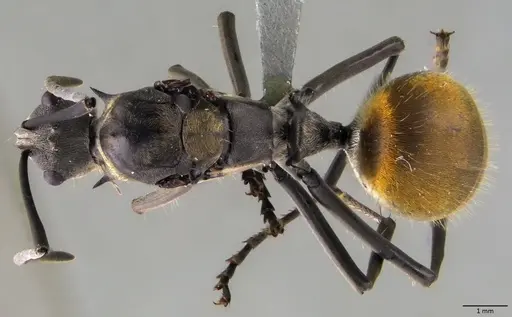
CASENT0217777
View on AntWeb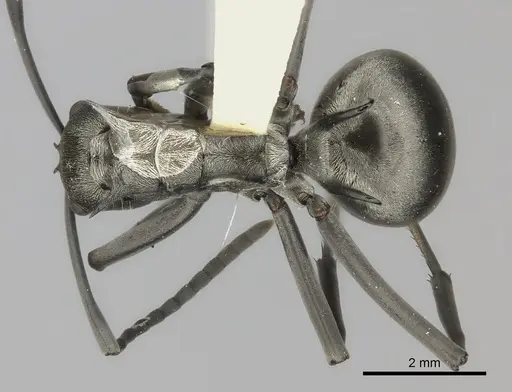
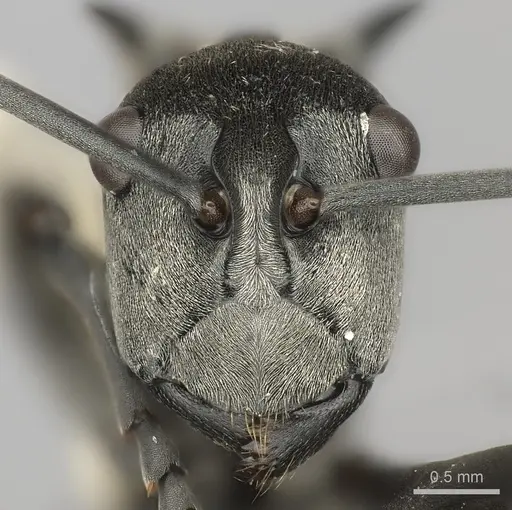
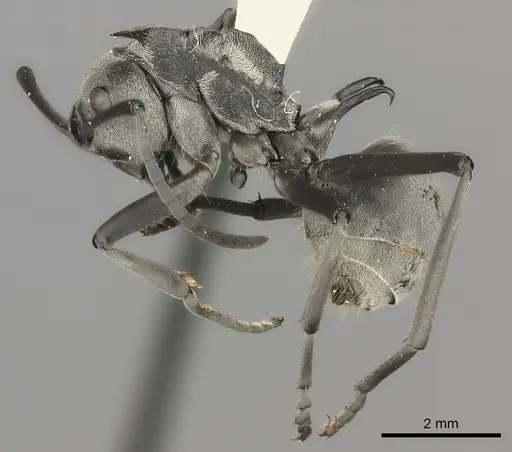
CASENT0227565
View on AntWeb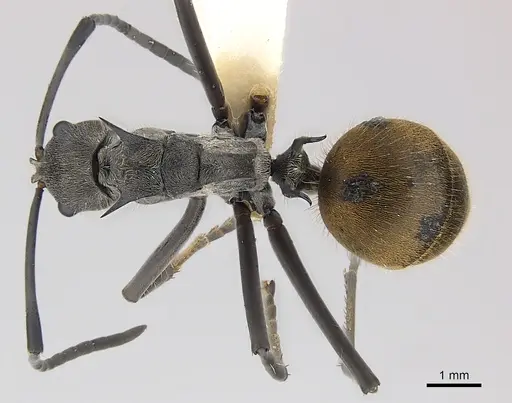
CASENT0250042
View on AntWeb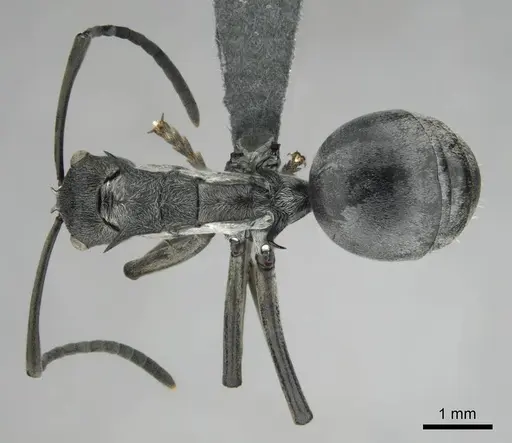
CASENT0281447
View on AntWeb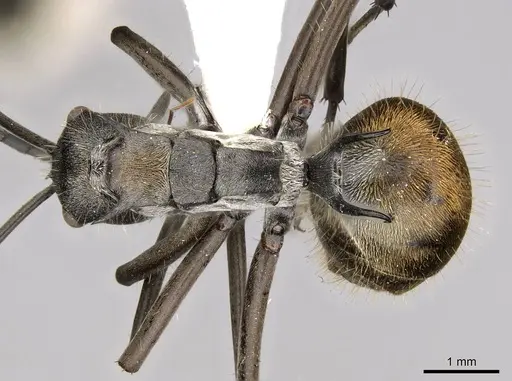
CASENT0903454
View on AntWeb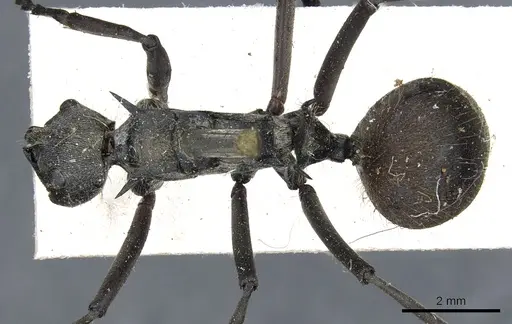
CASENT0912124
View on AntWeb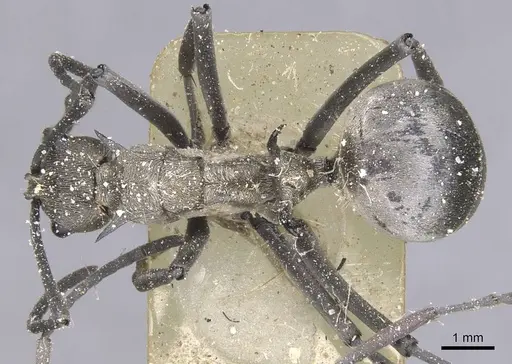
Literature
Loading...Loading products...