

Polyergus vinosus
- Scientific Name
- Polyergus vinosus
- Tribe
- Formicini
- Subfamily
- Formicinae
- Author
- Trager, 2013
- Common Name
- Wine-red Amazon Ant
- Distribution
- Found in 1 countries
Polyergus vinosus Overview
Polyergus vinosus (commonly known as the Wine-red Amazon Ant) is an ant species of the genus Polyergus. It is primarily documented in 1 countries , including United States of America. Detailed taxonomic data and occurrence records can be further explored via authoritative databases such as AntWeb or the Global Biodiversity Information Facility (GBIF).
Polyergus vinosus - "Wine-red Amazon Ant"
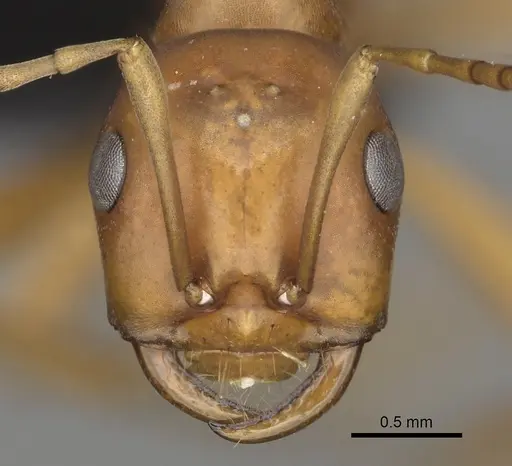
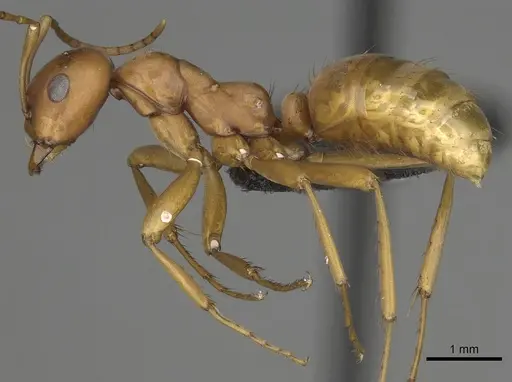
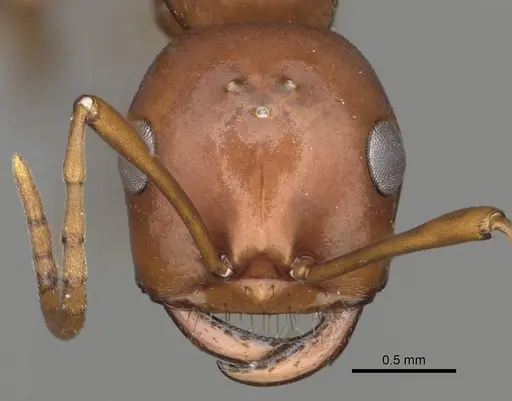
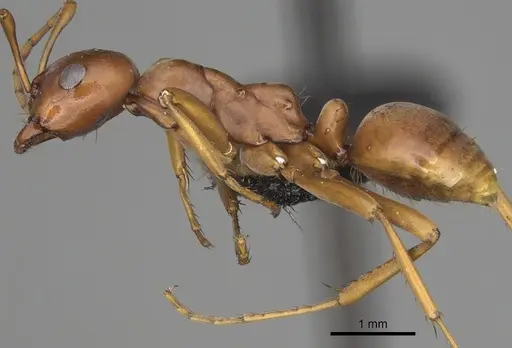
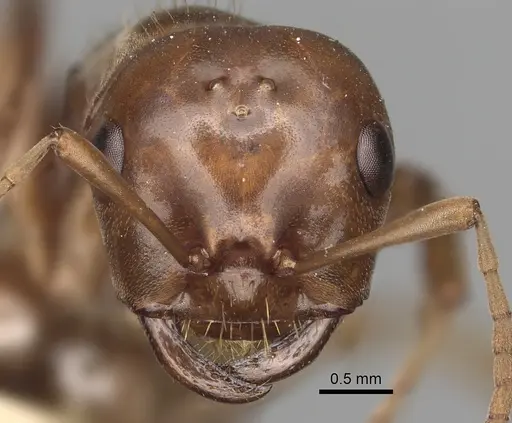
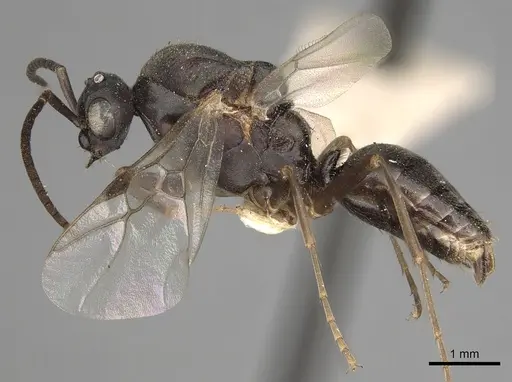
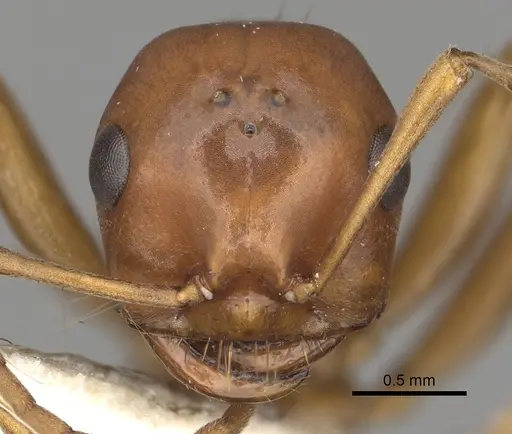
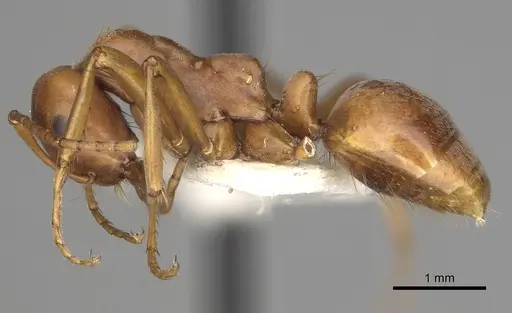
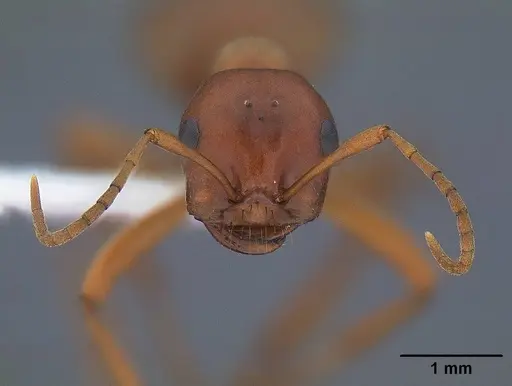
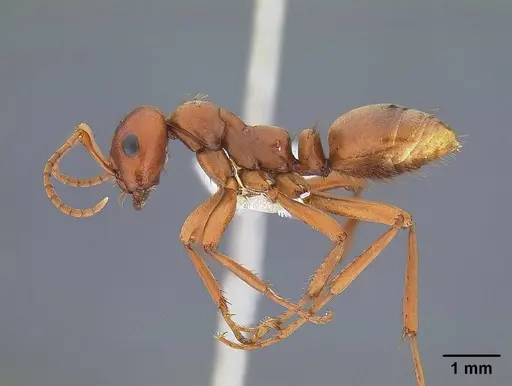
Polyergus vinosus is a small to medium-sized dulotic ant native to southern California and northern Baja California, including Santa Cruz Island. Workers measure 4.26-6.97mm and have a distinctive orange-red to wine-red coloration that gives the species its name ('vinosus' means wine-colored in Latin) [1][2]. This species belongs to the breviceps complex within the rufescens group and is one of the few ant species in North America that practices slave-making behavior. Unlike typical ants, Polyergus workers have lost the ability to care for their own brood, they raid colonies of their specific host species, Formica moki, stealing pupae to raise as workers that serve the raid colony [1][3]. These ants inhabit mature chaparral, coast live oak woodland, and rocky wooded canyons in the southern California coastal hills, often nesting among rocks near streams or drainage areas [1].
Quick Summary
- Difficulty: Expert
- Origin & Habitat: Southern California and northern Baja California, Mexico, also found on Santa Cruz Island. Inhabits mature chaparral, coast live oak woodland and savanna, rocky wooded canyons and oak-gray pine woodlands of the southern California coast hills [1].
- Colony Type: Dulotic (slave-making) species, colonies contain Polyergus workers and enslaved Formica moki workers. The colony structure is not fully documented but likely follows the typical Polyergus pattern of having a single queen that initiates the colony with enslaved host workers.
- Special: Slave-making
- Size & Growth:
- Queen: Unconfirmed, likely similar to other Polyergus species at 7-9mm
- Worker: 4.26-6.97mm, averaging 5.69mm [1]
- Colony: Unknown, likely under 500 workers based on related species
- Growth: Slow, colonies depend on raiding success to grow
- Development: Unconfirmed, likely 6-10 weeks based on related Formica species (Development is poorly studied for this species. Estimates based on genus patterns suggest several months from egg to adult worker.)
- Antkeeping:
- Temperature: Keep at room temperature around 20-24°C. No specific studies exist, but related Formica species thrive in this range.
- Humidity: Moderate humidity, these ants naturally occur in coastal chaparral with some moisture. Keep nest substrate slightly moist but not wet.
- Diapause: Likely, temperate species probably require a winter rest period. Specific requirements unconfirmed.
- Nesting: Natural nesting is among rocks, often near streams or drainage areas, sometimes with lightly thatched superstructure [1]. In captivity, a naturalistic setup with a formicarium connected to an outworld works well. Provide multiple chambers and hiding spots.
- Behavior: Polyergus vinosus is a specialized slave-making ant with unique behavioral traits. Workers are not capable of caring for their own brood, they must raid Formica moki colonies to acquire host pupae, which emerge as enslaved workers that handle all colony maintenance tasks including foraging, nursing, and nest maintenance [1][3]. Raids occur in early to mid summer, during the latter half of the afternoon [1]. The Polyergus workers serve as the raiding force, using their specialized mandibles to overcome host colonies. This species is not aggressive toward humans and workers are too small to cause meaningful concern. Escape risk is moderate, standard formicarium barriers are sufficient.
- Common Issues: obtaining host colonies, you must also keep Formica moki colonies for this species to survive, colonies fail without enslaved workers, the slave-making behavior is obligate, not optional, slow colony growth, dependent on successful raids to increase worker numbers, difficulty finding the specific host species, F. moki has limited range, expert-level species, not suitable for beginners due to specialized requirements
Understanding Dulotic Behavior
Polyergus vinosus is an obligately dulotic ant species, meaning it cannot survive without enslaved host workers. This is not a choice, Polyergus workers have evolved to the point where they can no longer perform basic colony tasks like caring for brood, foraging for food, or maintaining the nest [3]. The species exclusively raids colonies of Formica moki, a specific host ant species found in the same habitats [1]. During raids, Polyergus workers infiltrate the host nest, overwhelm the defenders, and carry off pupae and sometimes larvae. These stolen pupae emerge as adult Formica workers that, due to their early emergence in the raid colony, imprint on the Polyergus queen and treat her offspring as their own. The enslaved workers perform all essential colony functions while the Polyergus workers focus exclusively on raiding behavior. This makes keeping P. vinosus significantly more challenging than typical ants, you must maintain both the dulotic species and healthy colonies of its host species.
Housing and Nest Setup
Housing Polyergus vinosus requires planning for two species, the dulotic Polyergus and their Formica moki hosts. A naturalistic setup works best, with a formicarium connected to an outworld where raids can be observed. The nest should have multiple chambers and narrow passages, mimicking their natural cryptic placement among rocks [1]. Use a substrate that holds moisture well but drains properly, a mix of soil and sand works. Provide a water source in the outworld. Since both species naturally nest among rocks in areas with some moisture, keep the nest moderately humid. Temperature should be room temperature (20-24°C). Escape prevention is straightforward, these are medium-sized ants and standard barriers work well. However, you will need to maintain separate colonies of Formica moki to serve as raid targets and to replace enslaved workers that die off over time.
Feeding and Nutrition
Feeding Polyergus vinosus requires understanding their unique relationship with their host workers. The enslaved Formica moki workers handle all foraging, so they will collect food for the colony. Offer the same diet you would provide to Formica ants: sugar sources (honey water, sugar water) and protein (dead insects, small crickets, mealworms). The enslaved workers will consume these and distribute them to the colony. You do not need to feed the Polyergus workers directly, they focus on raiding behavior and will accept food offered to them but rely on host workers for nutrition. Fresh water should always be available. Because these ants are specialized predators on their host species, the colony's growth is directly tied to raid success, more enslaved workers means more foragers collecting food, which supports faster colony growth.
Raiding Behavior and Colony Growth
The most fascinating aspect of keeping Polyergus vinosus is observing their raiding behavior. Raids occur in early to mid summer, during the latter half of the afternoon [1]. The raid begins when a group of Polyergus workers leaves the nest and locates a Formica moki colony. They use chemical cues and their specialized mandibles to overwhelm host defenders. Successful raids result in stolen pupae that are carried back to the raid colony. The timing of raids is tied to seasonal conditions, in their native southern California habitat, summer provides optimal conditions for raiding activity. In captivity, you may observe raid-like behavior if you provide access to a separate Formica moki colony. Colony growth is directly correlated with raid success, each successful raid adds more enslaved workers, which increases the colony's foraging and resource-gathering capacity. This creates a positive feedback loop where successful colonies can grow larger and raid more effectively.
Temperature and Seasonal Care
Polyergus vinosus comes from the temperate climate of southern California, where they experience distinct seasons. While specific diapause requirements are unconfirmed, temperate ant species typically require a winter rest period. During winter (roughly November through February in the Northern Hemisphere), reduce temperatures to around 10-15°C to simulate natural conditions. This helps the colony enter a resting state and may trigger reproductive behavior in the following season. During active months (roughly March through October), maintain room temperature around 20-24°C. The summer months are when raid activity peaks, so ensure the colony has adequate resources and the host Formica colonies are healthy during this period. Avoid temperature extremes, both cold drafts and excessive heat stress these ants. A simple approach is to keep them at room temperature year-round and provide a slight cooling period during winter if the colony shows signs of continued activity. [1]
Frequently Asked Questions
Can I keep Polyergus vinosus as a pet ant?
Yes, but this is an expert-level species. You cannot keep P. vinosus alone, they require Formica moki host colonies to survive. This makes them significantly more challenging than typical ants and they are not recommended for beginners. You will need to maintain multiple ant colonies and understand dulotic behavior.
What do I feed Polyergus vinosus?
You feed the enslaved Formica moki workers, not the Polyergus directly. Offer sugar sources (honey water, sugar water) and protein (dead insects, crickets, mealworms). The host workers will forage and distribute food throughout the colony. Fresh water must always be available.
How do Polyergus vinosus colonies grow?
Colony growth depends entirely on raiding behavior. Polyergus workers raid Formica moki colonies and steal pupae. These stolen pupae emerge as enslaved workers that handle all colony maintenance. Successful raids = more enslaved workers = faster colony growth. Without raids, the colony cannot grow.
Are Polyergus vinosus good for beginners?
No. This species is not suitable for beginners. They require maintaining two species (the dulotic ant and its host), have complex behavioral requirements, and are difficult to establish in captivity. Beginners should start with species like Lasius niger, Camponotus, or Tetramorium before attempting dulotic species.
Where can I get Formica moki for my Polyergus colony?
Formica moki has a limited range in southern California and northern Baja California, the same region as P. vinosus. You would need to collect them from the wild in their native range or find a specialized supplier. You cannot easily keep P. vinosus without access to healthy host colonies.
Do I need to hibernate Polyergus vinosus?
Likely yes. As a temperate species from southern California, they probably require a winter rest period. Reduce temperatures to around 10-15°C during winter months (roughly November through February). Specific diapause requirements are not well-documented, but this is standard for temperate ant species.
Why are they called slave-making ants?
Polyergus are obligate dulotic ants, they have evolved to rely entirely on enslaved host workers for survival. The workers raid other ant colonies, steal their pupae, and raise the emerging workers as slaves. These enslaved workers do all the work (foraging, nursing, nest maintenance) while the Polyergus focus on raiding. This is not a learned behavior, it is an obligate requirement for survival.
How long does it take for first workers to appear?
The development timeline is unconfirmed for this specific species. Based on related Formica species, expect 6-10 weeks from egg to adult worker at optimal temperature. However, P. vinosus colonies start with already-developed host workers from raids, so the timeline for establishing a new colony depends on raid success rather than internal development.
References

This caresheet is licensed under CC BY-SA 4.0 .
CASENT0281078
View on AntWeb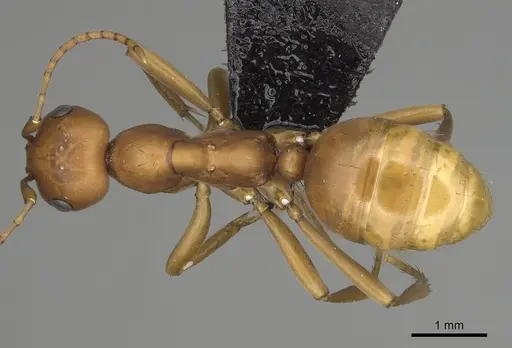
CASENT0281079
View on AntWeb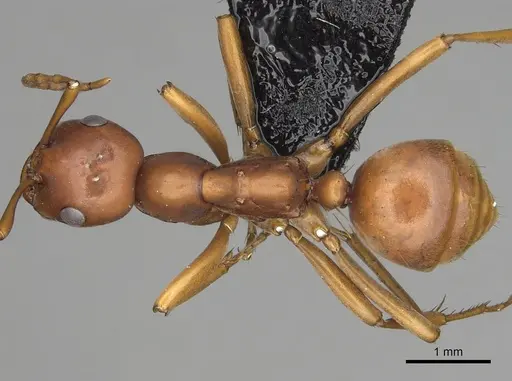
CASENT0281080
View on AntWeb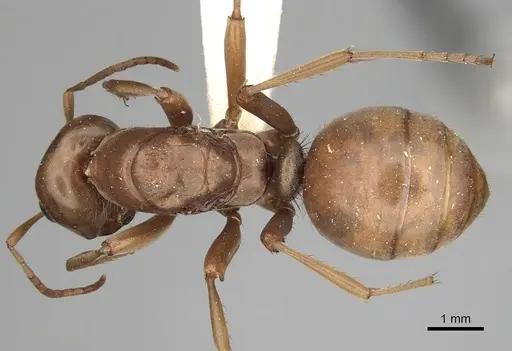
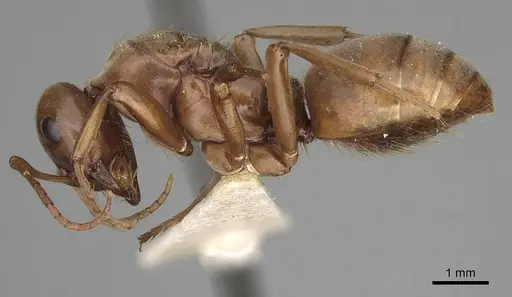
CASENT0281081
View on AntWeb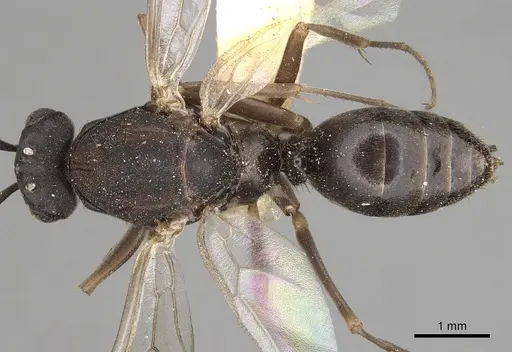
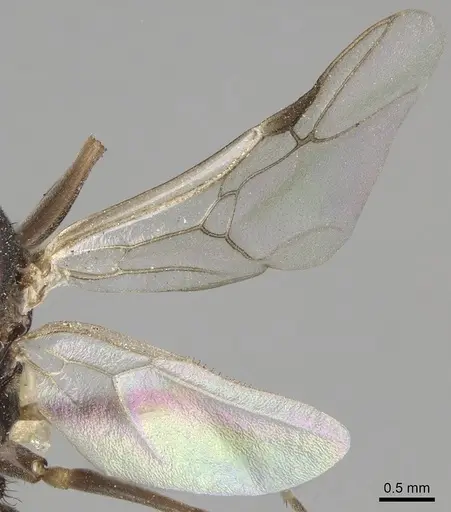
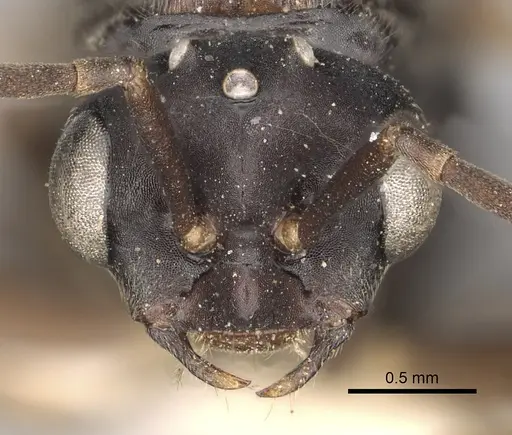
CASENT0281082
View on AntWeb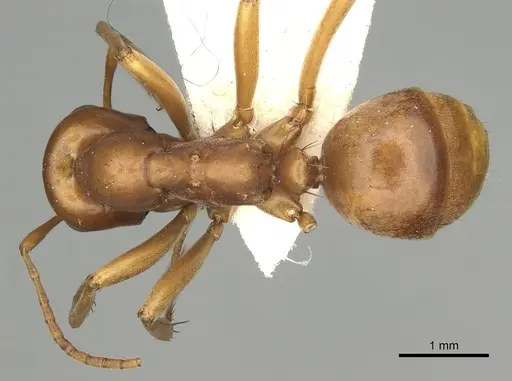
CASENT0844113
View on AntWeb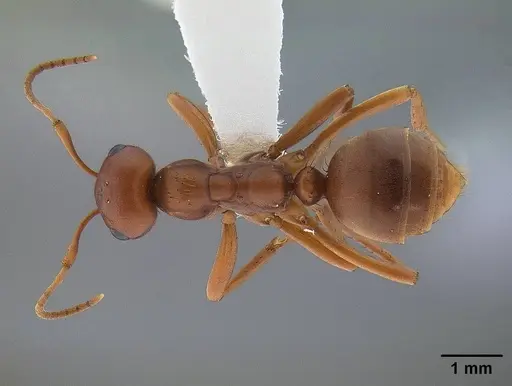
Literature
Loading...Loading products...