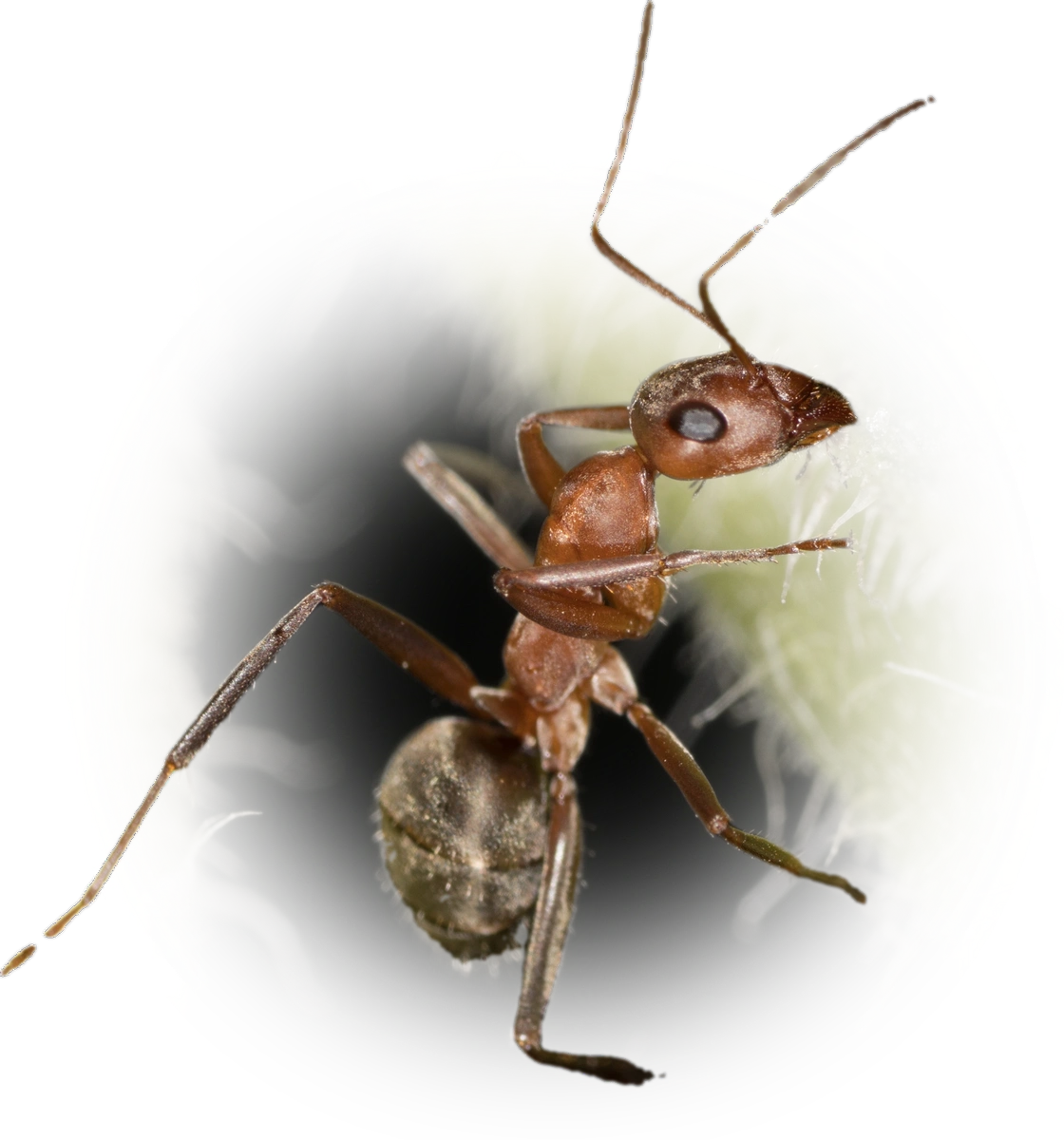

Formica moki
- Scientific Name
- Formica moki
- Tribe
- Formicini
- Subfamily
- Formicinae
- Author
- Wheeler, 1906
- Distribution
- Found in 2 countries
Formica moki Overview
Formica moki is an ant species of the genus Formica. It is primarily documented in 2 countries , including Mexico, United States of America. Detailed taxonomic data and occurrence records can be further explored via authoritative databases such as AntWeb or the Global Biodiversity Information Facility (GBIF).
Formica moki
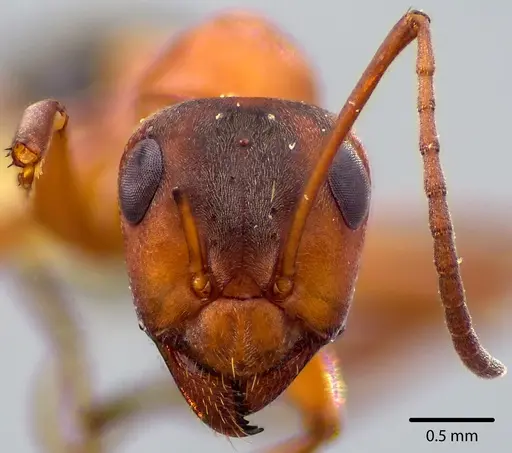
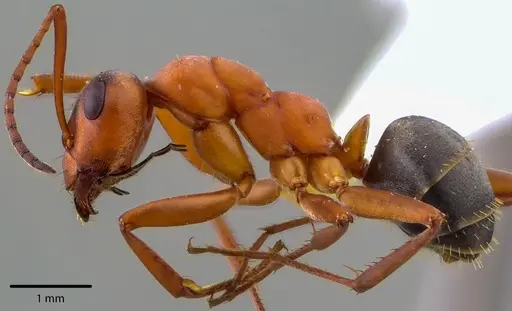
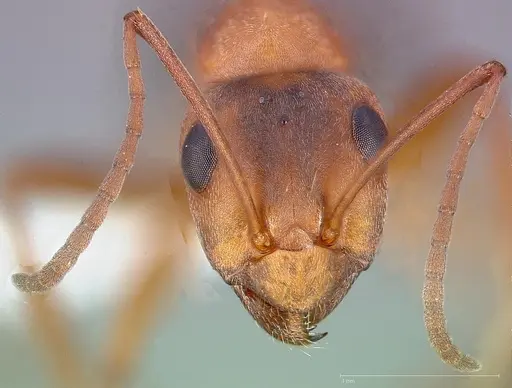
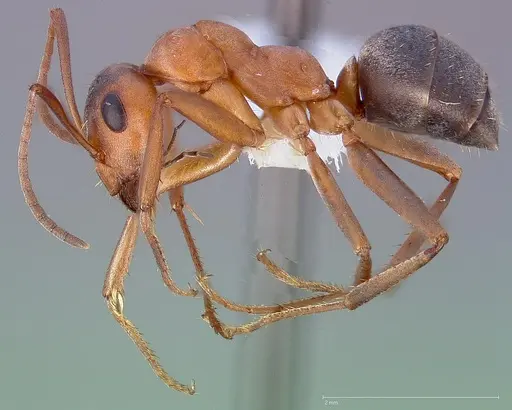
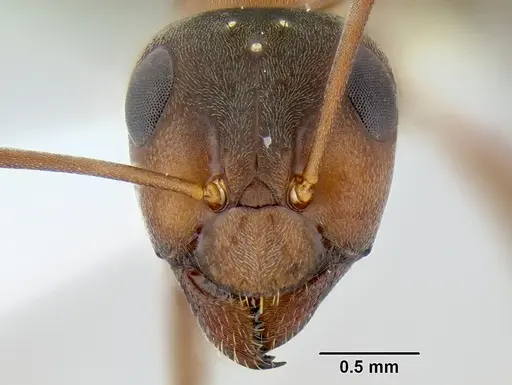
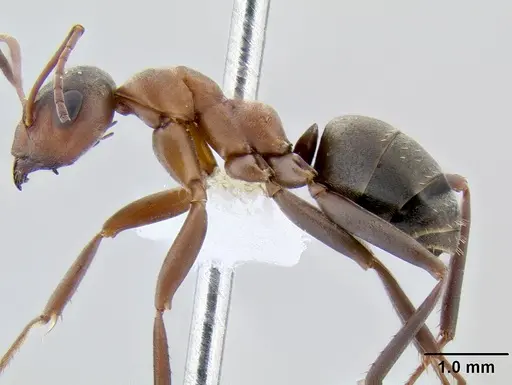
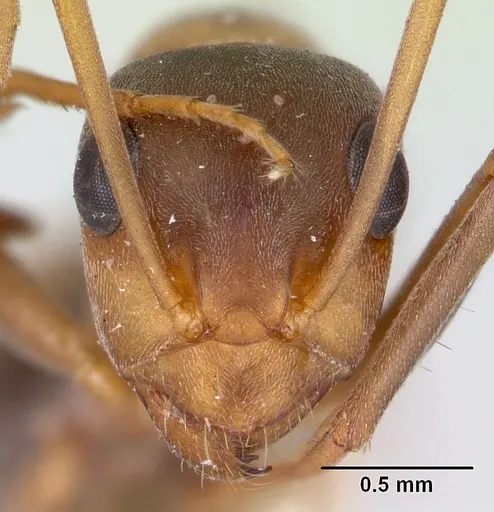
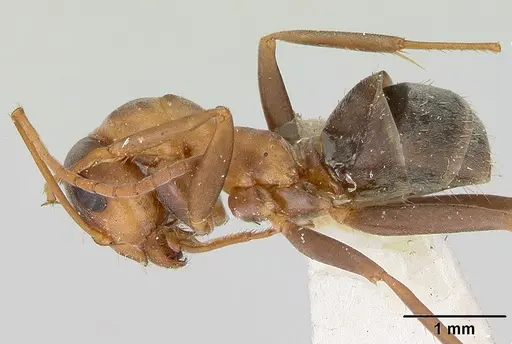
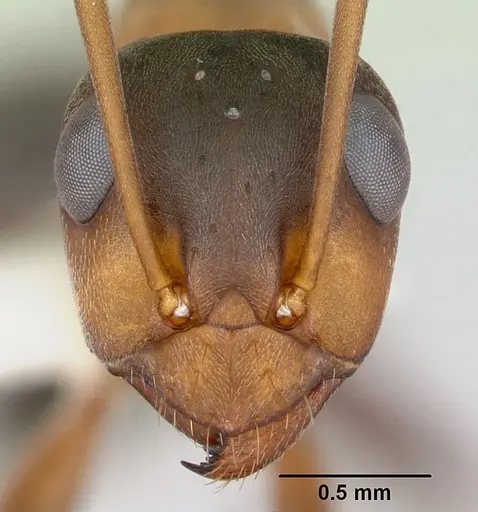
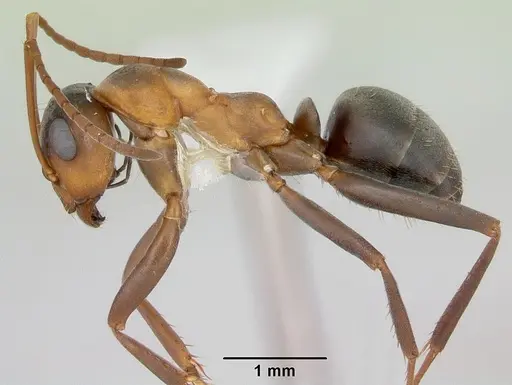
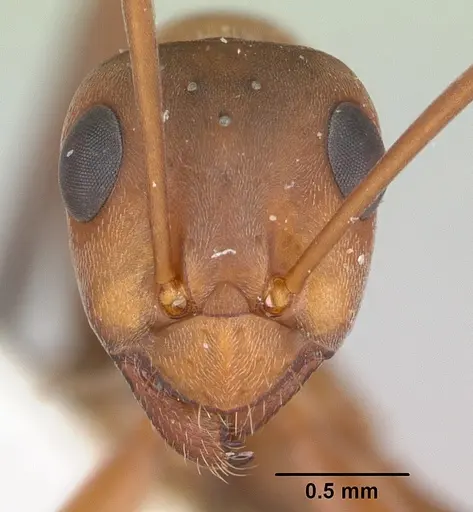
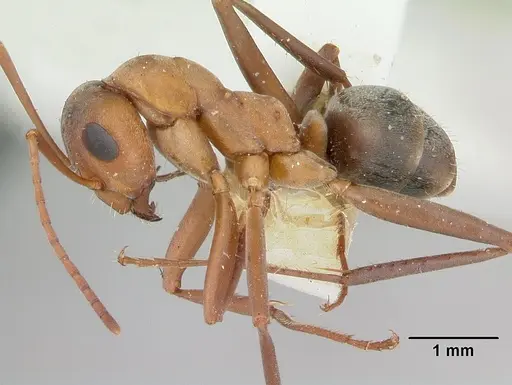
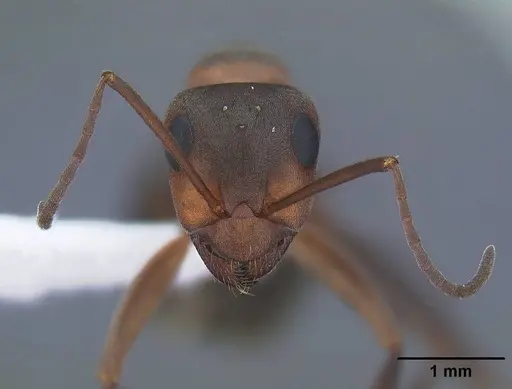
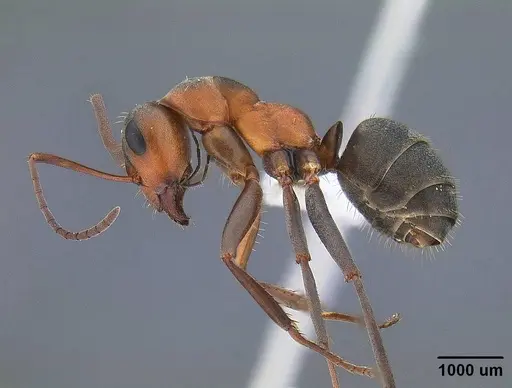
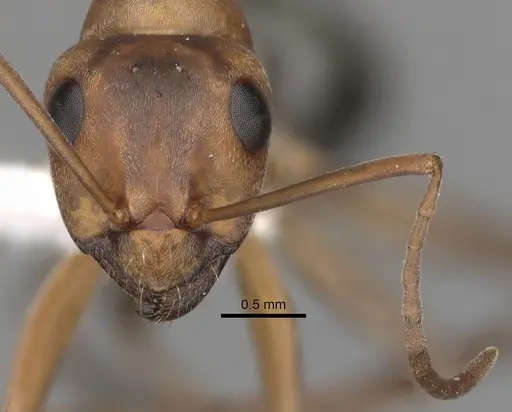
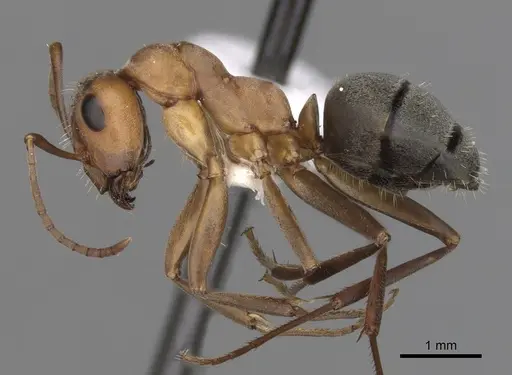
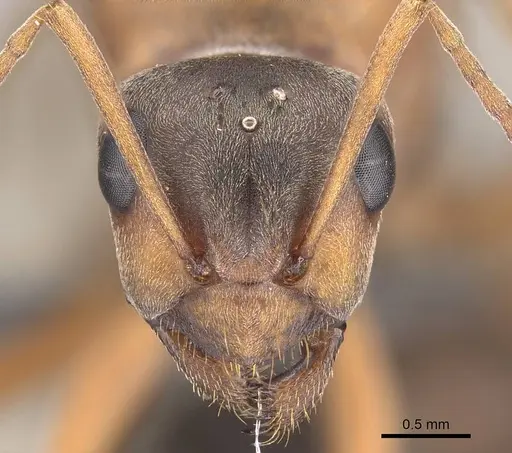
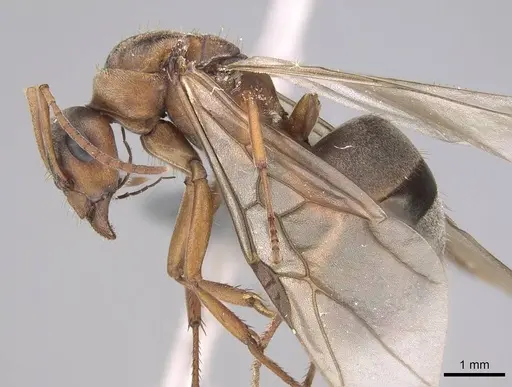
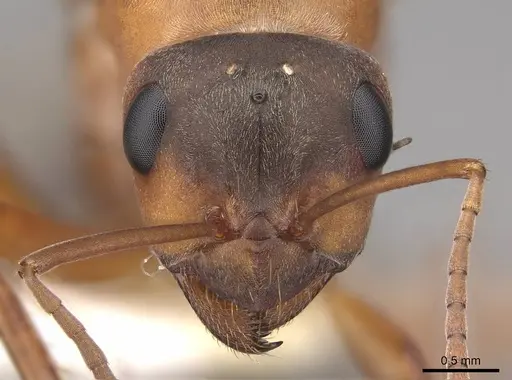
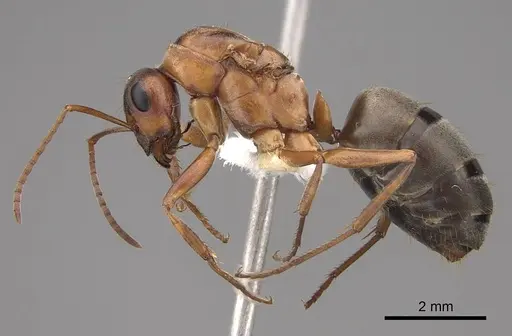
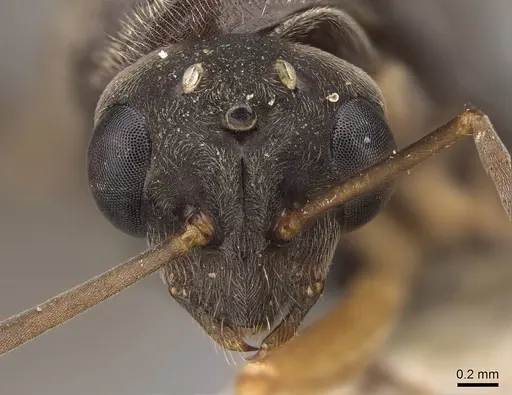
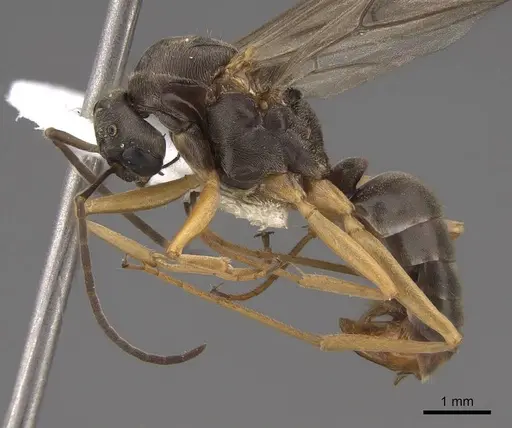
Formica moki is a medium-sized ant native to the western United States and northern Mexico. Workers are fast-moving and reddish-brown with a darker abdomen, typically measuring 4-7mm. This species belongs to the Formica fusca group and is known for its fierce, aggressive temperament and painful bite. In the wild, they nest under stones in open woodlands, sometimes in rotting logs, and are common in pinyon-juniper habitats across California, Nevada, Oregon, and Arizona [1]. A notable trait of this species is its ability to spray formic acid when disturbed, populous colonies produce an invisible cloud that can be quite irritating [1]. They are also known to forage into homes and tend aphids on cultivated plants, which can make them a minor pest in some situations [1].
Quick Summary
- Difficulty: Medium
- Origin & Habitat: Western United States (California, Nevada, Oregon, Arizona) into northern Mexico. Found in open woodlands, pinyon-juniper biome, and chaparral habitats. Nests under stones, in rotting logs, and sometimes under sidewalks or along building foundations [1][2].
- Colony Type: Single-queen colonies (monogyne). Queens start nests alone and establish claustrally.
- Colony: Monogyne
- Founding: Claustral
- Size & Growth:
- Queen: Estimated 9-11mm (typical for Formica genus)
- Worker: 4-7mm [1]
- Colony: Colonies can become populous with thousands of workers
- Growth: Moderate
- Development: Estimated 6-8 weeks at optimal temperature (typical for Formica) (Development time is inferred from related Formica species, specific data for F. moki is not available)
- Antkeeping:
- Temperature: Keep at 20-26°C. They are native to temperate-warm regions and tolerate a range from cool (15°C) to warm (up to 35°C based on thermal tolerance data) [3]. Room temperature is typically suitable.
- Humidity: Moderate humidity preferred. Keep nest substrate slightly moist but allow some drying between waterings. They do well in drier conditions compared to many ants.
- Diapause: Yes, they require a winter rest period. Reduce temperature to 5-10°C for 3-4 months during winter, mimicking their natural dormancy in the western US.
- Nesting: Y-tong (AAC) nests work well, or a formicarium with chambers. They prefer compact spaces with some dry areas. Provide a water tube but avoid oversaturation.
- Behavior: Fierce and aggressive defenders. Workers move quickly and will readily bite if threatened. Their bite is notably painful and they can spray formic acid, this is a serious defense mechanism. They are active foragers and will search for food aggressively. Escape prevention is important, they are good climbers and will explore any gap. They are daytime active with peak summer activity.
- Common Issues: formic acid spray can irritate skin and eyes, disturb nests carefully, colonies can become populous quickly, requiring larger setups, aggressive behavior makes them harder to handle than passive species, may escape if given any opportunity, check all connections, they tend aphids in captivity which can overrun setups if not controlled
Housing and Nest Setup
Formica moki does well in Y-tong (AAC) nests or acrylic formicariums. They prefer compact chambers rather than large open spaces. Provide a water tube for humidity but avoid creating overly wet conditions, these ants do better with moderate moisture and some dry areas in the nest. A test tube setup works for founding colonies, but be prepared to move them to a larger formicarium as the colony grows since they can become quite populous. Use a fluon barrier on the edges of any outworld to prevent escapes, these ants are excellent climbers and will find any gap. [1]
Feeding and Diet
Like most Formica species, F. moki is omnivorous. They readily accept sugar sources (honey water, sugar water) and protein foods (insects, small crickets, mealworms). In the wild they forage aggressively and will take honeydew from aphids. In captivity, offer protein prey 2-3 times per week and keep a sugar source available at all times. They are active foragers so provide an outworld space where you can place food. Watch for aphids if you add plants, they may tend them and aphid populations can explode. [1]
Temperature and Seasonal Care
Keep your colony at room temperature (20-26°C). They are native to the western US where temperatures vary, so they handle a range quite well. In summer they are most active, with peak foraging during warm months. During winter they require a diapause period, reduce temperature to 5-10°C for 3-4 months. This mimics their natural cycle in the pinyon-juniper habitats where they experience cold winters. Do not skip hibernation as it is important for colony health and reproduction. [3][1]
Behavior and Defense
This is one of the more aggressive Formica species you can keep. Workers are fast, alert, and will aggressively defend the nest. When threatened, they bite and can spray formic acid, this is a real defense mechanism that produces an invisible irritating cloud. The bite is notably painful compared to many ants their size. When working with the colony, do so in a well-ventilated area and avoid disturbing the nest unnecessarily. They are not suitable for keepers who want a hands-off species, but their alertness makes them fascinating to watch. [1]
Colony Development
Founding queens are claustral, they seal themselves in a chamber and raise the first workers alone without foraging. The first workers (nanitics) are typically smaller than normal workers. Colony growth is moderate, you can expect the first workers within 6-8 weeks under warm conditions. Once established, colonies grow steadily and can eventually reach thousands of workers. Mature colonies are quite impressive with their activity levels and coordinated foraging.
Interaction with Other Species
In the wild, F. moki is negatively affected by the invasive Argentine ant (Linepithema humile), they are displaced from feeding sites and their distribution is limited where Argentine ants have invaded [4][5]. They are also known to host a Polyergus species (slave-making ant) that specifically parasitizes F. moki [6][7]. In captivity, keep them separate from other ant species. If you keep multiple Formica colonies, maintain distance as they may fight.
Frequently Asked Questions
Are Formica moki ants good for beginners?
No, they are not ideal for beginners. Their aggressive defense (biting and formic acid spray), fast movement, and climbing ability make them challenging to handle. They are better suited for keepers with some experience with aggressive Formica species.
How long does it take for Formica moki to get first workers?
Expect first workers (nanitics) in about 6-8 weeks after the queen lays eggs, at optimal room temperature (around 22-26°C). This is typical for Formica species.
Do Formica moki need hibernation?
Yes, they require a winter diapause. Reduce temperatures to 5-10°C for 3-4 months during winter. This mimics their natural environment in the western US where they experience cold winters.
Can I keep multiple Formica moki queens together?
No, this is a monogyne species with single-queen colonies. Multiple unrelated queens will fight. Only keep one queen per colony.
What do Formica moki ants eat?
They are omnivorous. Offer protein (insects, mealworms) 2-3 times per week and keep sugar water or honey available constantly. They are aggressive foragers and will readily take most foods.
How big do Formica moki colonies get?
Mature colonies can reach thousands of workers. They are among the more populous Formica species and will eventually need a large formicarium or outworld space.
Are Formica moki invasive?
No, they are native to the western United States and northern Mexico. They are actually negatively impacted by invasive Argentine ants in their range.
When should I move Formica moki to a formicarium?
Start with a test tube for founding. Once the colony reaches 20-30 workers and you see them rejecting food or crowding the tube, move them to a Y-tong or acrylic formicarium.
Why are my Formica moki dying?
Common causes include: oversaturation (they prefer drier conditions), disturbance during founding, temperature extremes, or Argentine ant contamination if kept in the same room. Check humidity levels and ensure they have a proper diapause period.
References

This caresheet is licensed under CC BY-SA 4.0 .
ANTWEB1041677
View on AntWeb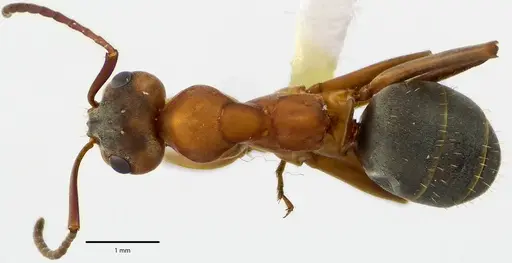
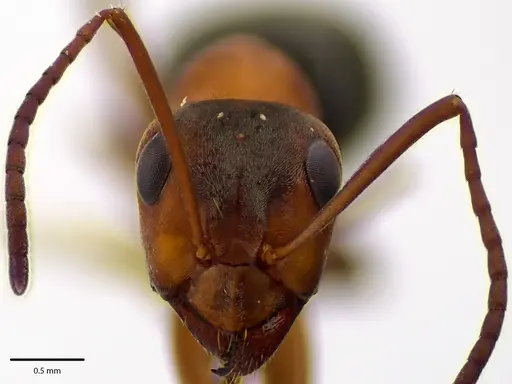
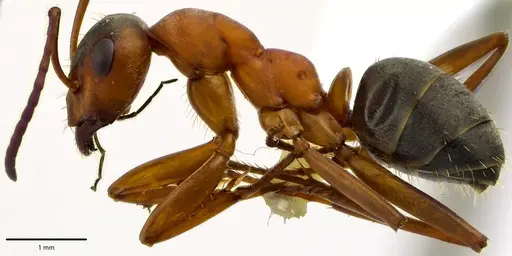
ANTWEB1041729
View on AntWeb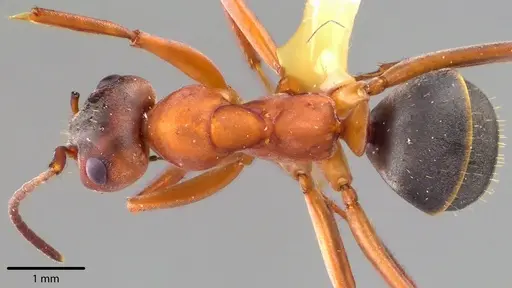
CASENT0005369
View on AntWeb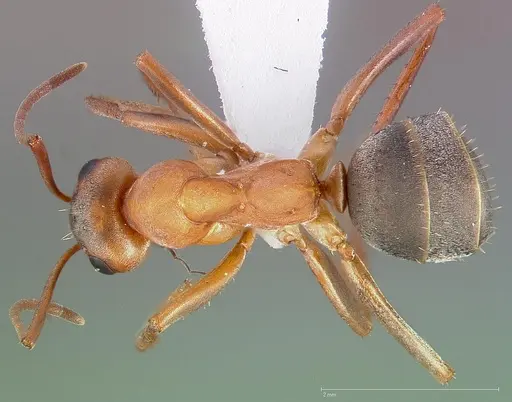
CASENT0106084
View on AntWeb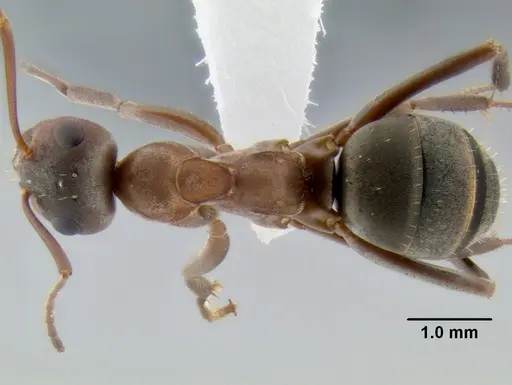
CASENT0173015
View on AntWeb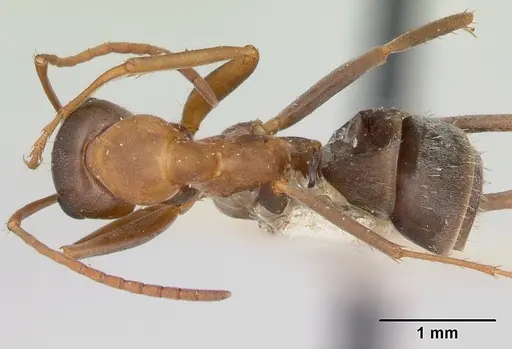
CASENT0173016
View on AntWeb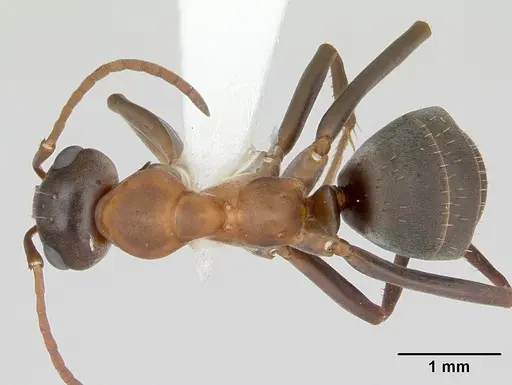
CASENT0173017
View on AntWeb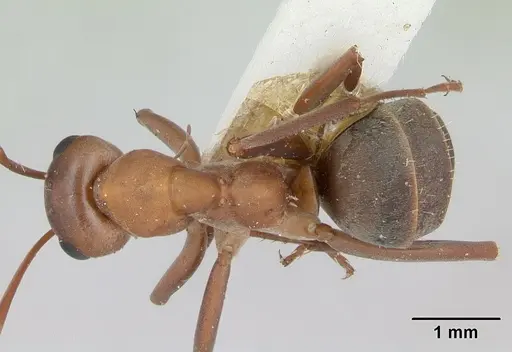
CASENT0221894
View on AntWeb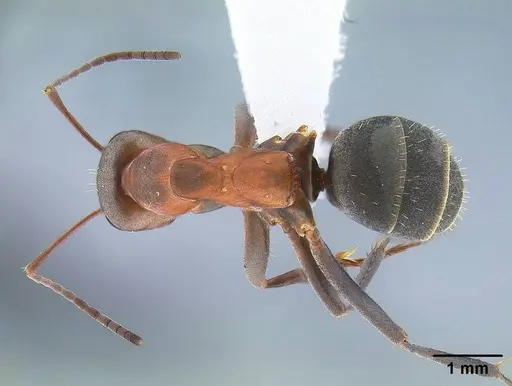
CASENT0280370
View on AntWeb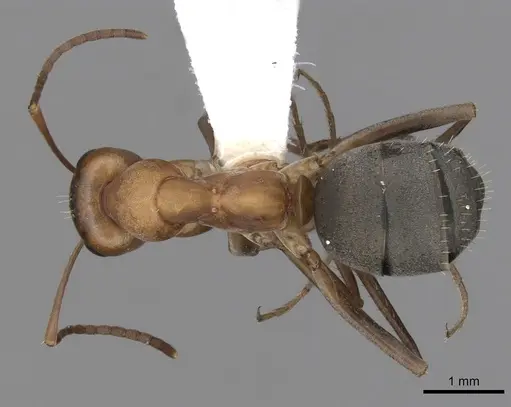
CASENT0770717
View on AntWeb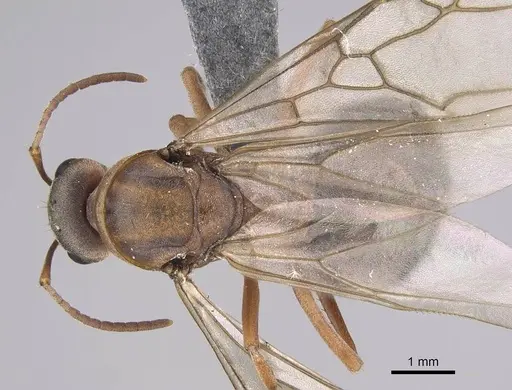
CASENT0843734
View on AntWeb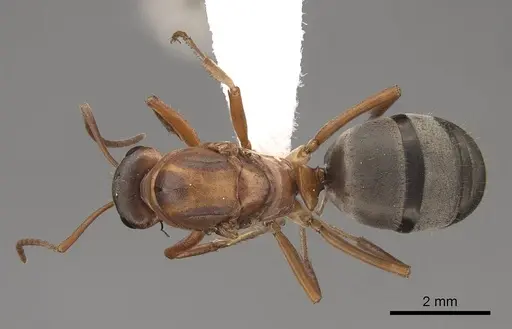
CASENT0843735
View on AntWeb
Literature
Loading...Loading products...