

Polyergus sanwaldi
- Scientific Name
- Polyergus sanwaldi
- Tribe
- Formicini
- Subfamily
- Formicinae
- Author
- Trager, 2013
- Common Name
- Sanwald's Amazon Ant
- Distribution
- Found in 1 countries
Polyergus sanwaldi Overview
Polyergus sanwaldi (commonly known as the Sanwald's Amazon Ant) is an ant species of the genus Polyergus. It is primarily documented in 1 countries , including United States of America. Detailed taxonomic data and occurrence records can be further explored via authoritative databases such as AntWeb or the Global Biodiversity Information Facility (GBIF).
Polyergus sanwaldi - "Sanwald's Amazon Ant"
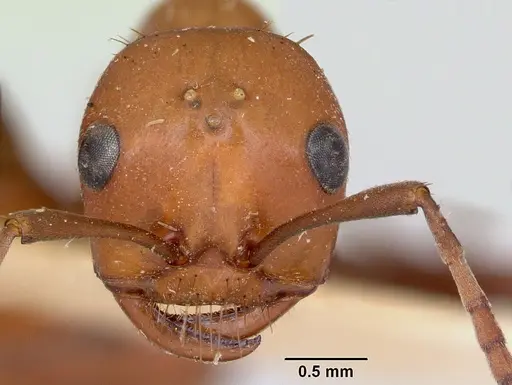
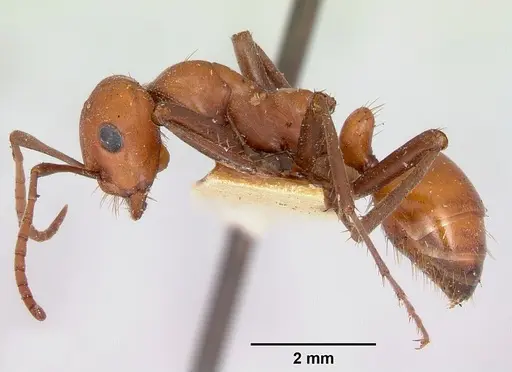
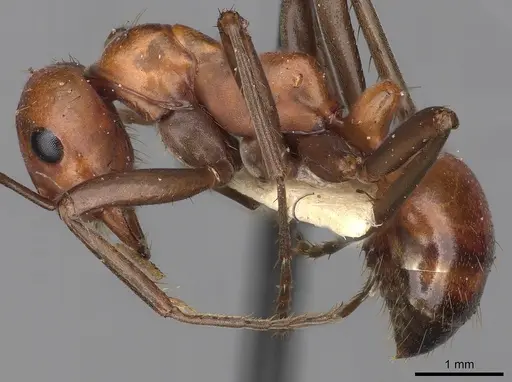
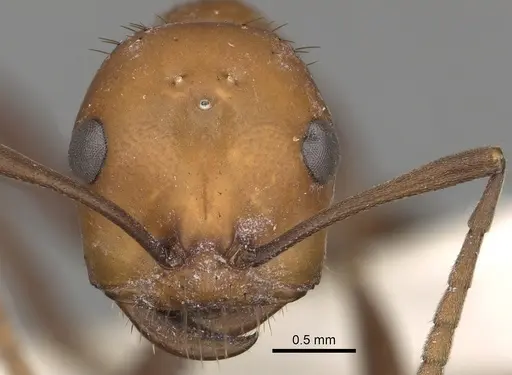
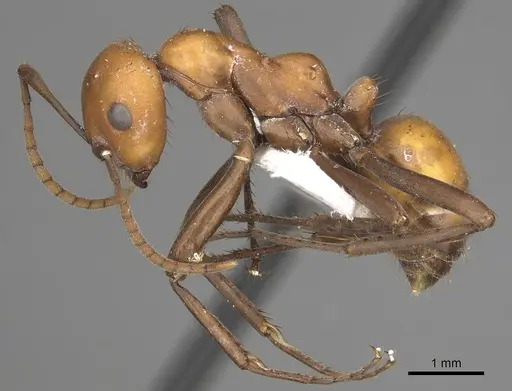
Polyergus sanwaldi is a small to medium-sized slave-making ant native to eastern North America. Workers measure 6-7mm in total length with a distinctive red coloration, darker brown appendages, and a matte to weakly shining body surface. The species was only formally described in 2013 and belongs to the P. lucidus group, closely resembling P. longicornis but with consistently shorter appendages and a more northern distribution [1].
This species is an obligate social parasite, it cannot establish colonies independently and relies entirely on raids against its specific host species, Formica dolosa. During these raids, P. sanwaldi workers steal host pupae and raise them as slaves within their own colony. This specialized relationship makes them one of the more challenging ants to keep, requiring both the parasite colony and a healthy host colony [1].
Quick Summary
- Difficulty: Expert
- Origin & Habitat: Eastern North America, ranging from Massachusetts to northwestern Indiana and southern North Dakota. Found in sandy prairies, old fields, and sandy oak and pine savannas with deep, sandy soil [1].
- Colony Type: Obligate dulotic (slave-making) ant, requires ongoing relationship with host species Formica dolosa. Unlike typical ants, colonies cannot self-found, new colonies are established when a mated queen infiltrates a host colony and kills the host queen [1].
- Queen: Socially parasitic
- Special: Slave-making
- Size & Growth:
- Queen: Unconfirmed, typical for genus estimated 7-9mm
- Worker: 5.96-7.36mm total length (workers measure 1.52-1.90mm head length) [1]
- Colony: Unknown, likely smaller than typical Formicinae due to parasitic lifestyle
- Growth: Unknown, difficult to assess due to dependence on host colony
- Development: Unknown, no direct development studies for this species (Development likely follows genus patterns but requires host colony for any brood to mature)
- Antkeeping:
- Temperature: Inferred from habitat: moderate temperatures typical of temperate sandy habitats. Start around 20-24°C and observe colony activity. Avoid extreme heat.
- Humidity: Inferred from sandy prairie habitat: moderate humidity preferred. Provide a moisture gradient allowing workers to choose their preferred zone.
- Diapause: Likely yes, temperate species with documented range into northern regions (North Dakota). Expect a winter rest period around 5-10°C for 3-4 months.
- Nesting: Specialized requirements. In captivity, these ants need both a nest for the Polyergus colony AND a separate nest for the host Formica colony. Naturalistic setups with sandy substrate work well for both species. The host colony must thrive for the parasite colony to survive.
- Behavior: Polyergus sanwaldi is a dedicated slave-maker with highly specialized behavior. Workers conduct organized raids on Formica dolosa colonies, targeting pupae to bring back as slaves. They are aggressive during raids but relatively docile outside their territory. Escape risk is moderate, workers are active foragers but not particularly fast-moving. They have the typical Formicinae ability to spray formic acid as a defense, though this is rarely a significant concern for keepers. The biggest challenge is maintaining both the parasite and host colonies simultaneously, without the host, the slave-making colony will eventually die out as the worker population ages and is not replaced [1].
- Common Issues: Host colony failure is the primary killer of P. sanwaldi colonies, without healthy Formica dolosa workers, the colony cannot sustain itself, These ants cannot found colonies independently, never try to start a colony from a lone queen, Specialized diet means they rely on slaves to forage, without hosts, they will starve even with food available, Escape prevention is important, while not the smallest ants, they are active and will exploit any gaps, Maintaining two colonies (parasite and host) doubles the equipment and care requirements
Understanding Slave-Making Ants
Polyergus sanwaldi belongs to a fascinating but challenging category of ants, the dulotic or slave-making ants. Unlike typical ant colonies where the queen raises her own workers, dulotic species depend entirely on raids against other ant species to acquire workers. The Polyergus queen invades a host colony (in this case, Formica dolosa), kills or displaces the host queen, and uses the remaining host workers to raise her own brood. These host workers then continue foraging and caring for the parasite colony as if it were their own [1].
For antkeepers, this means you cannot keep P. sanwaldi the same way you'd keep a typical ant species. You need TWO colonies: the slave-maker colony itself AND a healthy host colony. The host colony provides all the foraging and nest maintenance labor. This makes P. sanwaldi an expert-level species suitable only for experienced antkeepers who can maintain both colonies long-term.
Housing Requirements
Housing P. sanwaldi requires planning for two separate but connected setups. The parasite colony needs a proper nest, naturalistic setups with sandy substrate work well since their natural habitat is sandy prairies and savannas [1]. The host Formica dolosa colony needs its own nest, also with sandy soil since F. dolosa prefers similar habitats.
Both colonies should have access to an outworld (foraging area) where interactions can occur. In the wild, P. sanwaldi workers conduct raids on host colonies, in captivity, you may observe raid behavior if both colonies are in the same outworld. Keep the nests at moderate temperatures around 20-24°C and provide a moisture gradient so both species can self-regulate their humidity preferences.
Feeding and Nutrition
The feeding biology of P. sanwaldi is unique because the host workers do the foraging. In a captive setup, you'll need to provide food to the HOST colony, not directly to the Polyergus colony. Formica dolosa workers will collect food and bring it back to share with the slave-makers.
Feed the host colony a typical Formica diet: protein sources like small insects (fruit flies, small crickets, mealworms) and sugar sources (honey water, sugar water). The host workers will distribute food throughout both colonies. Because the host workers handle all foraging, ensure food is accessible and attractive to Formica workers. A varied diet helps both colonies thrive. [1]
Colony Establishment and Acquisition
Starting a P. sanwaldi colony is significantly different from typical ant keeping. You cannot simply catch a queen and expect her to found a colony, she cannot do this alone. Queens are obligate social parasites that MUST invade an existing host colony to establish.
The most practical approach for keepers is to acquire an already-established colony with host workers. These are rarely available in the antkeeping hobby due to the complexity. Alternatively, you would need to establish both a Formica dolosa colony and introduce a mated P. sanwaldi queen, this requires careful introduction and acceptance. Research on related species shows host-specific acceptance is critical: P. sanwaldi queens are accepted only by F. dolosa workers, not by other Formica species [1]. This specificity is why they're considered expert-level species.
Long-Term Colony Maintenance
Maintaining P. sanwaldi long-term requires commitment to both colonies. The host colony is the engine that powers everything, without healthy Formica dolosa workers, the slave-maker colony cannot survive. Over time, the original host workers will age and die, replaced by new host workers raised in the parasite nest.
Key maintenance tasks: keep both colonies fed and healthy, monitor the host population (it should grow alongside the parasite colony), and ensure neither colony is stressed. Watch for signs of host colony decline, if the Formica population drops, the Polyergus colony will soon follow. You may need to occasionally supplement the host colony with additional Formica if the population drops too low. [1]
Frequently Asked Questions
Can I keep Polyergus sanwaldi like a normal ant colony?
No. P. sanwaldi is an obligate dulotic (slave-making) ant that cannot survive without a host Formica dolosa colony. You need to keep both species together. This makes them an expert-level species unsuitable for beginners.
How do I start a Polyergus sanwaldi colony?
You cannot start a colony from a lone queen like typical ants. Queens are parasitic and must invade an existing Formica dolosa colony. The practical approach is to acquire an already-established colony with host workers. Establishing from scratch requires both colonies and careful queen introduction.
What do Polyergus sanwaldi eat?
You feed the HOST colony (Formica dolosa), not the slave-makers directly. Host workers forage and share food with the entire mixed colony. Feed the host small insects for protein and sugar water or honey for carbohydrates, the same diet you'd feed any Formica species.
Can I keep multiple queens together?
This has not been studied for P. sanwaldi specifically. However, given their parasitic founding behavior (queen invades host colony), combining unrelated queens would likely fail. Do not attempt to keep multiple foundress queens together.
How long do colonies live?
This is unknown for P. sanwaldi specifically. However, dulotic colonies can persist for many years if the host population remains healthy. The limiting factor is typically host colony health, when the host fails, the parasite colony soon follows.
Do they need hibernation?
Likely yes. As a temperate species with a range extending to North Dakota, P. sanwaldi likely requires a winter rest period. Provide 3-4 months at cool temperatures (5-10°C) during winter months.
Why are my Polyergus sanwaldi dying?
The most likely cause is host colony failure. Without healthy Formica dolosa workers, the slave-maker colony cannot obtain food or maintain the nest. Check that your host colony is thriving, if the Formica population is declining, the Polyergus will soon die off.
Are Polyergus sanwaldi good for beginners?
No. They are universally considered expert-level due to their obligate parasitic lifestyle requiring two colonies. Beginners should start with simpler species like Lasius niger, Camponotus, or non-parasitic Formica species.
References

This caresheet is licensed under CC BY-SA 4.0 .
CASENT0172895
View on AntWeb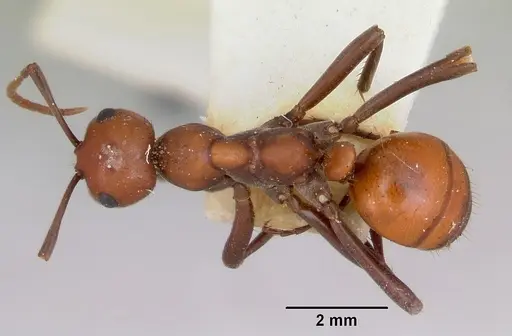
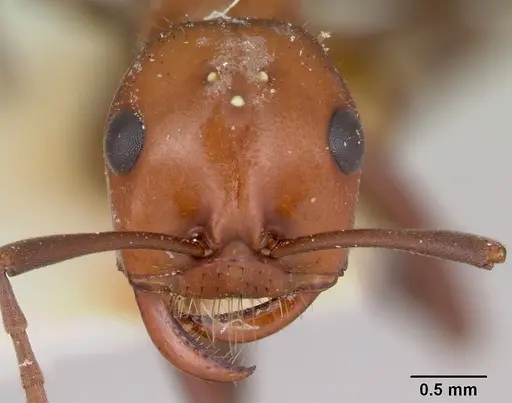
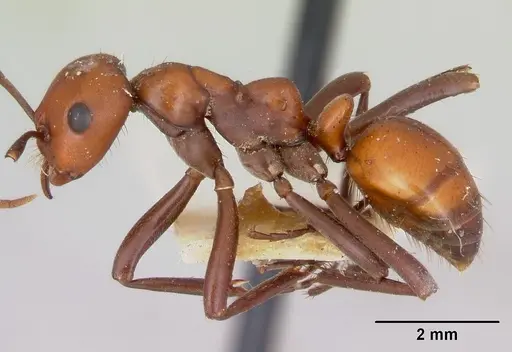
CASENT0172896
View on AntWeb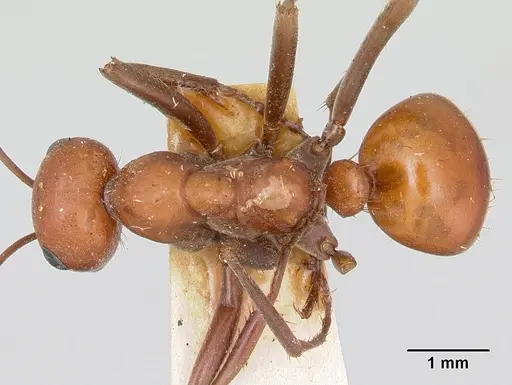
CASENT0281058
View on AntWeb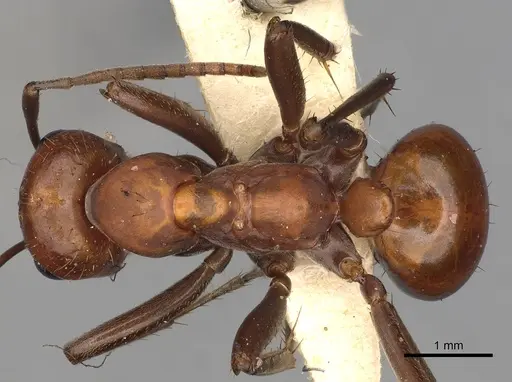
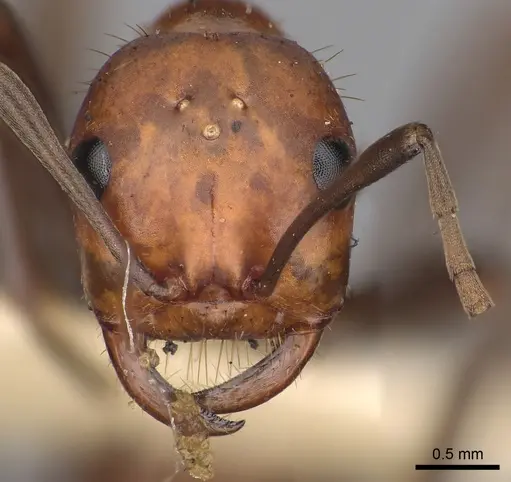
CASENT0281059
View on AntWeb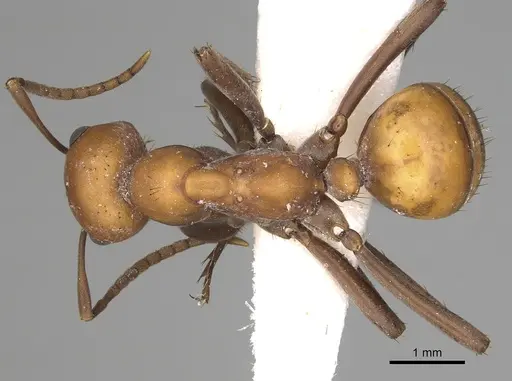
Literature
Loading...Loading products...