

Formica dolosa
- Scientific Name
- Formica dolosa
- Tribe
- Formicini
- Subfamily
- Formicinae
- Author
- Buren, 1944
- Common Name
- Wily Field Ant
- Distribution
- Found in 1 countries
Formica dolosa Overview
Formica dolosa (commonly known as the Wily Field Ant) is an ant species of the genus Formica. It is primarily documented in 1 countries , including United States of America. Detailed taxonomic data and occurrence records can be further explored via authoritative databases such as AntWeb or the Global Biodiversity Information Facility (GBIF).
Formica dolosa - "Wily Field Ant"
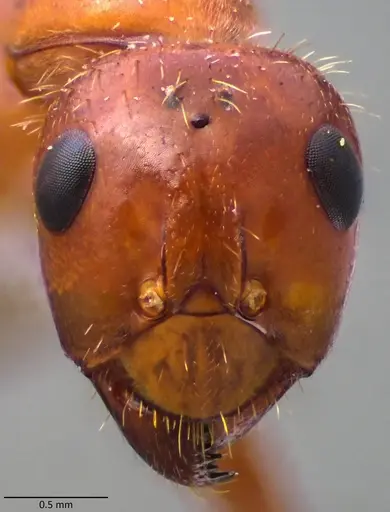
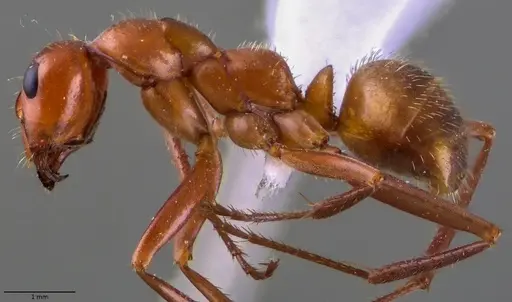
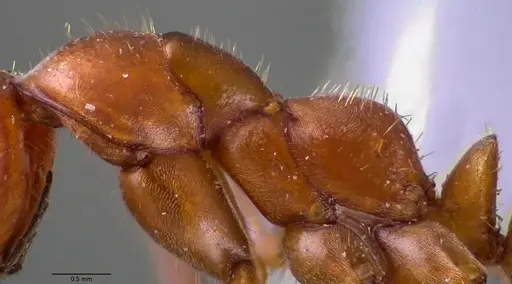
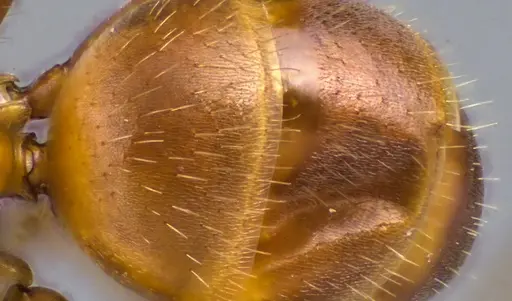
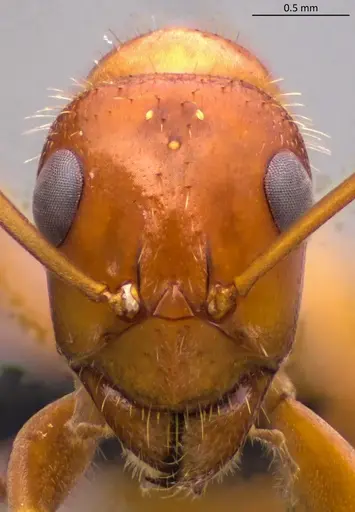
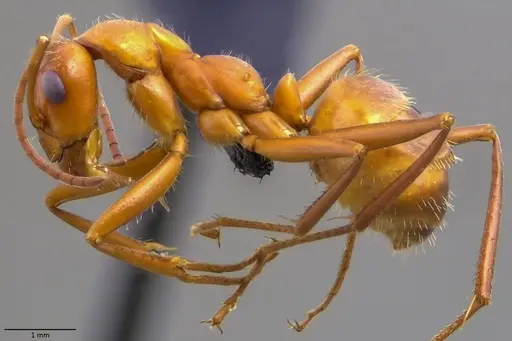
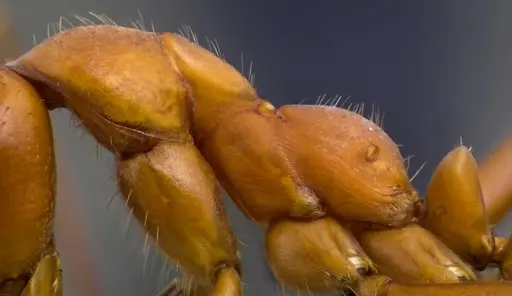
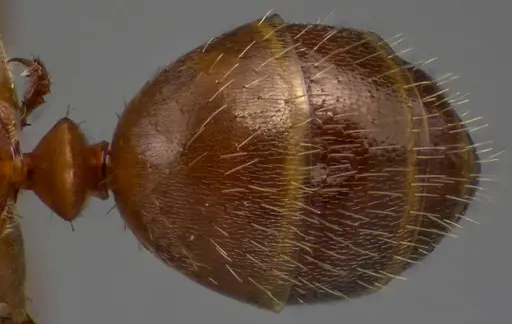
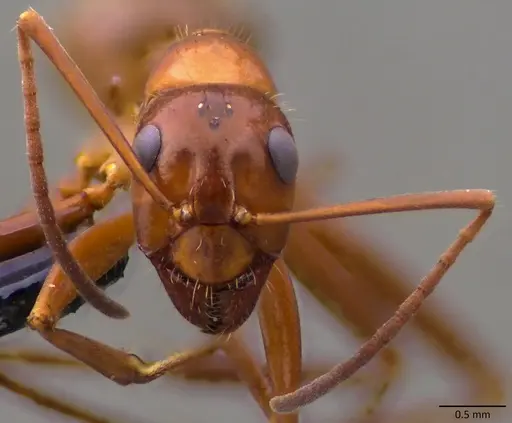
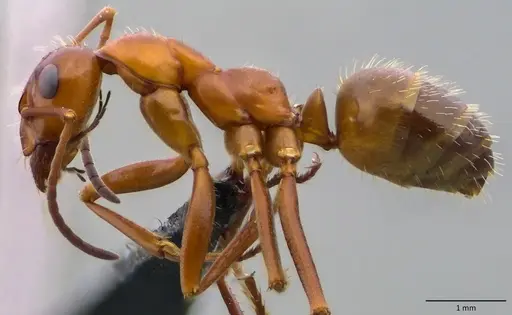
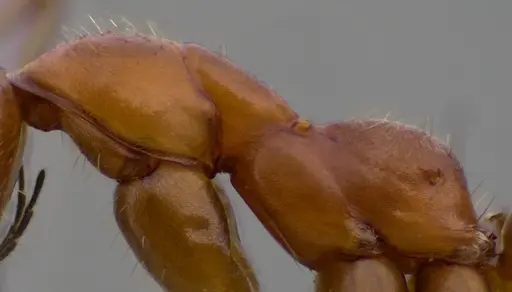
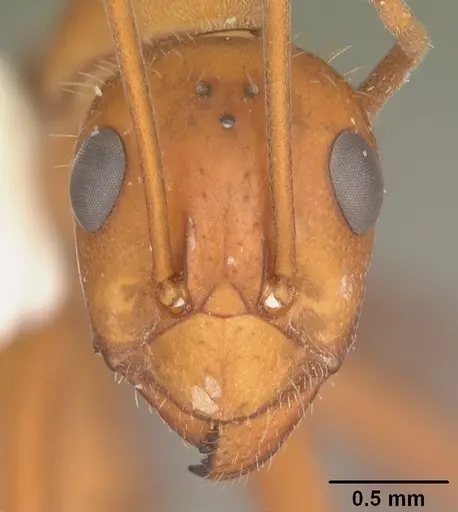
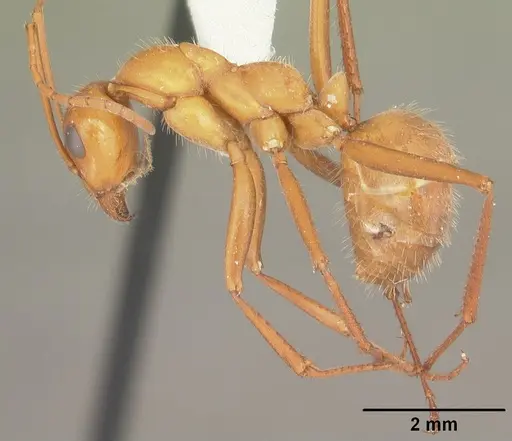
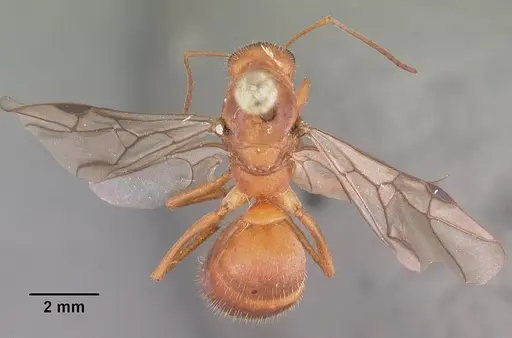
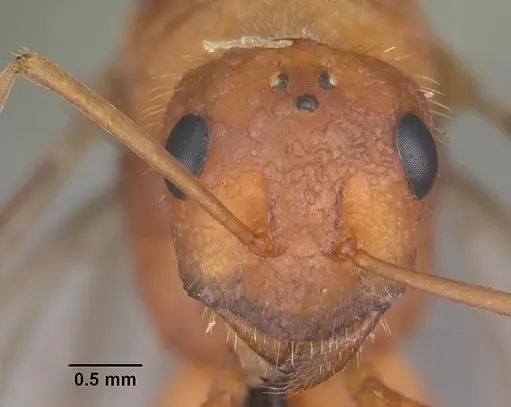
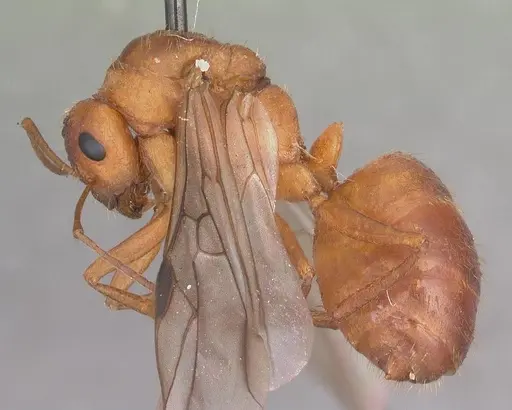
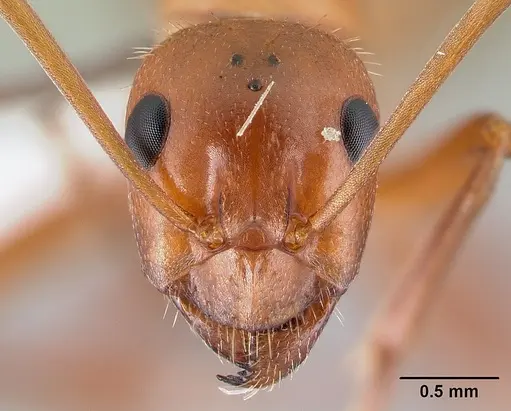
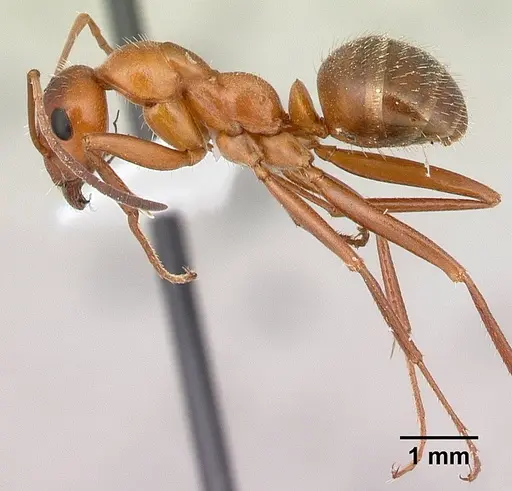
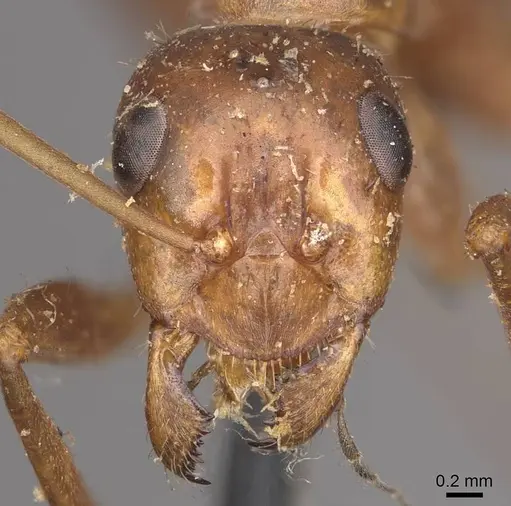
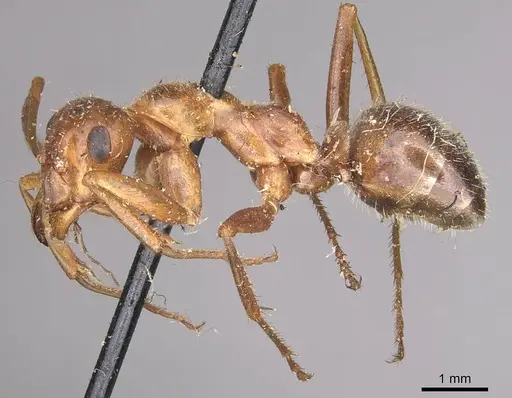
Formica dolosa is a large, hairy ant species native to eastern North America, ranging from New England south to Florida and west to Texas. Workers are weakly bicolored, the head and mesosoma range from light coppery red in southern populations to yellowish or reddish brown in the north, with a slightly darker gaster. This is the largest and most pilose member of the Formica pallidefulva group, with abundant erect hairs covering the body and dense pubescence giving the gaster a silky appearance. The species name comes from the Latin word 'dolosus' meaning cunning or sly, referring to their excellent escape behavior when alarmed, they are very shy and fast-moving. In the wild, they nest at the base of grass clumps or herbaceous plants in well-drained acidic soils, preferring open habitats like barrens, glades, prairies, and open oak or pine woodlands. They are a host species for the slavemaker ant Polyergus longicornis.
Quick Summary
- Difficulty: Medium
- Origin & Habitat: Eastern North America, New England across Great Lakes region, west to Wisconsin and Iowa, south to northern Florida, Gulf Coast states and Texas. Inhabits well-drained acidic soils in open habitats like barrens, glades, prairies, and open oak or pine woodlands [1][2].
- Colony Type: Monogyne, single queen colonies. Queens are only slightly larger than workers. Workers in queenless colonies have functional ovaries and can produce male offspring [2].
- Colony: Monogyne
- Founding: Claustral
- Size & Growth:
- Queen: Approximately 5-7 mm (estimated based on worker size and typical Formica proportions)
- Worker: 3.5-5.5 mm [3]
- Colony: Up to 630 workers on average in established colonies [2]
- Growth: Moderate
- Development: 6-10 weeks (estimated based on typical Formica development) (Brood production begins in March under laboratory conditions. Both worker and sexual pupae are enclosed in cocoons [2].)
- Antkeeping:
- Temperature: Keep at room temperature around 20-24°C. These are diurnal foragers tolerant of high temperatures, with peak activity during morning (7-10 am) and evening (4-6 pm) in spring and summer [2]. A temperature gradient allows them to thermoregulate.
- Humidity: Moderate humidity, they prefer well-drained soils and do not nest in moist, fertile soils. Keep the nest substrate slightly moist but not waterlogged. Avoid overly damp conditions [1].
- Diapause: Yes, colonies become nearly inactive during winter (November-February) without brood. Provide a hibernation period at cooler temperatures around 10-15°C [2].
- Nesting: In captivity, they do well in formicariums with soil or sandy substrate. They prefer nesting in soil and will build nests 50-75 cm deep in the wild [4]. Provide a naturalistic setup with a soil chamber or a Y-tong nest with soil fill. They like to nest at the base of vegetation, so including some grass or plant material in the outworld can encourage natural behavior.
- Behavior: These ants are shy and excellent escape artists, they will flee rapidly when disturbed. Workers forage solitarily for small items but recruit nestmates for larger food items or honeydew-excreting hemipterans. They are diurnal foragers tolerant of high temperatures. Colonies will relocate after disturbance. They are not aggressive but can defend themselves effectively, in studies with fire ants, they killed more than 2 fire ant workers for each Formica worker lost [5]. Escape prevention is important due to their speed and small size.
- Common Issues: escape prevention is critical, they are fast-moving and excellent escape artists, colonies may relocate after disturbance, so secure the setup well, they are shy and may be stressed by excessive handling or observation, they do not tolerate moist, fertile soils, keep nesting area dry and well-drained, as a host for Polyergus slavemakers, wild-caught colonies may have been raided and stressed
Housing and Nest Setup
Formica dolosa does well in formicariums with a soil or sandy substrate. In the wild, they create nests 50-75 cm deep with total volumes of 2-3 liters [4], so provide enough depth for natural tunneling behavior. Use a naturalistic setup with a soil chamber or a Y-tong nest filled with soil/sand mix. They prefer well-drained conditions and do not tolerate moist, fertile soils, keep the nesting area on the drier side. Include some grass or plant material in the outworld to mimic their natural nesting at the base of vegetation. A small water tube is sufficient for humidity.
Feeding and Diet
Workers forage solitarily but recruit nestmates for larger food items. They tend membracids, aphids, and scales for honeydew, particularly on flowering palmetto and sapling pines in spring [2]. In captivity, offer sugar water or honey as a constant energy source. For protein, provide small insects like fruit flies, pinhead crickets, or mealworms. They may also accept other small invertebrates. Offer protein 2-3 times per week and keep sugar sources available at all times.
Temperature and Seasonal Care
Keep the nest at room temperature, around 20-24°C. These are diurnal foragers tolerant of high temperatures, with peak foraging activity during morning (7-10 am) and evening (4-6 pm) in spring and summer [2]. A temperature gradient allows them to choose their preferred temperature. During winter (November-February), colonies become nearly inactive without brood [2]. Provide a hibernation period at cooler temperatures around 10-15°C to simulate natural seasonal cycles. Brood production begins in March under laboratory conditions [2].
Behavior and Temperament
Formica dolosa is a shy, fast-moving species known as an excellent escape artist. The species name 'dolosa' means cunning or sly, referring to their fleetness of escape when alarmed [1]. Workers forage solitarily but will recruit nestmates for larger food items or honeydew sources. They are not particularly aggressive but can defend themselves effectively, in confrontation studies with invasive fire ants, they killed more than 2 fire ant workers for each Formica worker lost [5]. Colonies will relocate after disturbance, so secure the setup well. They are diurnal and prefer to forage during cooler parts of the day.
Colony Development
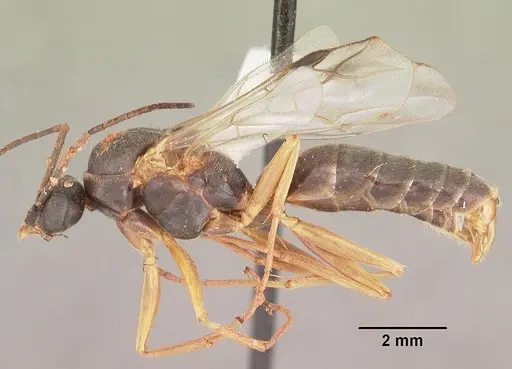
Colonies are monogyne with a single queen that is only slightly larger than workers [2]. Both worker and sexual pupae are always enclosed in cocoons [1]. Winged sexuals are produced in mid-summer, winged reproductives have been collected in nests in mid-June in Florida and Georgia, with males found in western Missouri in August [1]. Workers in queenless colonies have functional ovaries and can produce male offspring, providing a backup reproductive strategy [2]. Established colonies average around 630 workers [2].
Frequently Asked Questions
How long does it take for Formica dolosa to produce first workers?
Based on typical Formica development patterns, expect 6-10 weeks from egg to first worker at optimal room temperature. Brood production begins in March under laboratory conditions, with incipient colonies producing their first minim workers within a few months [2].
Do Formica dolosa ants need hibernation?
Yes, they benefit from a winter rest period. In the wild, colonies become nearly inactive during winter (November-February) without brood [2]. Provide a hibernation period at cooler temperatures around 10-15°C during the winter months.
Are Formica dolosa good for beginners?
They are rated as medium difficulty. They are not aggressive and don't require specialized care, but their speed and excellent escape abilities make them challenging for complete beginners. They require secure housing and proper escape prevention.
What do Formica dolosa eat?
They are omnivores that forage for small insects and tend honeydew-producing insects like aphids and scales. Offer sugar water or honey as a constant energy source, and protein sources like small insects (fruit flies, pinhead crickets, mealworms) 2-3 times per week [2].
How big do Formica dolosa colonies get?
Established colonies average around 630 workers, with some colonies reaching several hundred individuals [2]. They are among the largest eastern US Formica species, with workers ranging from 3.5-5.5 mm [3].
Can I keep multiple Formica dolosa queens together?
No, this is a monogyne species with single queen colonies [2]. Multiple unrelated queens will likely fight. Only keep one queen per colony.
What is the best nest type for Formica dolosa?
They do well in formicariums with soil or sandy substrate that allows them to dig natural tunnels. They prefer well-drained conditions and do not tolerate moist soils. A naturalistic setup with a soil chamber or Y-tong nest filled with dry sandy substrate works well [4][1].
Why is my Formica dolosa colony dying?
Common causes include: too much moisture (they prefer well-drained soils), poor escape prevention (they are excellent escape artists), excessive disturbance causing colony relocation, or stress from overhandling. Ensure the nesting area is dry, housing is secure, and minimize disturbances.
Are Formica dolosa invasive?
No, Formica dolosa is a native North American species found throughout the eastern United States. They are not invasive and should not be released outside their natural range [1].
References

This caresheet is licensed under CC BY-SA 4.0 .
ANTWEB1041598
View on AntWeb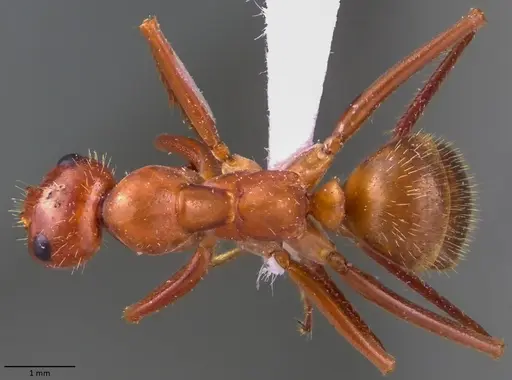
ANTWEB1060069
View on AntWeb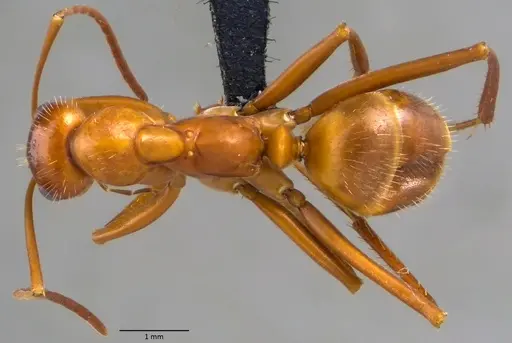
ANTWEB1060117
View on AntWeb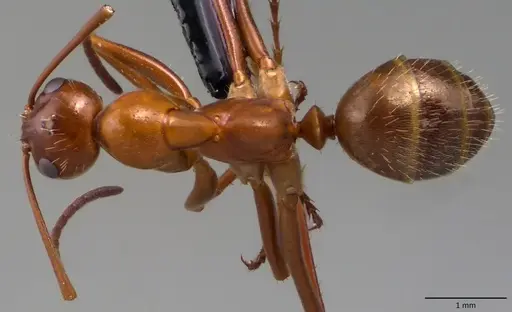
CASENT0103933
View on AntWeb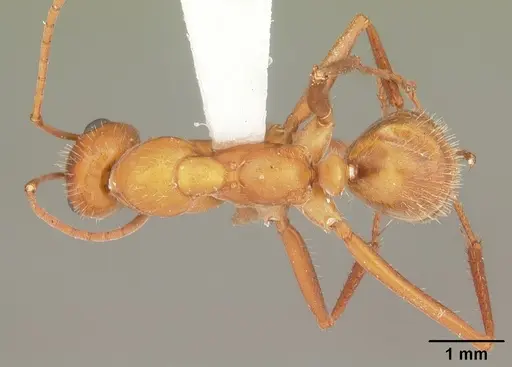
CASENT0103936
View on AntWeb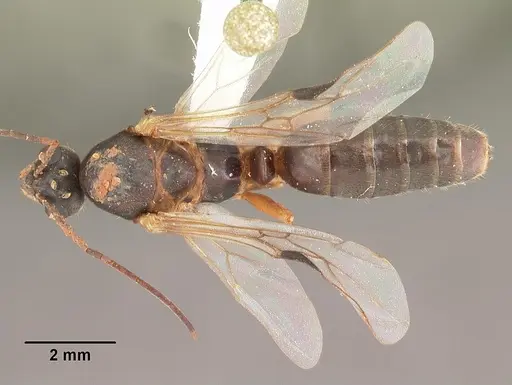
CASENT0103938
View on AntWeb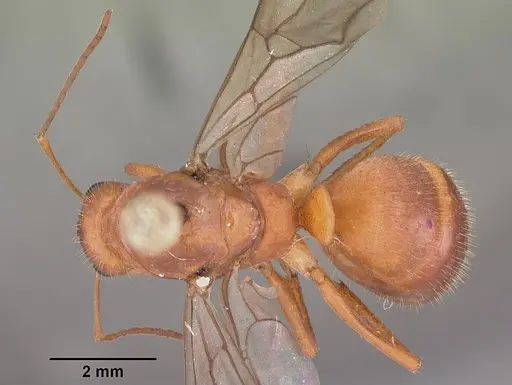
CASENT0179861
View on AntWeb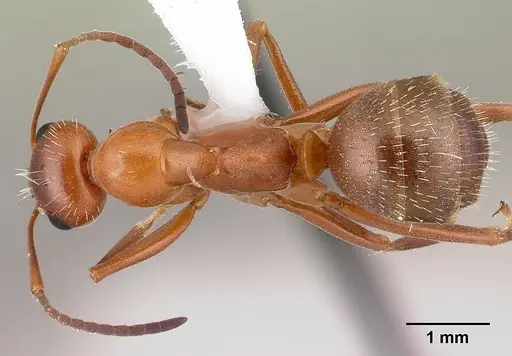
CASENT0911066
View on AntWeb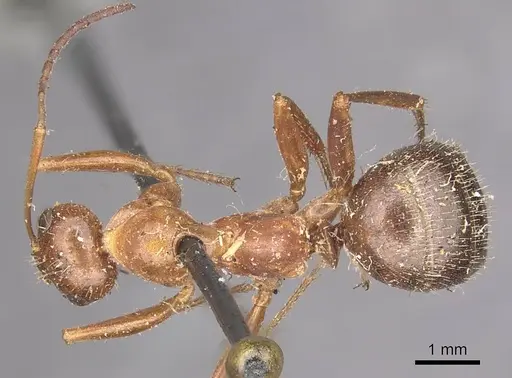
Literature
Loading...Loading products...