

Pogonomyrmex subnitidus
- Scientific Name
- Pogonomyrmex subnitidus
- Tribe
- Pogonomyrmecini
- Subfamily
- Myrmicinae
- Author
- Emery, 1895
- Distribution
- Found in 2 countries
Pogonomyrmex subnitidus Overview
Pogonomyrmex subnitidus is an ant species of the genus Pogonomyrmex. It is primarily documented in 2 countries , including Mexico, United States of America. Detailed taxonomic data and occurrence records can be further explored via authoritative databases such as AntWeb or the Global Biodiversity Information Facility (GBIF).
Pogonomyrmex subnitidus
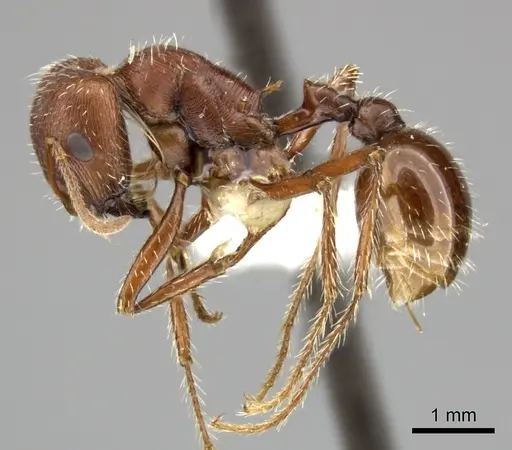
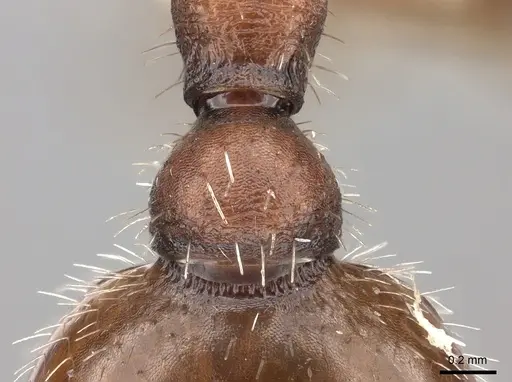
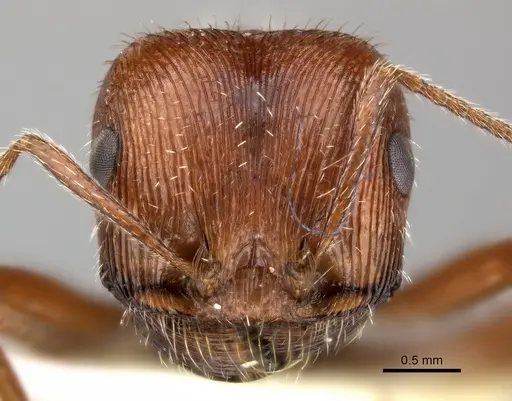
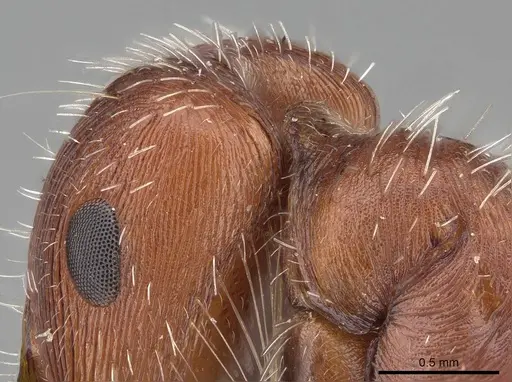
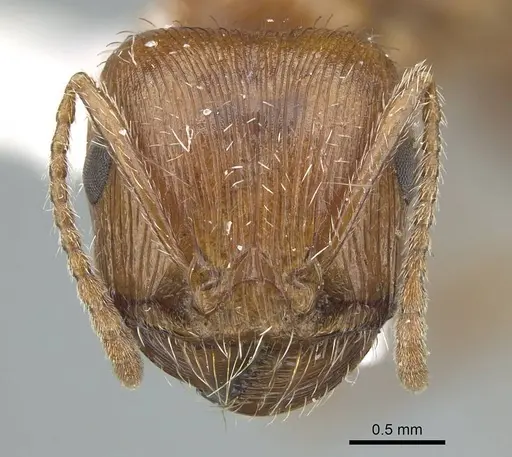
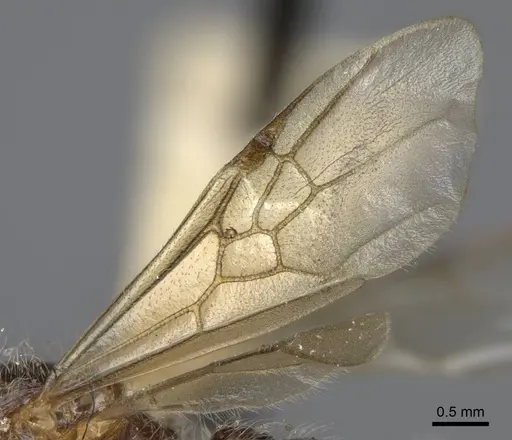
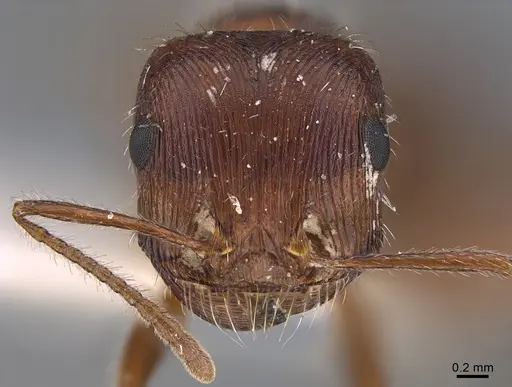
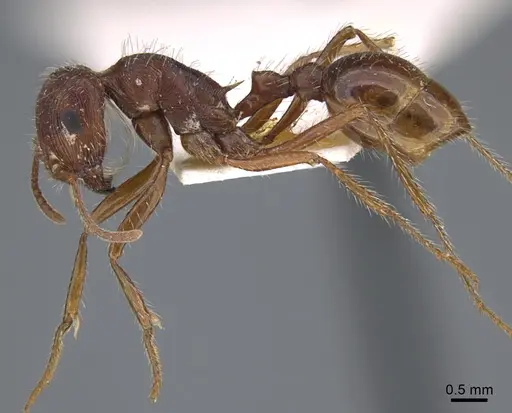
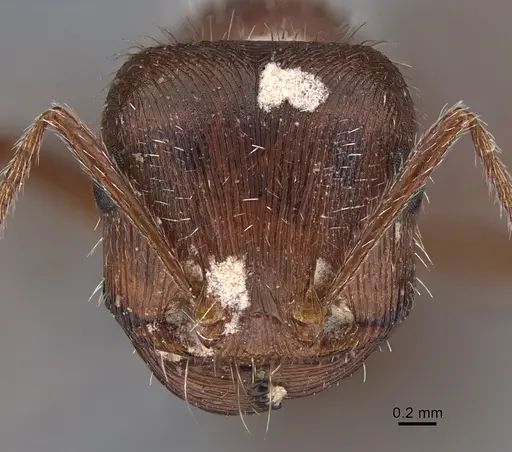
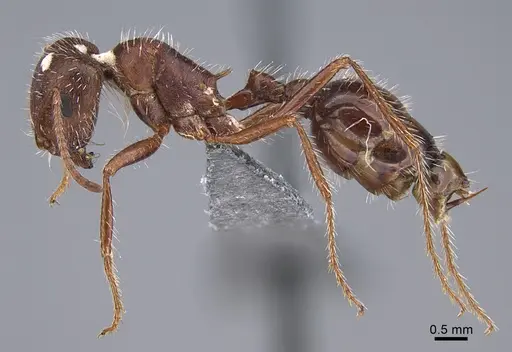
Pogonomyrmex subnitidus is a medium-sized harvester ant native to the southwestern United States and northern Baja California. Workers measure 1.3-1.9mm with a distinctive reddish-ferrugineous color and strongly shining interrugal areas between their coarse body ridges. Queens are larger at 1.8-2.0mm with the same deep reddish coloration. This species constructs nests in sandy soil, marked by characteristic semicircular or circular crater entrances. They are often found in sympatry with the closely related Pogonomyrmex californicus, making field identification challenging as their crater nests appear nearly identical [1]. Unlike many Pogonomyrmex species, P. subnitidus forages solitarily with limited recruitment rather than using mass recruitment strategies [2][3].
Quick Summary
- Difficulty: Medium
- Origin & Habitat: Coastal southern California through southcentral California into western Nevada, and northern Baja California, Mexico. Found in sandy soils of chaparral, Joshua Tree woodland-creosote bush scrub ecotone, and marginally in piñon-juniper biomes at elevations of 3500-5325 feet [1][4].
- Colony Type: Monogyne, colonies maintain a single queen [5]. Colony strength approximates that of Pogonomyrmex californicus.
- Colony: Monogyne
- Founding: Claustral
- Size & Growth:
- Queen: 1.8-2.0mm [4]
- Worker: 1.3-1.9mm [4]
- Colony: Colony strength similar to P. californicus, moderate colony size typical for the genus [4]
- Growth: Moderate, based on typical Pogonomyrmex development patterns
- Development: 6-10 weeks at optimal temperature based on genus-level data for Pogonomyrmex species (Development times follow typical harvester ant patterns, exact timeline for this species not specifically documented)
- Antkeeping:
- Temperature: Keep at 24-28°C during active season. This species tolerates warm conditions typical of its native desert and chaparral habitats. A heating cable on one side of the nest creates a useful gradient [1].
- Humidity: Keep nest substrate moderately moist. These ants naturally nest in sandy soils that drain well but retain some moisture. Provide a water tube for drinking access.
- Diapause: Yes, this species experiences seasonal dormancy. Provide a winter rest period at 10-15°C for 2-3 months, mimicking natural conditions in their temperate range.
- Nesting: Y-tong (acrylic) nests work well for this species. The sandy soil preference suggests they do well in nests that allow some drainage. Avoid overly humid conditions that can cause mold in sandy substrates.
- Behavior: This species is defensive and will readily sting when threatened. Workers forage solitarily rather than in groups, meaning you'll see individual ants exploring for seeds. They are not aggressive toward conspecifics from the same colony but will defend against intruders. Escape risk is moderate, use standard formicarium barriers. The venom has been studied and shows lethality in laboratory tests (1.11 mg/kg in mice), though human stings typically cause localized pain [6].
- Common Issues: Argentine ant predation, invasive Linepithema humile actively raids P. subnitidus nests for brood, causing population decline in areas where they co-occur. Keep colonies away from Argentine ants [8][9]., Overheating, while they tolerate warm conditions, excessive heat can stress colonies. Monitor nest temperature carefully., Fungal growth, sandy nesting preference means they need good drainage, overly humid conditions cause mold problems., Solitary foraging means food discovery is slower, don't assume colony is starving if you don't see active foraging immediately., Queen loss during founding, like other Pogonomyrmex, claustral founding queens are vulnerable to disturbance. Minimize nest inspections during the founding phase.
Nest Preferences and Housing
Pogonomyrmex subnitidus naturally constructs nests in sand or very loose sandy soil, marked by semicircular or circular crater entrances [4]. In captivity, Y-tong (acrylic) nests provide excellent visibility and work well for this species. The key is ensuring good drainage, these ants come from well-draining sandy soils and can develop fungal problems in overly humid or waterlogged substrates. A thin layer of sand or fine gravel at the chamber bottoms mimics their natural substrate preferences. Test tube setups can work for founding colonies but may need upgrading as the colony grows, since they prefer the sandy soil environment. Avoid nests with high humidity retention.
Feeding and Diet
As seed harvesters, P. subnitidus primarily collects and consumes seeds, this is their main food source in the wild [3]. Unlike some Pogonomyrmex species that store large seed caches, P. subnitidus shows much lower seed storage rates [7]. Offer a variety of seeds suitable for ant consumption: grass seeds, millet, flax, and commercial ant seed mixes work well. They also accept protein sources like small insects (fruit flies, small crickets, mealworms) for colony growth. Sugar water or honey can be offered occasionally, though seeds should form the bulk of their diet. Feed every 2-3 days during active growth, with seeds always available. Remove uneaten seeds periodically to prevent mold.
Temperature and Seasonal Care
Maintain nest temperatures between 24-28°C during the active season. This species naturally occurs in warm chaparral and desert-edge habitats of southern California and Nevada, so they handle heat better than cold [1]. A heating cable placed on one end of the nest creates a temperature gradient allowing ants to self-regulate. During winter, provide a diapause period of 2-3 months at 10-15°C. This mimics their natural seasonal cycle in the temperate portions of their range. Reduce feeding during diapause but ensure water access. Return to normal temperatures gradually in spring to trigger renewed activity and brood development.
Defense and Sting Risk
Pogonomyrmex subnitidus has a potent sting, as documented in venom studies showing lethality to mice at 1.11 mg/kg [6]. Workers are defensive and will attack threats to the colony. When working with this species, use caution, they are more likely to sting when the nest is disturbed or when they feel their colony is threatened. The sting pain is significant, comparable to other Pogonomyrmex species. For keepers, this means using appropriate protective equipment when doing nest maintenance, and being cautious during feeding and cleaning. The good news is they are not particularly aggressive outside their immediate nest territory.
Invasive Species Threat
One of the biggest threats to P. subnitidus in the wild is the invasive Argentine ant (Linepithema humile). Research shows these invasive ants raid P. subnitidus nests, exploiting brood and causing population decline [8][9]. The raids occur sporadically but have cumulative effects, workers close off the nest entrance and foraging stops for the day after attacks, but repeated raids eventually destroy colonies. This is particularly concerning in coastal southern California where Argentine ants are established. For antkeepers, this means keeping P. subnitidus colonies well-separated from any Argentine ant colonies and being aware that wild populations in invaded areas are under significant pressure.
Frequently Asked Questions
How long does it take for Pogonomyrmex subnitidus to produce first workers?
Expect 6-10 weeks from egg to first worker at optimal temperatures (24-28°C). This estimate is based on typical Pogonomyrmex development patterns, as specific development timing for this species hasn't been directly documented.
Can I keep multiple Pogonomyrmex subnitidus queens together?
No, this species is monogyne, meaning colonies have a single queen [5]. Combining unrelated queens will result in fighting. Only keep one queen per colony.
What do Pogonomyrmex subnitidus eat?
They are seed harvesters, seeds should form the bulk of their diet. Offer grass seeds, millet, flax, or commercial ant seed mixes. They also accept small insects for protein. Unlike some Pogonomyrmex, they don't store large seed caches [7].
Are Pogonomyrmex subnitidus good for beginners?
They are rated as medium difficulty. They are hardier than some exotic species but require attention to temperature (they need warmth), nesting substrate (sandy, well-draining), and their sting requires careful handling. Their slower solitary foraging also means less dramatic activity than mass-recruiting species.
Do Pogonomyrmex subnitidus need hibernation?
Yes, they benefit from a winter diapause period. Provide 2-3 months at 10-15°C during winter to mimic their natural seasonal cycle in the temperate portions of their range [1].
Why are my Pogonomyrmex subnitidus dying?
Common causes include: Argentine ant proximity (they will raid and kill colonies), excessive humidity causing fungal growth, temperatures too cold for too long, or disturbance during claustral founding. Check that your colony is isolated from Argentine ants and that nesting conditions match their sandy, well-draining preference.
How big do Pogonomyrmex subnitidus colonies get?
Colony strength is similar to Pogonomyrmex californicus, moderate size for the genus. They are not among the largest Pogonomyrmex species but can reach several hundred workers in established colonies.
When should I move Pogonomyrmex subnitidus to a formicarium?
Keep them in a test tube or small setup for the founding phase. Once the colony reaches 20-30 workers and you see consistent foraging activity, you can transition them to a Y-tong or naturalistic setup with sandy substrate. They do well in setups that allow for their natural seed-harvesting behavior.
References

This caresheet is licensed under CC BY-SA 4.0 .
CASENT0005721
View on AntWeb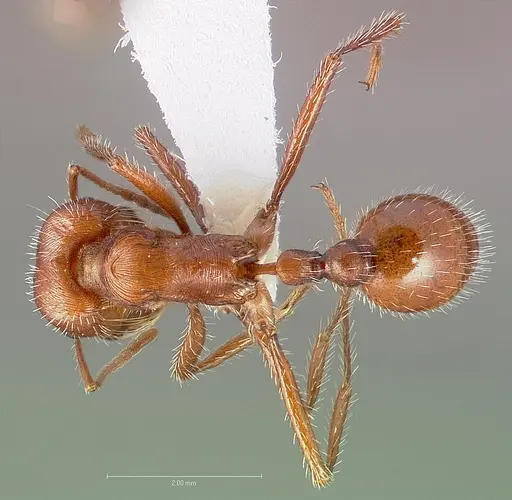
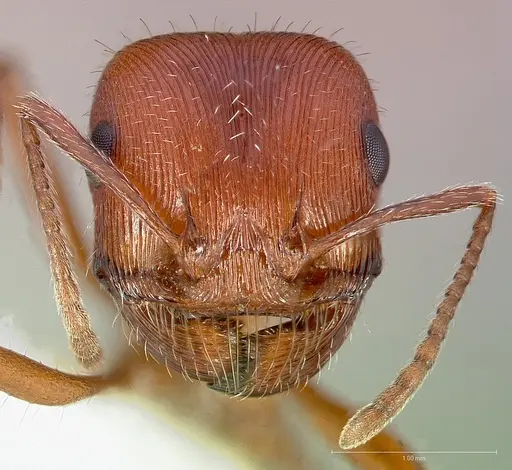
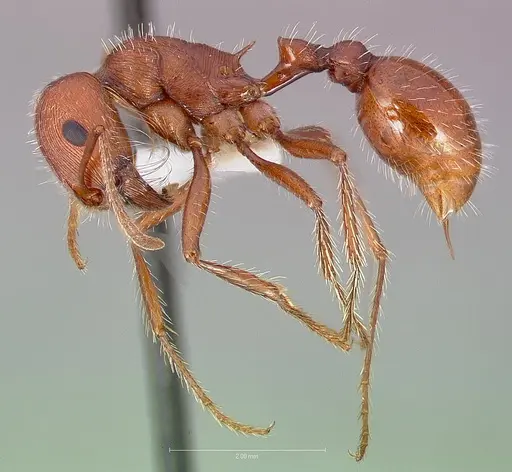
CASENT0217280
View on AntWeb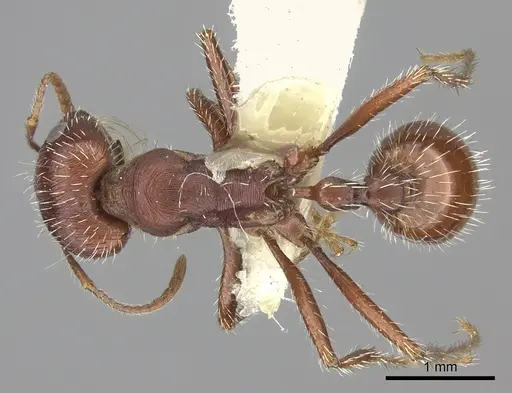
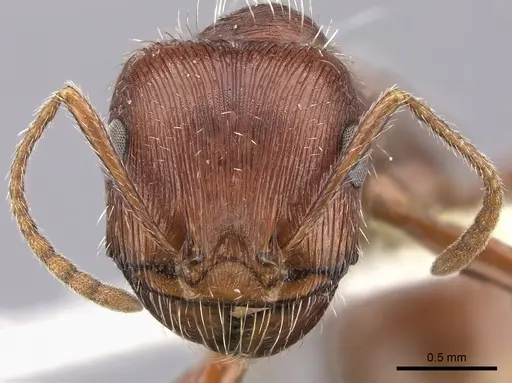
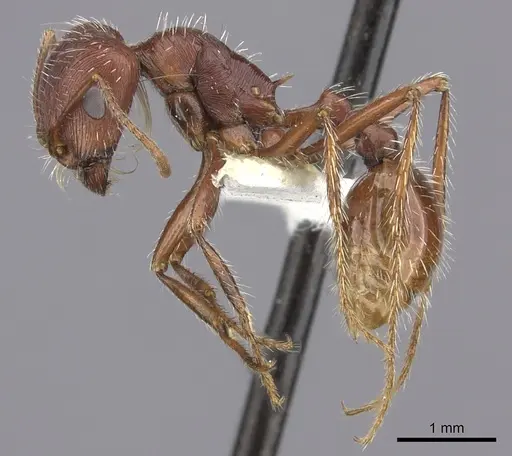
CASENT0235320
View on AntWeb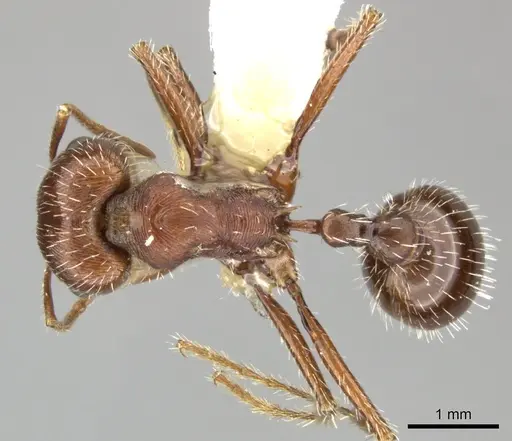
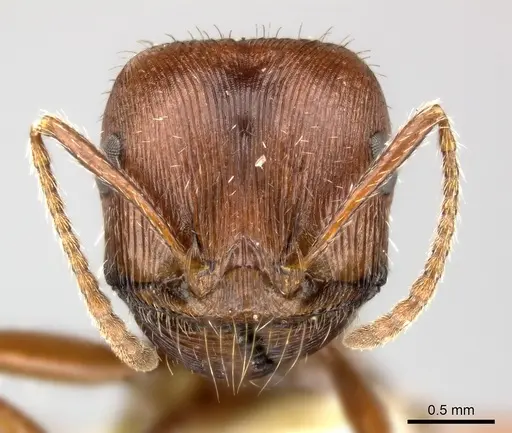
CASENT0235321
View on AntWeb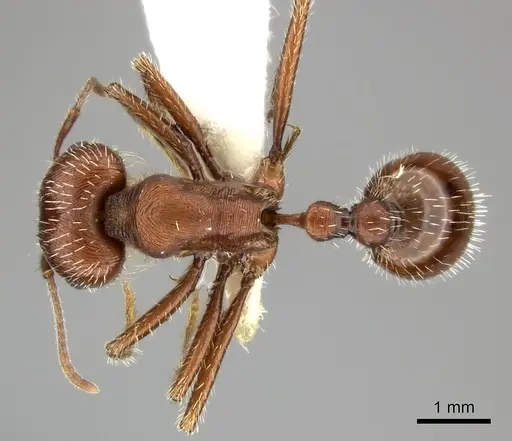
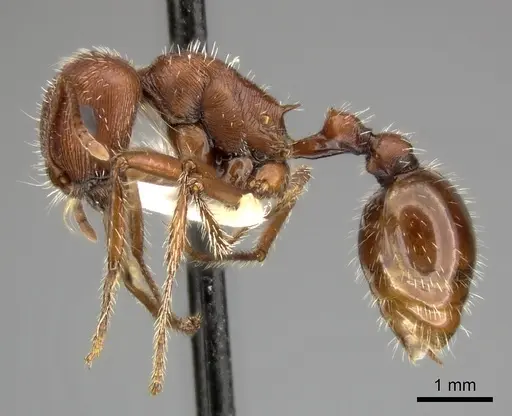
CASENT0904112
View on AntWeb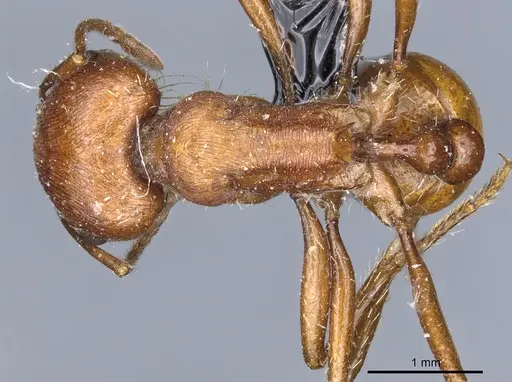
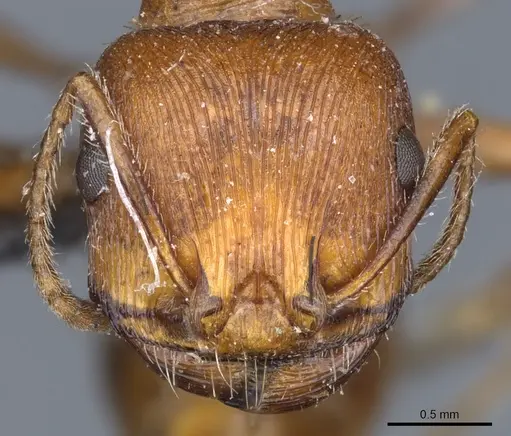
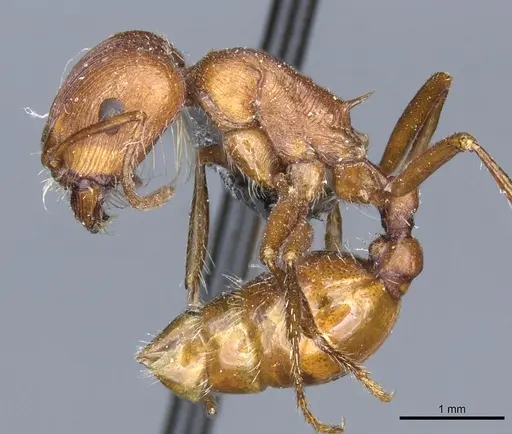
CASENT0914111
View on AntWeb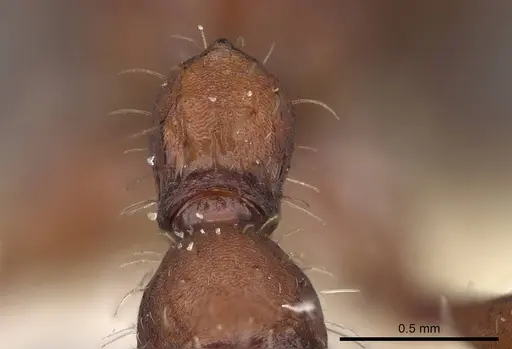
CASENT0914460
View on AntWeb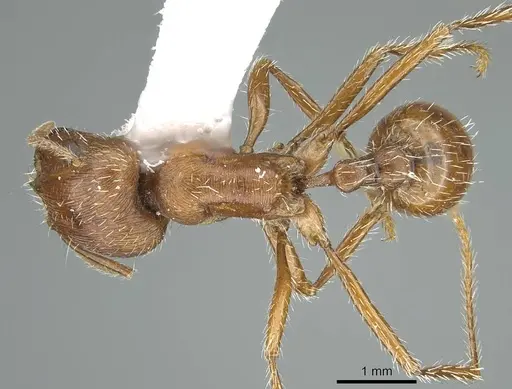
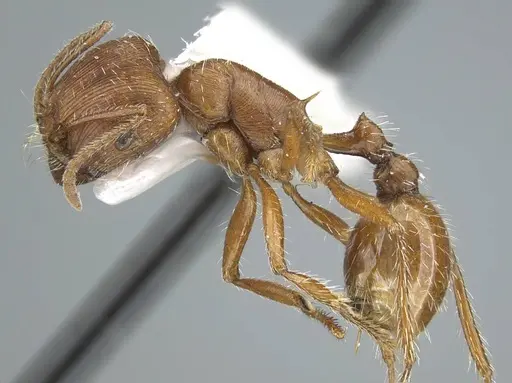
CASENT0923076
View on AntWeb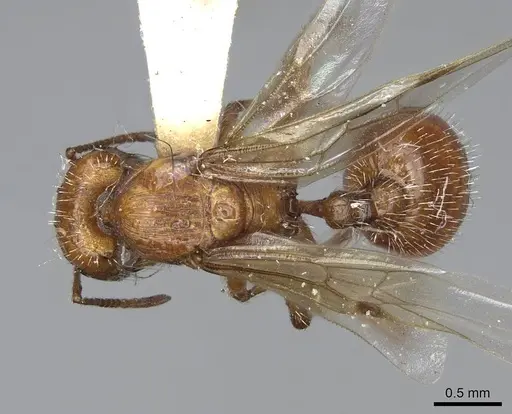
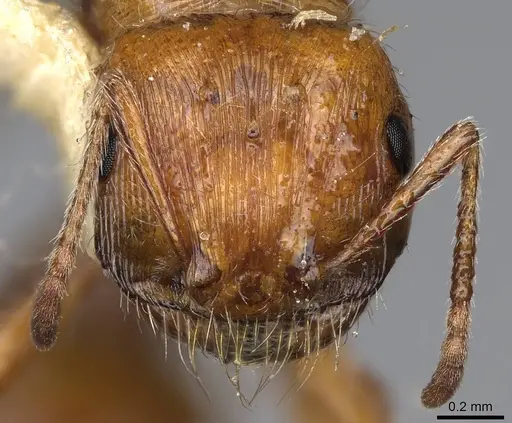
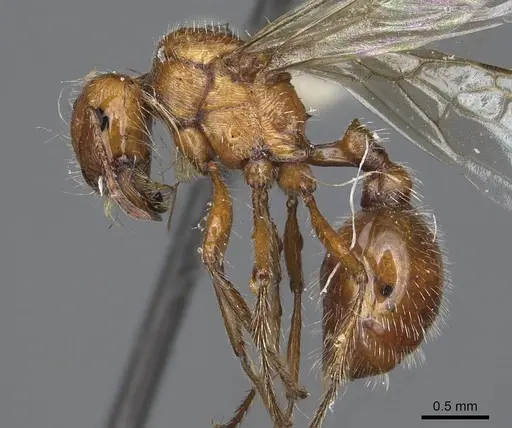
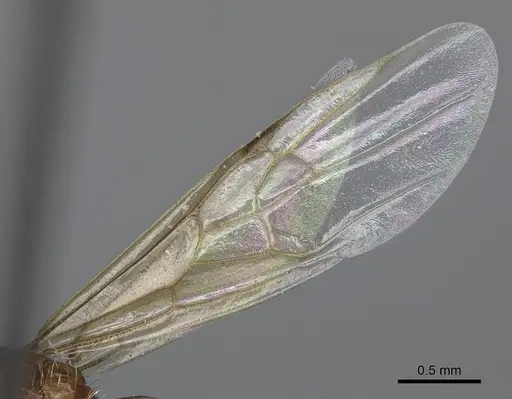
CASENT0923077
View on AntWeb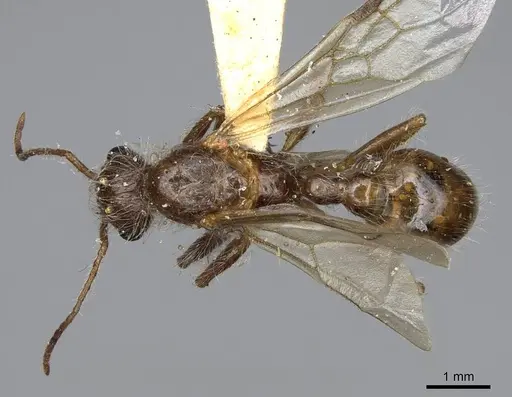
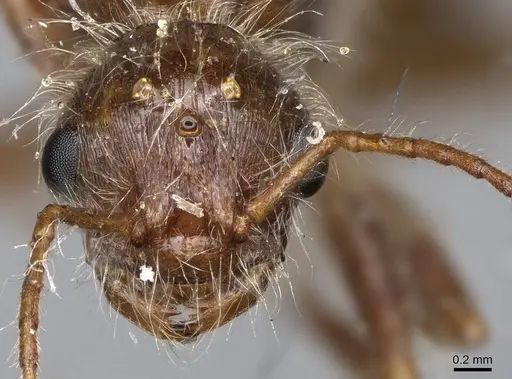
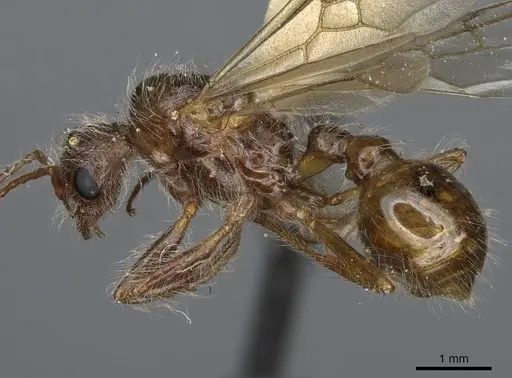
CASENT8368487
View on AntWeb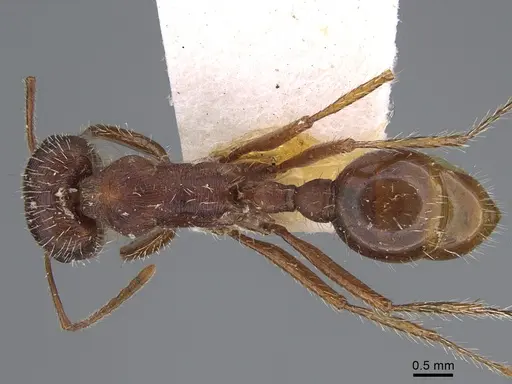
CASENT8368488
View on AntWeb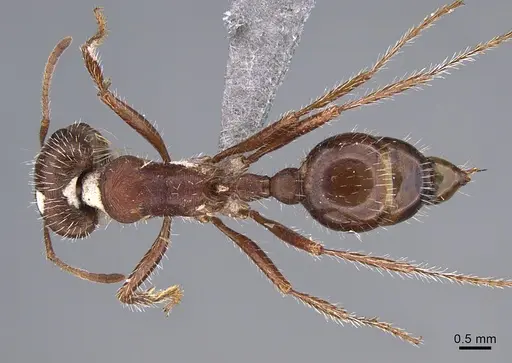
Literature
Loading...Loading products...