

Platythyrea conradti
- Scientific Name
- Platythyrea conradti
- Tribe
- Platythyreini
- Subfamily
- Ponerinae
- Author
- Emery, 1899
- Distribution
- Found in 7 countries
Platythyrea conradti Overview
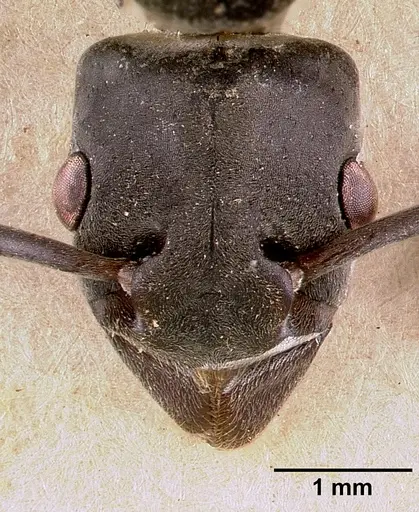
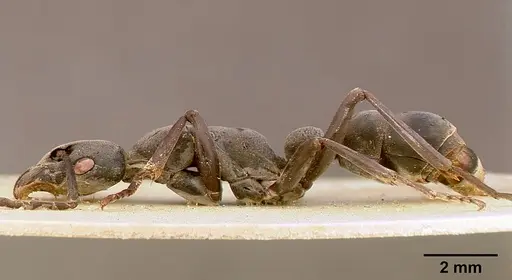
Platythyrea conradti is an ant species of the genus Platythyrea. It is primarily documented in 7 countries , including Congo, Democratic Republic of the, Congo. Detailed taxonomic data and occurrence records can be further explored via authoritative databases such as AntWeb or the Global Biodiversity Information Facility (GBIF).
Platythyrea conradti
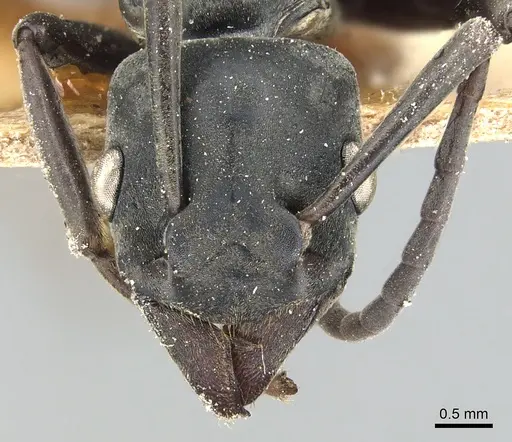
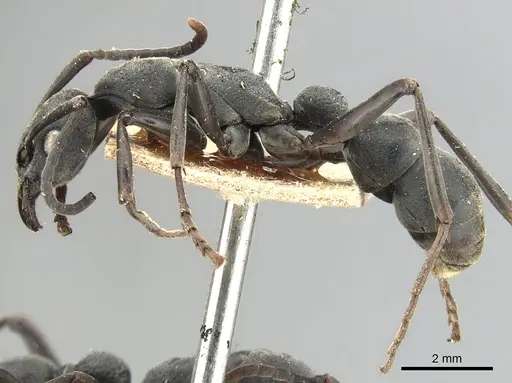
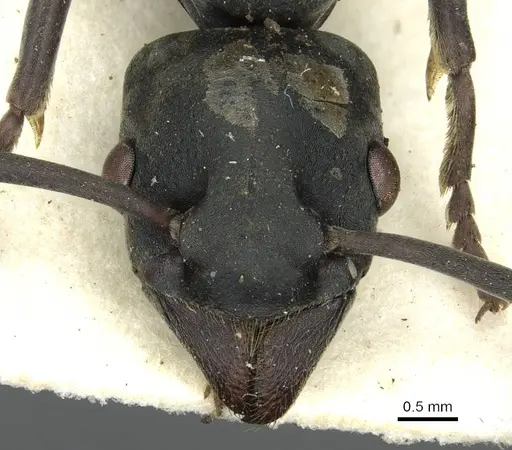
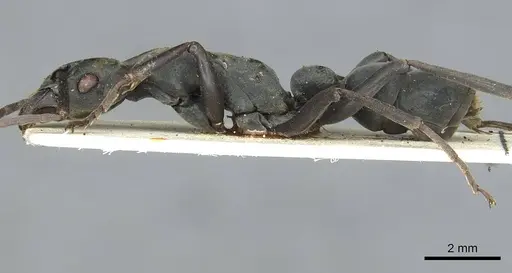
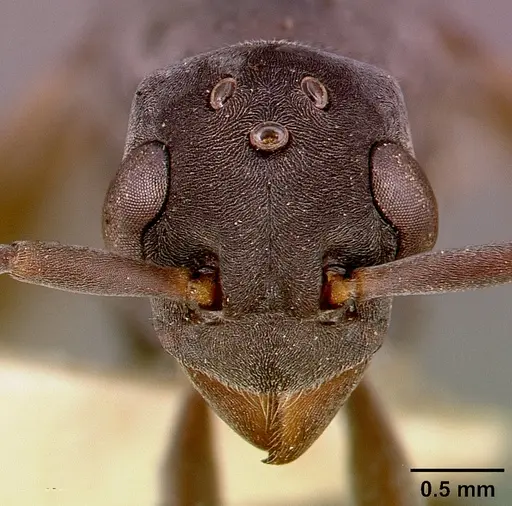
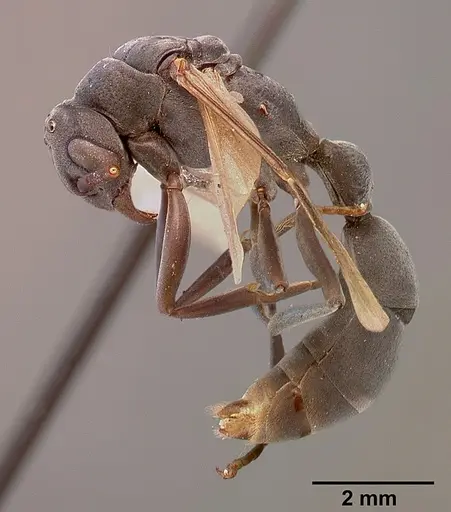
Platythyrea conradti is a large arboreal ant species native to the Afrotropical region, found across central and west Africa from Ghana to the Democratic Republic of Congo. Workers measure approximately 15mm and are powerful predators with a potent sting. This species is unique within its genus as the only one possessing ergatoid queens, permanently wingless queens that walk away from the parent colony to establish new nests through fission rather than nuptial flights. Colonies typically contain 100-500 workers and often share their nest cavities with the tiny commensal ant Strumigenys maynei, a mutually beneficial arrangement where P. conradti provides protection and the smaller ant helps keep the nest clean.
Quick Summary
- Difficulty: Medium
- Origin & Habitat: Arboreal ant from tropical West and Central Africa, nesting in hollow branches of living trees (particularly Pancovia bijuga) at heights of 0.5-2m above ground [1][2]. Found in lowland forests from Ghana to DRC, with documented populations in Ivory Coast, Benin, Cameroon, Gabon, and Nigeria [3].
- Colony Type: Monogyne, single colony with one fertile ergatoid (wingless) queen. This species is unique in the genus for having ergatoid queens instead of gamergates (fertile workers). Workers form a dominance hierarchy with the queen at the top [4][5].
- Colony: Monogyne
- Size & Growth:
- Queen: Approximately same size as workers (15mm), with larger gaster but similar thorax volume [3]
- Worker: Approximately 15mm [1]
- Colony: Up to 500 workers [6][1]
- Growth: Moderate, estimated 6-10 weeks from egg to worker based on typical Ponerinae development
- Development: 6-10 weeks (estimated based on related Ponerinae species) (Direct development data unavailable, Ponerinae ants typically require 6-10 weeks at warm tropical temperatures)
- Antkeeping:
- Temperature: Keep at 24-28°C, these are tropical arboreal ants from humid forests. Room temperature within this range works well, or use a gentle heat gradient on one side of the nest.
- Humidity: High humidity preferred, they naturally live in tree cavities in humid tropical forests. Keep nest substrate consistently moist but not waterlogged, with some drier areas available.
- Diapause: No, as a tropical species, they do not hibernate. Activity reduces during dry season in the wild, but they remain active year-round in captivity [2].
- Nesting: Arboreal nesting in captivity works best. Provide a formicarium with large chambers or a Y-tong nest with spacious passages scaled to their 15mm size. Include dead branches, cork, or similar arboreal-style nesting material. They naturally nest in hollow branches, so vertical space and multiple chambers are appreciated.
- Behavior: These are aggressive, solitary predators with a powerful sting. Workers forage individually at dawn and dusk, hunting a wide variety of arthropods including termites, cockroaches, crickets, and even large prey up to 30 times their weight. They use a specialized hunting technique, sliding their gaster under the prey's thorax to sting the ventral nerve cord for instant paralysis. Workers are highly territorial and will aggressively defend resources against competing ant species using a threat display with mandibles open and antennae folded back. They mark their territory with scent trails and visible landmarks while foraging. Escape risk is moderate, they are large ants but can climb smooth surfaces. Always use a barrier like fluon on test tube rims.
- Common Issues: colonies often fail when kept too dry, their arboreal habitat requires humid conditions, wild-caught colonies may contain parasites that can devastate the colony in captivity, slow founding means beginners may lose patience and abandon the colony before workers arrive, their powerful sting can penetrate human skin, handle with care during transfers, colonies may decline if not given enough vertical/arboreal nesting space
Housing and Nest Setup
Platythyrea conradti requires arboreal-style housing that mimics their natural tree-cavity nesting. A Y-tong (acrylic) nest with large chambers works well, or you can create a naturalistic setup with cork bark sections and artificial branches. The key is providing spacious chambers, these are large 15mm ants that need room to move. Because they nest in tree branches, they appreciate vertical space and multiple chambers connected by wide passages. Keep the nest humid by including a water reservoir or moisture chamber, but ensure ventilation prevents mold buildup. The outworld should include branches or other structures for climbing, as these ants naturally forage in the tree canopy. [1][2][3]
Feeding and Diet
These are obligate predators that hunt solitarily at dawn and dusk. In captivity, offer a variety of live prey including crickets, roaches, mealworms, and other appropriately-sized insects. They can take down surprisingly large prey, their venom is potent enough to immobilize insects 30 times their own weight. Beyond protein, they also feed on nectar and sugary substances in the wild, so offer honey or sugar water occasionally. Workers can carry large drops of sugary liquids using surface tension, storing it under their head and thorax. Feed protein prey 2-3 times per week, and keep sugar water available at all times. Remove uneaten prey after 24 hours to prevent mold. [6][3]
Temperature and Seasonal Care
As a tropical species from humid African forests, P. conradti needs warm, stable conditions. Keep temperatures between 24-28°C, this matches their natural lowland forest habitat and supports active hunting behavior. They are most active during dawn (5:00-8:00) in the wild, so expect peak activity in your colony during these hours. Unlike temperate ants, they do not require hibernation or diapause. In the wild, their foraging activity decreases significantly during the dry season, so you might notice reduced activity during winter months if your home is drier. A small water dish in the outworld helps maintain humidity and provides drinking water. [6][2]
Behavior and Defense
This species is notably aggressive and territorial. Workers hunt alone rather than in groups, using a specialized predatory technique, they quickly sting prey on the ventral surface where the nerve cord runs, causing instant paralysis. They are also territorial against competing ants, using a threat display where they crouch with mandibles wide open and antennae folded backward, likely releasing repellent substances from their mandibular glands. This display successfully drives away even large aggressive ants like Oecophylla longinoda. Within the colony, workers and the queen maintain a dominance hierarchy through aggressive interactions. If the queen dies, high-ranking workers will lay male eggs. They are fiercely aggressive toward alien conspecifics but tolerate the commensal Strumigenys maynei that often shares their nests. Their sting is potent and can penetrate human skin, handle carefully during nest maintenance. [6][1][4][5]
Colony Growth and Reproduction
Unlike most ants that produce winged queens for dispersal, P. conradti uses a unique reproductive strategy called fission. When the colony grows large enough, the ergatoid (wingless) queen walks out accompanied by a group of workers to establish a new nest. This is why they are called 'ergatoid', they resemble workers but function as queens. Colonies reach up to 500 workers, with typical wild colonies containing around 100 workers. The queen is morphologically similar to workers (limited caste dimorphism) with a slightly larger gaster and 18-20 ovarioles for egg production. Growth is moderate, expect several months from founding to first workers, then gradual colony expansion over 1-2 years to reach mature size. [4][1][3]
Frequently Asked Questions
How long does it take for Platythyrea conradti to produce first workers?
Direct data is unavailable, but based on typical Ponerinae development, expect 6-10 weeks from egg to first worker at optimal warm temperatures (24-28°C). Ergatoid queens may have slightly different founding dynamics than typical claustral queens.
Can I keep multiple Platythyrea conradti queens together?
No, this species is strictly monogyne with a single fertile queen. Multiple unrelated queens would fight. The dominance hierarchy system means only one queen occupies the top rank.
What do Platythyrea conradti eat?
They are predators that hunt live insects including crickets, roaches, termites, and other arthropods. They also accept nectar and sugar water. Feed live prey 2-3 times weekly with sugar water always available.
Are Platythyrea conradti good for beginners?
This species is rated as medium difficulty. While visually impressive and fascinating to watch, their specific humidity requirements, need for live prey, and potent sting make them better suited for keepers with some experience. Their slower growth and arboreal nesting needs require attention.
How big do Platythyrea conradti colonies get?
Colonies reach up to 500 workers at maturity. Wild colonies typically contain around 100 workers, with captive colonies able to grow larger with consistent care.
Do Platythyrea conradti need hibernation?
No, as a tropical species, they do not hibernate. They remain active year-round in captivity, though activity may decrease during dry winter months. Keep them warm (24-28°C) year-round.
Why do my Platythyrea conradti keep dying?
Common causes include: too dry conditions (they need high humidity), insufficient protein in diet, mold from overwatering, or parasites from wild-caught colonies. Ensure humid arboreal-style housing, varied live prey, and good ventilation.
When should I move Platythyrea conradti to a formicarium?
Move them once the colony reaches 20-30 workers and the founding setup is becoming cramped. They prefer arboreal-style nests with vertical space and large chambers. A Y-tong or naturalistic cork setup works well.
References

This caresheet is licensed under CC BY-SA 4.0 .
CASENT0250047
View on AntWeb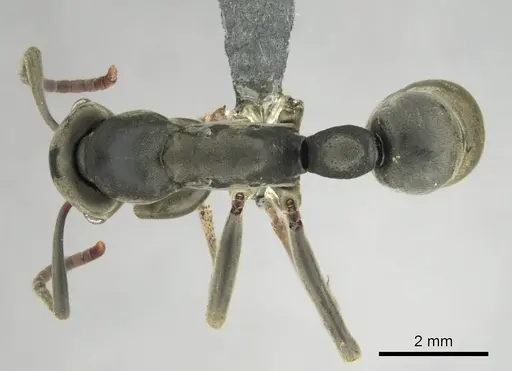
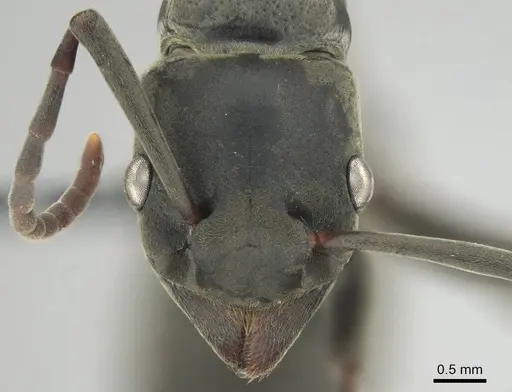
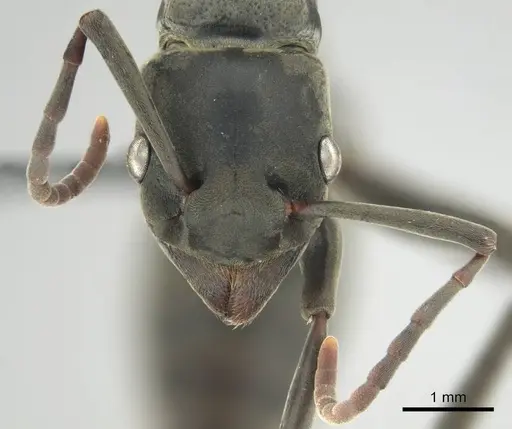
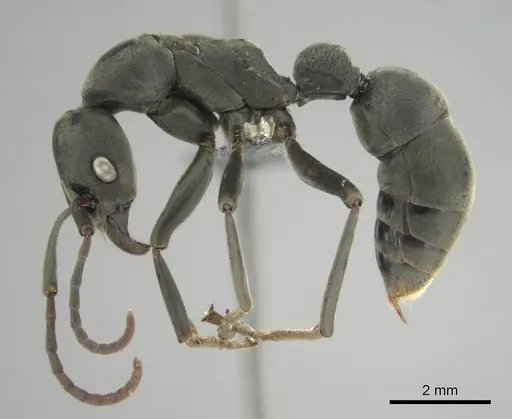
CASENT0815027
View on AntWeb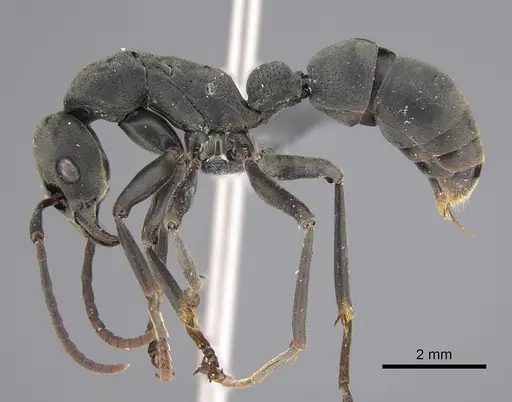
CASENT0903795
View on AntWeb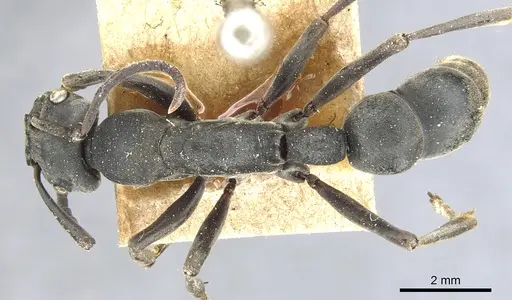
CASENT0913730
View on AntWeb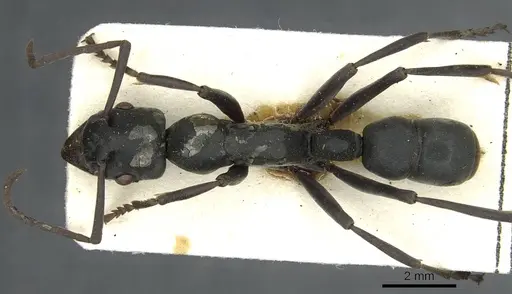
CASENT0917745
View on AntWeb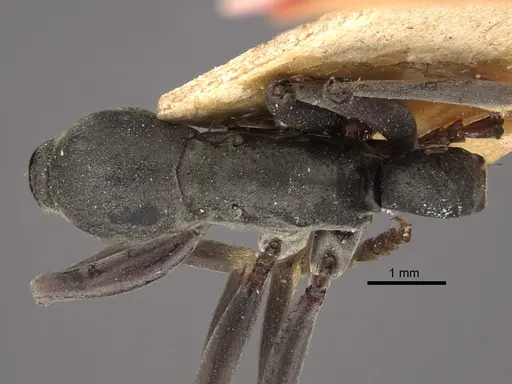
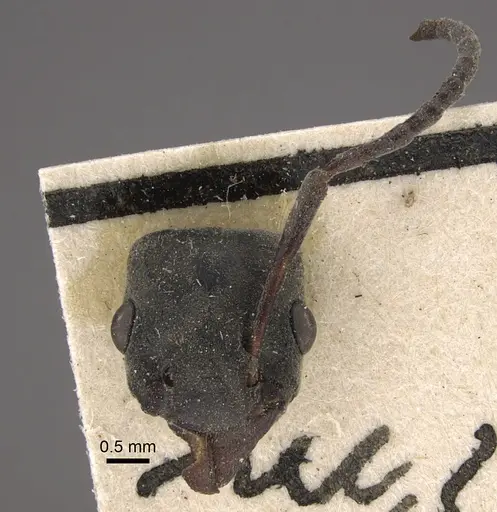
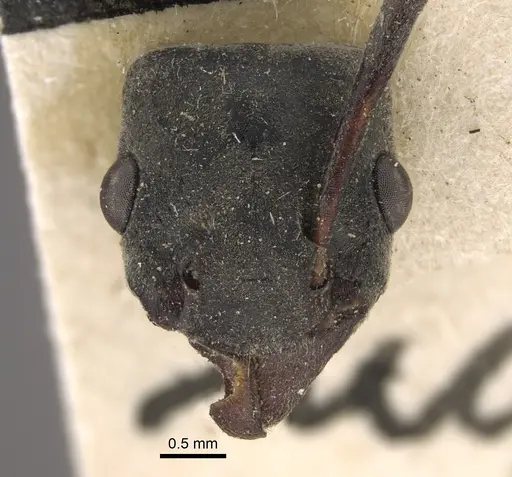
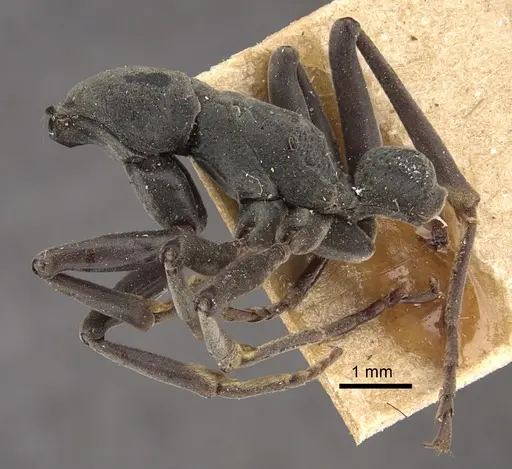
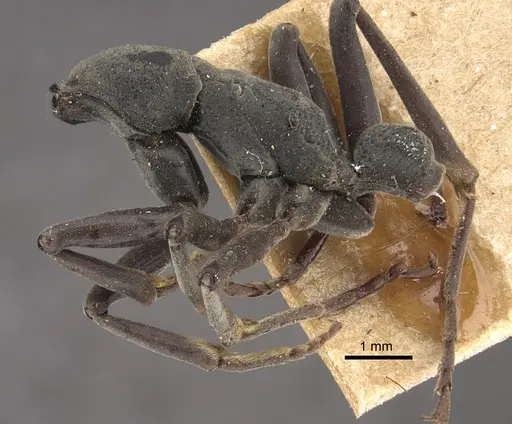
SAM-HYM-C002300A
View on AntWeb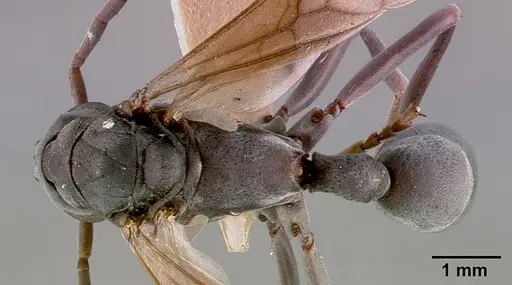
SAM-HYM-C002301A
View on AntWeb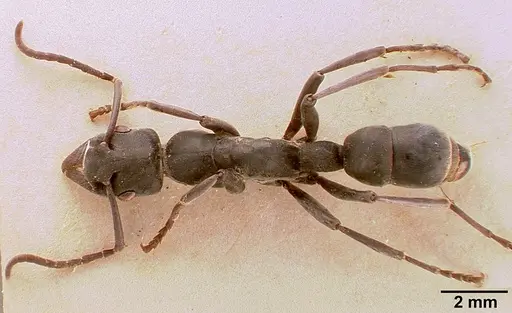
Literature
Loading...Loading products...