

Strumigenys maynei
- Scientific Name
- Strumigenys maynei
- Tribe
- Attini
- Subfamily
- Myrmicinae
- Author
- Forel, 1916
- Distribution
- Found in 3 countries
Strumigenys maynei Overview
Strumigenys maynei is an ant species of the genus Strumigenys. It is primarily documented in 3 countries , including Côte d'Ivoire, Gabon, Uganda. Detailed taxonomic data and occurrence records can be further explored via authoritative databases such as AntWeb or the Global Biodiversity Information Facility (GBIF).
Strumigenys maynei - "Trap-Jaw Ant (a general common name for the genus)"
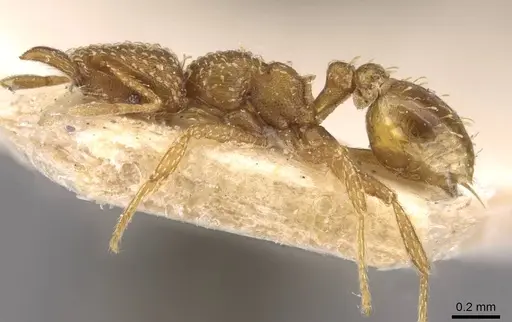
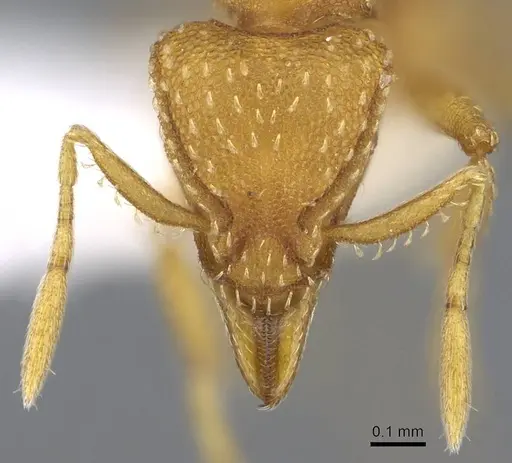
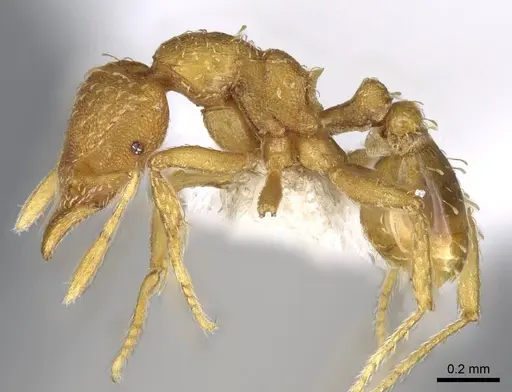
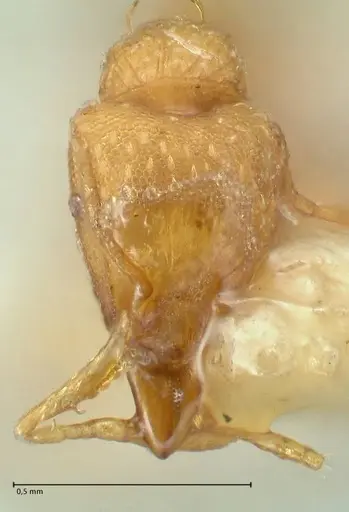
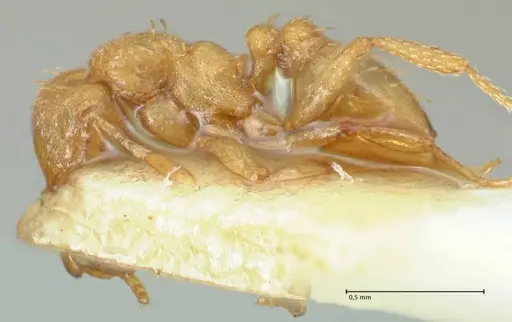
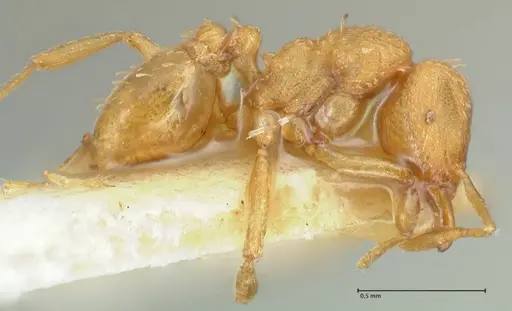
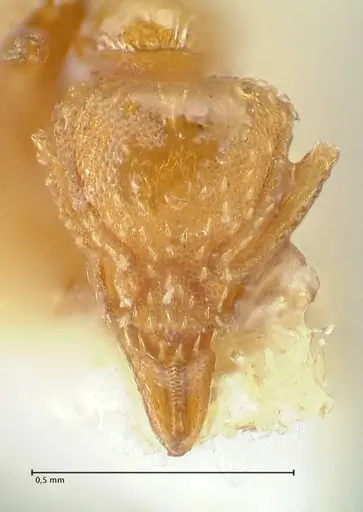
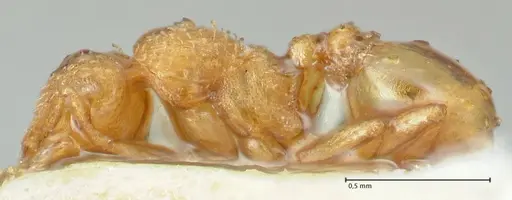
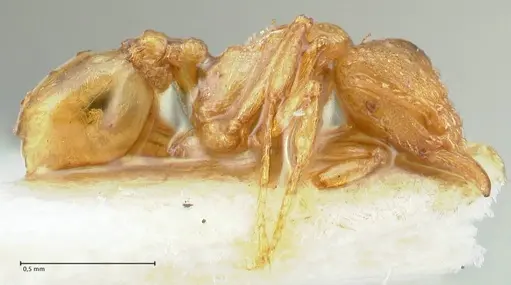
Strumigenys maynei are tiny, cryptic ants known for their specialized, trap-jaw mandibles that can snap shut at incredibly high speeds to capture prey. Their bodies often appear somewhat fuzzy due to small hairs or bristles, and their coloration typically ranges from shades of brown, yellow, to sometimes gray. They are primarily predatory, ambushing small arthropods like springtails. These ants are generally slow-moving, but can exhibit quick bursts of speed when disturbed. Colonies are quite small and inconspicuous, usually containing only a few dozen to a few hundred workers.
- Difficulty: Medium
- Origin & Habitat: West and Central Africa, Uganda, Democratic Republic of Congo (type locality) in Forest zones, leaf litter, decaying logs, moist shaded areas, rotten wood (often in rot holes in trees, or hollow branches), can also be found coexisting in nests of larger ants like Platythyrea conradti..
- Colony Type: Monogyne (single queen) or Polygyne (multiple queens) depending on the specific colony observed, with some species in the genus known to be polygyne., semi-claustral (queen forages for small prey during founding), often found in claustral cells under rocks, nuts, or hollow twigs. founding.
- Size & Growth:
- Queen: 2.3-3.0mm
- Worker: 2.3-3.0mm
- Colony: Small (dozens to a few hundred workers, typically 15-400). Slow. Queens can take a long time to produce their first brood. growth.
- Antkeeping:
- Temperature: Ideal temperature range is between 22°C and 26°C. Avoid extreme temperature fluctuations..
- Humidity: High humidity levels are crucial, ideally 60-80%. They are extremely moisture sensitive..
- Diapause: Not required. Not specified at Not specified.
- Nesting: Small formicaria with easy-to-access chambers. They prefer nesting in rotten wood, leaf litter, or within soil. Hydrostone is recommended for artificial nests due to its moisture retention and mold resistance. Test tube setups or small petri dishes can also be used, especially for founding queens or smaller colonies..
- Behavior: Low (towards handler and other ants) aggressiveness.
- Common Issues: Humidity fluctuations, Lack of specific prey (springtails), Colony stalling during founding, Mold in nest (less of an issue with hydrostone).
Keeping Strumigenys maynei requires a dedicated approach to their diet. These ants are highly specialized predators, primarily hunting small arthropods like springtails (Collembola). It's crucial to establish a healthy, continuous culture of springtails before acquiring a Strumigenys colony, as they rely almost exclusively on these tiny prey. They may occasionally accept other small, soft-bodied arthropods, but springtails are their preferred and most reliable food source.
Humidity is arguably the most critical factor for Strumigenys maynei. They are incredibly sensitive to moisture levels, and even a few hours without adequate humidity can be detrimental to a colony. Maintaining a consistently high humidity, ideally between 60-80%, within their nest is paramount for their survival and well-being. Using materials like hydrostone in artificial setups can help maintain stable humidity for longer periods.
Due to their cryptic nature and small colony sizes, Strumigenys maynei are not the most active species to observe, which might be a consideration for some antkeepers. Their movements are often slow and deliberate, especially when hunting. This species often forms compound nests with larger ants like Platythyrea conradti in the wild, suggesting a potential mutualistic relationship where Strumigenys maynei helps control springtail populations. While not strictly necessary in captivity, providing ample substrate and hiding places can make them feel more secure and mimic their natural environment.
Founding a Strumigenys maynei colony from a lone queen can be challenging and requires significant patience. Queens are semi-claustral, meaning they need to forage for food during the founding stage. Providing a small foraging area with springtails is essential for the queen to successfully raise her first workers. A dark and undisturbed environment is also vital for successful colony establishment.
When setting up their formicarium, prioritize materials that can retain moisture well and resist mold growth, such as hydrostone. Small petri dishes or specialized small-species nests with easy access for feeding are suitable. Given their size, ensuring the foraging area is secure enough to prevent their tiny prey, like springtails, from escaping is also important. These ants are not known to be aggressive towards handlers and do not pose a sting risk to humans.
Frequently Asked Questions
What makes Strumigenys maynei unique as an antkeeping species?
Strumigenys maynei are truly fascinating for their specialized trap-jaw mandibles, which they use to capture tiny prey with incredible speed. Unlike many ants, they're highly specialized predators of springtails, making their feeding behavior a unique aspect of their care. They're also quite small and have a cryptic lifestyle, living in leaf litter and decaying wood, which sets them apart from more commonly kept species.
How difficult is it to keep Strumigenys maynei?
These trap-jaw ants are considered a moderate challenge for antkeepers. Their specific humidity requirements and specialized diet of live springtails mean they aren't ideal for beginners. Consistent moisture and a ready supply of the right food are key to their success.
What do Strumigenys maynei queens eat during founding?
Strumigenys maynei queens are semi-claustral, so they need to forage for food to raise their first nanitics. Their primary diet during this crucial stage, just like the workers, consists of small arthropods, especially springtails. You'll need to provide a steady supply of these tiny prey in their founding setup.
What is the ideal habitat setup for a Strumigenys maynei colony?
A small formicarium with easy-to-access chambers is best. They thrive in setups that mimic their natural humid, leaf-litter environment. Hydrostone is a fantastic material for their nests because it retains moisture exceptionally well and resists mold, which is vital for these moisture-sensitive ants. Small petri dishes can also work for smaller colonies or founding queens.
How large do Strumigenys maynei colonies get?
Strumigenys maynei colonies are on the smaller side. You can expect a mature colony to range from a few dozen workers up to a few hundred, typically peaking around 15-400 individuals. They're not going to fill a massive formicarium, which is often a plus for keepers with limited space.
Do Strumigenys maynei workers sting or bite?
No, Strumigenys maynei are not known to sting or pose any aggressive threat to antkeepers. Their specialized mandibles are for hunting tiny prey, not for defense against large creatures like humans. They are generally peaceful and non-aggressive towards handlers.
Why is humidity so important for Strumigenys maynei?
Humidity is paramount for Strumigenys maynei because they are extremely sensitive to desiccation. In their natural habitat, they live in moist leaf litter and decaying wood. Without consistently high humidity (60-80%), they can quickly become stressed and perish within a few hours. Keeping their nest properly hydrated is the single most critical aspect of their care.
Can Strumigenys maynei live with other ant species?
In the wild, Strumigenys maynei has been observed coexisting with larger ant species like Platythyrea conradti in compound nests, where they might help manage springtail populations. However, in an antkeeping setup, it's generally not recommended to house different ant species together due to the risks of inter-species aggression and competition, even if some form of commensalism exists in nature. It's best to keep them in a species-specific setup for their safety and well-being.
How fast do Strumigenys maynei colonies grow?
These ants have a slow growth rate. From egg to adult worker can take around 8-9 weeks. Queens can also take a considerable amount of time to produce their first brood, so patience is a virtue when founding and growing a Strumigenys maynei colony.
What kind of prey should I feed Strumigenys maynei?
They are highly specialized predators, with springtails being their primary and preferred food source. You'll want to have a thriving springtail culture established before you even think about getting a Strumigenys colony. Some keepers report they might take other tiny, soft-bodied arthropods, but springtails are the gold standard for these trap-jaw hunters.
Do Strumigenys maynei need diapause?
Based on their tropical and subtropical origins, Strumigenys maynei are generally not believed to require a diapause period. They are adapted to consistent warm and humid conditions throughout the year.
Where can I find Strumigenys maynei queens?
Finding Strumigenys queens can be tricky due to their cryptic nature and small size. They are often found in claustral cells under rocks, within nuts, or inside hollow twigs. Nuptial flights typically occur from late summer to mid-fall, often in the late afternoon. Sifting through leaf litter and examining decaying wood in their natural range can also yield results.
Are there any common issues I should watch out for when keeping Strumigenys maynei?
The most common challenges revolve around maintaining consistent humidity, providing their specific live food (springtails), and patience during the slow founding phase. Mold can be an issue in humid setups, so using appropriate substrates like hydrostone helps. Colony stalling, particularly with founding queens, can occur if conditions or food supply aren't optimal.

This caresheet is licensed under CC BY-SA 4.0 .
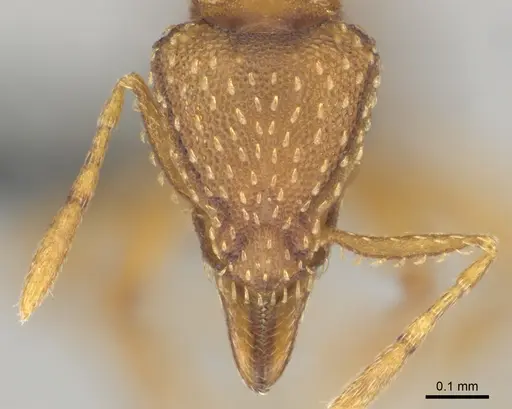
CASENT0217921
View on AntWeb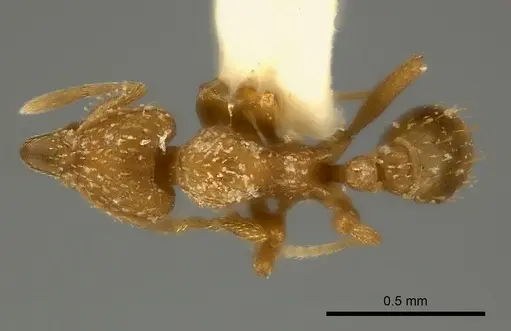
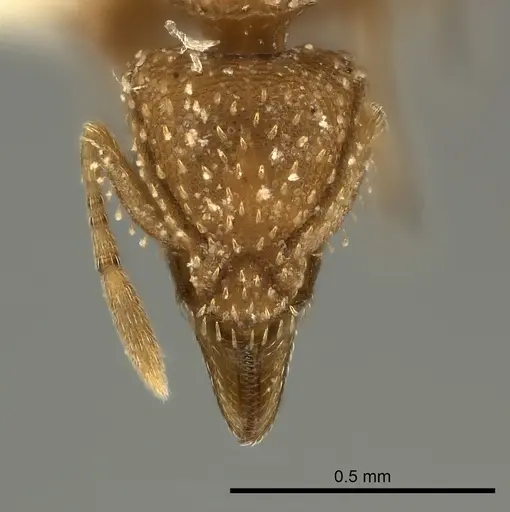
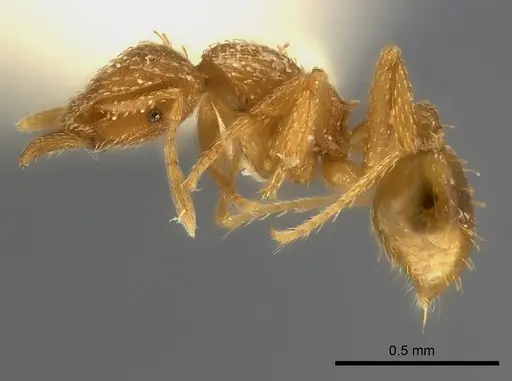
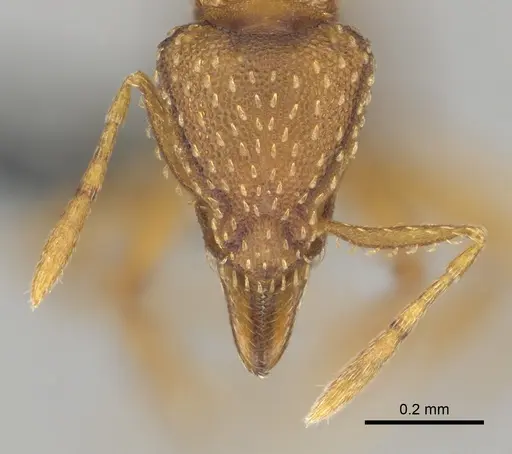
CASENT0815806
View on AntWeb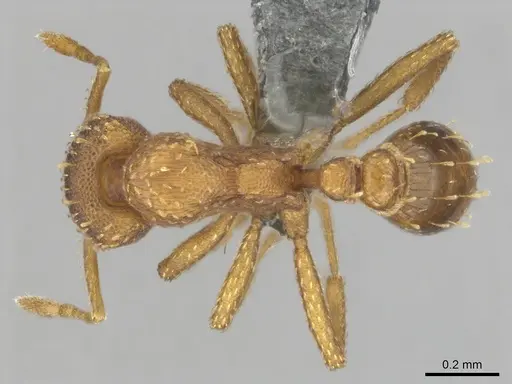
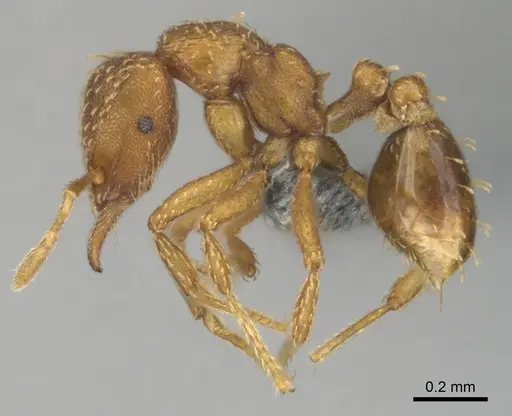
CASENT0909335
View on AntWeb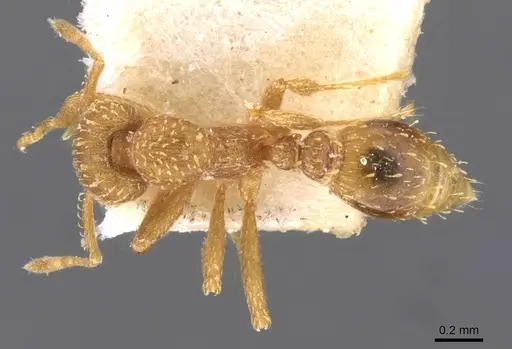
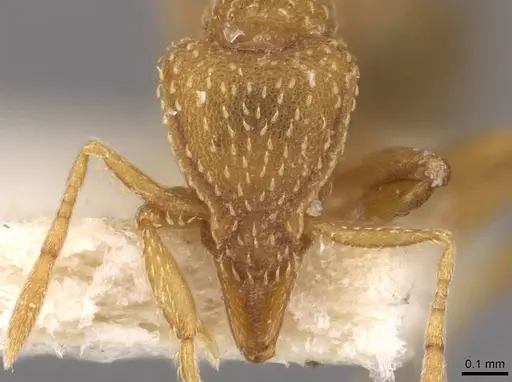
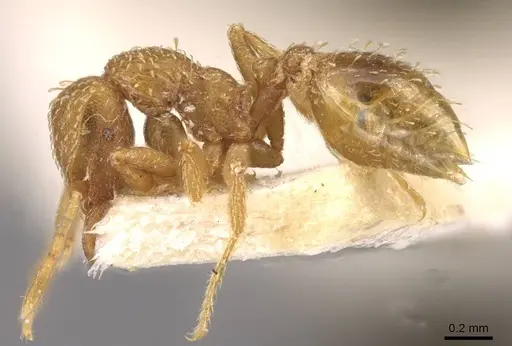
CASENT0909336
View on AntWeb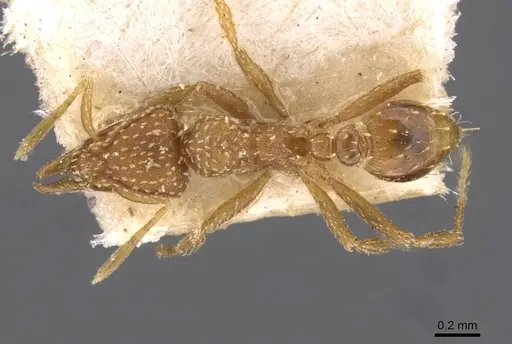
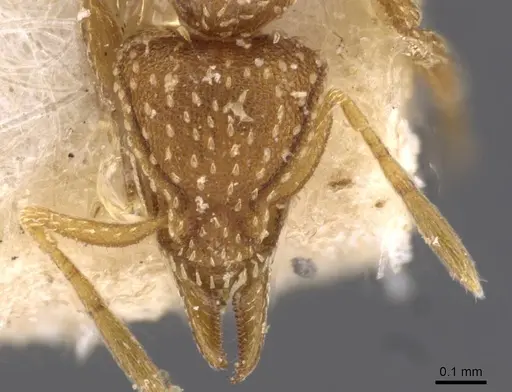
CASENT0914719
View on AntWeb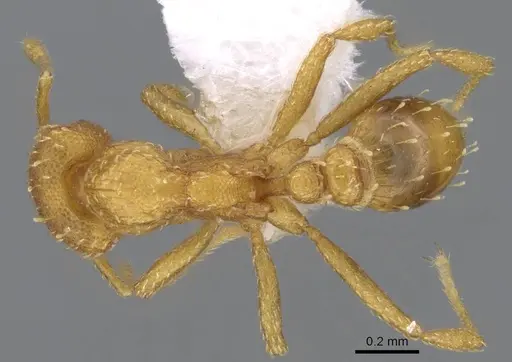
FOCOL2165
View on AntWeb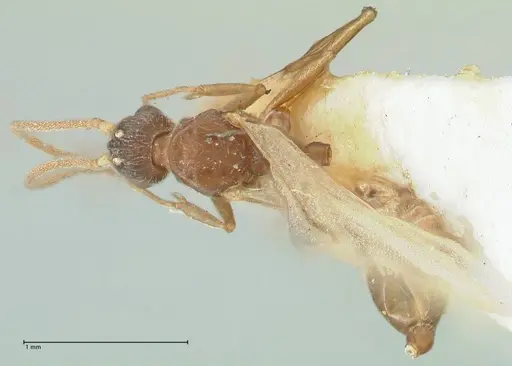
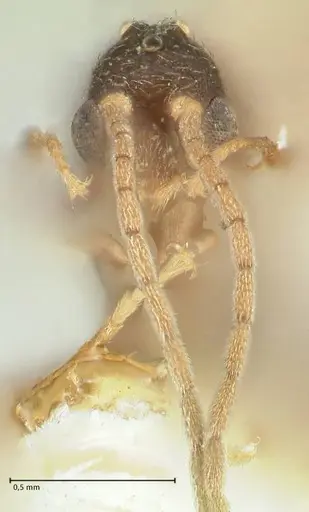
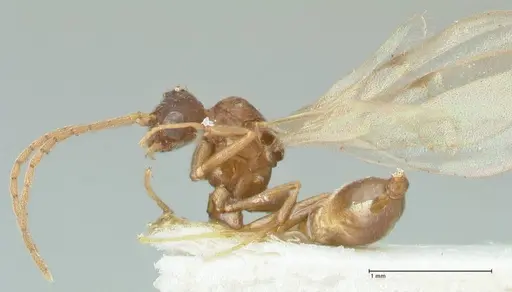
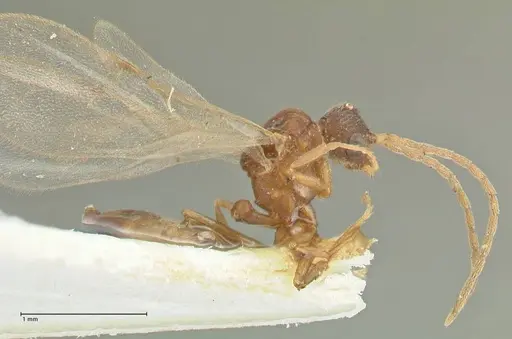
FOCOL2166
View on AntWeb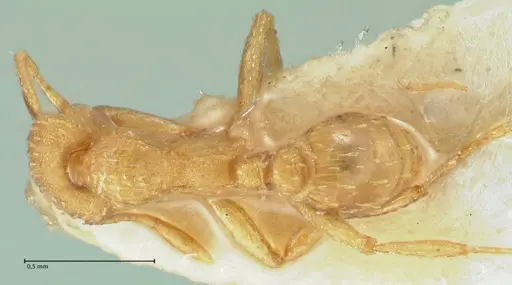
FOCOL2167
View on AntWeb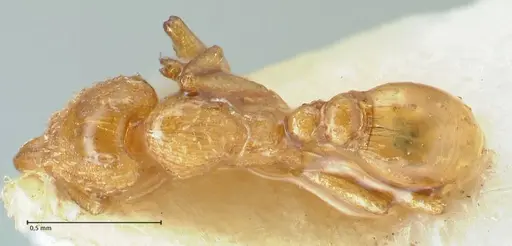
Literature
Loading...Loading products...