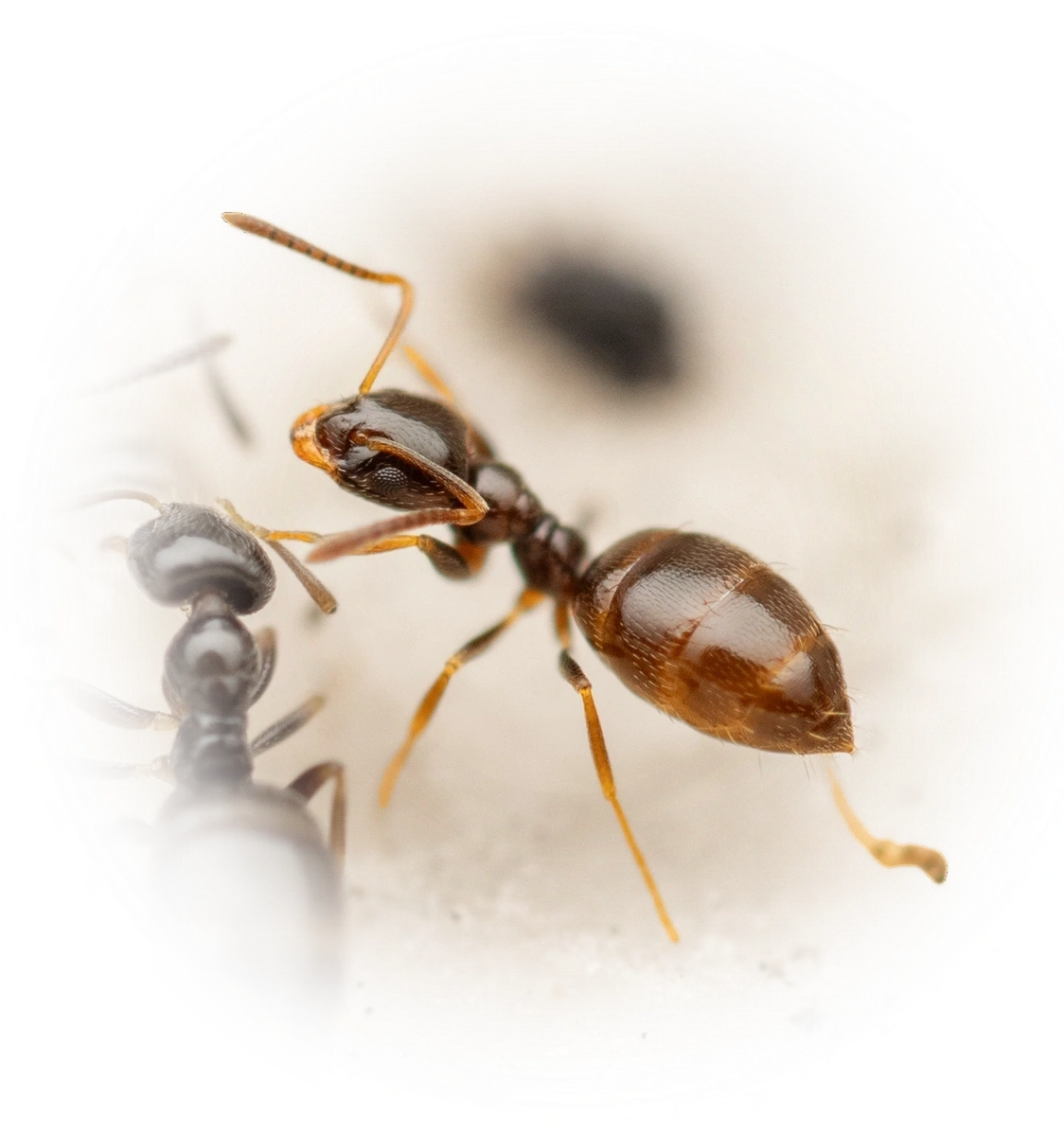

Plagiolepis pygmaea
- Scientific Name
- Plagiolepis pygmaea
- Tribe
- Plagiolepidini
- Subfamily
- Formicinae
- Author
- Latreille, 1798
- Distribution
- Found in 13 countries
Plagiolepis pygmaea Overview
Plagiolepis pygmaea is an ant species of the genus Plagiolepis. It is primarily documented in 13 countries , including Bulgaria, Switzerland, Germany. Detailed taxonomic data and occurrence records can be further explored via authoritative databases such as AntWeb or the Global Biodiversity Information Facility (GBIF).
Plagiolepis pygmaea
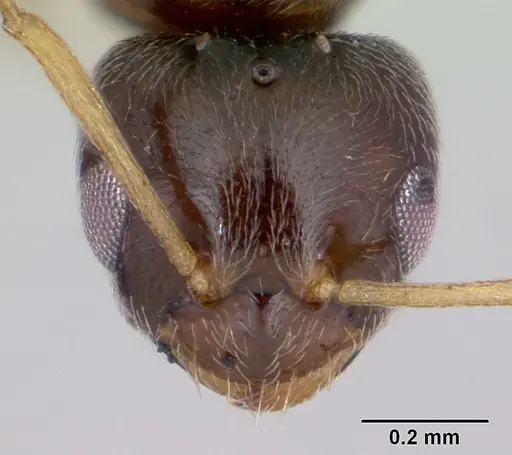
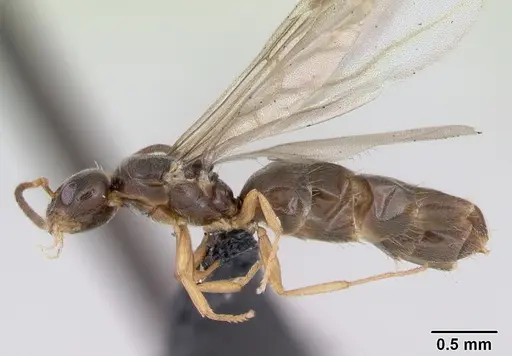
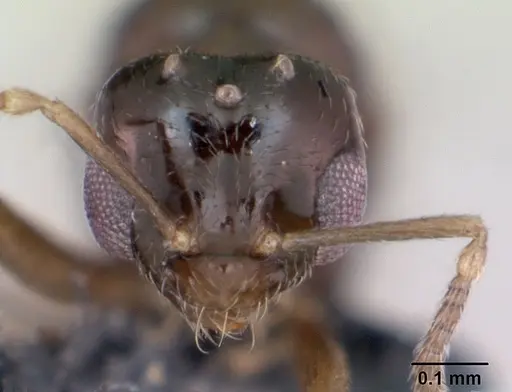
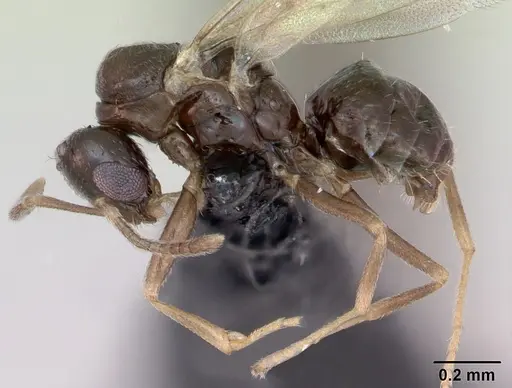
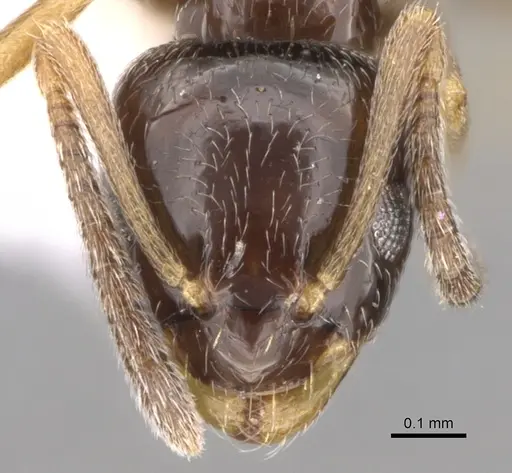
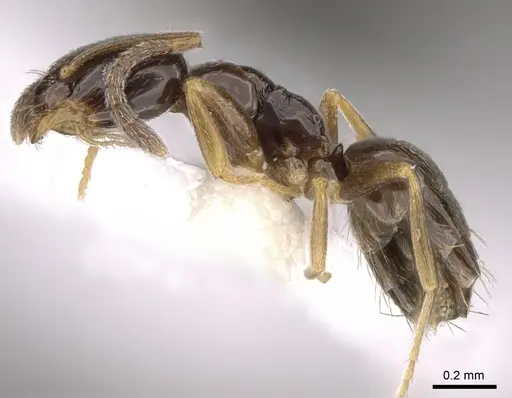
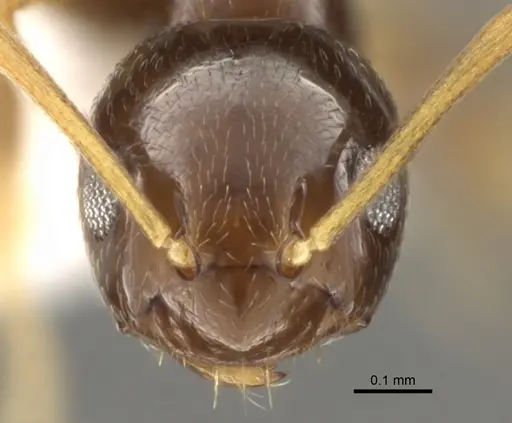
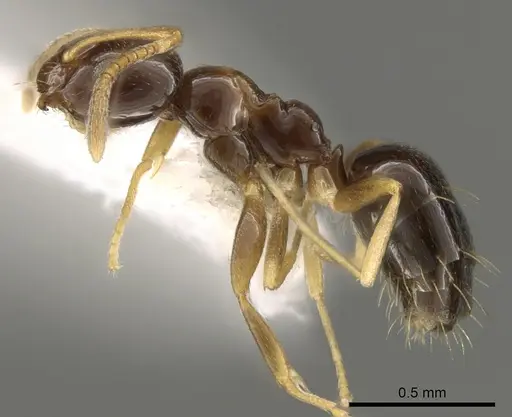
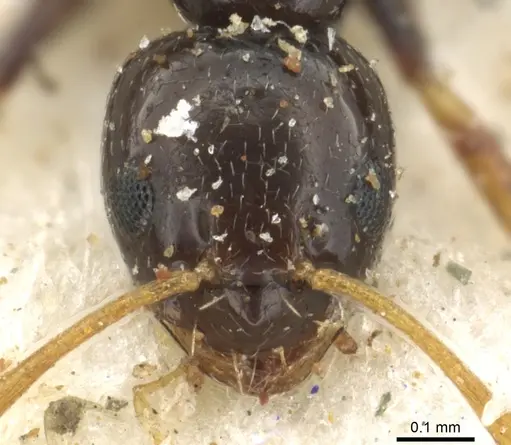
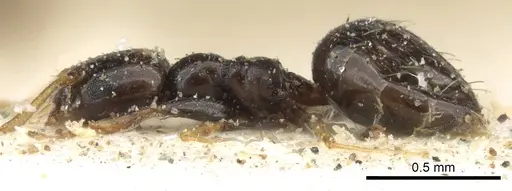
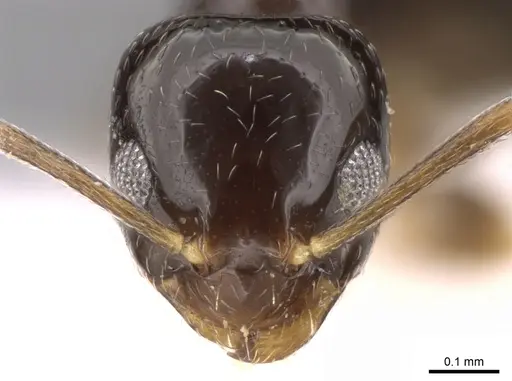
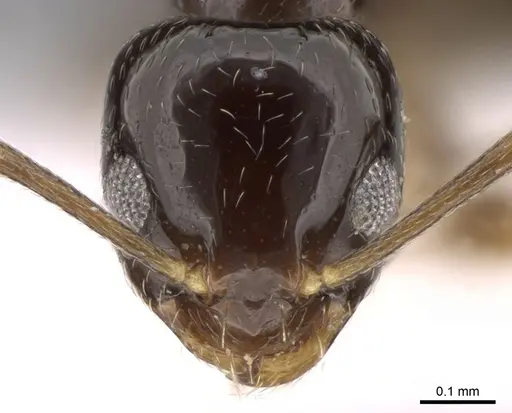
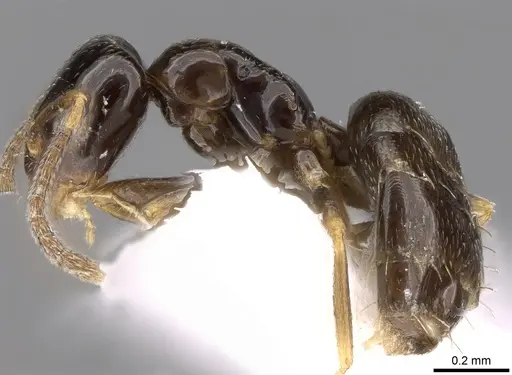
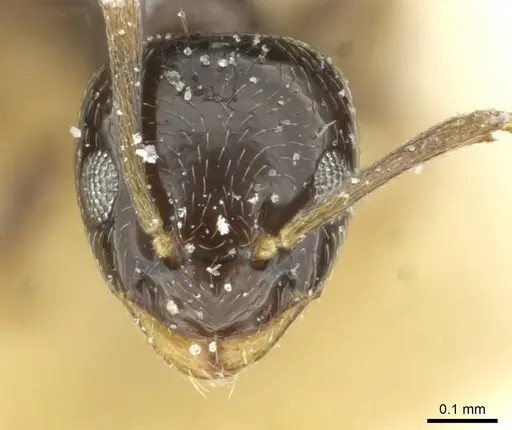
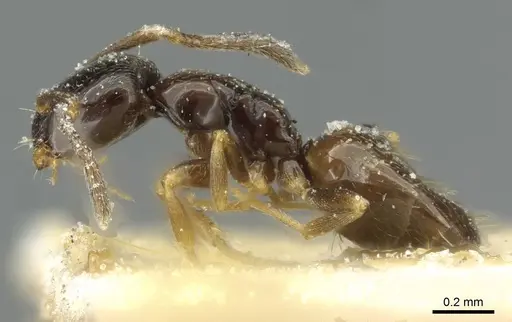
Plagiolepis pygmaea is one of the smallest ant species in Europe, with workers measuring just 1.2-2.0mm [1]. They have a distinctive 11-segmented antenna (unlike most Formicinae which have 12) and a brown to blackish body with pale legs and antennae [2]. This species is widely distributed across southern Europe, North Africa, the Middle East, and Central Asia, from Portugal and the Canary Islands in the west to Iran in the east, and from Germany in the north to Yemen in the south [3][4].
What makes P. pygmaea particularly interesting is its highly complex social structure. Colonies are polygynous (multiple queens) and polydomous (multiple nests), with some colonies containing up to 200 queens and 5000 workers [5]. They form large networks of connected nests, with seasonal polydomy, colonies split into numerous nests in spring and merge again for winter [5]. This species also serves as the host for the social parasite Plagiolepis xene, making it important in ant ecology [6].
Quick Summary
- Difficulty: Easy
- Origin & Habitat: Mediterranean region, found throughout southern Europe, North Africa, and parts of Central Asia. Prefers warm, arid areas with low vegetation such as south-facing embankments, garrigue, and dry grasslands. Nests under stones or in rock crevices [5][7].
- Colony Type: Highly polygynous (multiple queens per colony) and polydomous (multiple connected nests). Colonies contain 15-200+ queens and 150-5000 workers. Seasonal polydomy: colonies split into multiple nests in spring and merge for winter [5][8].
- Colony: Monogyne
- Founding: Claustral, Pleometrosis
- Size & Growth:
- Queen: 3.4-4.5 mm [6]
- Worker: 1.2-2.0 mm [1]
- Colony: 150-5000 workers, up to 200+ queens [5][8]
- Growth: Moderate
- Development: 6-8 weeks (estimated based on related species) (Brood production occurs throughout the year except winter, with peak worker production coinciding with sexual production in summer [9])
- Antkeeping:
- Temperature: Keep at 20-26°C. This is a warm-adapted species, they retreat to deeper soil layers when temperatures exceed their tolerance. CTM is approximately 40°C [10].
- Humidity: Low to moderate. Prefers dry to semi-dry conditions. Nests under stones in well-drained soil. Avoid overly humid conditions that can cause mold [7].
- Diapause: Yes, reduced activity in winter months. Colonies merge into fewer nests for overwintering. In colder climates, keep at 10-15°C during winter dormancy [9].
- Nesting: Use test tubes or small formicariums with tight-fitting lids. Provide thin substrate layers and flat stones for nesting sites. They prefer nesting under stones that absorb solar heat, simulate this with heating on one side of the nest [11].
- Behavior: Peaceful and submissive temperament. This is a subordinate species that avoids conflict with other ants. They coexist remarkably well with invasive species like the Argentine ant (Linepithema humile) due to their non-aggressive behavior [12]. Workers forage individually and use group recruitment for food sources. Main diet is sugary liquids (nectar, honeydew) but they will scavenge small insects. They are not aggressive defenders and rarely engage in fights at food sources [13]. Escape prevention is important due to their tiny size, use fine mesh barriers.
- Common Issues: tiny size means escapes are likely without fine mesh barriers, they can squeeze through the smallest gaps, colonies can be slow to establish due to multiple queens and complex social structure, overheating is a risk, they retreat from high temperatures and may die if unable to escape heat, wild-caught colonies may have parasites including the fungus Myrmicinosporidium durum [17], may be overlooked due to small size, difficult to spot and contain
Nest Preferences and Housing
Plagiolepis pygmaea nests in soil under stones, in rock crevices, and sometimes directly in dead wood [11]. In captivity, they do well in test tubes with a thin water reservoir, or small formicariums with plaster or soil substrates. The key is providing a shallow, dry nesting area with stones or flat surfaces they can rest under. Because they are tiny, ensure all connections and barriers are tight, they can escape through gaps smaller than 1mm. A heating cable on one side of the nest creates a temperature gradient they can use to regulate brood temperature. They prefer warm conditions but will move away from direct heat sources when too warm.
Feeding and Diet
This species is primarily nectarivorous and omnivorous, with a strong preference for sugary liquids. They actively tend aphids for honeydew and will visit extrafloral nectaries on plants [14]. In captivity, offer sugar water or honey water regularly, along with small insects like fruit flies or pinhead crickets as protein. They are not strong hunters and prefer scavenging to active predation. You can also provide small pieces of fruit or seeds. Feed sugar sources 2-3 times per week and protein once or twice weekly. Remove uneaten food promptly to prevent mold. Their small size means even tiny prey items are suitable.
Temperature and Seasonal Care
Keep colonies at 20-26°C for optimal activity and brood development. This is a thermophilic species adapted to Mediterranean warmth, with a critical thermal maximum around 40°C [10]. In summer, they may become less active as temperatures rise, retreating to deeper parts of the nest. In winter, reduce temperature to 10-15°C to allow dormancy. They are active from spring through autumn, with peak foraging in May-July. The seasonal polydomy observed in the wild (colonies splitting into multiple nests in spring and merging for winter) can be simulated by providing multiple connected chambers that the ants can use flexibly.
Colony Structure and Social Organization
P. pygmaea has one of the most complex social structures among European ants. Colonies are polygynous with typically 15-30 queens, though some colonies have been documented with up to 200 reproductive queens [8]. They are also polydomous, forming networks of multiple nests that can span up to 1.7 meters [5]. This seasonal polydomy means colonies split into numerous nests in spring for better resource exploitation, then merge back together in late summer for overwintering. Queens are obligately polyandrous, meaning each queen mates with multiple males (typically 1-6) [15]. This complex structure means the colony can be more sensitive to disturbance than simple single-queen species, handle gently and avoid frequent nest inspections.
Behavior and Interactions
This is a peaceful, subordinate species known for its remarkable ability to coexist with invasive ants like the Argentine ant (Linepithema humile) [12]. They are not aggressive and rarely fight for resources, in fact, they rank among the least dominant species in Mediterranean ant communities [13]. Workers forage individually and use group recruitment when food sources are found. They are important in aphid-ant mutualisms and also attend lycaenid butterfly caterpillars. Their small size and non-aggressive behavior make them vulnerable to competition, but their flexibility allows them to persist in disturbed habitats. They are important pollinators in some Mediterranean ecosystems, visiting flowers for nectar [16].
Health and Common Problems
The main health concerns for P. pygmaea are overheating and escape. Their small size makes them vulnerable to temperature stress, always provide a cool area within the nest so workers can escape heat. Escape prevention is critical due to their ability to squeeze through tiny gaps, use fluon on container rims and fine mesh on any openings. Wild-caught colonies may carry the parasitic fungus Myrmicinosporidium durum, which is visible through the ant's integument and can be fatal after hibernation [17]. Quarantine and observe new colonies before introducing them to established setups. Also watch for mold in sugar water containers and remove uneaten food promptly.
Frequently Asked Questions
How long does it take for Plagiolepis pygmaea to produce first workers?
Based on related species development, expect 6-8 weeks from egg to worker at optimal temperature (22-26°C). Queens are claustral and seal themselves in to raise the first brood alone.
Can I keep multiple Plagiolepis pygmaea queens together?
Yes, this species is naturally polygynous and colonies typically contain multiple queens (15-200+). Unlike many species, they do not fight when multiple queens are present. However, avoid combining unrelated foundress queens as this has not been documented.
What do Plagiolepis pygmaea eat?
They primarily eat sugary liquids, offer sugar water, honey water, or nectar. They also accept small insects as protein and will scavenge fruit or meat scraps. They are not active hunters and prefer easier food sources.
Are Plagiolepis pygmaea good for beginners?
Yes, they are easy to care for, tolerate a range of conditions, and are peaceful. The main challenges are their tiny size (escape prevention) and the need for warm conditions. They are forgiving of minor husbandry mistakes.
Do they need hibernation?
Yes, in cooler climates, reduce temperatures to 10-15°C during winter months. In their native Mediterranean range, they reduce activity but remain somewhat active. Simulate winter by placing the colony in a cool area for 2-3 months.
Why are my Plagiolepis pygmaea dying?
Common causes include: overheating (provide cool zone), escape through tiny gaps (check all barriers), mold from uneaten sugar water, or parasitic infection. Their small size makes them vulnerable, ensure escape-proof housing and avoid temperature extremes.
What makes Plagiolepis pygmaea special compared to other ants?
They are one of Europe's smallest ants and have an extremely complex social structure with multiple queens and multiple nests. They are the only native ant that can coexist with the invasive Argentine ant, likely due to their peaceful, submissive behavior. They also serve as hosts for the social parasite Plagiolepis xene.
How big do Plagiolepis pygmaea colonies get?
Colonies can reach 150-5000 workers with 15-200+ queens. The polydomous structure means multiple nests work together as one colony network, so the total colony can be quite large despite individual nests being modest in size.
References

This caresheet is licensed under CC BY-SA 4.0 .
CASENT0173129
View on AntWeb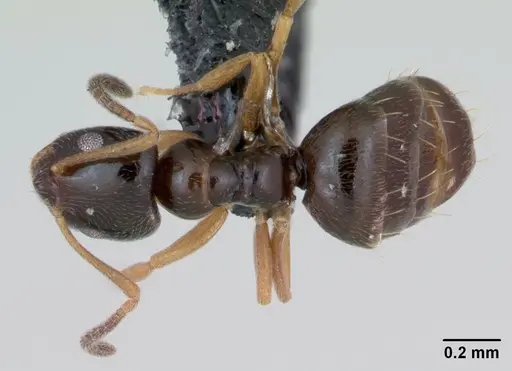
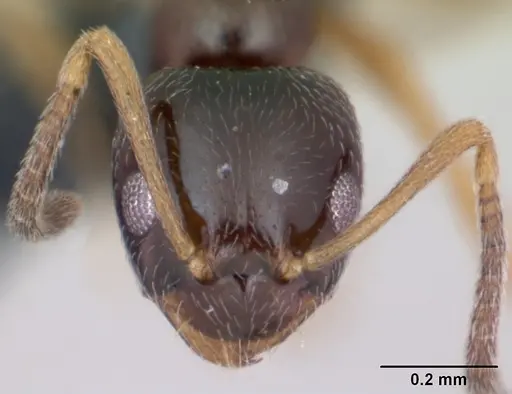
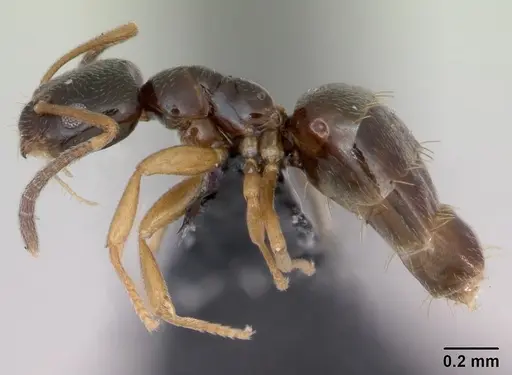
CASENT0173130
View on AntWeb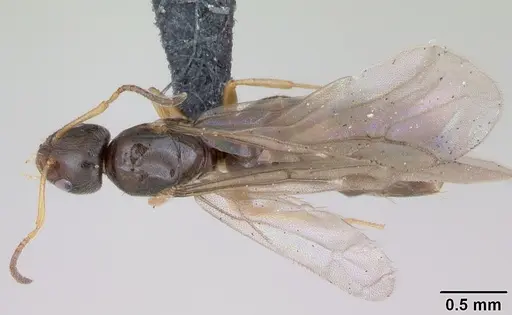
CASENT0173131
View on AntWeb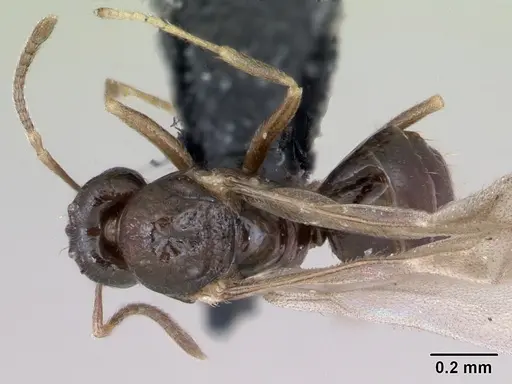
CASENT0281164
View on AntWeb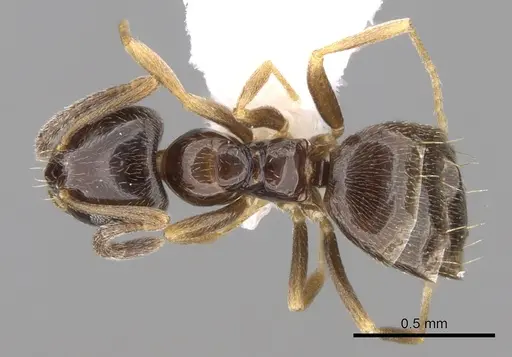
CASENT0281341
View on AntWeb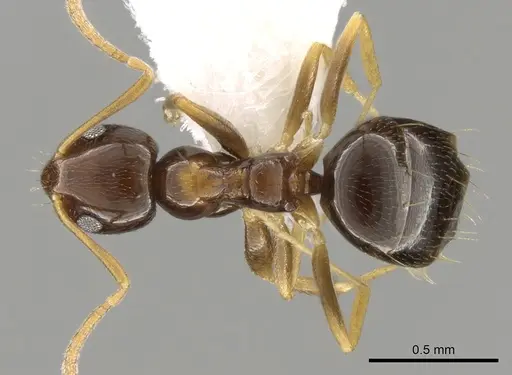
CASENT0903145
View on AntWeb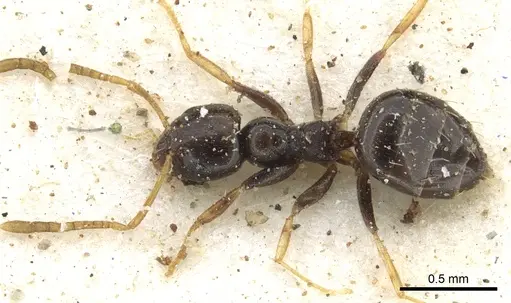
CASENT0906472
View on AntWeb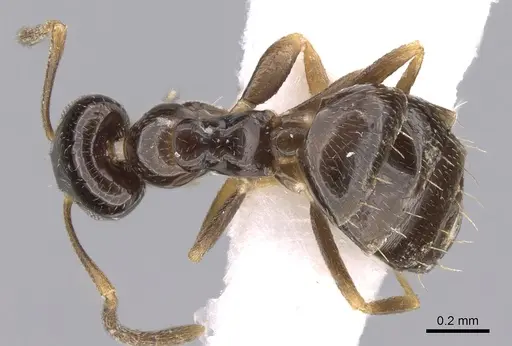
CASENT0912420
View on AntWeb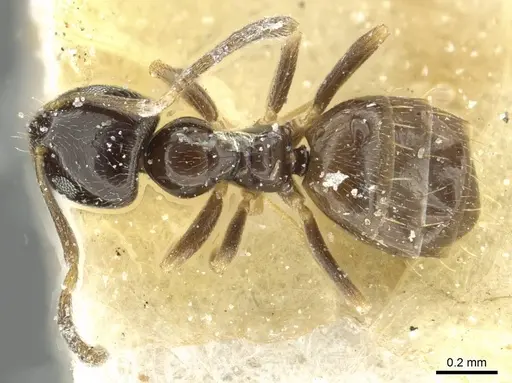
Literature
Loading...Loading products...