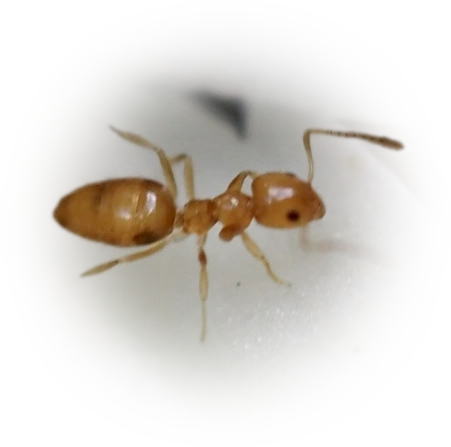

Plagiolepis alluaudi
- Scientific Name
- Plagiolepis alluaudi
- Tribe
- Plagiolepidini
- Subfamily
- Formicinae
- Author
- Emery, 1894
- Common Name
- Little Yellow Ant
- Distribution
- Found in 10 countries
Plagiolepis alluaudi Overview
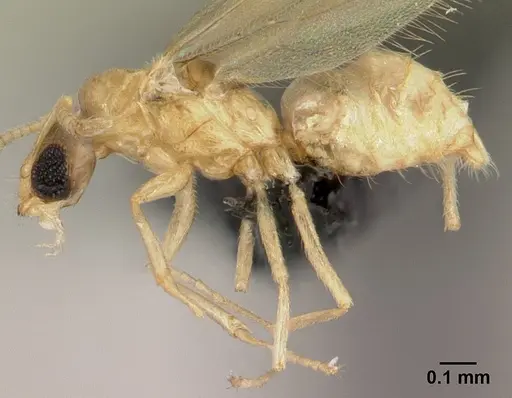
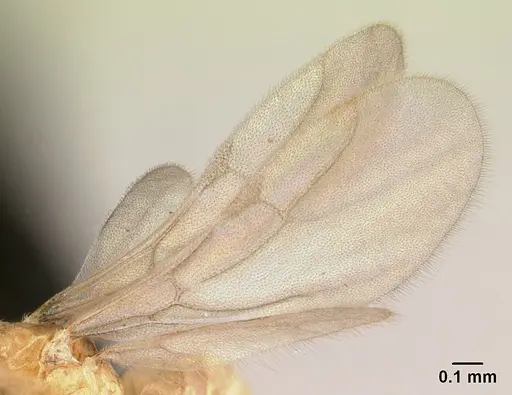
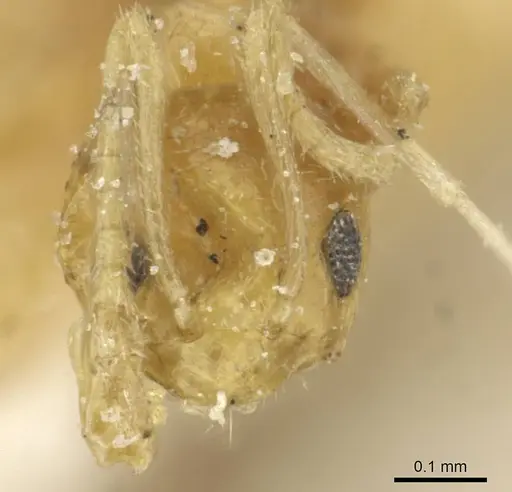
Plagiolepis alluaudi (commonly known as the Little Yellow Ant) is an ant species of the genus Plagiolepis. It is primarily documented in 10 countries , including Australia, Germany, United Kingdom of Great Britain and Northern Ireland. Detailed taxonomic data and occurrence records can be further explored via authoritative databases such as AntWeb or the Global Biodiversity Information Facility (GBIF).
Plagiolepis alluaudi - "Little Yellow Ant"
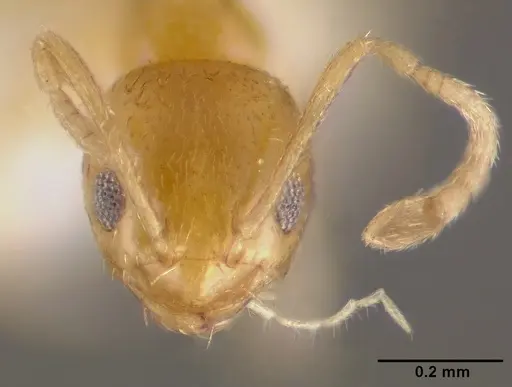
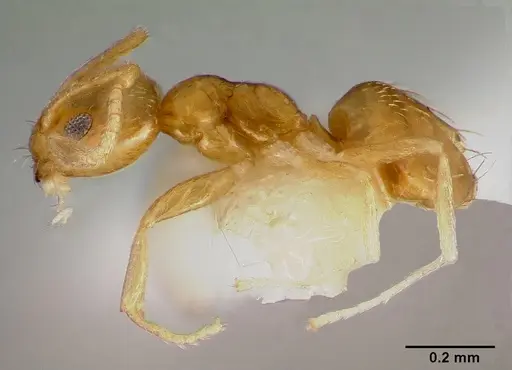
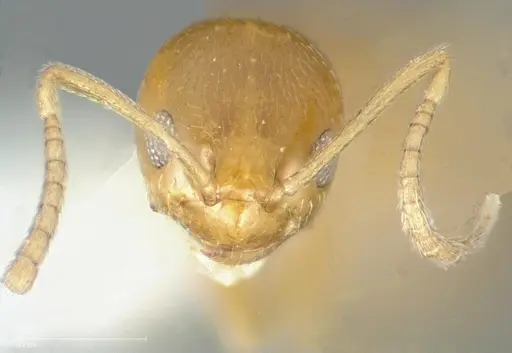
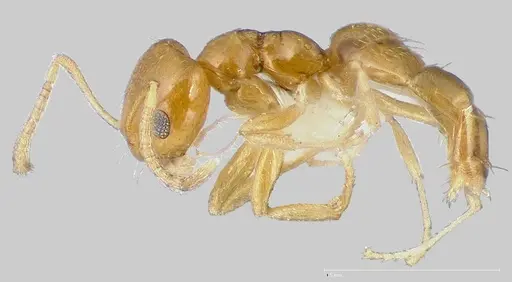
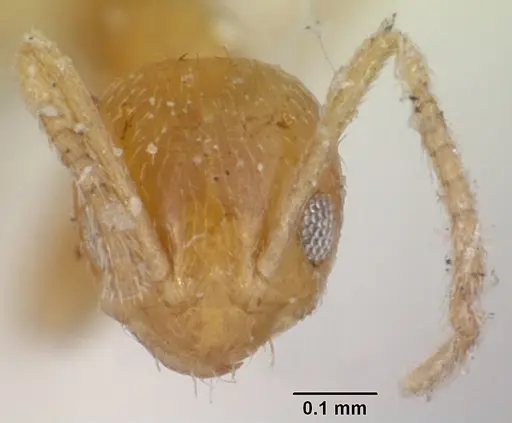
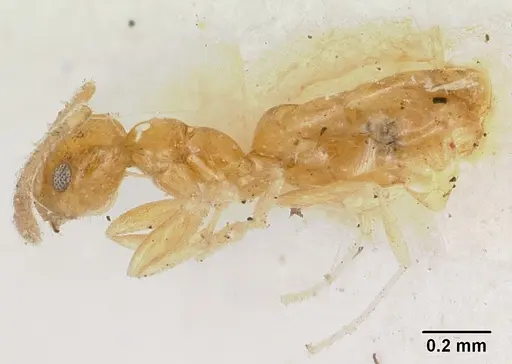
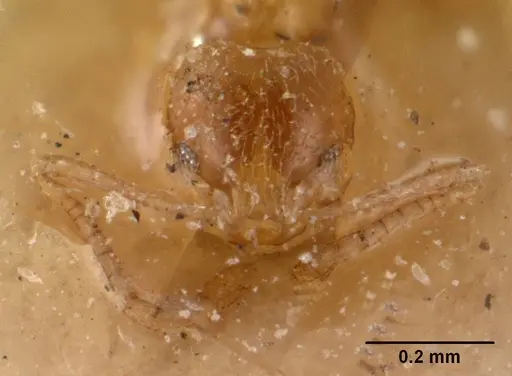
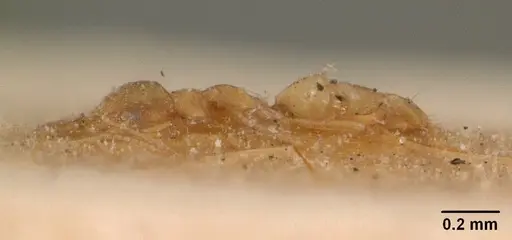
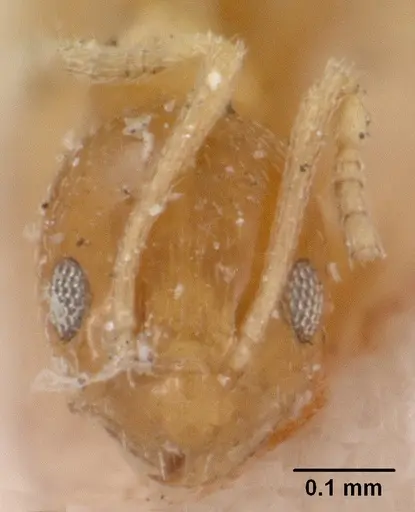
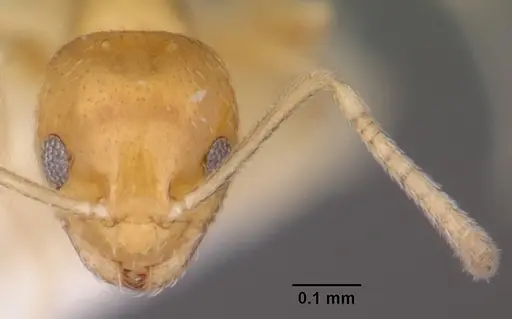
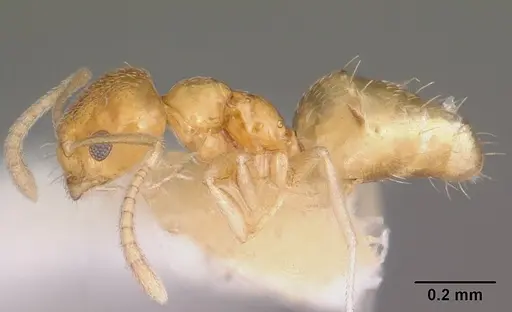
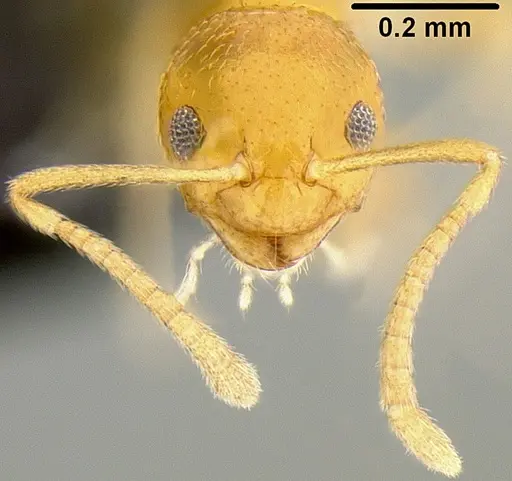
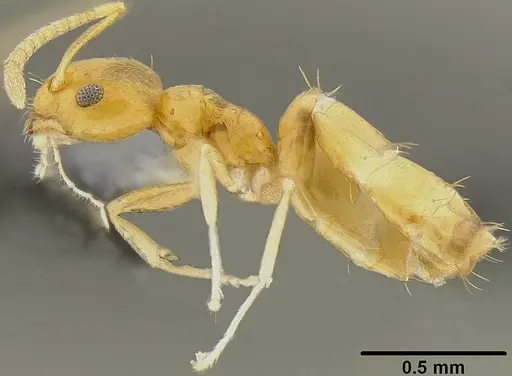
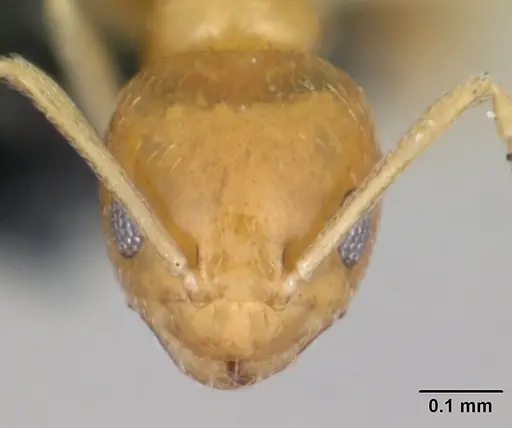
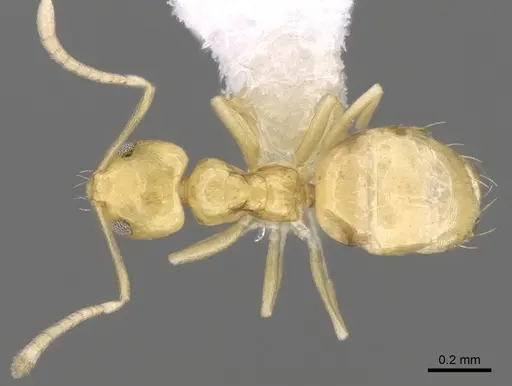
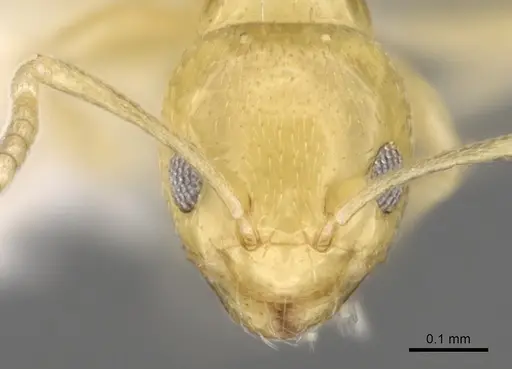
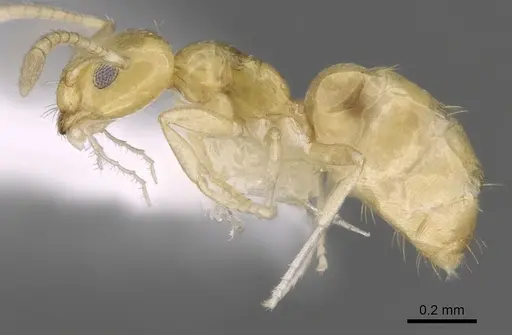
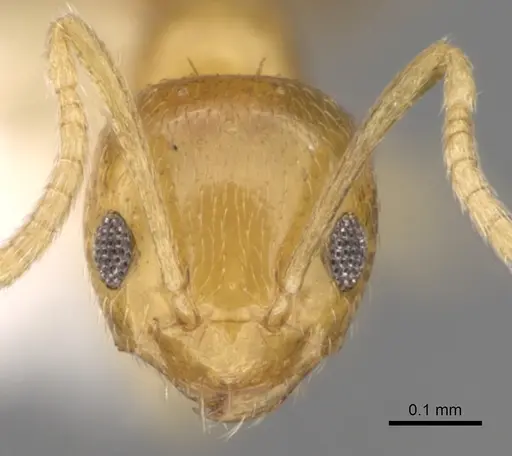
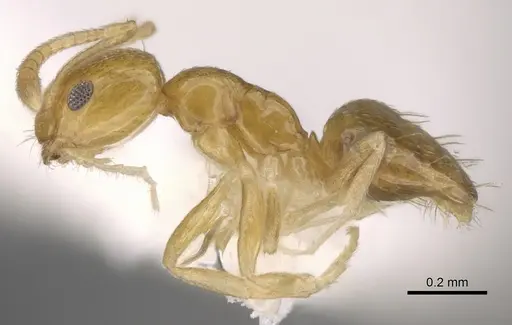
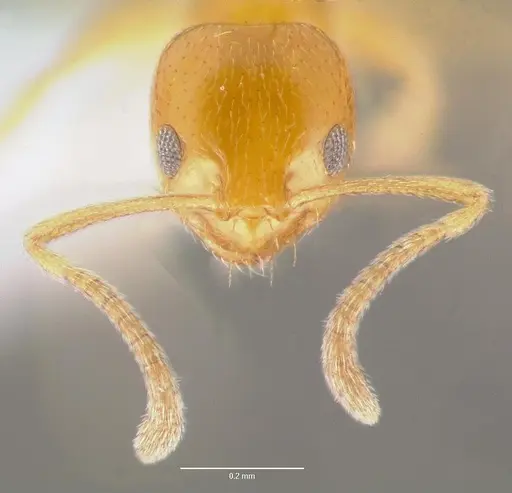
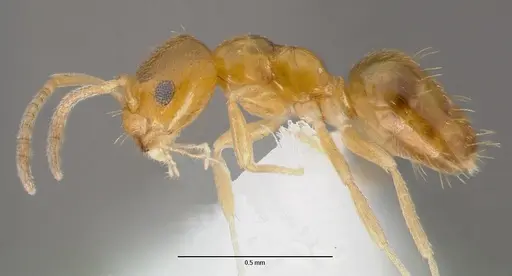
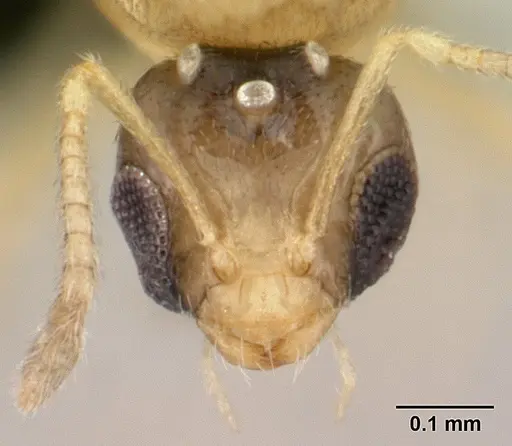
Plagiolepis alluaudi is a tiny ant with workers measuring 1.5-2 mm in total length [1][2]. They are pale yellow to light reddish-yellow with a smooth, shiny surface and 11 antennal segments [2]. Native to Madagascar and the Afrotropical region, this species has spread worldwide through human commerce, becoming established in tropical and subtropical areas, Pacific islands, and European greenhouses [2][3].
This ant can coexist with aggressive invasive species like Pheidole megacephala and Wasmannia auropunctata. It uses formic acid as a defense mechanism [4] and has polygynous colonies with multiple queens [5].
Quick Summary
- Difficulty: Expert
- Origin & Habitat: Native to Madagascar and neighboring islands in the Afrotropical region. Has spread worldwide through human commerce to tropical and subtropical areas, including Pacific islands, Caribbean, Asia, and Europe. Found in forests, gardens, and greenhouses [2][3].
- Colony Type: Polygynous colonies with multiple queens per nest. Each nest contains several queens, facilitating dispersal when materials are moved [5].
- Size & Growth:
- Antkeeping:
- Temperature: Keep at 22-26°C with a gentle gradient. They thrive above 18°C [6] and have wide temperature tolerance [3].
- Humidity: 75% humidity in greenhouses [6].
- Diapause: No, tropical species, no hibernation needed.
- Nesting: Opportunistic nesters that use small cavities, test tubes, or arboreal setups. Prefer Y-tong, plaster, or soil nests, avoid acrylic nests [5].
- Behavior: Generally peaceful toward humans. Workers are tiny and excellent climbers. They forage on plants, tend honeydew insects, and feed on sweet liquids. Use formic acid as defense [4]. Escape risk is high due to minute size, ensure excellent barriers.
- Common Issues: escape prevention is critical due to tiny size (1.5-2 mm), use fine mesh and fluon., colonies may abandon nests if disturbed., invasive species, never release into wild., overheating or chilling can stress colonies.
Housing and Nest Setup
Plagiolepis alluaudi requires careful escape prevention due to its tiny size. Use test tubes with cotton barriers for founding colonies. For larger colonies, use Y-tong or plaster nests with small chambers, avoid acrylic nests. These ants are opportunistic nesters that do not excavate, they use pre-existing cavities, between objects, or arboreal setups. Provide climbing structures and a small outworld with sugar water and protein sources [5][6].
Feeding and Diet
In the wild, they feed on honeydew from Hemiptera, nectar, and dead insects [2][6]. In captivity, offer constant sugar water or honey diluted with water. Provide protein like fruit flies or pinhead crickets 2-3 times per week. Prey items should be small due to their minute size [2][6].
Temperature and Seasonal Care
Keep temperatures between 22-26°C with a gentle gradient. They thrive above 18°C and have wide temperature tolerance [6][3]. No diapause is needed as a tropical species. Avoid prolonged temperatures below 15°C [3].
Behavior and Colony Dynamics
Colonies are polygynous, with multiple queens coexisting peacefully [5]. Workers are docile and use formic acid for defense [4]. They forage on trails and can coexist with other ant species [2]. Colonies may split if the nest is unsuitable.
Escape Prevention
Workers are 1.5-2 mm long, making escape prevention critical. Use fluon on rim edges, fine mesh for ventilation, and cotton barriers in tubes. Check connections daily [1][2].
Frequently Asked Questions
How long does it take for Plagiolepis alluaudi to produce first workers?
Expect 4-6 weeks from egg to first worker at optimal temperature, based on tropical ant patterns [3].
Can I keep multiple Plagiolepis alluaudi queens together?
Yes, this species is polygynous, queens coexist peacefully [5].
What do Plagiolepis alluaudi eat?
They feed on sugar sources like honeydew and nectar, and small insects. Offer sugar water constantly and protein 2-3 times per week [2][6].
Are Plagiolepis alluaudi good for beginners?
No, they are invasive and require expert care due to escape risks and ecological concerns [2][3].
Do Plagiolepis alluaudi need hibernation?
No, as a tropical species, they remain active year-round without diapause [3].
How big do Plagiolepis alluaudi colonies get?
Established colonies can reach up to several thousand workers [2].
Why are my Plagiolepis alluaudi escaping?
Their tiny size (1.5-2 mm) allows them to squeeze through small gaps. Use fine mesh, fluon, and check connections [1][2].
When should I move Plagiolepis alluaudi to a formicarium?
Wait until the colony has at least 50-100 workers. Use small, snug chambers in Y-tong or plaster nests [5].
Report an Issue
The current care sheet is based fully on literature. See inconsistencies, or something that's incorrect? Please , it will be resolved after review from an admin. Contributing to the blogs tab also helps providing information, to make us be able to further improve the caresheets. Thank you for your support!
References

This caresheet is licensed under CC BY-SA 4.0 .
CASENT0003320
View on AntWeb
CASENT0005431
View on AntWeb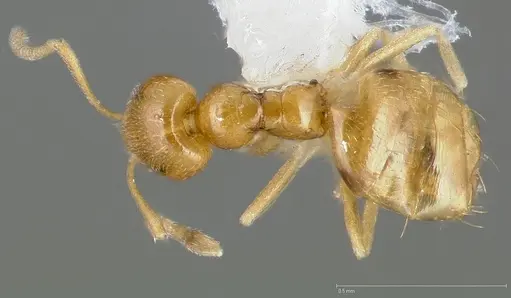
CASENT0077847
View on AntWeb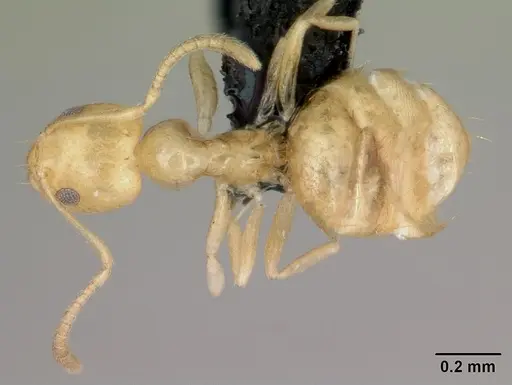
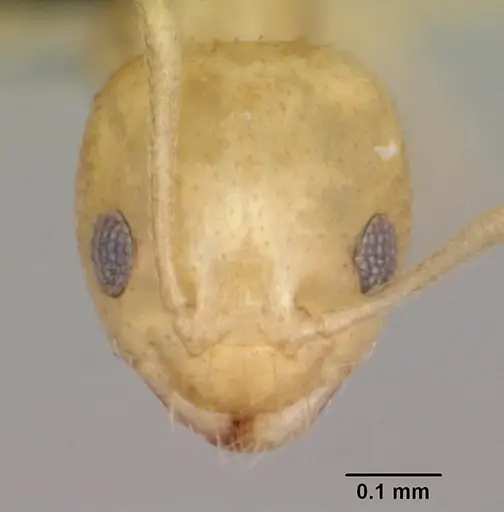
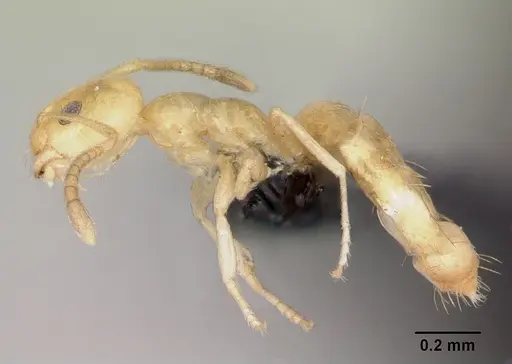
CASENT0101224
View on AntWeb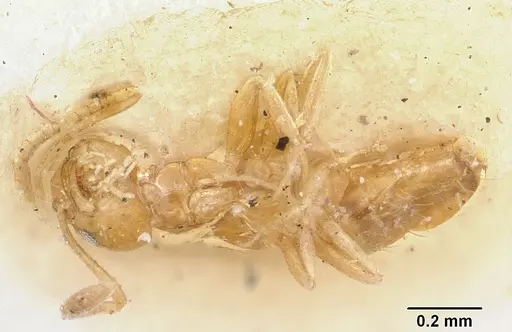
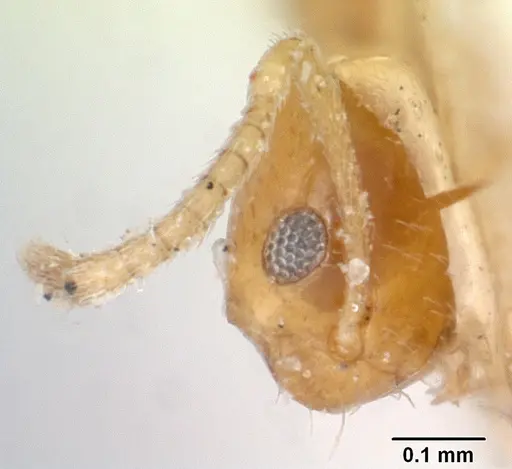
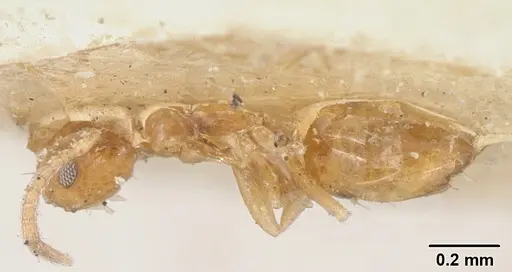
CASENT0101699
View on AntWeb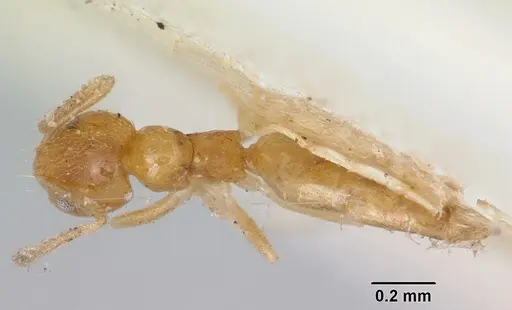
CASENT0102083
View on AntWeb
CASENT0102084
View on AntWeb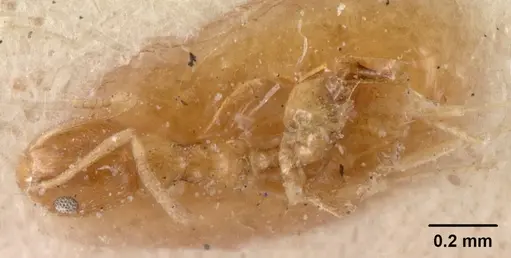
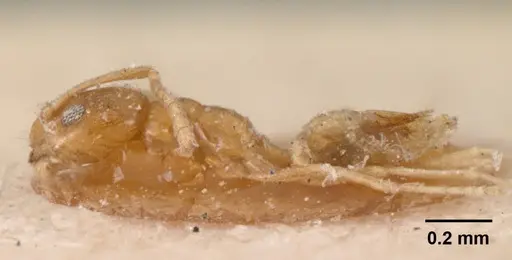
CASENT0102979
View on AntWeb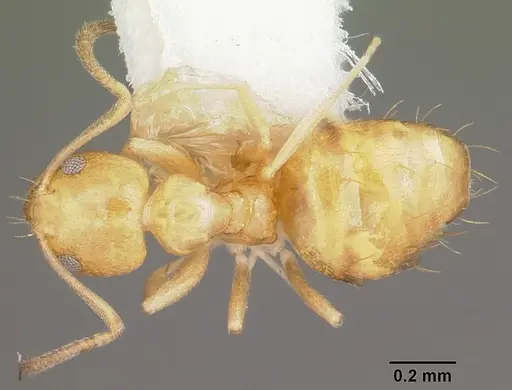
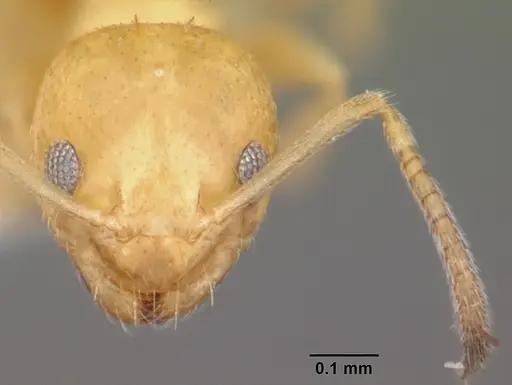
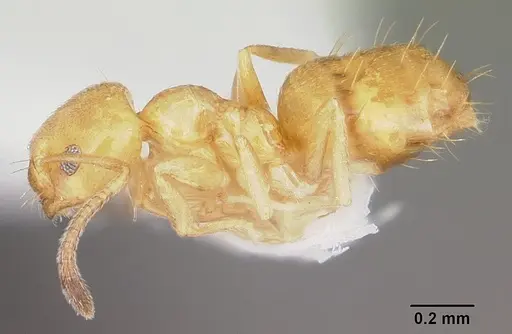
CASENT0102980
View on AntWeb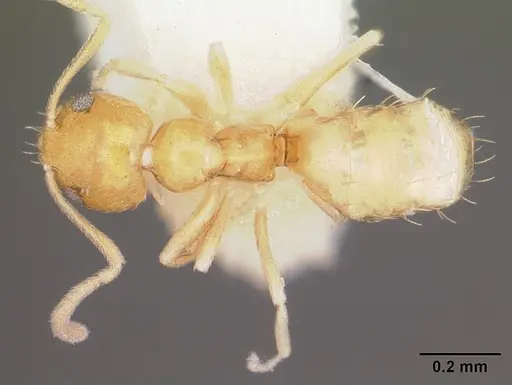
CASENT0104937
View on AntWeb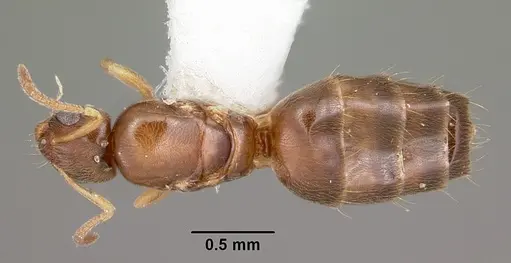
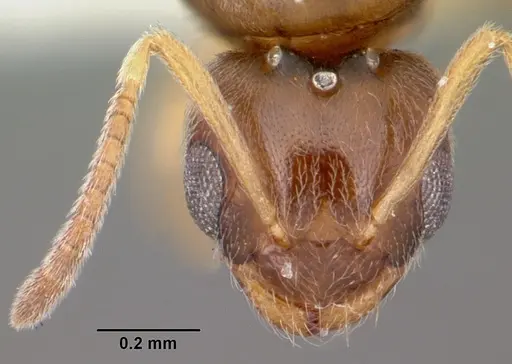
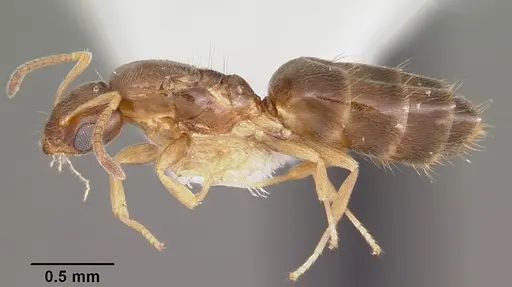
CASENT0109641
View on AntWeb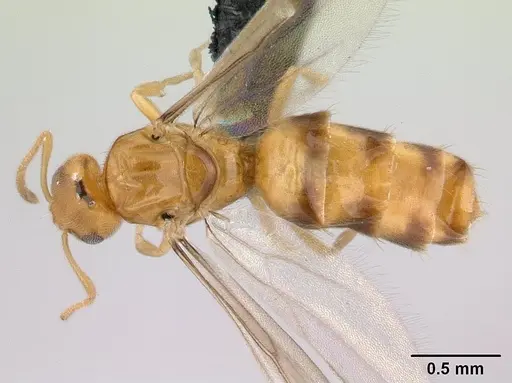
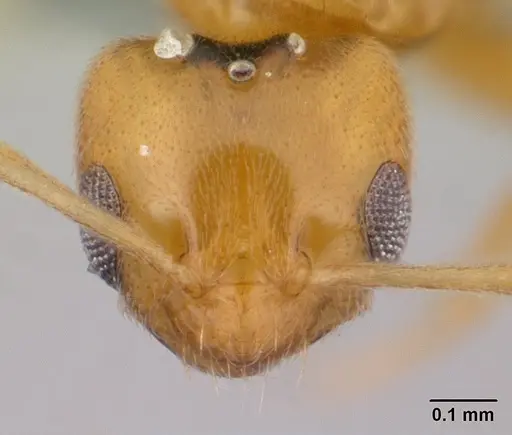
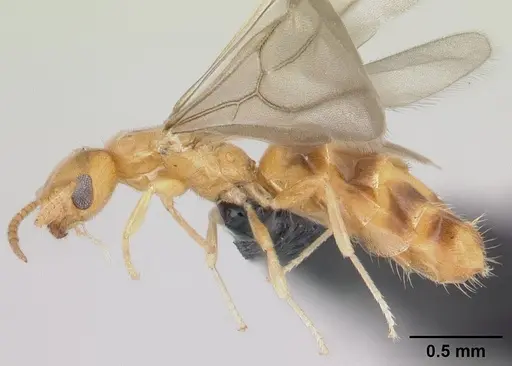
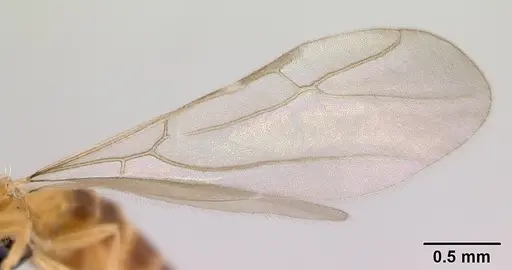
CASENT0125362
View on AntWeb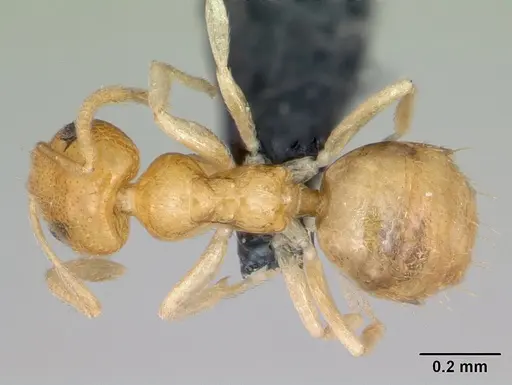
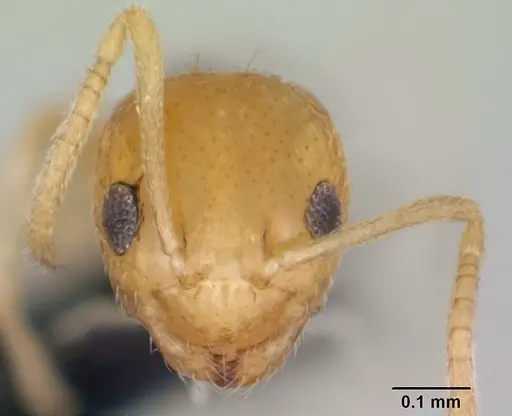
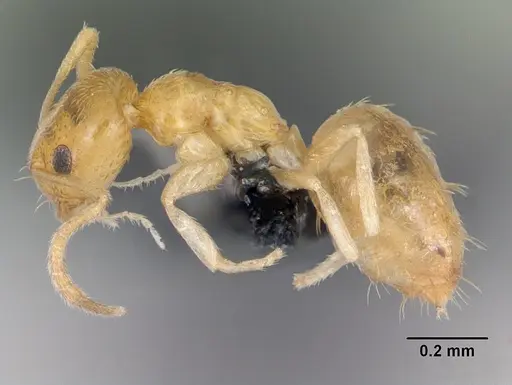
CASENT0132814
View on AntWeb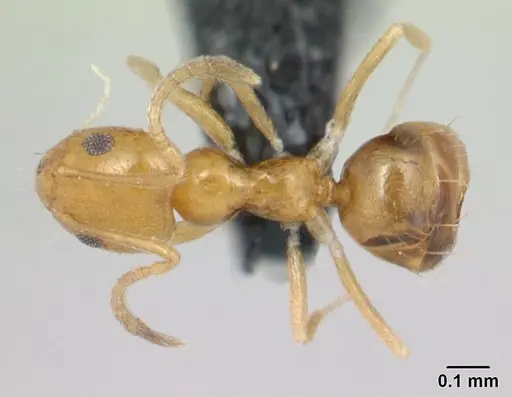
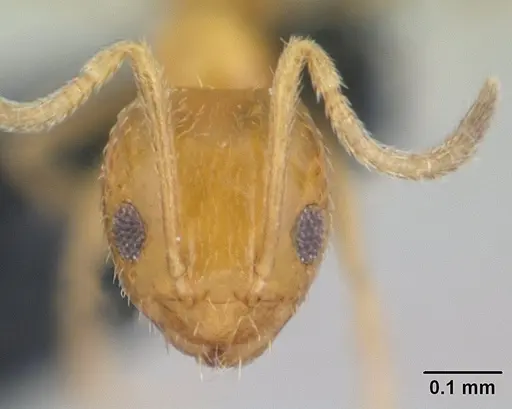
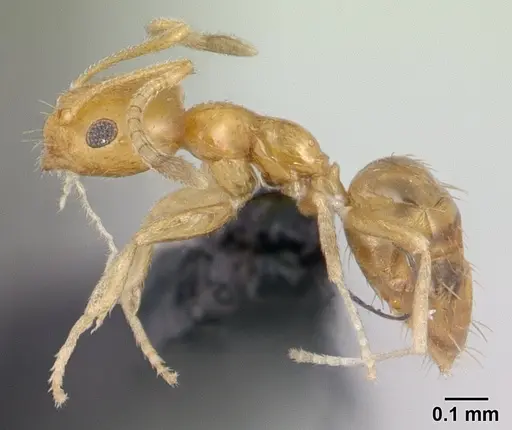
CASENT0134864
View on AntWeb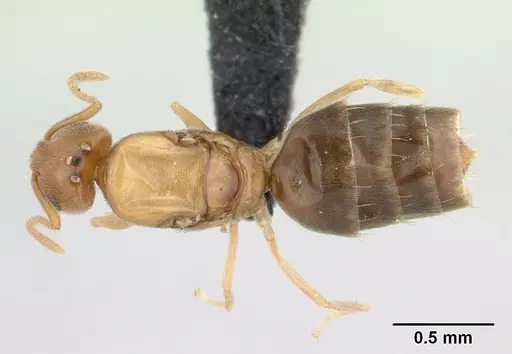
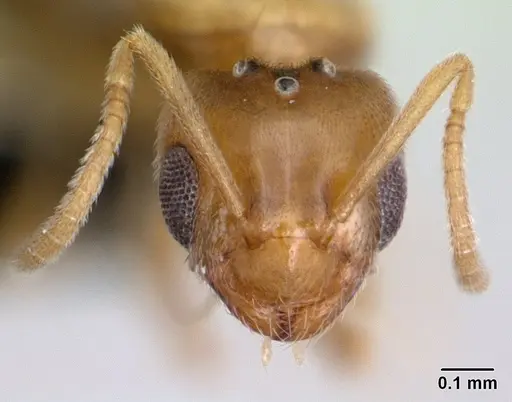
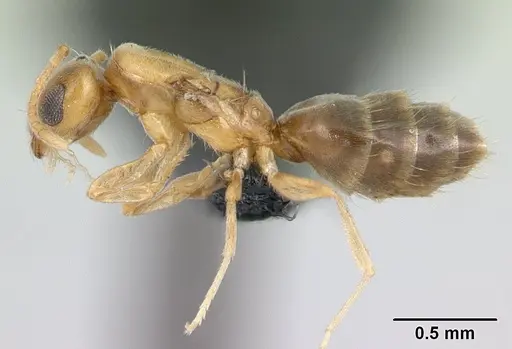
CASENT0171065
View on AntWeb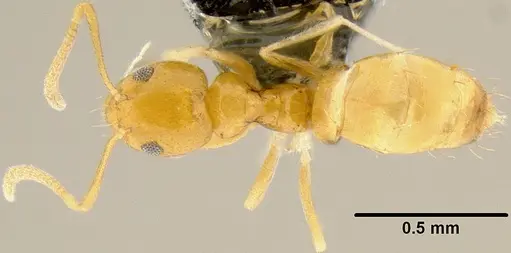
CASENT0173867
View on AntWeb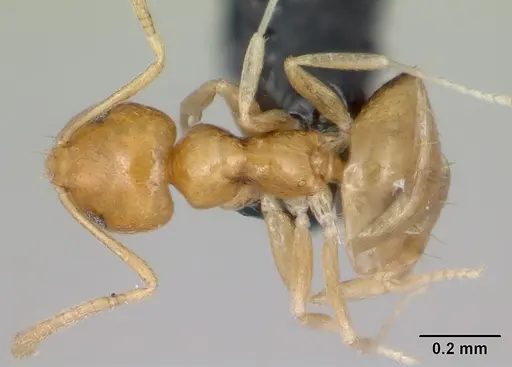
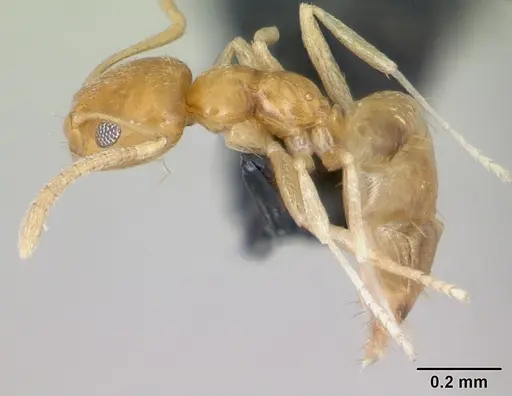
CASENT0246628
View on AntWeb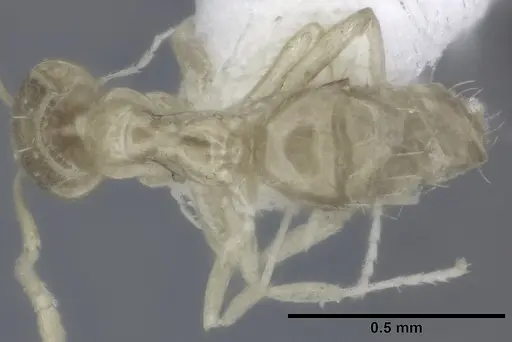
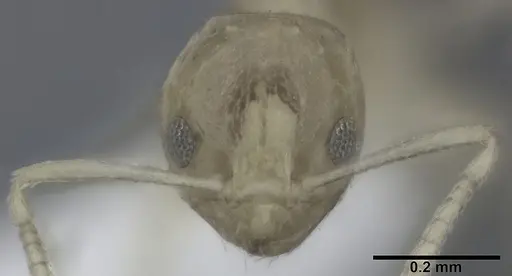
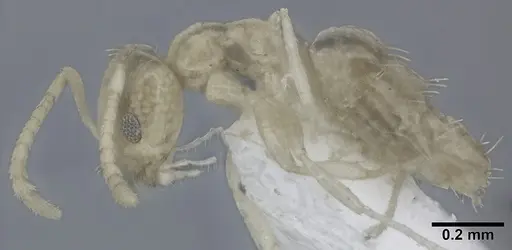
CASENT0281159
View on AntWeb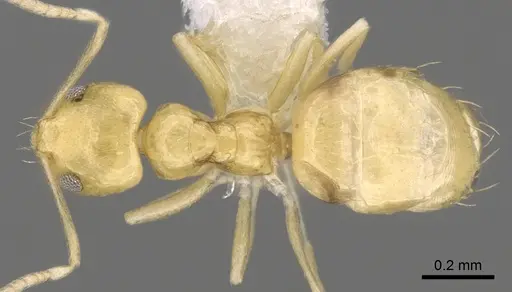
CASENT0281162
View on AntWeb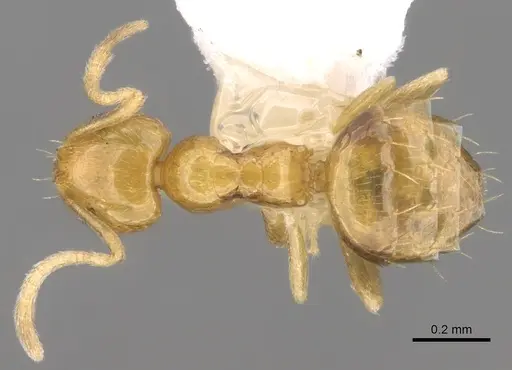
CASENT0429209
View on AntWeb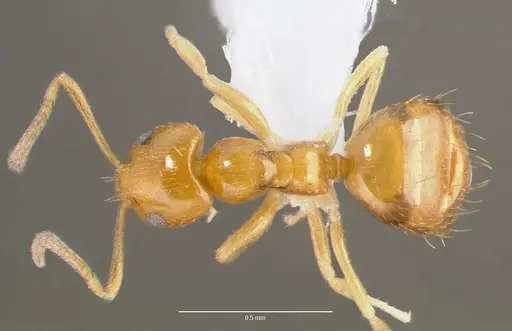
CASENT0495472
View on AntWeb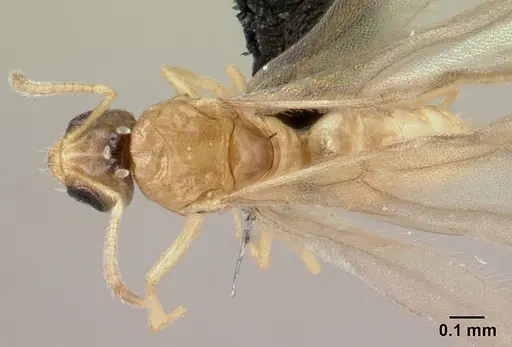
CASENT0912413
View on AntWeb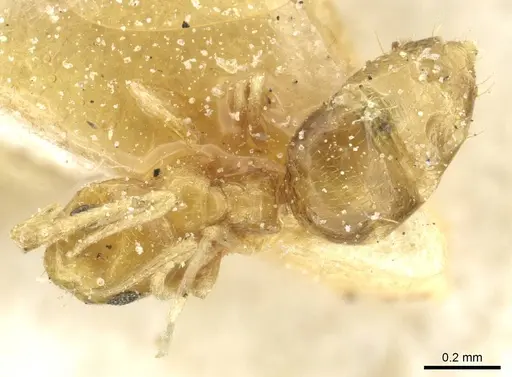
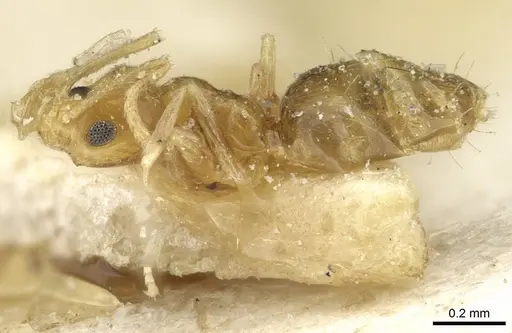
CASENT0912414
View on AntWeb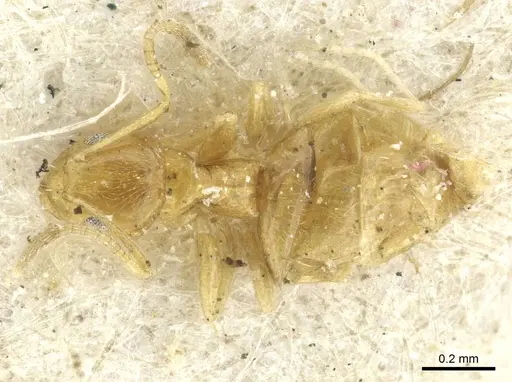
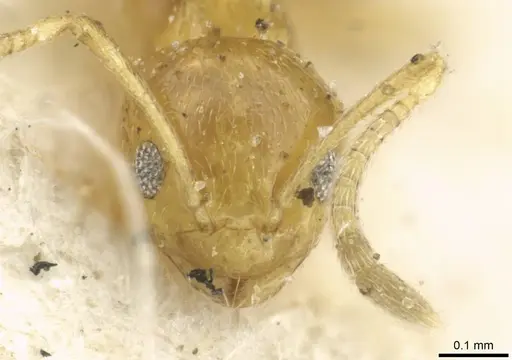
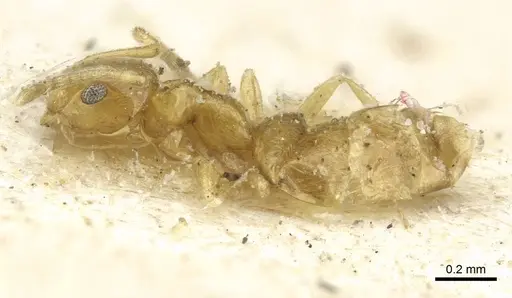
Literature
Loading...Loading products...