

Pheidole subnuda
- Scientific Name
- Pheidole subnuda
- Tribe
- Attini
- Subfamily
- Myrmicinae
- Author
- Wilson, 2003
- Distribution
- Found in 1 countries
Pheidole subnuda Overview
Pheidole subnuda is an ant species of the genus Pheidole. It is primarily documented in 1 countries , including Colombia. Detailed taxonomic data and occurrence records can be further explored via authoritative databases such as AntWeb or the Global Biodiversity Information Facility (GBIF).
Pheidole subnuda
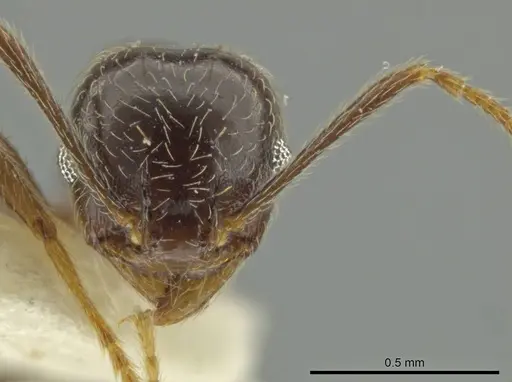
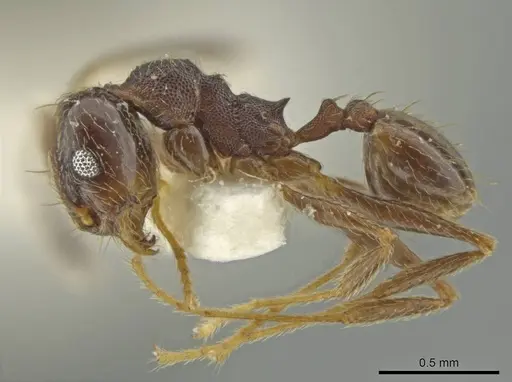
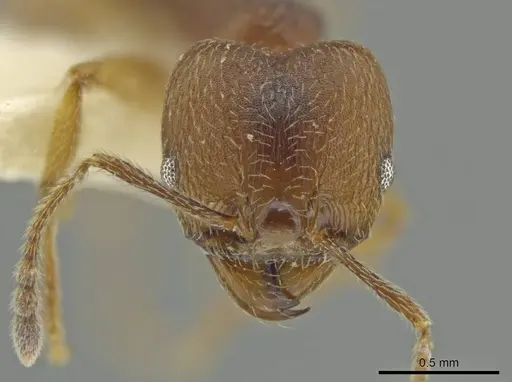
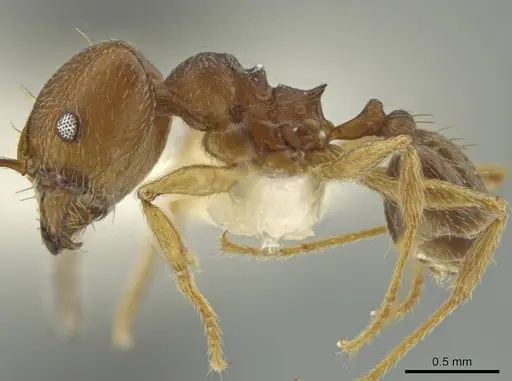
Pheidole subnuda is a small ant belonging to the diligens group, native to the Neotropical region of Colombia and Venezuela. Major workers measure around 0.94mm in head width with a light brown body and dark yellow appendages, while minor workers are smaller at 0.58mm with a medium brown coloration and yellow tarsi. The species name 'subnuda' means 'almost bare' in reference to its reduced pilosity (hair). This ant was described by Wilson in 2003 and remains one of the least studied Pheidole species, with virtually no documented information about its biology, colony structure, or captive care requirements. It is known only from a handful of specimens collected in highland locations in western Venezuela and the Meta region of Colombia at elevations between 1100-1200m.
Quick Summary
- Difficulty: Unknown, likely Medium based on genus patterns
- Origin & Habitat: Found in the Neotropical region of Colombia (Meta) and Venezuela (Táchira state at 1100-1200m elevation). The limited collection data suggests highland tropical or subtropical habitats [1][2][3].
- Colony Type: Unknown. No data exists on whether this species forms single-queen (monogyne) or multi-queen (polygyne) colonies. Pheidole genus typically has monogyne colonies but some species are polygynous.
- Size & Growth:
- Queen: Undocumented, no queen specimens have been described
- Worker: Major workers: 0.94mm HW, Minor workers: 0.58mm HW [2]
- Colony: Unknown, no colony size data exists
- Growth: Unknown, no development data exists
- Development: Unknown, no direct measurements exist. Based on typical Pheidole patterns, estimate 6-10 weeks at optimal temperature. (This is a rough estimate based on genus-level data since no species-specific research exists.)
- Antkeeping:
- Temperature: Likely 22-28°C based on its Neotropical highland origin. The moderate elevations (1100-1200m) suggest it may tolerate slightly cooler conditions than lowland tropical species. Start around 24-26°C and observe colony activity.
- Humidity: Likely moderate to high humidity (60-80%) typical of Neotropical ants. Keep nest substrate slightly moist but not waterlogged.
- Diapause: Unknown, Neotropical ants from highland areas may have reduced activity periods but true hibernation is unlikely. Observe seasonal activity patterns.
- Nesting: No natural nesting data exists. Based on the diligens group and typical Pheidole behavior, they likely nest in soil or under stones in the wild. In captivity, standard test tubes or small formicaria work well. The small worker size suggests narrow passages in any artificial nest.
- Behavior: Behavior is completely unstudied. Pheidole species are generally non-aggressive, foragers that scavenge for protein and sugar sources. Major workers (soldiers) are present for defense and seed processing. The small minor workers suggest typical Pheidole foraging patterns. Escape prevention should be excellent given the small worker size (under 1mm).
- Common Issues: no biological data exists, this is essentially a completely unstudied species in captivity, no information on founding behavior means proper care setup is uncertain, slow growth is likely, beginners may lose patience and overfeed, wild-caught colonies may have parasites since nothing is known about their health, temperature and humidity requirements are inferred, not confirmed
Species Overview and Identification
Pheidole subnuda is a tiny ant species described by E.O. Wilson in 2003 from specimens collected in Colombia and Venezuela. It belongs to the diligens group, a collection of closely related Pheidole species characterized by specific morphological features. The major workers have a distinctive smooth and shiny gaster (abdomen), with the posterior half of the head covered by faint longitudinal carinulae (ridges). The pronotum shows weak bilobation and the mesosoma is largely hairless, which explains the species name 'subnuda' meaning 'almost bare.' Minor workers are even smaller with a concave ventral head profile and completely smooth head and gaster, but with a foveolate (pitted) and opaque mesosoma and waist. The species has only been documented from three locations in the Venezuelan Andes (La Parada, San Cristóbal, Palmira at 1100-1200m elevation) and Meta department in Colombia. [2][3]
Natural History and Biology
Almost nothing is known about the biology of Pheidole subnuda. The only documented biological observation is the presence of males in a nest at La Parada, Venezuela on September 13th, suggesting nuptial flights likely occur during the wet season in that region. Beyond this single observation, there is no data on colony size, queen behavior, founding mechanism, diet preferences, or any other aspect of its natural history. This represents a significant gap in antkeeping knowledge, this species has never been kept in captivity and no scientific literature documents its captive care requirements. Any advice given must be considered highly speculative and based on genus-level patterns rather than species-specific research. [3]
Housing and Nesting
Since no natural nesting data exists for this species, we must infer from related Pheidole species and its collection locations. The highland Neotropical origin suggests it prefers warm, humid conditions with some variation due to elevation. In captivity, standard setups work well: test tubes with water reservoirs for founding colonies, and small formicaria or naturalistic setups for established colonies. The very small worker size (under 1mm) means chambers and passages should be appropriately scaled, avoid large open spaces. Use fine mesh for escape prevention since minor workers can easily slip through standard barriers. A small outworld for foraging allows you to observe their behavior and offer food.
Feeding and Diet
No direct dietary data exists for this species. Like most Pheidole, it is likely omnivorous, accepting both protein sources (small insects, larvae) and sugar sources (honey, sugar water). Pheidole species typically function as foragers/scavengers rather than active predators. Start with standard ant foods: small live or frozen prey (fruit flies, pinhead crickets, mealworm pieces) and sugar water or honey. Offer protein 2-3 times per week and ensure constant access to sugar water. Remove uneaten prey within 24-48 hours to prevent mold. The major workers may help process larger food items but the tiny minors will handle fine particles.
Temperature and Seasonal Care
This species has been collected from highland locations (1100-1200m) in the Venezuelan Andes, suggesting it may prefer slightly cooler conditions than lowland tropical ants. A temperature range of 22-26°C is a reasonable starting point. Monitor colony behavior, if workers cluster near heat sources, increase slightly, if they avoid heated areas, reduce temperature. Since it comes from a region near the equator with year-round warm temperatures, true hibernation is unlikely. However, you may observe reduced activity during cooler months. There is no data on diapause requirements, so maintain consistent temperatures year-round unless the colony shows clear seasonal slowing.
Behavior and Colony Dynamics
No specific behavioral studies exist for Pheidole subnuda. Based on typical Pheidole genus behavior, expect non-aggressive foragers with distinct major and minor worker castes. Major workers serve as soldiers and food processors, while minors handle most foraging and brood care. The species likely forms moderate-sized colonies with one queen (though this is unconfirmed). Workers will likely show typical Pheidole ' recruitment' behavior when food is discovered, summoning nestmates to rich food sources. The small size of both castes means they are vulnerable to drying out, maintain adequate humidity.
Frequently Asked Questions
How do I care for Pheidole subnuda ants?
Care is uncertain since this is a completely unstudied species with no captive records. Based on genus patterns, keep at 22-26°C with moderate humidity (60-80%), provide small protein prey and sugar water, and use appropriately scaled housing. This species is not recommended for beginners due to the lack of any established care protocols.
What do Pheidole subnuda ants eat?
No species-specific dietary data exists. Like other Pheidole, they likely accept small insects (fruit flies, pinhead crickets, mealworm pieces) and sugar sources (honey, sugar water). Start with standard ant foods and adjust based on acceptance.
How long does it take for Pheidole subnuda to develop from egg to worker?
Unknown, no development data exists for this species. Based on typical Pheidole genus patterns, estimate 6-10 weeks at optimal temperature. This is a rough guess, not a confirmed timeline.
Are Pheidole subnuda ants good for beginners?
No. This species has never been documented in captivity and almost no biological information exists. There are no established care protocols or known successful keeping records. Choose a better-documented species like Pheidole pallidula or Pheidole megacephala for your first ant colony.
What size colony do Pheidole subnuda colonies reach?
Unknown, no colony size data exists. Most Pheidole species form colonies of several hundred to a few thousand workers, but this is unconfirmed for subnuda.
What temperature should I keep Pheidole subnuda at?
Based on highland Neotropical origin, start around 22-26°C. The 1100-1200m elevation of collection sites suggests they may prefer slightly cooler conditions than lowland tropical species. Adjust based on colony activity.
Can I keep multiple Pheidole subnuda queens together?
Unknown, no data exists on colony structure or queen behavior. Pheidole species are typically monogyne (single queen) but some are polygynous. Do not attempt combining unrelated queens without documented evidence this species tolerates it.
Where is Pheidole subnuda found in the wild?
Only known from three locations: Meta in Colombia, and La Parada, San Cristóbal, and Palmira in Táchira, Venezuela at elevations of 1100-1200m in the Andes mountains.
Why is so little known about Pheidole subnuda?
This species was only described in 2003 and has been rarely collected. The limited specimens (from just a few highland locations) have never been studied for biology, behavior, or colony structure. It remains one of the most poorly documented Pheidole species.
References

This caresheet is licensed under CC BY-SA 4.0 .
JTLC000016542
View on AntWeb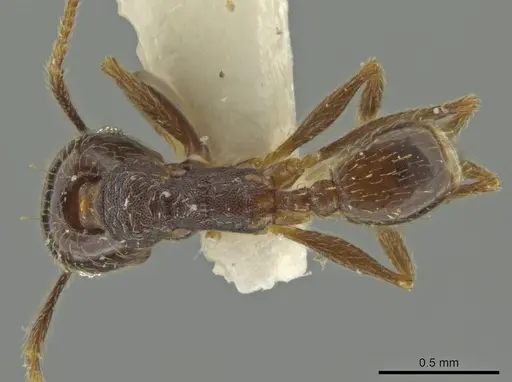
JTLC000016543
View on AntWeb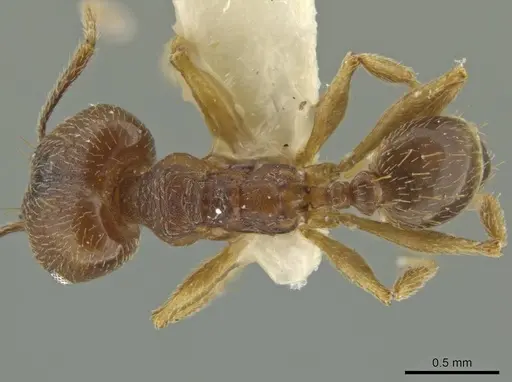
Literature
Loading...Loading products...