

Pheidole sabella
- Scientific Name
- Pheidole sabella
- Tribe
- Attini
- Subfamily
- Myrmicinae
- Author
- Wilson, 2003
- Distribution
- Found in 2 countries
Pheidole sabella Overview
Pheidole sabella is an ant species of the genus Pheidole. It is primarily documented in 2 countries , including Colombia, Peru. Detailed taxonomic data and occurrence records can be further explored via authoritative databases such as AntWeb or the Global Biodiversity Information Facility (GBIF).
Pheidole sabella
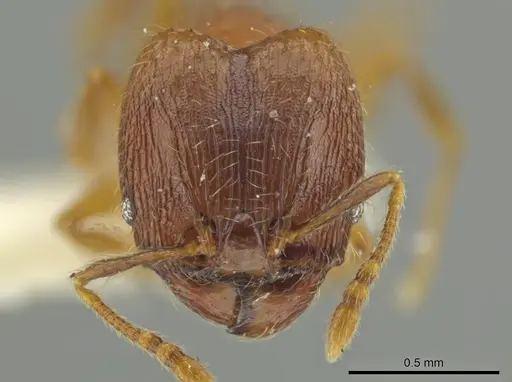
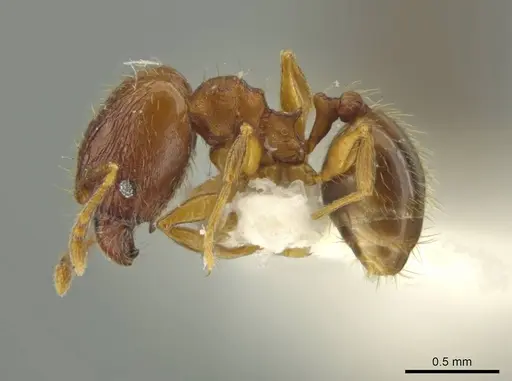
Pheidole sabella is a small Neotropical ant belonging to the flavens group. Only the major worker (soldier) has been described, this species is known only from the type specimen collected in Peru near Lake Sandoval. Majors are medium-sized at about 0.86mm head width, with a reddish-yellow body and a distinctive brown spot on the head [1]. The species name 'sabella' means 'little sand' in Latin, referring to its sandy forest floor habitat [2].
This ant is part of the genus Pheidole, which is known for having two worker castes, large majors (soldiers) and smaller minors. However, since only majors have been documented for this species, its full colony structure remains poorly understood. The few known specimens were collected from leaf litter on the sandy soil of the forest floor in lowland tropical rainforest.
Quick Summary
- Difficulty: Unknown, too little data to assess
- Origin & Habitat: Lowland tropical rainforest in the Amazon basin of Peru and Ecuador, at around 260m elevation. Nests in leaf litter on sandy forest floor soil [2][1].
- Colony Type: Unconfirmed, colony structure has not been documented. Most Pheidole species are monogyne (single queen) but some are polygynous. The minor worker caste has not been described.
- Size & Growth:
- Queen: Unknown, queen has not been described
- Worker: Major workers: HW 0.86mm, HL 0.92mm [1]. Minor workers unknown.
- Colony: Unknown, no colony data exists
- Growth: Unknown, estimated based on related species
- Development: Unknown, no direct data exists. Based on typical Pheidole patterns from tropical species, expect 4-8 weeks at warm temperatures. (This is an estimate based on genus-level data. No species-specific development time has been documented.)
- Antkeeping:
- Temperature: Keep warm, around 24-28°C. This species comes from lowland Amazon rainforest where temperatures are consistently warm year-round. A heating cable on one side of the nest can provide a gradient.
- Humidity: Moderate to high humidity, around 60-80%. Their natural habitat is the rainforest floor, which is humid but not waterlogged. Keep the nest substrate moist but allow some drying between waterings.
- Diapause: No, this is a tropical species from the Amazon lowlands. It does not require hibernation. Keep temperatures stable year-round.
- Nesting: In captivity, a naturalistic setup with moist substrate works well. Based on their leaf litter nesting habits, a Y-tong or acrylic nest with chambers scaled to their small size is appropriate. Provide a moisture gradient so ants can choose their preferred humidity.
- Behavior: Pheidole species are generally non-aggressive and focus on seed harvesting and foraging for small insects. Majors use their enlarged heads to crack seeds and defend the colony. This species is too poorly known to assess its specific temperament. Escape prevention should be moderate, these are small ants but not among the tiniest.
- Common Issues: lack of documented care information makes this a risky choice for beginners, queen and minor worker biology is completely unknown, making captive breeding uncertain, wild-caught colonies may have parasites or diseases that kill them in captivity, tropical species require consistent warmth year-round, temperature drops can be fatal
Nest Preferences and Housing
In the wild, Pheidole sabella has been collected from leaf litter on the sandy soil of the forest floor. This suggests they prefer moist, shaded microhabitats typical of the rainforest understory. For captive care, provide a nest with consistently moist substrate, a Y-tong, acrylic formicarium, or plaster nest works well. The chambers should be appropriately scaled to their small size. Since only majors are known, it's unclear whether they exhibit the typical Pheidole behavior of majors defending the nest while minors forage. Provide an outworld for foraging with access to seeds and small protein sources. [2]
Feeding and Diet
Pheidole species are typically seed-harvesting ants (granivorous) that also supplement their diet with small insects and honeydew. While specific feeding behavior for P. sabella is unconfirmed, you should offer a mix of crushed seeds (millet, sesame, flax) and small protein sources like fruit flies, small crickets, or mealworm pieces. Sugar water or honey can be offered occasionally. Feed small amounts every few days and remove uneaten food to prevent mold. The major workers' enlarged heads suggest they can handle larger seeds than many other small ants.
Temperature and Seasonal Care
As a lowland Amazon species from around 260m elevation in Peru, this ant requires warm, stable temperatures year-round. Keep the nest area between 24-28°C. Room temperature may suffice if your home stays in this range, otherwise use a heating cable on one part of the nest to create a gentle gradient. Do not allow temperatures to drop significantly at night or during 'winter', this species does not experience cold seasons in its native habitat. Unlike temperate ants, they do not enter diapause. Consistent warmth is essential for brood development.
Understanding the Knowledge Gaps
Pheidole sabella is one of the more poorly documented ant species in the hobby. It was only described in 2003,and the original description was based on a single major worker collected from leaf litter. The queen, minor workers, and colony structure have never been documented. This means caring for this species involves more experimentation than species with well-established husbandry guidelines. If you acquire this species, document your observations carefully, you may be contributing to new knowledge about this ant. Consider starting with a small test colony to learn its requirements before committing to larger setups. [1]
Frequently Asked Questions
How do I keep Pheidole sabella?
Since this species is poorly documented, treat it as an experimental species. Provide a moist nest (Y-tong or acrylic) at 24-28°C with access to both dry foraging areas and humid nesting chambers. Offer seeds, small insects, and occasional sugar water. This is a tropical species requiring year-round warmth.
What do Pheidole sabella eat?
Based on typical Pheidole diet, offer crushed seeds (millet, sesame), small insects like fruit flies or pinhead crickets, and occasional honey or sugar water. Remove uneaten food promptly to prevent mold.
How long does it take for Pheidole sabella to develop from egg to worker?
This has not been documented for this specific species. Based on related tropical Pheidole species, expect approximately 4-8 weeks at warm temperatures (around 26°C).
Is Pheidole sabella good for beginners?
No, this species is not recommended for beginners. It is one of the least documented ant species in the hobby, with no established care guidelines. The queen, minor workers, and colony behavior have never been described. Consider starting with more established species like Pheidole pallidula or Lasius niger.
Can I keep multiple Pheidole sabella queens together?
This is unknown. The colony structure of this species has not been documented, we don't know whether they are monogyne (single queen) or polygyne (multiple queens). Do not attempt combining unrelated queens without evidence they can coexist.
Where is Pheidole sabella found?
This species is known from the Amazon lowlands of Peru (type locality near Lake Sandoval, Puerto Maldonado) and Ecuador. It has also been recorded from Risaralda and Valle del Cauca in Colombia. It lives in lowland tropical rainforest at around 260m elevation.
Why is Pheidole sabella so hard to find?
This species was only described in 2003 and is known from very few specimens. Only the major worker has been documented, the queen, minor workers, and colony structure remain unknown. It appears to be rare or difficult to collect in the wild.
Does Pheidole sabella need hibernation?
No, this is a tropical Amazon species. It does not require hibernation or winter cooling. Keep temperatures stable and warm (24-28°C) year-round.
When will first workers appear in a Pheidole sabella colony?
Unknown for this species. If the queen is claustral (most Pheidole are), first workers (nanitics) should emerge within 4-8 weeks under warm conditions, but this is an estimate based on genus-level data, not species-specific research.
References

This caresheet is licensed under CC BY-SA 4.0 .
JTLC000016515
View on AntWeb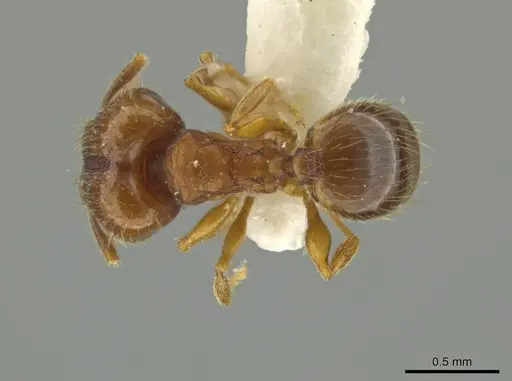
Literature
Loading...Loading products...