

Pheidole pubiventris
- Scientific Name
- Pheidole pubiventris
- Tribe
- Attini
- Subfamily
- Myrmicinae
- Author
- Mayr, 1887
- Distribution
- Found in 5 countries
Pheidole pubiventris Overview
Pheidole pubiventris is an ant species of the genus Pheidole. It is primarily documented in 5 countries , including Brazil, Colombia, Costa Rica. Detailed taxonomic data and occurrence records can be further explored via authoritative databases such as AntWeb or the Global Biodiversity Information Facility (GBIF).
Pheidole pubiventris
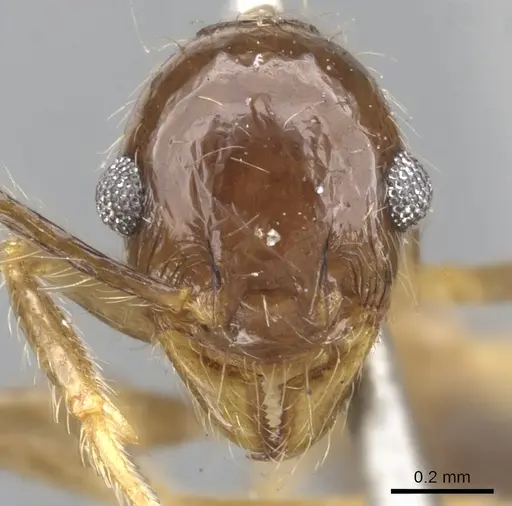
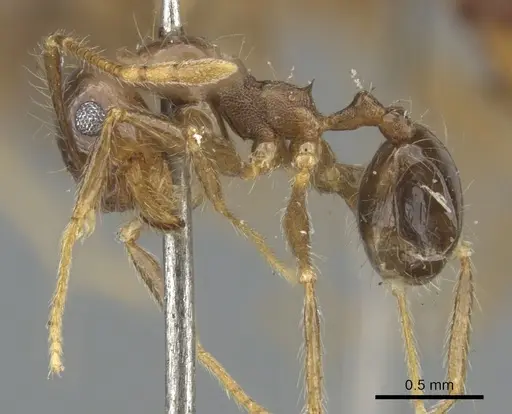
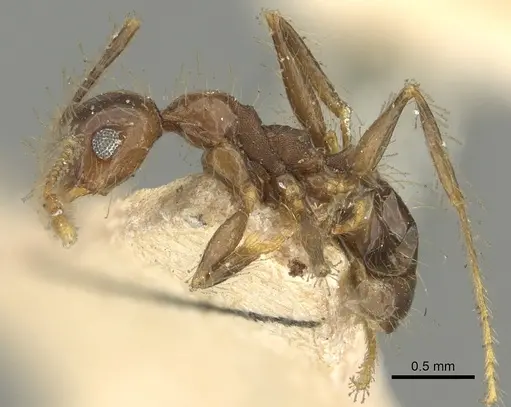
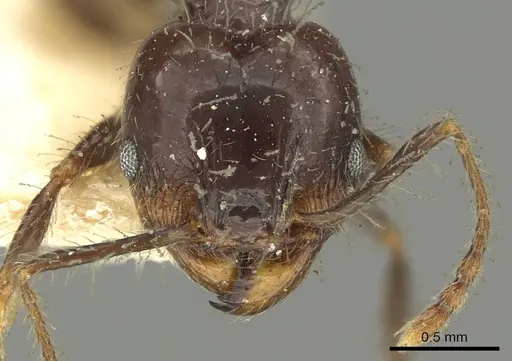
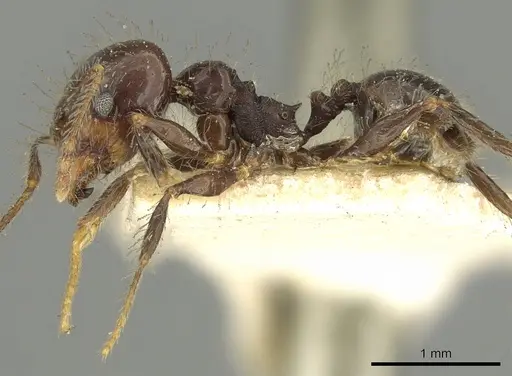
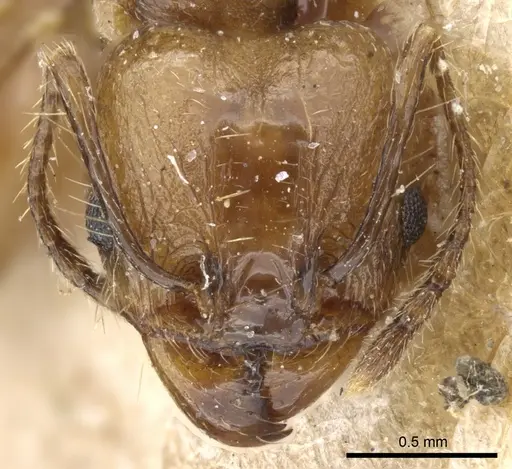
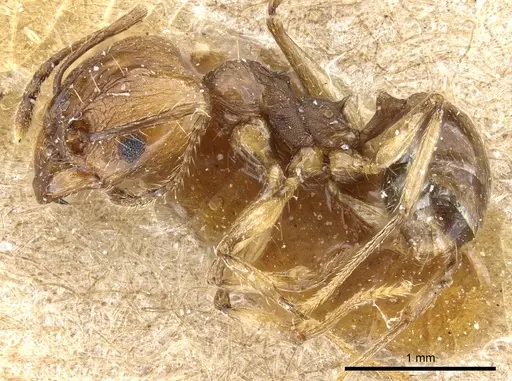
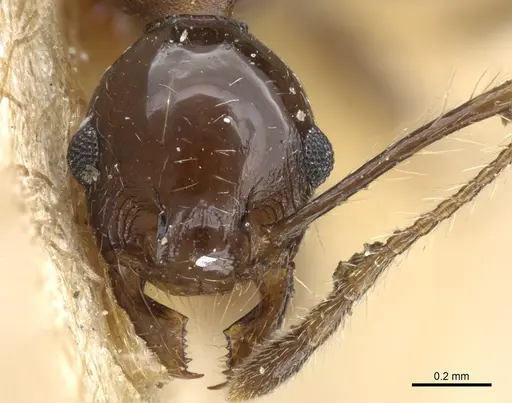
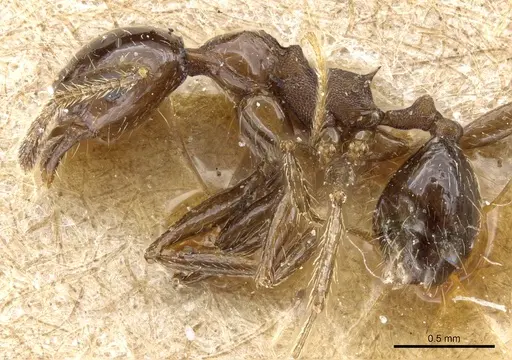
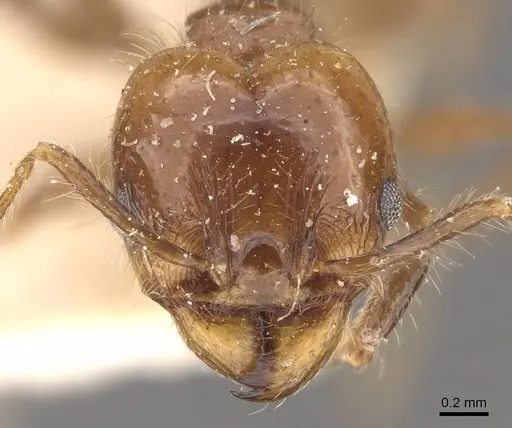
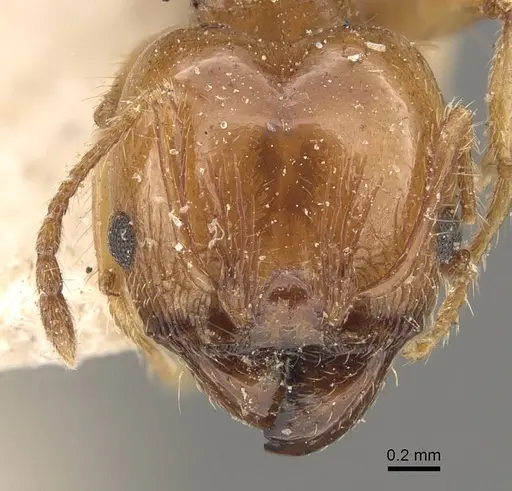
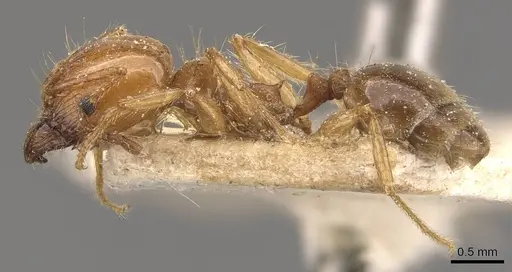
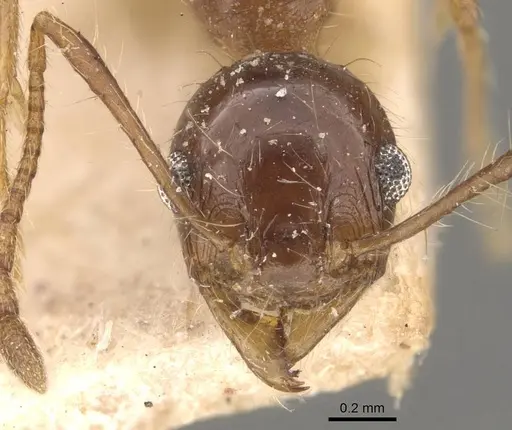
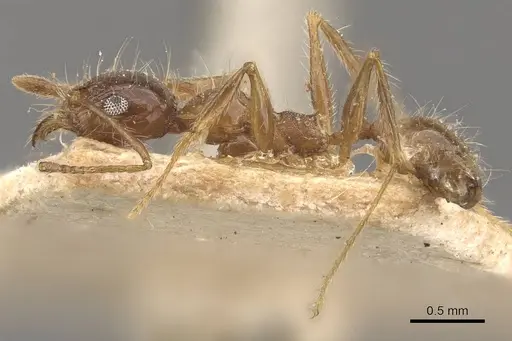
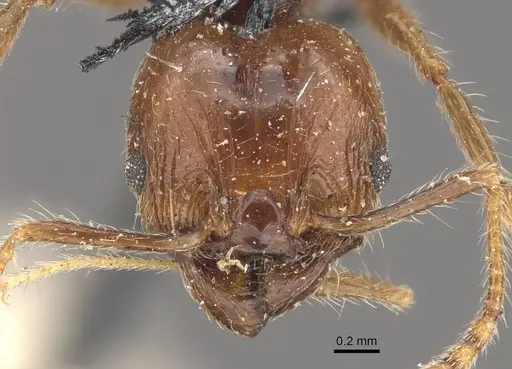
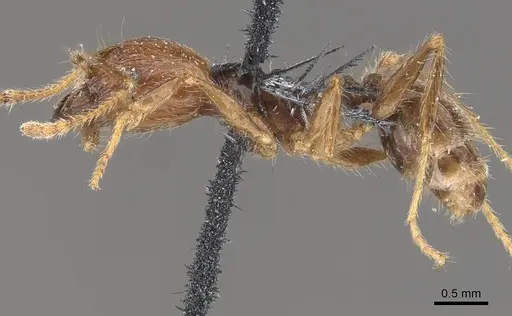
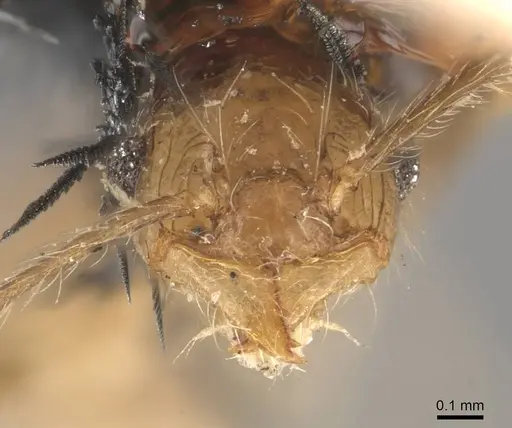
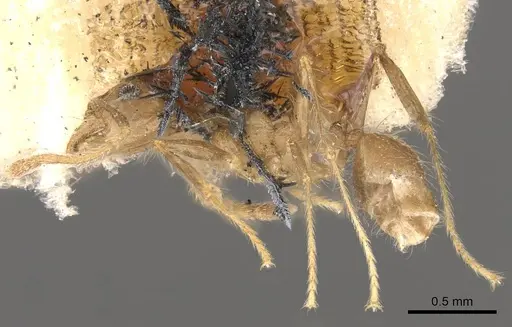
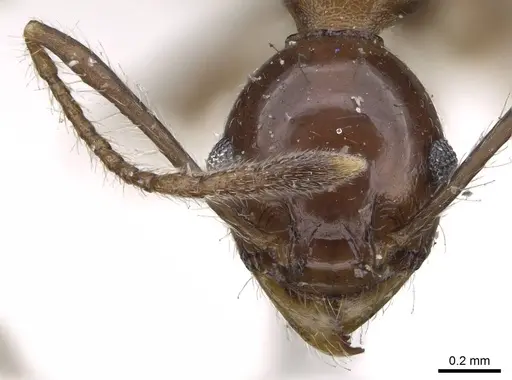
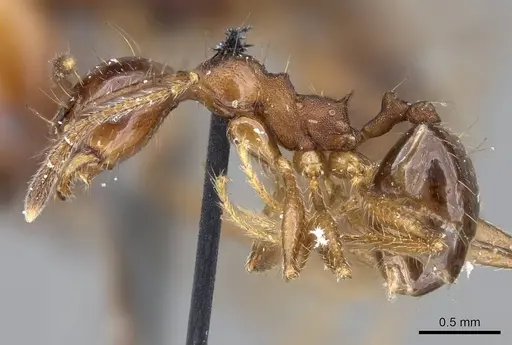
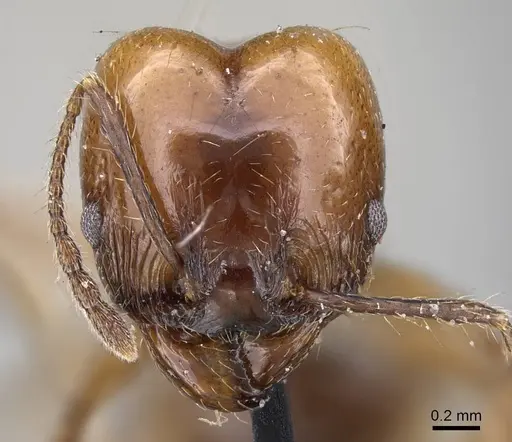
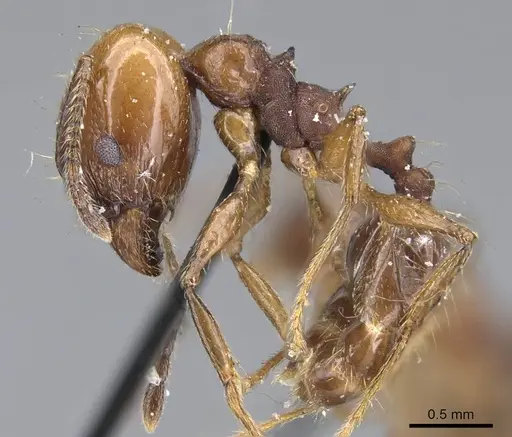
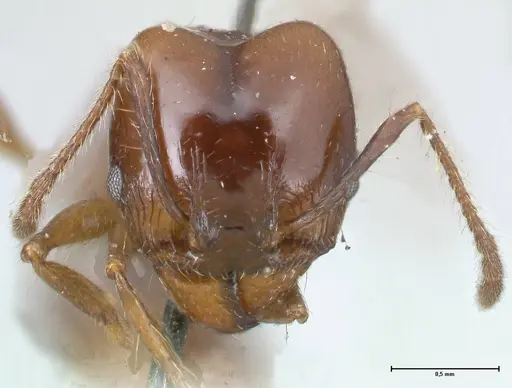
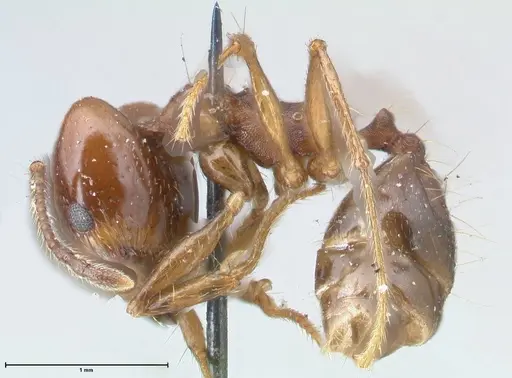
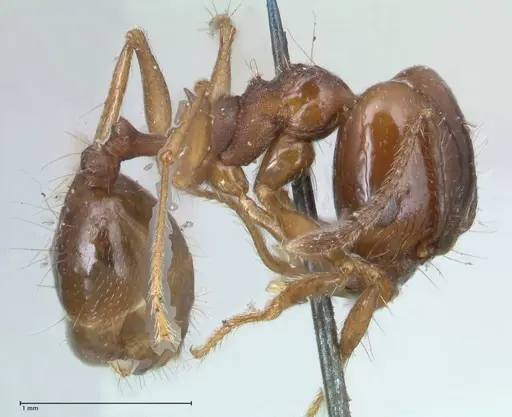
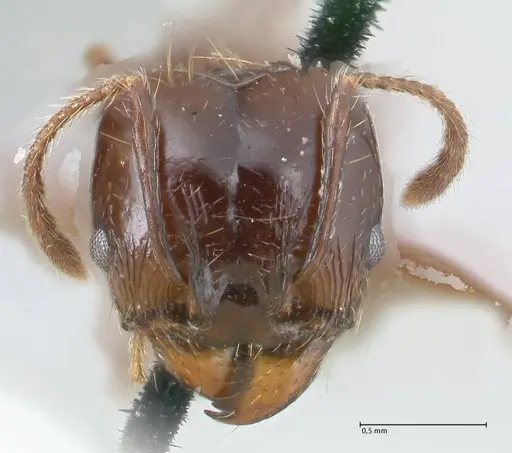
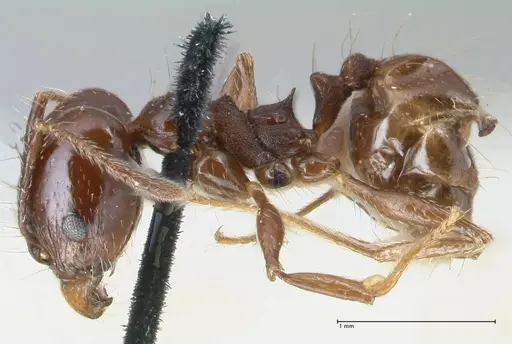
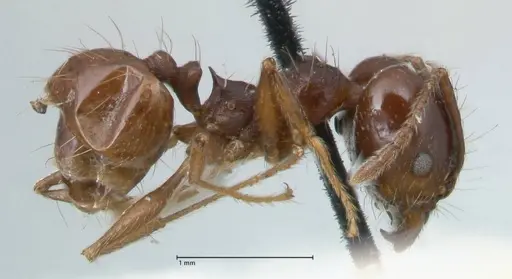
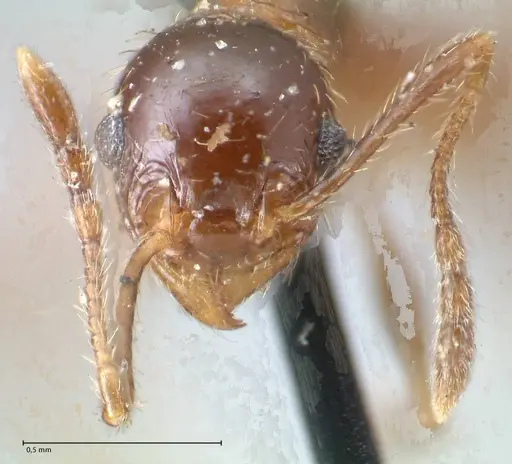
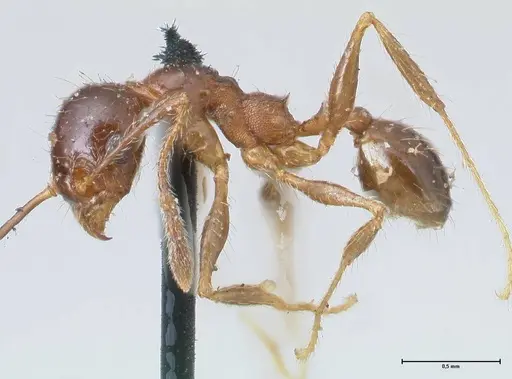
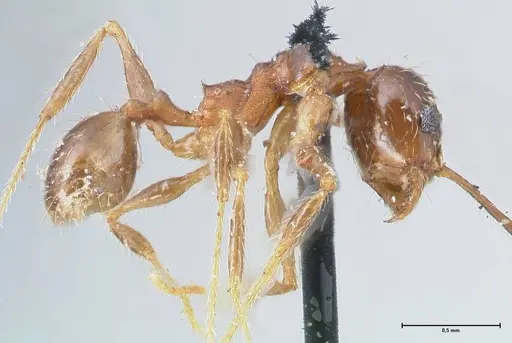
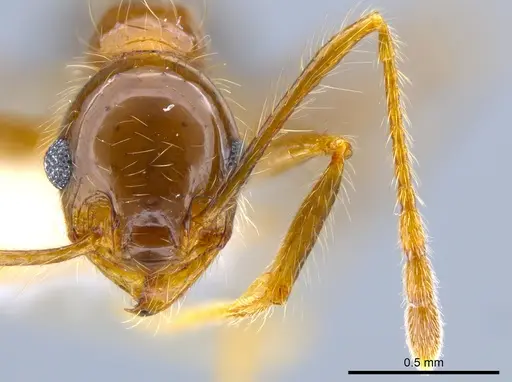
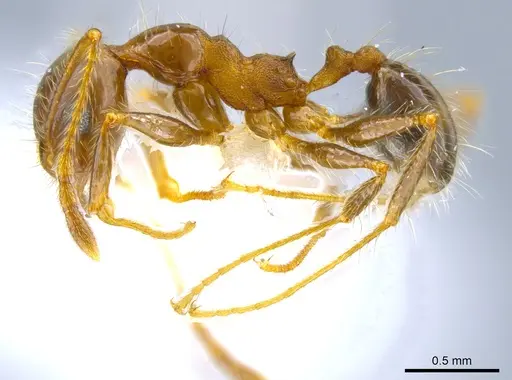
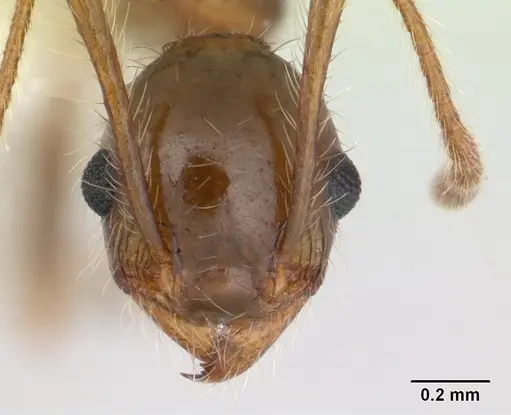
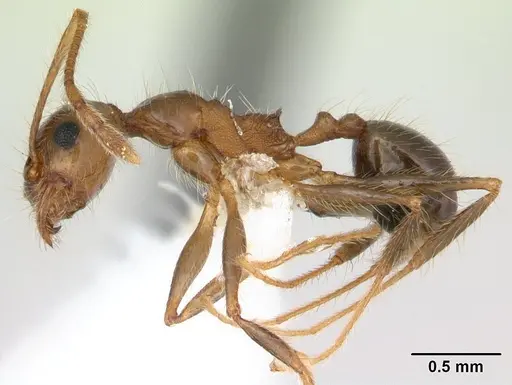
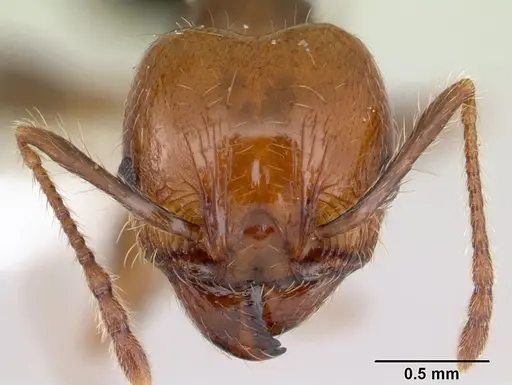
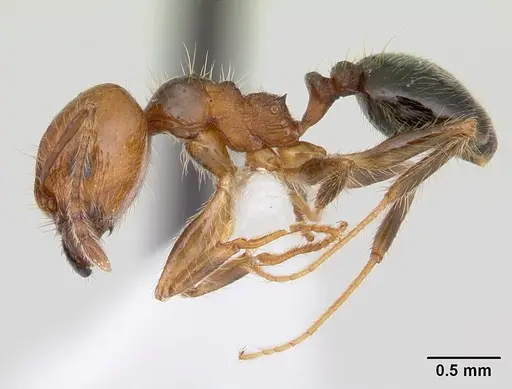
Pheidole pubiventris is a medium-sized brown ant in the big-headed ant genus, ranging from Southern Brazil to Mexico [1]. Like all Pheidole, they have two distinct worker types: minor workers with small heads for general tasks, and major workers with massive heads used for defense and crushing hard food [2]. You can recognize this species by the unusually long, curving hairs covering the head and body, especially on the gaster (abdomen), this "hairy belly" is exactly what their scientific name "pubiventris" refers to [3].
These ants are adaptable survivors, thriving in open areas and human-associated habitats (synanthropic) including Atlantic forests and Cerrado grasslands [4][5]. They forage primarily at night but will visit bait stations during the day as well [4]. They also tend aphids for honeydew, having been observed caring for Aphis coreopsidis on Bidens pilosa plants in Costa Rica [6].
Quick Summary
- Difficulty: Medium
- Origin & Habitat: Southern Brazil to Mexico [1], open areas, synanthropic habitats, Atlantic forest, Cerrado [4][5][7]
- Colony Type: Likely monogyne (single-queen) based on typical Pheidole patterns, but unconfirmed
- Colony: Monogyne
- Founding: Claustral
- Size & Growth:
- Queen: Unconfirmed (likely 6-7mm based on typical Pheidole proportions)
- Worker: Majors: HW 1.14mm, HL 1.12mm [3], Minors: HW 0.54mm, HL 0.68mm [3] (roughly 3-4mm and 2-3mm body length respectively)
- Colony: Unknown (likely moderate to large based on genus patterns)
- Growth: Moderate
- Development: Unknown (likely 6-10 weeks at 25-28°C based on typical Pheidole development) (Timing is inferred from related species, tropical temperatures likely speed development)
- Antkeeping:
- Temperature: Warm tropical conditions, roughly 24-28°C (inferred from Neotropical distribution)
- Humidity: Moderate to high, keep nest substrate damp but not waterlogged (inferred from forest/grassland habitats)
- Diapause: Likely not required (tropical species), but unconfirmed
- Nesting: Standard formicarium, Y-tong, or plaster nests with small chambers appropriate for their size
- Behavior: Nocturnal foragers [4], aphid-tending [6], dimorphic castes with majors for defense, minors are tiny and escape-prone
- Common Issues: minors are extremely small and can escape through the tiniest gaps in mesh or lids., nocturnal activity means they may appear inactive during daytime viewing hours., humidity requirements can be challenging to maintain in dry indoor environments., wild-caught colonies from synanthropic habitats may carry mites or parasites.
Nest Preferences
In nature, Pheidole pubiventris lives in open areas and synanthropic habitats (human-associated environments) across Atlantic forests and Cerrado grasslands [4][5][7]. They are ground-dwelling and adaptable to disturbed areas. In captivity, they do well in standard formicarium setups including Y-tong (AAC) nests, plaster nests, or test tubes for founding colonies. Because they are small, ensure chamber entrances and connections are tight to prevent escapes. They prefer moderate humidity, so nests with a water reservoir or hydration chamber work well.
Feeding and Diet
These ants are generalist foragers. They have been observed tending aphids (Aphis coreopsidis) on Bidens pilosa plants for honeydew [6], and they readily visit bait stations [4]. In captivity, offer a mix of sugar sources (honey water, sugar water) and protein (small insects like fruit flies, springtails, or crushed mealworms). The major workers can handle larger or harder food items due to their powerful mandibles, while minors focus on smaller prey and brood care.
Temperature and Care
Coming from the Neotropics (Southern Brazil to Mexico), these ants prefer warm conditions. Keep them around 24-28°C for optimal activity and brood development. They likely do not require hibernation (diapause) given their tropical distribution, but you can reduce temperatures slightly in winter if colony activity slows naturally. Avoid letting them get cold (below 20°C) for extended periods. Use a heating cable on one side of the nest to create a gradient, allowing the ants to self-regulate. [1]
Behavior and Temperament
Pheidole pubiventris is primarily nocturnal, doing most of their foraging at night [4]. They are dimorphic, meaning the major and minor workers look dramatically different and perform different tasks. Majors act as soldiers, using their large heads to block nest entrances and crush hard food, while minors are nimble foragers and nurses. Because the minor workers are extremely small (head width only 0.54mm), they can squeeze through incredibly small gaps. You must use excellent escape prevention such as Fluon barriers, fine mesh (under 0.5mm), and tight-fitting lids.
Colony Founding
Founding behavior has not been directly documented for this species. Based on typical Pheidole patterns, queens likely found colonies claustrally, meaning the queen seals herself in a chamber and lives off stored fat reserves until her first workers hatch. Start new queens in test tubes with water reservoirs, and do not disturb them during the founding phase. Feed the queen only after the first workers (nanitics) have emerged and are actively foraging.
Frequently Asked Questions
Can I keep Pheidole pubiventris in a test tube?
Yes, test tubes are ideal for founding colonies. Use a standard setup with a water reservoir blocked by cotton. Because these ants are small, ensure the cotton is packed tightly enough that minors cannot squeeze past it.
How long until first workers for Pheidole pubiventris?
The exact timeline is unconfirmed. Based on typical Pheidole development at tropical temperatures (25-28°C), expect roughly 6-10 weeks from egg to first worker. Nanitic (first generation) workers may emerge slightly faster but will be smaller than subsequent workers.
Can I keep multiple Pheidole pubiventris queens together?
Not recommended. While unconfirmed for this specific species, most Pheidole are monogyne (single-queen). Combining multiple unrelated queens usually results in fighting and death. Only attempt if you have confirmed this species is polygyne (multiple-queen) in your specific population.
Are Pheidole pubiventris good for beginners?
They are medium difficulty. While Pheidole are generally hardy and grow well, the extremely small size of the minor workers makes escape prevention challenging for beginners. They also have limited care documentation compared to common species like Pheidole megacephala or Pheidole pallidula.
What do Pheidole pubiventris eat?
They are generalists. In nature they tend aphids for honeydew and visit bait stations [6][4]. In captivity, feed sugar water or honey, plus small protein sources like fruit flies, springtails, or pieces of mealworms. Majors can handle larger prey items.
Do Pheidole pubiventris need hibernation?
Likely not. As a tropical species ranging from Southern Brazil to Mexico, they probably remain active year-round. If your colony slows down in winter, you can lower the temperature slightly (to 20-22°C), but full hibernation is probably unnecessary and potentially harmful.
Why are my Pheidole pubiventris dying?
Common causes include: escapes (minors are tiny and easily lost), dehydration (they need consistent humidity), or temperature stress (too cold). Also check for mites if you collected from the wild. Ensure your mesh or barriers have gaps smaller than 0.5mm.
References

This caresheet is licensed under CC BY-SA 4.0 .
CASENT0635509
View on AntWeb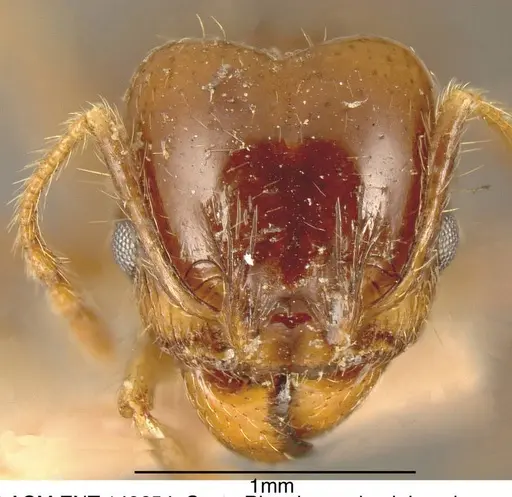
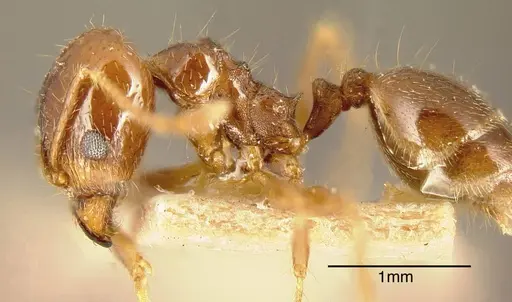
CASENT0635510
View on AntWeb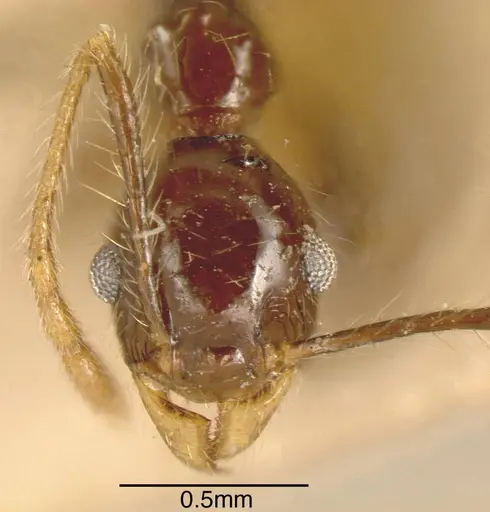
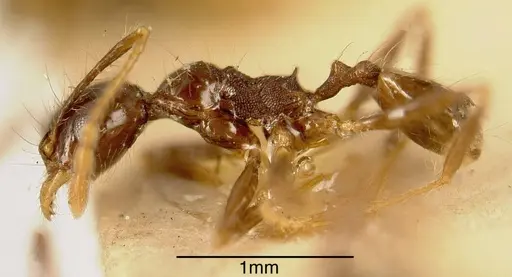
CASENT0901569
View on AntWeb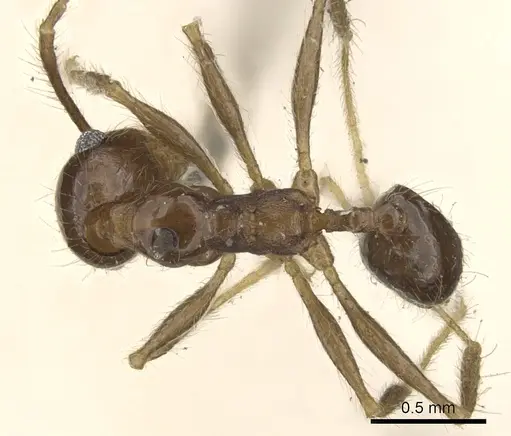
CASENT0901570
View on AntWeb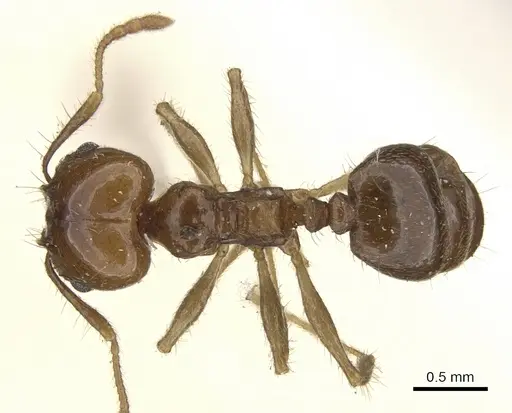
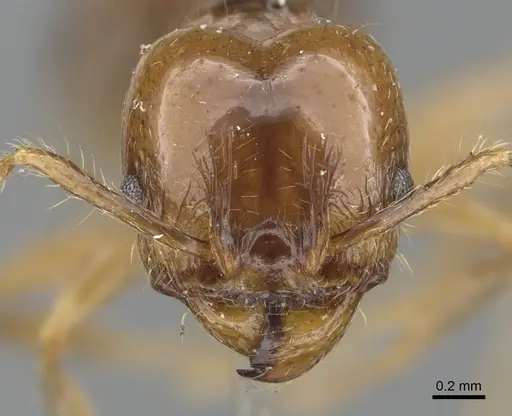
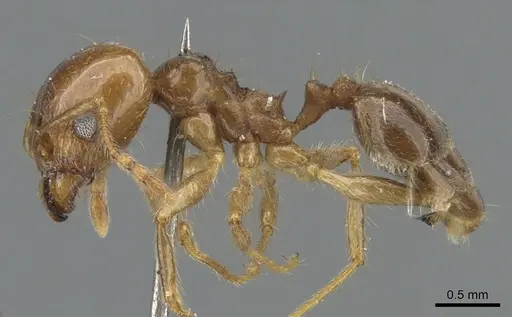
CASENT0901603
View on AntWeb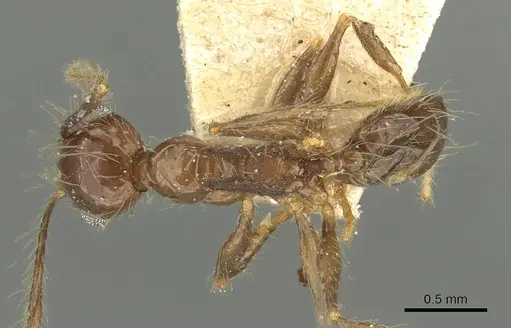
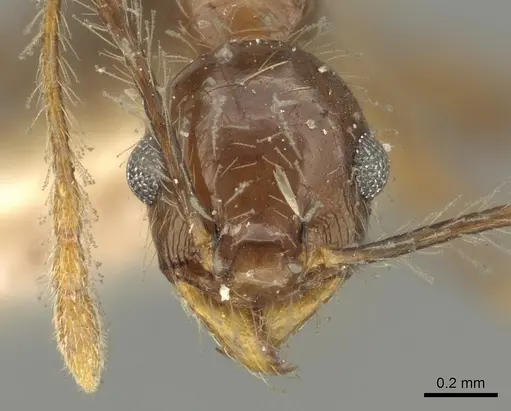
CASENT0901604
View on AntWeb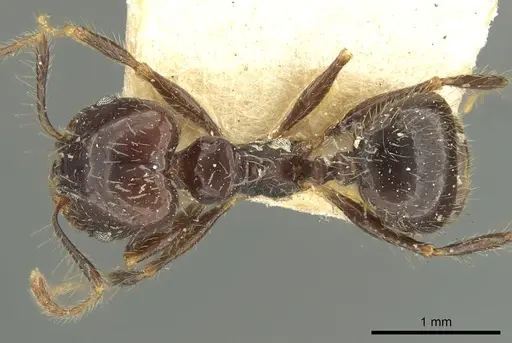
CASENT0904337
View on AntWeb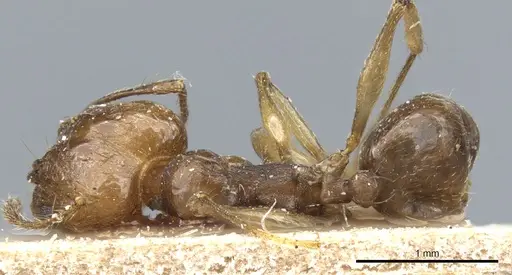
CASENT0904338
View on AntWeb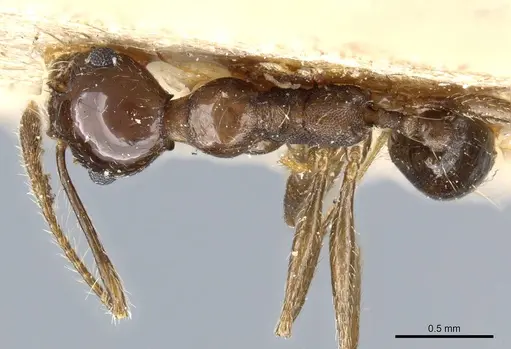
CASENT0908232
View on AntWeb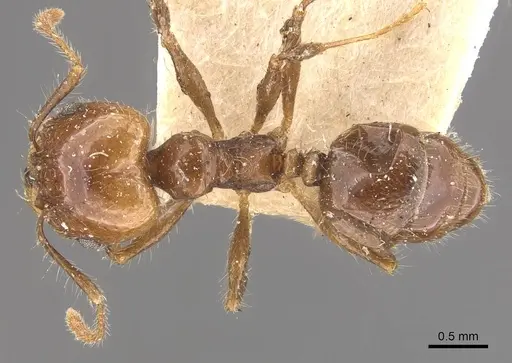
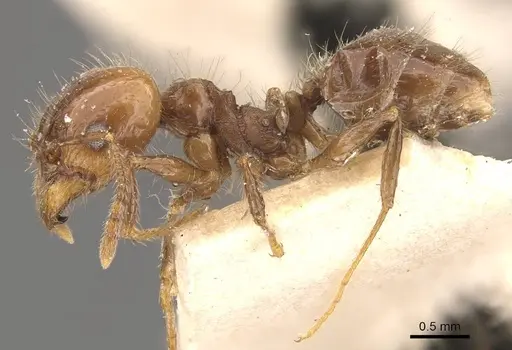
CASENT0908233
View on AntWeb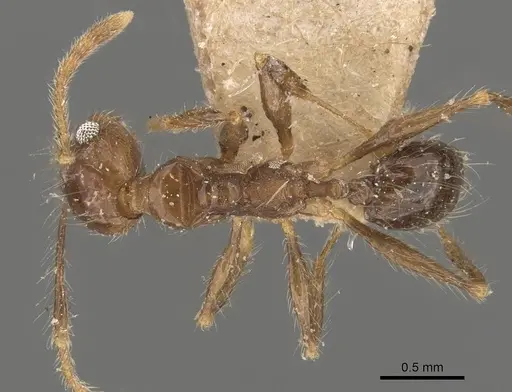
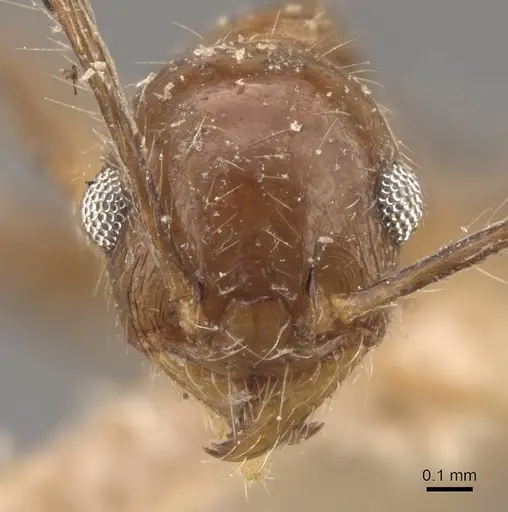
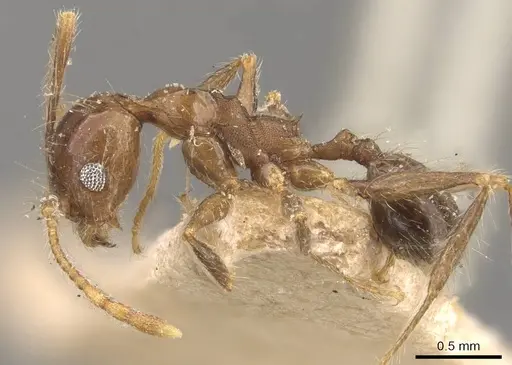
CASENT0908234
View on AntWeb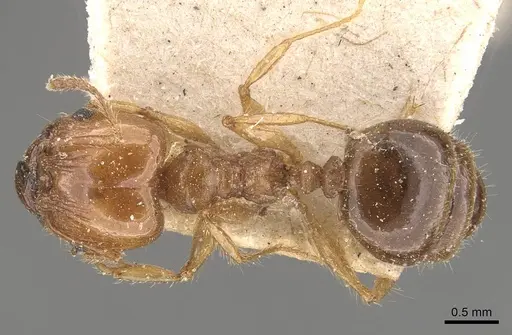
CASENT0908235
View on AntWeb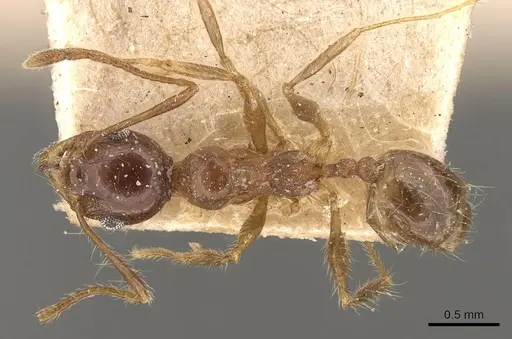
CASENT0908236
View on AntWeb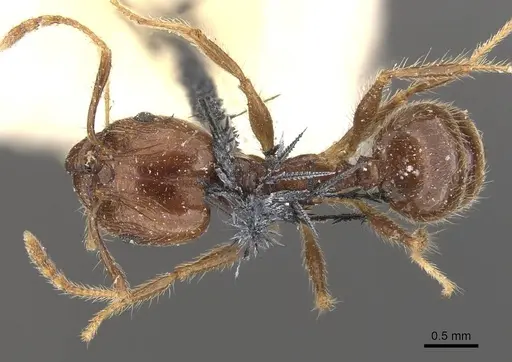
CASENT0908237
View on AntWeb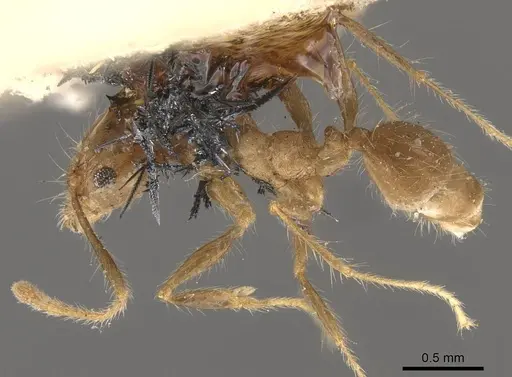
CASENT0919753
View on AntWeb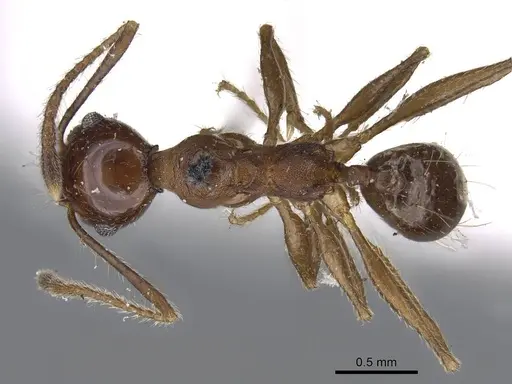
CASENT0922211
View on AntWeb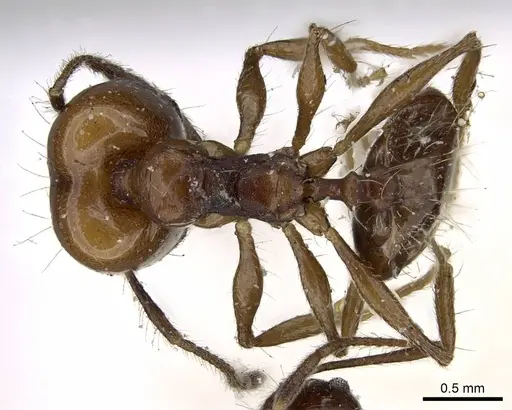
FOCOL1549
View on AntWeb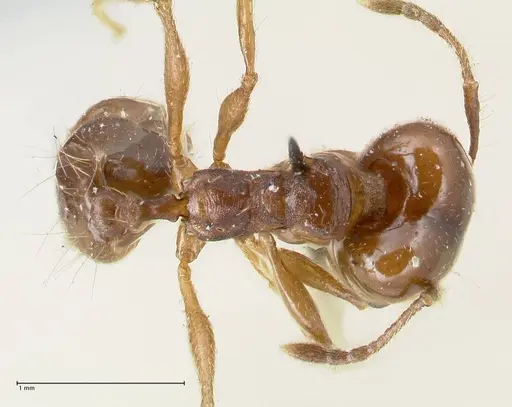
FOCOL1550
View on AntWeb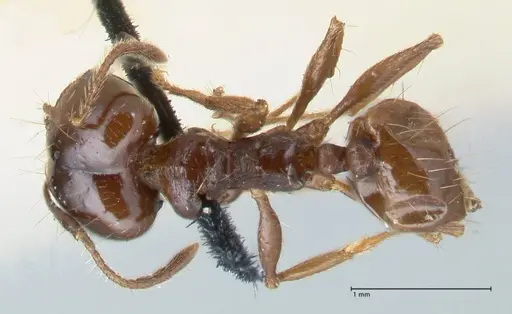
FOCOL1551
View on AntWeb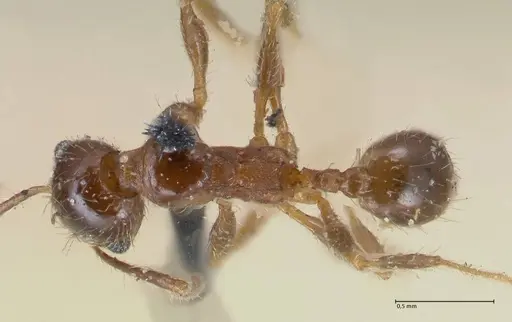
JTLC000007336
View on AntWeb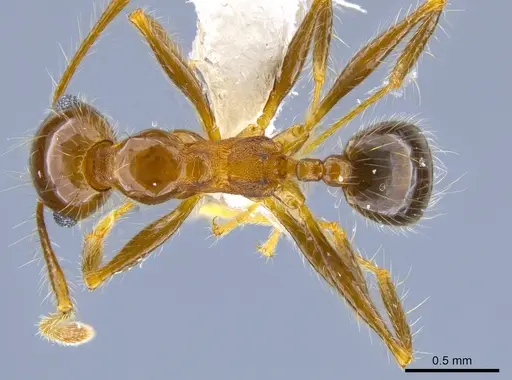
JTLC000007354
View on AntWeb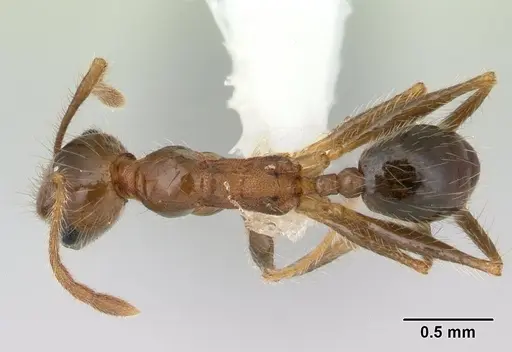
JTLC000007355
View on AntWeb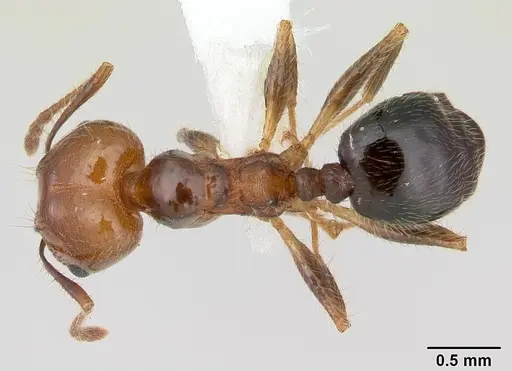
Literature
Loading...Loading products...