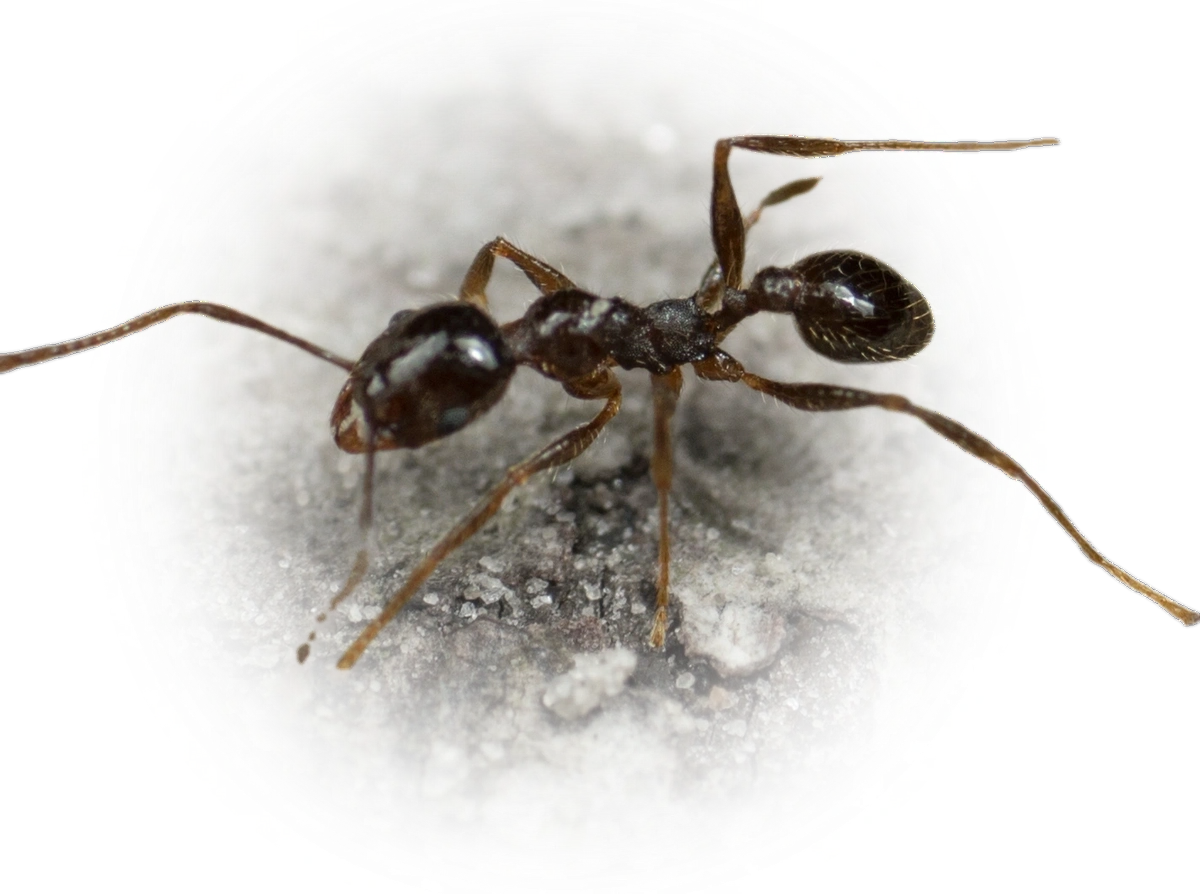

Pheidole obscurithorax
- Scientific Name
- Pheidole obscurithorax
- Tribe
- Attini
- Subfamily
- Myrmicinae
- Author
- Naves, 1985
- Common Name
- Obscure Big-headed Ant
- Distribution
- Found in 7 countries
Pheidole obscurithorax Overview
Pheidole obscurithorax (commonly known as the Obscure Big-headed Ant) is an ant species of the genus Pheidole. It is primarily documented in 7 countries , including Argentina, Brazil, Costa Rica. Detailed taxonomic data and occurrence records can be further explored via authoritative databases such as AntWeb or the Global Biodiversity Information Facility (GBIF).
Pheidole obscurithorax - "Obscure Big-headed Ant"
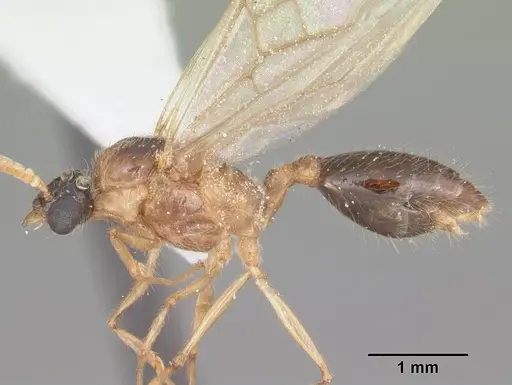
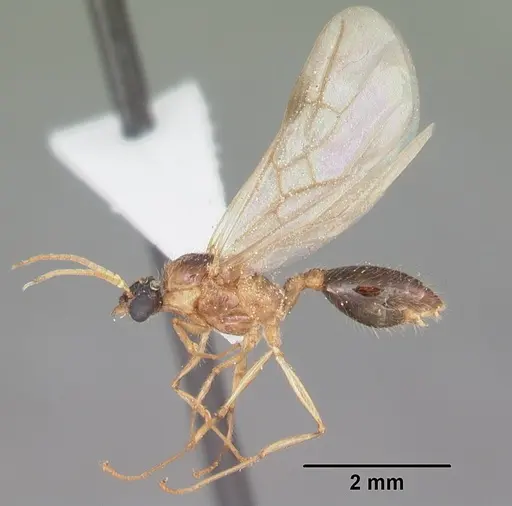
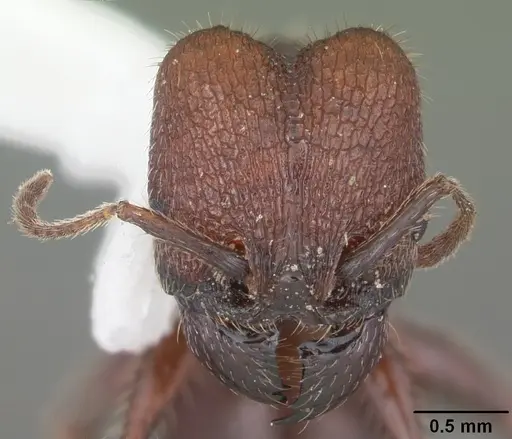
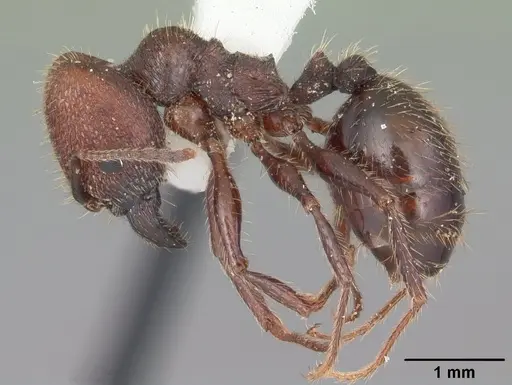
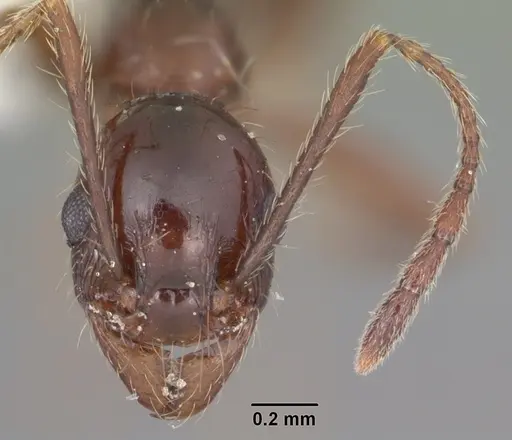
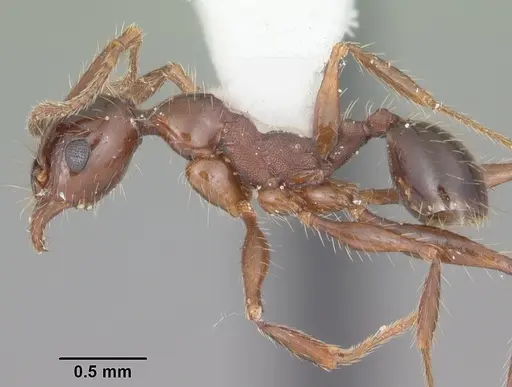
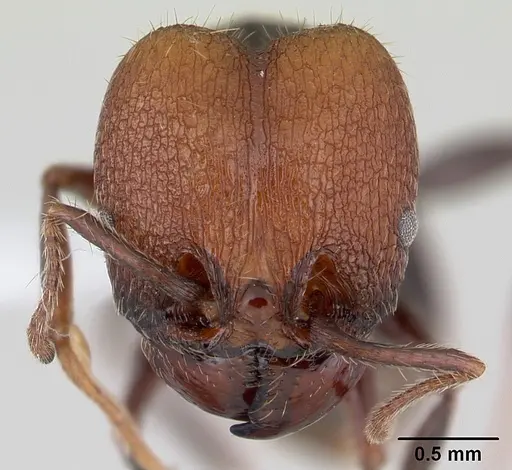
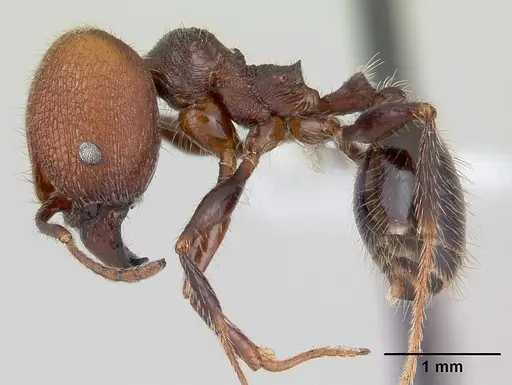
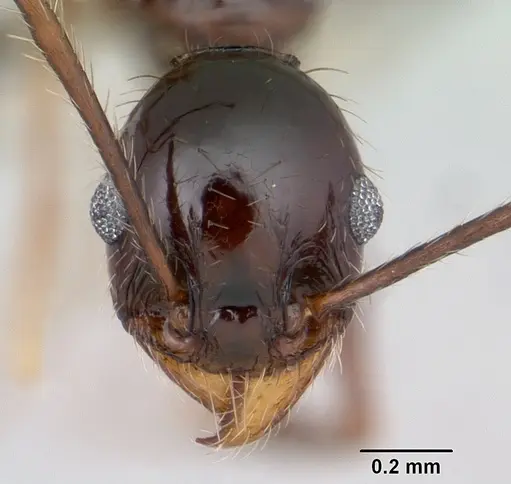
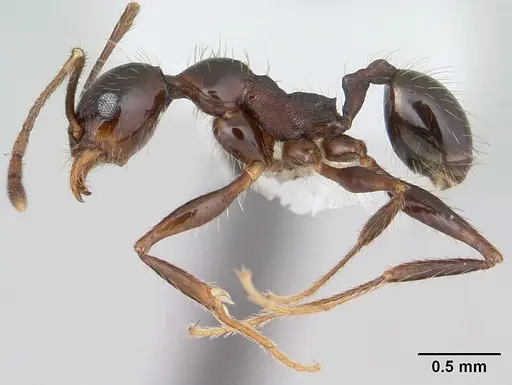
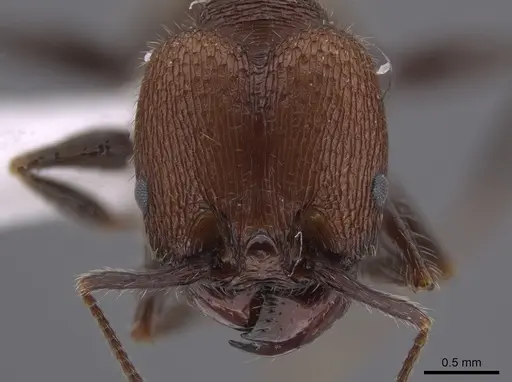
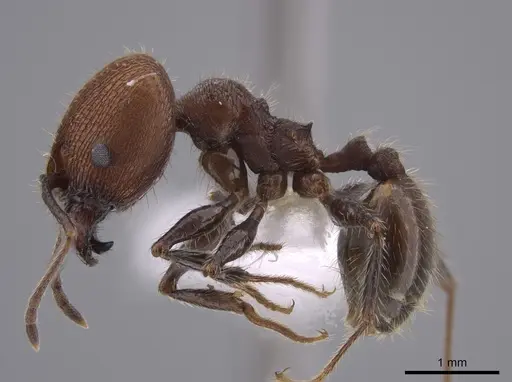
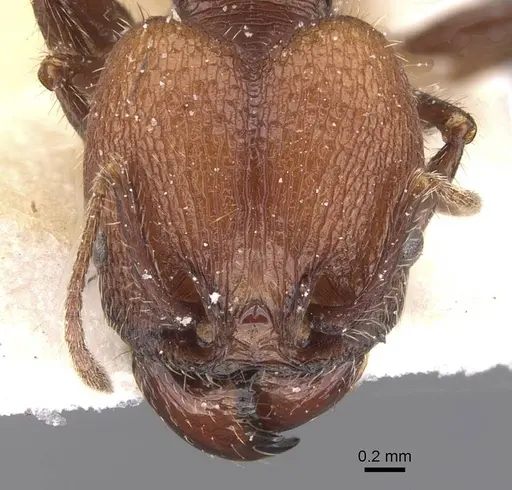
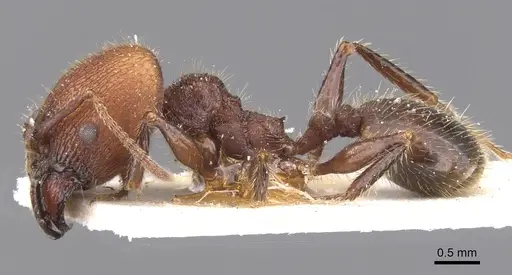
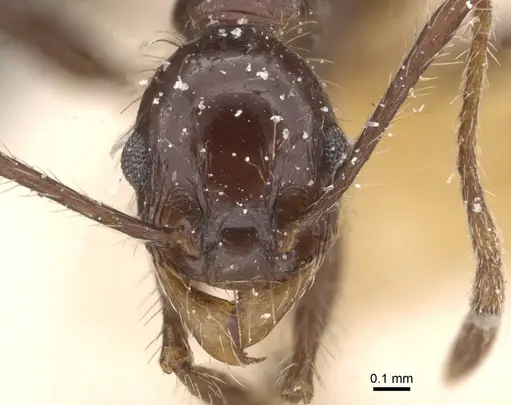
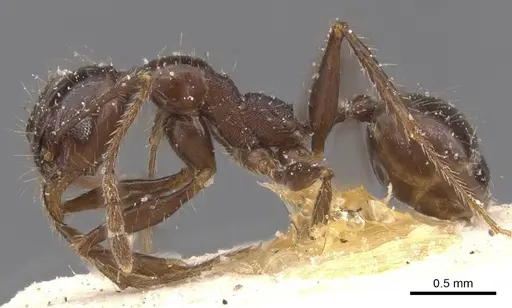
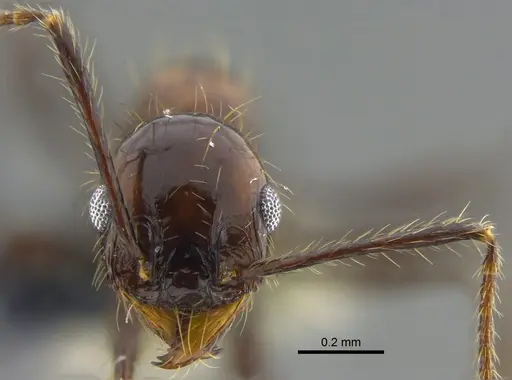
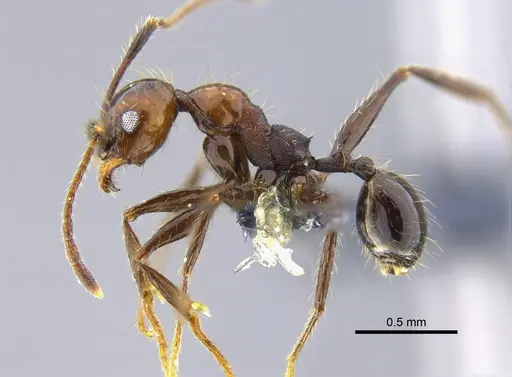
Pheidole obscurithorax is a large, dimorphic ant species native to northern Argentina and Paraguay, now established in the southeastern United States. Major workers reach 5-6mm with heavily sculptured heads and thick, angular antennae scapes that make them unmistakable among North American Pheidole. Minor workers are much smaller at around 2-3mm. The species is dark reddish-brown to nearly black, and is the largest Pheidole found in the southeastern US, about twice the size of the common native Pheidole dentata [1]. Colonies can grow to around 10,000 workers and produce large, conspicuous crater nests in open, disturbed areas like lawns and roadsides [2]. This species is notable for its aggressive foraging behavior, workers cooperate in teams to take down prey much larger than any individual worker, and they regularly compete with and even dominate the invasive fire ant Solenopsis invicta at food sources [2][3].
Quick Summary
- Difficulty: Easy
- Origin & Habitat: Native to northern Argentina and Paraguay, specifically the Paraná River floodplain and open pastures. Introduced to the southeastern US Gulf Coast (Alabama, Florida, Georgia, Mississippi, Texas) around 1950,likely via shipping ports [2][4]. In the US, it thrives in disturbed habitats with open, sandy soil like lawns, roadsides, and pastures.
- Colony Type: Monogyne, single queen colonies. This is a dimorphic species with distinct major and minor worker castes [1].
- Colony: Monogyne
- Founding: Claustral
- Size & Growth:
- Queen: Queens are large at 1.58-1.64mm head width [3].
- Worker: Major workers: 5-6mm total length, HW 1.56-1.72mm. Minor workers: HW 0.53-0.62mm [3].
- Colony: Large colonies of approximately 10,000 workers [2][5].
- Growth: Fast, colonies can increase nest density by 6.4-fold in just two years in suitable habitat [2].
- Development: Unknown, specific development data not documented. Based on typical Pheidole patterns in the fallax group, expect 6-10 weeks from egg to first worker at warm temperatures. (Colonies produce large numbers of sexuals (alates) throughout spring and summer [5].)
- Antkeeping:
- Temperature: Keep at room temperature, roughly 20-26°C. This species thrives in warm climates, its native range in Argentina spans 27-34°S latitude, and in the US it's established across the Gulf Coast. A gentle gradient with a heating cable on one side of the nest works well.
- Humidity: Moderate, they prefer well-drained soil in open areas. Keep the nest substrate moist but not waterlogged. In their introduced range, they inhabit areas with shorter grass and well-drained soils [2].
- Diapause: Likely minimal or no true diapause, being from subtropical Argentina, they probably reduce activity somewhat in cooler months but don't require a cold hibernation period like temperate species.
- Nesting: Soil-nesting species that builds large crater mounds with single entrances. In captivity, a naturalistic setup with a soil chamber or a Y-tong/plaster nest works well. They prefer tight chambers scaled to their size. The nest entrance is often 1-5cm wide and may be covered with collected debris like leaves [2].
- Behavior: Highly active and aggressive foragers. They use a combination of foraging tactics: scouts carry small prey unaided back to the nest, while teams of workers cooperate to transport large prey items like caterpillar larvae whole [2]. They are fierce competitors, they quickly find baits and can outcompete fire ants (Solenopsis invicta) at food sources [3]. Workers defend prey aggressively against other ant species. The sting is atrophied, so they cannot sting humans [3]. Escape risk is moderate, use standard barrier methods but they're not particularly known for escaping like some tiny species.
- Common Issues: colonies grow very large, be prepared for a massive colony that needs significant space and food, aggressive foragers may outcompete other ant species in multi-species setups, keep them separate, they prefer disturbed open areas, overly humid or densely vegetated setups may not suit them, queen founding can be slow, be patient during the claustral founding phase, large colony size means more waste and midden management needed
Housing and Nest Setup
Pheidole obscurithorax is a soil-nesting species that naturally builds large, conspicuous crater nests in open areas. In captivity, provide a naturalistic setup with a soil chamber or a Y-tong/plaster nest with adequate depth. They prefer well-drained substrate, think sandy, loamy soil that doesn't stay waterlogged. The nest entrance is typically 1-5cm wide and often covered with debris they collect, so don't be alarmed if your ants pile small debris near the entrance. A test tube setup works for founding colonies, but you'll need to move them to a larger formicarium or naturalistic setup as the colony grows past 50-100 workers. Because colonies can reach 10,000 workers, plan for significant space long-term. They do well at room temperature (20-26°C) and don't need elaborate heating in most homes. [2][3]
Feeding and Diet
This is an omnivorous species with a strong predatory streak. In the wild, they collect a wide variety of arthropod prey including other ants, and they'll also scavenge plant material like flower petals [2]. Their midden piles often contain the remains of other ant species, especially Solenopsis invicta (fire ants) [2]. In captivity, offer protein sources like mealworms, crickets, and other insects regularly. They can handle surprisingly large prey, minor and major workers cooperate to take down prey items much bigger than any single worker [3]. They also accept sugar sources like honey or sugar water. Feed protein 2-3 times per week and keep sugar water available constantly. Their spectacular recruitment behavior means they'll find and process food quickly, expect rapid response to new prey items.
Temperature and Seasonal Care
Being native to subtropical Argentina (Paraná River region around 27-34°S latitude) and now established across the US Gulf Coast, this species prefers warm conditions. Room temperature (20-26°C) is ideal. They don't require hibernation, in their introduced range across the southeastern US, they remain active year-round with perhaps reduced activity in winter months. If you keep them in a cooler climate, a heating cable on one side of the nest creates a comfortable gradient. They do best in stable temperatures rather than dramatic fluctuations. The species has shown it can adapt to new environments, it spread from Mobile, Alabama (first found in 1949) across the Florida panhandle and into Texas in just a few decades [4].
Behavior and Colony Dynamics
Pheidole obscurithorax is a dimorphic species, colonies produce two worker castes: smaller minor workers that handle most foraging and brood care, and larger major workers (sometimes called soldiers) with enlarged heads that specialize in defense and processing large prey [2]. This is one of the most aggressive and competitive ant species in its range. Studies show they quickly discover food baits and can dominate them even in the presence of fire ants (Solenopsis invicta), a formidable competitor [3]. They use tandem-like recruitment where scouts lead groups to food, and they cooperate to transport large prey items back to the nest as a team [2]. Colonies produce sexuals (alates) throughout spring and summer [5]. The sting is atrophied, so they cannot sting humans, their main defense is biting and swarming behavior. They are not considered a pest species and have never been documented infesting human structures [1].
Growth and Development
Colonies grow remarkably fast under good conditions. Research in the Florida panhandle documented a 6.4-fold increase in nest density over just two years in suitable habitat [2]. A single colony can reach approximately 10,000 workers [2][5]. The queen is monogyne (single queen per colony) and colonies appear to have only one reproductive queen [1]. Nuptial flights occur before dawn, shortly after summer rains [2]. While specific egg-to-worker development time isn't documented for this species, related Pheidole in the fallax group typically develop in 6-10 weeks at warm temperatures. Colonies can become locally abundant, in disturbed habitats like lawns, you might find multiple nests per square meter [1].
Frequently Asked Questions
How long does it take for Pheidole obscurithorax to produce first workers?
Specific development time isn't documented, but based on related Pheidole species in the fallax group, expect 6-10 weeks from egg to first worker at warm temperatures (around 24-26°C). Be patient, founding queens may take several weeks to lay their first eggs and raise them to adulthood.
Can I keep multiple Pheidole obscurithorax queens together?
No, this is a monogyne species with a single queen per colony. Unlike some Pheidole that can have multiple queens, P. obscurithorax colonies have just one reproductive queen. Don't attempt to combine unrelated foundress queens.
How big do Pheidole obscurithorax colonies get?
Colonies can reach approximately 10,000 workers at maturity [2]. This is a large, fast-growing species, be prepared for a massive colony that will need significant space and food resources.
What do Pheidole obscurithorax eat?
They are omnivorous with strong predatory instincts. Offer protein sources like mealworms, crickets, and other insects 2-3 times per week. They also accept sugar sources like honey or sugar water. They are famous for cooperating to take down surprisingly large prey items.
What temperature do they need?
Room temperature (20-26°C) works well. They prefer warm conditions, being from subtropical Argentina and now established across the US Gulf Coast, they thrive in temperatures typical of heated homes. A gentle gradient with heating on one side of the nest is ideal but not strictly required.
Are Pheidole obscurithorax good for beginners?
Yes, they are considered easy to keep. They are aggressive foragers that readily accept food, form large colonies, and don't require special hibernation care. The main considerations are providing enough space for a large colony and managing their strong competitive behavior if you keep other ant species nearby.
Do they need hibernation or diapause?
Probably not, being from subtropical Argentina, they don't require a cold hibernation period like temperate species. They may reduce activity somewhat in cooler months, but most keepers in temperate climates report they remain active year-round at room temperature.
When should I move them from a test tube to a formicarium?
Move them once the colony reaches 50-100 workers or when the test tube becomes cramped. Given their large colony size (up to 10,000 workers), plan to transition to a larger naturalistic setup or formicarium as they grow. They prefer soil-based nests with good drainage.
Why are my Pheidole obscurithorax dying?
Common causes include: too much humidity (they prefer well-drained soil, not waterlogged conditions), insufficient protein (they need regular insect feeding), or temperature stress (they prefer warm conditions). They are generally hardy, so check that food, temperature, and humidity are appropriate before worrying. Wild-caught colonies may also carry parasites.
References

This caresheet is licensed under CC BY-SA 4.0 .
CASENT0104418
View on AntWeb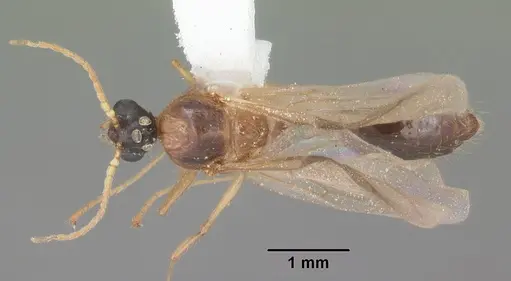
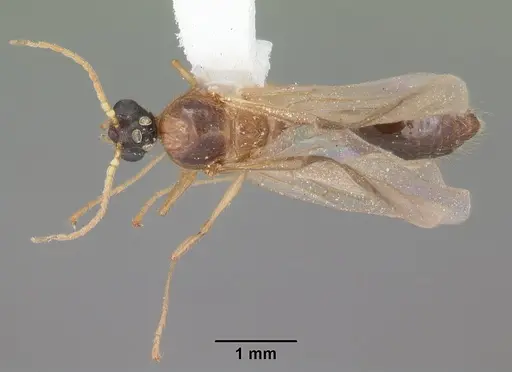
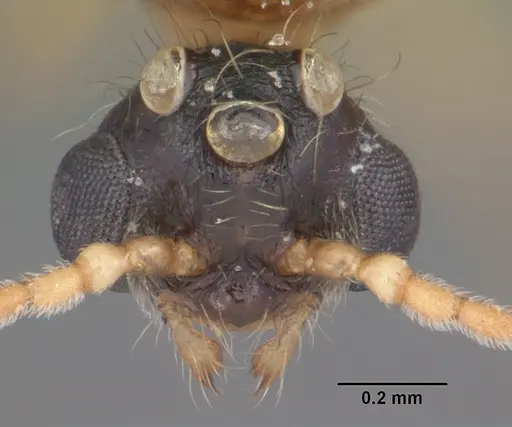
CASENT0104419
View on AntWeb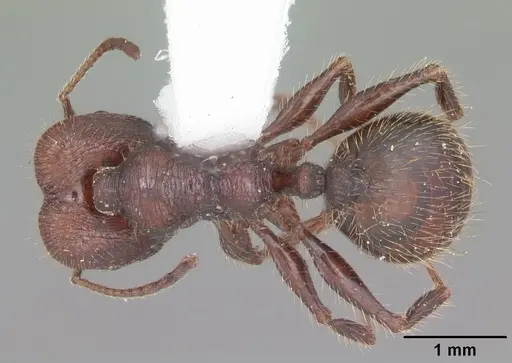
CASENT0104420
View on AntWeb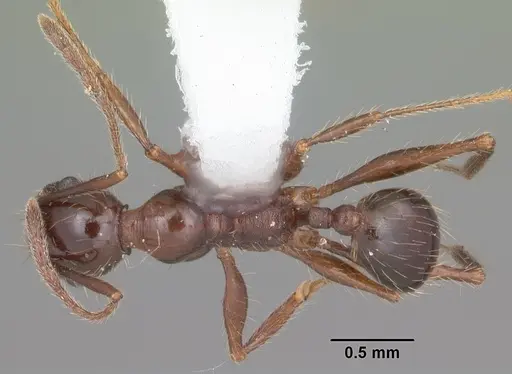
CASENT0178041
View on AntWeb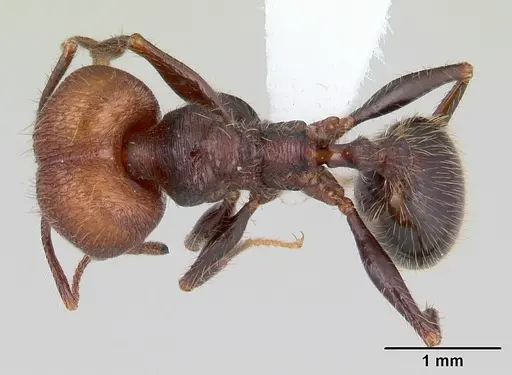
CASENT0178042
View on AntWeb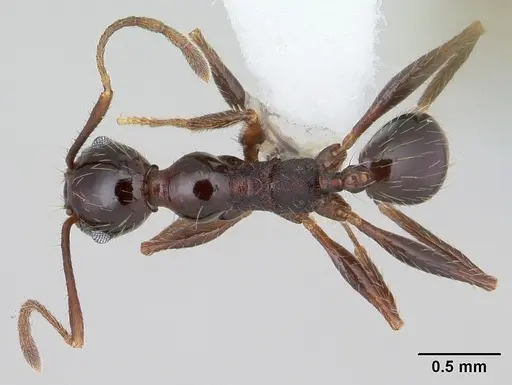
CASENT0653378
View on AntWeb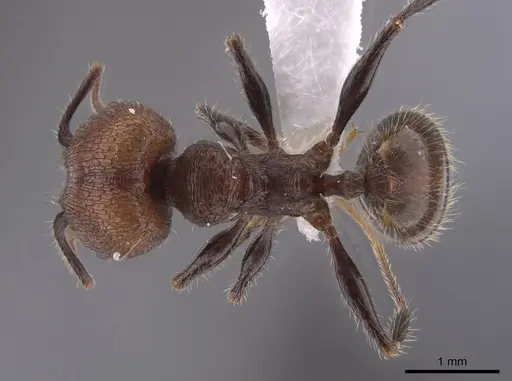
CASENT0913311
View on AntWeb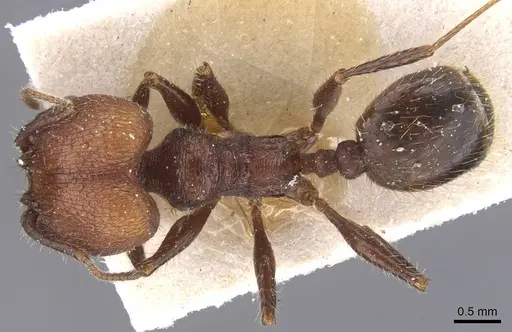
CASENT0913312
View on AntWeb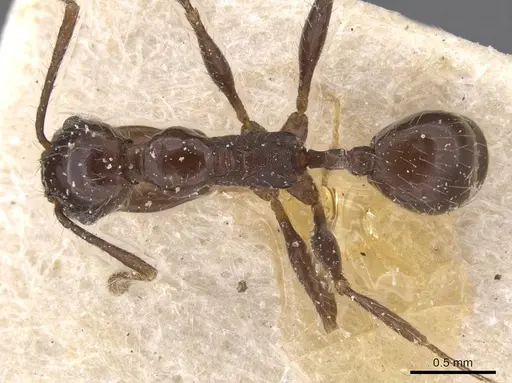
CBUMAGENT42068
View on AntWeb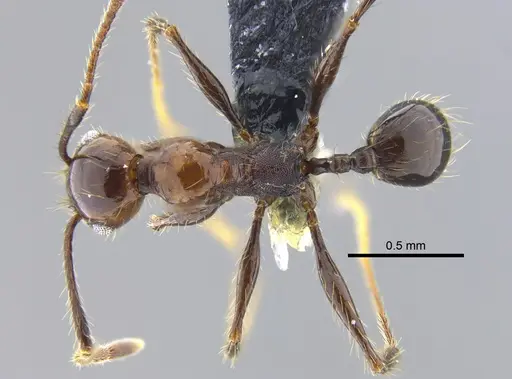
Literature
Loading...Loading products...