
Pheidole dentata shows a May to August flight window. Peak activity occurs in July, with nuptial flights distributed across 4 months.
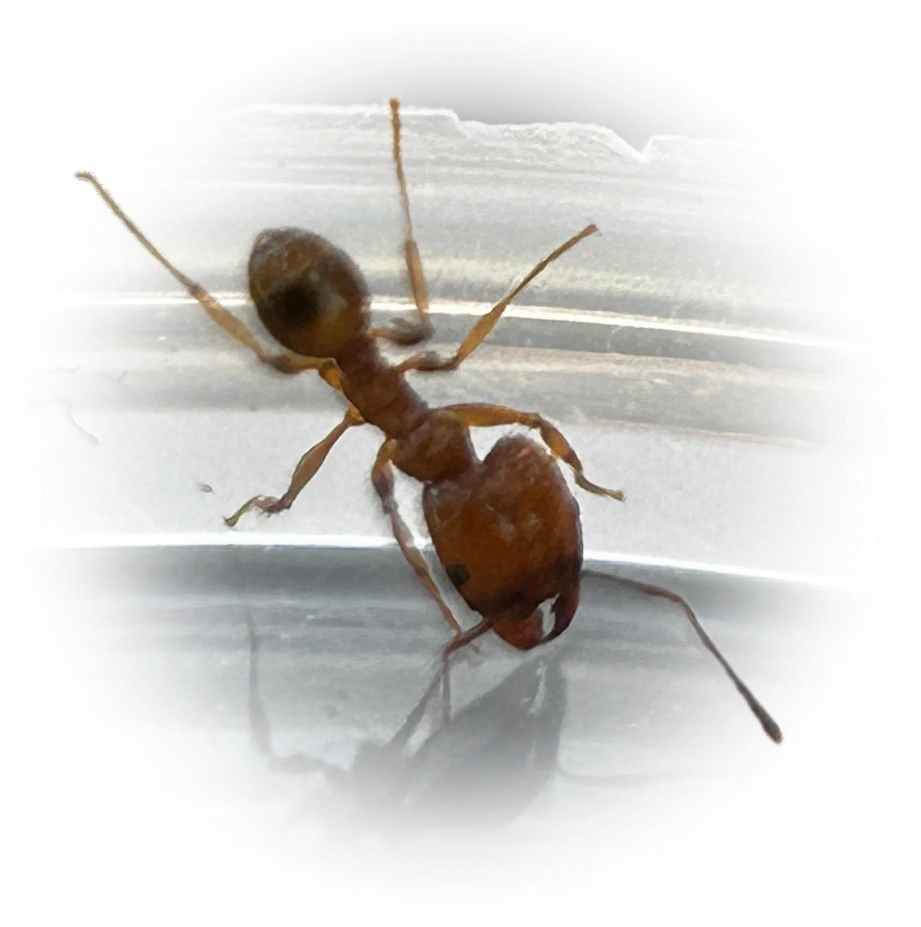
Pheidole dentata
- Scientific Name
- Pheidole dentata
- Tribe
- Attini
- Subfamily
- Myrmicinae
- Author
- Mayr, 1886
- Common Name
- Toothed Big-headed Ant
- Distribution
- Found in 1 countries
- Nuptial Flight
- from May to August, peaking in July
AI Identifiable
try →
Pheidole dentata Overview
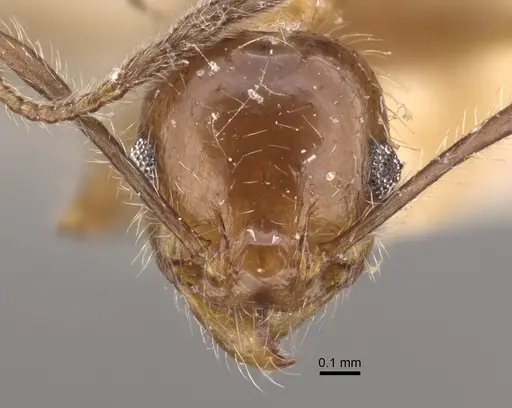
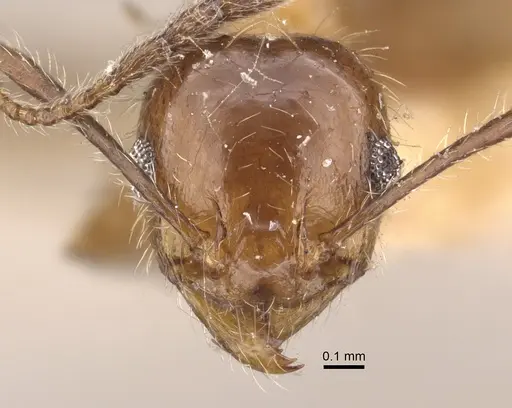
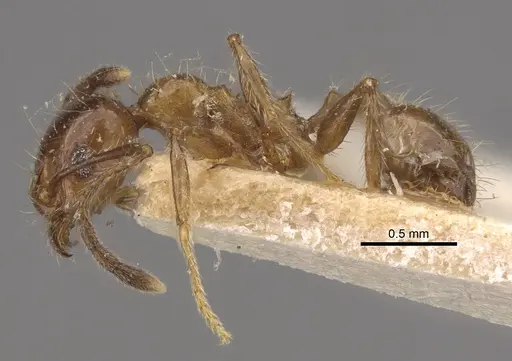
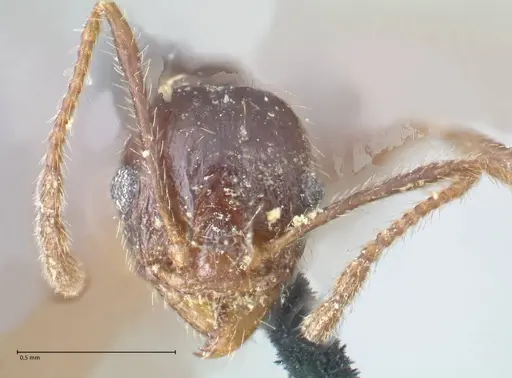
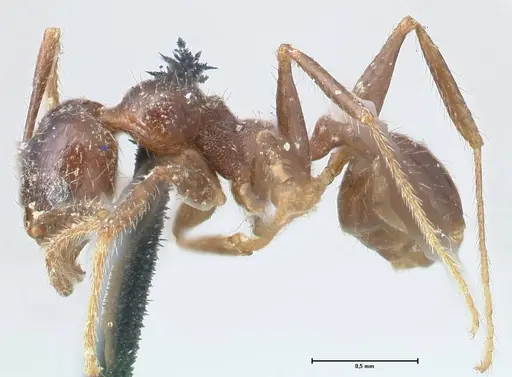
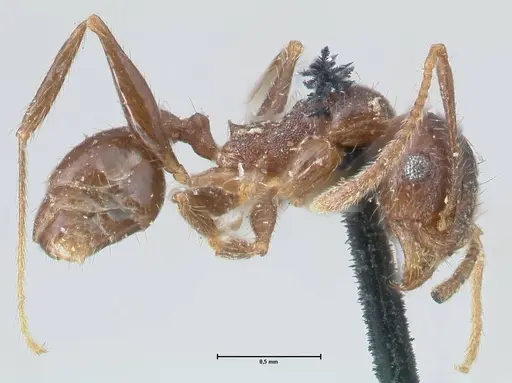
Pheidole dentata (commonly known as the Toothed Big-headed Ant) is an ant species of the genus Pheidole. It is primarily documented in 1 countries , including United States of America. Detailed taxonomic data and occurrence records can be further explored via authoritative databases such as AntWeb or the Global Biodiversity Information Facility (GBIF).
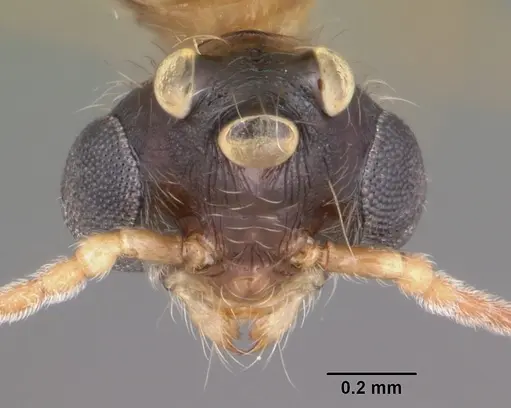
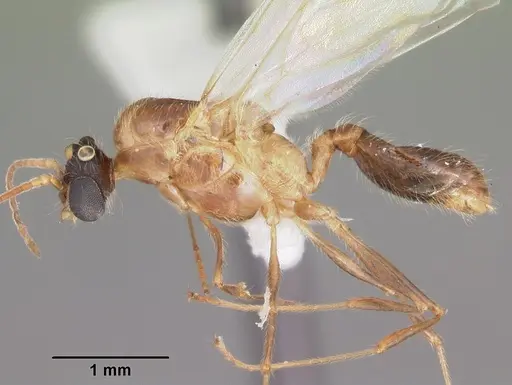
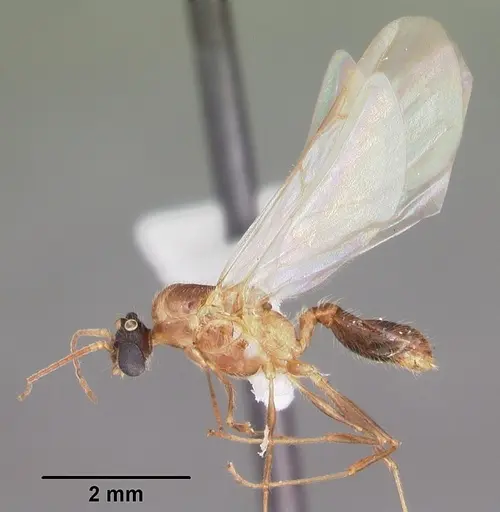
The nuptial flight of Pheidole dentata is a significant biological event, typically occurring from May to August, peaking in July. During this time, winged queens and males leave the nest to mate and establish new colonies.
Pheidole dentata - "Toothed Big-headed Ant"
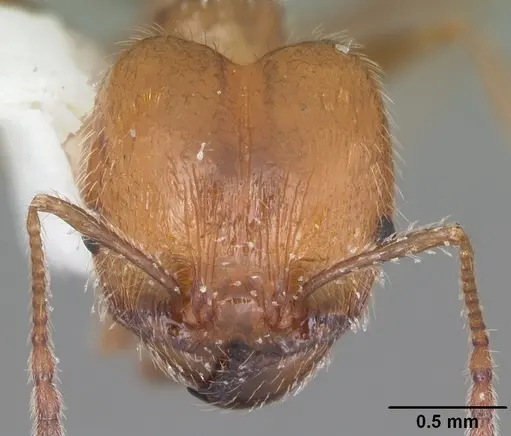
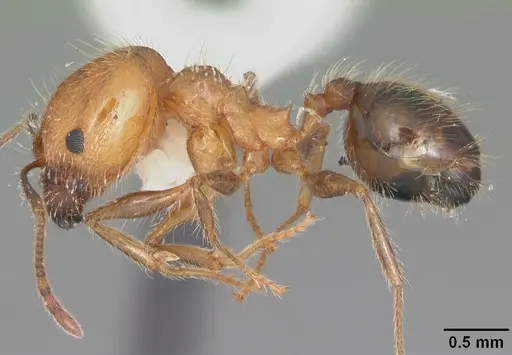
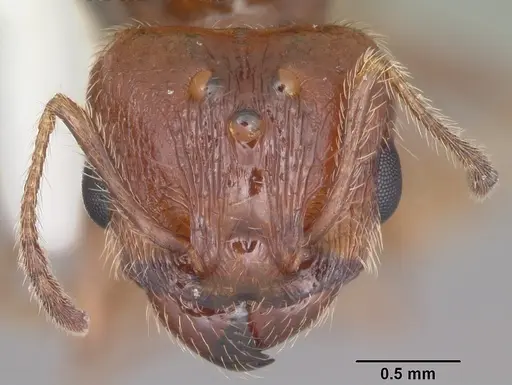
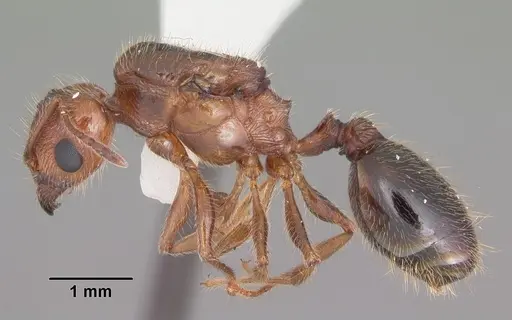
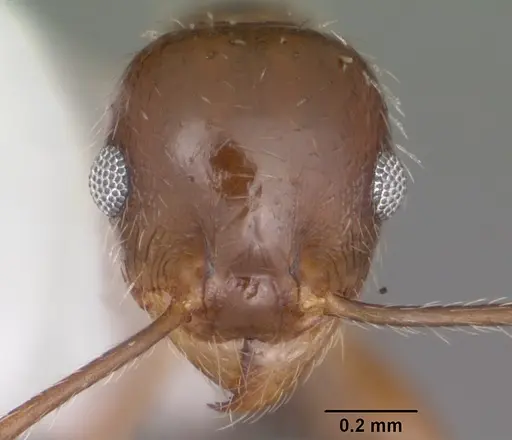
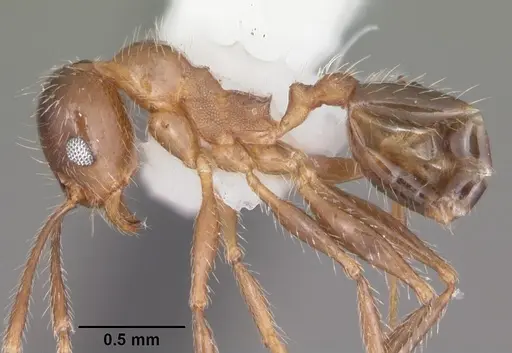
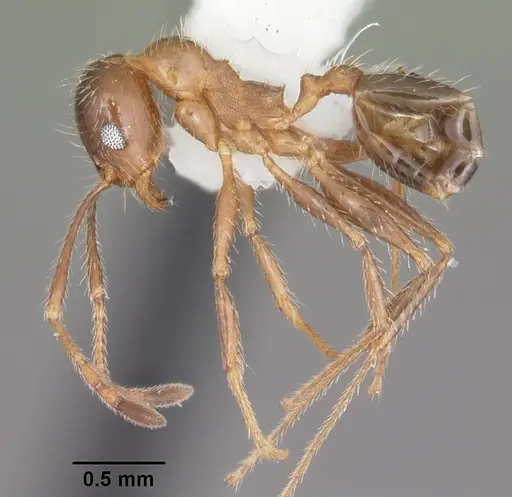
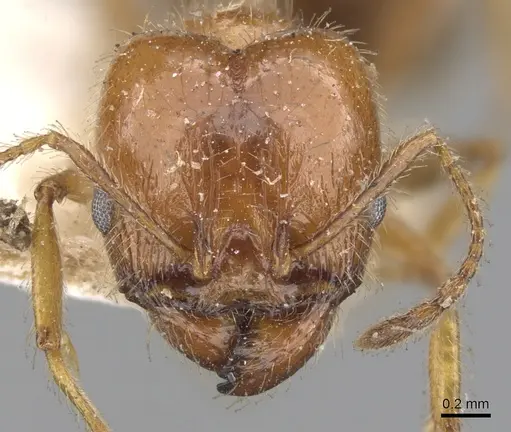
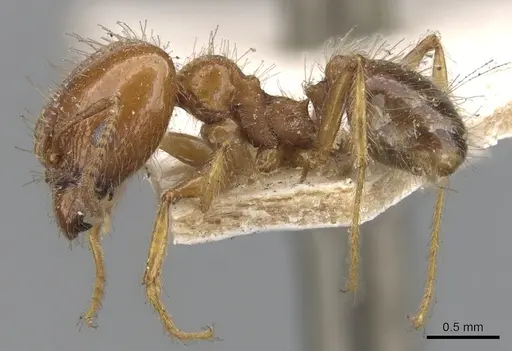
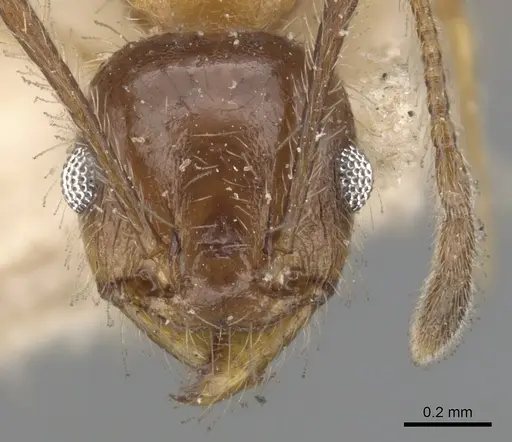
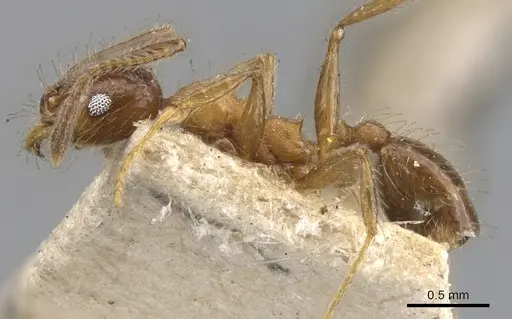
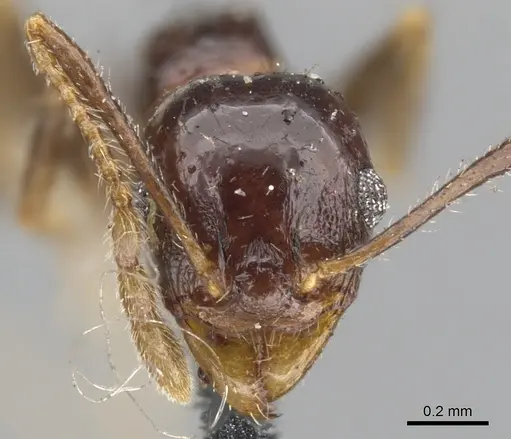
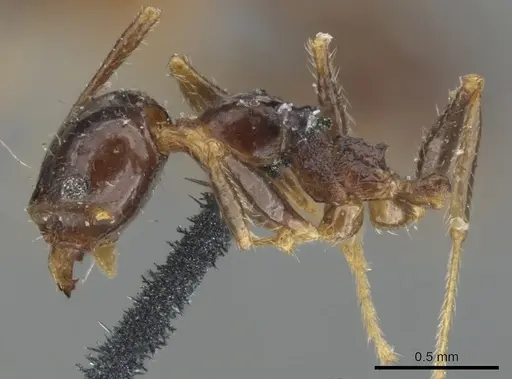
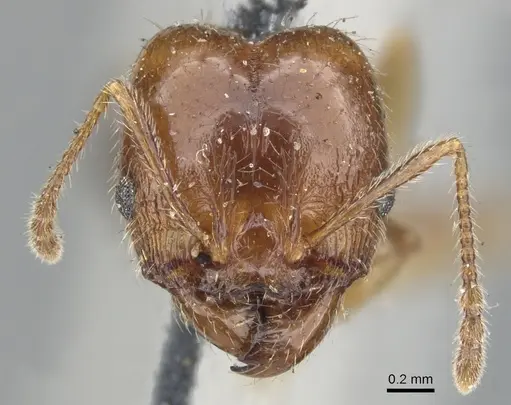
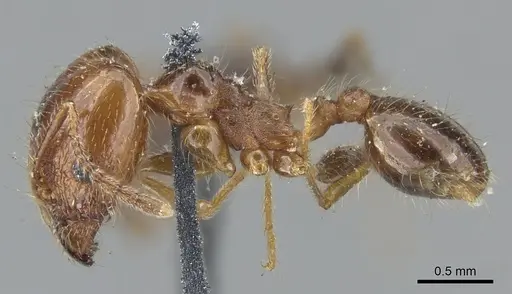
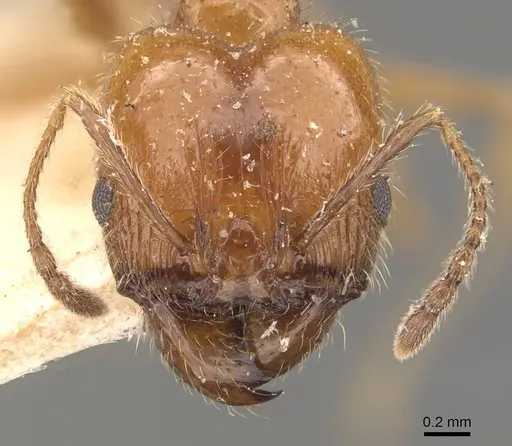
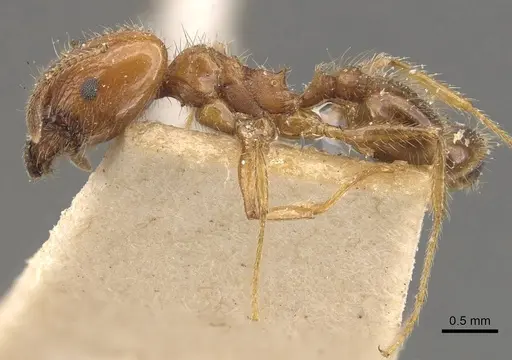
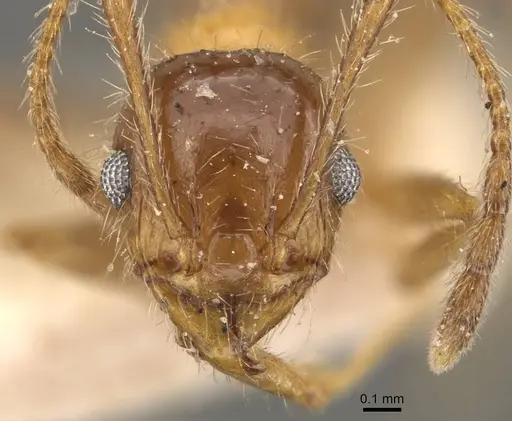
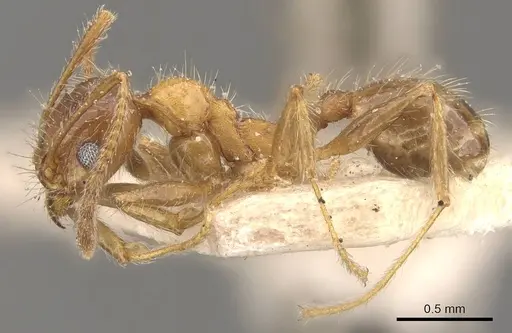
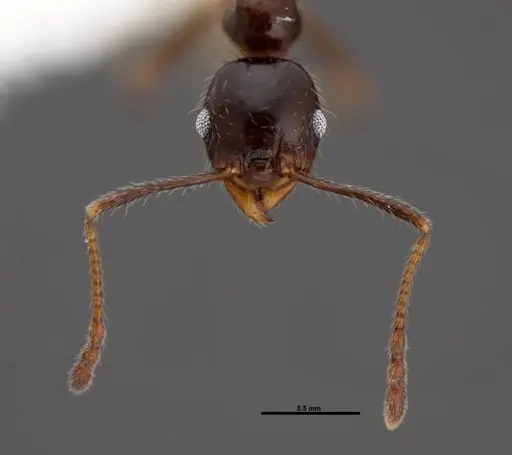
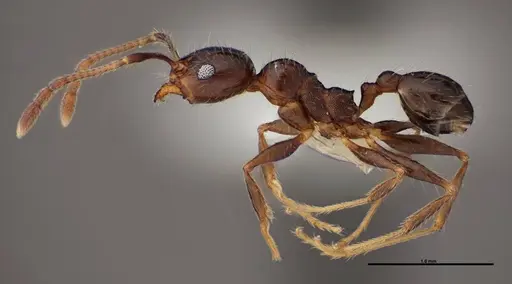
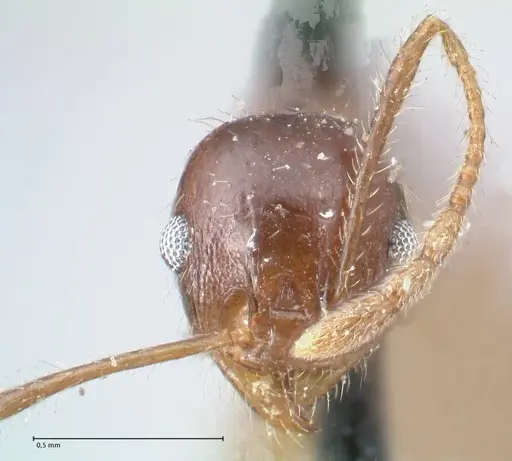
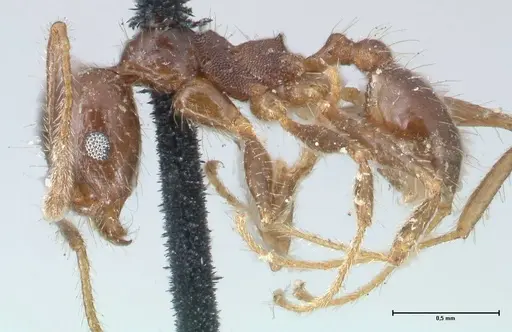
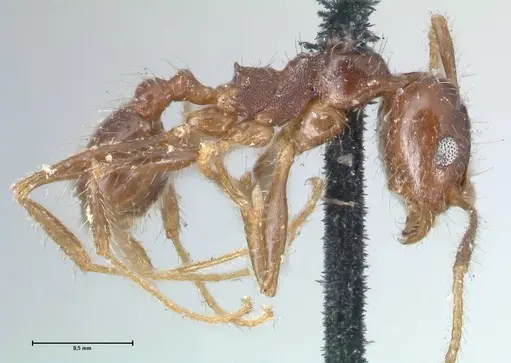
Pheidole dentata is a small, completely dimorphic ant native to the southeastern United States. The genus name Pheidole means 'thimble' in Greek, referring to their distinctive swollen postpetiole. This species has two worker castes: small minor workers that handle brood care, nest maintenance, and foraging, and large major workers (sometimes called soldiers) with massive heads specialized for colony defense and seed processing. Colonies are monogyne, containing a single queen, and can grow to 1,000-10,000 workers [1]. They are one of the most abundant native ants in the southeastern US, found from Maryland south to Florida and west to Texas and northern Mexico [2]. Their coloration varies widely, dark forest forms and lighter open-ground forms occur throughout their range, sometimes varying even within the same colony [3].
Quick Summary
- Difficulty: Easy
- Origin & Habitat: Southeastern United States (Maryland to Florida Keys, west to Illinois, Kansas, and Texas) and northern Mexico. Found in diverse habitats including coniferous and deciduous woodlands, beaches, city streets, and even concrete sidewalks. Nests in rotting logs and stumps, soil beneath rotting wood, and in open ground [3][2].
- Colony Type: Monogyne (single-queen colonies). Colonies contain a single reproductive queen with 10-15% major workers (soldiers) and 85-90% minor workers [4][5].
- Colony: Monogyne
- Founding: Claustral
- Size & Growth:
- Queen: Not directly measured in primary literature, estimated based on genus patterns at 5-7mm
- Worker: Minor workers: 2.5-3mm (HW 0.58mm). Major workers: 4-5mm (HW 1.14mm) [3]
- Colony: 1,000-10,000 workers [1]
- Growth: Moderate
- Development: 6-10 weeks (estimated based on related Pheidole species and lab conditions at 28°C) (Colonies can reach maturity within about a year under laboratory conditions [3]. Minor workers take 16-20 days for cuticle to fully darken as they mature [4].)
- Antkeeping:
- Temperature: Keep at 24-28°C. Laboratory colonies thrive at 28°C and 80% humidity [6]. They are active from March to September and show seasonal thermal tolerance plasticity [7]. Room temperature (22-24°C) works well for established colonies.
- Humidity: Keep nest substrate moderately moist. They naturally nest in rotting wood which retains moisture. Avoid both drying out and waterlogging. A humidity range of 60-80% mimics their preferred conditions.
- Diapause: Yes, they are active in warm months and reduce activity in winter. In captivity, you can simulate this by lowering temperatures to 15-18°C for 2-3 months during winter, or simply reduce feeding and keep them at room temperature.
- Nesting: In captivity, they do well in test tubes with water reservoirs (as used in research), Y-tong nests, or plaster nests. They prefer nests with chambers scaled to their size. Natural nesting sites include rotting logs, stumps, and soil beneath wood [3].
- Behavior: Pheidole dentata is behaviorally dominant and quickly responds to non-nestmate conspecifics and other ant species [8]. They are aggressive defenders of their nest and food sources. Minor workers perform brood care inside the nest when young (1-3 days) and transition to foraging outside as they age (20+ days), following a clear age-based division of labor [6]. They are cool-foraging species, most active during cooler parts of the day in summer [9]. They use mass recruitment to food sources, sending many workers to rich food finds. Escape risk is moderate, they are not tiny but can climb smooth surfaces. Use Fluon barriers on any setup.
- Common Issues: colonies can be outcompeted by invasive fire ants (Solenopsis invicta) if kept in shared spaces, keep them separate, major workers are targeted by parasitic phorid flies (Apocephalus), avoid keeping near other ant colonies that might carry parasites, colonies may decline in abundance when fire ants invade their habitat, this is a known ecological pressure in the wild [15], overfeeding can lead to mold in nest setups, remove uneaten food promptly, queen loss is fatal, monogyne colonies cannot recover if the queen dies
Nuptial Flight Activity Analysis 129 observations
Flight Activity by Hour 129 observations
Pheidole dentata nuptial flight activity peaks around 07:00 during the morning. Activity is spread across a 17-hour window (05:00–21:00). Times may be influenced by human observation patterns.
Housing and Nest Setup
Pheidole dentata adapts well to various captive setups. In research, colonies have been successfully kept in test tubes partially filled with water and fitted with tight cotton plugs, placed inside Fluon-lined plastic nest boxes [6]. For home keeping, Y-tong (acrylic) nests or plaster nests work well. They prefer chambers scaled to their size, not too large or too small. Since they naturally nest in rotting wood and damp soil, keep the nest substrate moderately moist. A water tube connected to a cotton plug provides moisture without flooding. Avoid placing the nest in direct sunlight or near heating vents that would dry it out. They do not require a large outworld, a simple foraging area with a Fluon barrier works. Given their colony size (up to 10,000 workers), plan for expansion space as the colony grows.
Feeding and Diet
These ants are omnivorous and feed voraciously on insects and sugar in laboratory settings [3]. Offer a mixed diet: protein sources like mealworms, small crickets, or other small insects 2-3 times per week. They also readily accept sugar water, honey, or diluted jam. Research shows they use Na baits more in inland forests than coastal areas, suggesting they benefit from mineral supplements [10]. Major workers have large mandibles capable of grinding seeds, so they can process harder foods that smaller ants cannot [11]. Remove uneaten prey after 24-48 hours to prevent mold. They are aggressive foragers and will quickly recruit many workers to good food sources through pheromone trails.
Temperature and Seasonal Care
Keep colonies at 24-28°C. Laboratory colonies have been successfully maintained at 28°C with 80% relative humidity under a 12-hour light/dark cycle [6]. They are active from March through September in the wild and show seasonal plasticity in their thermal tolerance, higher CTmax in September compared to March [7]. In winter, you can simulate their natural cycle by reducing temperatures to 15-18°C for 2-3 months, or simply keep them at room temperature with reduced feeding. Do not let temperatures drop below 10°C for extended periods. A heating cable on one side of the nest can create a temperature gradient, allowing ants to choose their preferred warmth.
Behavior and Colony Dynamics
This species exhibits clear temporal polyethism, young minor workers (1-3 days old) perform brood care inside the nest, while older workers (20+ days) transition to foraging outside [6]. Their cuticle color changes predictably with age: light yellow at 1-3 days to dark brown/black at 20+ days, making age easy to estimate [6]. Major workers are specialized for defense and rarely perform inside-nest tasks. When the colony is threatened, majors will respond with defensive behaviors. They are known to quickly and aggressively respond to non-nestmate conspecifics and other ant species, making them behaviorally dominant [8]. Workers have relatively short lifespans, 4-5 months in natural conditions, with laboratory studies showing 50% survival at 77 days [12].
Growth and Development
Colonies grow from a single queen through claustral founding, the queen seals herself in a chamber and lives off stored fat reserves until her first workers (nanitics) emerge. Based on related Pheidole species and laboratory conditions (28°C), expect 6-10 weeks from egg to first worker. Colonies can reach maturity (1,000+ workers) within about a year under good conditions [3]. The caste ratio is approximately 10-20% major workers, which is genetically determined rather than environmentally triggered [13]. Young major workers do not leave the nest to participate in defensive activities until they mature [4]. The brain development of minor workers is remarkable, their mushroom bodies (involved in learning and memory) undergo synaptic remodeling during their first few weeks, correlating with their expanding behavioral repertoire [6].
Common Problems and Health
Pheidole dentata faces several challenges in the wild and captivity. They are targeted by parasitic phorid flies (Apocephalus), only major workers are attacked and they actively try to avoid these parasites [14]. In the wild, they are significantly reduced by invasive fire ant (Solenopsis invicta) additions, as they are ecological equivalents with similar diets and colony sizes [15]. In captivity, avoid keeping them near other ant colonies that might harbor parasites. Overfeeding leads to mold problems, remove uneaten food promptly. Since they are monogyne, queen loss cannot be replaced. Watch for signs of stress: workers avoiding the nest, unusual lethargy, or brood abandonment. They prefer forested/closed habitats in the wild, so provide some darkness and shelter in their setup.
Legal and Ethical Considerations
Pheidole dentata is native to the southeastern United States and northern Mexico. If you live within this range, you can release colonies back into appropriate habitat (woodland areas with rotting logs). However, they have declined significantly in relative abundance from 1965 to 2019 due to invasive species and habitat changes [16]. If you live outside their native range, do not release them, they are not invasive but should not be introduced outside their natural range. They are not protected species, so collection and keeping is legal throughout their range. Always ensure your colony was legally obtained from a reputable supplier or collected ethically.
Frequently Asked Questions
How long does it take for Pheidole dentata to get first workers?
Expect 6-10 weeks from egg to first worker at optimal temperature (around 28°C). This is typical for Pheidole species. The queen will seal herself in and not forage, she lives off stored fat until her first nanitic workers emerge.
Can I keep multiple Pheidole dentata queens together?
No. This species is monogyne, colonies have a single queen. Unlike some Pheidole species that can be polygynous, P. dentata colonies will fight if you try to introduce multiple unrelated queens. Stick to one queen per colony.
What do Pheidole dentata ants eat?
They are omnivorous. Offer small insects (mealworms, crickets, fruit flies) as protein 2-3 times per week, and sugar water, honey, or diluted jam constantly. They also eat seeds, major workers have large mandibles capable of grinding them. Remove uneaten food after 24 hours to prevent mold.
Are Pheidole dentata good for beginners?
Yes, they are considered easy to keep. They adapt well to various nest types, accept a wide variety of foods, and have straightforward temperature requirements. Their clear age-based division of labor is also interesting to observe. Just ensure good escape prevention and avoid keeping them near other ant colonies.
Do Pheidole dentata need hibernation?
They naturally reduce activity in winter. In captivity, you can provide a winter rest period by lowering temperatures to 15-18°C for 2-3 months, or simply reduce feeding at room temperature. This mimics their natural cycle and may benefit colony health long-term.
How big do Pheidole dentata colonies get?
Colonies can reach 1,000 to 10,000 workers [1]. They typically reach maturity within about a year in good conditions. The caste ratio is roughly 10-20% major workers (soldiers) and 80-90% minor workers.
Why are my Pheidole dentata dying?
Common causes include: parasite exposure (phorid flies target majors), competition from other ants, queen death (fatal for monogyne colonies), mold from overfeeding, or temperatures outside their 24-28°C range. Check for signs of phorid fly parasitism (majors behaving strangely) and ensure clean conditions.
When should I move Pheidole dentata to a formicarium?
You can start them in a test tube setup and move to a larger nest when the colony reaches several hundred workers. They do well in Y-tong nests, plaster nests, or naturalistic setups with rotting wood. Ensure the chambers are appropriately sized, not too large for the colony.
References

This caresheet is licensed under CC BY-SA 4.0 .
ANTWEB1041649
View on AntWeb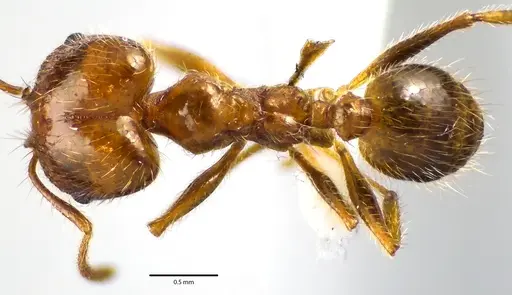
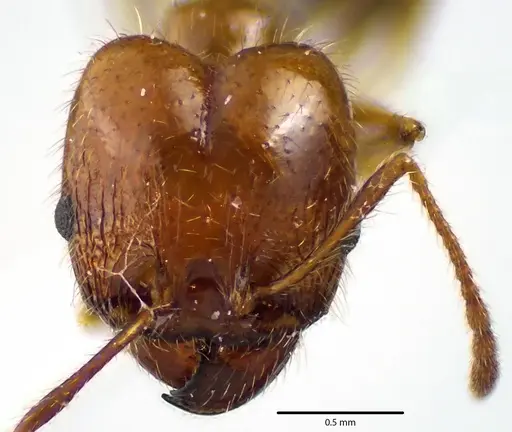
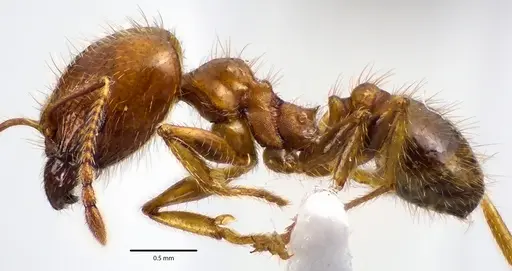
CASENT0103872
View on AntWeb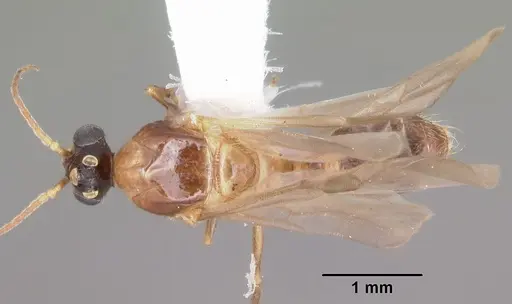
CASENT0103882
View on AntWeb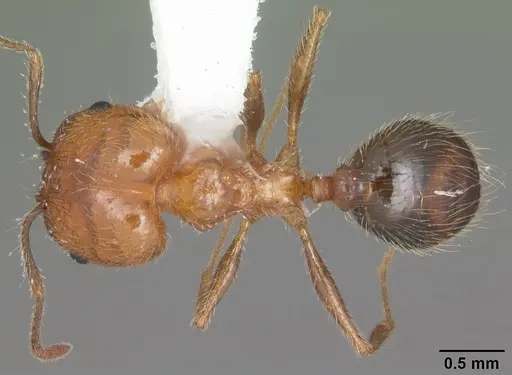
CASENT0103883
View on AntWeb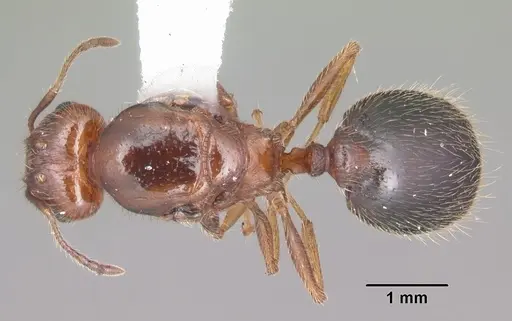
CASENT0104240
View on AntWeb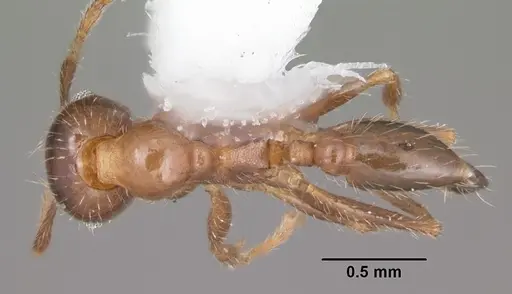
CASENT0901475
View on AntWeb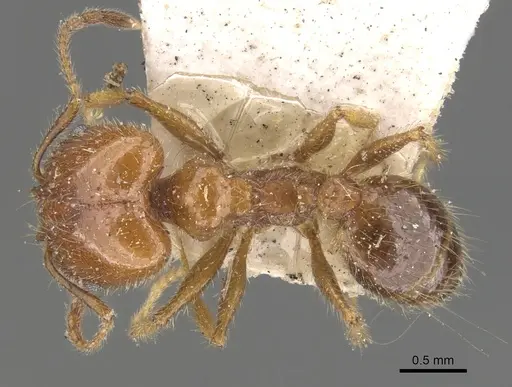
CASENT0901476
View on AntWeb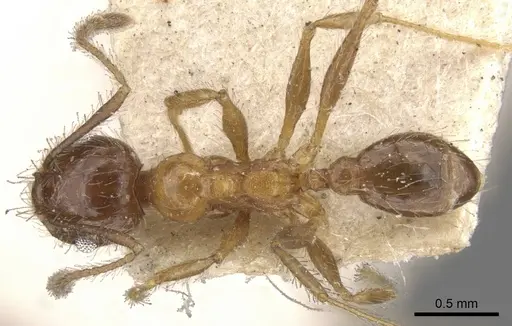
CASENT0901549
View on AntWeb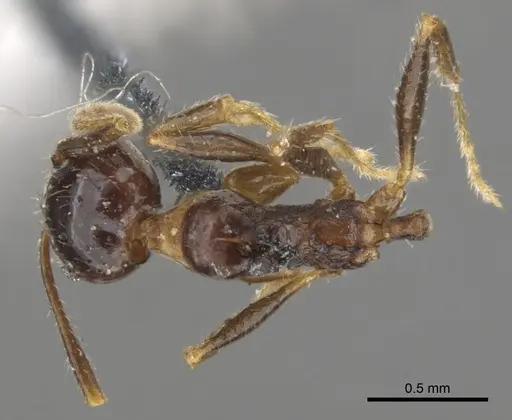
CASENT0901550
View on AntWeb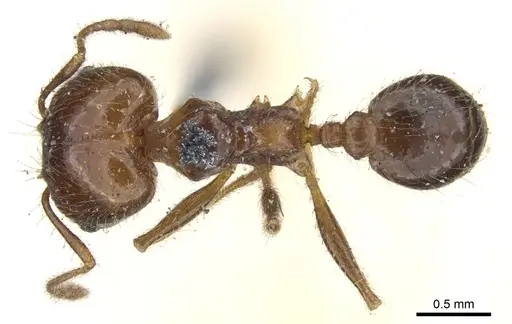
CASENT0908218
View on AntWeb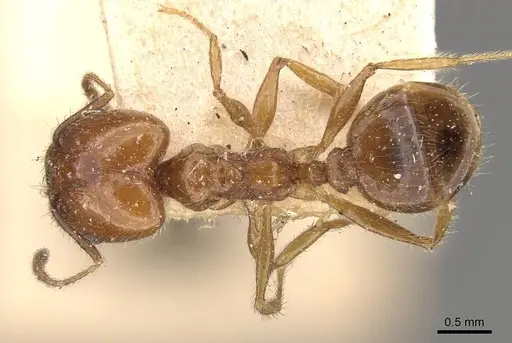
CASENT0908219
View on AntWeb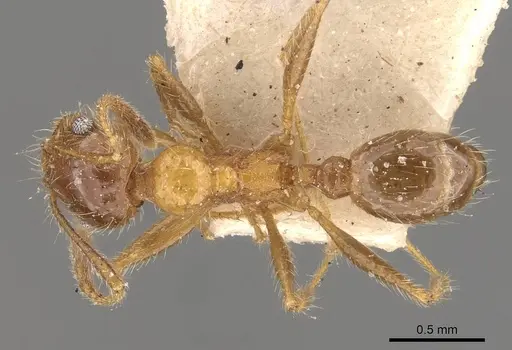
CASENT0917765
View on AntWeb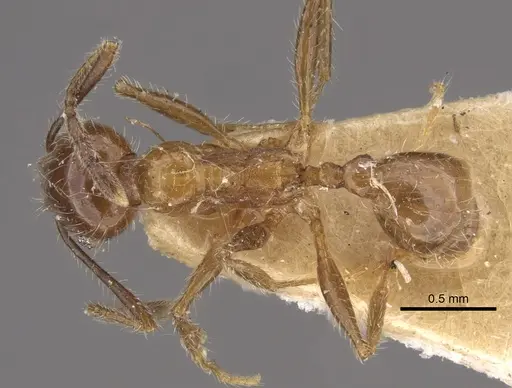
FMNHINS0000078503
View on AntWeb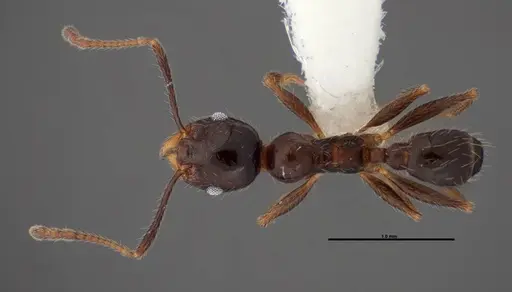
FOCOL1552
View on AntWeb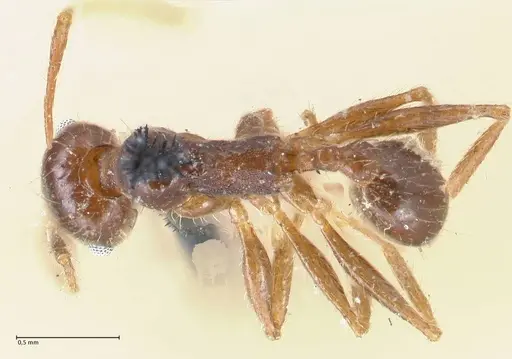
FOCOL1553
View on AntWeb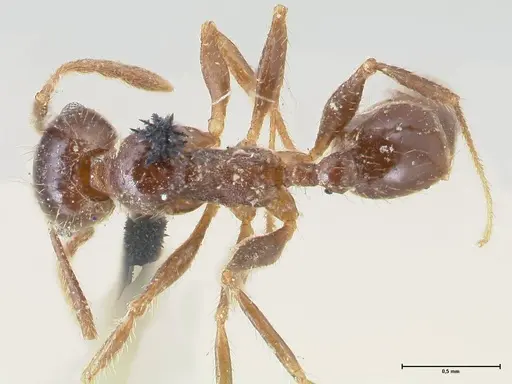
Literature
Loading...Loading products...