

Pheidole obscurifrons
- Scientific Name
- Pheidole obscurifrons
- Tribe
- Attini
- Subfamily
- Myrmicinae
- Author
- Santschi, 1925
- Distribution
- Found in 1 countries
Pheidole obscurifrons Overview
Pheidole obscurifrons is an ant species of the genus Pheidole. It is primarily documented in 1 countries , including Argentina. Detailed taxonomic data and occurrence records can be further explored via authoritative databases such as AntWeb or the Global Biodiversity Information Facility (GBIF).
Pheidole obscurifrons
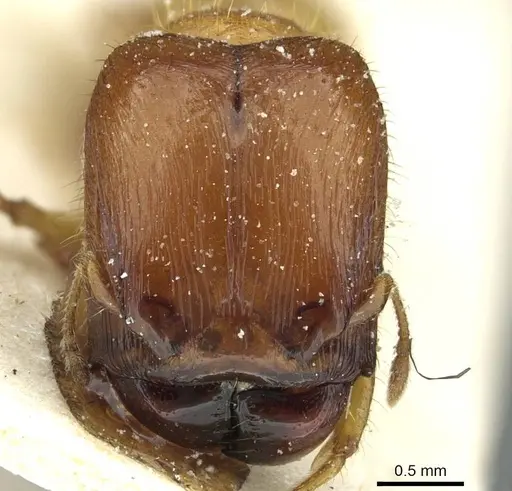
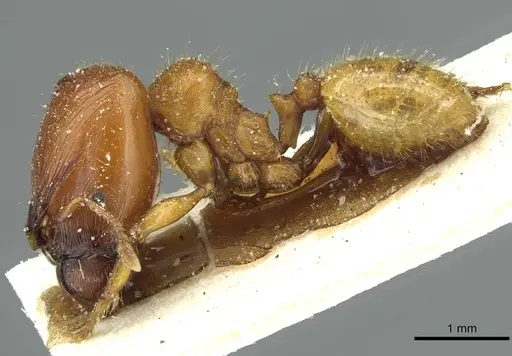
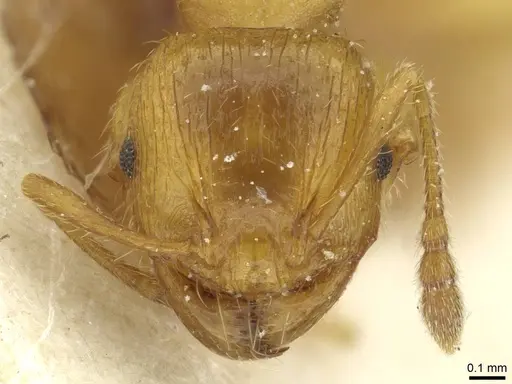
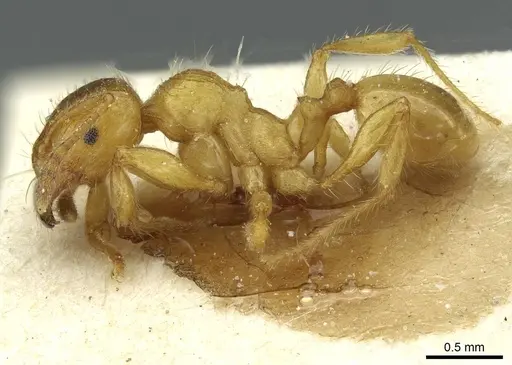
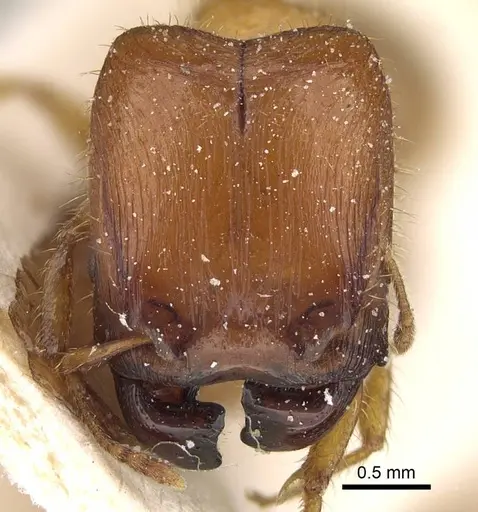
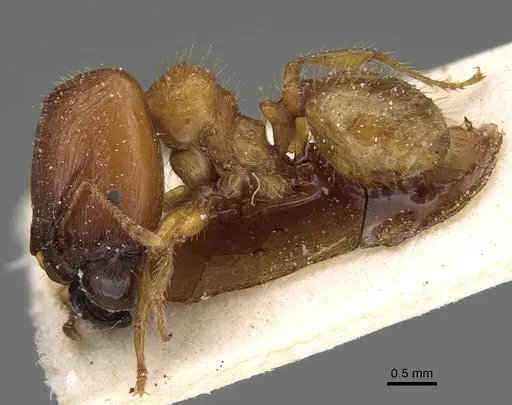
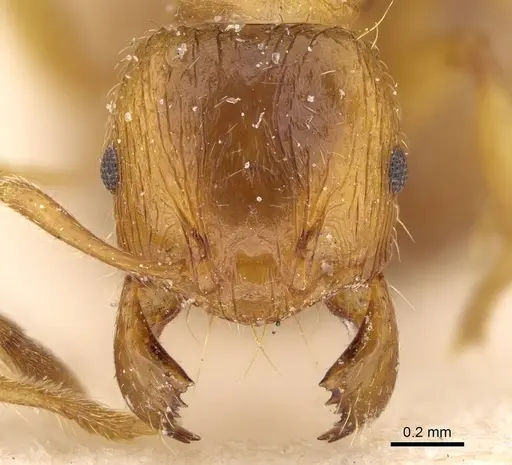
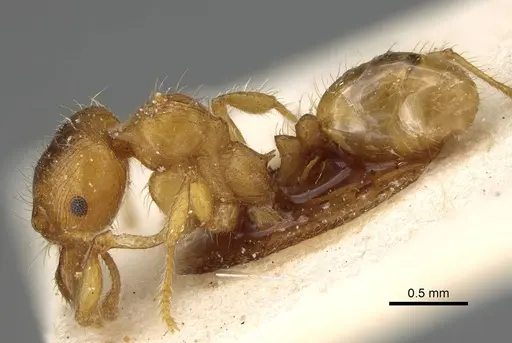
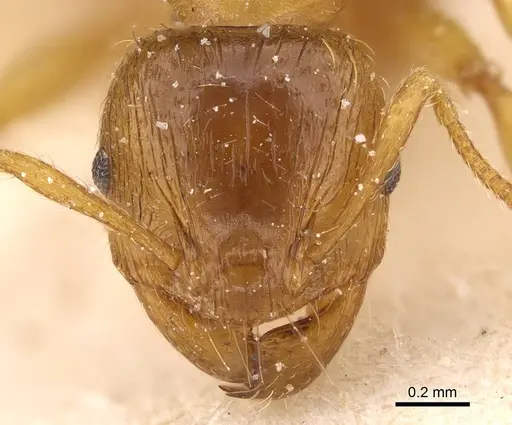
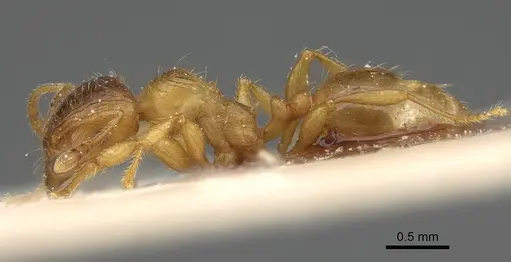
Pheidole obscurifrons is a small ant species native to southern South America, found in Argentina and recently recorded in southern Brazil. The species was originally described as a variety of P. aberrans in 1925 and raised to full species status in 2003. Major workers are larger (about 7mm total length) with a reddish-brown coloration, while minor workers are smaller and plain yellow. Like all Pheidole species, they have two worker castes: majors with large heads for seed-crushing, and minors that handle most foraging and brood care. The species is assigned to the Generalized Myrmicinae functional group, indicating it occupies a broad ecological niche in its native habitat.
Quick Summary
- Difficulty: Unknown, too little data to assess
- Origin & Habitat: Native to the Neotropical region, specifically Santa Fe and Cordoba provinces in Argentina, with a southernmost Brazilian record in the Pantanal [1][2]. Found in ground-nesting habitats in the Argentine provinces of Santa Fe and Cordoba [2][3].
- Colony Type: Colony structure is unconfirmed. Based on typical Pheidole patterns, likely single-queen colonies, but this has not been documented for this specific species.
- Colony: Monogyne
- Founding: Claustral
- Size & Growth:
- Queen: Approximately 7mm total length based on major worker measurements (HW 1.70mm). Estimated from genus patterns.
- Worker: Major workers: HW 1.70mm, HL 2.00mm. Minor workers: HW 0.76mm, HL 0.82mm.
- Colony: Unknown for this species. Pheidole colonies typically reach several hundred to a few thousand workers.
- Growth: Unknown, no development data exists for this species
- Development: Unconfirmed, no direct observations. Based on typical Pheidole patterns in tropical regions, estimate 6-8 weeks at warm temperatures. (This is a rough estimate based on genus-level data. Actual development time is unknown.)
- Antkeeping:
- Temperature: Based on its Argentine distribution (temperate-warm subtropical), keep nest area around 22-26°C. Room temperature in most homes should work well. Provide a gentle temperature gradient so ants can choose their preferred zone.
- Humidity: Moderate humidity is likely appropriate. Keep nest substrate slightly moist but not waterlogged. The Pantanal record suggests tolerance for humid conditions. Allow some drier areas for ants to self-regulate.
- Diapause: Unknown, no data on overwintering requirements. Argentine populations may experience cooler winters in Cordoba province. Consider providing a cool period (15-18°C) for 2-3 months if the colony shows reduced activity, but this is speculative.
- Nesting: Ground-nesting species. In captivity, standard test tubes work well for founding colonies. Once established, a Y-tong (AAC) or plaster nest with chambers scaled to their size provides adequate space. Avoid overly large nests, Pheidole prefer snugger chambers.
- Behavior: Pheidole obscurifrons is likely a generalist forager similar to other Generalized Myrmicinae. Major workers specialize in seed processing, while minors handle most foraging and brood care. Escape risk is moderate, majors are sturdy but minors are small enough to exploit gaps. Use standard barrier methods. Aggression levels are unknown but Pheidole are generally not particularly aggressive toward keepers.
- Common Issues: no biological data exists, this is essentially an unstudied species so care is based on genus assumptions, colony may fail to thrive if conditions don't match its specific needs, which are unknown, slow growth is common with Pheidole and beginners may lose patience, wild-caught colonies may have parasites or diseases that kill them in captivity
Species Background and Identification
Pheidole obscurifrons was originally described by Santschi in 1925 as a variety of Pheidole aberrans. It was elevated to full species status in 2003 by Wilson based on morphological differences. The species name 'obscurifrons' means 'dark or indistinct brown', likely referring to the reddish-brown coloration of major workers. The species is assigned to the subgenus Elasmopheidole, a small group within Pheidole. Major workers are distinctive with their large size and reddish-brown coloration, while minor workers are smaller and plain yellow. The two worker castes are clearly differentiated, with majors having the characteristic large heads Pheidole are known for.
Distribution and Habitat
This species is known from central Argentina, specifically Santa Fe and Cordoba provinces, with a recent record from the Pantanal region in southern Brazil [1]. The Pantanal record represents the southernmost occurrence in Brazil. The species has been recorded in Santa Fe province as a new record for both the province and Argentina [2]. It is assigned to the functional group Generalized Myrmicinae, which indicates it occupies a broad ecological niche and is not particularly specialized [3]. In its native range, it nests in the ground, likely in open or partially shaded areas typical of the Argentine pampas and subtropical regions.
Known Biology
Unfortunately, nothing specific is known about the biology of Pheidole obscurifrons. This is one of the least studied ant species in the hobby. What we can infer comes from general Pheidole genus knowledge: they are seed-eating ants (as members of the tribe Attini) with major workers specialized for seed crushing. They typically have two worker castes, majors and minors, with minors handling most foraging and brood care, and majors specializing in seed processing and colony defense. Colonies are likely founded by a single claustral queen who seals herself in a chamber and raises the first brood alone on stored fat reserves. The Generalized Myrmicinae classification suggests this is a flexible, adaptable species rather than a specialist.
Housing and Nesting
For captive care, start with a standard test tube setup for the founding queen. Fill the tube with water and plug with cotton, this provides humidity for several weeks. Keep the tube in a dark, quiet location and avoid disturbing the queen during the founding period. Once the colony reaches 20-30 workers, you can consider moving them to a small formicarium. A Y-tong (AAC) nest or plaster nest works well for Pheidole, they prefer chambers that aren't overly large. Ensure the nest has a water reservoir to maintain humidity. Provide an outworld area for foraging. Escape prevention should include standard barriers, the majors are large enough that they cannot squeeze through most gaps, but minors are smaller.
Feeding
Based on Pheidole genus habits, these ants likely accept a varied diet. Offer seeds (grass seeds, millet, cracked sunflower seeds) which majors will process using their large mandibles. Protein sources like small insects (fruit flies, small crickets, mealworms) should be offered regularly. Sugar water, honey, or diluted syrup is typically accepted. Feed every 2-3 days for established colonies, removing any uneaten food after 24 hours. Fresh water should always be available. Since we have no specific feeding data for this species, observe what your colony accepts and adjust accordingly.
Temperature and Seasonal Care
Keep the nest area at roughly 22-26°C based on the species' subtropical Argentine distribution. Room temperature in most homes falls within this range. A gentle temperature gradient allows ants to regulate their own exposure. For the winter period, if your colony shows reduced activity, you might provide a cooler area around 15-18°C for 2-3 months. However, this is speculative since no diapause data exists for this species. Watch your colony's behavior, if they remain active year-round, no cooling is necessary. Avoid temperature extremes on both ends.
Frequently Asked Questions
How long does it take for Pheidole obscurifrons to raise first workers?
This is unknown, no development data exists for this species. Based on typical Pheidole patterns in warm conditions, estimate 6-8 weeks from egg to first worker. This is a rough guess, not a certainty.
What do Pheidole obscurifrons eat?
No specific feeding observations exist for this species. Based on typical Pheidole behavior, offer seeds (grass seeds, millet, sunflower), protein (small insects), and sugar sources (honey water). Start with a variety and see what your colony accepts.
Can I keep multiple queens together?
Not recommended, colony structure is unconfirmed for this species, and combining unrelated queens has not been documented. Most Pheidole are single-queen species, and queen introductions typically result in fighting.
Are Pheidole obscurifrons good for beginners?
This species is not recommended for beginners due to the complete lack of biological data. Every aspect of their care is based on genus-level assumptions, not species-specific knowledge. Consider starting with better-documented species like Pheidole pallidula or Pheidole megacephala.
How big do colonies get?
Colony size is unconfirmed for this specific species. Pheidole colonies commonly reach several hundred to a few thousand workers. Expect moderate growth over months to years.
What temperature do they need?
Based on their Argentine distribution, aim for 22-26°C. Room temperature in most homes should work well. Provide a temperature gradient so ants can choose their preferred zone.
Do they need hibernation?
Diapause requirements are unknown. The Argentine distribution suggests they may experience cooler winters. If your colony slows down in winter, providing a cool period (15-18°C) for 2-3 months may be beneficial, but this is speculative.
When should I move them to a formicarium?
Wait until the colony has 20-30 workers and the test tube is becoming crowded. Pheidole prefer snugger nests, so don't upgrade to a large formicarium prematurely. A small Y-tong or plaster nest works well.
References

This caresheet is licensed under CC BY-SA 4.0 .
CASENT0913254
View on AntWeb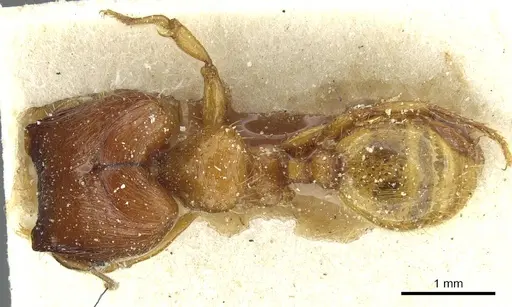
CASENT0913255
View on AntWeb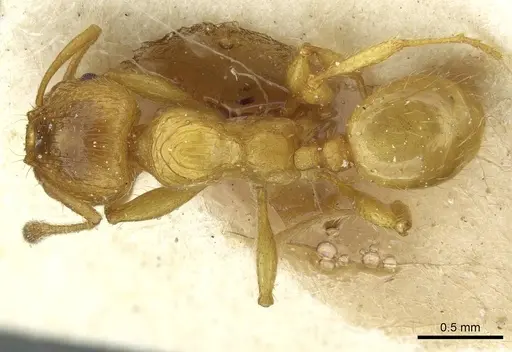
CASENT0922377
View on AntWeb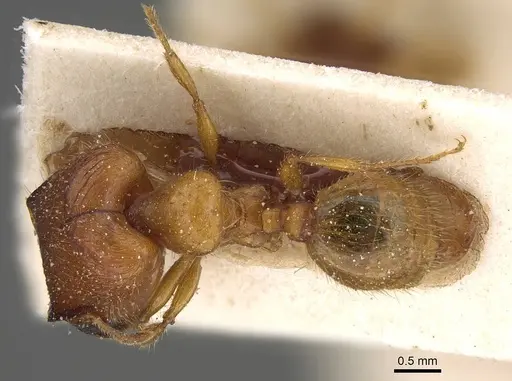
CASENT0922381
View on AntWeb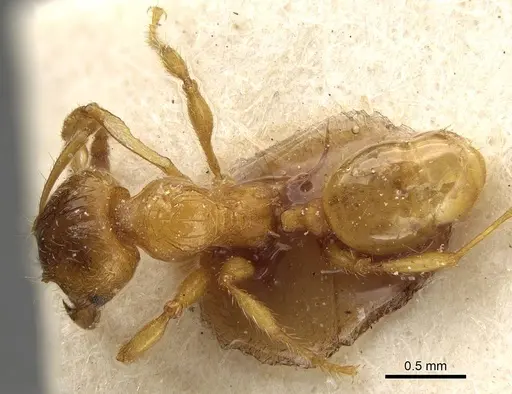
CASENT0922382
View on AntWeb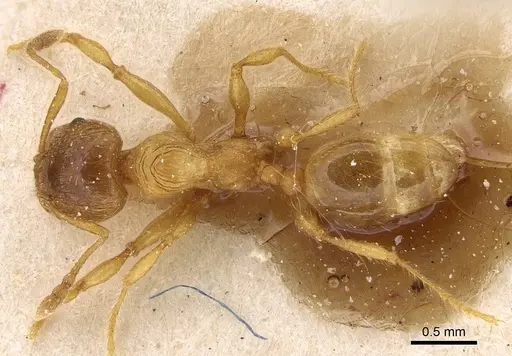
Literature
Loading...Loading products...