

Pheidole neokohli
- Scientific Name
- Pheidole neokohli
- Tribe
- Attini
- Subfamily
- Myrmicinae
- Author
- Wilson, 1984
- Distribution
- Found in 1 countries
Pheidole neokohli Overview
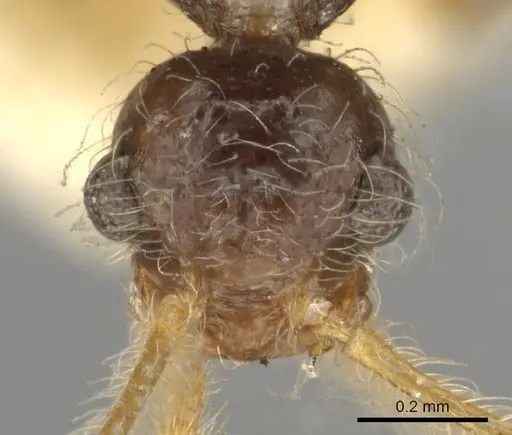
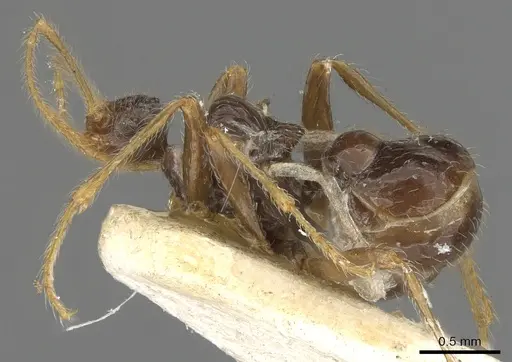
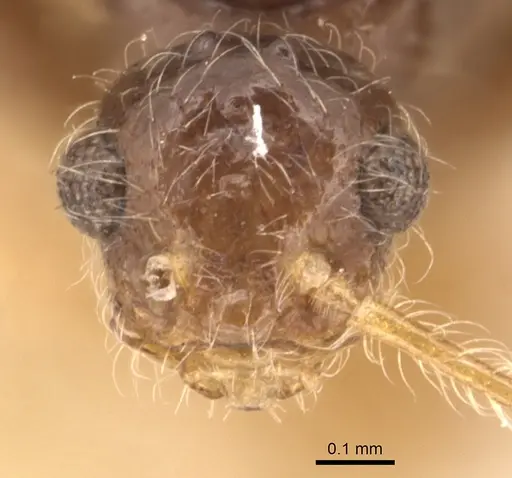
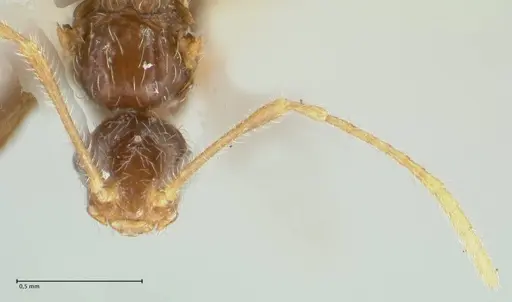
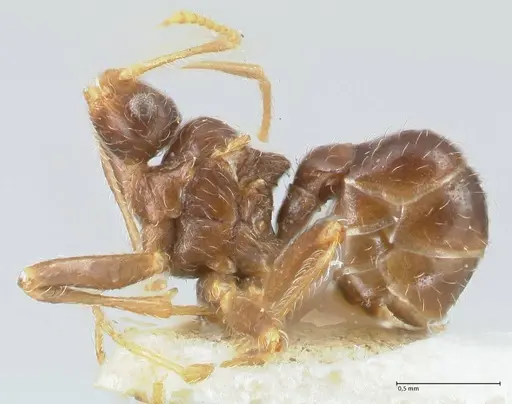
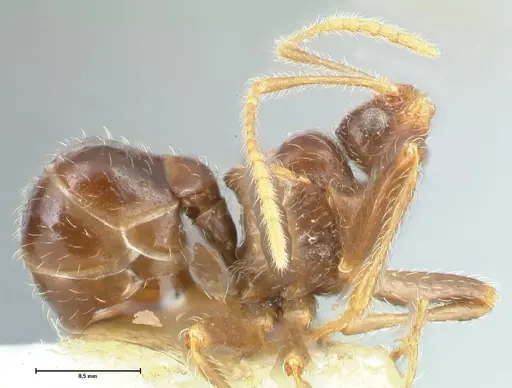
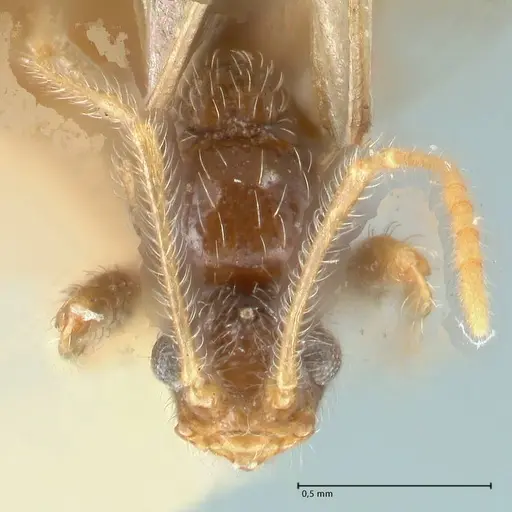
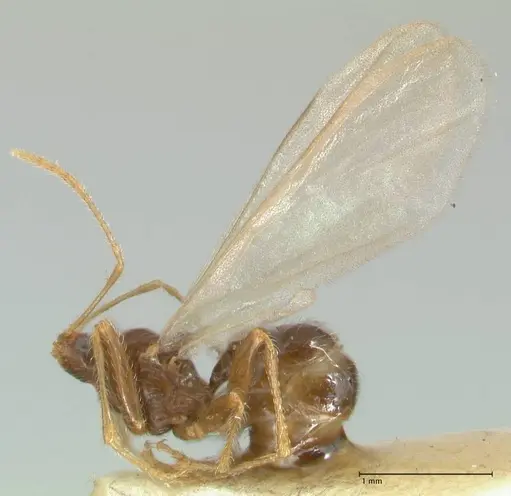
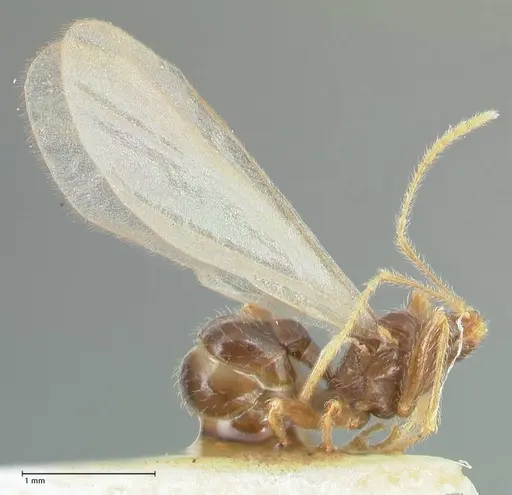
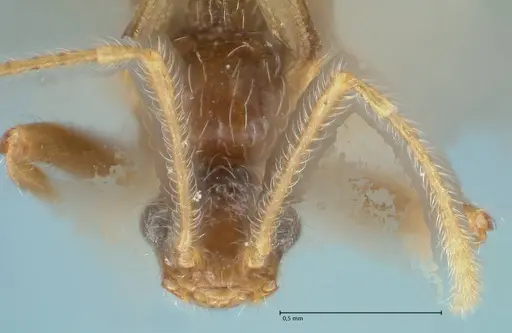
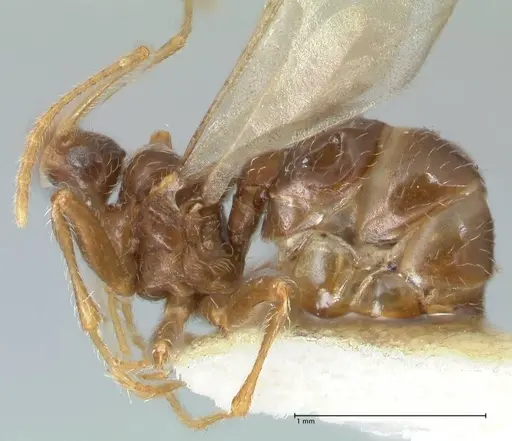
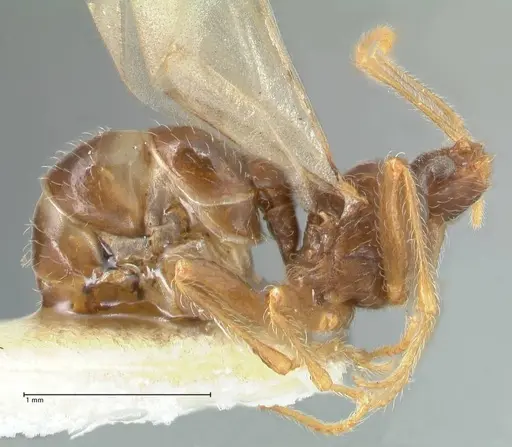
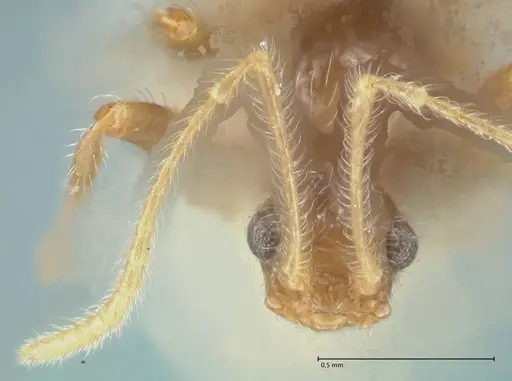
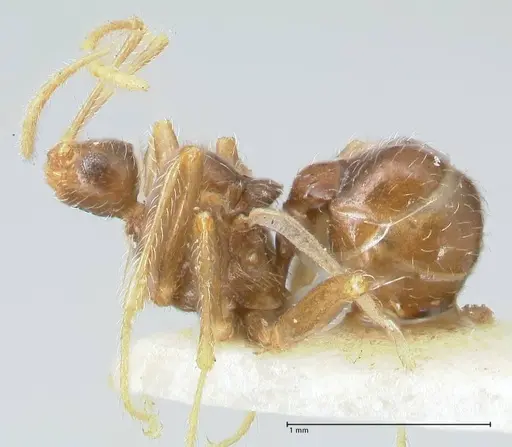
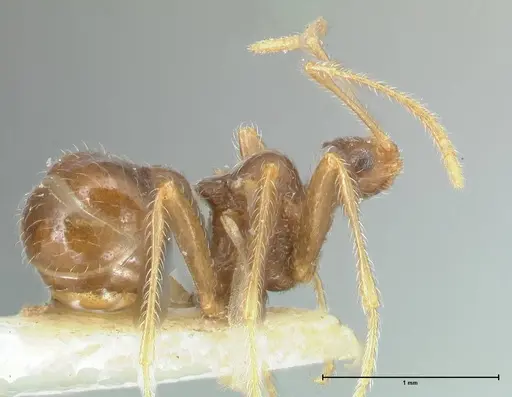
Pheidole neokohli is an ant species of the genus Pheidole. It is primarily documented in 1 countries , including Congo, Democratic Republic of the. Detailed taxonomic data and occurrence records can be further explored via authoritative databases such as AntWeb or the Global Biodiversity Information Facility (GBIF).
Pheidole neokohli
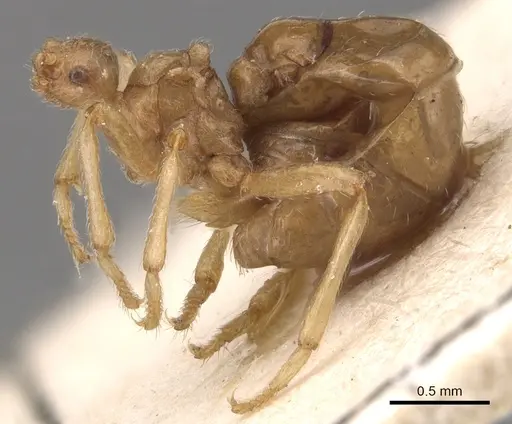
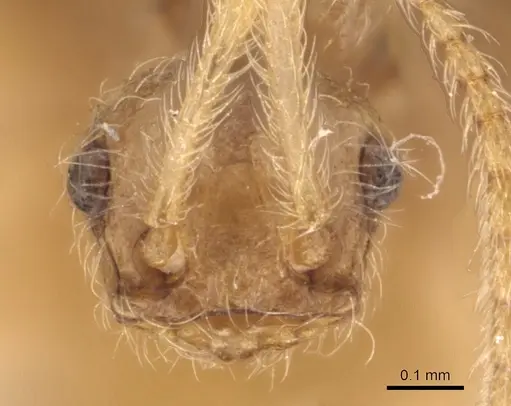
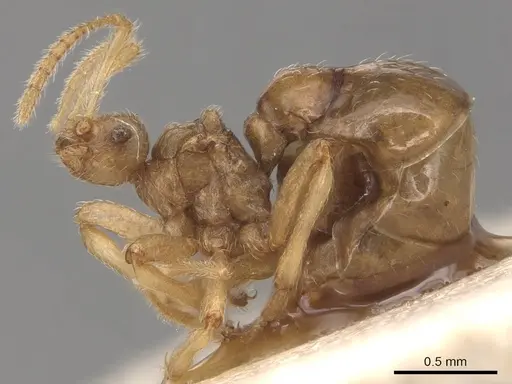
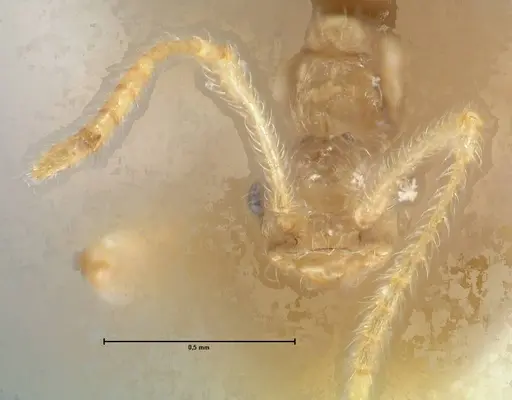
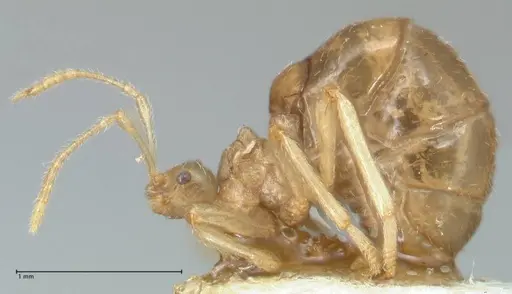
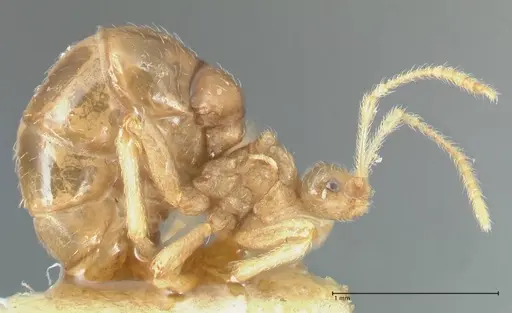
Pheidole neokohli is a small, workerless social parasite native to the Democratic Republic of Congo in Central Africa [1][2]. Originally described as Pheidole kohli in 1915,it was renamed by Wilson in 1984 after being recognized as a Pheidole species. The genus Pheidole is known for its distinctive major workers (soldiers) with large heads, but P. neokohli is unique in that it has lost the ability to produce its own worker caste entirely. This species represents one of the more unusual members of the Attini tribe, relying entirely on host colonies for survival.
Quick Summary
- Difficulty: Expert
- Origin & Habitat: Democratic Republic of Congo (Afrotropical region), specifically recorded in the Tshopo area. Endemic to this region [2].
- Colony Type: Workerless social parasite, this species cannot produce workers and depends entirely on host colonies of Pheidole megacephala melancholica [1]. The queen invades host colonies, kills or replaces the host queen, and uses the host workers to raise her brood.
- Queen: Socially parasitic, Temporary parasitic
- Size & Growth:
- Queen: Unknown, no specific measurements available
- Worker: Not applicable, this species does not produce workers
- Colony: Unknown, dependent on host colony size
- Growth: Unknown
- Development: Unknown, this species does not produce workers, the queen lays eggs that develop into new queens and males using host worker resources (As a social parasite, reproduction depends entirely on host colony resources rather than independent development)
- Antkeeping:
- Temperature: Unknown for this specific species. Related Pheidole species typically thrive at 22-28°C. Use a moderate temperature range around 24-26°C if attempting to maintain with a host colony.
- Humidity: Unknown, likely similar to host species requirements (moderate to high humidity preferred by Pheidole megacephala).
- Diapause: Unknown, likely follows host colony seasonal patterns
- Nesting: This species does not establish independent nests. In the wild, the queen lives within the nest of her host species (Pheidole megacephala melancholica). Captive keeping would require maintaining a host colony.
- Behavior: Pheidole neokohli is a specialized social parasite with no worker caste. The queen relies entirely on host workers for all colony functions including foraging, brood care, and nest maintenance. This is fundamentally different from keeping typical ant species. Escape risk is minimal as the queen cannot survive independently without a host.
- Common Issues: This species cannot be kept independently, it requires a host colony of Pheidole megacephala melancholica to survive, Obtaining both the parasite and appropriate host species is extremely difficult, The host colony may reject the parasite queen, leading to failure, This is not a beginner-friendly species and is rarely available in the antkeeping hobby, Releasing this species outside its native range could cause ecological problems
Understanding the Parasitic Lifestyle
Pheidole neokohli represents a fascinating but challenging case in ant biology, it is a workerless social parasite. Unlike typical ants where a queen founds a new colony by herself and raises her first workers, P. neokohli has lost this ability entirely. The species never produces workers, instead, the queen must invade an established colony of Pheidole megacephala melancholica (a subspecies of the widespread big-headed ant). Once inside, she kills or displaces the host queen and uses the host workers to raise her own reproductive brood. This type of parasitism is called temporary social parasitism, the parasite queen initially depends on host workers but eventually replaces the host queen's role entirely. The host colony effectively becomes a slave to the parasite, raising new parasite queens and males while their own colony reproduction ceases [1].
Why This Species Is Not Recommended for Most Antkeepers
For the vast majority of antkeepers, Pheidole neokohli is not a practical species to keep. The fundamental challenge is that this species cannot survive without a host colony of Pheidole megacephala melancholica. Even if you could obtain both species, establishing and maintaining a mixed colony presents enormous difficulties. The host workers may attack and kill the parasite queen. The parasite queen may fail to integrate properly. Even successful integration does not result in a typical ant-keeping experience, you would essentially be maintaining a host colony with an invisible parasite inside. Furthermore, Pheidole neokohli is extremely rare in the wild and endemic to a specific region of the Democratic Republic of Congo, making legal acquisition nearly impossible. For these reasons, this species remains in the realm of scientific study rather than hobby ant-keeping [1][2].
The Host Species: Pheidole megacephala
If you were to attempt keeping P. neokohli, you would need to maintain its host species Pheidole megacephala (specifically the melancholica subspecies). Pheidole megacephala is one of the world's most widespread and invasive ant species, known for its ability to form massive supercolonies and outcompete native ants. In its native African range, it occupies diverse habitats from forests to human-modified landscapes. The species is characterized by its distinctive dimorphic workers, minor workers are small and slender while major workers have massively enlarged heads used for seed-processing and defense. This species is highly adaptable and can thrive in various nesting sites including soil, rotting wood, and under stones. However, keeping P. megacephala itself carries responsibilities, it is considered invasive in many regions and should never be released outside its native range. [1]
Taxonomic History and Nomenclature
Pheidole neokohli has a complicated taxonomic history. It was first described in 1915 by Erich Wasmann as Pheidole kohli, placing it in a genus thought to contain workerless parasitic ants. However, the name Pheidole kohli was already preoccupied (already used) by Pheidole kohli described by Mayr in 1901,creating a junior secondary homonym. Wilson resolved this in 1984 by transferring the species to the genus Pheidole and giving it the replacement name 'neokohli' (meaning 'new kohli'). The species remains known only from the Democratic Republic of Congo, specifically the Tshopo region, and has not been widely collected or studied since its original description [2].
Frequently Asked Questions
Can I keep Pheidole neokohli as a pet ant?
No, Pheidole neokohli cannot be kept as a pet ant. This is a workerless social parasite that cannot survive without a host colony of Pheidole megacephala melancholica. Even if you could obtain both species, maintaining a mixed colony is extremely difficult and not practical for hobby antkeepers.
Why does Pheidole neokohli have no workers?
Pheidole neokohli has evolved to be completely dependent on host colonies. Over evolutionary time, it lost the ability to produce workers because the parasite queen uses host workers instead. This is an extreme adaptation to parasitic lifestyle, the species invests all its energy into producing new queens and males rather than workers that would be useless without a host.
How does the queen of Pheidole neokohli take over a host colony?
The queen invades an established colony of Pheidole megacephala melancholica. She uses chemical deception to avoid detection by host workers. Once inside, she locates and kills the host queen (or displaces her), then uses the host workers to care for her own eggs. The host workers continue their normal duties but now raise parasite brood instead of their own.
Where is Pheidole neokohli found in the wild?
Pheidole neokohli is endemic to the Democratic Republic of Congo, specifically found in the Tshopo region. It has only been recorded in central Africa and is not a widespread species.
Is Pheidole neokohli dangerous or aggressive?
Pheidole neokohli itself has no workers and cannot defend itself. Even the queen has reduced defensive capabilities compared to typical ants. The host species (Pheidole megacephala) can bite if threatened but is not considered dangerous to humans.
What do I feed Pheidole neokohli?
You cannot keep P. neokohli independently, so feeding is not applicable. If somehow maintained with a host colony, the host workers would forage for the entire colony. The host species Pheidole megacephala is omnivorous, accepting sugars, proteins, and seeds.
What makes Pheidole neokohli different from other Pheidole species?
Most Pheidole species are independent colony-founding ants with major and minor workers. P. neokohli is unique in being a workerless social parasite that cannot produce workers and depends entirely on host colonies. This makes it one of the most unusual species in the entire genus.
How long do Pheidole neokohli queens live?
The lifespan of P. neokohli queens is not specifically documented. However, as a parasite integrated into a host colony, the queen's lifespan would be tied to the host colony's survival. Host queen replacement by parasites often results in the parasite queen living for many years, potentially longer than typical Pheidole queens.
Is Pheidole neokohli a good species for beginners?
No. This species is absolutely not suitable for beginners or even experienced antkeepers in most cases. The requirement for a specific host colony, combined with the species' extreme rarity and specialized biology, makes it one of the most difficult (and effectively impossible) ants to keep. Beginners should start with independent colony-founding species like Lasius, Camponotus, or typical Pheidole species.
References

This caresheet is licensed under CC BY-SA 4.0 .
CASENT0901312
View on AntWeb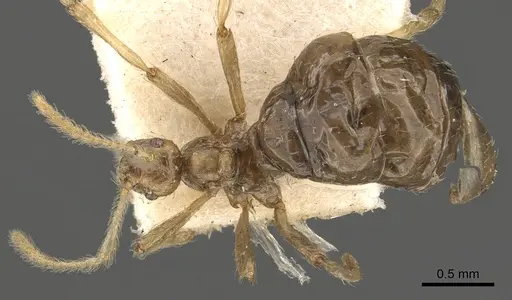
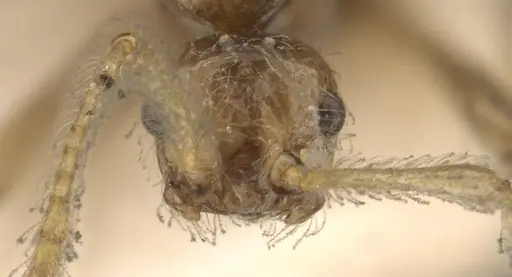
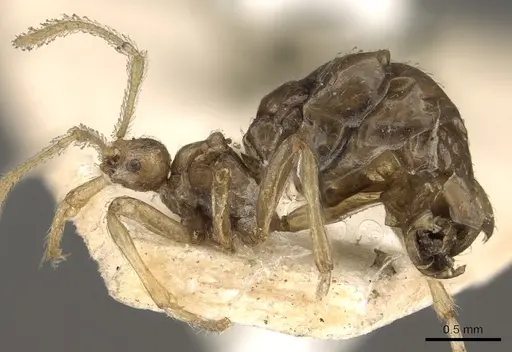
CASENT0901314
View on AntWeb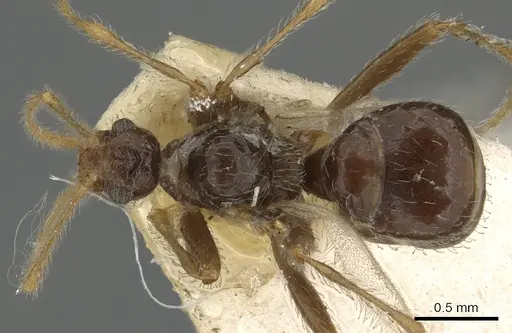
CASENT0904456
View on AntWeb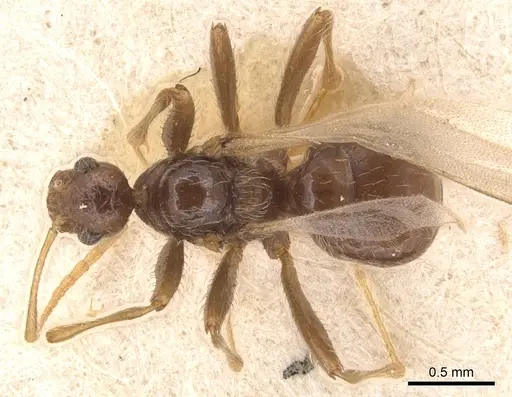
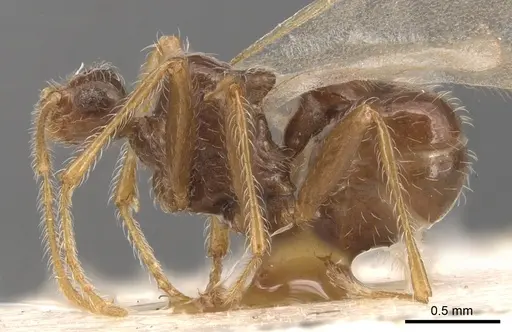
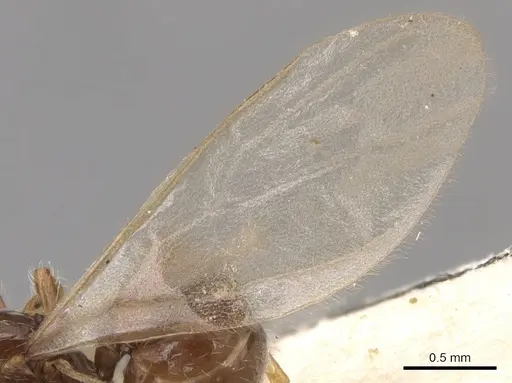
CASENT0904457
View on AntWeb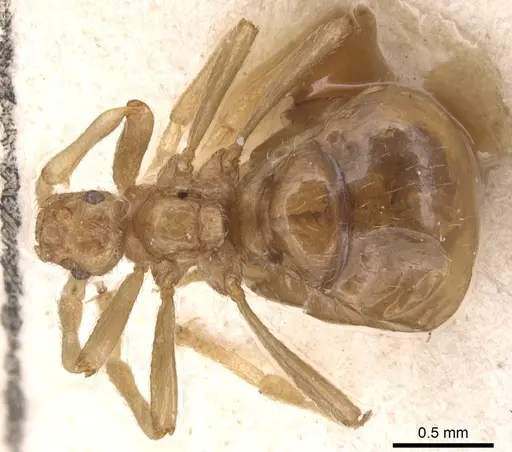
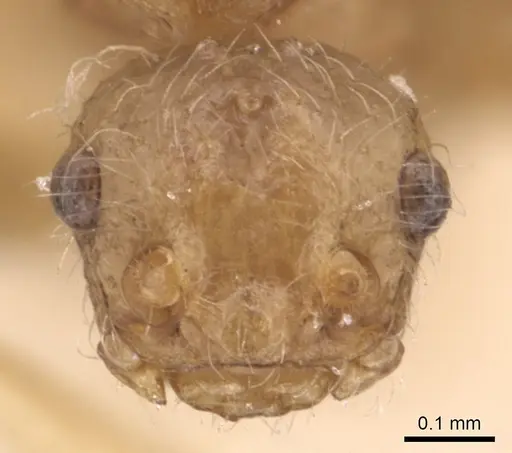
CASENT0904491
View on AntWeb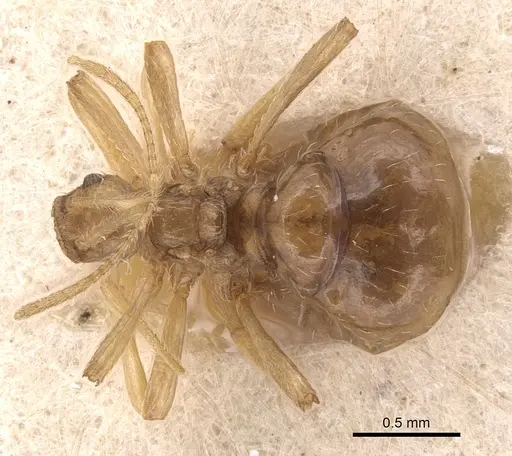
FOCOL1570
View on AntWeb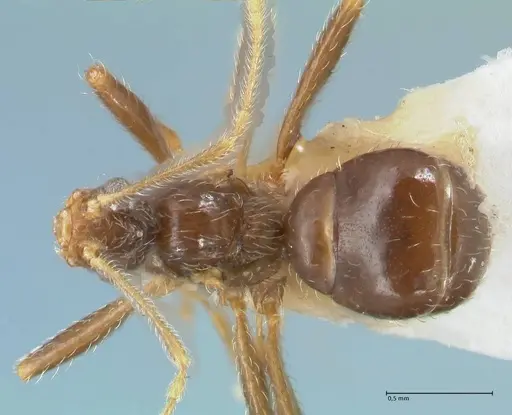
FOCOL1571
View on AntWeb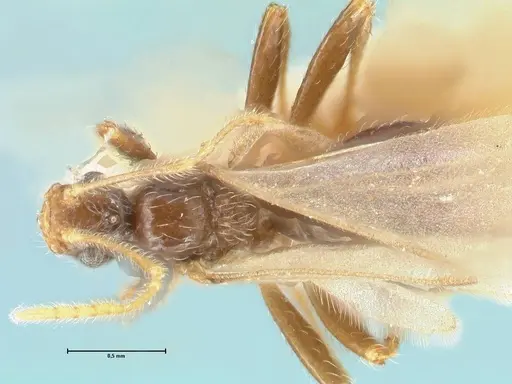
FOCOL1572
View on AntWeb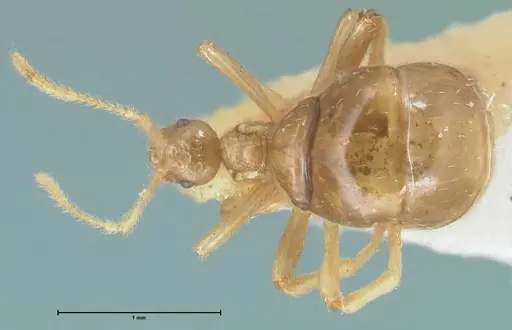
FOCOL1573
View on AntWeb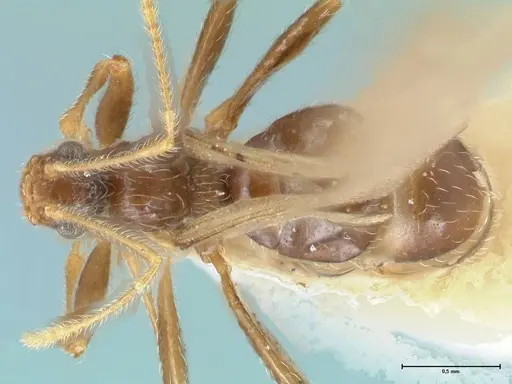
FOCOL1574
View on AntWeb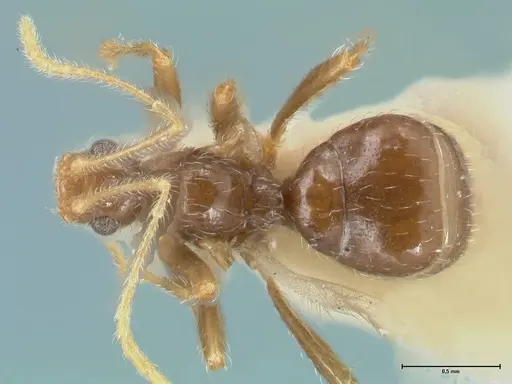
Literature
Loading...Loading products...