

Pheidole micon
- Scientific Name
- Pheidole micon
- Tribe
- Attini
- Subfamily
- Myrmicinae
- Author
- Wilson, 2003
- Distribution
- Found in 3 countries
Pheidole micon Overview
Pheidole micon is an ant species of the genus Pheidole. It is primarily documented in 3 countries , including Colombia, French Guiana, Venezuela. Detailed taxonomic data and occurrence records can be further explored via authoritative databases such as AntWeb or the Global Biodiversity Information Facility (GBIF).
Pheidole micon
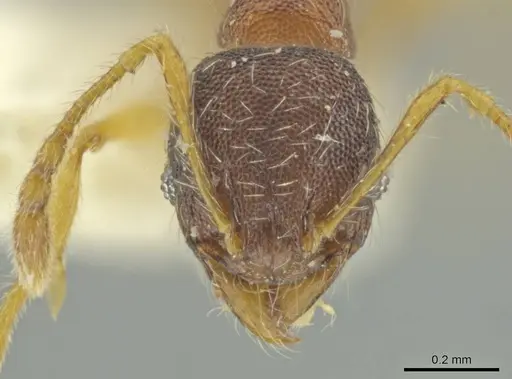
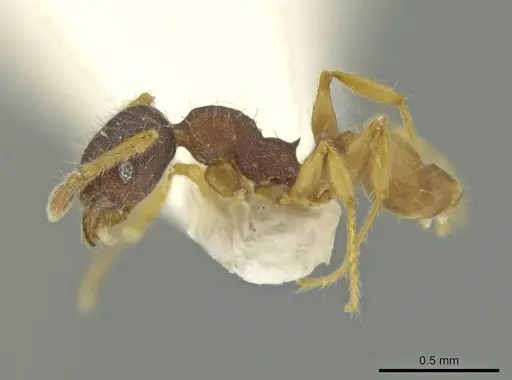
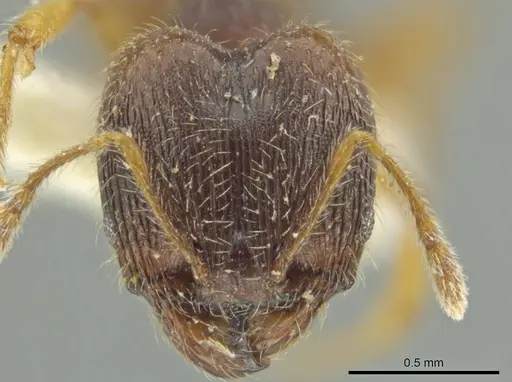
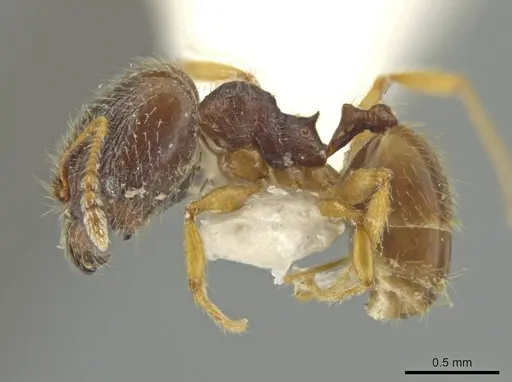
Pheidole micon is a medium-sized Neotropical ant belonging to the flavens group. It is immediately recognizable by its striking bicolored coloration, major workers have a dark brown body with dark yellow appendages, while minor workers have a medium brown body with yellow to brownish-yellow postpetiole and gaster. This dimorphic species has major workers measuring around 0.94mm head width and minor workers at about 0.44mm. The species was described from specimens collected in Colombia and is also known from Venezuela and French Guiana. Only a handful of specimens have ever been recorded, making this one of the least-studied Pheidole species in the region.
Quick Summary
- Difficulty: Unknown, limited data available
- Origin & Habitat: Magdalena region of Colombia at 1300m elevation, also found in Venezuela and French Guiana. In nature, they nest in rotting logs within coffee plantations (cafetales) [1][2].
- Colony Type: Unconfirmed, only known from type specimens. Based on typical Pheidole genus patterns, likely single-queen colonies with major and minor worker castes.
- Size & Growth:
- Queen: Undescribed in original description, estimated 6-8mm based on genus patterns for medium-sized Pheidole
- Worker: Major: 0.94mm HW, Minor: 0.44mm HW [2]
- Colony: Unknown, no colony size data exists for this species
- Growth: Unknown, no development data available
- Development: Estimated 6-8 weeks based on typical Pheidole development at warm temperatures (No direct data exists, estimate based on genus-level patterns for medium-sized Neotropical Pheidole species)
- Antkeeping:
- Temperature: Likely 22-28°C based on mid-elevation Neotropical habitat and typical Pheidole preferences. Provide a temperature gradient and adjust based on colony activity.
- Humidity: High humidity likely required, rotting log habitat in coffee plantation suggests damp, humid conditions. Keep nest substrate consistently moist but not waterlogged.
- Diapause: Unknown, no data on overwintering requirements. Mid-elevation tropical location suggests they may not need true hibernation but could benefit from slight temperature reduction during "dry season" periods.
- Nesting: Based on type specimen collection from rotting log, they likely prefer humid, wood-based nest materials. Y-tong (AAC) nests or plaster nests with good moisture retention would likely work well. Avoid dry, airy setups.
- Behavior: Behavior is unstudied. Based on typical Pheidole traits, majors likely specialize in seed processing and colony defense while minors handle brood care and foraging. Escape risk is moderate, minor workers are small (0.44mm) so fine mesh barriers are recommended. No documented aggression or stinging reports exist for this species.
- Common Issues: no documented biology means caretakers are essentially pioneering husbandry methods, extremely limited availability, this species is rarely, if ever, available in the antkeeping hobby, no established feeding or founding protocols exist, keepers must experiment, wild-caught colonies may be the only option and could have parasites or disease, lack of data means no guidance on common problems or solutions
Discovery and Distribution
Pheidole micon was described by E.O. Wilson in 2003 from specimens collected in San Pedro de la Sierra, Magdalena, Colombia at approximately 1300 meters elevation. The type specimens came from a rotting log in a coffee plantation, giving us our only clue about natural nesting preferences. Since then, the species has been recorded in Venezuela and French Guiana, suggesting a relatively wide but patchy Neotropical distribution [1][2]. The species name 'micon' honors Micon, a painter and sculptor of ancient Athens. Despite being known from multiple countries, this ant remains extremely rare in collections, with very few specimens ever documented.
Identification and Coloration
This species is part of the flavens group within Pheidole and is immediately recognizable by its striking bicolored appearance. Major workers have a dark brown body with contrasting dark yellow appendages. Minor workers are similarly bicolored but with a medium brown head and mesosoma, while the postpetiole and gaster are a distinctive yellow to brownish-yellow, with medium yellow legs and antennae [2]. This coloration makes them one of the more visually distinctive Pheidole species. Major workers have a head width of about 0.94mm, while minor workers are much smaller at around 0.44mm head width, a significant size difference even for Pheidole, which are known for their dimorphic castes.
Housing and Nesting
Since this species has never been kept in captivity (as far as documented), we must infer housing needs from its natural history. The type specimens came from a rotting log in a coffee plantation, this suggests they prefer humid, enclosed spaces with access to decaying wood. A Y-tong (AAC) nest or plaster formicarium with good moisture retention would be a reasonable starting point. The nest should be kept consistently humid but not wet. Given the small size of minor workers (0.44mm), excellent escape prevention with fine mesh is essential. Provide a foraging area with access to protein and carbohydrate food sources.
Feeding and Diet
No specific dietary data exists for this species. As a Pheidole, they likely have a typical granivorous and predatory diet, major workers specialize in processing seeds while minors handle brood care and general foraging. Offer a mix of small live prey (fruit flies, pinhead crickets, mealworms) and carbohydrate sources (sugar water, honey). Seed offerings (grass seeds, millet) would likely be accepted given typical genus behavior. Start with small prey items appropriate to their minor worker size and adjust based on what the colony actually takes.
Temperature and Humidity
The type locality at 1300m elevation in Magdalena, Colombia suggests a warm but not hot tropical environment. Aim for temperatures in the 22-28°C range with some variation allowed. Provide a temperature gradient so the ants can self-regulate. Humidity should be high, the rotting log collection site indicates they prefer damp conditions. Keep the nest substrate consistently moist, similar to what you would provide for other Neotropical Pheidole species. Monitor for mold growth, which can indicate excessive moisture.
Frequently Asked Questions
How long does it take for Pheidole micon to go from egg to worker?
No specific data exists for this species. Based on typical Pheidole development patterns, estimate 6-8 weeks from egg to first worker at warm temperatures (around 25-27°C). This is a rough estimate, actual development time could be faster or slower.
Is Pheidole micon a good species for beginners?
No, this species is not recommended for beginners. It has never been documented in the antkeeping hobby, meaning no established care protocols exist. Additionally, the species is extremely rare and virtually unavailable. If you're interested in Pheidole, consider more commonly kept species like Pheidole pallidula or Pheidole megacephala.
What do Pheidole micon ants eat?
No feeding records exist for this species. Based on typical Pheidole biology, they likely accept small live prey (fruit flies, tiny crickets, springtails), seeds, and sugar sources. Start with small prey items and sugar water, adjusting based on what the colony accepts.
How big do Pheidole micon colonies get?
Colony size is completely unknown, no colony data has ever been recorded. Most Pheidole colonies reach several hundred to a few thousand workers. Expect a similar range, but this is purely speculative.
Can I keep multiple queens together?
Colony structure is unconfirmed for this species. Most Pheidole are single-queen (monogyne) colonies. Do not attempt to keep multiple unrelated queens together without specific evidence that this species tolerates polygyny.
What temperature should I keep Pheidole micon at?
No specific temperature data exists. Based on the mid-elevation Neotropical habitat, start around 24-26°C with a gradient allowing the colony to choose its preferred zone. Adjust based on colony activity and brood development.
Does Pheidole micon need hibernation?
Diapause requirements are completely unknown. The mid-elevation Colombian location suggests they may not need true hibernation but could benefit from slight temperature reduction during simulated dry seasons. More research is needed.
Where can I get Pheidole micon ants?
This species is essentially unavailable in the antkeeping hobby. It is only known from a handful of specimens collected decades ago. If you're interested in keeping Pheidole, look for more commonly available species that have established care protocols.
What makes Pheidole micon different from other Pheidole?
The most distinctive trait is the striking bicolored coloration, dark brown body with yellow appendages in both castes. Beyond this, very little is known. They are part of the flavens group but have not been studied enough to identify unique behaviors or requirements.
References

This caresheet is licensed under CC BY-SA 4.0 .
CASENT0645827
View on AntWeb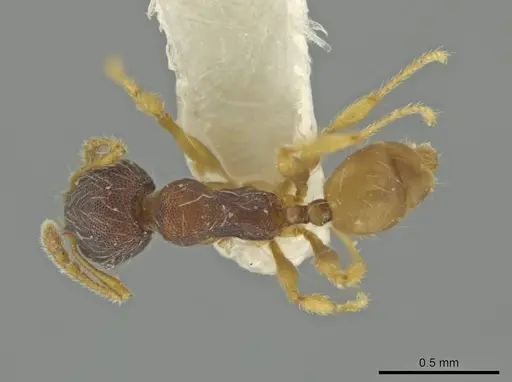
JTLC000016452
View on AntWeb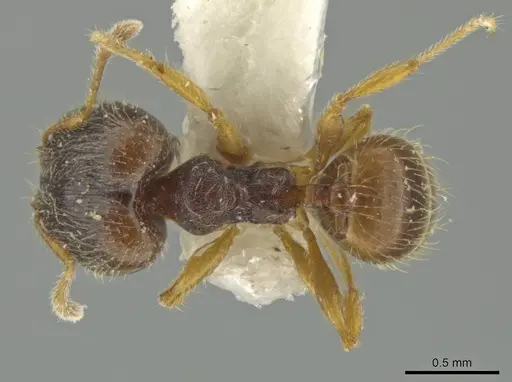
Literature
Loading...Loading products...