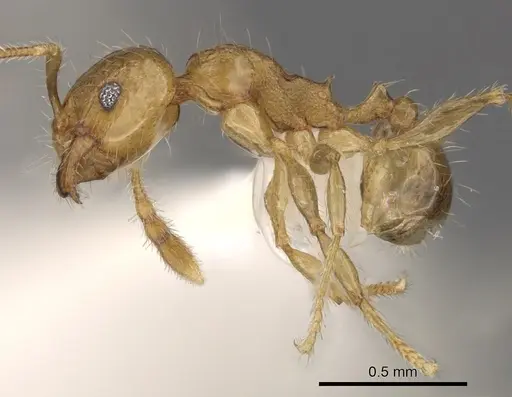
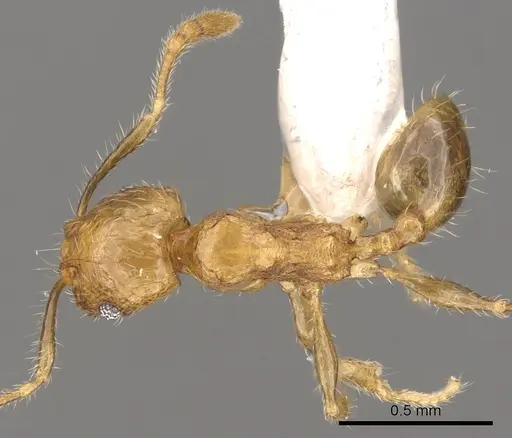
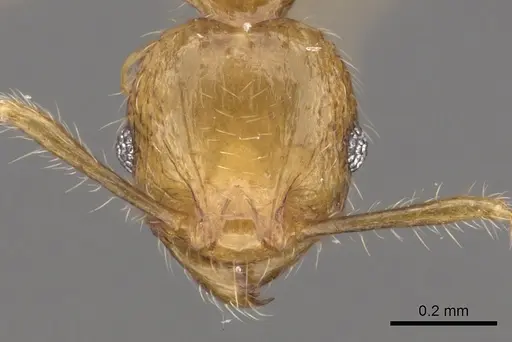
Pheidole merimbun - "Merimbun Big-Headed Ant"
Pheidole merimbun is a species of ant belonging to the diverse Pheidole genus, often referred to as 'big-headed ants' due to their distinct major workers. Colonies of Pheidole are known for having two primary worker castes: minor workers, which are smaller and handle most daily tasks like foraging, and major workers (or 'soldiers'), which possess disproportionately large heads and strong mandibles, primarily used for defense and processing larger food items. While information specifically on Pheidole merimbun is limited, ants in the Pheidole genus are typically small to medium-sized, generally ranging from 2-6 mm in length and often have brown to dark brown coloration, though other colors exist. The genus is widely distributed and ecologically dominant, with many species originating in the Americas, East Asia, and Africa.
- Difficulty: Medium
- Origin & Habitat: Borneo (specifically Merimbun), though the genus Pheidole is cosmopolitan in Likely forest environments, as related species are found in similar habitats, often nesting in the ground or under rocks/wood..
- Colony Type: Polygyne (multiple queens) is common within the Pheidole genus, though some species can be monogyne., claustral (queen seals herself in), as observed in other pheidole species. founding.
- Size & Growth:
- Queen: 5-8mm
- Worker: 2-6mm
- Colony: Large (tens of thousands to hundreds of thousands), as many Pheidole species can reach substantial numbers.. Fast, especially under optimal conditions, as seen in other Pheidole species. growth.
- Antkeeping:
- Temperature: Optimal temperatures for many Pheidole species range from 24-28°C for the nest, with foraging activity peaking between 26-30°C. Maintaining a slightly cooler temperature in the nest area (around 21-28°C) is generally advised for steady brood growth..
- Humidity: Humidity levels should be maintained around 50-70%, with slightly higher humidity in the brood chambers to support larval development..
- Diapause: Not required. Not specified at Not specified.
- Nesting: Pheidole species commonly nest in the ground, under stones, or in rotting wood. For captive setups, formicariums made of acrylic, gypsum, or sand are suitable. They appreciate nests with multiple chambers to accommodate their division of labor..
- Behavior: Medium (towards other ants and food, low towards handler) aggressiveness.
- Common Issues: Mold in nest, Mites, Colony stalling due to inadequate nutrition or hydration, Overfeeding leading to waste and mold, Humidity fluctuations, Queen stress from disturbance or improper conditions, Escapes due to small size of workers.
Pheidole merimbun, like many of its genus, features a fascinating dimorphic worker caste. This means your colony will have two very distinct types of workers: the smaller, nimble 'minor' workers, and the much larger, robust 'major' workers, often called 'soldiers.' These majors aren't just for show; their formidable heads and strong mandibles are specialized for defense and for breaking down tougher food items. Observing this clear division of labor within your formicarium is truly captivating, as the minors handle the intricate brood care and foraging, while the majors stand ready to protect the colony or process large prey.
When it comes to feeding, Pheidole ants are generally omnivorous scavengers with a strong craving for protein. You'll find they eagerly accept a wide variety of insect prey like mealworms, crickets, and fruit flies. It's crucial to offer a consistent source of protein to support their rapid colony growth and the queen's egg-laying. While some Pheidole species are known to consume seeds, it's often advised against providing them for captive colonies unless you're experienced, as these ants may not store them properly, potentially leading to germination and mold issues within the nest.
Maintaining stable temperature and humidity is key to a thriving Pheidole merimbun colony. These ants prefer warm, humid conditions, typical of their tropical origins. Aim for nest temperatures between 24-28°C, and ensure humidity levels are in the 50-70% range. Proper hydration is also vital; a reliable water source like a test tube filled with water and a cotton plug in the outworld, or a hydration system within the formicarium, is essential. Fluctuations in these environmental factors can stress the colony and hinder brood development, so consistent monitoring is highly recommended.
Pheidole colonies are renowned for their rapid growth rate, which can be exciting but also requires foresight. A founding queen can quickly establish a thriving colony with hundreds, then thousands, of workers within a relatively short period. This means you'll need to be prepared to expand their living space as they grow. An ideal setup will allow for easy expansion, such as connecting new modules or moving them to a larger formicarium as the colony matures. Their aggressive foraging and high activity levels also mean they appreciate a spacious outworld for exploration and hunting.
While Pheidole merimbun generally does not require diapause (a period of inactivity often triggered by cooler temperatures), some antkeepers choose to provide a cooler 'rest period' around 18°C for a few months, especially if the colony shows signs of slowing down. However, many Pheidole species can continue to develop without interruption through winter if kept at optimal temperatures. It's important to research the specific needs of your Pheidole species, but generally, maintaining consistent warmth will keep these active ants busy year-round, making them a captivating species to observe.
Be mindful of their escape artist tendencies! Pheidole ants, especially the smaller minor workers, can be quite adept at finding tiny gaps. Ensure your formicarium and outworld are completely escape-proof to prevent any unintended breakouts. A good barrier like a fluon or talcum powder coating on the upper edges of the outworld can be very effective. Their active nature means they'll constantly be exploring for new resources, so a secure setup is paramount for peace of mind.
Frequently Asked Questions
What makes Pheidole merimbun 'big-headed ants'?
Pheidole merimbun, like all species in the Pheidole genus, features two distinct worker castes: minor workers and major workers. The major workers are characterized by their disproportionately large heads and powerful mandibles, which are used for defense and processing larger food items. This unique morphology gives them the 'big-headed ant' nickname.
Are Pheidole merimbun good for beginner antkeepers?
While Pheidole merimbun can be a rewarding species to keep, their fast growth rate and need for consistent care, especially regarding temperature, humidity, and diet, might make them a 'medium' difficulty. Beginners with a good understanding of basic ant care and a willingness to monitor their colony closely should do well.
Do Pheidole merimbun queens fight each other if I have multiple?
Pheidole merimbun typically falls under polygyne species, meaning they can have multiple queens in a single colony. However, in some situations, especially if the colony is small or new, queens might exhibit aggression towards each other. As the colony grows and matures, multiple queens generally coexist peacefully, often not interacting much directly.
What's the best diet for a Pheidole merimbun colony?
These ants are omnivorous and have a high protein demand. Offer a variety of insect prey like small crickets, mealworms, and fruit flies. For carbohydrates, provide honey water or sugar water. It's recommended to feed them frequently in small amounts, removing any uneaten food promptly to prevent mold.
Do Pheidole merimbun need a hibernation period (diapause)?
Generally, Pheidole merimbun, being from tropical regions, does not require a hibernation or diapause period. They can be kept active year-round if provided with stable, warm temperatures. Some keepers opt for a cooler 'rest period' for a few months, but it's not essential for their survival or development.
How quickly do Pheidole merimbun colonies grow?
Pheidole species are known for their rapid colony growth. A healthy Pheidole merimbun colony can quickly expand from a founding queen with a few workers to thousands of individuals within a year or two, especially with optimal feeding and environmental conditions. Be prepared for regular habitat upgrades!
What kind of nest is best for Pheidole merimbun?
Pheidole merimbun thrive in formicariums that mimic their natural underground nests. Acrylic, gypsum, or sand nests with multiple chambers are excellent choices. Ensuring adequate hydration in part of the nest is crucial, and a spacious outworld for foraging is highly recommended due to their active nature.
Are Pheidole merimbun prone to escaping?
Yes, Pheidole ants, particularly the smaller minor workers, are notorious escape artists. They can squeeze through incredibly tiny gaps. It's absolutely vital to have a secure setup with a good escape barrier (like fluon or talcum powder) on the outworld edges to prevent them from exploring beyond their enclosure.
Do Pheidole merimbun sting?
No, Pheidole merimbun are not known to sting. While their major workers have impressive mandibles for defense, they typically do not pose a stinging threat to antkeepers. Their primary defense mechanism is often a powerful bite from the majors and overwhelming numbers.
What are common issues to watch out for with Pheidole merimbun?
Common challenges include mold growth from uneaten food or excessive humidity, mite infestations, and colony stalling if not fed consistently or if humidity/temperature levels fluctuate too much. Queen stress can also occur if the colony is disturbed too often. Regular cleaning and monitoring are key to preventing these issues.