

Pheidole melastomae
- Scientific Name
- Pheidole melastomae
- Tribe
- Attini
- Subfamily
- Myrmicinae
- Author
- Wilson, 2003
- Distribution
- Found in 2 countries
Pheidole melastomae Overview
Pheidole melastomae is an ant species of the genus Pheidole. It is primarily documented in 2 countries , including Colombia, Panama. Detailed taxonomic data and occurrence records can be further explored via authoritative databases such as AntWeb or the Global Biodiversity Information Facility (GBIF).
Pheidole melastomae
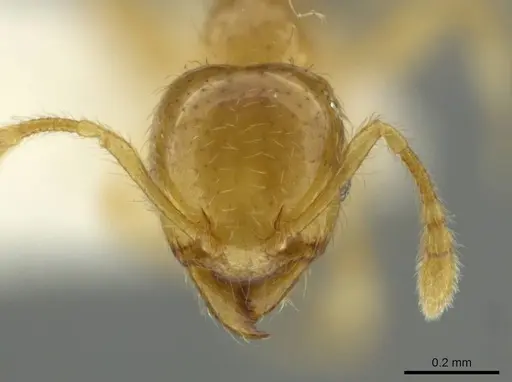
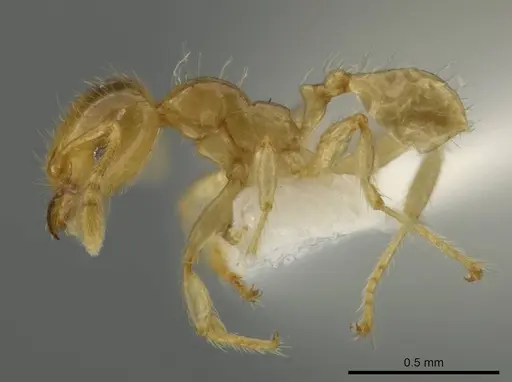
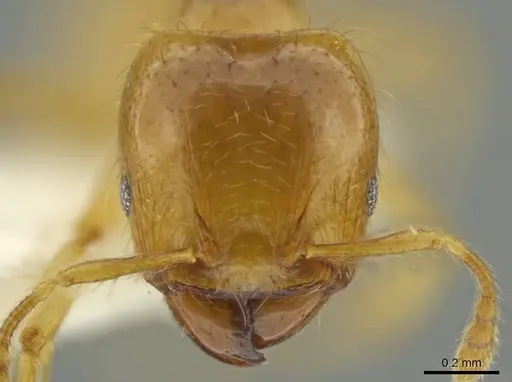
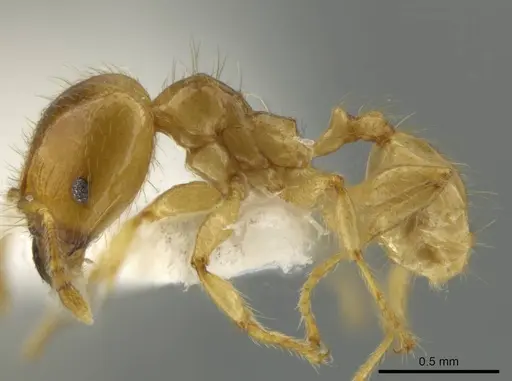
Pheidole melastomae is a medium-sized yellow ant belonging to the flavens group. Majors measure around 0.80mm in head width and are mostly clear medium yellow with brownish yellow on the head and mandibles, while minors are a uniform light to medium yellow [1]. This species is distinctive for having almost no sculpturing on the back half of the head, a very small propodeal spine reduced to an angle, and abundant long hairs covering the body [1]. The major workers also have a flattened back and a distinctive postpetiole shape that angles outward at the sides [1].
This ant has a fascinating relationship with plants, it nests exclusively inside myrmecophytic melastomes (a type of tropical plant), which is how it got its species name 'melastomae' [1]. Found in hilly rainforests of Panama, Colombia, and Ecuador, these ants live in the hollow stems or cavities of these specific plants [1]. This specialized nesting relationship makes them unique among Pheidole species.
Quick Summary
- Difficulty: Medium
- Origin & Habitat: Hilly rainforest of Panama, Colombia, and Ecuador. Nests exclusively inside myrmecophytic melastome plants [1].
- Colony Type: Likely single-queen colonies based on typical Pheidole genus patterns. Colony structure has not been specifically documented for this species.
- Colony: Monogyne
- Founding: Claustral
- Size & Growth:
- Queen: Approximately 5-6mm estimated based on genus patterns
- Worker: Major workers: 0.80mm head width, Minor workers: 0.44mm head width [1]
- Colony: Unknown for this species, but typical Pheidole colonies can reach several thousand workers
- Growth: Moderate, estimated based on related tropical Pheidole species
- Development: 6-10 weeks estimated for tropical Pheidole at optimal temperature (Development time is estimated based on genus patterns since specific data for this species is unavailable)
- Antkeeping:
- Temperature: Keep at 24-28°C, these are tropical rainforest ants that need warmth and stable temperatures [1]
- Humidity: High humidity required (70-85%). This species naturally lives in rainforest plants, so keep the nest substrate consistently moist but not waterlogged. Provide a water tube and mist occasionally.
- Diapause: No, as a tropical species, they do not require hibernation. Keep temperatures stable year-round.
- Nesting: This species nests inside plant stems in the wild, so they do well in setups that mimic this. Y-tong (AAC) nests, plaster nests, or naturalistic setups with hollow twigs/branches work well. They prefer tight, enclosed spaces rather than open chambers.
- Behavior: Pheidole melastomae is generally calm and not aggressive toward keepers. Major workers (the larger soldiers) have large heads and mandibles for seed-crushing and defense, but they typically stay in the nest. Workers are active foragers that search for food outside the nest. They have a moderate escape risk, they are small but not as tiny as some Pheidole species, so standard escape prevention measures should work well.
- Common Issues: high humidity needs can lead to mold problems if ventilation is poor, tropical species may struggle if temperatures drop below 22°C, wild-caught colonies may be stressed from their specialized plant-nesting lifestyle, colonies may be slow to establish compared to more common ant species
Nest Preferences
In the wild, Pheidole melastomae nests exclusively inside myrmecophytic melastome plants, specifically in the hollow stems and cavities of these tropical plants [1]. This makes them somewhat specialized compared to many other Pheidole species that nest in soil or under stones. For captive care, provide a nest that mimics these tight, enclosed spaces. Y-tong (AAC) nests or plaster nests with narrow chambers work well. Naturalistic setups with hollow twigs or bamboo sections can also appeal to their natural instincts. Avoid large, open formicarium chambers, these ants prefer to feel enclosed and secure. A test tube setup can work for founding colonies, but be prepared to move them to a more appropriate nest once the colony grows.
Feeding and Diet
Pheidole species are typically omnivorous with a preference for seeds and protein. In the wild, major workers use their large mandibles to crack open seeds, while minors handle smaller food items. For captive colonies, offer a varied diet: seeds (millet, chia, flax) are excellent for majors to process, along with protein sources like small insects (fruit flies, pinhead crickets, mealworms). They also readily accept sugar water, honey, or honeydew. Feed protein 2-3 times per week and keep a constant sugar source available. Remove uneaten food after 24-48 hours to prevent mold. Given their specialized rainforest habitat, they may have specific dietary needs not yet documented, observe what your colony accepts best.
Temperature and Care
As a tropical rainforest species from Panama, Colombia, and Ecuador, Pheidole melastomae requires warm temperatures to thrive. Keep the nest area at 24-28°C consistently. A heating cable or mat on one side of the nest can create a gentle temperature gradient, allowing ants to regulate their own temperature by moving between warmer and cooler areas. Avoid temperatures below 22°C or sudden temperature changes, as this species is not adapted to cooler conditions. Room temperature may be sufficient if your home stays in the mid-70s°F (around 24°C), but monitor colony activity, if workers seem sluggish, add gentle heating. Unlike temperate species, they do not require any diapause or winter rest period. [1]
Humidity Requirements
High humidity is essential for this rainforest species. The natural habitat in hilly rainforests of Panama and Colombia is consistently moist [1]. Keep nest substrate damp but not waterlogged, the substrate should feel moist to the touch without standing water. A water tube attached to the nest provides a constant humidity source. Mist the outworld occasionally, but focus on maintaining consistent moisture in the nest area. Good ventilation is important to prevent mold while maintaining humidity, aim for airflow that prevents stagnant air without drying out the nest too quickly. If you see condensation forming heavily on the nest walls, that's a good sign humidity is in the right range.
Behavior and Colony Structure
Pheidole melastomae has the typical Pheidole colony structure with distinct major and minor workers. Major workers (soldiers) have significantly larger heads and mandibles, used for cracking seeds and defending the colony. Minor workers handle most foraging, nursing, and general tasks. The colony will grow slowly at first during the founding phase, but once the first majors appear, growth often accelerates. These ants are not particularly aggressive toward keepers, but majors will defend the nest if threatened. Workers are active foragers that will search the outworld for food. The species shows abundant long pilosity (hairs) on the body, which is a distinguishing identification feature [1].
Frequently Asked Questions
How long does it take for Pheidole melastomae to produce first workers?
Expect 6-10 weeks from egg to first worker (nanitics) at optimal temperature (24-28°C). This is an estimate based on related tropical Pheidole species, as specific development data for this species is not available. The queen will remain sealed in her founding chamber until the first workers emerge.
What do Pheidole melastomae ants eat?
They are omnivorous like most Pheidole species. Offer seeds (millet, chia, flax) for the major workers to crack, protein sources like small insects (fruit flies, pinhead crickets, mealworms), and sugar water or honey for energy. Feed protein 2-3 times per week with constant sugar availability.
Can I keep Pheidole melastomae in a test tube?
Test tubes work well for founding colonies. Use a standard test tube setup with a water reservoir and cotton plug. Keep the tube horizontal so the queen can move between the wet and dry areas. Once the colony reaches 20-30 workers, consider moving them to a more suitable nest like a Y-tong or plaster nest with chambers scaled to their size.
What temperature is best for Pheidole melastomae?
Keep them at 24-28°C. These are tropical rainforest ants from Panama and Colombia that need warmth year-round. Avoid temperatures below 22°C. A heating cable on one side of the nest can help maintain optimal temperatures.
Are Pheidole melastomae good for beginners?
This species is rated as Medium difficulty. They have specific humidity and temperature needs as a tropical rainforest species. If you have experience with other Pheidole species or tropical ants, this can be a rewarding species to keep. Beginners might find the humidity requirements challenging.
How big do Pheidole melastomae colonies get?
Colony size is not specifically documented, but typical Pheidole colonies can reach several thousand workers. The major workers reach about 0.80mm head width and minors about 0.44mm [1]. Growth is moderate, and colonies will expand significantly once established.
Do Pheidole melastomae need hibernation?
No. As a tropical species from Panama, Colombia, and Ecuador, they do not require diapause or winter rest. Keep temperatures stable year-round in the 24-28°C range.
What makes Pheidole melastomae unique?
This species is unique for nesting exclusively inside myrmecophytic melastome plants, this specialized relationship is reflected in its species name 'melastomae' [1]. They also have distinctive physical features including almost no sculpturing on the back of the head, a very small propodeal spine, and abundant long hairs covering the body.
When do Pheidole melastomae have nuptial flights?
Winged males have been observed in nests in early June in Colombia and early July in Panama [1]. This suggests nuptial flights occur during the early rainy season in these regions.
References

This caresheet is licensed under CC BY-SA 4.0 .
CASENT0645826
View on AntWeb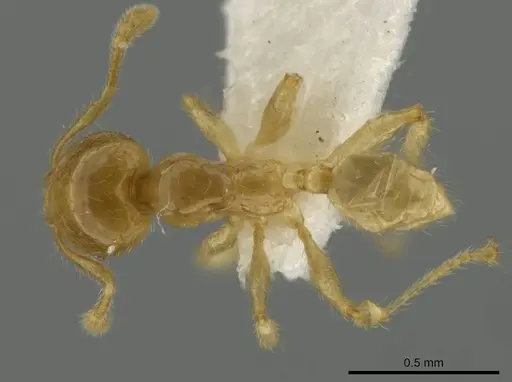
JTLC000016450
View on AntWeb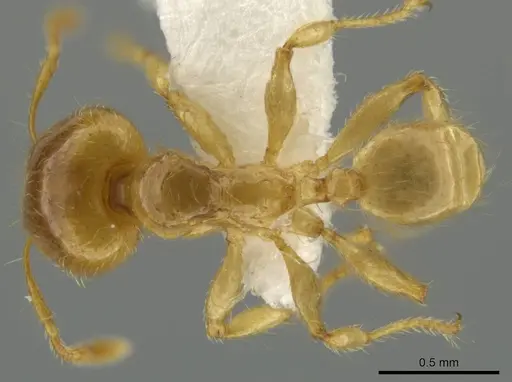
Literature
Loading...Loading products...