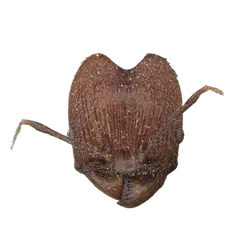
Plagiolepis alluaudi - "Alluaud's Little Yellow Ant"
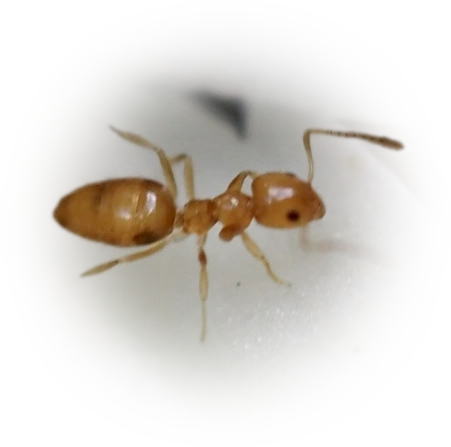
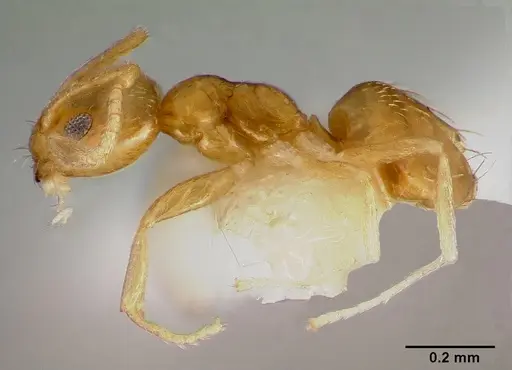
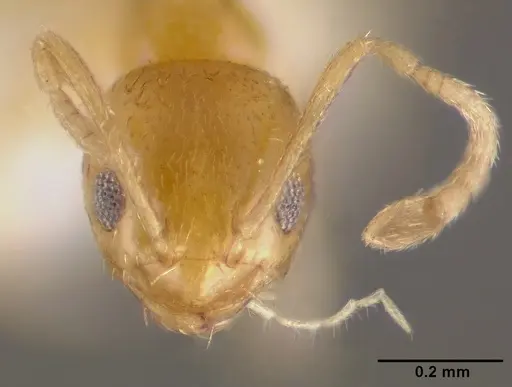
Plagiolepis alluaudi, often called the Little Yellow Ant, is a very tiny ant species, typically measuring around 1.5 to 2 mm in length. They are characterized by their pale yellow to light orange coloration and a smooth, shiny body surface. Queens are noticeably larger and darker than workers. These ants are known for forming large, multi-nest supercolonies with numerous queens. They are a tropical species, believed to be native to Madagascar and surrounding islands. They are also highly invasive and have spread globally through human commerce, establishing populations in various tropical regions and even in greenhouses in temperate climates. Plagiolepis alluaudi are active foragers, often seen in dense trails, seeking out sweet liquids like honeydew, nectar, and spoiled fruits, as well as dead insects.
- Difficulty: Medium
- Origin & Habitat: Madagascar and neighboring islands (Afrotropical region) in Forests, Grasslands, Urban areas, Under rocks, in leaf litter, decaying wood, soft twigs, or potted plant soil..
- Colony Type: Polygyne (multiple queens) and Unicolonial (multi-nest colonies with no aggression between nests)., claustral (though they often relocate nests in the wild, suggesting adaptability). founding.
- Size & Growth:
- Queen: 3.0mm+
- Worker: 1.25-2.0mm
- Colony: Supercolony (hundreds of thousands/millions, potentially hundreds of queens).. Fast (known for rapid reproduction and high densities). growth.
- Antkeeping:
- Temperature: Maintain a temperature range between 24-28°C (75-82°F) for optimal activity and brood development. Consistent warmth mimics their tropical native environment..
- Humidity: Keep humidity levels between 60-80%. This can be achieved by providing a hydration source in the nest and outworld..
- Diapause: Not required. Not specified at Not specified.
- Nesting: These ants are adaptable and can nest in a variety of setups, including acrylic, Ytong (aerated concrete), or natural setups with soil and decaying wood. They prefer nests with good moisture gradients. Nests should have small chambers and tight spaces to accommodate their tiny size and encourage secure nesting..
- Behavior: Not specified aggressiveness.
- Common Issues: None specified.
One unique aspect of keeping Plagiolepis alluaudi is their proclivity for tending sap-feeding insects like aphids, mealybugs, and scale insects to harvest their honeydew. In nature, they actively protect these insects from predators, even moving their offspring into the nest to raise them. If you want to replicate this behavior in captivity, offering sweet liquid foods frequently is essential. Be aware that this natural association could lead to an increase in pest populations on any live plants you might have in their outworld, so careful observation is key.
Due to their extremely small size and fast movements, Plagiolepis alluaudi can be quite challenging to contain. You'll need to employ robust escape prevention methods, such as a strong talcum powder/alcohol barrier or fluon on the outworld walls. Any small gaps in your formicarium can quickly become escape routes, so ensure all connections are tight and secure. Their speed also makes detailed observation tricky, especially for macro photography or videography.
These ants are highly adaptable and are known to be an invasive species in many tropical and subtropical regions worldwide, including greenhouses in temperate climates. This indicates a high tolerance for varying environmental conditions and a rapid reproductive rate. While this makes them resilient in captivity, it also underscores the importance of preventing any escapes into local ecosystems, particularly in warmer climates, to avoid establishing wild populations.
Plagiolepis alluaudi colonies are polygynous, meaning they have many queens, and can even form supercolonies with multiple interconnected nests. This allows for incredibly rapid colony growth and the ability to reach very high densities. When setting up a new colony, it's beneficial to start with multiple queens if available, as this can significantly boost their initial growth and stability. Observing the sheer number of queens and workers in a mature colony can be a fascinating aspect of their husbandry.
Their diet primarily consists of thin, sweet liquids such as sugar water, honey water, or fruit juices, but they also readily accept small protein sources like dead insects. Offering a varied diet is crucial for a healthy and thriving colony. Regular protein feedings will support queen egg-laying and larval development, while sugary liquids provide essential energy for the large worker force. Ensure feeders are easily accessible to these tiny ants.