

Pheidole casta
- Scientific Name
- Pheidole casta
- Tribe
- Attini
- Subfamily
- Myrmicinae
- Author
- Wheeler, 1908
- Distribution
- Found in 4 countries
Pheidole casta Overview
Pheidole casta is an ant species of the genus Pheidole. It is primarily documented in 4 countries , including Malawi, Mozambique, Tanzania. Detailed taxonomic data and occurrence records can be further explored via authoritative databases such as AntWeb or the Global Biodiversity Information Facility (GBIF).
Pheidole casta
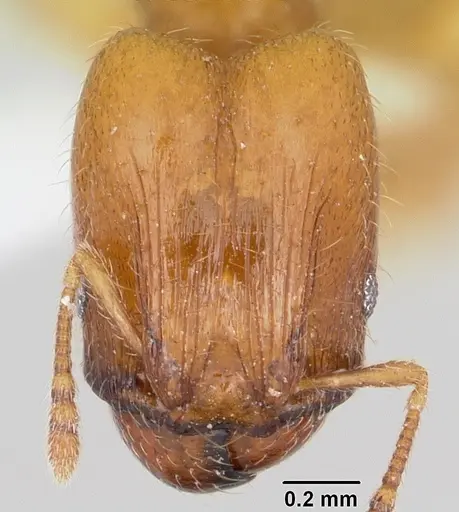
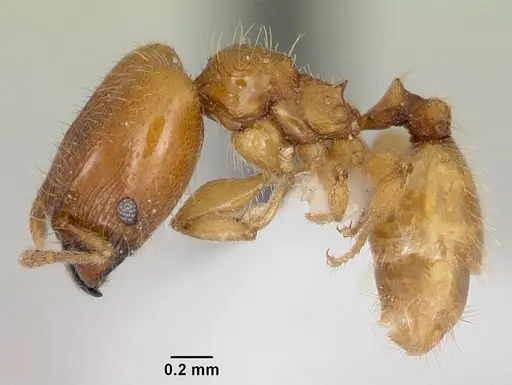
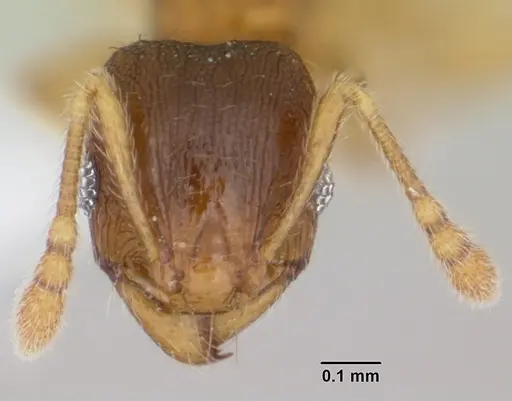
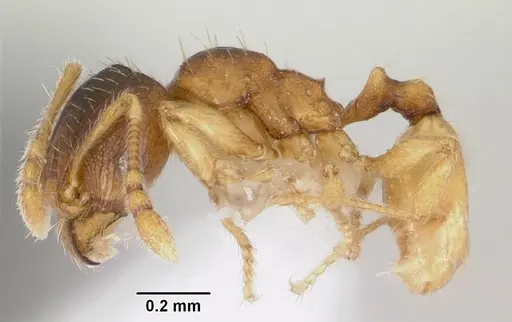
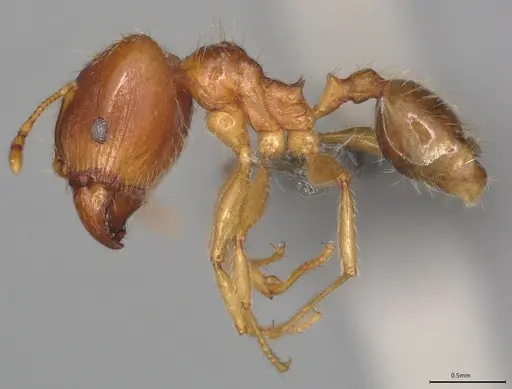
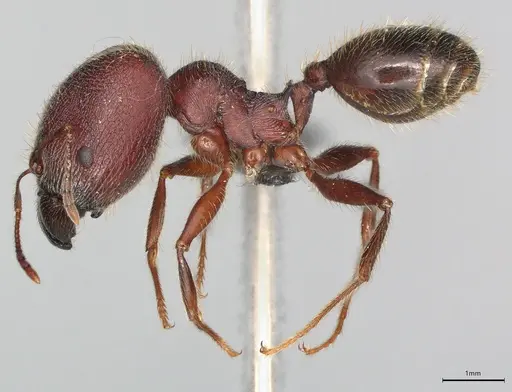
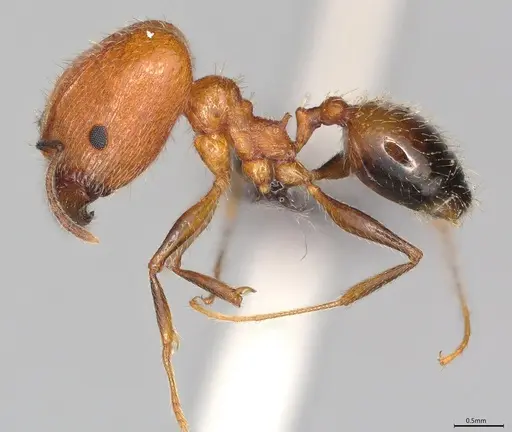
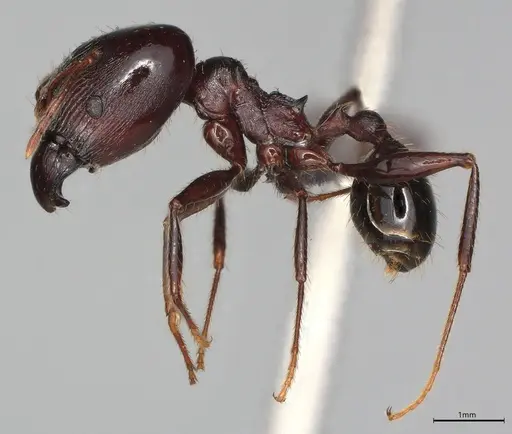
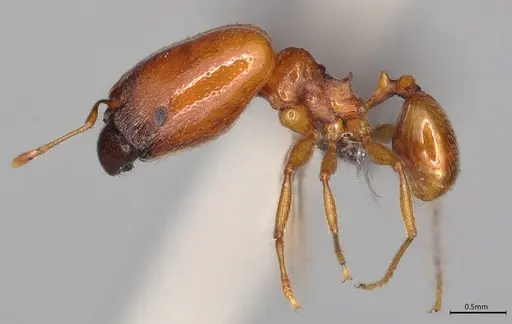
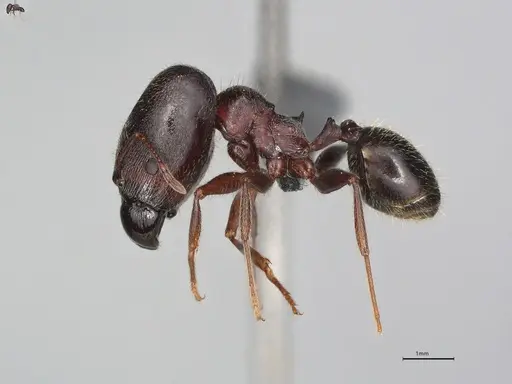
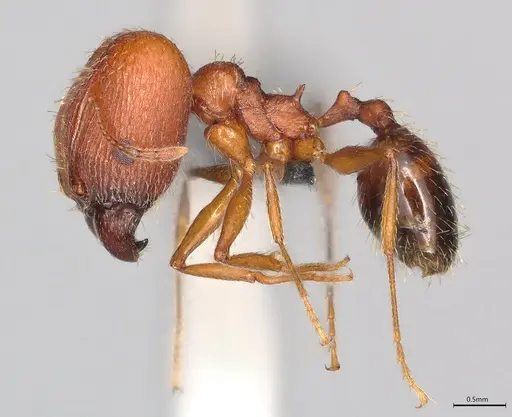
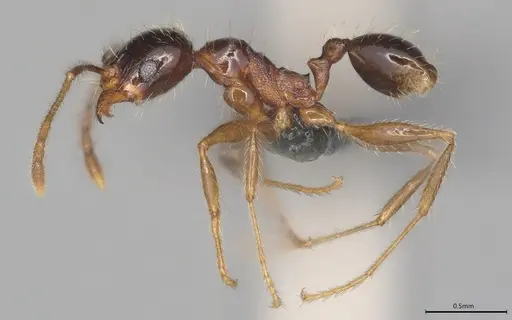
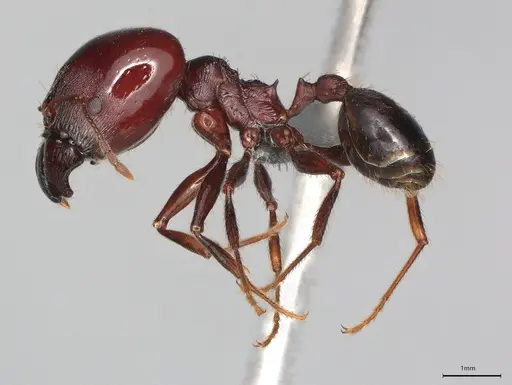
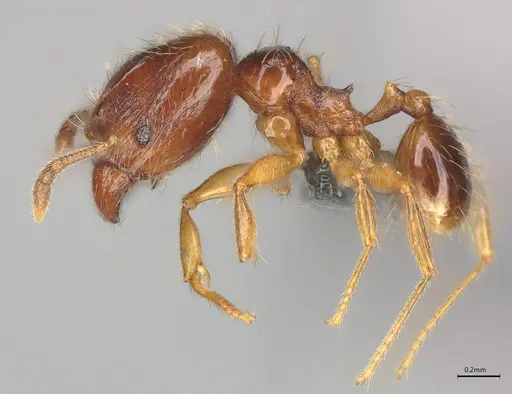
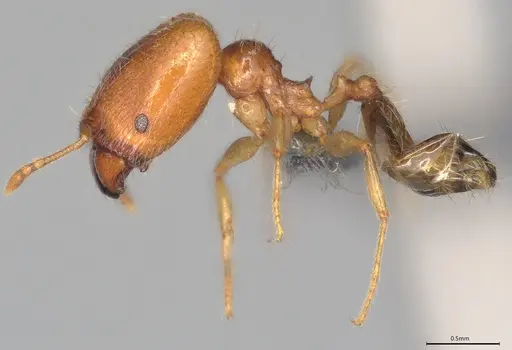
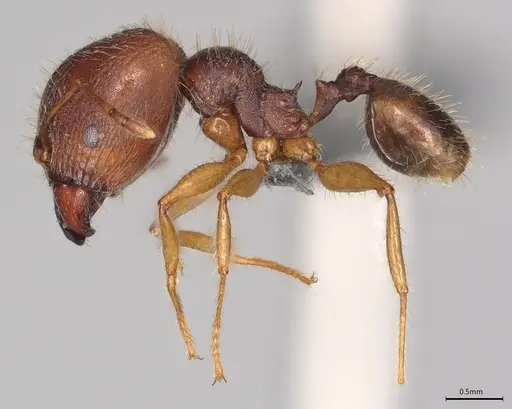
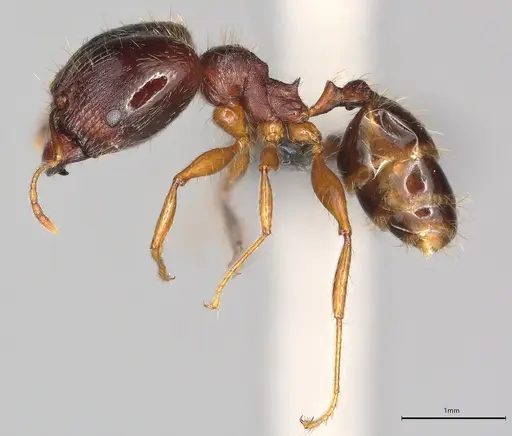
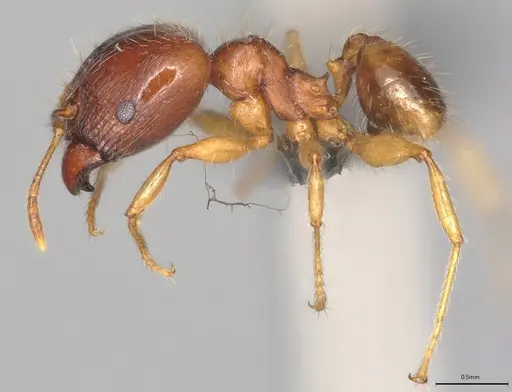
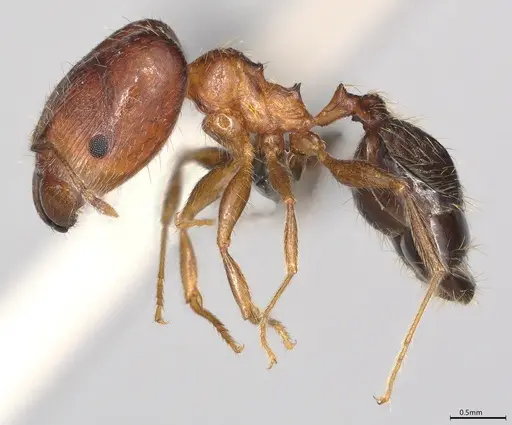
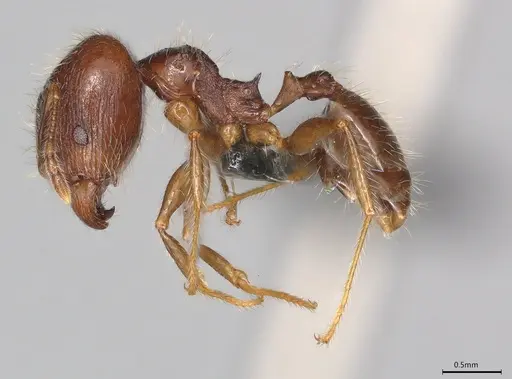
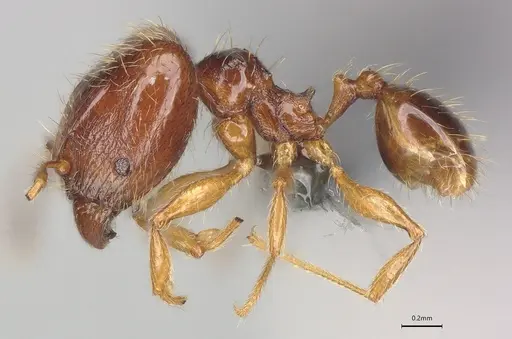
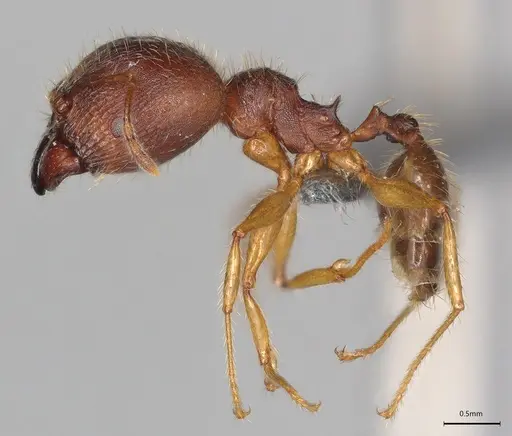
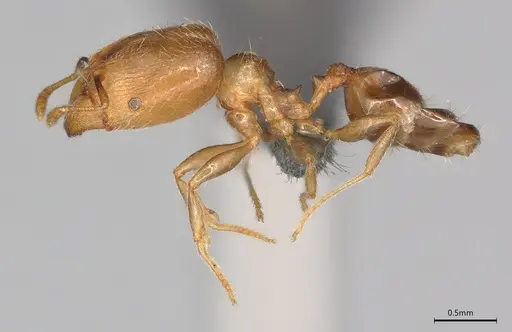
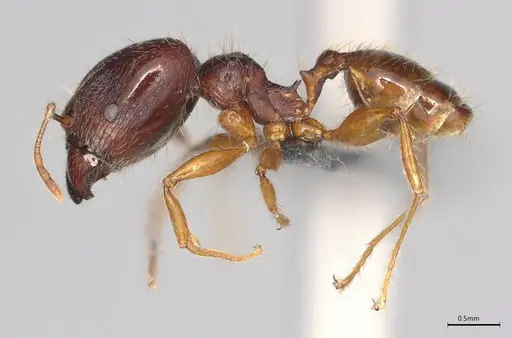
Pheidole casta is a rare, medium-sized yellow ant native to southern Texas. Majors are characterized by their elongated heads with a distinctive brownish spot on the center of the head, while minors are a uniform clear yellow. This species belongs to the flavens group and was originally described by Wheeler in 1908. The type colony was discovered nesting in soil beneath cedar trees in a canyon of the Rio Grande near Langtry, Texas. Only two confirmed records exist in the United States, making this one of the rarer Pheidole species in North America. Like all Pheidole, they have distinct major and minor worker castes, with majors developing enlarged heads for seed-crushing and defense.
Quick Summary
- Difficulty: Unknown, limited data available
- Origin & Habitat: Southern Texas, USA. Found in soil beneath cedar trees in canyon habitats [1][2].
- Colony Type: Unconfirmed colony structure, likely monogyne based on typical Pheidole patterns
- Size & Growth:
- Queen: Unknown, not described in original type material
- Worker: Major: HW 0.82mm, HL 1.14mm. Minor: HW 0.42mm, HL 0.48mm
- Colony: Unknown, only type colony has been studied
- Growth: Unknown, no development data available
- Development: Unconfirmed, estimate 6-10 weeks based on typical Pheidole development (No direct development data exists for this species. Estimates based on related Texas Pheidole species.)
- Antkeeping:
- Temperature: Aim for 22-26°C, typical for southern Texas species. Room temperature within this range should work well.
- Humidity: Moderate humidity preferred. Keep nest substrate slightly moist but not waterlogged, similar to their natural soil nesting habitat beneath cedars.
- Diapause: Likely, Texas experiences cooler winters. Provide a cool period around 10-15°C for 2-3 months during winter.
- Nesting: Soil-nesting species. A naturalistic setup with soil or a Y-tong/plaster nest works well. Provide sand or soil substrate they can tunnel through.
- Behavior: Little is known about specific behavior. As a Pheidole species, they likely exhibit typical seed-harvesting behavior with majors defending the nest and foraging trails. Minor workers handle most foraging and brood care. Escape risk is moderate due to their small size, use standard barrier methods. They are not known to be particularly aggressive toward keepers.
- Common Issues: very limited availability, this is a rare species rarely available in the antkeeping trade, no established care protocols exist, keepers must adapt from related species, small colony sizes in the wild mean founding colonies may be slow to establish, escape prevention needed due to small minor worker size, lack of documented captive breeding means success is uncertain
Species Overview and Identification
Pheidole casta is a distinctive but rare species in the ant-keeping hobby. The major workers have an elongated head with a characteristic brownish spot on the center of the head capsule, while minor workers are a uniform clear yellow color. This species was originally described by William Morton Wheeler in 1908 from specimens collected in Langtry, Texas. The only confirmed records come from two locations in southern Texas, the type locality near Langtry in a canyon of the Rio Grande, and a second record from Cameron County near Brownsville. The species is a member of the flavens group, which contains several similar yellow Pheidole species in North America. [1]
Natural History and Habitat
In the wild, Pheidole casta nests in soil beneath cedar trees in canyon habitats. This suggests they prefer shaded, protected microhabitats with stable soil conditions. The southern Texas location means they experience hot summers and mild winters compared to more temperate ant species. They are likely seed-harvesters like most Pheidole species, though this has not been directly documented for this specific species. The rarity of this species in collections suggests either low colony densities in the wild or very localized distribution. [1]
Housing and Nesting
Since this is a soil-nesting species, a naturalistic setup with a soil or sand mixture works best. You can use a Y-tong style nest with soil chambers, or provide a formicarium with soil substrate. The nest should allow for tunneling and chamber creation. Ensure the substrate stays slightly moist but not waterlogged. A layer of decorative stones or plants on the surface can help maintain humidity. Since this species has only been found under cedar trees in the wild, providing some cover or darker nesting areas may be appreciated.
Feeding and Diet
Like other Pheidole species, P. casta likely feeds on seeds and small insects. Offer a variety of seeds suitable for small ants, millets, chia seeds, and dandelion seeds work well. Protein sources like small crickets, mealworms, and fruit flies should be offered regularly. Sugar water or honey can be accepted occasionally. Since this species has not been documented in captivity, start with basic Pheidole offerings and observe what your colony accepts.
Temperature and Seasonal Care
As a southern Texas species, aim for temperatures in the 22-26°C range. Room temperature within this range should be suitable. During winter, Texas experiences cooler but not freezing temperatures, provide a cool period around 10-15°C for 2-3 months to simulate natural seasonal cycles. This cool period may help trigger reproductive behavior in the spring. Avoid temperatures below 10°C or above 30°C.
Colony Establishment
Since this species is rarely available and has no established captive breeding protocols, acquiring a colony may be difficult. If you obtain a founding queen, treat her as you would other Pheidole species, provide a claustral founding setup with moist soil, keep her in darkness, and do not disturb until the first workers emerge. Expect 6-10 weeks for first workers based on related species, though this is unconfirmed for P. casta specifically. Be patient with founding colonies as they can be slow to establish.
Frequently Asked Questions
How do I care for Pheidole casta ants?
Since this is a rare species with no established care protocols, keepers must adapt from related Pheidole species. Provide a soil-based nest, keep temperatures around 22-26°C, and offer seeds and small insects. This species is rarely available in the antkeeping trade.
What do Pheidole casta ants eat?
Like other Pheidole species, they likely accept seeds, small insects, and occasionally sugar sources. Offer variety and observe what your colony prefers.
How long does it take for Pheidole casta to develop from egg to worker?
This has not been documented for this specific species. Based on related Texas Pheidole species, estimate 6-10 weeks at optimal temperature.
Are Pheidole casta ants good for beginners?
No, this species is not recommended for beginners due to limited availability, lack of documented captive care, and status as one of the rarer Pheidole species in North America.
Do Pheidole casta ants need hibernation?
Likely yes, as a Texas species, they probably experience a mild winter cool period. Provide 2-3 months at 10-15°C during winter.
What size colony do Pheidole casta reach?
Unknown, no colony size data exists for this species. Most Pheidole colonies reach several hundred to a few thousand workers.
Can I keep multiple Pheidole casta queens together?
Not recommended and not documented. Most Pheidole are monogyne (single queen). Combining unrelated queens has not been studied for this species.
Where is Pheidole casta found in the wild?
Only known from two locations in southern Texas, near Langtry in the Rio Grande canyon and Cameron County near Brownsville.
Is Pheidole casta available in the antkeeping trade?
No, this is one of the rarest North American Pheidole species and is rarely, if ever, available in the antkeeping hobby.
References

This caresheet is licensed under CC BY-SA 4.0 .
CASENT0104746
View on AntWeb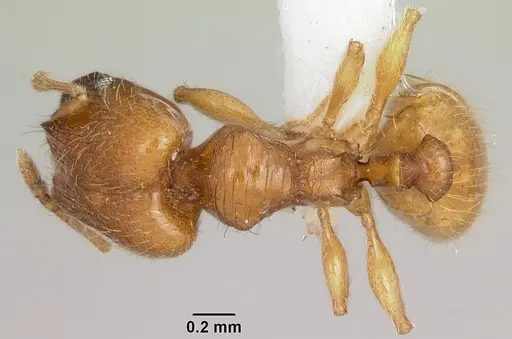
CASENT0104747
View on AntWeb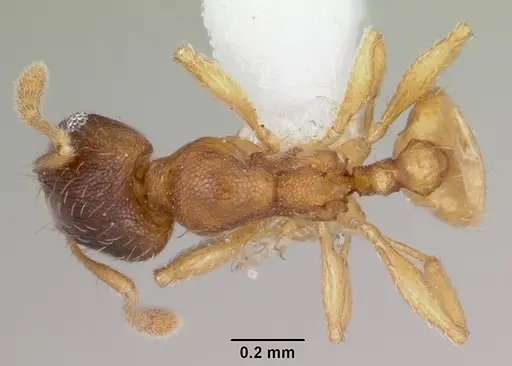
CASENT0389487
View on AntWeb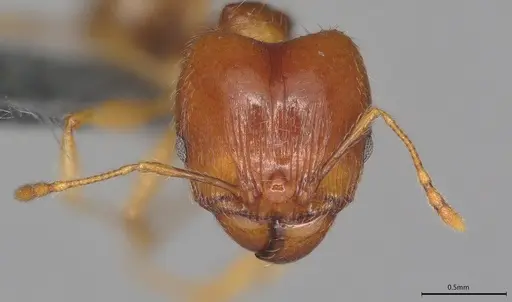
CASENT0770391
View on AntWeb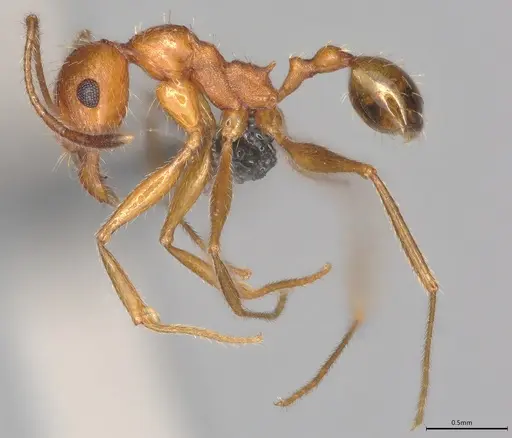
CASENT0770393
View on AntWeb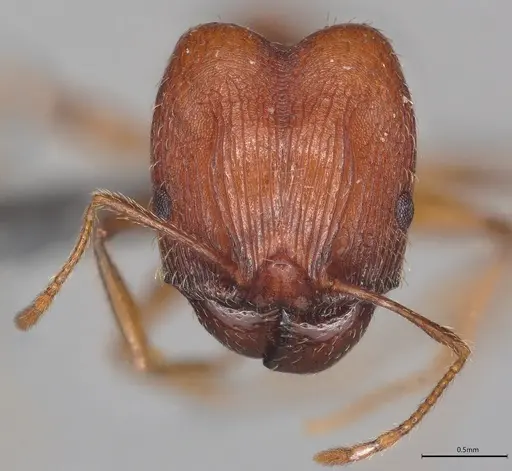
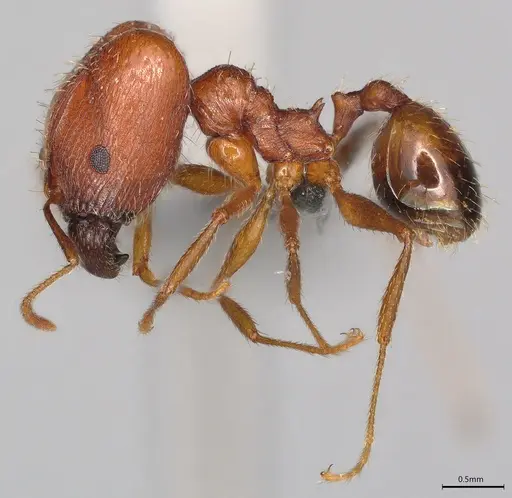
CASENT0774534
View on AntWeb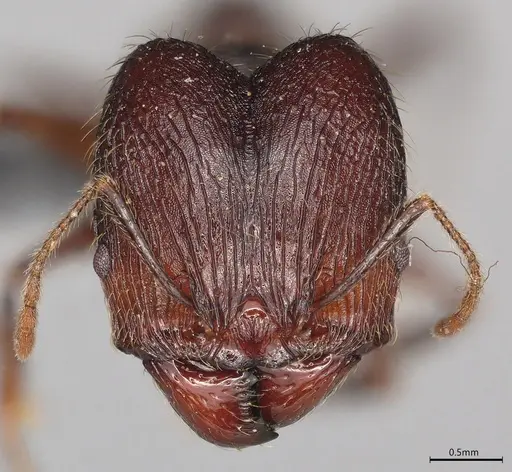
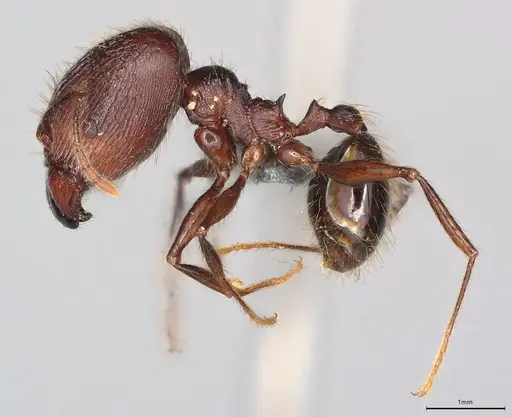
CASENT0775527
View on AntWeb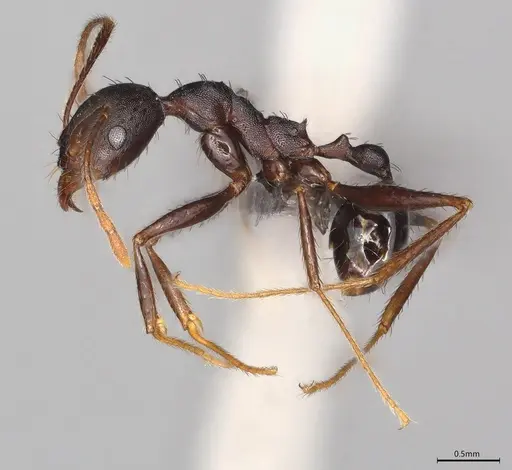
CASENT0775933
View on AntWeb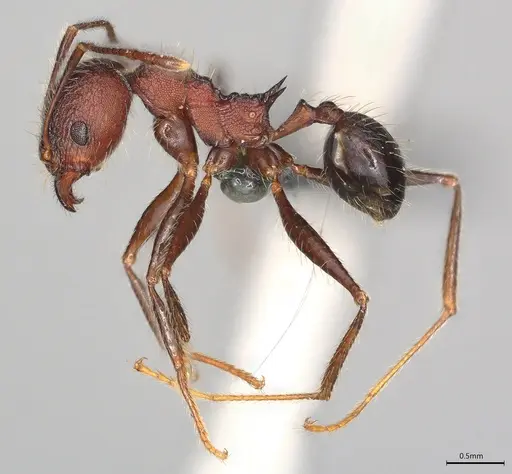
CASENT0775996
View on AntWeb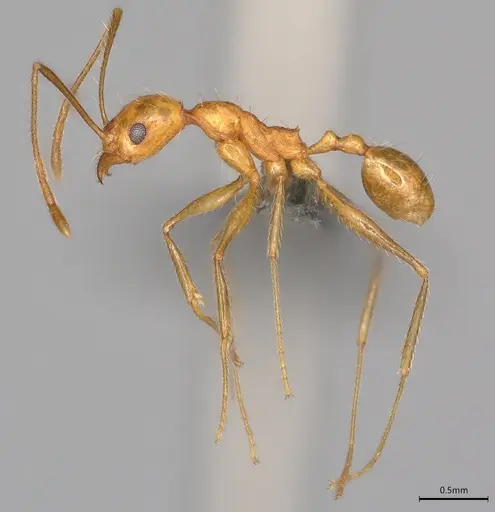
CASENT0777549
View on AntWeb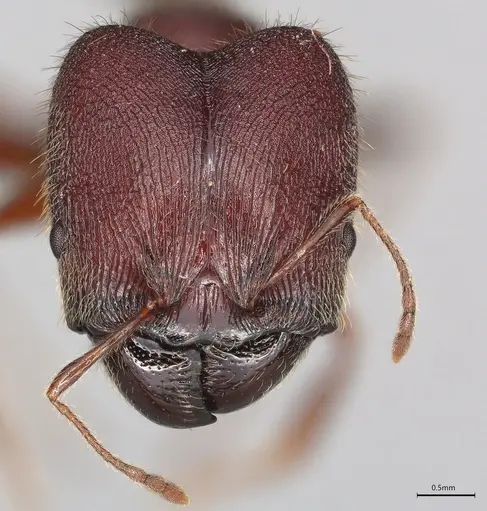
CASENT0778243
View on AntWeb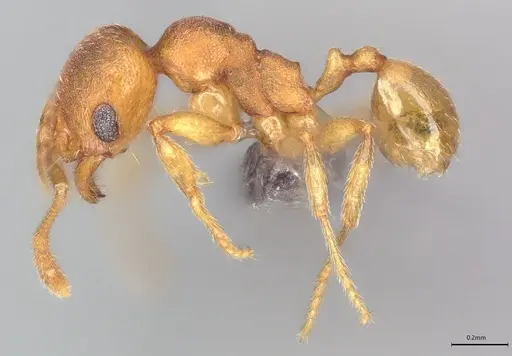
CASENT0778366
View on AntWeb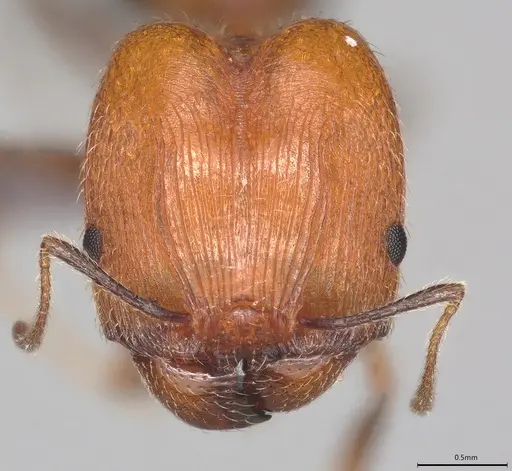
CASENT0778368
View on AntWeb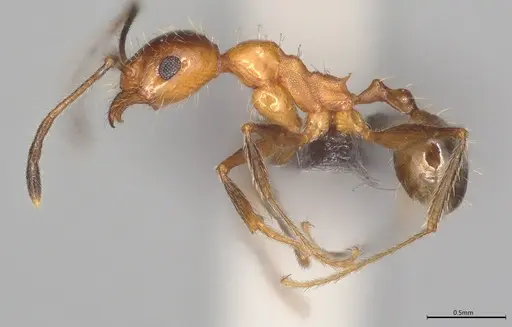
CASENT0778482
View on AntWeb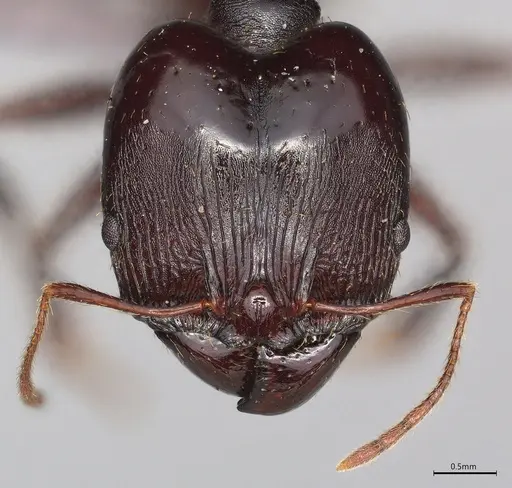
CASENT0778842
View on AntWeb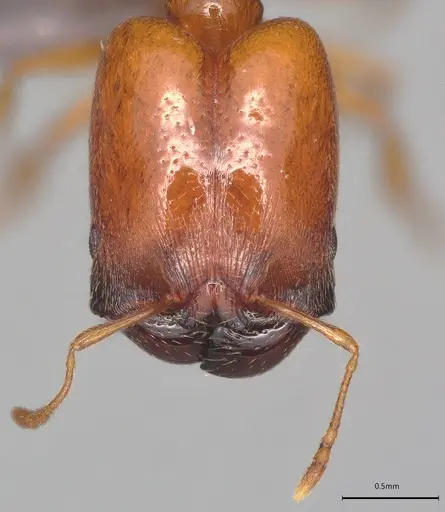
CASENT0780042
View on AntWeb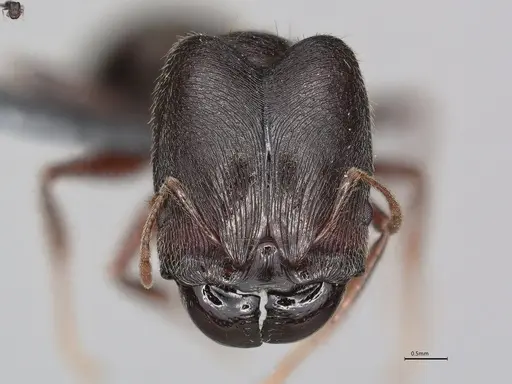
CASENT0780043
View on AntWeb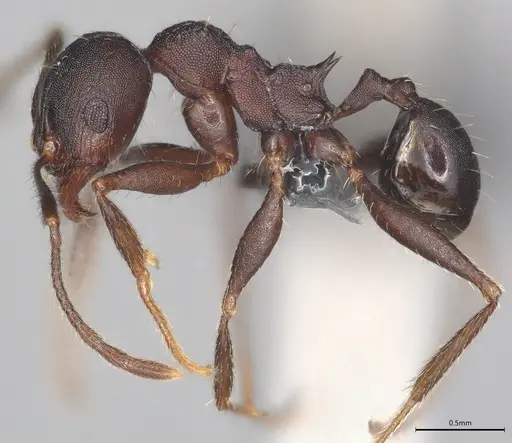
CASENT0780167
View on AntWeb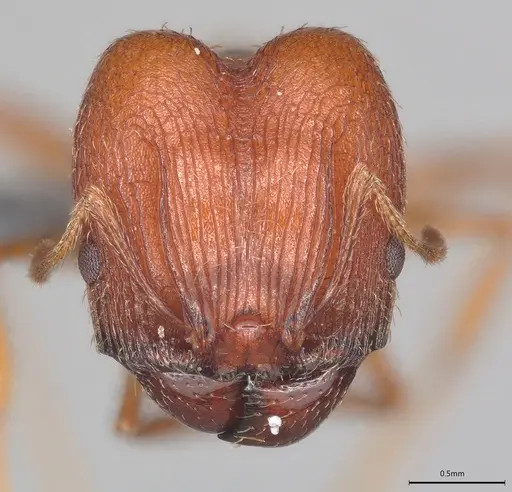
CASENT0780602
View on AntWeb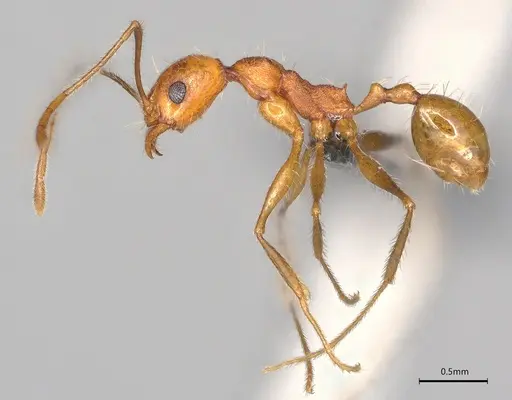
CASENT0781000
View on AntWeb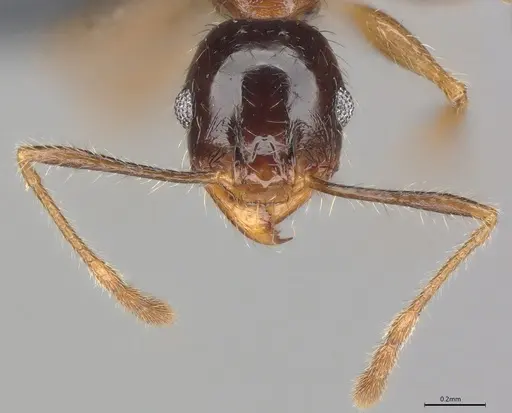
CASENT0781583
View on AntWeb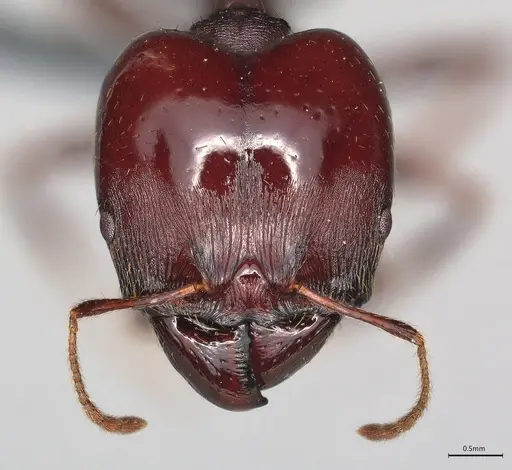
CASENT0782272
View on AntWeb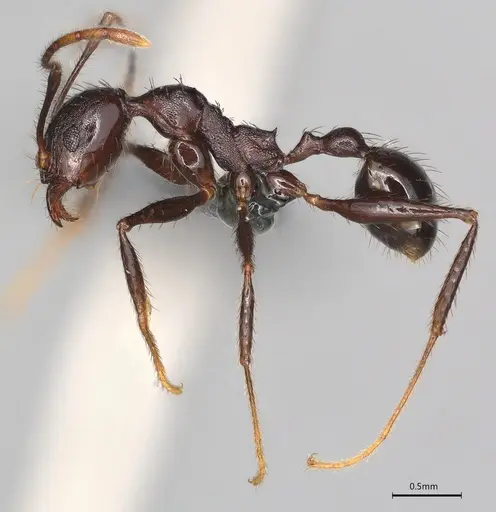
CASENT0782312
View on AntWeb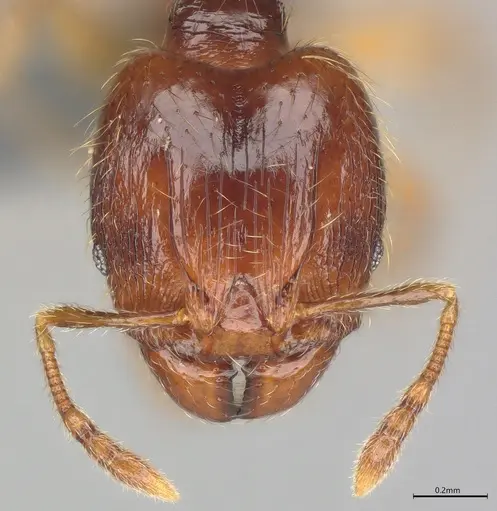
CASENT0782317
View on AntWeb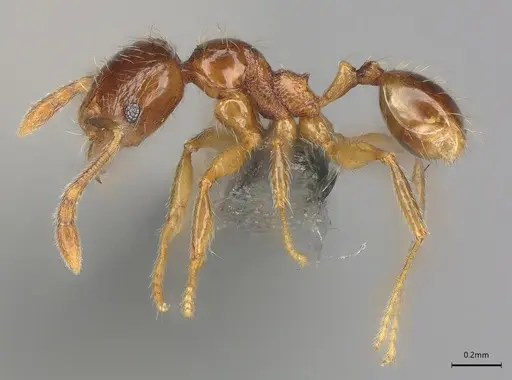
CASENT0782938
View on AntWeb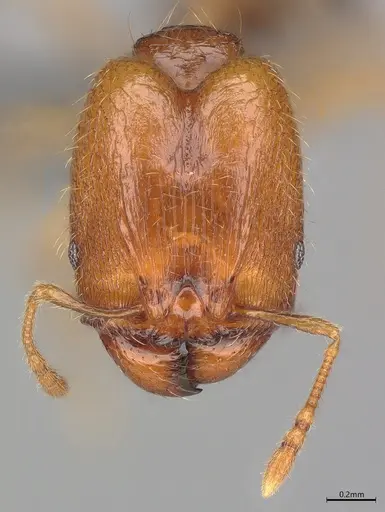
CASENT0782969
View on AntWeb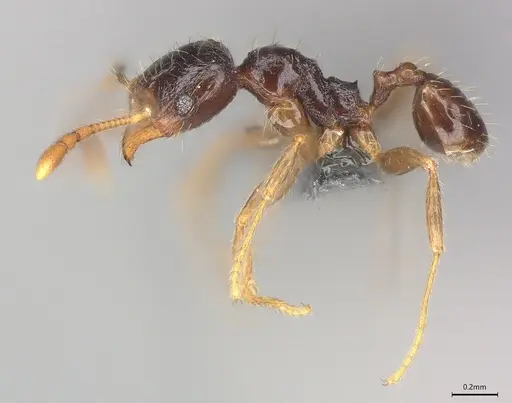
CASENT0782992
View on AntWeb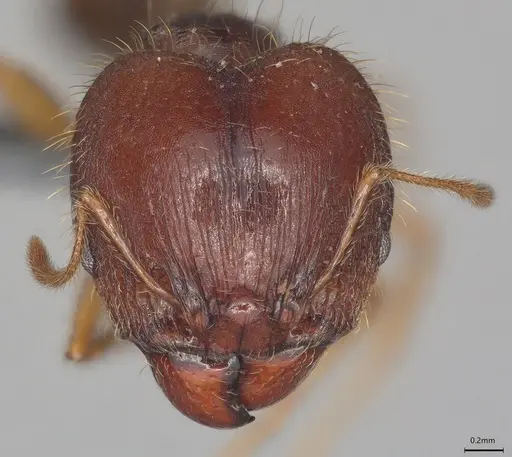
CASENT0782993
View on AntWeb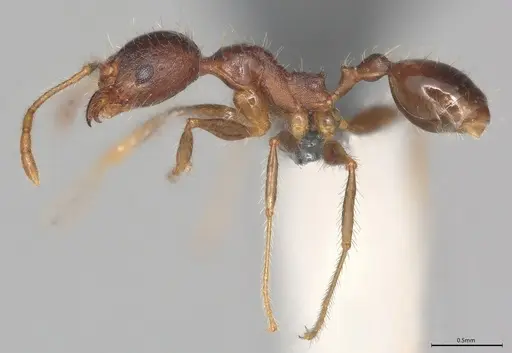
CASENT0783451
View on AntWeb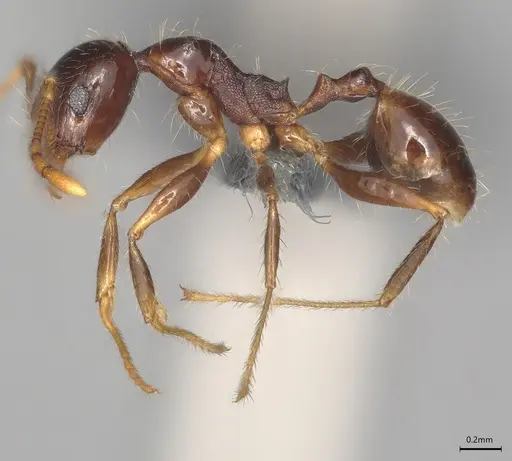
CASENT0783457
View on AntWeb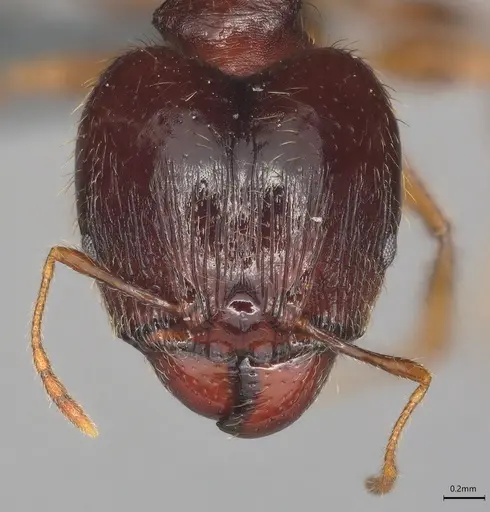
CASENT0785198
View on AntWeb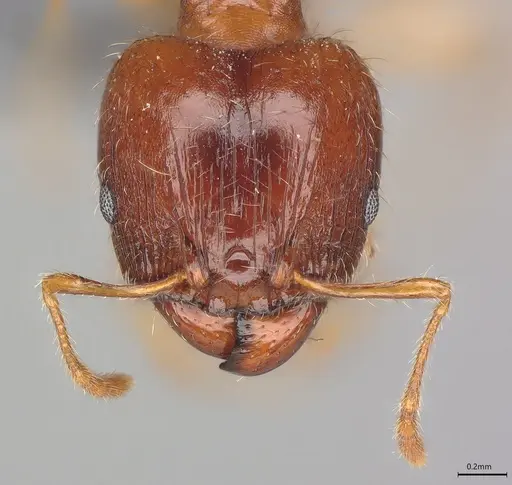
CASENT0785204
View on AntWeb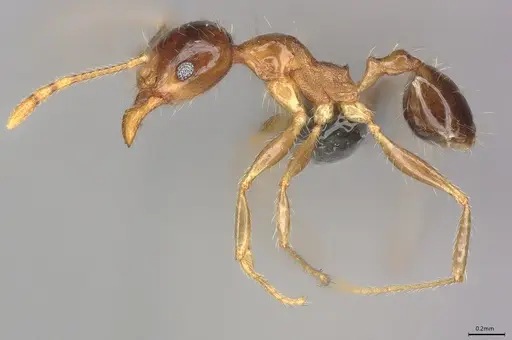
CASENT0785566
View on AntWeb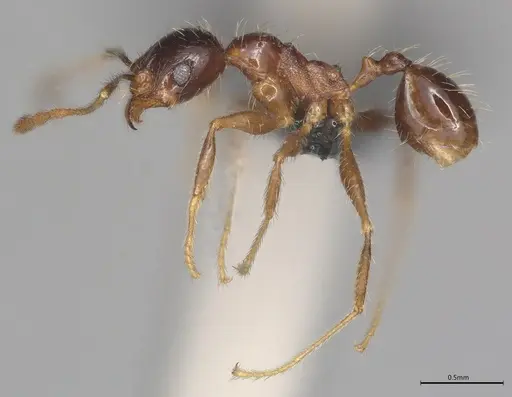
CASENT0785569
View on AntWeb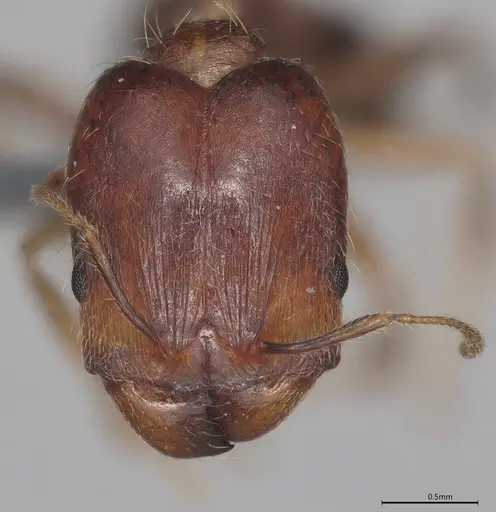
CASENT0786025
View on AntWeb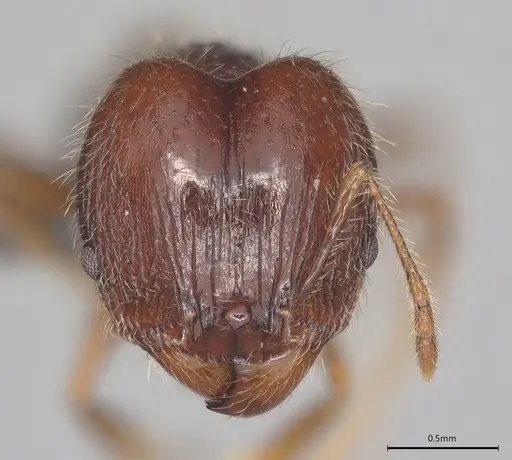
CASENT0786028
View on AntWeb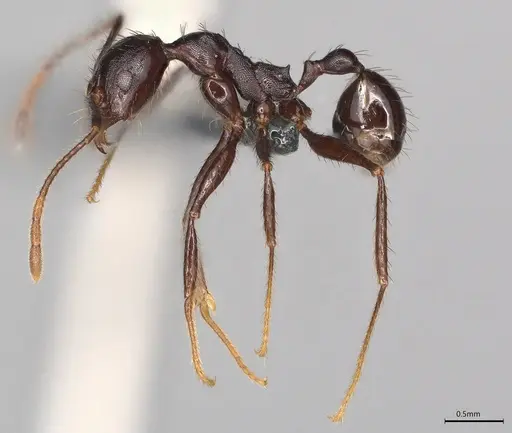
CASENT0786033
View on AntWeb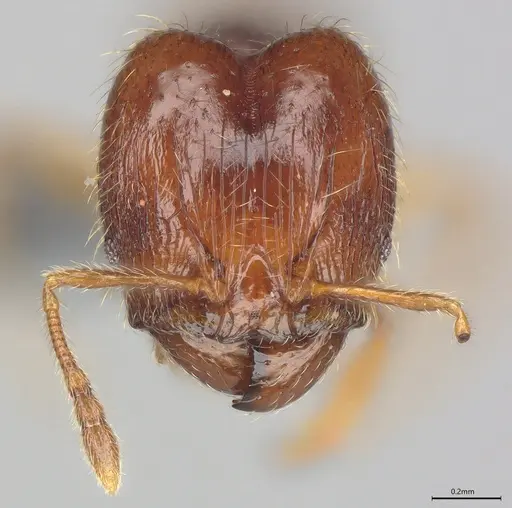
CASENT0786034
View on AntWeb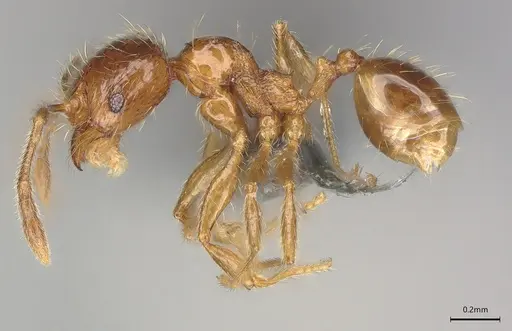
CASENT0786231
View on AntWeb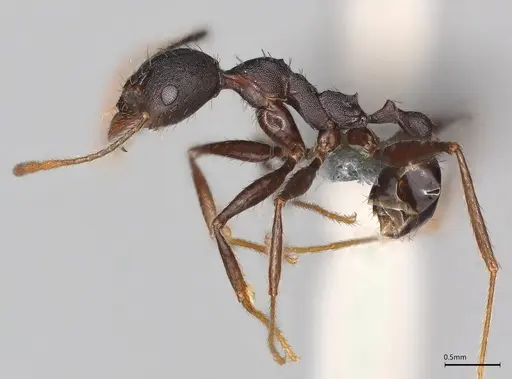
CASENT0786240
View on AntWeb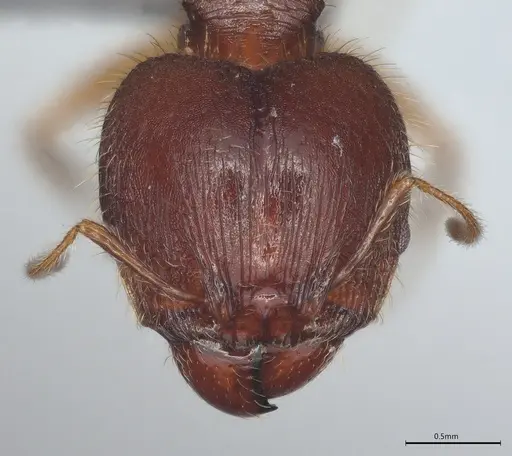
CASENT0786360
View on AntWeb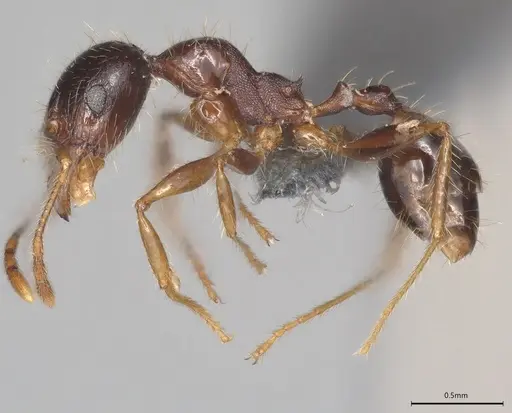
CASENT0786641
View on AntWeb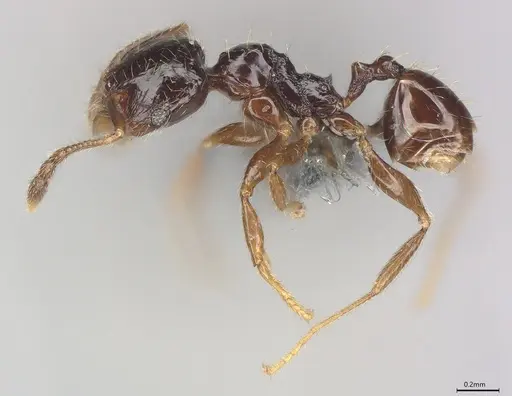
CASENT0786642
View on AntWeb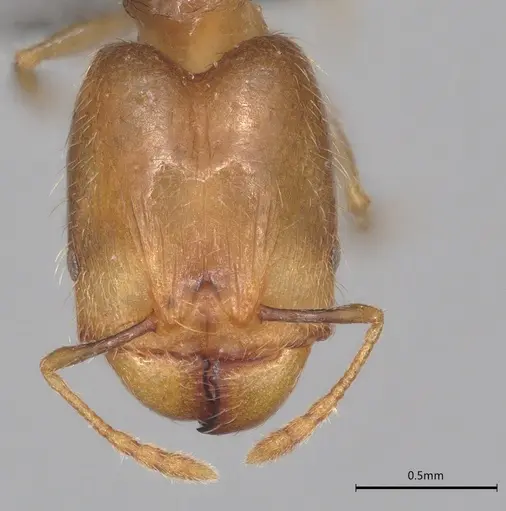
CASENT0786643
View on AntWeb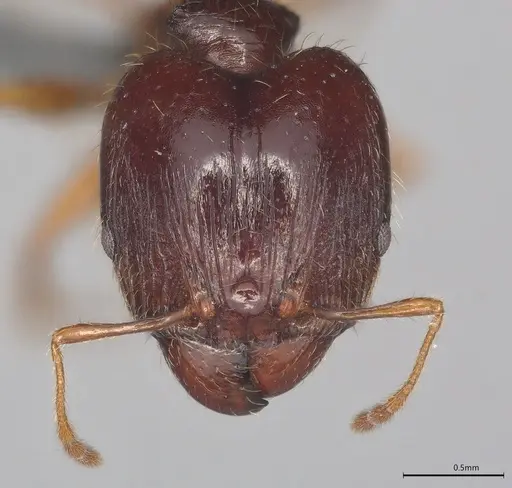
Literature
Loading...Loading products...