

Pheidole antillana
- Scientific Name
- Pheidole antillana
- Tribe
- Attini
- Subfamily
- Myrmicinae
- Author
- Forel, 1893
- Distribution
- Found in 5 countries
Pheidole antillana Overview
Pheidole antillana is an ant species of the genus Pheidole. It is primarily documented in 5 countries , including Dominica, Grenada, Guadeloupe. Detailed taxonomic data and occurrence records can be further explored via authoritative databases such as AntWeb or the Global Biodiversity Information Facility (GBIF).
Pheidole antillana
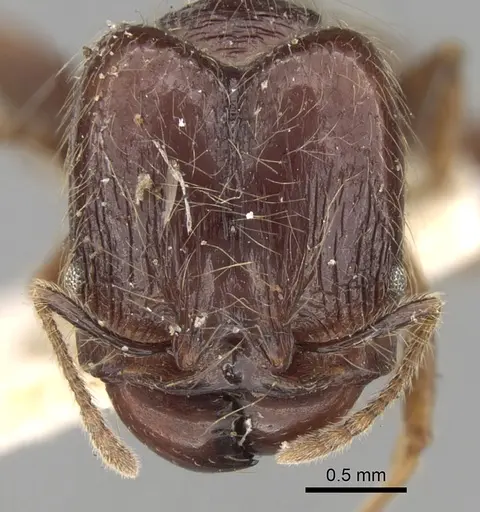
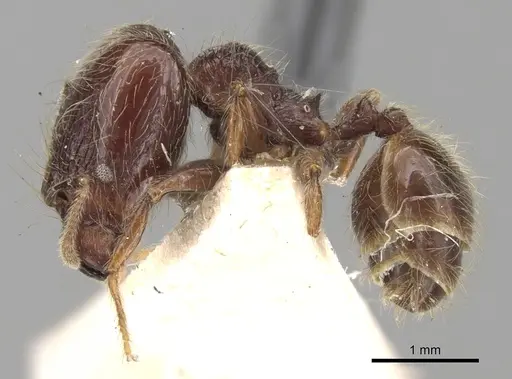
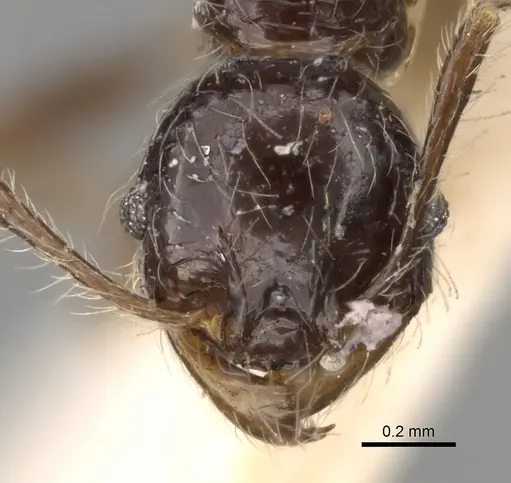
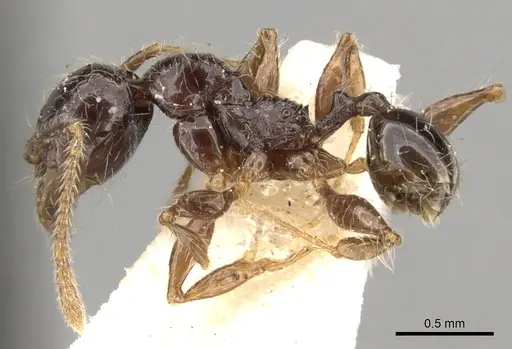
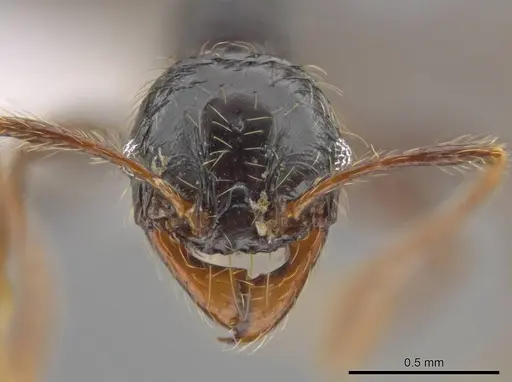
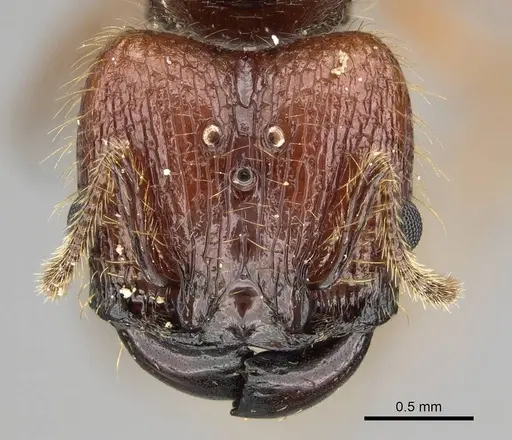
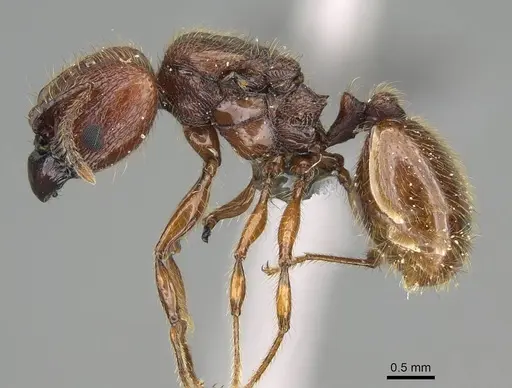
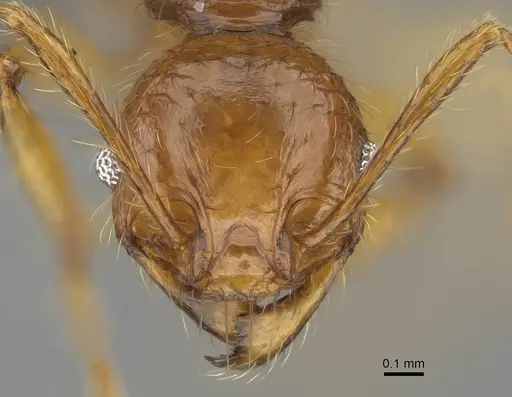
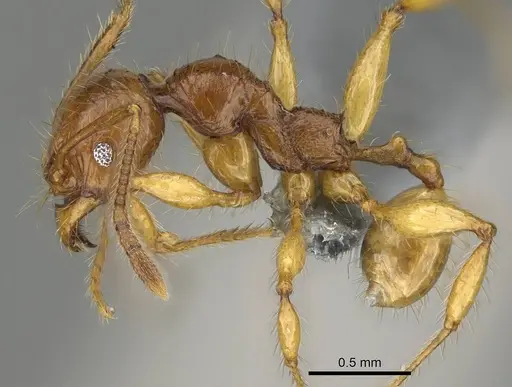
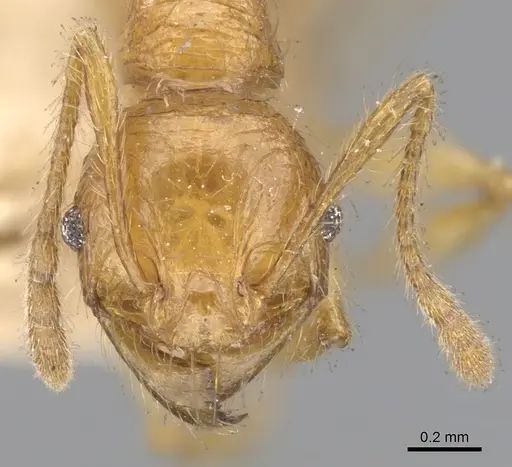
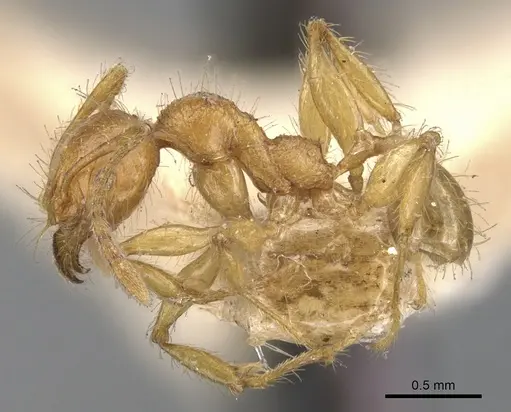
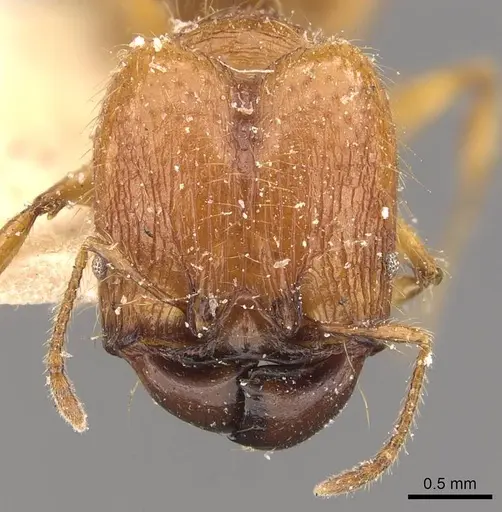
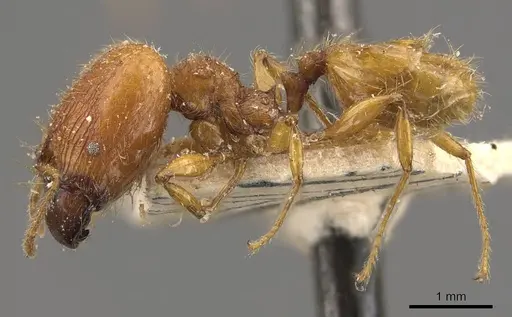
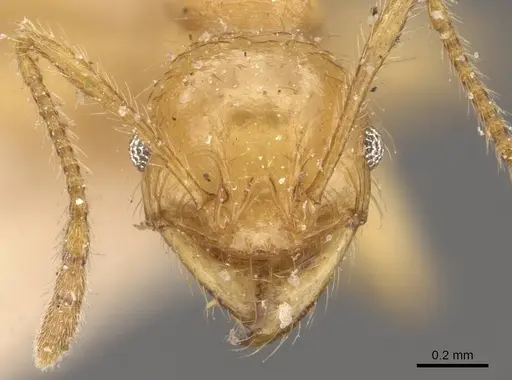
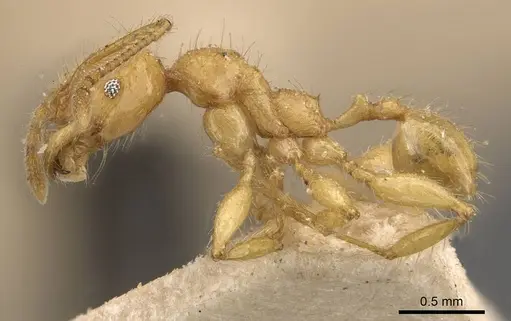
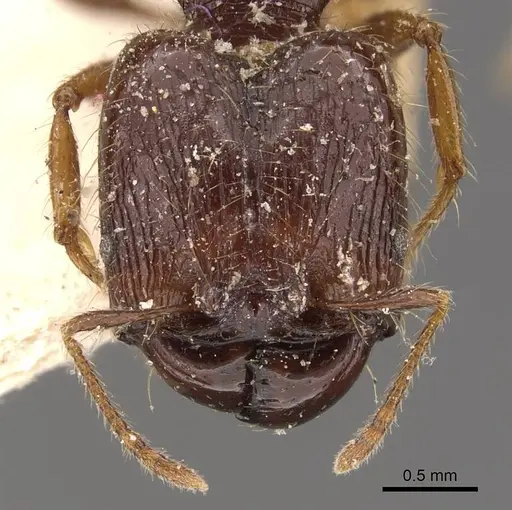
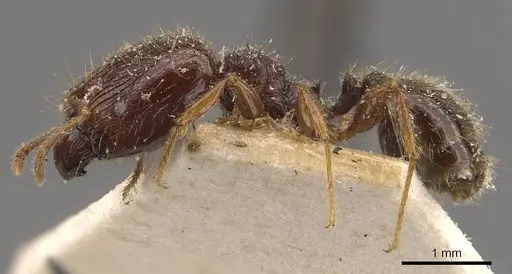
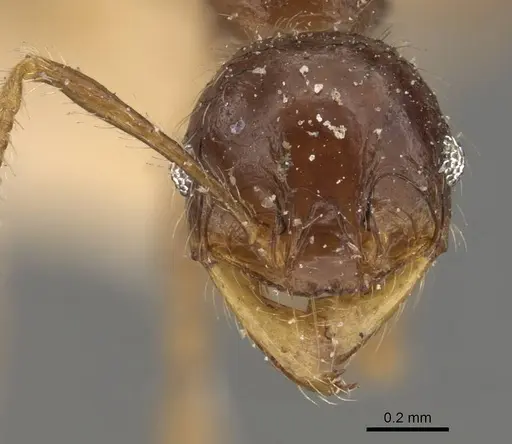
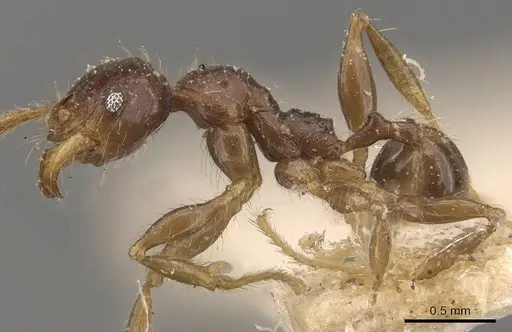
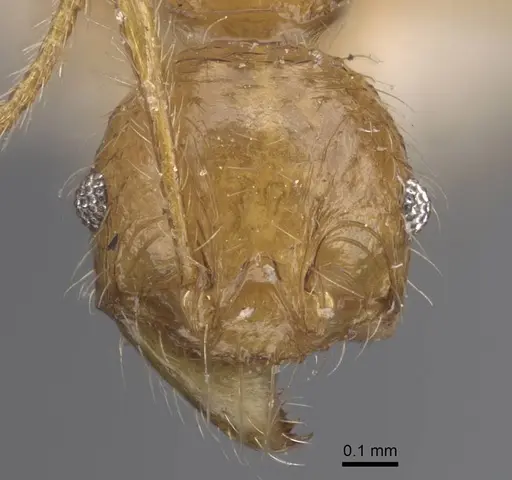
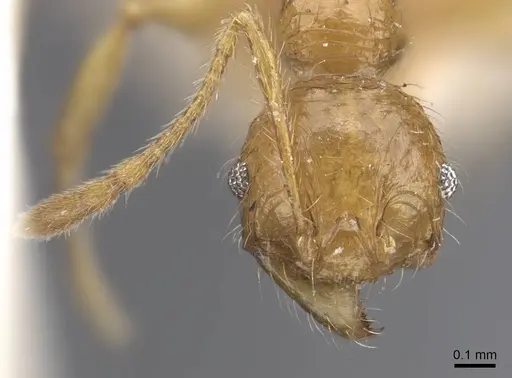
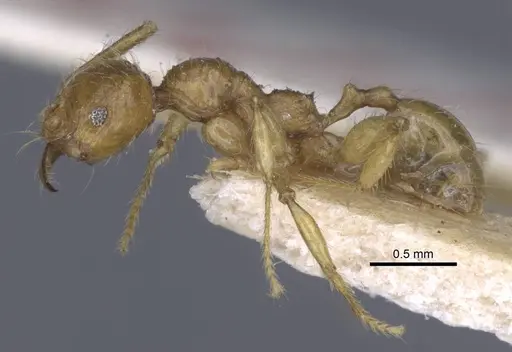
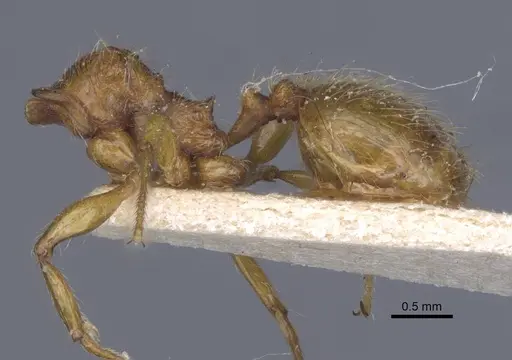
Pheidole antillana is a small ant species native to the Lesser Antilles islands of St. Vincent, Grenada, Dominica, and Guadeloupe. Workers come in two sizes: majors measure around 1.56mm in head width, while minors are much smaller at around 0.66mm. The species shows significant color variation across its range, reddish yellow on St. Vincent, light reddish brown to dark brown on Grenada, and light reddish brown on Dominica. Colonies are relatively small, typically containing 100-200 workers but occasionally reaching 600-700 individuals. This species is notable for being the host of the parasitic ant Solenopsis enigmatica on Dominica, making it one of the few documented host species in the Caribbean [1].
Quick Summary
- Difficulty: Easy
- Origin & Habitat: Lesser Antilles islands (St. Vincent, Grenada, Dominica, Guadeloupe). Found in forest and shady places, nesting under bark of very rotten logs or under logs and sticks on the forest floor [2][1].
- Colony Type: Single-queen colonies (monogyne). Colonies contain both major and minor workers, with majors being few in number, sometimes only one or two per colony [2].
- Colony: Monogyne
- Founding: Claustral
- Size & Growth:
- Queen: Estimated 5-7mm based on genus patterns
- Worker: Majors: 1.56mm HW, Minors: 0.66mm HW
- Colony: Up to 600-700 workers [2][3]
- Growth: Moderate
- Development: Estimated 6-8 weeks based on typical Pheidole development (Development time is estimated from genus-level data, specific measurements for this species are not available)
- Antkeeping:
- Temperature: Keep at 24-28°C. These are tropical ants from Caribbean islands, so they prefer warm conditions. A heating cable on one side of the nest creates a suitable gradient
- Humidity: Keep substrate moderately moist. In the wild, they nest in rotting wood on the forest floor, which maintains damp but not waterlogged conditions. Provide a water test tube for drinking water
- Diapause: No, being a tropical species from the Caribbean, they do not require hibernation. Keep their environment warm year-round
- Nesting: They naturally nest under bark of very rotten logs and in rotting sticks on the forest floor. In captivity, a Y-tong (AAC) nest or plaster nest with small chambers works well. Avoid dry, compact substrates, they need some moisture-retaining material. The small colony size means they don't need large spaces [2][1].
- Behavior: Workers are sluggish, especially the majors. This is a relatively calm species that doesn't show aggressive foraging behavior. Majors (the larger workers) are rare in colonies, sometimes only one or two. They are not known to be escape artists, but their small size means you should still use standard escape prevention. They are not aggressive and rarely sting [2].
- Common Issues: colonies are small, don't overfeed or mold becomes a problem in their limited space, rotting wood nesting preference means they need moist nest materials, dry setups will cause them to struggle, tropical species need constant warmth, cold drafts can stress or kill colonies, wild-caught colonies may carry the parasitic ant Solenopsis enigmatica, quarantine and monitor new colonies, sluggish behavior is normal, don't mistake slow movement for illness
Housing and Nest Setup
Pheidole antillana naturally nests under bark of very rotten logs, in rotting sticks, and occasionally under stones on the forest floor. They prefer irregular chambers with small passages, typically occupying only 2-3 inches of space. In captivity, a Y-tong (AAC) nest or plaster nest works well since these materials can hold some moisture. Keep the nest material slightly moist but not wet, think damp forest floor, not soggy swamp. A water test tube should always be available for drinking water. Because colonies stay relatively small (max 600-700 workers), they don't need large formicaria. A small to medium nest size is appropriate. Use a standard outworld for foraging and feeding [2][1].
Feeding and Diet
Like other Pheidole species, these ants are omnivorous. In the wild, they have been found with seeds in their nests, suggesting they collect seeds as part of their diet. They likely forage for small insects, honeydew, and seeds. In captivity, offer a varied diet: protein sources like small insects (fruit flies, pinhead crickets, mealworms), sugar sources like honey water or sugar water, and optionally seeds. Feed protein 2-3 times per week and keep sugar water available constantly. Remove uneaten food after 24-48 hours to prevent mold in their small colonies. [2]
Temperature and Seasonal Care
As a tropical species from the Caribbean islands, Pheidole antillana requires warm conditions year-round. Keep the nest area at 24-28°C. A heating cable placed on one side of the nest creates a temperature gradient that allows the ants to regulate their own exposure to warmth. Room temperature may be sufficient if your home stays in this range, but monitor with a thermometer. These ants do not require hibernation or diapause, they are active year-round in their native tropical habitat. Avoid placing the nest near air conditioning vents, open windows in winter, or any area with temperature fluctuations. Cold stress is one of the few things that can harm this otherwise hardy species.
Colony Structure and Castes
This species exhibits the typical Pheidole dimorphic worker system with major and minor workers. Majors are significantly larger but are few in number, sometimes only one or two per colony. Both worker castes are described as sluggish in their movements, with majors being particularly slow. Colonies are monogyne, meaning they have a single queen. Colony size is modest compared to many ants, typically reaching 100-200 workers, with maximum documented sizes of 600-700 workers. The small number of majors means you won't see the dramatic 'soldier' formations seen in some larger Pheidole colonies. Sexual forms (alates) have been documented in nests from September through November, depending on the island population[2][3].
Behavior and Observation
Pheidole antillana is a calm, non-aggressive species. Workers move slowly and deliberately, both majors and minors being described as sluggish. This makes them interesting to observe but less exciting than faster-moving species. They are not known to be particularly defensive and rarely sting. Their small colony size and quiet nature make them suitable for observation, you can watch the interaction between majors and minors, though majors are too few to serve as a true 'soldier' caste. They are not escape artists despite their small minor worker size, but standard escape prevention (fluon on edges, tight-fitting lids) is still recommended. The species is common in its native range and forms part of the forest floor ecosystem in the Lesser Antilles [2].
Field Notes and Natural History
H.H. Smith documented this species extensively on St. Vincent in the late 1800s, noting that it is common in forests and shady places. The species is also known to host the parasitic ant Solenopsis enigmatica on Dominica, this is a specialized inquiline ant that lives in the nests of Pheidole antillana. If you capture wild colonies, watch for signs of this parasite, which may appear as unusually small or different-looking ants in the colony. On Dominica, P. antillana is common in primary forest but absent from disturbed areas, suggesting they prefer mature, shaded habitats. The color variation across islands (yellow to dark brown) represents geographic variation rather than separate species [1].
Frequently Asked Questions
How long does it take for Pheidole antillana to raise first workers?
Based on typical Pheidole development, expect first workers (nanitics) around 6-8 weeks after the queen lays eggs. This is an estimate since specific development data for this species isn't available. The queen will remain sealed in her founding chamber until workers emerge, then she will resume egg-laying as the colony grows.
What do Pheidole antillana ants eat?
They are omnivorous. Offer small insects (fruit flies, pinhead crickets, small mealworms) as protein 2-3 times per week, and keep sugar water or honey water available constantly. They have been found with seeds in wild nests, so they may accept small seeds as well. Remove uneaten food after 24-48 hours to prevent mold [2].
Can I keep multiple queens together?
No. This species is monogyne, colonies have a single queen. Multiple unrelated queens would likely fight. If you capture a founding queen, keep her alone until she establishes a colony.
What temperature do they need?
Keep them warm at 24-28°C. Being from Caribbean islands, they need tropical conditions. A heating cable on part of the nest creates a gradient. Room temperature in this range is fine, if your home is cooler, use gentle heating. Avoid cold drafts.
How big do colonies get?
Colonies typically reach 100-200 workers, with maximum documented sizes of 600-700 workers. This is relatively small compared to many ant species. They stay manageable in small nests [2][3].
What size are the workers?
Majors are about 1.56mm in head width, while minors are much smaller at around 0.66mm head width. Majors are rare in colonies, sometimes only one or two per colony. The size difference is dramatic but majors are too few to form a significant 'soldier' force.
Do they need hibernation?
No. Being a tropical species from the Caribbean islands, they do not require hibernation or diapause. Keep them warm year-round. Cold temperatures can stress or kill them.
Are Pheidole antillana good for beginners?
Yes. They are relatively easy to care for, small colonies, modest space needs, not aggressive, and not difficult to feed. They do need warmth and some moisture in their nest, but these are easy to provide. Their sluggish behavior makes them less exciting than some species, but they are rewarding to watch.
Why are my ants so slow?
This is normal! Both major and minor workers are described as sluggish, with majors being especially slow. Don't mistake this for illness, it's their natural behavior. They are calm, deliberate foragers [2].
References

This caresheet is licensed under CC BY-SA 4.0 .
CASENT0281754
View on AntWeb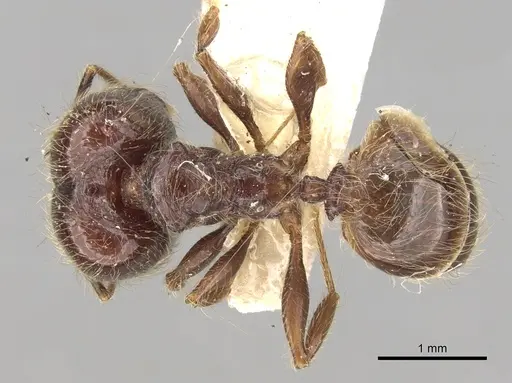
CASENT0281755
View on AntWeb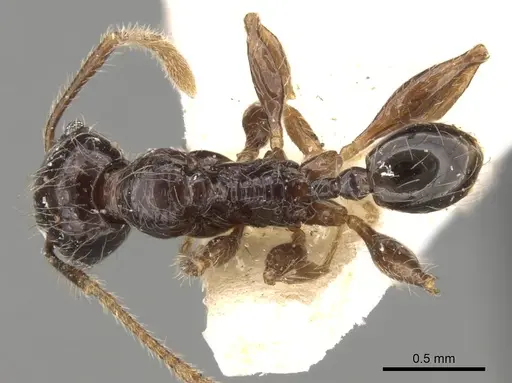
CASENT0627565
View on AntWeb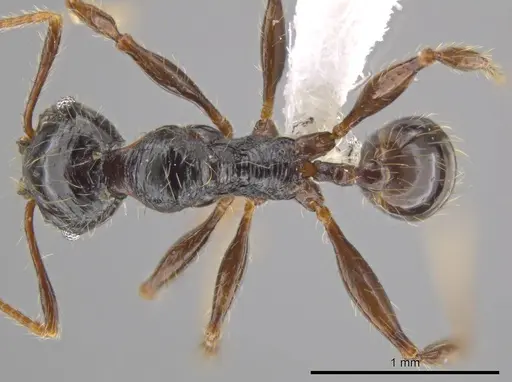
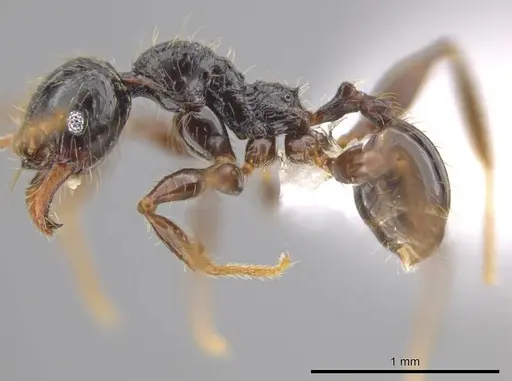
CASENT0630507
View on AntWeb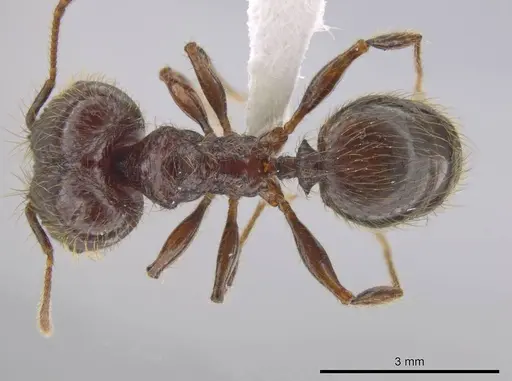
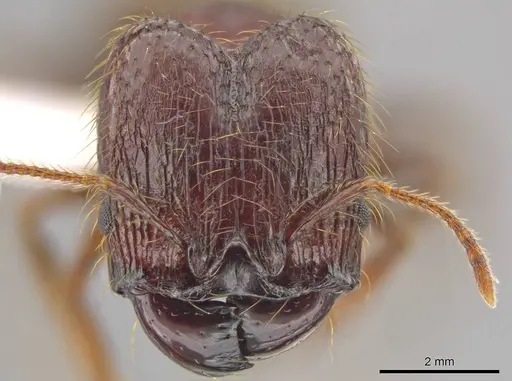
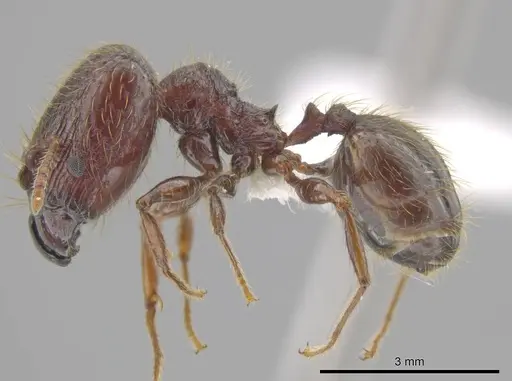
CASENT0630584
View on AntWeb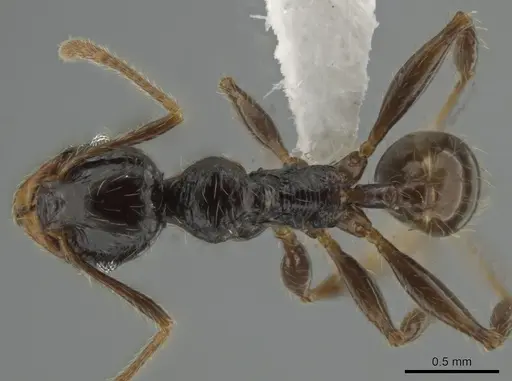
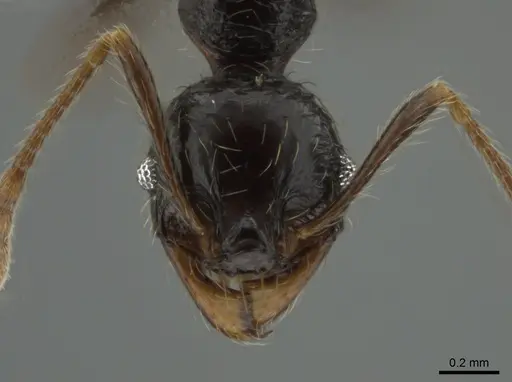
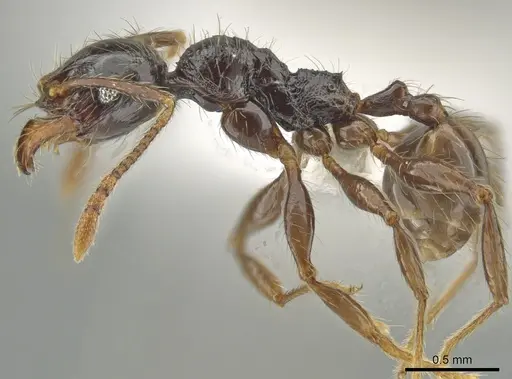
CASENT0767557
View on AntWeb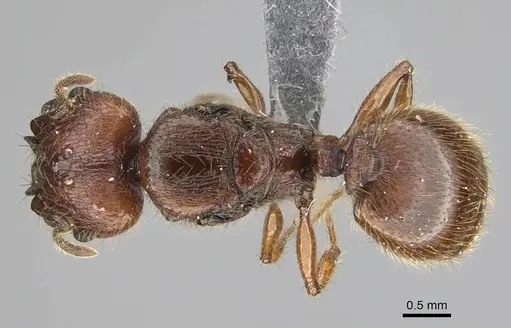
CASENT0767616
View on AntWeb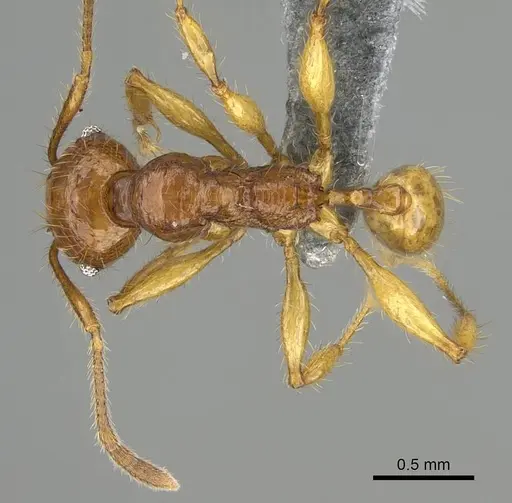
CASENT0901479
View on AntWeb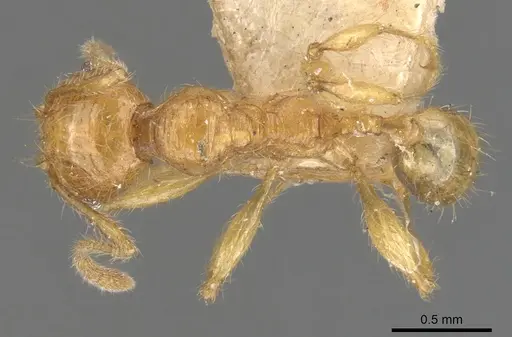
CASENT0908170
View on AntWeb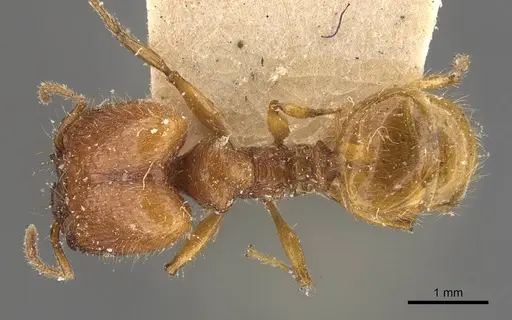
CASENT0908171
View on AntWeb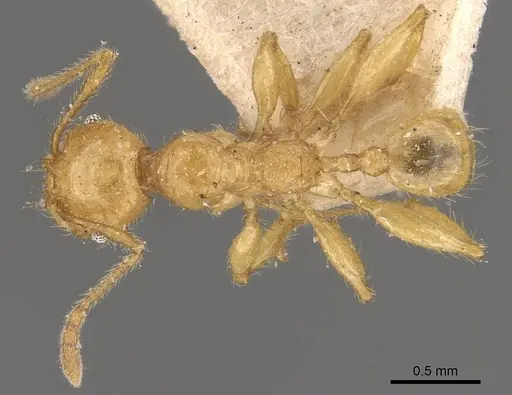
CASENT0908172
View on AntWeb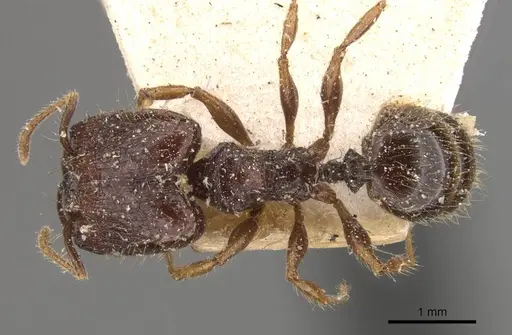
CASENT0908173
View on AntWeb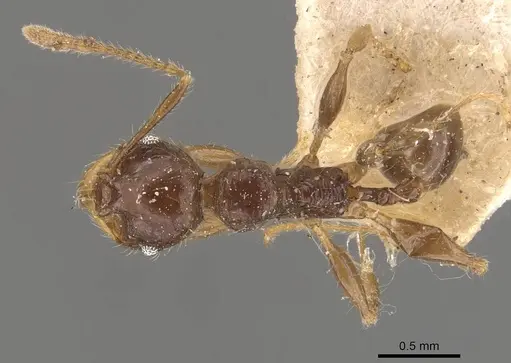
CASENT0916949
View on AntWeb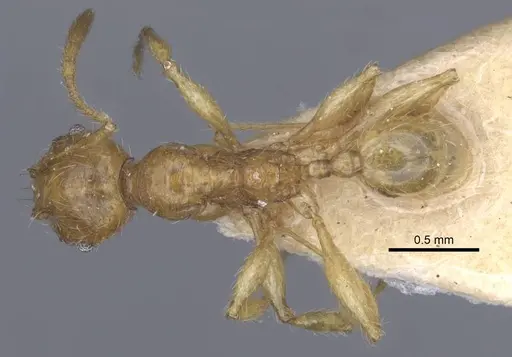
CASENT0916950
View on AntWeb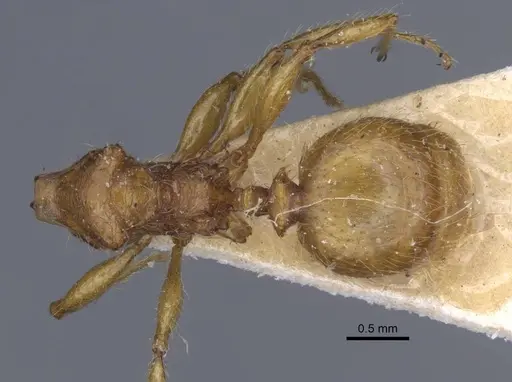
Literature
Loading...Loading products...