

Pheidole isis
- Scientific Name
- Pheidole isis
- Tribe
- Attini
- Subfamily
- Myrmicinae
- Author
- Mann, 1919
- Distribution
- Found in 1 countries
Pheidole isis Overview
Pheidole isis is an ant species of the genus Pheidole. It is primarily documented in 1 countries , including Solomon Islands. Detailed taxonomic data and occurrence records can be further explored via authoritative databases such as AntWeb or the Global Biodiversity Information Facility (GBIF).
Pheidole isis
Pheidole isis is a small ant species native to the Solomon Islands archipelago in the Pacific. Like other Pheidole species, they have distinct major workers (soldiers) alongside the smaller minor workers. The species was first described by William M. Mann in 1919 from specimens collected in the British Solomon Islands. They belong to the Myrmicinae subfamily and are part of the Attini tribe. This species remains poorly studied in the scientific literature, with most records coming from early 20th century collections on the islands of Makira, Guadalcanal, and Ysabel.
Quick Summary
- Difficulty: Unknown, no captive breeding data available
- Origin & Habitat: Endemic to the Solomon Islands (Makira, Guadalcanal, Ysabel) in the Pacific region [1][2]. Natural habitat consists of tropical island forest environments.
- Colony Type: Unconfirmed, colony structure has not been documented for this species. Most Pheidole species are monogyne (single queen colonies), but some can form multi-queen colonies.
- Colony: Monogyne
- Founding: Claustral
- Size & Growth:
- Queen: Estimated 5-7mm based on genus patterns
- Worker: Minor workers: 2-3mm, Major workers (soldiers): 3-4mm, estimated from genus descriptions
- Colony: Unknown for this species, typical Pheidole colonies reach hundreds to thousands of workers
- Growth: Unknown
- Development: Estimated 4-8 weeks based on typical tropical Pheidole development at warm temperatures (This is a rough estimate based on genus patterns, no specific data exists for P. isis)
- Antkeeping:
- Temperature: Keep warm at 24-28°C based on their tropical Solomon Islands origin. A heating cable on one side of the nest can provide a temperature gradient.
- Humidity: Require moderate to high humidity (60-80%) typical of tropical island environments. Keep the nest substrate consistently moist but not waterlogged.
- Diapause: Unknown, as a tropical species from the Solomon Islands, they likely do not require hibernation. However, seasonal temperature variations in captivity may slow their activity.
- Nesting: In nature, Pheidole species typically nest in soil, under stones, or in rotting wood. In captivity, a test tube setup works well for founding colonies, transitioning to a Y-tong or plaster nest as the colony grows. They prefer dark, secure nesting sites.
- Behavior: Pheidole isis likely exhibits typical Pheidole behavior: active foraging with both minor and major workers, seed collection, and predation on small insects. Major workers (soldiers) defend the colony and help process larger food items. They are likely not aggressive toward humans but will defend their nest. Escape prevention is important, use fine mesh barriers as they can squeeze through small gaps.
- Common Issues: no captive breeding data exists, this species has never been documented in the antkeeping hobby, tropical humidity requirements mean dry conditions can be fatal, small colony size at founding makes claustral queens vulnerable to disturbance, escape risk exists despite their small size, use proper barriers, wild-caught colonies may carry parasites or diseases from their native range
Species Background and Distribution
Pheidole isis is a Solomon Islands endemic, meaning it is found nowhere else in the world naturally. The species was originally described in 1919 by William M. Mann from specimens collected during the British Solomon Islands expedition. The type locality is the Solomon Islands, with confirmed records from Makira Island, Guadalcanal, and Ysabel (Isabel) Island [1][2]. The species has two recognized subspecies: the nominal Pheidole isis isis and Pheidole isis taki, both described by Mann in 1919. This ant occupies a restricted geographic range limited to the Solomon Islands archipelago in the southwestern Pacific.
Identification and Morphology
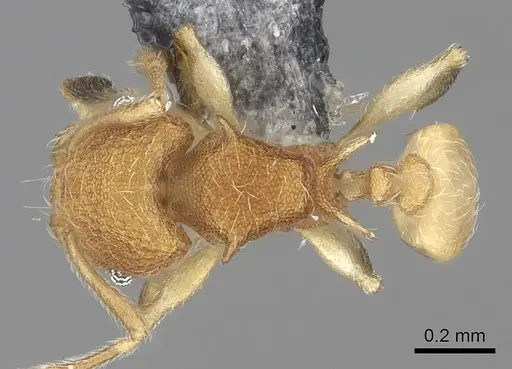
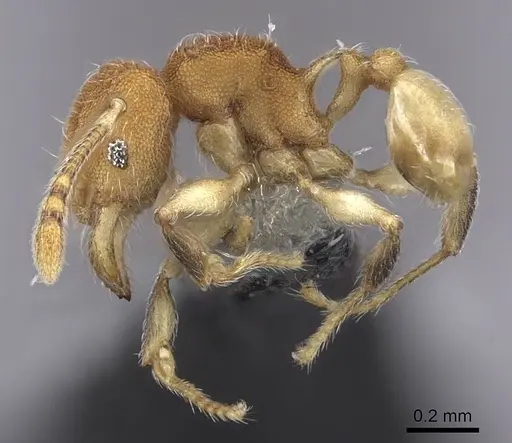
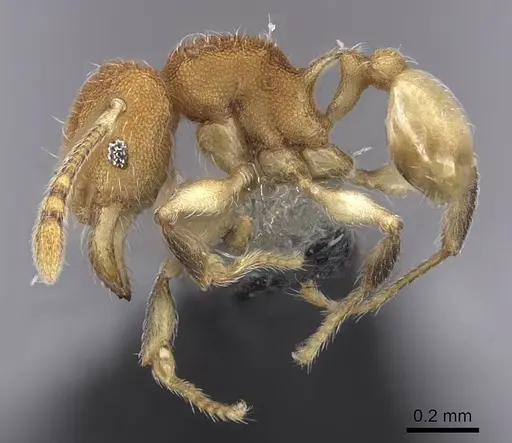
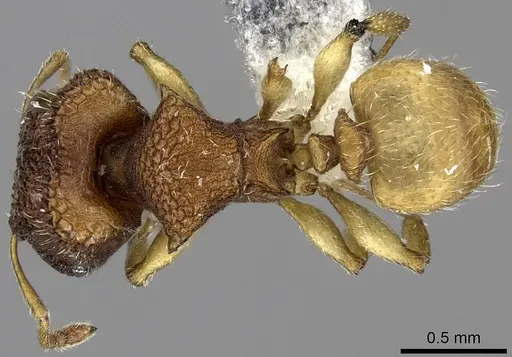
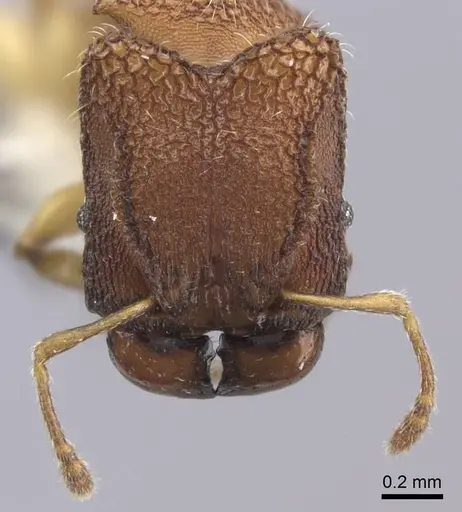
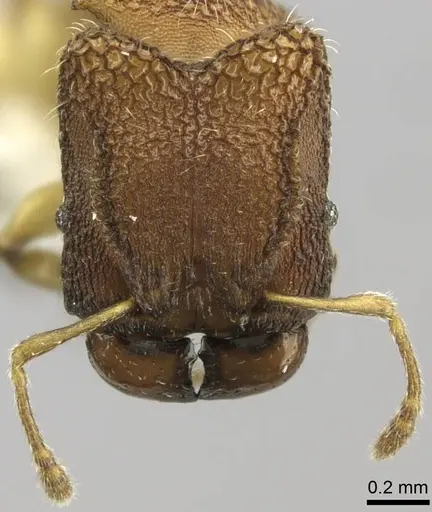
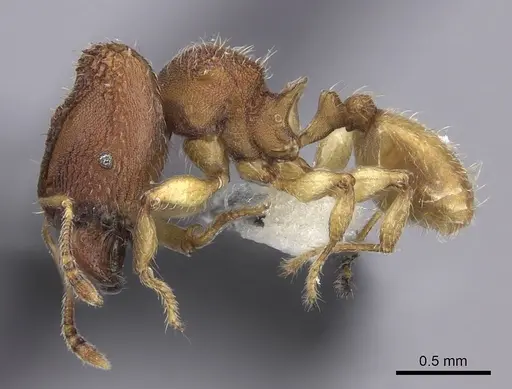
Like all Pheidole species, P. isis has two distinct worker castes: minor workers and major workers (soldiers). The major workers have enlarged heads used for defense and processing large food items. The original description by Mann (1919) includes figures showing the soldier, worker, and queen castes. Pheidole is a large genus with over 1000 species worldwide, and accurate identification typically requires comparison with type specimens or expert taxonomic keys. For antkeepers, the key identifying features are the two-worker caste system and the characteristic postpetiolar node (the segment between the waist and abdomen).
Housing and Nesting
For founding colonies, a standard test tube setup works well. Fill the test tube with water reservoir and plug with cotton, then place the queen in a dark area to encourage claustral founding. Once the colony reaches 20-30 workers, you can transition to a small formicarium. Y-tong (acrylic) nests or plaster nests work well for Pheidole species because they allow you to maintain proper humidity levels. The nest should be kept dark or covered with an opaque cover. Avoid placing the nest in direct sunlight or in areas with vibrations that could stress the colony. Provide an outworld area for foraging that is escape-proof.
Feeding and Diet
Pheidole species are omnivorous and will accept a variety of foods. In captivity, they typically eat protein sources like small insects (fruit flies, pinhead crickets, mealworms) and carbohydrate sources like sugar water, honey, or ripe fruits. Major workers can handle larger food items that minors cannot. Feed protein 2-3 times per week and provide a constant sugar water source. Remove uneaten food after 24-48 hours to prevent mold. Pheidole also often collect seeds, so offering small seeds may be accepted. Remove any moldy food immediately as it can kill colonies.
Temperature and Humidity
As a tropical species from the Solomon Islands, Pheidole isis requires warm and humid conditions. Keep the nest area at 24-28°C (75-82°F). A small heating cable placed on one side of the nest can create a temperature gradient, allowing the ants to self-regulate. Humidity should be maintained at 60-80%. Monitor the nest substrate, it should feel damp but not have standing water. Mist the outworld occasionally but avoid getting water directly on the nest. Poor humidity leads to failed broods and colony decline. A hydration station (like a water test tube) in the outworld helps maintain ambient humidity.
Colony Development
The queen lays eggs which develop through larval and pupal stages before emerging as workers. The first workers (nanitics) are typically smaller than normal workers and the colony's growth rate depends on temperature, feeding, and humidity. Once the first nanitics emerge, the queen stops foraging and focuses on egg production, the workers take over all foraging and brood care. Colony growth is typically slow initially but accelerates as the worker population increases. Major workers (soldiers) typically appear once the colony reaches a certain size threshold. There is no specific data for P. isis development time, but based on genus patterns, expect 4-8 weeks from egg to worker at optimal temperatures.
Frequently Asked Questions
How long does it take for Pheidole isis to have first workers?
The exact timeline is unknown for this species. Based on typical Pheidole development patterns, expect first workers (nanitics) approximately 4-8 weeks after the queen lays eggs, assuming optimal temperature (24-28°C) and humidity. The queen will remain claustrally sealed in her chamber until the first workers emerge.
What do Pheidole isis ants eat?
Pheidole isis is omnivorous. Offer small insects (fruit flies, pinhead crickets, mealworms) as protein 2-3 times per week, and provide a constant sugar source like sugar water or honey. They may also accept seeds and fruit. Remove uneaten food within 48 hours to prevent mold.
Can I keep multiple Pheidole isis queens together?
This has not been documented for this species. Most Pheidole are monogyne (single queen), but some species can be polygynous. Unless you have confirmed this species accepts multiple queens, it is safest to house a single queen per colony. Introducing multiple unrelated queens to an established colony typically results in fighting.
What temperature do Pheidole isis need?
Keep them warm at 24-28°C (75-82°F). As a tropical species from the Solomon Islands, they need consistent warmth. A heating cable on one side of the nest creates a gradient for self-regulation. Avoid temperatures below 20°C for extended periods.
Are Pheidole isis good for beginners?
This species cannot be recommended for beginners because there is no captive breeding data available and they have never been documented in the antkeeping hobby. If you are interested in Pheidole, consider more commonly kept species like Pheidole pallidula or Pheidole megacephala which have established care protocols.
How big do Pheidole isis colonies get?
Colony size is unconfirmed for this specific species. However, typical Pheidole colonies can reach hundreds to thousands of workers. The presence of major workers (soldiers) usually appears once the colony reaches several dozen workers.
Do Pheidole isis need hibernation?
As a tropical species from the Solomon Islands, they likely do not require hibernation. They may experience slower activity during cooler months in captivity, but a true diapause period is probably not necessary. Maintain warm temperatures year-round.
What humidity level do Pheidole isis need?
Maintain 60-80% humidity. Keep the nest substrate consistently moist but not waterlogged. The Solomon Islands are a humid tropical environment, so dry conditions are likely harmful. Monitor for condensation, some condensation is normal and good, but standing water indicates too much moisture.
When should I move Pheidole isis to a formicarium?
Keep the queen in a test tube setup until the colony reaches at least 20-30 workers. At this point, you can carefully transfer them to a small formicarium (Y-tong or plaster nest) with an attached outworld. Pheidole prefer tight, secure nesting chambers. Always move the entire colony at once, including the queen, brood, and workers.
References

This caresheet is licensed under CC BY-SA 4.0 .
CASENT0219547
View on AntWeb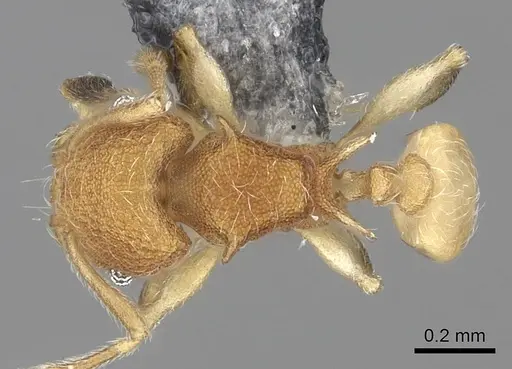
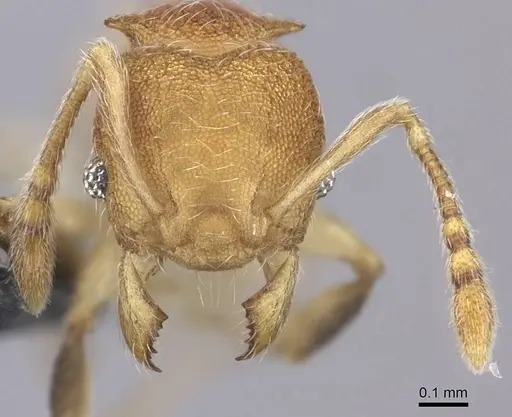
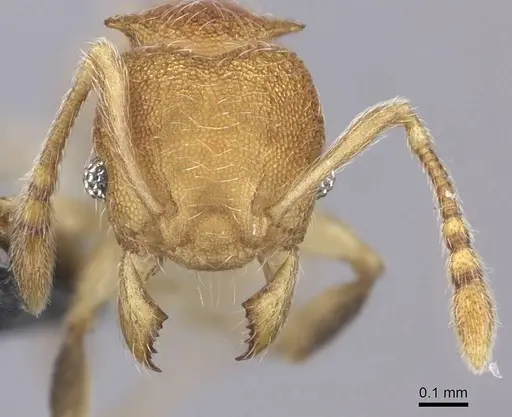
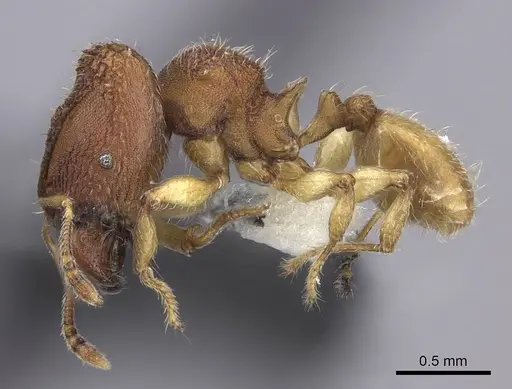
CASENT0219994
View on AntWeb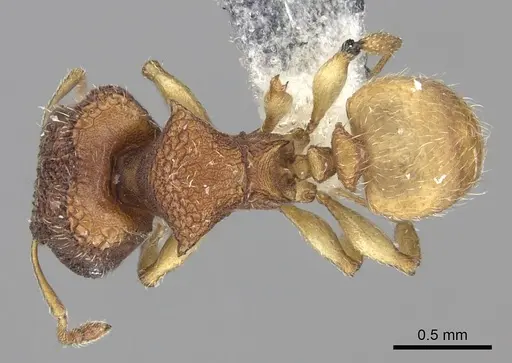
Literature
Loading...Loading products...