

Pheidole gaigei
- Scientific Name
- Pheidole gaigei
- Tribe
- Attini
- Subfamily
- Myrmicinae
- Author
- Forel, 1914
- Distribution
- Found in 1 countries
Pheidole gaigei Overview
Pheidole gaigei is an ant species of the genus Pheidole. It is primarily documented in 1 countries , including Colombia. Detailed taxonomic data and occurrence records can be further explored via authoritative databases such as AntWeb or the Global Biodiversity Information Facility (GBIF).
Pheidole gaigei
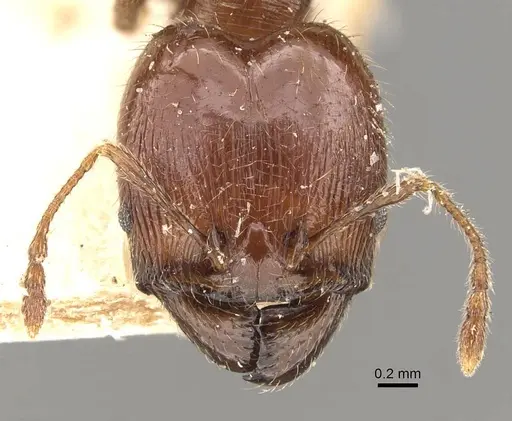
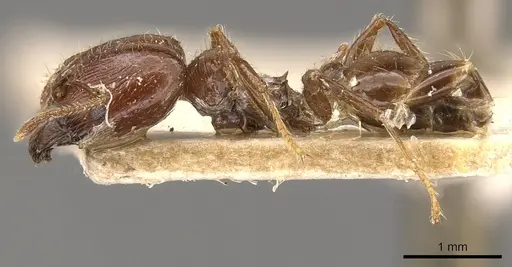
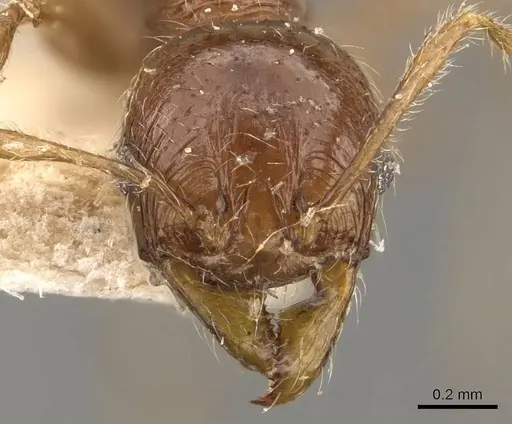
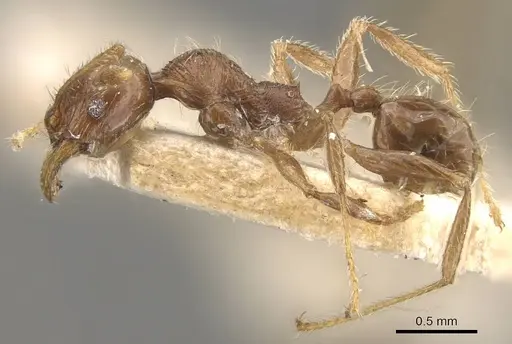
Pheidole gaigei is a small Neotropical ant belonging to the tristis group, known only from the Sierra Nevada de Santa Marta mountains in Colombia. Major workers measure 1.28mm with a light reddish-yellow coloration, while minor workers are smaller at 0.64mm with a brownish-yellow appearance [1]. The species was originally described from specimens collected at 1700m elevation on Mt. San Lorenzo [1]. This is a poorly documented species with no published biological studies, what we know comes from taxonomic descriptions rather than ecological observations. The genus Pheidole is famous for its dimorphic workers, with majors serving as specialized defenders and food processors.
Quick Summary
- Difficulty: Unknown
- Origin & Habitat: Sierra Nevada de Santa Marta, Colombia at 1700m elevation. The highland location suggests a cooler, more temperate microclimate compared to lowland tropical areas [1].
- Colony Type: Unconfirmed, no colony structure data exists for this species. Most Pheidole species are monogyne (single queen colonies), but this has not been verified for P. gaigei.
- Size & Growth:
- Queen: Unknown, no queen specimens have been described in the literature
- Worker: Major: 1.28mm HW, Minor: 0.64mm HW [1]
- Colony: Unknown, no colony size data exists
- Growth: Unknown
- Development: Unknown, no development data exists for this species. Based on typical Pheidole patterns, expect 6-10 weeks at warm temperatures. (Estimated from genus-level data since species-specific research is unavailable)
- Antkeeping:
- Temperature: Unknown for this species. Based on the 1700m highland location in Colombia, aim for moderate temperatures around 20-24°C. Avoid overheating.
- Humidity: Unknown, no humidity data exists. As a Colombian Pheidole, they likely prefer moderate to slightly humid conditions. Keep nest substrate lightly moist.
- Diapause: Unknown, no overwintering data exists. The highland origin suggests they may tolerate or require cooler periods.
- Nesting: No natural nesting observations exist. Most Pheidole species nest in soil or rotting wood. A standard test tube setup or Y-tong nest works well as a starting point.
- Behavior: Undocumented, no behavioral observations have been published. Pheidole genus members are typically non-aggressive, seed-eating ants with major workers that help process hard seeds. Escape risk is moderate given the small worker size (0.64mm minors), use standard barrier methods.
- Common Issues: this species has never been kept in captivity, no husbandry information exists, highland origin means lowland room temperature may be too warm, no seed-eating behavior has been confirmed for this specific species, queen founding behavior is completely unstudied
Species Overview
Pheidole gaigei is one of the least studied ants in the hobby, known only from a handful of specimens collected in the Sierra Nevada de Santa Marta mountains of northern Colombia. The species was first described by Forel in 1914 based on worker castes, and the original description remains our primary source of information [1]. The species belongs to the tristis group, a lineage of Neotropical Pheidole characterized by specific morphological features in both major and minor workers. The type locality sits at 1700m elevation, which is relatively cool for tropical Colombia, this is important because it suggests P. gaigei may prefer cooler conditions than typical lowland tropical ants. The major workers reach 1.28mm head width, making them smaller than many common Pheidole species kept in captivity.
Housing and Nesting
Since no natural nesting observations exist for P. gaigei, we must base recommendations on genus patterns and the species' highland origin. A standard test tube setup works well for founding colonies, fill a clean test tube with water, plug with cotton, and place the queen in a dark container. For established colonies, a Y-tong (acrylic) nest or plaster formicarium provides good visibility. Given the 1700m elevation origin, avoid overheating, room temperature (20-24°C) is likely appropriate. Keep the nest substrate lightly moist but not waterlogged. The small minor workers (0.64mm) suggest narrow passages in the nest will be appreciated, but this species is not as tiny as some Pheidole.
Feeding and Diet
No dietary observations exist for P. gaigei specifically. However, the genus Pheidole is well-documented as granivorous, these ants specialize in collecting and processing seeds, using their powerful major workers to crack open hard seed coats. They also supplement their diet with protein from small insects. For captive care, offer a mix of crushed birdseed, grass seeds, or commercial ant seed mixes as a staple. Supplement with small protein sources like fruit flies, small crickets, or freeze-dried insects. A small dish of sugar water or honey can be offered occasionally, though seed-eating ants often ignore sugary liquids. Remove uneaten food after 48 hours to prevent mold.
Temperature and Seasonal Care
The highland origin of P. gaigei (1700m in the Sierra Nevada de Santa Marta) is the most important clue for temperature management. Unlike lowland tropical ants that thrive at 26-30°C, this species likely prefers cooler conditions. Aim for 20-24°C as a starting point, observe colony behavior and adjust if workers seem sluggish (too cold) or cluster away from heat sources (too warm). No data exists on diapause requirements. If your colony shows reduced activity in winter, you might offer a slight temperature drop to 15-18°C for 2-3 months, but this is speculative. The honest answer is that we simply do not know this species' seasonal requirements.
Colony Development
No colony development data exists for P. gaigei, this is one of the least studied ants in the genus. From what we know about Pheidole in general, expect claustral founding where the queen seals herself in a chamber and raises the first brood alone on stored fat reserves. First workers (nanitics) will be smaller than mature workers. Based on genus patterns, expect 6-10 weeks from egg to first worker at optimal temperatures. Colony growth is likely moderate, Pheidole colonies typically reach several hundred workers over several years. Major workers develop later than minors and serve as defenders and food processors. Be patient with this species, as slow growth is normal for Pheidole.
Frequently Asked Questions
How do I care for Pheidole gaigei ants?
Unfortunately, no captive husbandry information exists for this species. Based on the genus and its highland Colombian origin, provide moderate temperatures (20-24°C), lightly moist nest substrate, and a diet of seeds plus small protein sources. This is essentially an experimental species in antkeeping.
What do Pheidole gaigei eat?
No dietary observations exist for this specific species. Based on typical Pheidole behavior, offer crushed seeds as a staple (birdseed, grass seeds) plus small insects for protein. Remove uneaten food after 48 hours.
How long does it take for Pheidole gaigei to produce workers?
Unknown for this species. Based on genus patterns, expect 6-10 weeks from egg to first worker at warm temperatures. Pheidole colonies grow slowly, be patient.
What temperature do Pheidole gaigei need?
Based on the 1700m highland origin in Colombia, aim for moderate temperatures around 20-24°C. Avoid the high temperatures (26-30°C) that work for lowland tropical ants.
How big do Pheidole gaigei colonies get?
No colony size data exists for this species. Most Pheidole colonies reach several hundred to a few thousand workers over several years.
Can I keep multiple Pheidole gaigei queens together?
Unknown, no colony structure data exists for this species. Most Pheidole are monogyne (single queen), but this has not been confirmed for P. gaigei.
Is Pheidole gaigei a good species for beginners?
No, this species has never been kept in captivity and has no documented care information. It is not recommended for beginners. Start with better-documented species like Pheidole pallidula or Pheidole megacephala.
Where is Pheidole gaigei found?
Only known from the Sierra Nevada de Santa Marta mountains in Colombia, specifically Mt. San Lorenzo at 1700m elevation. It has only been recorded from Magdalena region.
Does Pheidole gaigei need hibernation?
Unknown, no overwintering data exists. The highland origin suggests they may tolerate or require cooler periods, but this is speculative.
References

This caresheet is licensed under CC BY-SA 4.0 .
CASENT0908220
View on AntWeb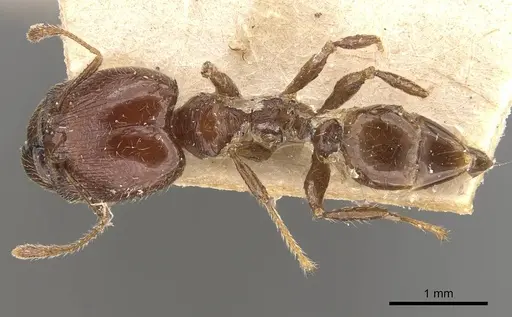
CASENT0908221
View on AntWeb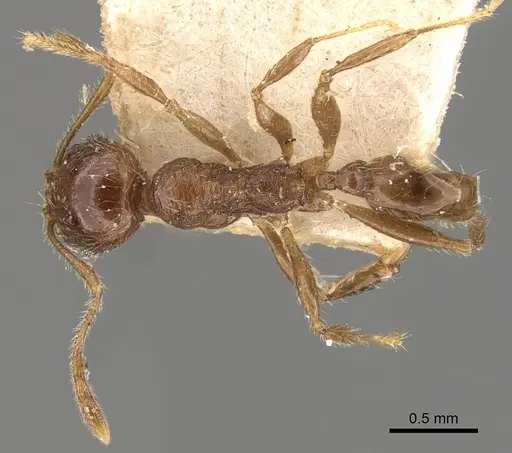
Literature
Loading...Loading products...