

Pheidole fervens
- Scientific Name
- Pheidole fervens
- Tribe
- Attini
- Subfamily
- Myrmicinae
- Author
- Smith, 1858
- Common Name
- Harvester-ant
- Distribution
- Found in 18 countries
Pheidole fervens Overview
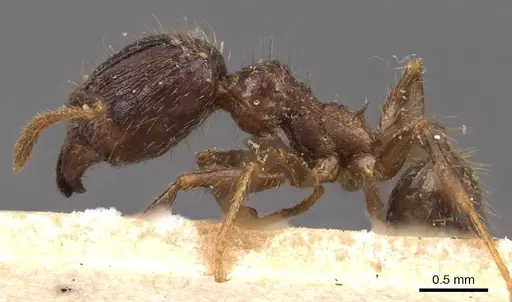
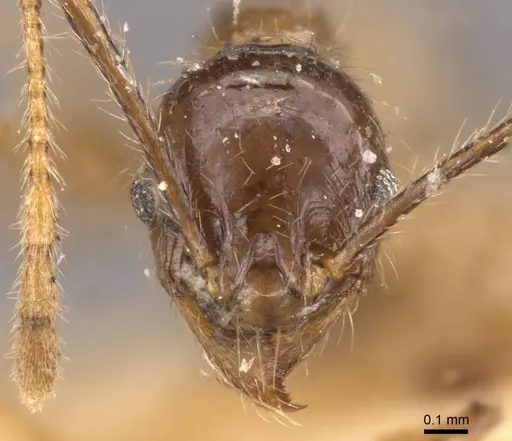
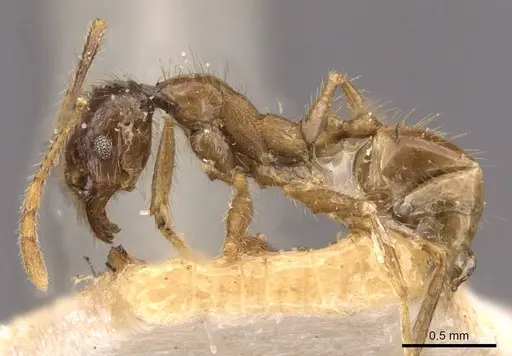
Pheidole fervens (commonly known as the Harvester-ant) is an ant species of the genus Pheidole. It is primarily documented in 18 countries , including Cook Islands, China, Fiji. Detailed taxonomic data and occurrence records can be further explored via authoritative databases such as AntWeb or the Global Biodiversity Information Facility (GBIF).
Pheidole fervens - "Harvester-ant"
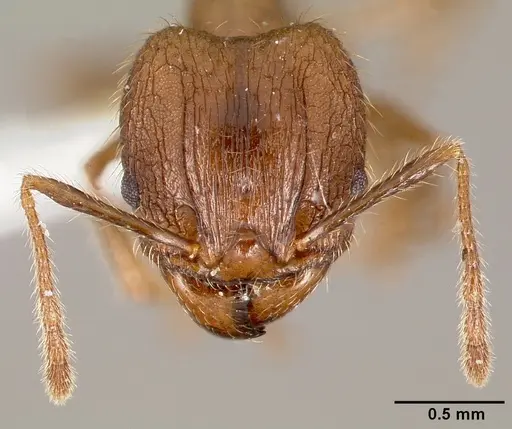
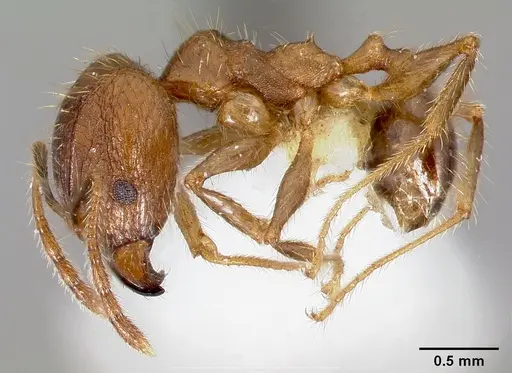
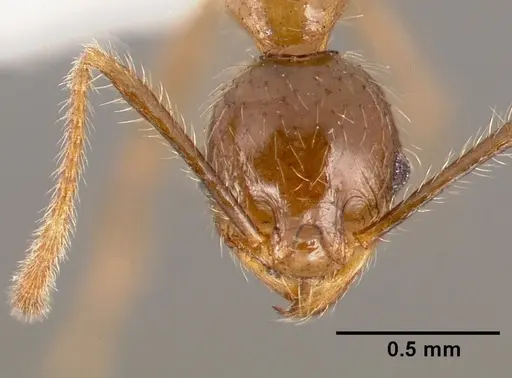
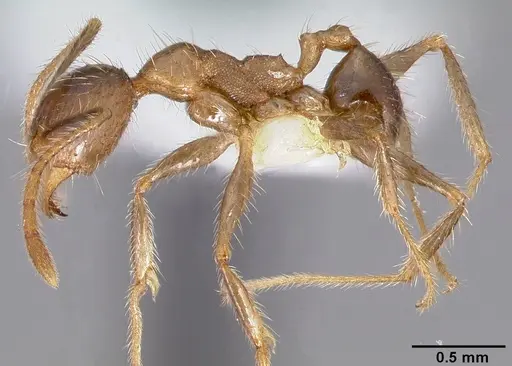
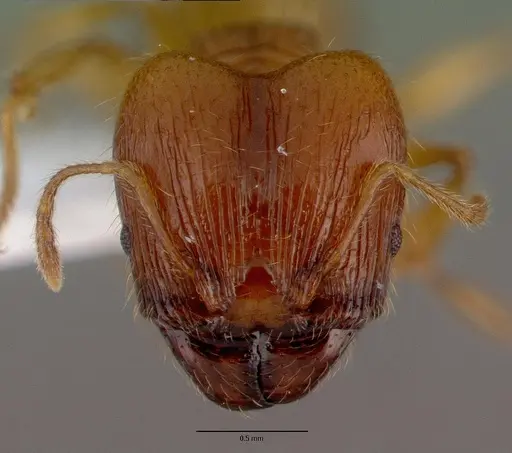
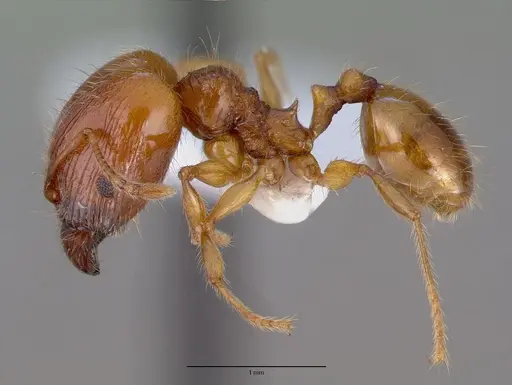
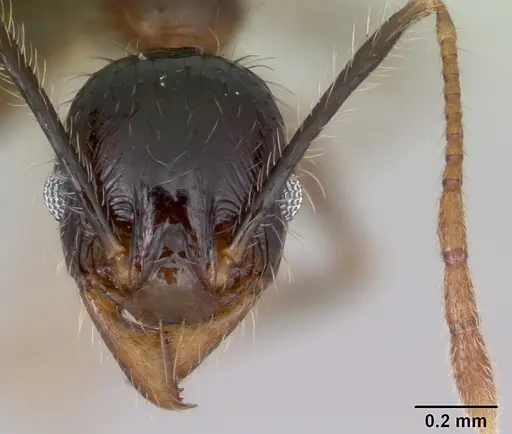
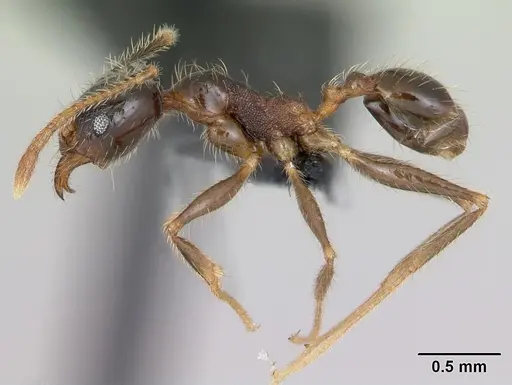
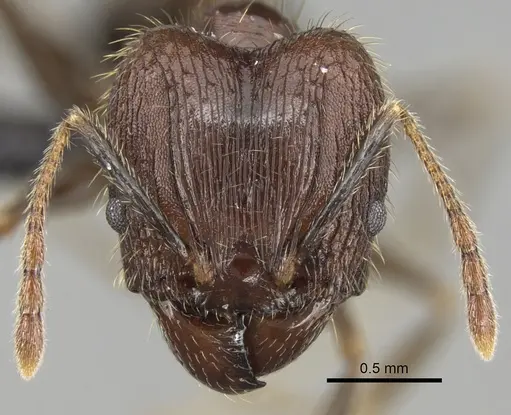
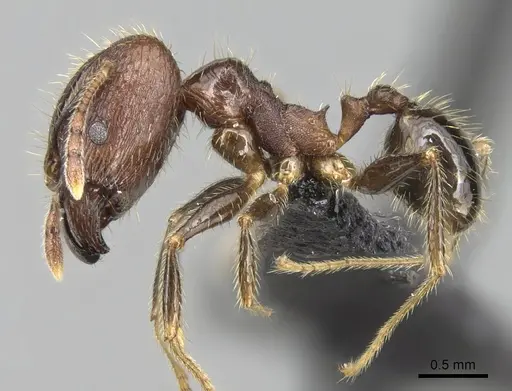
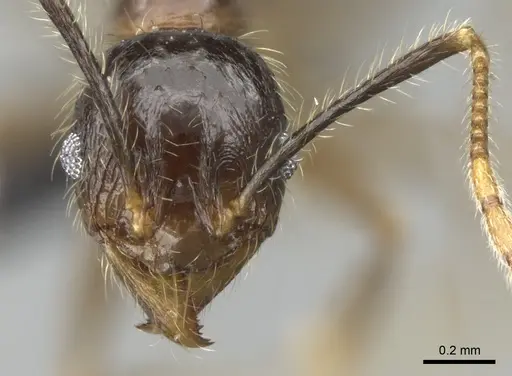
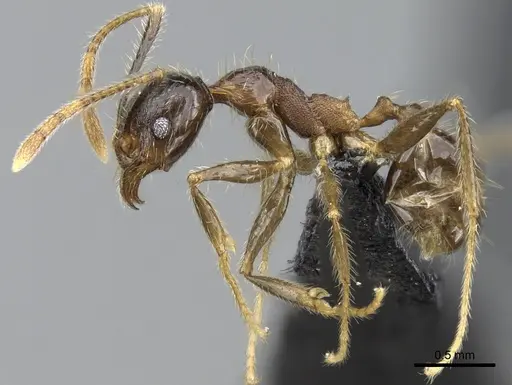
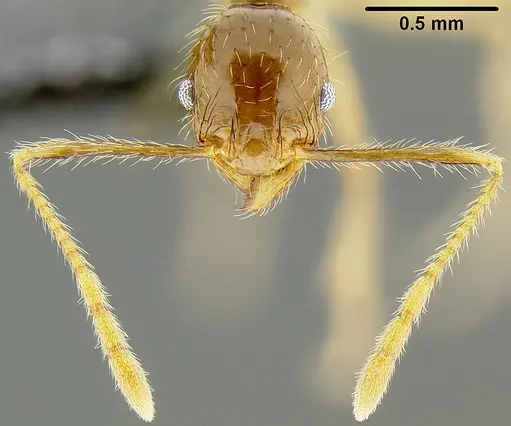
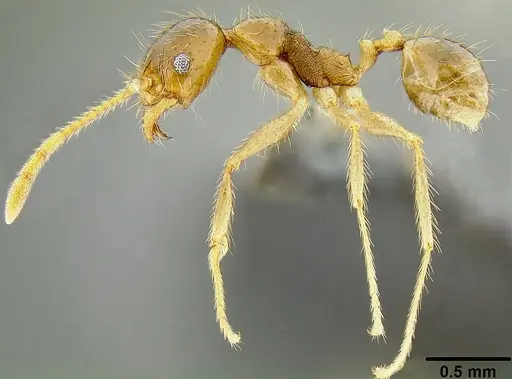
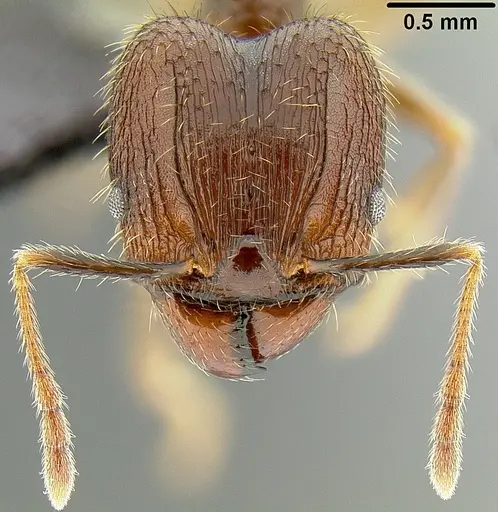
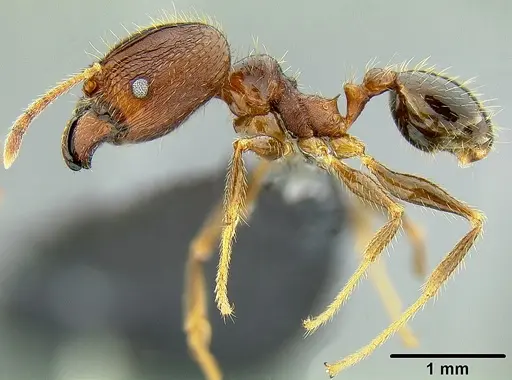
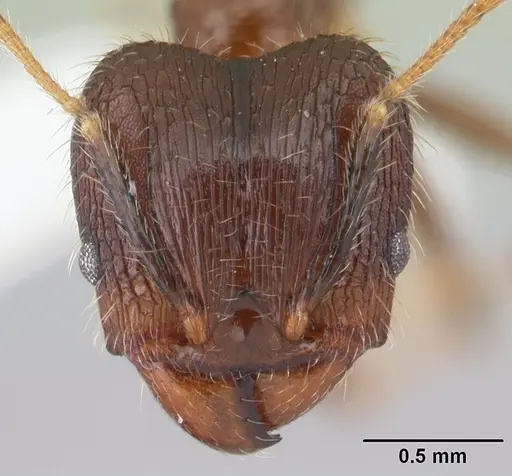
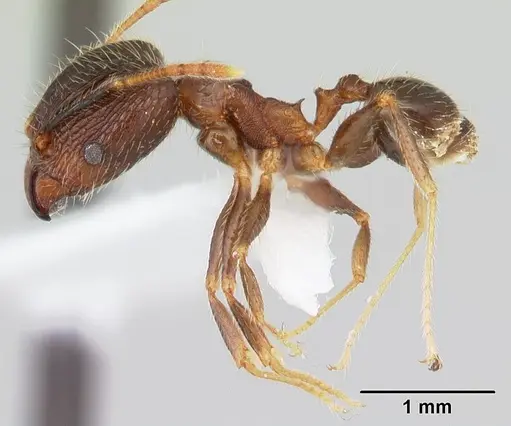
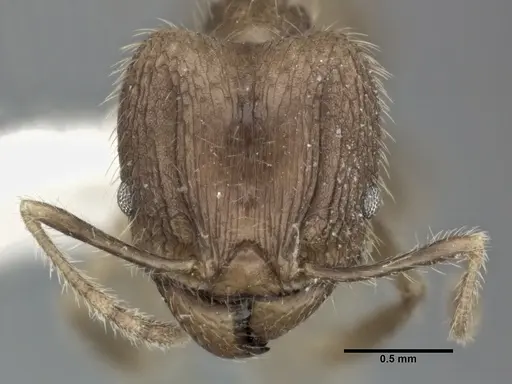
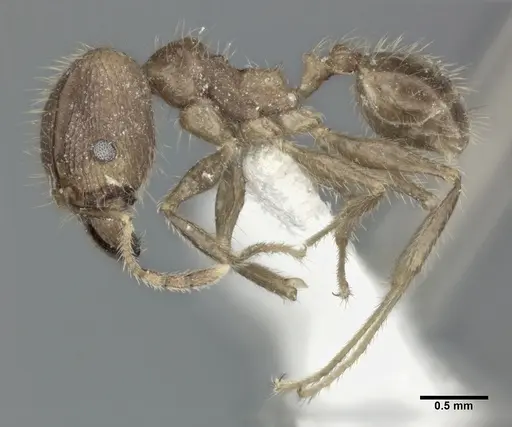
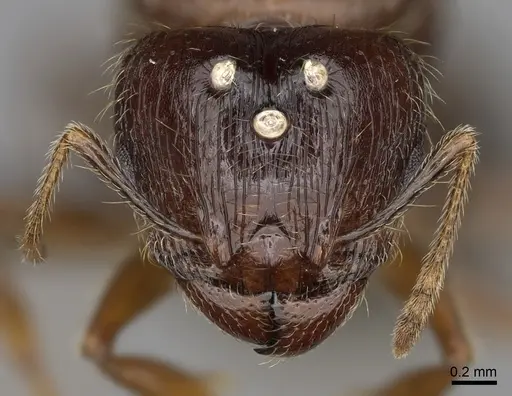
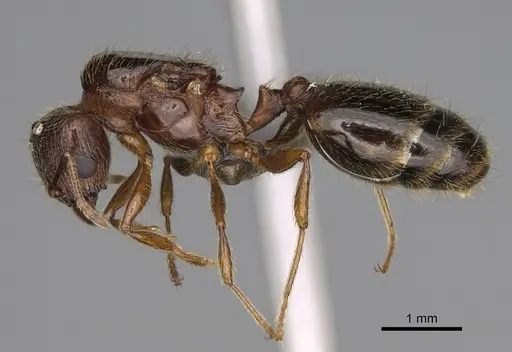
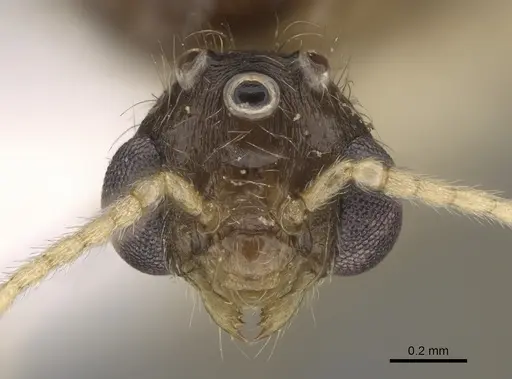
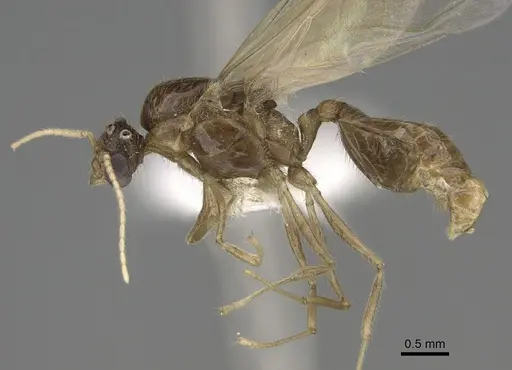
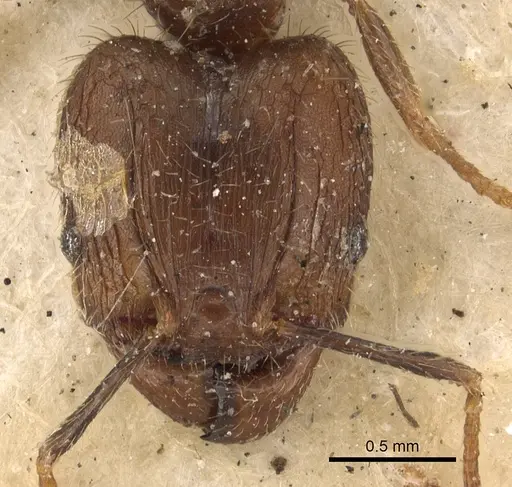
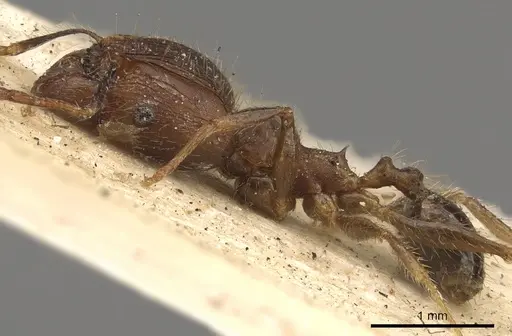
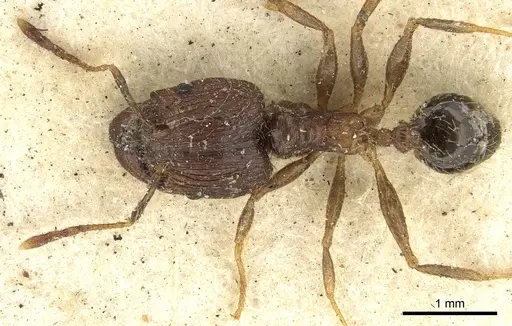
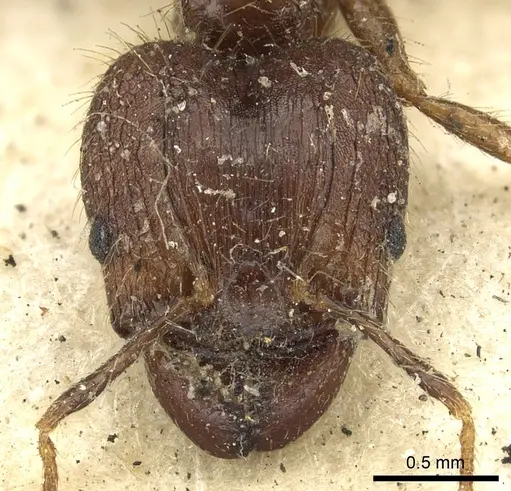
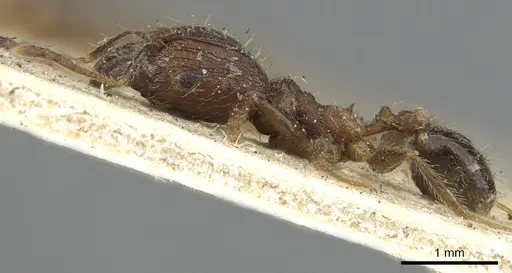
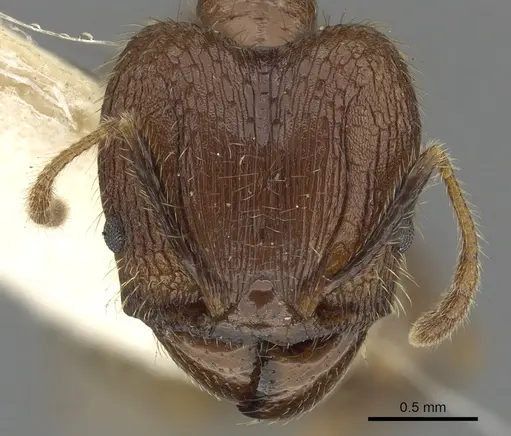
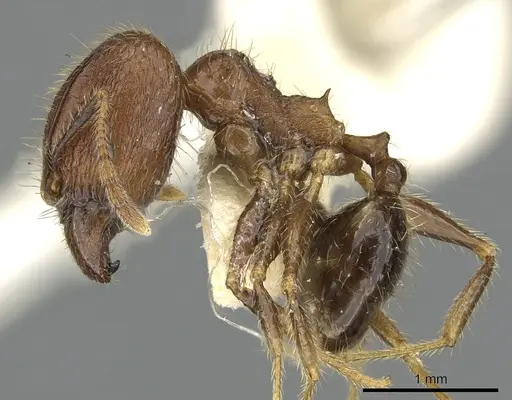
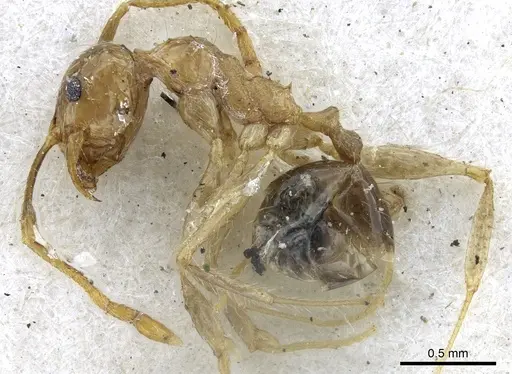
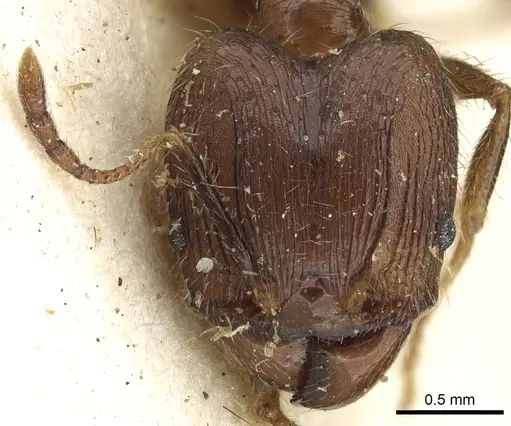
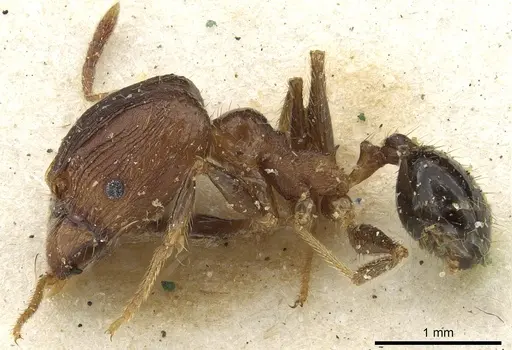
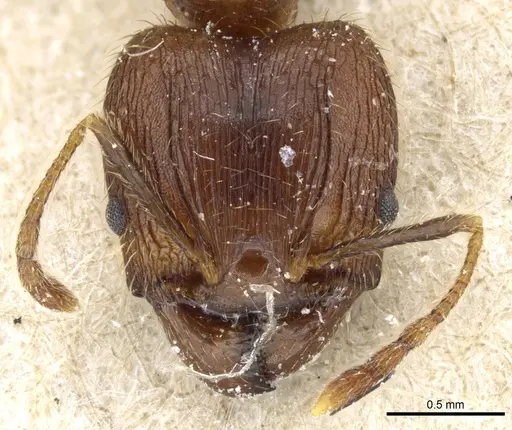
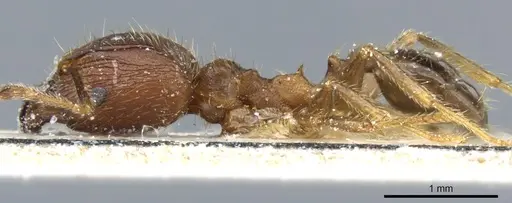
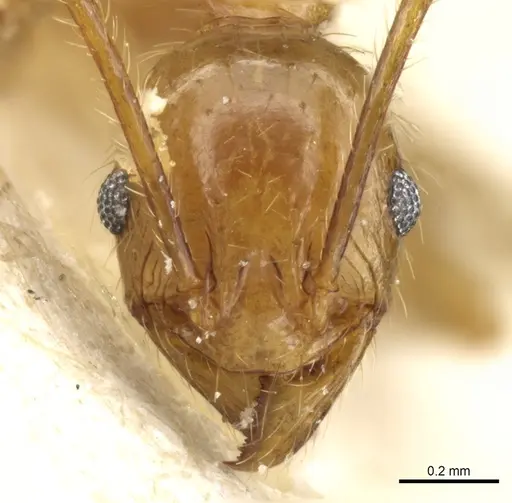
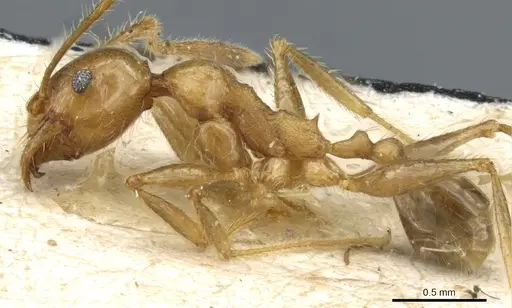
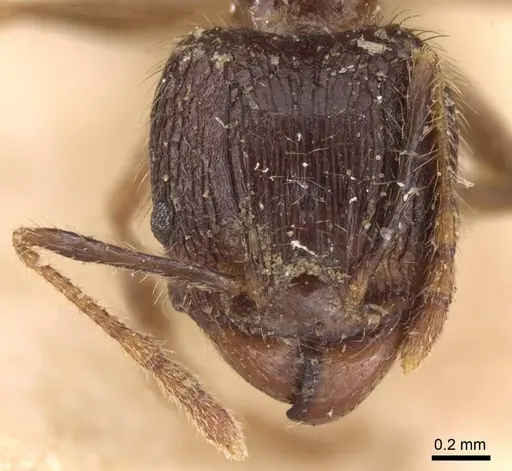
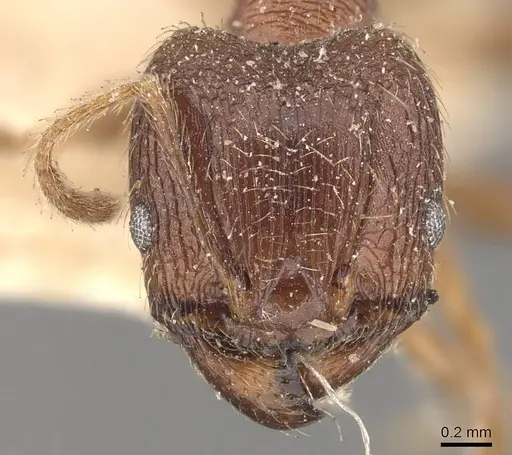
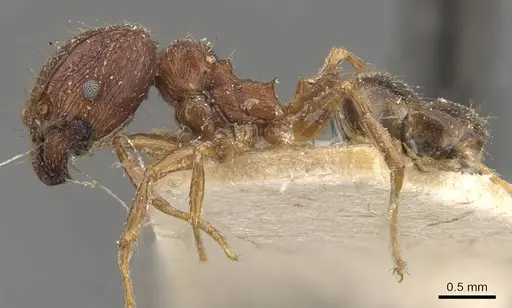
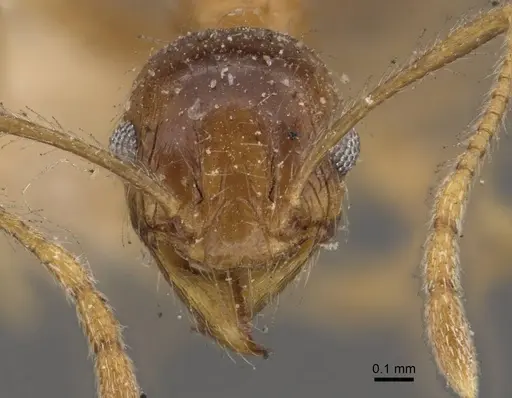
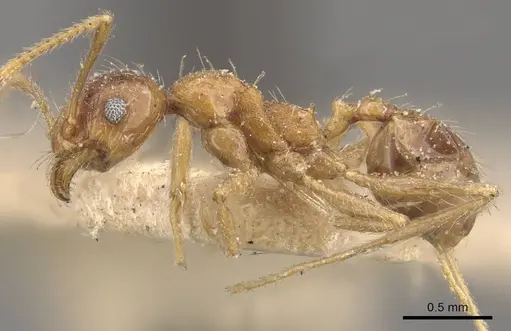
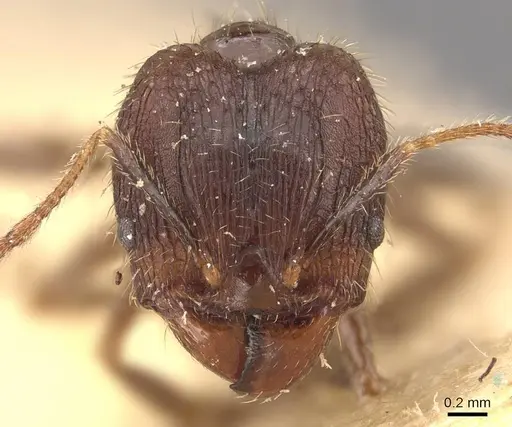
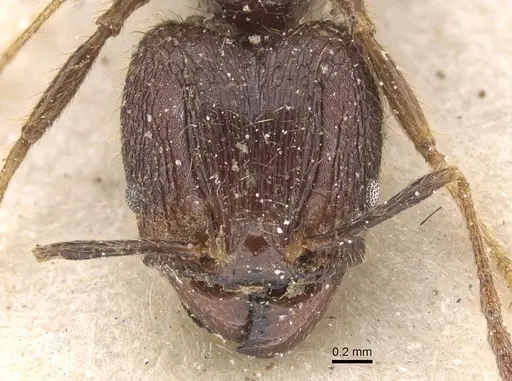
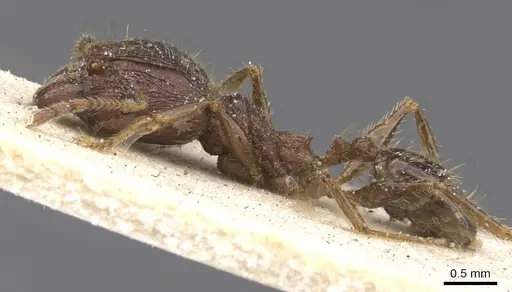
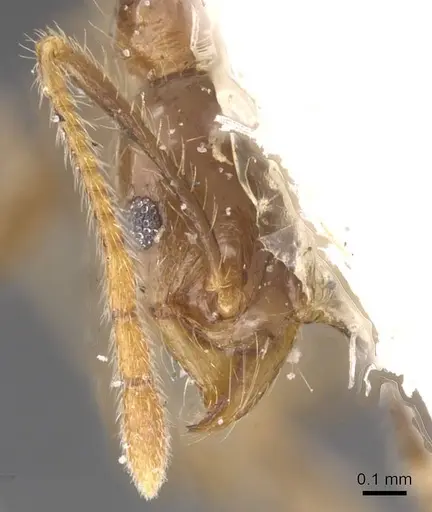
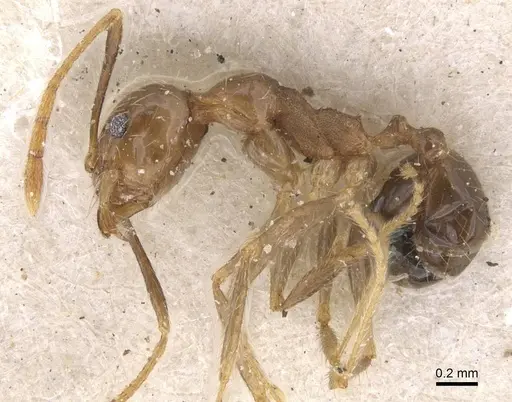
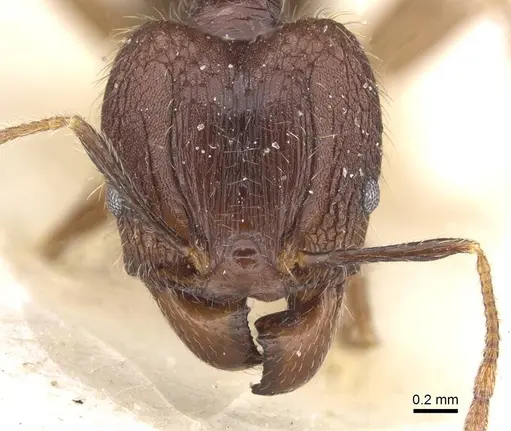
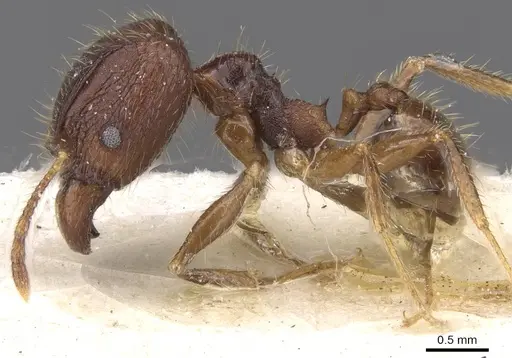
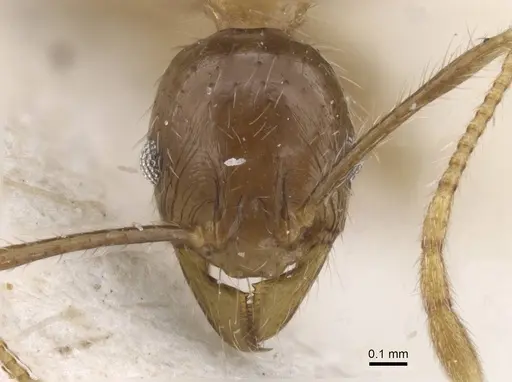
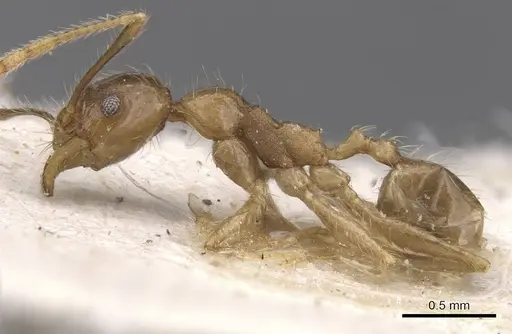
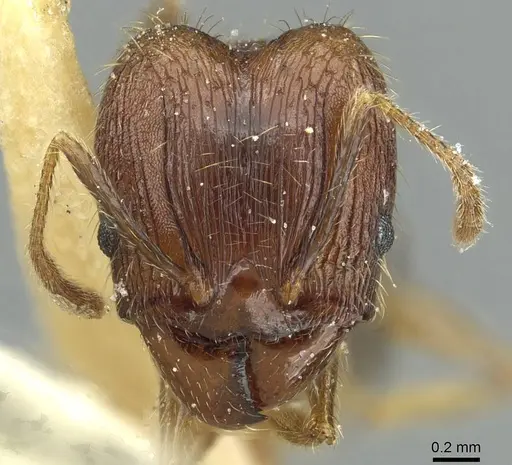
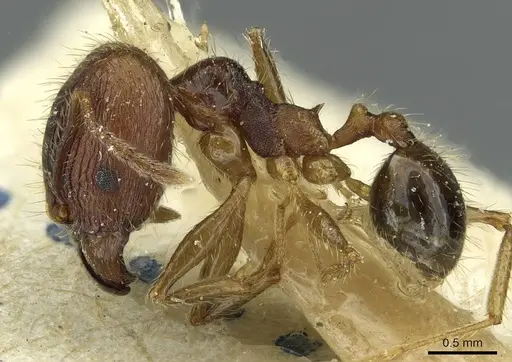
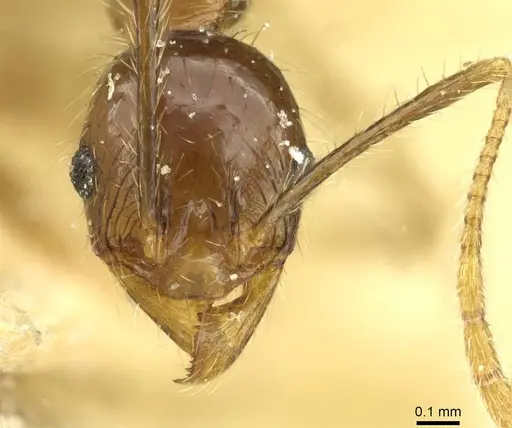
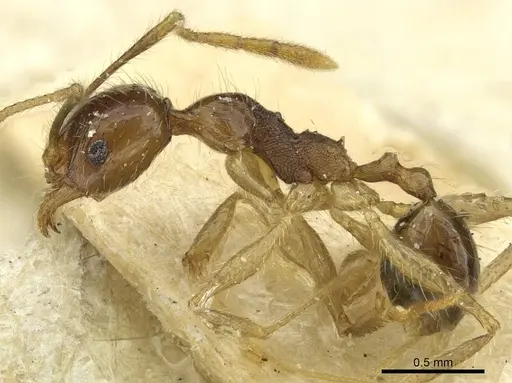
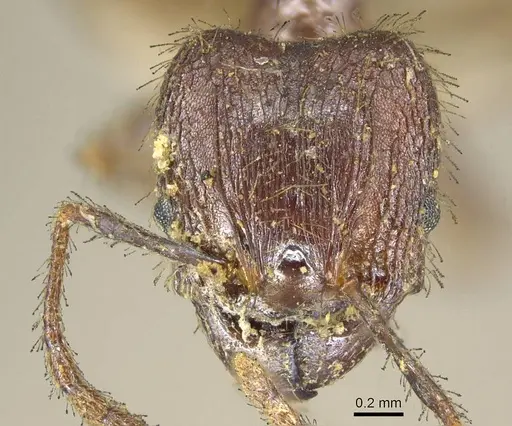
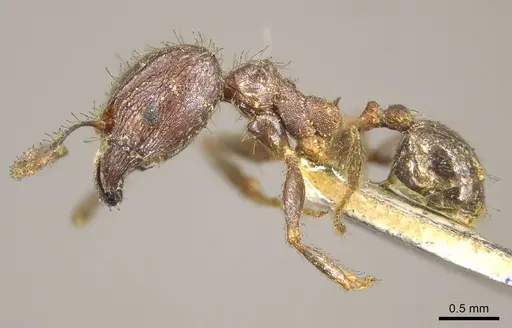
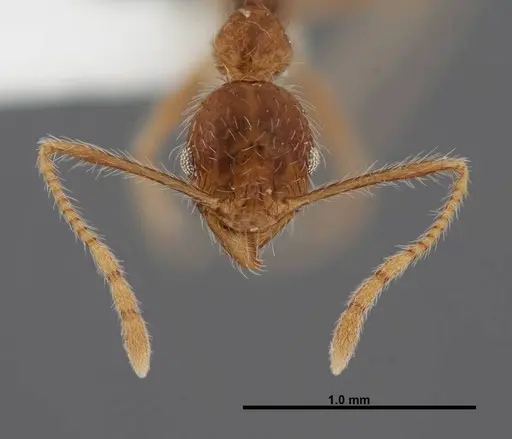
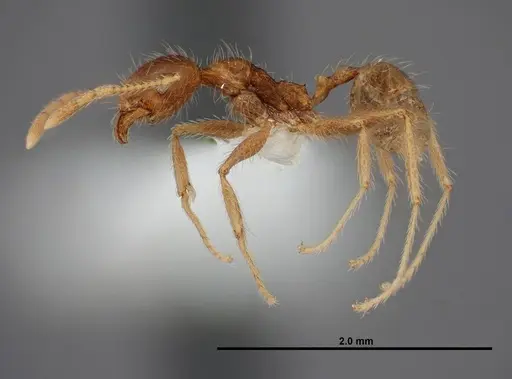
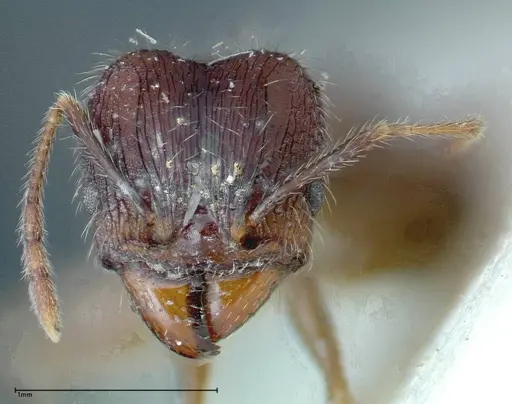
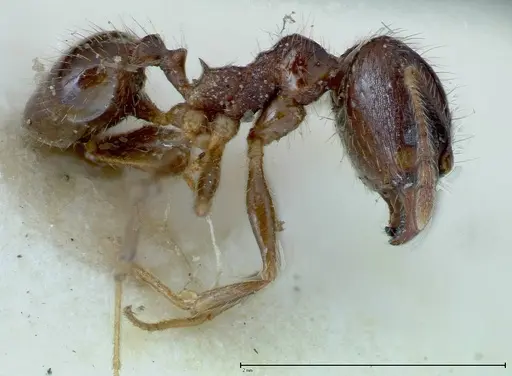
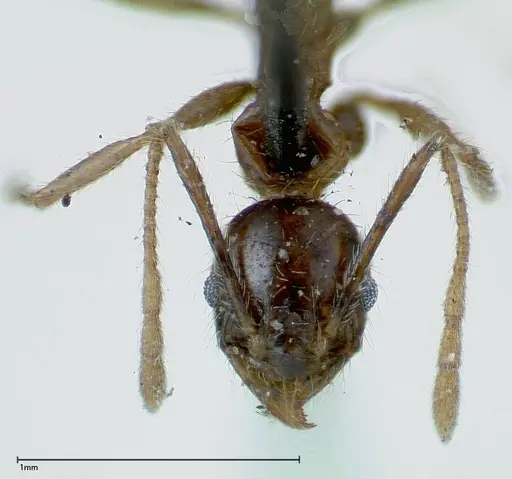
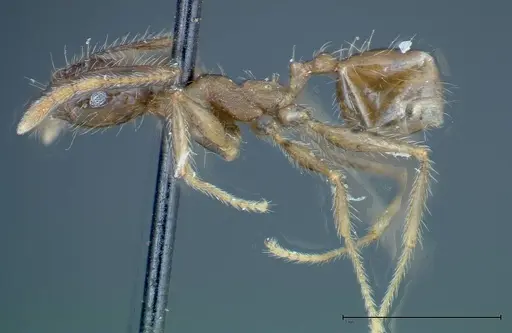
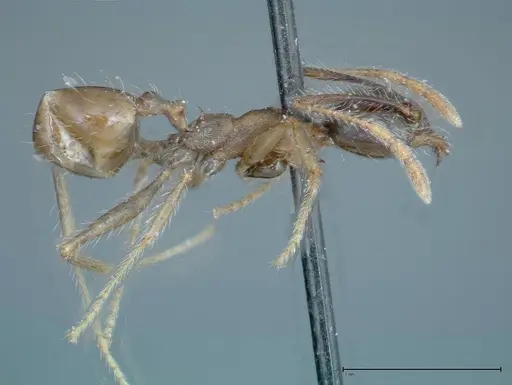
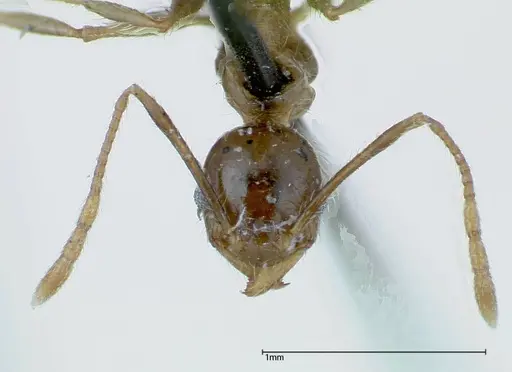
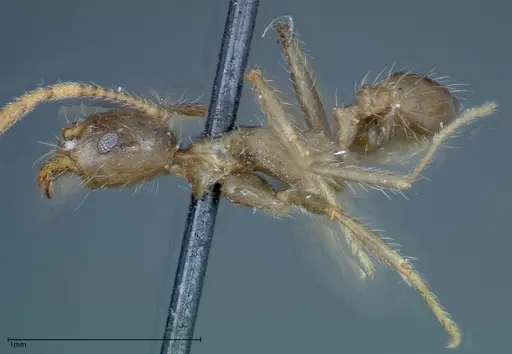
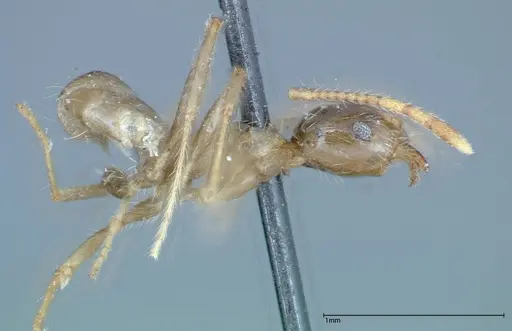
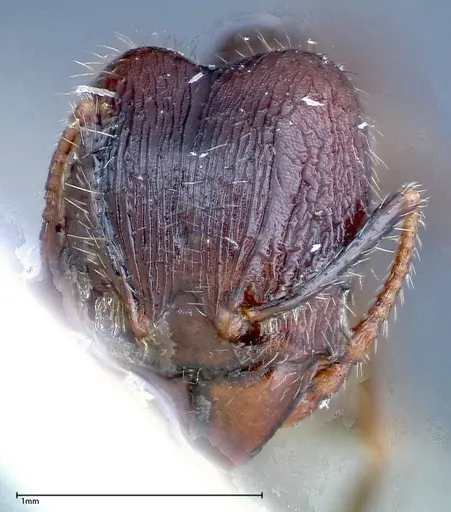
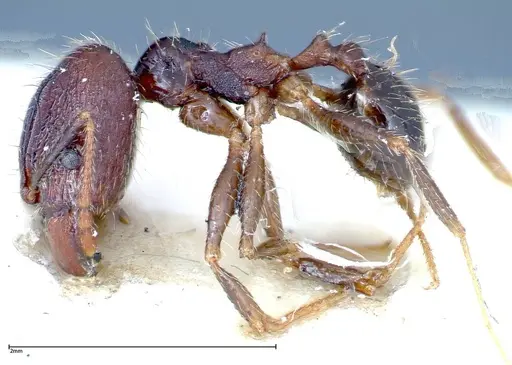
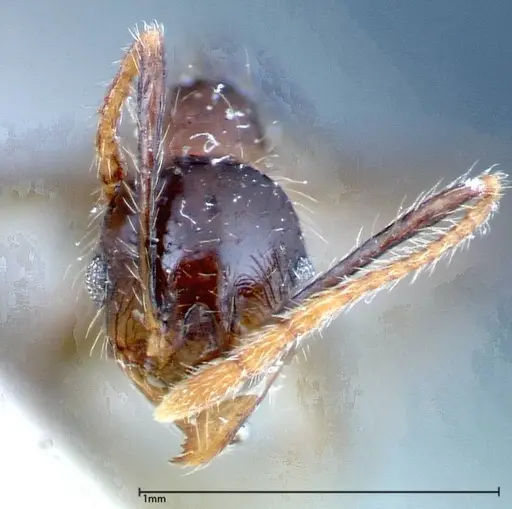
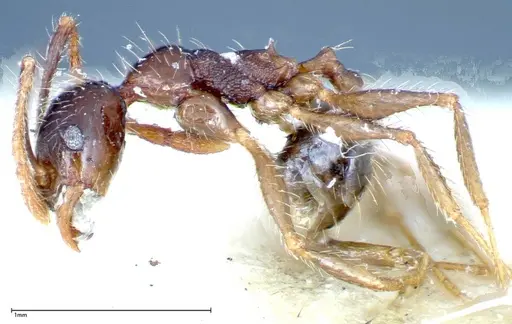
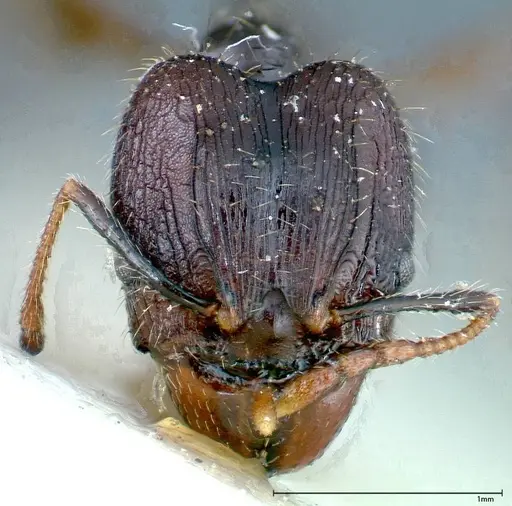
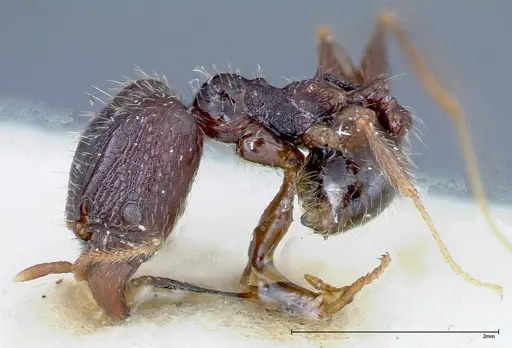
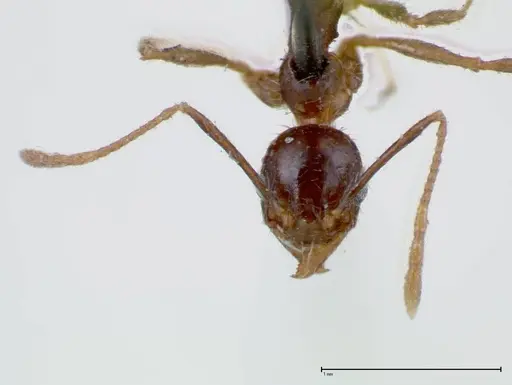
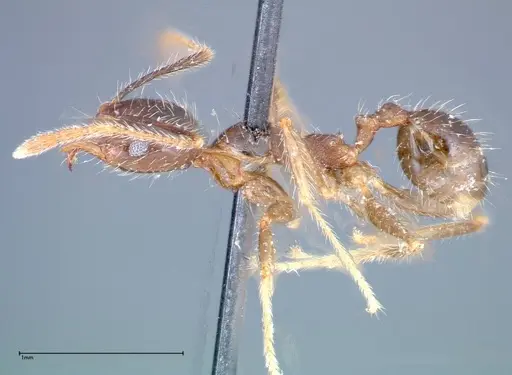
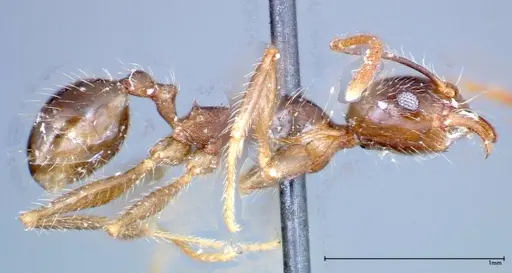
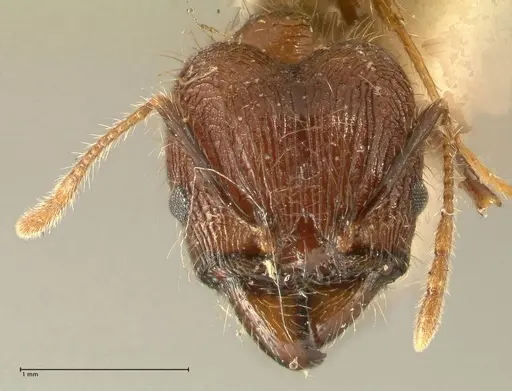
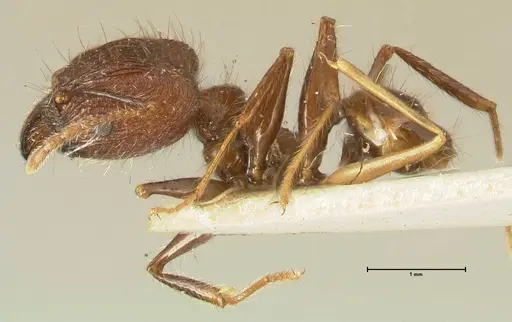
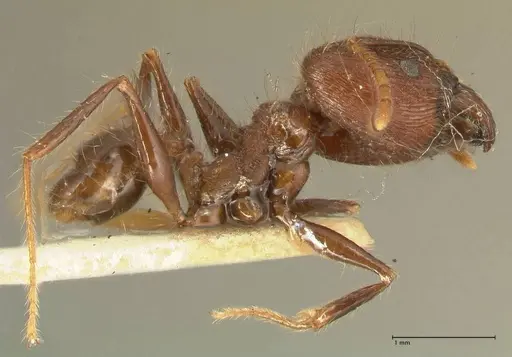
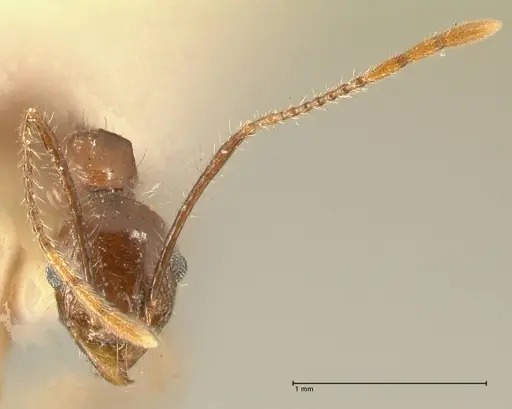
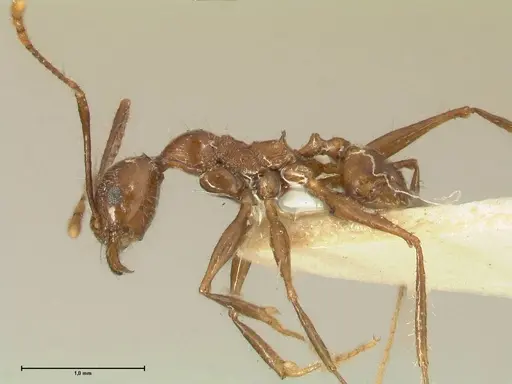
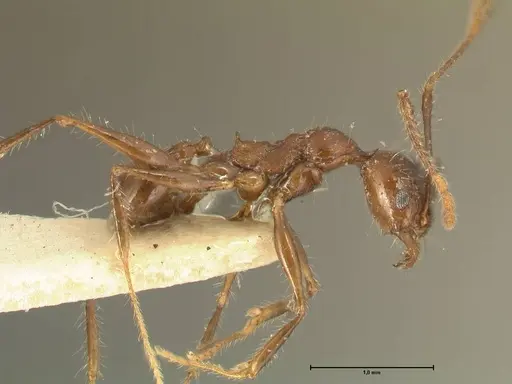
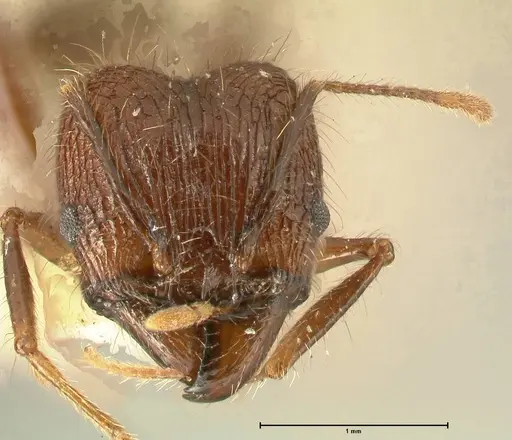
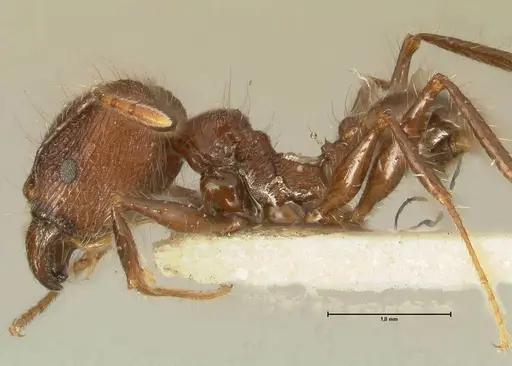
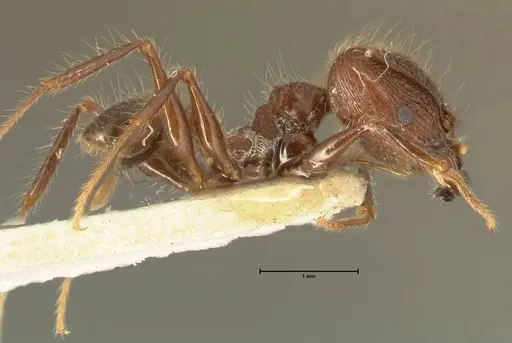
Pheidole fervens is a small to medium-sized ant species with strongly dimorphic workers, the major workers (soldiers) have large, heavily sculptured heads, while minor workers are much smaller with smoother bodies. Majors measure around 1.2-1.4mm head width, while minors are about 0.5-0.6mm. The species is light to reddish-brown in color, with majors having distinctly rugose (wrinkled) heads and minors having mostly smooth, shiny surfaces. This ant is native to the Singapore region but has become a widespread invasive tramp species across the Pacific, from Japan and Taiwan through Southeast Asia to Fiji, Samoa, and Hawaii, with introduced populations in North America and Australia [1][2].
What makes P. fervens stand out is its remarkable success as a colonizer of disturbed habitats. It thrives in urban areas, agricultural land, and forest edges, rarely straying into intact forests. The species forms polygynous colonies (multiple queens) and shows extremely aggressive recruitment to food sources, forming busy foraging trails that can dominate baits. It has been documented tending the aphid Aphis gossypii for honeydew, and competes strongly with other invasive ants like Solenopsis geminata [3][4]. In the Pacific islands, it's often one of the most dominant ant species in lowland areas.
Quick Summary
- Difficulty: Easy
- Origin & Habitat: Native to Singapore and the broader Oriental region, now widespread across the Pacific as an invasive species. Found in Japan (southern Kyushu, Ryukyus), Taiwan, China, Southeast Asia, Sri Lanka, and Oceania (Fiji, Samoa, Tonga, Cook Islands, French Polynesia, Hawaii). Introduced to North America (California) and Australia (eradicated). Prefers disturbed habitats: urban areas, agricultural land, forest edges, and coastal zones. Nests in soil or under stones, rarely in rotting wood [1][2][5].
- Colony Type: Polygynous, colonies contain multiple queens working together. This is unusual among Pheidole species and contributes to their invasive success. The Ryukyu Islands populations show polygynous colony structure [6].
- Colony: Polygyne
- Founding: Claustral
- Size & Growth:
- Queen: 5.6-6.8mm [7]
- Worker: Minor: 0.54-0.60mm head width, Major: 1.22-1.44mm head width [8]
- Colony: Unknown maximum, but colonies can be large given their invasive success and polygynous structure
- Growth: Moderate, inferred from typical Pheidole development patterns
- Development: 6-10 weeks (estimated based on typical Pheidole genus patterns) (Development time not directly studied for this species. Estimates based on related Pheidole species suggest 6-10 weeks at optimal warm temperatures.)
- Antkeeping:
- Temperature: Keep at 24-28°C. Being a tropical/subtropical species, room temperature (22-26°C) is suitable. A slight heat gradient allows the colony to self-regulate. In cooler climates, a heating cable on one side of the nest can help maintain optimal temperatures.
- Humidity: Moderate humidity preferred. Keep the nest substrate moist but not waterlogged, damp to the touch with some drier areas available. This species naturally inhabits areas with moist to moderate rainfall and is found in leaf litter and under stones in relatively humid conditions [9][5].
- Diapause: No, as a tropical/subtropical species, P. fervens does not require true hibernation. However, activity may slow during cooler months, and a brief cool period (15-20°C for 2-3 months) may benefit colony health in temperate climates.
- Nesting: Test tubes, Y-tong (AAC), or plaster nests work well. The species naturally nests in soil or under stones, so a naturalistic setup with a moist substrate layer also suits them. Provide narrow chambers scaled to their size, major workers are moderately large but minors are tiny.
- Behavior: P. fervens is active and aggressive foragers with strong recruitment. Workers form distinct foraging trails and dominate food resources quickly, you'll often see them swarming around protein baits. They are not particularly aggressive toward keepers but will defend the nest if threatened. Minor workers vastly outnumber majors both in and outside the nest. Escape risk is moderate, minors are small (under 1mm) so fine mesh barriers are recommended, though majors are larger and less likely to slip through standard gaps.
- Common Issues: colonies can become very large and may outgrow small nests quickly, plan for expansion, strong foragers means they may escape if barriers are not secure, use fluon or fine mesh, multiple queens mean colonies can grow rapidly once established, monitor food supplies, wild-caught colonies may carry parasites or diseases that can cause colony failure, overfeeding can lead to mold issues in enclosed nests, remove uneaten food promptly
Housing and Nest Setup
Pheidole fervens is adaptable and will do well in various nest types. Test tubes work perfectly for founding colonies, use a water reservoir setup with cotton separating the water from the nesting chamber. As the colony grows, you can transition to a Y-tong (AAC) nest or a plaster/naturalistic setup. The species naturally nests in soil or under stones, so a substrate-based formicarium with a moisture reservoir works well. For the outworld (foraging area), any standard container works since these ants are moderate climbers and unlikely to escape from smooth walls. However, use fine mesh on any ventilation holes since minor workers are very small. Provide a dark cover for the nest section to encourage the colony to stay inside. [1][2]
Feeding and Diet
P. fervens is omnivorous with a strong preference for protein. In captivity, they readily accept small insects like fruit flies, pinhead crickets, and mealworms. They also consume sugar sources, a drop of honey or sugar water should be offered 2-3 times per week. In the wild, they are known to tend aphids (particularly Aphis gossypii) for honeydew and will scavenge on dead insects. Feed small protein items 2-3 times per week for growing colonies, and keep a sugar source available constantly. Remove uneaten prey after 24-48 hours to prevent mold. Minor workers will swarm around protein baits in large numbers, while majors may hang back near the nest entrance. [4][3]
Temperature and Seasonal Care
As a tropical/subtropical species, P. fervens prefers warm conditions. Keep the nest area at 24-28°C for optimal growth and activity. Room temperature (22-26°C) in most homes is suitable. If your space runs cooler, a small heating cable placed on one side of the nest creates a temperature gradient. Avoid temperatures below 20°C for extended periods. Unlike temperate species, they do not require a true hibernation period. However, if you keep them in a climate with distinct winters, a brief cool period (15-20°C) for 2-3 months may help simulate natural seasonal cycles, but this is not strictly necessary for colony health. [5][9]
Colony Development and Growth
P. fervens colonies start with a claustral founding, the single queen seals herself in a chamber and raises the first brood alone, living off her stored fat reserves until the nanitic (first) workers emerge. Once the first workers (nanitics) appear, usually after 4-6 weeks, the colony begins foraging for food. The colony grows moderately fast, with minor workers vastly outnumbering majors. In the wild, minor workers are much more abundant than major workers both outside and within the nest. A polygynous colony structure (multiple queens) means colonies can grow quickly once established. Expect the colony to reach several hundred workers within the first year under good conditions. [6][3]
Behavior and Foraging
One of the most notable behaviors of P. fervens is their aggressive recruitment to food sources. Workers form distinct foraging trails and can quickly dominate baits. When you drop a protein item in the outworld, you'll see a trail form within minutes as workers communicate the find to nestmates. They are not particularly aggressive toward humans but will bite if directly threatened. The species is primarily ground-nesting but workers will forage on vegetation as well. Minor workers are far more numerous than majors and do most of the foraging, while majors remain near the nest to defend it or process larger food items. [3][5]
Legal and Environmental Considerations
P. fervens is an invasive species in many regions outside its native range, including Hawaii, parts of mainland Asia, and the Pacific islands. It has been introduced to North America (California) and was discovered in Australia in 2019 before being successfully eradicated by 2022. If you keep this species, never release any ants outdoors in non-native regions. Check your local regulations regarding ant keeping, some areas require permits for certain species. This species is not known to have serious environmental, agricultural, or social impacts compared to other invasive ants like the little fire ant (Wasmannia auropunctata) or yellow crazy ant (Anoplolepis gracilipes), but responsible keeping practices are still essential. [5]
Frequently Asked Questions
How long does it take for Pheidole fervens to get their first workers?
Expect first workers (nanitics) to emerge in 4-6 weeks after the queen lays eggs, assuming optimal temperatures around 26-28°C. This is typical for Pheidole species. The exact timeline depends on temperature, warmer conditions speed development, while cooler temperatures slow it down.
Can I keep multiple Pheidole fervens queens together?
Yes, P. fervens is naturally polygynous, meaning colonies typically have multiple queens. Unlike many ant species where multiple queens will fight, this species can coexist. However, if you're introducing a new queen to an established colony, monitor for aggression initially.
What do Pheidole fervens ants eat?
They are omnivorous with a strong protein preference. Offer small insects (fruit flies, pinhead crickets, mealworms) 2-3 times per week, and keep a sugar source (honey or sugar water) available constantly. They also tend aphids for honeydew in the wild.
Are Pheidole fervens good for beginners?
Yes, this is a relatively easy species to keep. They are adaptable to various nest types, readily accept common ant foods, and don't require special hibernation conditions. The main challenges are escape prevention (due to tiny minor workers) and managing their strong foraging behavior.
What temperature do Pheidole fervens need?
Keep them at 24-28°C. Room temperature (22-26°C) in most homes is suitable. A slight heat gradient allows the colony to regulate its own temperature. Avoid prolonged temperatures below 20°C.
How big do Pheidole fervens colonies get?
Colonies can grow quite large, likely reaching several thousand workers in optimal conditions. The polygynous colony structure (multiple queens) contributes to rapid growth once established. Minor workers vastly outnumber major workers.
Why are my Pheidole fervens dying?
Common causes include: temperature too low (below 20°C), humidity too dry or too wet, mold from uneaten food, or stress from disturbance. Check that the nest has adequate moisture, remove uneaten prey promptly, and minimize nest vibrations. Wild-caught colonies may also carry parasites.
When should I move Pheidole fervens to a formicarium?
Move them when the test tube becomes crowded, typically when you see 50+ workers and the water reservoir is running low. A Y-tong or plaster nest works well for this species. They do best with some vertical space and chambers scaled to their size.
References

This caresheet is licensed under CC BY-SA 4.0 .
CASENT0005779
View on AntWeb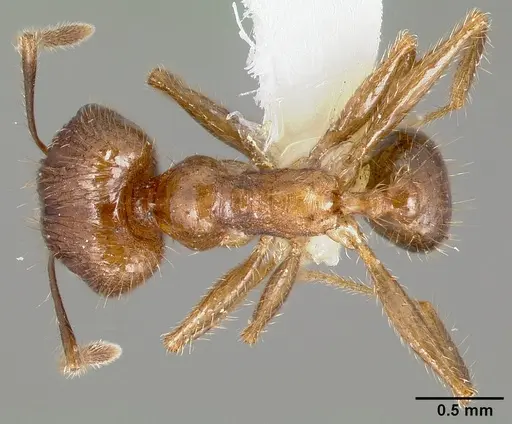
CASENT0005780
View on AntWeb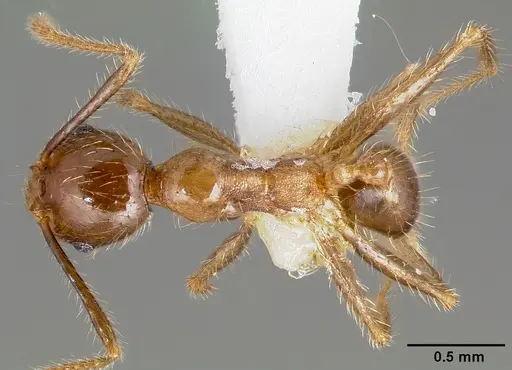
CASENT0008638
View on AntWeb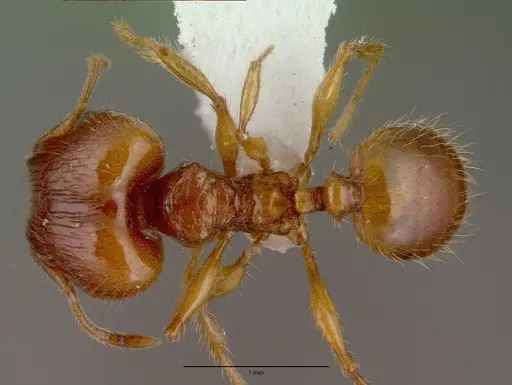
CASENT0059787
View on AntWeb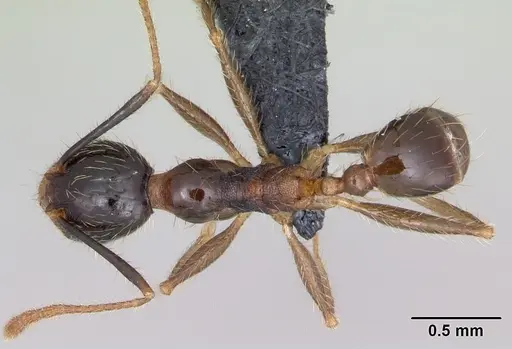
CASENT0060250
View on AntWeb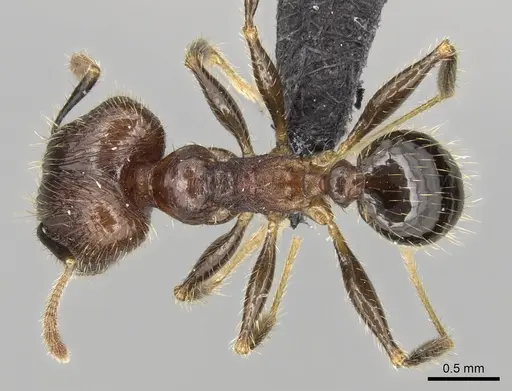
CASENT0060581
View on AntWeb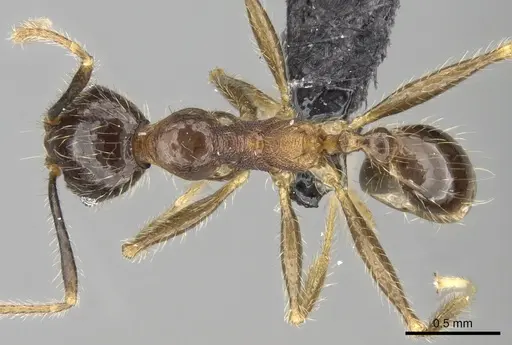
CASENT0171076
View on AntWeb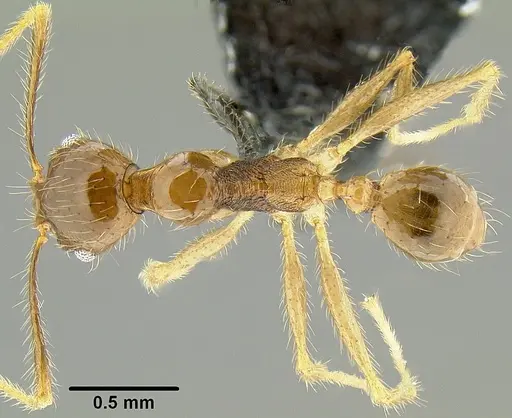
CASENT0171099
View on AntWeb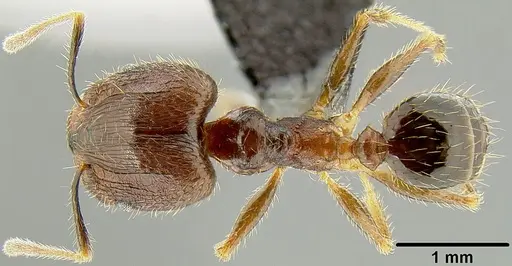
CASENT0178401
View on AntWeb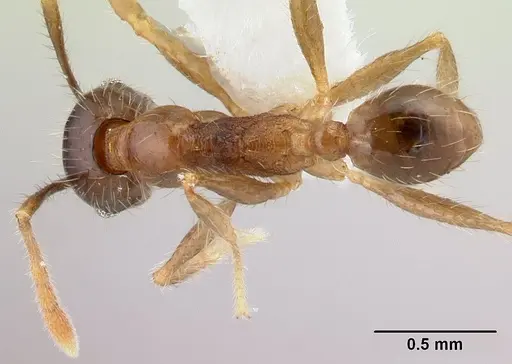
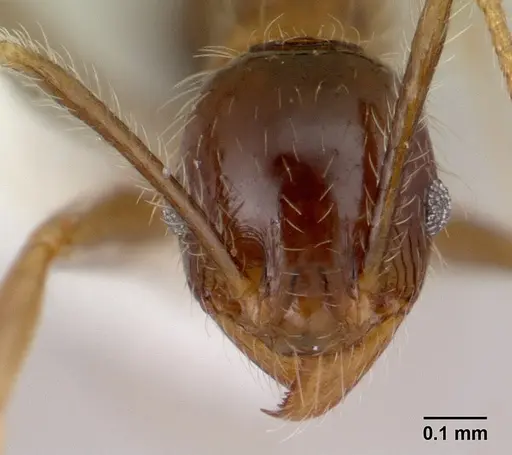
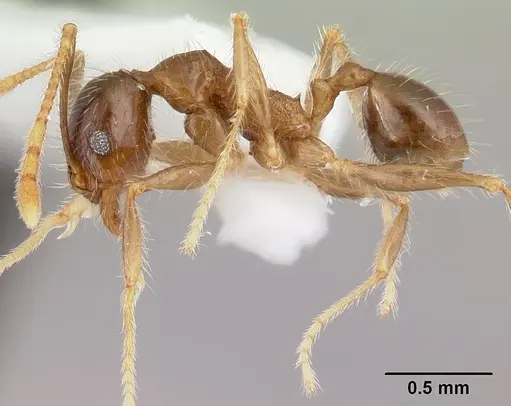
CASENT0178402
View on AntWeb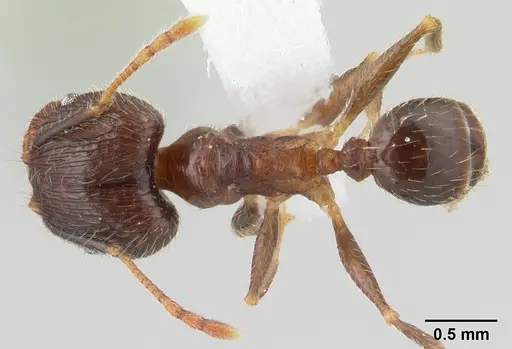
CASENT0246109
View on AntWeb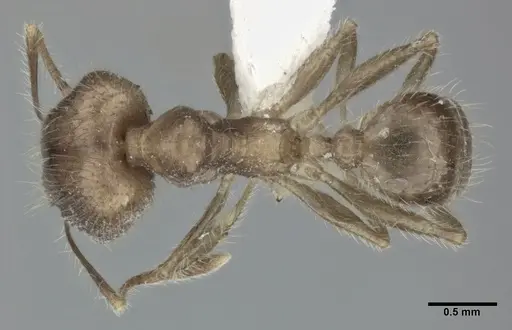
CASENT0248885
View on AntWeb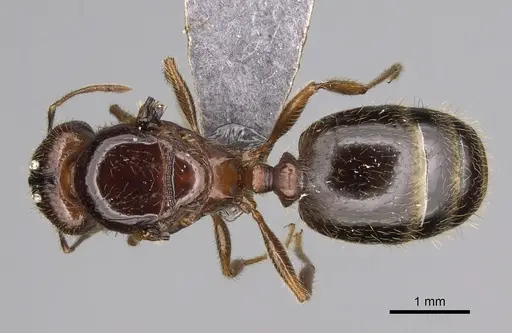
CASENT0862459
View on AntWeb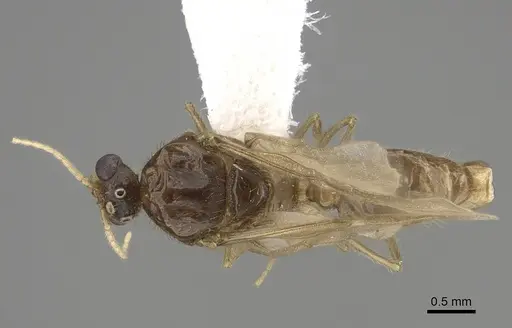
CASENT0901407
View on AntWeb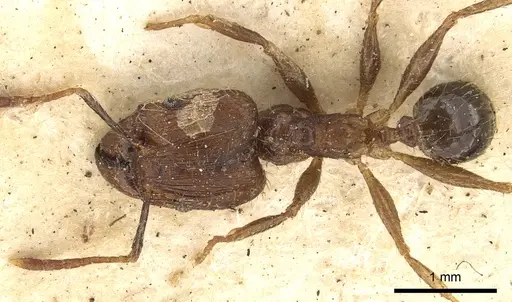
CASENT0901519
View on AntWeb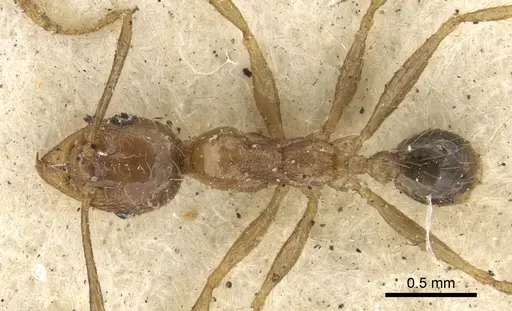
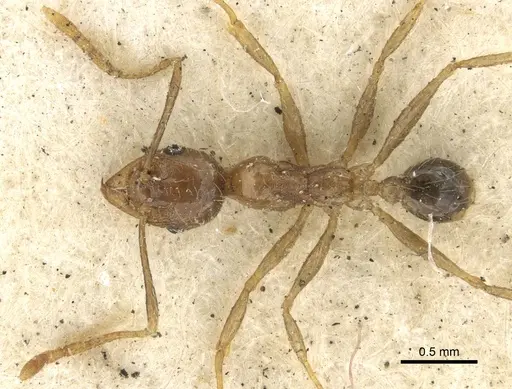
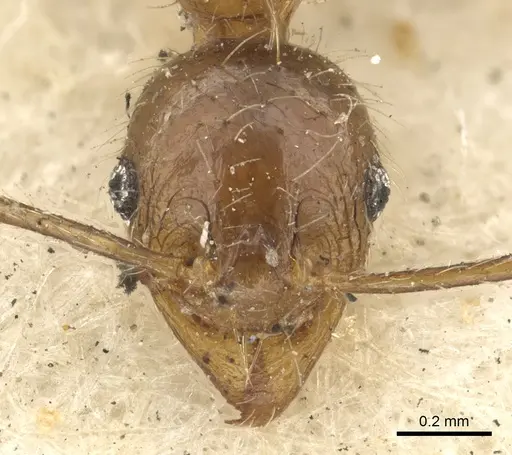
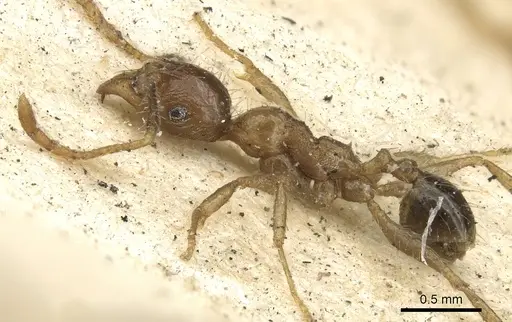
CASENT0901520
View on AntWeb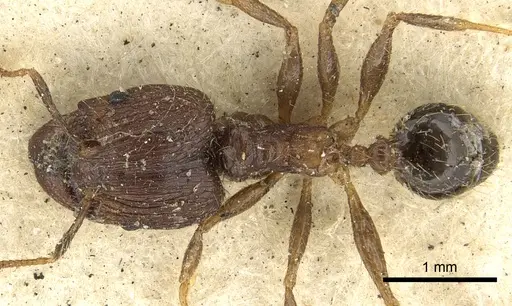
CASENT0901521
View on AntWeb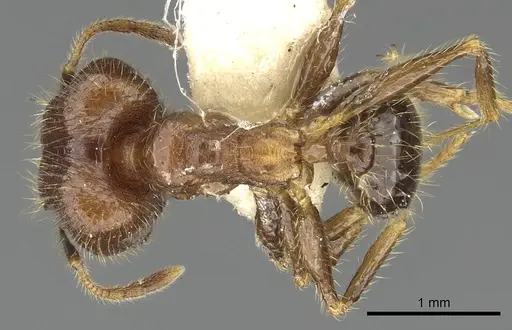
CASENT0901522
View on AntWeb
CASENT0901523
View on AntWeb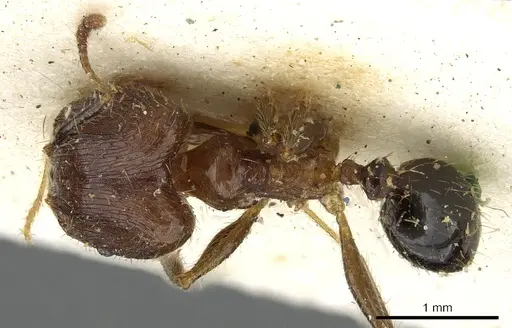
CASENT0904275
View on AntWeb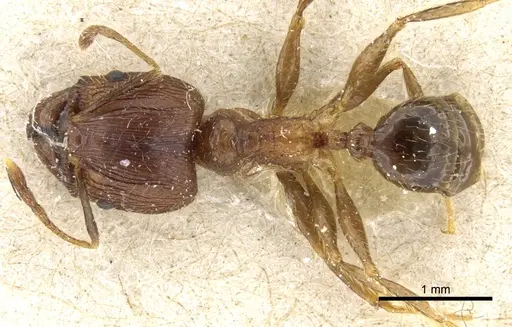
CASENT0904276
View on AntWeb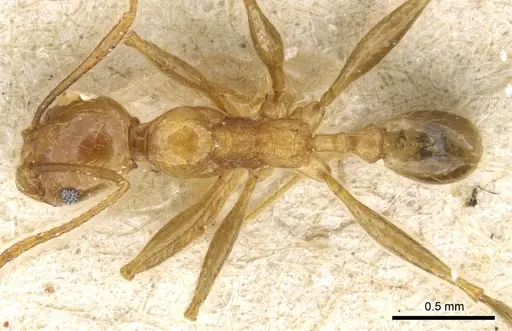
CASENT0907858
View on AntWeb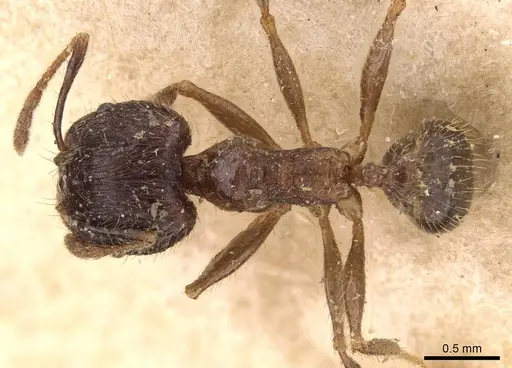
CASENT0907859
View on AntWeb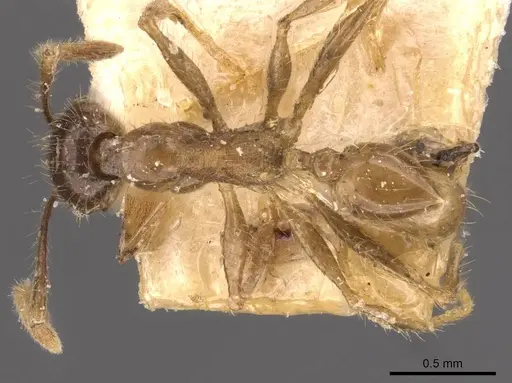
CASENT0907905
View on AntWeb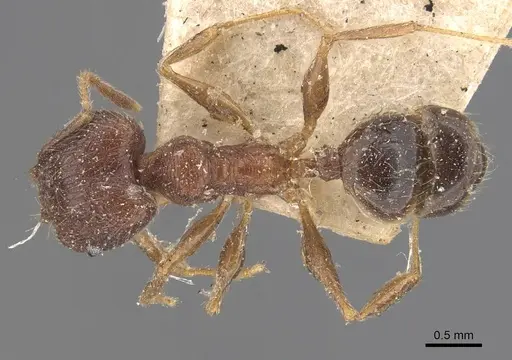
CASENT0907906
View on AntWeb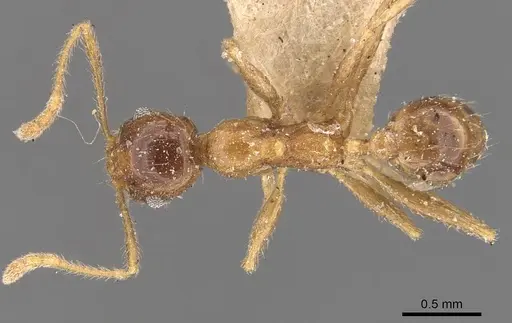
CASENT0907907
View on AntWeb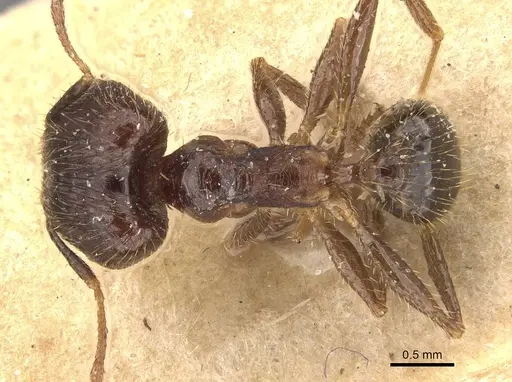
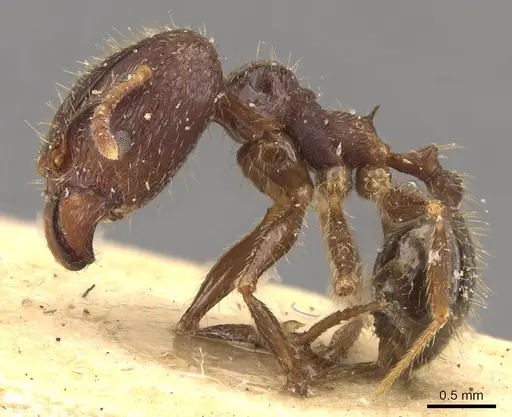
CASENT0907908
View on AntWeb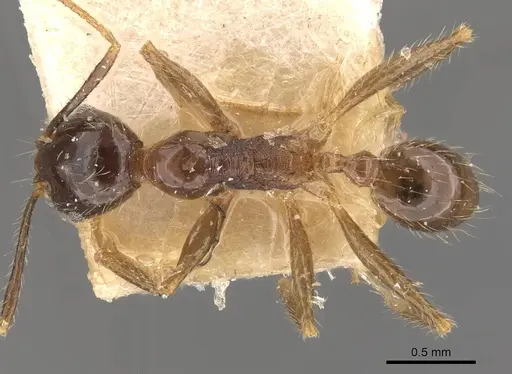
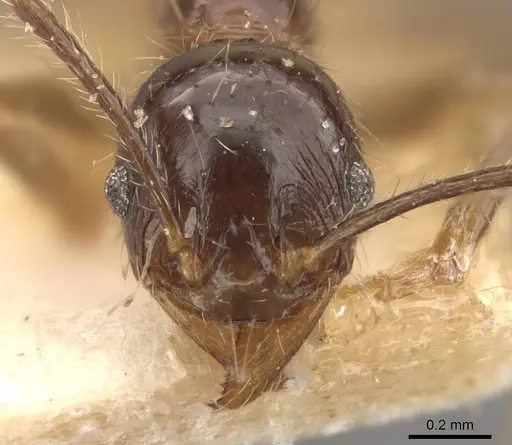
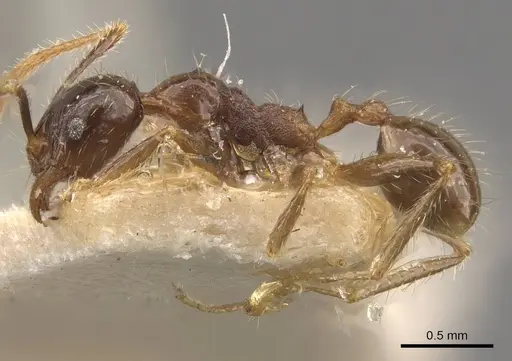
CASENT0913313
View on AntWeb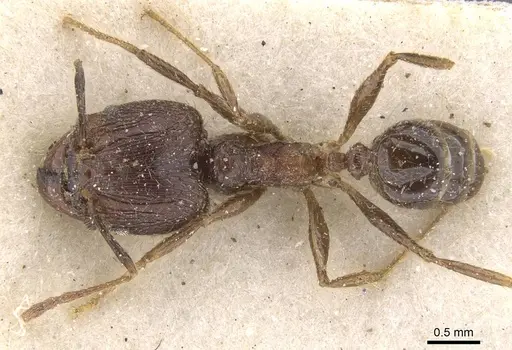
CASENT0913314
View on AntWeb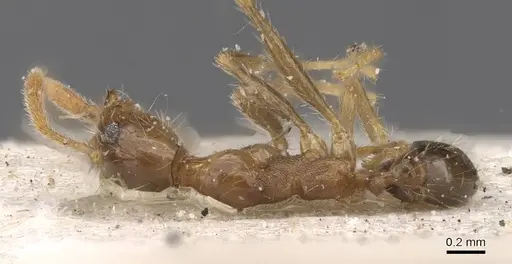
CASENT0913315
View on AntWeb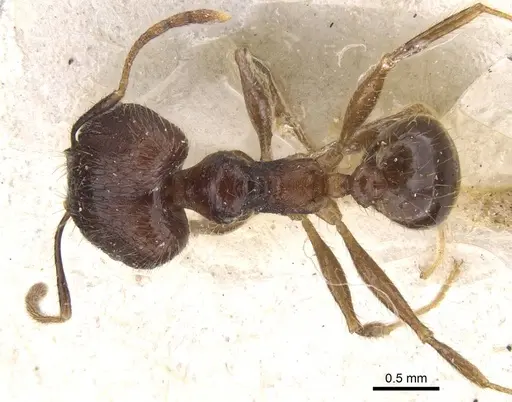
CASENT0913316
View on AntWeb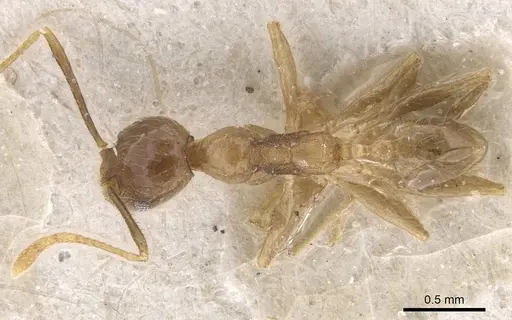
CASENT0913369
View on AntWeb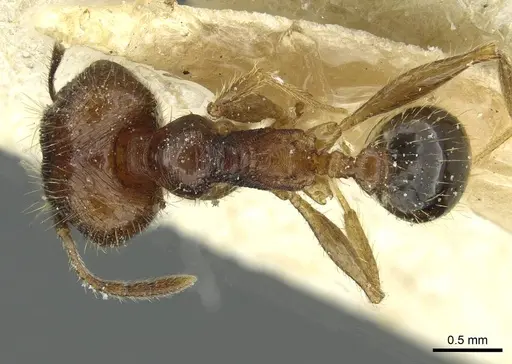
CASENT0913370
View on AntWeb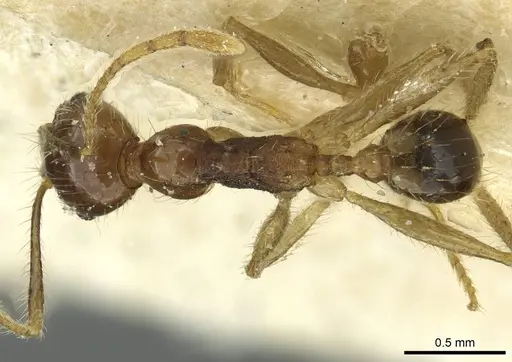
CASENT0916046
View on AntWeb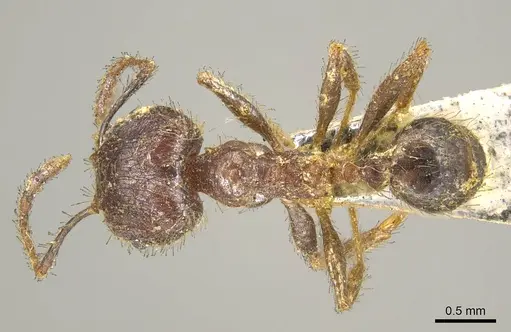
FMNHINS0000083053
View on AntWeb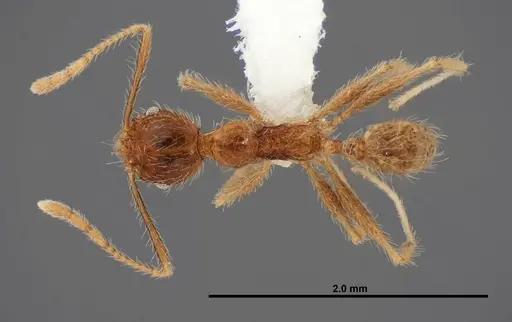
FOCOL0225
View on AntWeb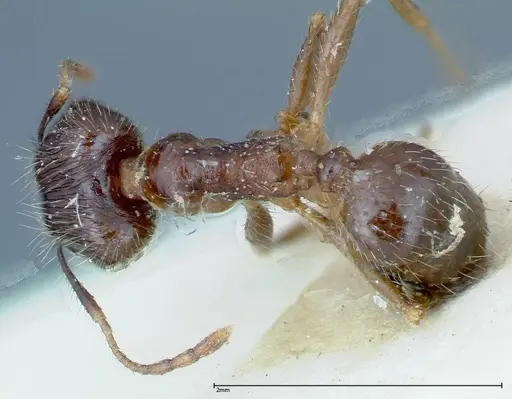
FOCOL0226
View on AntWeb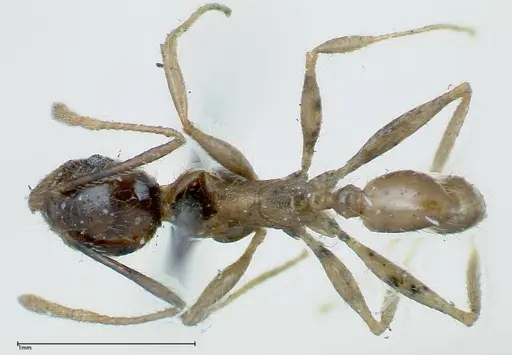
FOCOL0227
View on AntWeb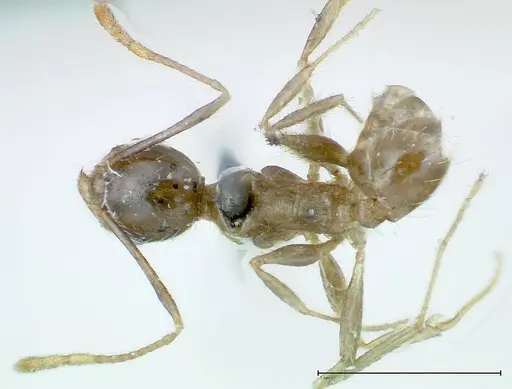
FOCOL0239
View on AntWeb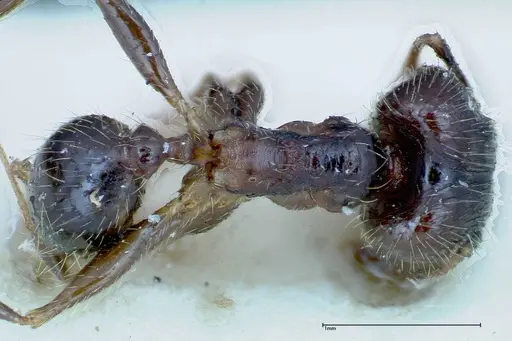
FOCOL0242
View on AntWeb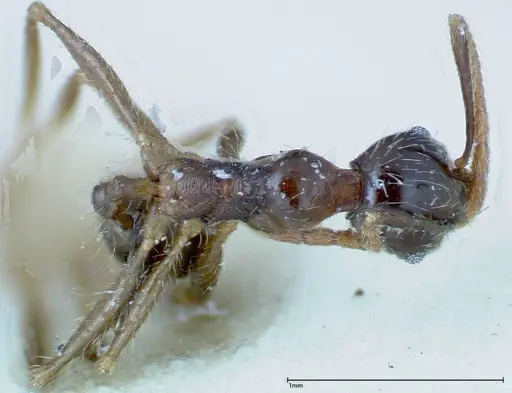
FOCOL0243
View on AntWeb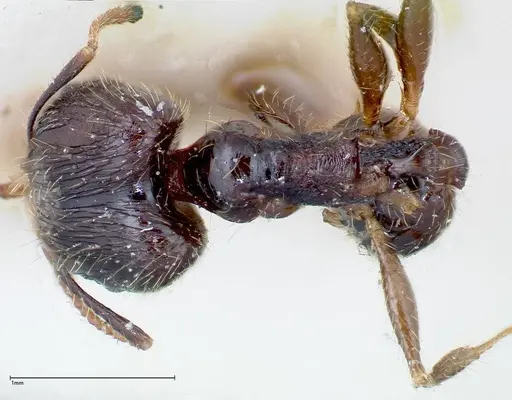
FOCOL0244
View on AntWeb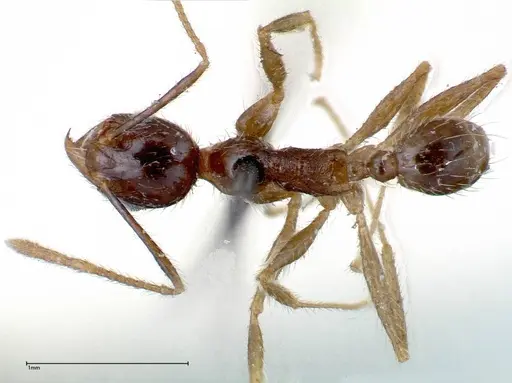
FOCOL1395
View on AntWeb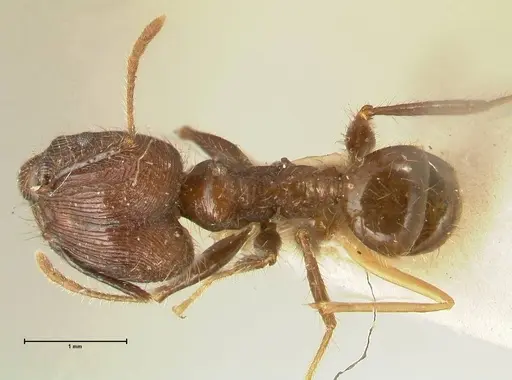
FOCOL1396
View on AntWeb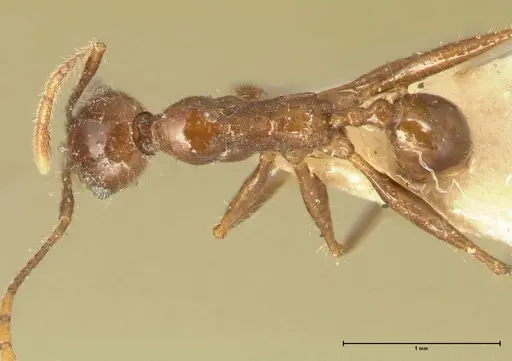
FOCOL1397
View on AntWeb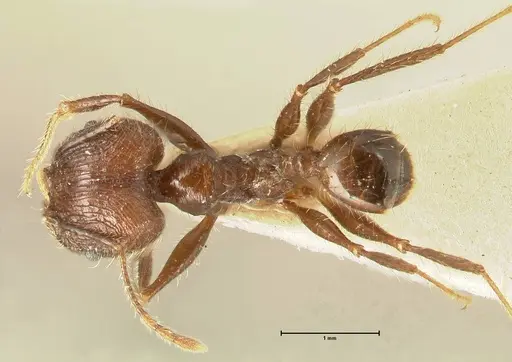
Literature
Loading...Loading products...