

Pheidole dwyeri
- Scientific Name
- Pheidole dwyeri
- Tribe
- Attini
- Subfamily
- Myrmicinae
- Author
- Gregg, 1969
- Distribution
- Found in 1 countries
Pheidole dwyeri Overview
Pheidole dwyeri is an ant species of the genus Pheidole. It is primarily documented in 1 countries , including Mexico. Detailed taxonomic data and occurrence records can be further explored via authoritative databases such as AntWeb or the Global Biodiversity Information Facility (GBIF).
Pheidole dwyeri
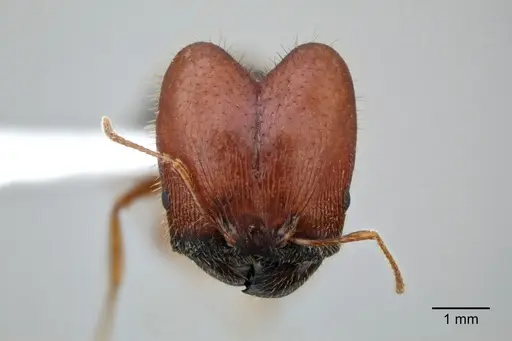
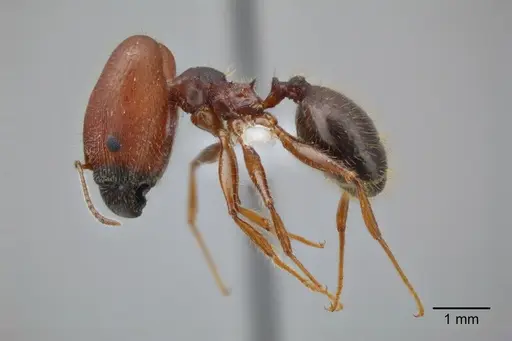
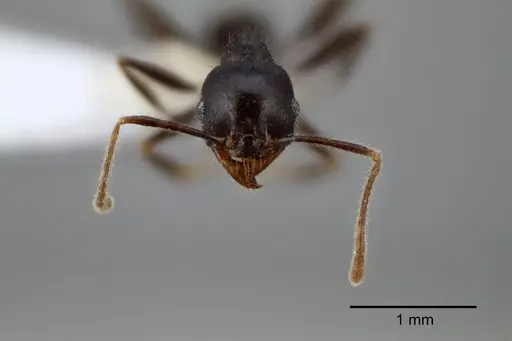
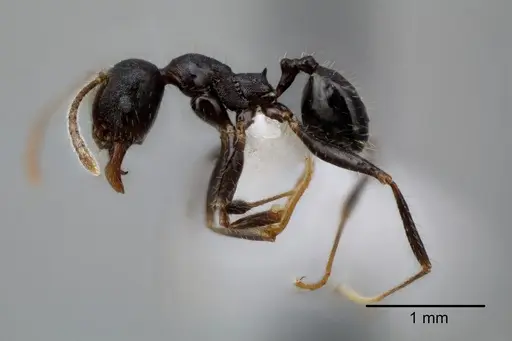
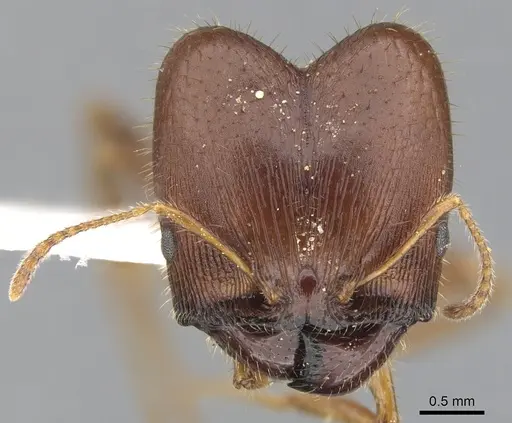
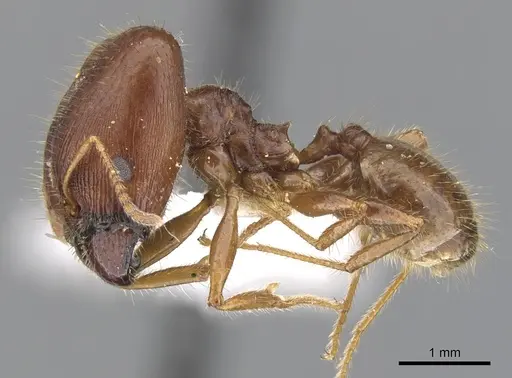
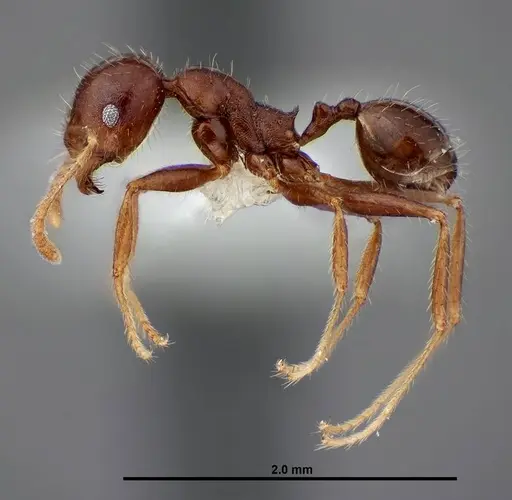
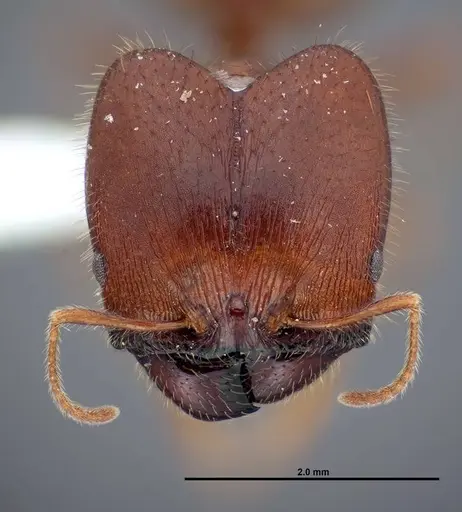
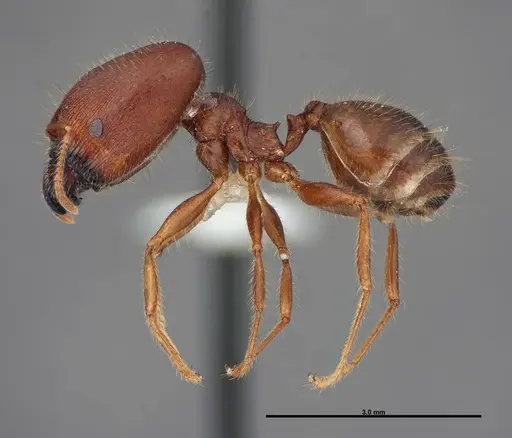
Pheidole dwyeri is a distinctive Neotropical ant species endemic to Mexico, known for its dramatic size difference between major and minor workers. Majors have an impressively large head (over 2.5 times the pronotal width) with a deeply concave occiput, while minors are tiny at just 0.66mm head width. This species belongs to a small group of Pheidole that have a 4-segmented antennal club, making identification relatively straightforward. The species was first described in 1969 from Isla María Cleofas in the Tres Marías Islands, Nayarit, and has since been found in Jalisco, Morelos, and Puebla states. These ants inhabit tropical deciduous forests at elevations between 885-1,311 meters and have been observed nesting in human structures, specifically electrical installations.
Quick Summary
- Difficulty: Unknown, insufficient data for reliable assessment
- Origin & Habitat: Endemic to Mexico, tropical deciduous forests in Nayarit, Jalisco, Morelos, and Puebla at 885-1,311m elevation [1]
- Colony Type: Unconfirmed, Pheidole genus typically monogyne but colony structure for this species specifically unknown
- Size & Growth:
- Queen: Unknown, not described in available literature
- Worker: Major: 2.56mm head width, Minor: 0.66mm head width [2]
- Colony: Unknown, no colony size data available
- Growth: Unknown, no development data available
- Development: Unknown, no direct measurements exist (Development timeline has not been studied. Based on typical Pheidole patterns in tropical regions, expect 4-8 weeks at warm temperatures, but this is a rough estimate.)
- Antkeeping:
- Temperature: Likely 22-28°C based on tropical deciduous forest habitat, start in this range and observe colony activity [1]
- Humidity: Moderate, tropical deciduous forest environment suggests 50-70% humidity with some dry periods during seasonal dry season [1]
- Diapause: Unknown, tropical species may not require hibernation, but winter rest may be needed if kept in cooler climates
- Nesting: Has been found nesting in human structures (electrical installations). Likely prefers soil nests in captivity. Test tubes or Y-tong nests with moist substrate would be appropriate starting points.
- Behavior: Observed carrying dead arthropods, suggesting predatory/scavenging behavior typical of Pheidole. Major workers have large heads for seed-crushing or defense. Escape risk moderate, minor workers are tiny (under 1mm) so fine mesh barriers recommended. Temperament unknown but Pheidole generally are not aggressive toward humans.
- Common Issues: insufficient biological data makes care recommendations speculative, no confirmed founding behavior, unknown if claustral or semi-claustral, colony size and growth rate unknown, making feeding schedules difficult, tropical origin means temperature sensitivity is uncertain, wild-caught colonies may have parasites given very limited captive history
Species Identification and Distinguishing Features
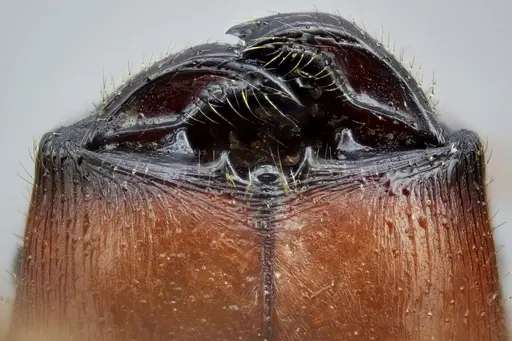
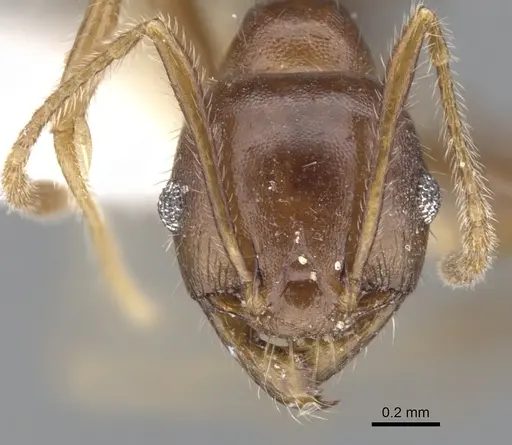
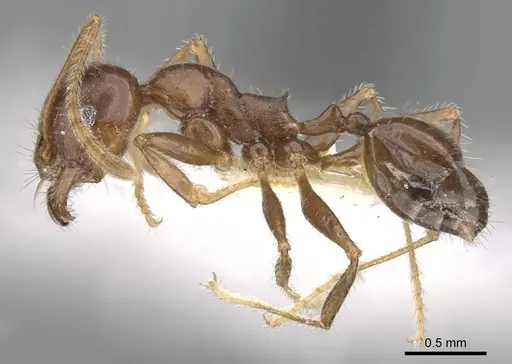
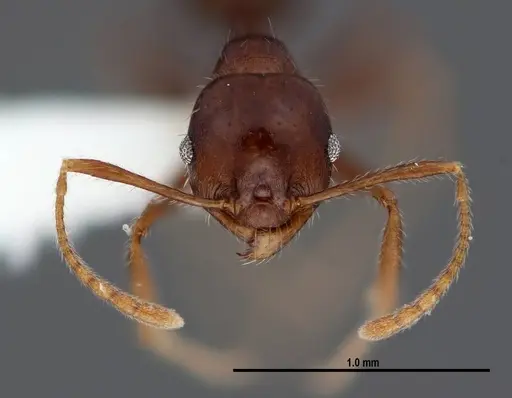
Pheidole dwyeri is one of the most distinctive Pheidole species due to its 4-segmented antennal club, a trait shared by only a few species in the genus. The major workers are remarkably large-headed, with head width more than 2.5 times the pronotal width. In side view, the head tapers strongly toward the back, and the occiput (back of the head) is deeply and subangularly concave. A small patch of rugoreticulum (wrinkled texture) is present on each side near the antennal socket. Minor workers are tiny by comparison, with a propodeal spine of medium length and a broad, weakly concave occiput. The easiest way to distinguish this species from similar large-headed Pheidole like P. titanis or P. megacephala is the 4-segmented antennal club of the major worker [1].
Distribution and Habitat
This species is endemic to Mexico, known only from the western coastal states. The type locality is Isla María Cleofas in the Tres Marías Islands, Nayarit. Additional populations have been recorded in Jalisco, Morelos (specifically the Biological Station El Limón in Sierra de Huautla), and Puebla (Jolalpan). They inhabit tropical deciduous forest at elevations between 885-1,311 meters. Specimens have been collected during the dry season using tuna bait, suggesting they are diurnally active foragers. Notably, colonies have been found nesting in human structures, specifically electrical installations, indicating some tolerance for synanthropic (human-altered) environments [1].
Natural History and Behavior
What we know about P. dwyeri in the wild is limited. Specimens have been observed carrying different dead arthropods, suggesting they scavenge or prey on other insects. This aligns with typical Pheidole behavior, as most species are omnivorous with a strong predatory component. The collection from tropical deciduous forest during the dry season indicates they are active year-round in their native climate. The observation of colonies nesting in buildings suggests they can adapt to human environments, though this may be opportunistic rather than preferred. No information exists on nuptial flight timing, colony foundation, or queen behavior for this specific species [1].
Keeping Pheidole dwyeri in Captivity
Because this species has never been kept in captivity (as far as documented), all care recommendations are educated guesses based on what we know about the genus and its natural habitat. Start with a standard Pheidole setup: a test tube for founding, transitioning to a Y-tong or plaster nest with chambers scaled to their tiny minor workers. Maintain temperatures in the 22-28°C range, reflecting their tropical deciduous forest origin. Humidity should be moderate, aim for 50-70% with a moisture gradient so ants can self-regulate. Feed a typical Pheidole diet: protein sources like small insects (fruit flies, pinhead crickets, mealworms) and sugar water or honey. The major workers' large heads suggest they can handle larger prey items than similarly-sized ants. Since minor workers are under 1mm, use fine mesh or fluon barriers to prevent escapes. The biggest challenge is the complete lack of species-specific data, be prepared to experiment and document your observations carefully. [1]
Frequently Asked Questions
How do I care for Pheidole dwyeri ants?
Care recommendations are speculative since this species has never been documented in captivity. Based on its tropical deciduous forest origin, provide temperatures around 22-28°C, moderate humidity (50-70%), and a diet of small insects and sugar sources. Use fine mesh barriers because minor workers are tiny. Start with a test tube setup for founding colonies.
How long does it take for Pheidole dwyeri to produce first workers?
The egg-to-worker timeline is completely unknown for this species. Based on typical Pheidole development in tropical regions, estimate 4-8 weeks at warm temperatures, but this is a rough guess. No specific development data exists.
What do Pheidole dwyeri ants eat?
They have been observed carrying dead arthropods in the wild, suggesting predatory/scavenging behavior. Feed small insects like fruit flies, pinhead crickets, or small mealworms, along with sugar water or honey. Major workers' large heads may allow them to handle prey larger than their minor workers can manage.
Are Pheidole dwyeri ants aggressive?
Aggression levels have not been documented. Pheidole species are generally not aggressive toward humans but will defend their nest. The large major workers likely serve as defenders.
Do Pheidole dwyeri ants need hibernation?
Diapause requirements are unknown. As a tropical species from Mexico, they likely do not require true hibernation. However, if kept in cooler climates, a period of reduced temperatures (15-18°C) during winter months may be appropriate.
How big do Pheidole dwyeri colonies get?
Colony size is unknown, no colony size data exists in scientific literature. Typical Pheidole colonies can reach several thousand workers, but this is just an estimate for this species.
Can I keep multiple Pheidole dwyeri queens together?
Colony structure (monogyne vs polygyne) has not been documented for this species. Pheidole genus is typically monogyne, but some species are polygynous. Do not attempt combining unrelated queens without documented evidence that this species tolerates multi-queen arrangements.
What makes Pheidole dwyeri different from other Pheidole?
This species belongs to a small group of Pheidole with a 4-segmented antennal club (most have 3). Major workers have an exceptionally large head with a deeply concave occiput, over 2.5 times wider than the pronotum. It is endemic to Mexico, known only from the western coastal states.
Is Pheidole dwyeri a good species for beginners?
This species cannot be recommended for beginners due to the complete lack of captive care data. Every aspect of their husbandry would be experimental. Choose a better-documented species like Pheidole pallidula or Pheidole megacephala instead.
What is the best nest type for Pheidole dwyeri?
No captive husbandry exists to confirm best practices. Use standard setups: test tube for founding, then a Y-tong or plaster nest with chambers scaled to their tiny minor workers (under 1mm). Ensure escape prevention is excellent due to their small size.
References

This caresheet is licensed under CC BY-SA 4.0 .
CASENT0649577
View on AntWeb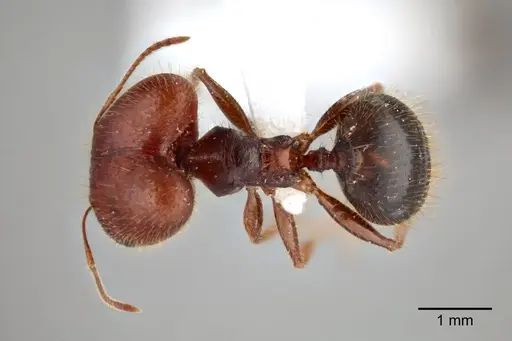
CASENT0649580
View on AntWeb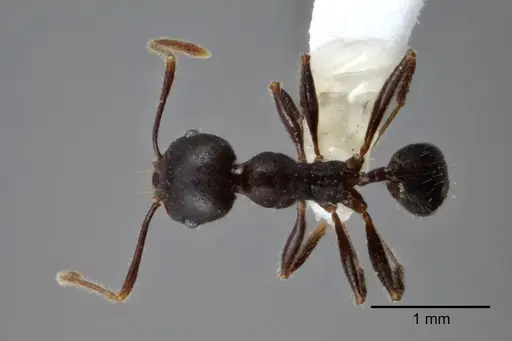
CASENT0901587
View on AntWeb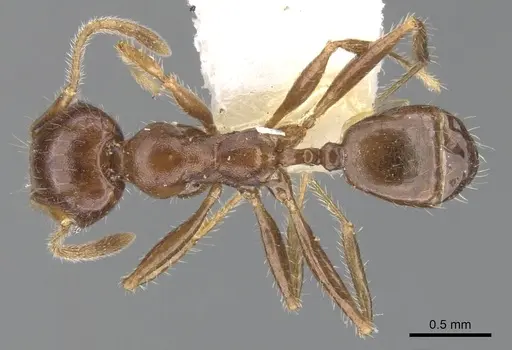
CASENT0901588
View on AntWeb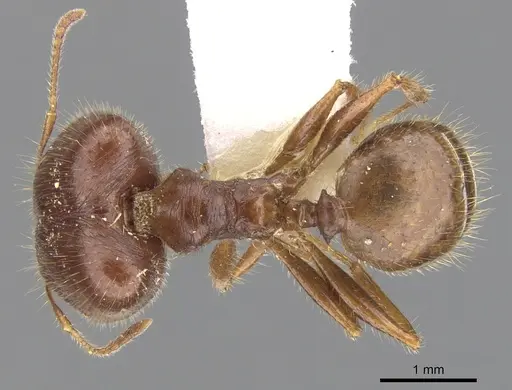
FMNHINS0000083048
View on AntWeb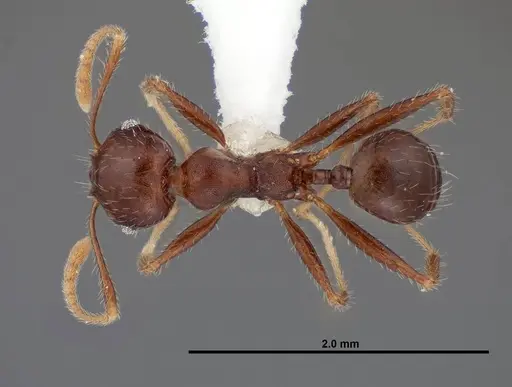
FMNHINS0000083050
View on AntWeb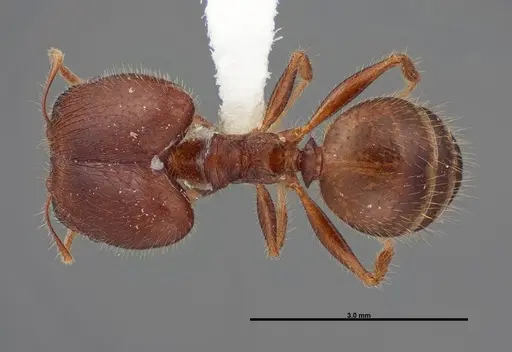
Literature
Loading...Loading products...