

Pheidole clavata
- Scientific Name
- Pheidole clavata
- Tribe
- Attini
- Subfamily
- Myrmicinae
- Author
- Emery, 1877
- Distribution
- Found in 1 countries
Pheidole clavata Overview
Pheidole clavata is an ant species of the genus Pheidole. It is primarily documented in 1 countries , including Eritrea. Detailed taxonomic data and occurrence records can be further explored via authoritative databases such as AntWeb or the Global Biodiversity Information Facility (GBIF).
Pheidole clavata
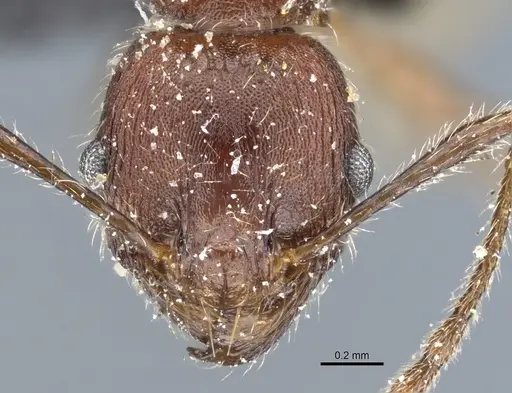
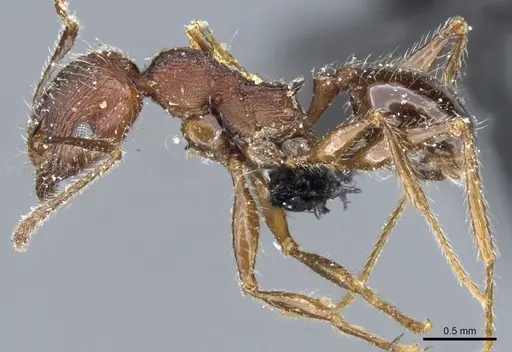
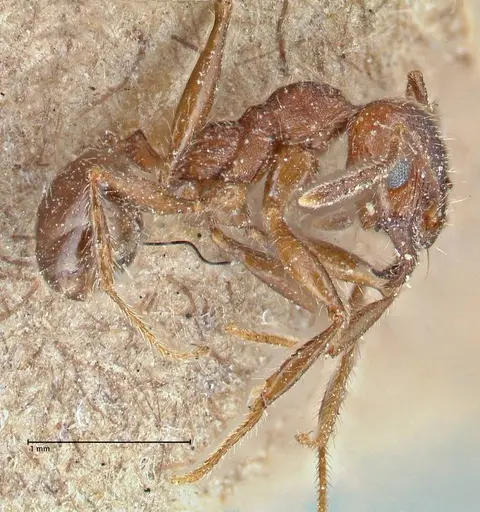
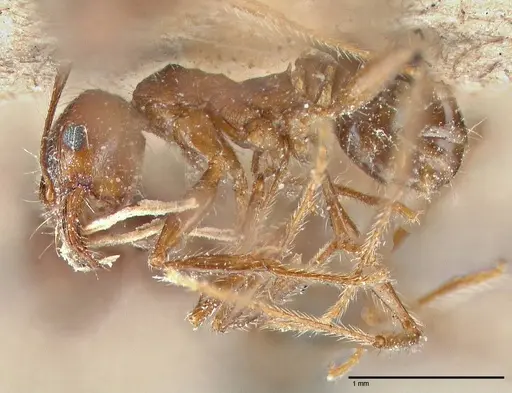
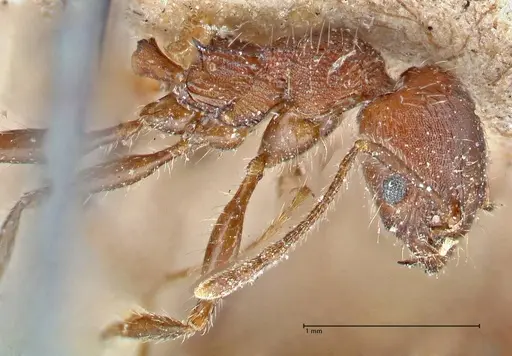
Pheidole clavata is a small myrmicine ant species originally described by Carlo Emery in 1877 from specimens collected in Keren, Eritrea (then known as the Bogos region). The species was first described as Pheidole clavata before being transferred to the genus Pheidole by Mayr in 1895. Workers are typical of the Pheidole genus, featuring the characteristic major worker caste with enlarged heads. This species belongs to the tribe Attini, which includes the famous leaf-cutter ants, though Pheidole species are generally seed-harvesting and omnivorous rather than fungus-cultivators. The distribution is limited to the Afrotropical region, specifically Eritrea and Ethiopia, where it inhabits the dry to semi-arid landscapes of the Horn of Africa.
Quick Summary
- Difficulty: Unknown
- Origin & Habitat: East Africa, specifically Eritrea and Ethiopia in the Horn of Africa region. The type locality is Keren, Eritrea. Natural habitat details are not documented in available literature [1][2].
- Colony Type: Unconfirmed colony structure. Pheidole species are typically monogyne (single queen colonies), though some species can be polygyne. No specific data exists for P. clavata [3].
- Size & Growth:
- Queen: Unknown, no measurements available for this species. Pheidole queens typically range 6-12mm depending on the species [3].
- Worker: Unknown, no measurements documented. Pheidole workers range 2-8mm with distinct minor and major castes [3].
- Colony: Unknown, no colony size data available for this species. Pheidole colonies can range from hundreds to thousands of workers [3].
- Growth: Unknown, no development data exists for this species.
- Development: Unknown, no direct measurements exist. Based on typical Pheidole patterns, estimate 6-8 weeks at optimal temperature, but this is a rough guess [3]. (Development timeline is unconfirmed for this species. Related Pheidole species typically develop in 6-8 weeks under warm conditions.)
- Antkeeping:
- Temperature: Unknown, no specific data. Start around 22-26°C and observe colony activity. Most Pheidole species prefer warm conditions in the low-to-mid 20s°C range [3].
- Humidity: Unknown, no specific data. Based on East African origin (Eritrea/Ethiopia), likely prefers dry to moderate conditions. Provide a gradient with a moist area and drier areas available.
- Diapause: Unknown, no data on overwintering requirements. East African species may have reduced activity during cooler months but likely do not require true hibernation [3].
- Nesting: Unknown, no natural nesting observations documented. Most Pheidole species nest in soil or under stones. In captivity, test tubes, Y-tong nests, or plaster nests work well [3].
- Behavior: Behavior is unconfirmed for this specific species. Pheidole ants are generally known for their seed-harvesting habits and omnivorous diet. They have distinct minor and major worker castes, majors (soldiers) have enlarged heads and are specialized for seed-cracking. They are typically non-aggressive but will defend their nest. Escape prevention is important as they are small ants, use fine mesh barriers. Major workers can deliver mild bites but are not considered dangerous to humans [3].
- Common Issues: this species has no documented care requirements, all advice is estimated from genus-level patterns, no confirmed temperature or humidity preferences exist, keepers must experiment, colony size and growth rate are unknown, slow development may frustrate beginners, no documented diet acceptance, likely accepts seeds and protein like other Pheidole, very limited distribution data makes it unclear if this species is available in the antkeeping hobby
Species Background and Taxonomy
Pheidole clavata was originally described as Pheidole clavata by Carlo Emery in 1877,based on worker specimens collected by O. Beccari during the late 19th century expeditions in the Horn of Africa region. The type locality is Keren in Eritrea, historically known as the Bogos region. In 1895,Mayr transferred this species to the genus Pheidole, where it remains classified today. The species is part of the tribe Attini within the subfamily Myrmicinae. Four syntype workers are deposited in the Natural History Museum Vienna, with two specimens retaining their original locality labels. This species is considered rare in collections and has received very little scientific attention since its original description [1][2].
Distribution and Habitat
Pheidole clavata is known only from the Afrotropical region, specifically Eritrea and Ethiopia. The type locality of Keren, Eritrea, sits in the eastern highlands at an elevation of around 1,500-2,000 meters. This region features a semi-arid to subtropical highland climate with distinct wet and dry seasons. The natural nesting habitat is not documented in available literature, though many Pheidole species in similar East African habitats nest in soil under stones or in shallow ground cavities. The limited distribution suggests this may be a localized species with specific habitat requirements [1][2][3].
Estimated Care Requirements
Since no biological data exists for Pheidole clavata specifically, care recommendations must be estimated from general Pheidole genus patterns and the known climate of its origin region. Expect a claustral founding type where the queen seals herself in and raises the first brood alone on stored fat reserves. Temperature should likely be in the 22-26°C range, similar to other Pheidole species. Humidity preferences are unclear, start with moderate conditions and observe colony behavior. Nesting in captivity can use test tubes, Y-tong nests, or plaster formicaria. Diet likely includes seeds, small insects, and sugar sources, following typical Pheidole omnivorous habits. The presence of major workers (soldiers) with enlarged heads indicates this species has the characteristic Pheidole caste system [3].
Challenges and Limitations
This is one of the least documented ant species available in the antkeeping hobby. There is no scientific literature on colony size, development time, temperature preferences, humidity needs, or specific dietary requirements. Keepers will need to experiment and document their own observations carefully. This species may not be readily available in the hobby, as it is known only from limited museum specimens. Anyone keeping this species would essentially be pioneering captive care for a virtually unknown species. Expect trial and error, and consider contributing observations to citizen science databases to help build knowledge about this poorly studied ant [3].
Frequently Asked Questions
How do I care for Pheidole clavata ants?
Care requirements are not documented for this species. Estimated care based on genus patterns: keep at 22-26°C in a test tube or Y-tong nest, provide moderate humidity, and feed seeds and protein (insects) like other Pheidole species. You will need to experiment and document your own observations.
What do Pheidole clavata ants eat?
Diet is unconfirmed for this species. Based on typical Pheidole behavior, they likely accept seeds, small insects, and sugar sources. Start with a mixed diet of protein (fruit flies, small crickets) and seeds, adding occasional sugar water or honey.
How long does it take for Pheidole clavata to develop from egg to worker?
Development timeline is unknown for this species. Estimated at 6-8 weeks based on typical Pheidole development patterns, but this is a rough guess with no direct data.
Are Pheidole clavata ants good for beginners?
This species is not recommended for beginners due to the complete lack of documented care information. You would essentially be experimenting with care requirements from scratch. Consider starting with better-documented Pheidole species like Pheidole pallidula or Pheidole megacephala.
Do Pheidole clavata ants have major workers?
Yes, as a Pheidole species, they likely have the characteristic minor and major (soldier) worker castes. Major workers have enlarged heads specialized for seed-cracking, though this has not been confirmed specifically for P. clavata.
Where is Pheidole clavata found in the wild?
This species is known only from Eritrea and Ethiopia in East Africa. The type locality is Keren, Eritrea. It is considered a rare species with a limited geographic range.
Do Pheidole clavata ants need hibernation?
Diapause requirements are unknown. Based on the East African origin (Eritrea/Ethiopia), they likely do not require true hibernation but may have reduced activity during cooler months.
Can I keep multiple Pheidole clavata queens together?
Colony structure is unconfirmed. Most Pheidole species are monogyne (single queen), but some can be polygyne. No data exists for this specific species. It is not recommended to combine unrelated queens without documented evidence they can coexist.
What size nest should I use for Pheidole clavata?
Nest requirements are unconfirmed. Use standard antkeeping setups like test tubes for founding colonies, then transition to Y-tong or plaster formicaria as the colony grows. Provide chambers scaled to their size.
Are Pheidole clavata ants aggressive?
Aggression level is not documented. Pheidole species are generally not highly aggressive but will defend their nest. Major workers can deliver mild bites. They are not considered dangerous to humans.
References

This caresheet is licensed under CC BY-SA 4.0 .
CASENT0904222
View on AntWeb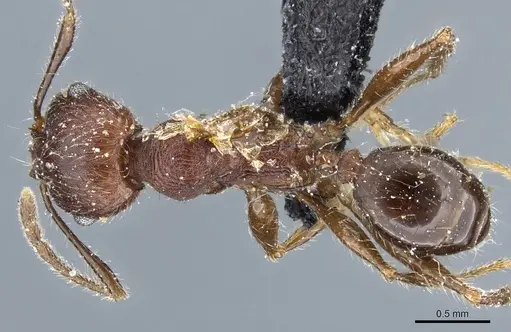
FOCOL2918-1
View on AntWeb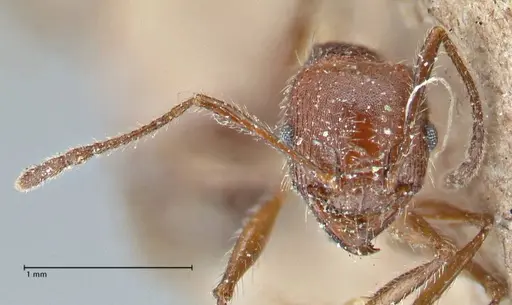
FOCOL2918-2
View on AntWeb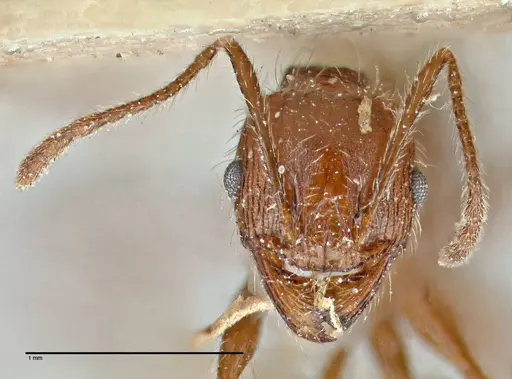
FOCOL2918-3
View on AntWeb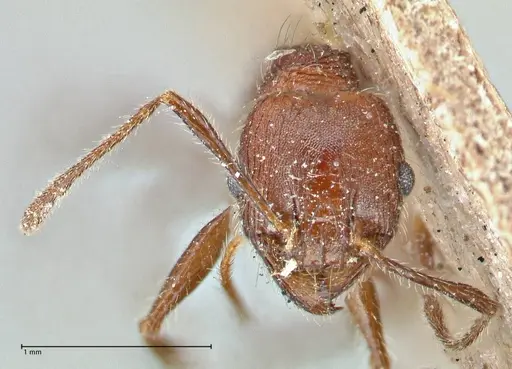
Literature
Loading...Loading products...