

Pheidole charazana
- Scientific Name
- Pheidole charazana
- Tribe
- Attini
- Subfamily
- Myrmicinae
- Author
- Wilson, 2003
- Distribution
- Found in 1 countries
Pheidole charazana Overview
Pheidole charazana is an ant species of the genus Pheidole. It is primarily documented in 1 countries , including Colombia. Detailed taxonomic data and occurrence records can be further explored via authoritative databases such as AntWeb or the Global Biodiversity Information Facility (GBIF).
Pheidole charazana
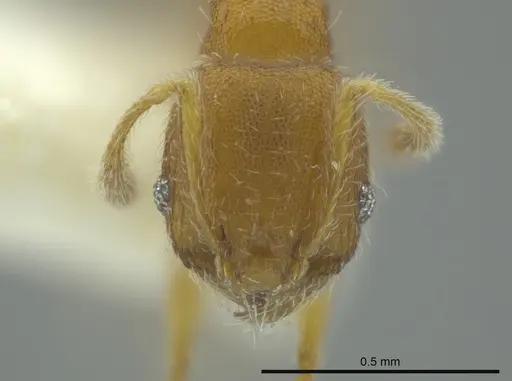
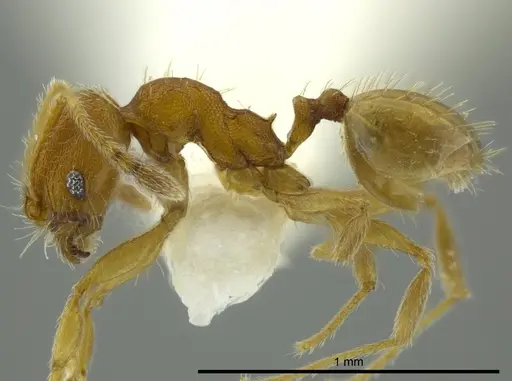
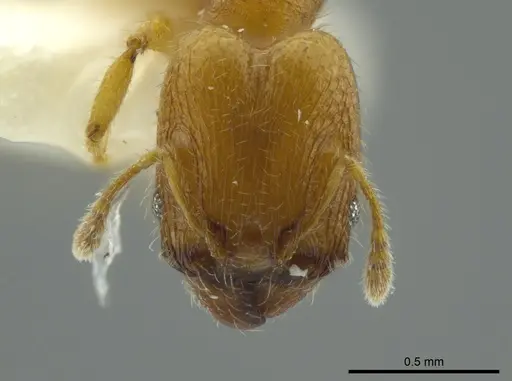
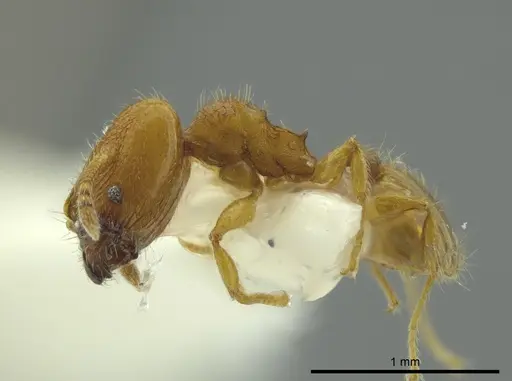
Pheidole charazana is a small yellow ant belonging to the flavens group, described from a montane region in Colombia. Major workers have a head width of 0.68mm with a somewhat elongated head and distinctive projected frontal lobes. Minor workers are smaller at 0.42mm head width. The species is known only from the type locality in Cundinamarca, Colombia, where it was collected beneath a rock in a cultivated field at higher elevation [1][2]. This is one of the smaller Pheidole species, with a pale yellow coloration that helps it blend into soil and leaf litter environments.
Quick Summary
- Difficulty: Unknown
- Origin & Habitat: Only known from Cundinamarca, Colombia, specifically Chipaque in the Charaza municipality. Found in a montane cultivated field, nesting beneath rocks [1][2].
- Colony Type: Colony structure is unconfirmed. As a Pheidole species, it likely forms single-queen colonies (monogyne), but this has not been documented for this specific species.
- Size & Growth:
- Queen: Undescribed, no queen measurements available [3]
- Worker: Major: 0.68mm HW, Minor: 0.42mm HW [2]
- Colony: Unknown, no colony size data exists for this species [3]
- Growth: Unknown
- Development: Unconfirmed, typical Pheidole development takes 4-8 weeks at tropical temperatures, but no specific data exists for this species [3] (This species is only known from the type series, so no captive breeding data exists. Estimates based on typical Pheidole genus patterns.)
- Antkeeping:
- Temperature: Based on its montane Colombian origin (Cundinamarca at elevation), it likely prefers moderate temperatures around 20-26°C. Avoid extreme heat. Room temperature should work well for most keepers [1].
- Humidity: Found under rocks in cultivated fields suggests it tolerates variable moisture. Keep nest substrate moderately moist with some dry areas available. Standard Pheidole humidity preferences apply, aim for 50-70% relative humidity in the nest area.
- Diapause: Unknown, being from a tropical montane region, it may have reduced activity during cooler months but likely does not require true hibernation. More research needed on seasonal behavior.
- Nesting: In the wild, this species nests beneath rocks in soil. For captivity, standard test tube setups work well for founding colonies. Once established, a Y-tong (AAC) or plaster nest with narrow chambers scaled to their small size is appropriate. Provide some substrate depth if using a naturalistic setup.
- Behavior: Pheidole species are known for having distinct major and minor workers. Majors specialize in seed processing and colony defense, while minors handle general foraging and brood care. This species is small and likely not aggressive. Escape prevention should be moderate, their small size means gaps should be minimized, but they are not extreme escape artists like some tiny tropical species. They likely forage for small insects, seeds, and honeydew [3].
- Common Issues: Very limited species-specific information means care is based on genus-level estimates rather than confirmed requirements., As a rarely kept species, finding established colonies may be difficult, this is not a common species in the antkeeping hobby., Small colony size may make them vulnerable to stress, handle founding colonies gently., Wild-caught colonies may carry parasites or diseases since the species has not been studied in captivity., Temperature sensitivity is unknown, start with moderate temperatures and observe colony behavior before making adjustments.
Species Overview
Pheidole charazana is a recently described species (Wilson 2003) known only from its original collection in the Colombian Andes. It belongs to the flavens group, a collection of small, typically yellow Pheidole species. The major workers have distinctive features including projected frontal lobes and rugoreticulae (wrinkle-like structures) on the scrobes and humeri. This species has never been found again since its original description, making it one of the rarest and least-studied ants in the hobby. The type locality is in Cundinamarca at moderate elevation, suggesting a preference for cooler, montane conditions compared to lowland tropical ants [2][1].
Housing and Nesting
For founding colonies, a standard test tube setup works well. Fill a test tube one-third with water, plug with cotton, and place the queen in the humid chamber. The queen should seal herself in a claustral chamber, while not directly confirmed for this species, this is typical for Pheidole. Once the first workers (nanitics) emerge and the colony grows to 20-30 workers, you can consider moving to a formicarium. A Y-tong (AAC) nest or plaster nest with small chambers works best for this tiny species. Avoid large, open spaces, they prefer tight, snug chambers scaled to their body size. If using a naturalistic setup, provide some soil or sand substrate and hiding structures like small stones or pieces of bark [3].
Feeding and Diet
Pheidole species are generalist omnivores. In captivity, they readily accept protein sources like small insects (fruit flies, pinhead crickets, mealworms), and carbohydrate sources including sugar water, honey, or ripe fruits. The major workers have specialized mandibles for seed processing, so they may accept small seeds, but protein should form the primary diet. Feed small prey items 2-3 times per week, and keep a constant sugar water source available. Remove uneaten prey after 24 hours to prevent mold. Given their tiny size, prey items should be appropriately scaled, flightless fruit flies and small springtails are ideal [3].
Temperature and Seasonal Care
Based on its origin in the Colombian highlands (Cundinamarca), this species likely prefers moderate temperatures rather than extreme heat. Aim for 20-26°C, which is typical room temperature in many homes. Avoid temperatures above 30°C or below 15°C. Since it's from a montane region, it may experience seasonal temperature changes in the wild, but true hibernation is unlikely. During winter, simply reducing feeding frequency and allowing slightly cooler temperatures (down to around 18°C) should suffice. Monitor colony activity, if workers become sluggish, slightly increase temperature. The key is stability rather than extreme values [1].
Behavior and Colony Structure
Like all Pheidole species, this ant has two worker castes: majors and minors. The majors (larger workers with larger heads) specialize in seed processing, colony defense, and food storage, while minors handle most foraging, brood care, and general tasks. This division of labor makes them fascinating to watch. The species is not known to be aggressive toward keepers, their small size means their sting is negligible to humans. They are not considered dangerous. Colonies likely reach several hundred workers over time, though no specific data exists for this species. Expect to see major workers appearing once the colony reaches moderate size [3].
Frequently Asked Questions
How long does it take for Pheidole charazana to produce first workers?
This is unknown, no captive breeding data exists for this species. Based on typical Pheidole development, expect 4-8 weeks from egg to worker at optimal temperatures (around 24°C). The first workers (nanitics) will be smaller than normal workers.
What do Pheidole charazana ants eat?
They are omnivores. Feed small protein sources like fruit flies, pinhead crickets, or small mealworms 2-3 times per week. Provide constant access to sugar water or honey. They may also accept small seeds, though protein should form the main diet.
Can I keep multiple queens together?
Not recommended, combining unrelated queens of this species has not been documented. Most Pheidole species establish single-queen colonies. If you obtain multiple founding queens, house them separately to avoid conflict.
What temperature should I keep Pheidole charazana at?
Aim for 20-26°C based on their montane Colombian origin. Room temperature is typically suitable. Avoid temperatures above 30°C or below 15°C. Stability is more important than exact numbers.
Is Pheidole charazana good for beginners?
This species is not recommended for beginners. It is extremely rare in the antkeeping hobby and has no established captive care protocols. There is virtually no species-specific information available. Beginners should start with more common, well-documented species like Pheidole pallidula or Pheidole megacephala.
How big do Pheidole charazana colonies get?
Unknown, no colony size data exists for this species. Based on their small worker size and typical Pheidole patterns, colonies likely reach several hundred workers. Expect slow growth given the limited data available.
When should I move Pheidole charazana to a formicarium?
Wait until the colony has 20-30 workers and the test tube is becoming crowded. This species is very small, so choose a nest with appropriately sized chambers, Y-tong or plaster nests with small passages work well. Avoid moving too early as it can stress the colony.
Does Pheidole charazana need hibernation?
Probably not. Being from a tropical montane region in Colombia, they likely do not require true hibernation. During cooler months, simply reduce feeding and allow temperatures to drop slightly (to around 18°C), but active heating is not necessary.
Where can I get Pheidole charazana?
This species is extremely rare in the antkeeping hobby. It has only been found once in the wild since its description in 2003. You will likely not find established colonies for sale. If interested in Pheidole, consider more common alternatives like P. pallidula, P. megacephala, or P. anastasii.
References

This caresheet is licensed under CC BY-SA 4.0 .
CASENT0624253
View on AntWeb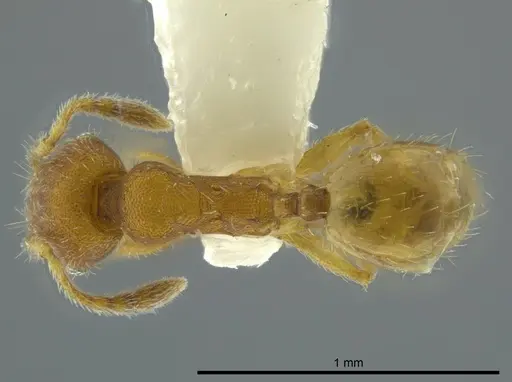
JTLC000016344
View on AntWeb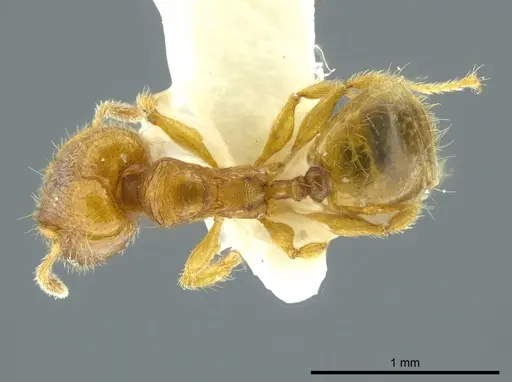
Literature
Loading...Loading products...