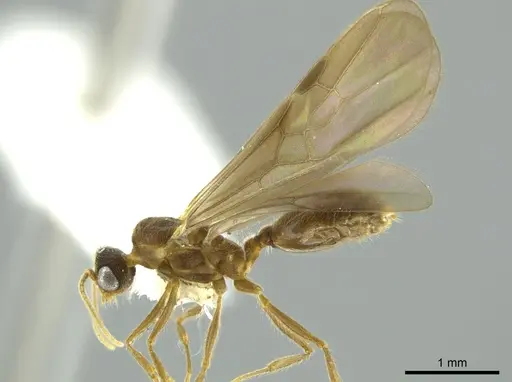
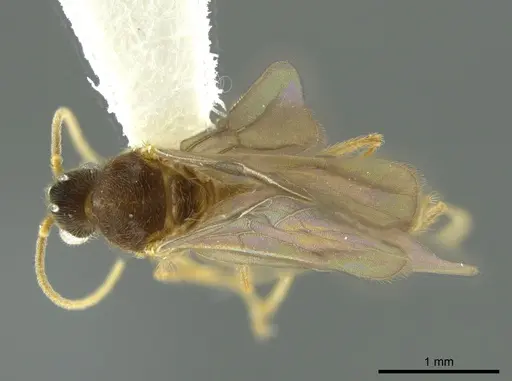
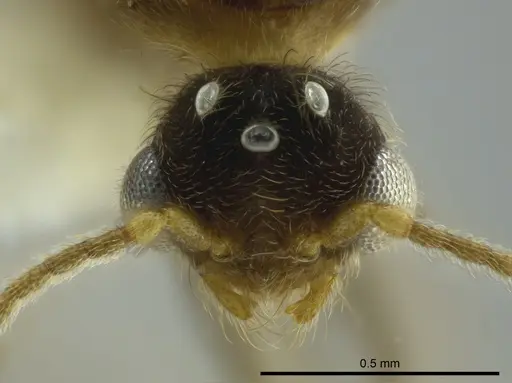
Pheidole boliviana - "Bolivian Big-Headed Ant"
Pheidole boliviana is a medium-sized ant species belonging to the 'big-headed ant' genus, Pheidole, known for its distinct worker castes: minor workers and major workers (often called soldiers). The majors have notably large heads and mandibles, which are used for defense and processing larger food items, like seeds. Both castes, minors and majors, are covered in exceptionally long, abundant, and erect to suberect hairs across most of their bodies. Their coloration typically features dark brown heads, mesosomas, waists, and gasters, with brownish-yellow legs. This species is part of the 'flavens group' and is distinguishable by features like convex promesonotum in the majors and angulate humerus in the minors.
- Difficulty: Medium
- Origin & Habitat: Neotropical Region (Bolivia, Colombia, Costa Rica, French Guiana, Panama) in Wet to moist forest habitats, from sea level to 800m elevation. They nest in the low arboreal zone, typically within a meter or two of the ground, but not in leaf litter. Nests have been found in small dead sticks and under loose bark of rotting trees..
- Colony Type: Monogyne (single queen), though some Pheidole species can be polygynous., claustral (queen seals herself in). founding.
- Size & Growth:
- Queen: Not specified
- Worker: 0.5-0.86mm
- Colony: Medium (thousands), potentially up to tens of thousands. While specific numbers for P. boliviana are not readily available, other Pheidole species can reach thousands or even tens of thousands of workers.. Fast. Many Pheidole species are known for their rapid growth, especially with ample protein. growth.
- Antkeeping:
- Temperature: Preferred temperature range is generally between 21-28°C. Keeping them on the warmer side can accelerate brood development and colony growth..
- Humidity: Pheidole boliviana, like many Pheidole species, thrives in high humidity levels, ideally between 60-80%. They do not like dry conditions, and consistent moisture is crucial for brood development..
- Diapause: Not required. Not specified at Not specified.
- Nesting: Pheidole boliviana nests arboreally in small dead sticks or under loose bark of rotting trees. For captive setups, naturalistic nests mimicking wood or cork, or even acrylic nests with appropriate humidity control, would be suitable. Ensure the nest is secure, as Pheidole are known escape artists. Avoid nests that are too large for the colony size initially..
- Behavior: Medium (towards handler, food or other ants) aggressiveness.
- Common Issues: Escape artists (small size of minors), Mold in nest (due to high humidity requirements and uneaten food), Mites (often associated with poor hygiene or high humidity), Humidity fluctuations (can stress colony and hinder brood development), Overfeeding leading to waste (attracts pests and mold), Colony stalling (often due to insufficient protein or stress), Queen stress (especially during founding stage if disturbed too often).
Pheidole boliviana, like many in its genus, are renowned escape artists. When setting up their formicarium, ant keepers must prioritize escape prevention. This means ensuring there are no tiny gaps in the nest and using appropriate barriers on the outworld. Acrylic nests, with their tightly fitting layers, are often a good choice, as they make it much harder for these agile ants to find a way out. Diligence in securing the setup will save you a lot of headache in the long run.
This species displays dimorphism, meaning the colony has two distinct worker castes: the smaller minor workers and the larger major workers, often called soldiers. Minor workers handle most daily tasks like foraging and brood care, while the majors, with their exceptionally large heads and powerful mandibles, are specialized for defense and processing larger food items such as seeds or hard-shelled insects. Observing this division of labor and how these two castes interact within the colony is one of the most fascinating aspects of keeping Pheidole boliviana.
Pheidole colonies, including P. boliviana, have a reputation for rapid growth, especially when provided with a consistent food supply. They are omnivorous, requiring both protein for the queen and brood, and carbohydrates for the workers. Freshly killed insects like mealworms and crickets are excellent protein sources, while sugar water or honey water provide essential carbohydrates. Regular feeding in small quantities, adjusted to colony size, will fuel their expansion. It's important to remove uneaten food promptly to prevent mold.
Humidity is a critical factor for Pheidole boliviana. They prefer high moisture levels in their nest, ranging from 60% to 80%. Maintaining this humidity is essential for the healthy development of their brood. If you notice your nest drying out too quickly, you may need to adjust your setup to better retain moisture. This could involve adding more hydration sources, ensuring the nest material itself holds moisture well, or adjusting ventilation to prevent rapid evaporation.
While specific information on diapause for Pheidole boliviana is limited, many tropical Pheidole species generally do not require a diapause period. However, if you are unsure about the specific needs of your colony based on its origin, providing a cooler period at room temperature without heating during winter months (e.g., November to February) for 2-3 months can sometimes be beneficial for overall colony health and longevity, especially for species from more seasonal parts of their range. Always ensure a water source is available during any cooler period.
Frequently Asked Questions
What kind of formicarium is best for Pheidole boliviana?
For your Pheidole boliviana colony, you’ll want a nest that prioritizes security, as these ants are known escape artists, especially their tiny minor workers. Acrylic nests are often recommended due to their tight construction. Nests that mimic natural arboreal environments, like those made from wood or cork, are also great, provided they allow for proper humidity control. Make sure the nest isn't overly spacious for a new colony, as ants prefer snug spaces and too much room can lead to stress or designated 'waste' corners, inviting mold.
What do Pheidole boliviana eat?
Pheidole boliviana are omnivores, so a balanced diet is key for a thriving colony! For protein, which is essential for the queen’s egg-laying and brood development, offer freshly killed insects like mealworms or small crickets. For carbohydrates, which fuel the active workers, provide sugar water or honey water. You can also offer small seeds, as their major workers are well-equipped to process them. Remember to feed small amounts regularly and promptly remove any uneaten food to keep the nest clean and prevent mold.
Do Pheidole boliviana sting?
Yes, Pheidole boliviana workers do possess a stinger and can use it for defense, though their sting is generally not considered medically significant to humans. They are also known for their strong bite, particularly the major workers, which they use to defend their territory. While they might sting if provoked, they typically prioritize fleeing if they perceive a threat from a handler.
How fast do Pheidole boliviana colonies grow?
Pheidole boliviana, like many species in the Pheidole genus, can exhibit a remarkably fast growth rate, especially when conditions are optimal-meaning consistent warmth, high humidity, and a steady supply of protein. A queen can go from laying her first eggs to having a small founding colony with nanitics fairly quickly, and once established, their numbers can increase exponentially, reaching thousands of workers in a relatively short period.
What are the different worker castes in Pheidole boliviana?
Pheidole boliviana colonies are dimorphic, meaning they have two distinct worker castes: minor workers and major workers (often referred to as soldiers). The minor workers are the generalists, handling foraging, brood care, and most daily colony maintenance. The major workers, on the other hand, are instantly recognizable by their disproportionately large heads and powerful mandibles. They are the colony's specialized defenders and are crucial for breaking down larger food items, especially seeds. This visible division of labor makes them quite captivating to observe.
Do Pheidole boliviana need hibernation?
Pheidole boliviana originates from tropical regions, suggesting that a traditional, deep hibernation (diapause) like temperate species wouldn't be strictly necessary. However, for many tropical species, providing a slight 'cool down' period during the colder months, perhaps at typical room temperatures without supplementary heating, can mimic natural seasonal variations and contribute to the long-term health and longevity of the colony. Always ensure they have access to water during any such period.
What humidity do Pheidole boliviana prefer?
High humidity is a must for Pheidole boliviana, as they thrive in moist forest environments. Aim for humidity levels within their nest to be consistently between 60% and 80%. Maintaining this moisture is crucial for the development of their eggs and larvae. If your setup seems to dry out quickly, consider adding more hydration points or choosing a nest material that retains moisture more effectively.
Are Pheidole boliviana aggressive?
Pheidole species are generally known to be quite active and can be aggressive, especially when defending their nest or a food source against other ants. While specific aggressiveness towards handlers might vary, it's always wise to approach them gently and avoid sudden movements to minimize stress. Their major workers are specifically adapted for defense with their large heads and strong mandibles, ready to protect the colony.
How big do Pheidole boliviana get?
Pheidole boliviana are considered medium-sized ants. The minor workers are quite small, measuring around 0.5 mm in head width, while the major workers are significantly larger, with a head width reaching about 0.86 mm. The queen's size isn't specifically documented, but typically Pheidole queens are larger than their workers.
What are common issues when keeping Pheidole boliviana?
When keeping Pheidole boliviana, be mindful of a few common challenges. Their small size, especially the minor workers, makes them expert escape artists, so a very secure setup is paramount. Due to their high humidity requirements, mold can be an issue if uneaten food or waste isn't promptly removed. Mite infestations can also arise from poor hygiene. Fluctuations in humidity or insufficient protein can lead to a stalling colony, and disturbing the founding queen too often can cause her stress. Regular monitoring and proactive care are essential to mitigate these issues.
How long does it take for Pheidole boliviana to go from egg to worker?
While the exact time for Pheidole boliviana isn't precisely documented, for many Pheidole species, the full development from egg to adult worker can be relatively fast, often within a month, especially under optimal warm conditions. Consistent temperature and humidity play a significant role in accelerating their brood development.
Can I keep multiple Pheidole boliviana queens together (pleometrosis)?
While some Pheidole species are polygynous (can have multiple queens in a mature colony), Pheidole boliviana is primarily considered monogyne (single queen). However, initial pleometrosis (multiple queens founding a nest together) can occur in some Pheidole species to boost initial colony growth, though often only one queen survives in the long run. It's best to research specific pleometrosis behaviors for this exact species or be prepared to separate queens if conflict arises.