

Pheidole constanciae
- Scientific Name
- Pheidole constanciae
- Tribe
- Attini
- Subfamily
- Myrmicinae
- Author
- Forel, 1902
- Distribution
- Found in 1 countries
Pheidole constanciae Overview
Pheidole constanciae is an ant species of the genus Pheidole. It is primarily documented in 1 countries , including India. Detailed taxonomic data and occurrence records can be further explored via authoritative databases such as AntWeb or the Global Biodiversity Information Facility (GBIF).
Pheidole constanciae
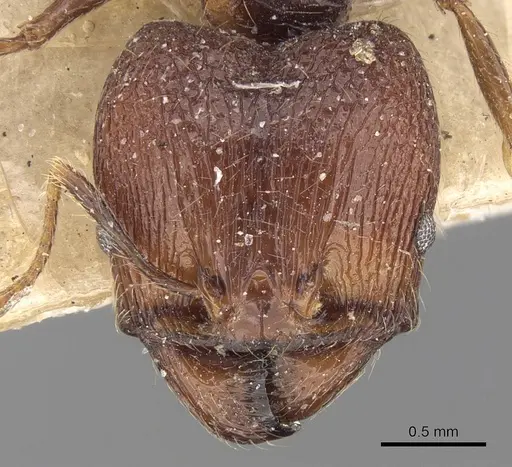
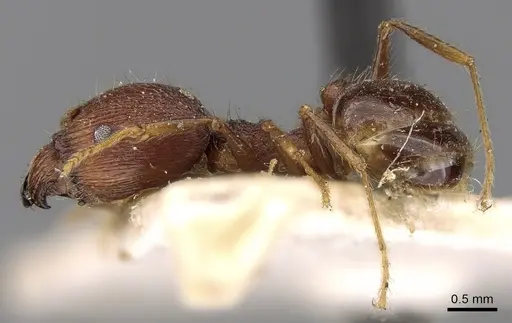
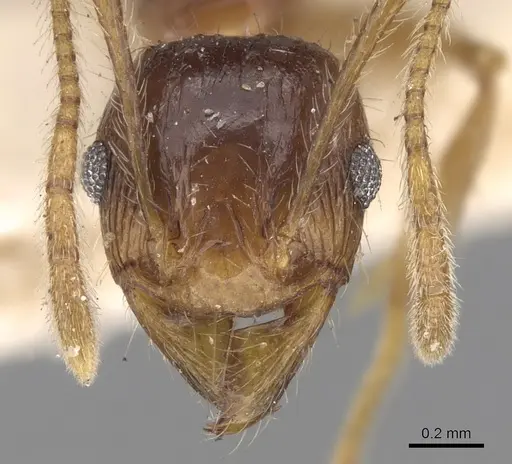
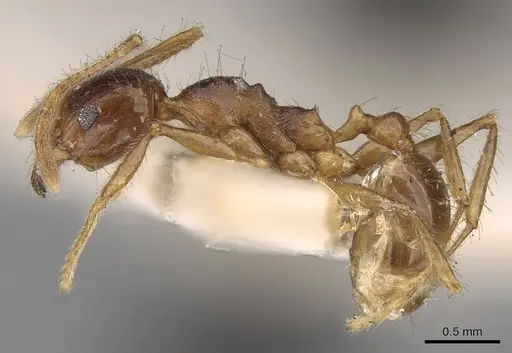
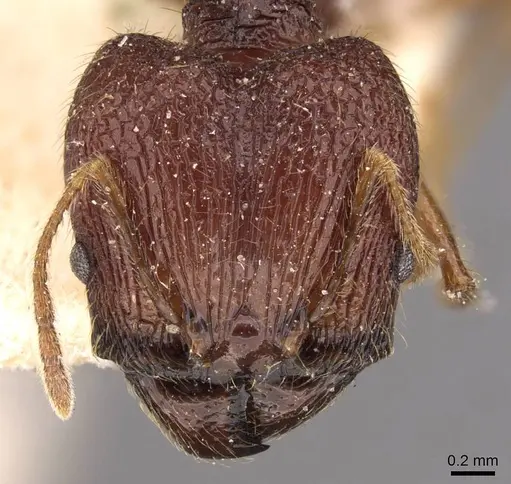
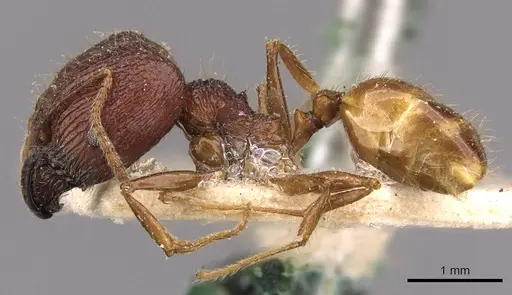
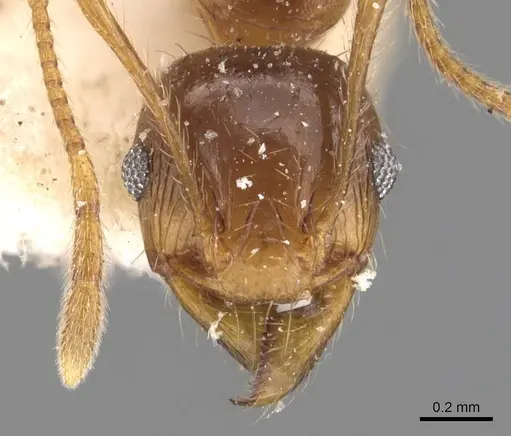
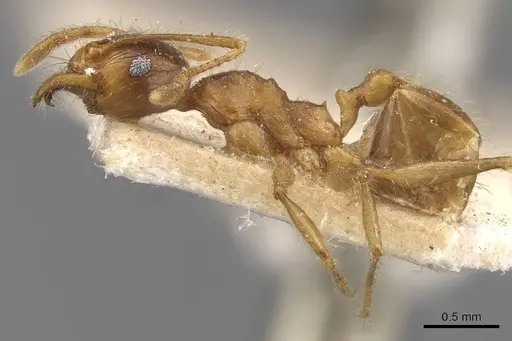
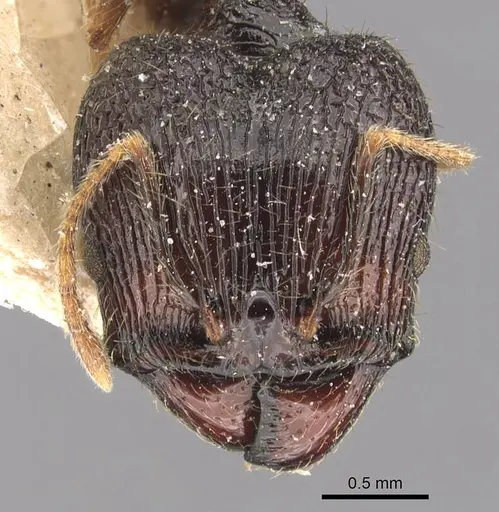
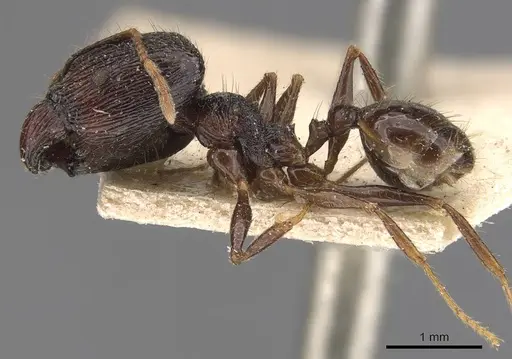
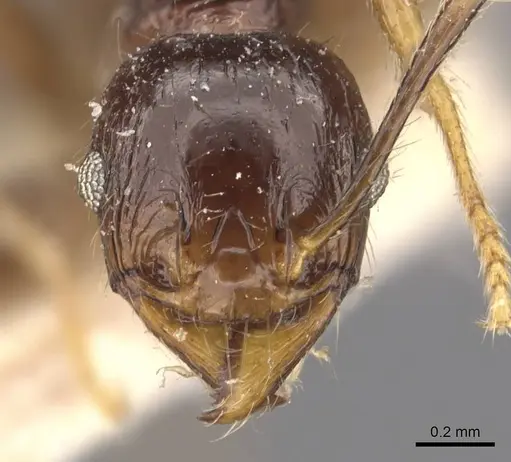
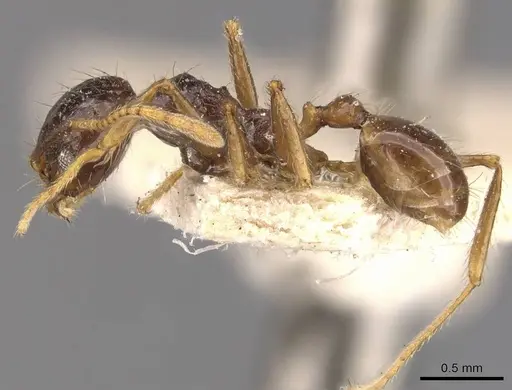
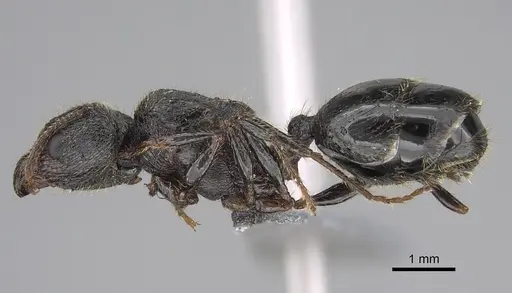
Pheidole constanciae is a small ant species native to India and southern China, belonging to the genus Pheidole known for their distinctive major (soldier) and minor worker castes. Major workers have large, rectangular heads with longitudinal striations, while minor workers are much smaller with smooth, polished bodies. The species was first described by Forel in 1902 and is found across multiple Indian states including Kerala, Meghalaya, Tamil Nadu, and West Bengal [1][2]. These ants are nocturnal and nest behind tree roots in natural areas [1].
Quick Summary
- Difficulty: Easy
- Origin & Habitat: Native to India and southern China, found in tropical and subtropical regions. Nests behind tree roots in forest areas [1].
- Colony Type: Single-queen colonies (monogyne) based on typical Pheidole genus patterns
- Colony: Monogyne
- Founding: Claustral
- Size & Growth:
- Queen: Approximately 5-6mm (estimated from genus patterns)
- Worker: Minor workers: 0.52-0.53mm, Major workers: 1.28-1.29mm [1]
- Colony: Likely several hundred workers based on typical Pheidole colony sizes
- Growth: Moderate
- Development: 6-8 weeks (estimated based on typical Pheidole development) (Development time estimated from related species in the genus)
- Antkeeping:
- Temperature: Keep at 24-28°C. These are tropical ants that prefer warm conditions. A heating cable on one side of the nest creates a suitable gradient.
- Humidity: Maintain moderate humidity around 50-70%. Keep the nest substrate slightly moist but not waterlogged. They nest near tree roots in nature, so some moisture is important but they don't need swamp conditions.
- Diapause: Not required. Being a tropical species from India and southern China, they do not need hibernation. However, slight temperature reductions during winter months may slow activity naturally.
- Nesting: Y-tong (AAC) nests work well for this species. Their small size and preference for nesting behind roots means they do well in nests with compact chambers. Test tube setups are suitable for founding colonies. Avoid very dry or very wet conditions.
- Behavior: These ants are nocturnal, meaning they are most active at night. They have the typical Pheidole structure with major workers defending the colony and minor workers handling daily tasks. Majors have large heads with powerful mandibles for seed processing and defense. They are not particularly aggressive toward keepers but will defend if threatened. Escape risk is moderate, minors are tiny but majors are larger, so standard barrier methods work well.
- Common Issues: tiny minor workers can escape through fine mesh gaps, use appropriate barrier methods, nocturnal activity means you may not see much during daylight hours, this is normal, colonies can be slow to establish, patience is needed during the founding stage, wild-caught colonies may have parasites, quarantine and observe new colonies
Housing and Nest Setup
Pheidole constanciae does well in standard ant keeping setups. For founding colonies, a test tube setup with a water reservoir works perfectly, the queen will seal herself in a chamber and raise her first brood there. Once the colony reaches 20-30 workers, you can move them to a Y-tong (AAC) nest or similar formicarium. The key is providing appropriately sized chambers, these ants are small, especially the minor workers, so tight-fitting connections and passages prevent escape. A small outworld for foraging allows them to collect food. Because they nest behind tree roots in the wild, they appreciate some depth to their nesting material and stable humidity. [1]
Feeding and Diet
Like most Pheidole species, these ants are omnivorous and will accept a variety of foods. Protein sources like small insects (fruit flies, pinhead crickets, mealworms) are important for brood development. They also readily accept sugar sources such as honey water or sugar water. In the wild, Pheidole often harvest seeds, so you might see them collecting small seeds if offered. Feed protein-rich foods 2-3 times per week, and keep a sugar source available constantly. Remove uneaten food after 24-48 hours to prevent mold.
Temperature and Seasonal Care
Being a tropical species from India and southern China, Pheidole constanciae prefers warm conditions. Keep the nest area at 24-28°C for optimal brood development. A heating cable placed on one side of the nest creates a temperature gradient that allows the ants to choose their preferred zone. Unlike temperate species, they do not require a winter diapause. However, slight seasonal variations in room temperature are natural and the colony will slow down somewhat during cooler months. Avoid temperatures below 20°C for extended periods as this can stress the colony.
Behavior and Colony Structure
This species exhibits the classic Pheidole caste system with distinct major and minor workers. Major workers have large, rectangular heads with striated sculpture and powerful mandibles, they handle seed processing and colony defense. Minor workers are much smaller, smooth, and handle most daily tasks including foraging and caring for brood. They are nocturnal, so expect most activity during evening and night hours. The colony will likely grow to several hundred workers over time. Queens are relatively long-lived and can produce workers for several years. [1]
Handling and Observation
Pheidole constanciae is a rewarding species to observe due to the clear size difference between major and minor workers. Majors are fascinating to watch as they process seeds or defend the colony. They are not aggressive toward keepers and rarely bite. When cleaning the nest or moving colonies, handle them gently. Because they are small and nocturnal, observe them in the evening hours when they are most active. Their nesting behavior behind tree roots in the wild suggests they prefer darker, more secluded nest areas, consider providing some cover on the outworld. [1]
Frequently Asked Questions
How long does it take for Pheidole constanciae to produce first workers?
Expect first workers (nanitics) to emerge in 6-8 weeks after the queen lays eggs, assuming optimal temperature around 26°C. The exact timing depends on temperature and feeding. Claustral founding means the queen does not leave to forage, she uses stored fat reserves to survive until her first workers hatch.
What do Pheidole constanciae ants eat?
They are omnivorous. Offer protein sources like small insects (fruit flies, pinhead crickets, mealworms) 2-3 times per week, and keep sugar water or honey available constantly. They may also accept small seeds. Remove uneaten food after 24-48 hours.
What temperature do Pheidole constanciae need?
Keep them warm at 24-28°C. A heating cable on part of the nest creates a gradient. They are tropical ants from India and southern China, so they do not tolerate cold well.
Can I keep multiple queens together?
Pheidole constanciae is typically monogyne (single queen). Combining unrelated queens is not recommended as they likely will fight. In nature, colonies establish with one founding queen.
Are Pheidole constanciae good for beginners?
Yes, this is a good species for beginners. They are relatively hardy, don't require hibernation, and are easy to feed. The main challenges are their small size (escape prevention for minor workers) and nocturnal activity pattern.
When should I move my colony to a formicarium?
Move from test tube to a proper nest (Y-tong or similar) when the colony reaches 20-30 workers. Make sure the new nest has appropriately sized chambers for their small size.
Do they need hibernation?
No, they do not require hibernation. Being a tropical species from India and southern China, they prefer consistent warmth year-round. Slight temperature drops in winter are natural but not necessary.
How big do Pheidole constanciae colonies get?
Based on typical Pheidole patterns, colonies likely reach several hundred workers. The exact maximum is not documented for this specific species.
Why are my ants more active at night?
This is normal, Pheidole constanciae is a nocturnal species. In the wild, they forage primarily at night. Expect to see most activity in the evening and early morning hours.
References

This caresheet is licensed under CC BY-SA 4.0 .
CASENT0281675
View on AntWeb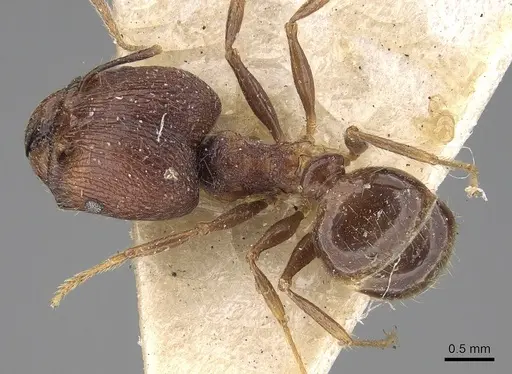
CASENT0281676
View on AntWeb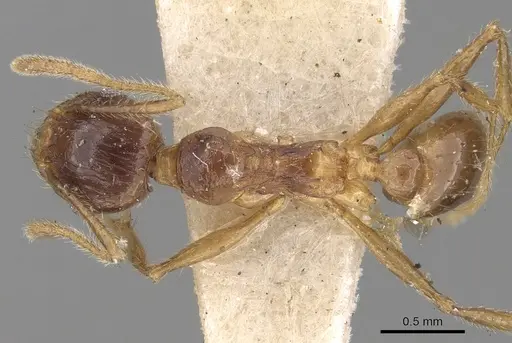
CASENT0907868
View on AntWeb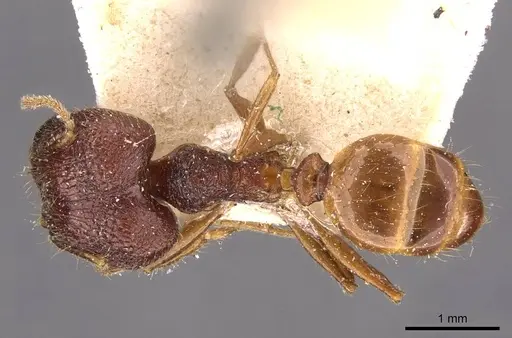
CASENT0907869
View on AntWeb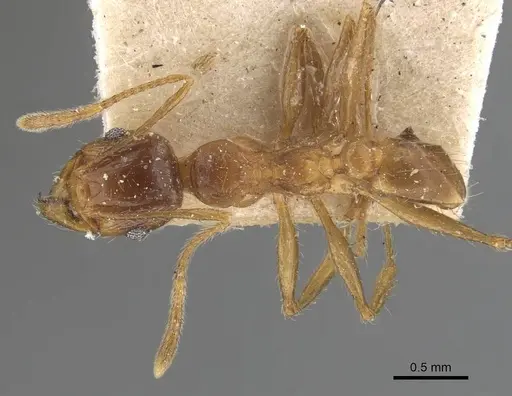
CASENT0907870
View on AntWeb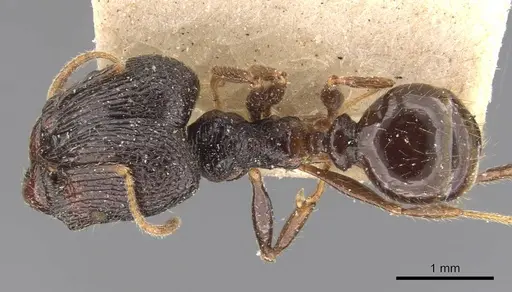
CASENT0907871
View on AntWeb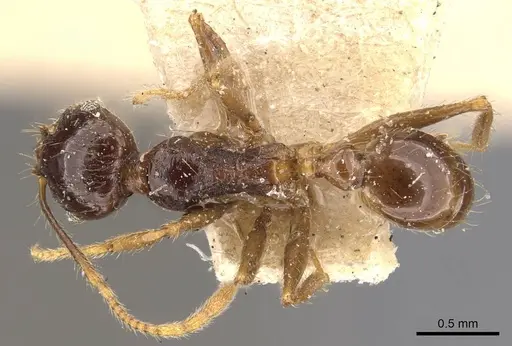
CASENT0923325
View on AntWeb
Literature
Loading...Loading products...