Pheidole planidorsum - "Big-Headed Ant (a Pheidole species)"
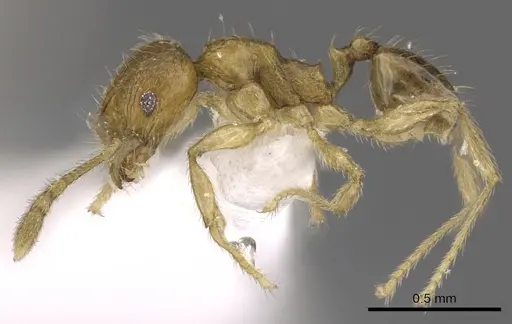
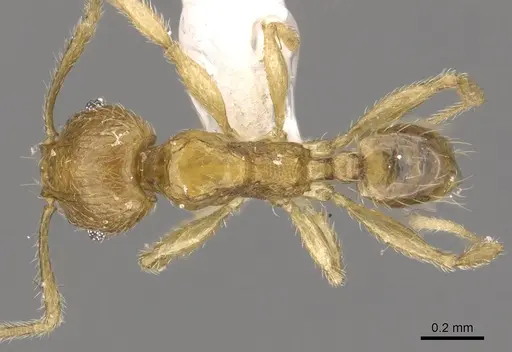
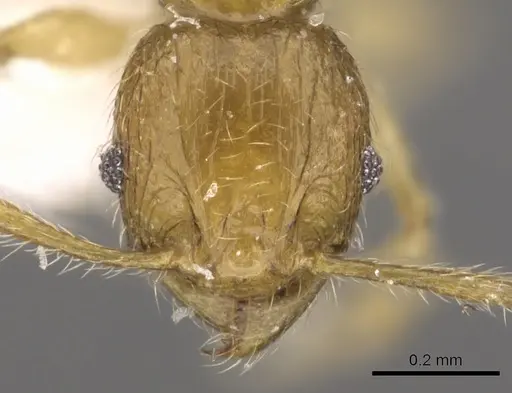
Pheidole planidorsum is a fascinating ant species known for its dimorphic worker caste, meaning colonies feature two distinct sizes of workers: small-headed 'minors' and much larger-headed 'majors' or 'soldiers'. These ants typically have a yellowish-brown body, with lighter yellowish-brown flagella and tarsi. Minor workers are generally slender, while majors have exceptionally large heads relative to their body size, giving the genus Pheidole its common 'big-headed ant' moniker. The majors use their robust heads and mandibles for defense and for breaking down larger food items, exhibiting excellent teamwork with the minors.
- Difficulty: Medium
- Origin & Habitat: Southeast Asia (Borneo, Indonesia, Malaysia, Philippines, Vietnam) in Tropical environments, often found in soil and leaf litter..
- Colony Type: Monogyne, though some Pheidole species can be polygyne in rare cases., claustral founding.
- Size & Growth:
- Queen: up to 7mm
- Worker: 1.3-1.4mm
- Colony: Large (tens of thousands to hundreds of thousands, potentially millions). Fast growth.
- Antkeeping:
- Temperature: Maintain a temperature range between 21-28°C for optimal development, with an ideal around 27°C for accelerated brood growth. While adaptable to room temperature, a heat mat or cable can be beneficial in cooler environments..
- Humidity: Pheidole planidorsum thrives in high humidity levels, ideally between 60-70%, and can tolerate up to 80%. Dry conditions are not favored, so ensure consistent moisture within the nest..
- Diapause: Not required. Not specified at Not specified.
- Nesting: These ants are notorious escape artists, so a secure acrylic nest with tightly fitting layers is highly recommended to prevent escapes. They will readily dig in appropriate substrates if provided..
- Behavior: Medium (towards food and other ants, generally flee from handler) aggressiveness.
- Common Issues: Escape attempts, Mold in nest from uneaten seeds or high humidity, Colony stalling if humidity/temperature are incorrect, Overfeeding leading to waste and potential mold.
One of the most captivating aspects of keeping Pheidole planidorsum is observing their distinct worker castes: the small, agile minors and the robust, large-headed majors. The majors, sometimes referred to as 'soldiers,' play a crucial role in colony defense and are vital for processing larger food items, breaking them down so the minor workers can transport them more easily. This division of labor is a hallmark of the Pheidole genus and makes for a truly engaging ant-keeping experience. Providing varied food sources will allow you to see these specialized workers in action.
Pheidole planidorsum colonies are known for their rapid growth once established, often reaching thousands of workers within months, especially with proper heating and consistent feeding. This fast growth means you'll need to be prepared for regular nest upgrades to accommodate their expanding numbers. It’s always exciting to witness a Pheidole colony explode in population, a clear sign of a thriving setup. Keeping track of their growth and planning for future expansions is key to their long-term success.
Humidity management is critical for Pheidole planidorsum. They prefer a consistently moist environment, with humidity levels ideally between 60-70%. Dry conditions can be detrimental to their health and colony development. Utilizing a nest material that retains moisture well, such as specific acrylic designs or natural setups with appropriate substrates, will help maintain the necessary humidity. Always monitor the moisture levels to ensure the brood develops successfully.
While Pheidole planidorsum are generally voracious eaters and opportunistic scavengers, they are not true granivores in the sense of storing seeds that might germinate. If you choose to offer seeds, do so sparingly and ensure they are fully consumed to prevent mold or germination issues within the nest. Their diet should be primarily focused on a good balance of protein (various insects) for the queen and brood, and sugars (honey water, sugar water) for the adult workers' energy.
Frequently Asked Questions
What's the best way to get my Pheidole planidorsum colony to grow quickly?
To really see your Pheidole planidorsum colony thrive and expand rapidly, focus on maintaining optimal temperatures, ideally between 21-28°C, and provide a consistent supply of protein for the queen and brood, along with sugars for the workers. Heating pads or cables can help achieve those warmer temperatures, which in turn speeds up brood development. A well-fed, warm colony will reach impressive numbers quite fast!
My Pheidole planidorsum seem to be trying to escape. What can I do?
Pheidole planidorsum are known for being escape artists! The best defense is a good offense: invest in a high-quality acrylic nest with very tight seams and no gaps. Applying a good anti-escape barrier to the rim of your outworld, like fluon or talcum powder mixed with alcohol, is also crucial. Double-checking your setup for any tiny cracks or openings regularly will save you a lot of trouble.
Do Pheidole planidorsum need to hibernate?
Unlike some temperate species, Pheidole planidorsum do not typically require a diapause period. They originate from tropical regions, where consistent warmth and activity are the norm. Maintaining stable temperatures year-round is generally best for their continuous growth and health.
What should I feed my Pheidole planidorsum?
These 'big-headed ants' are omnivorous scavengers! For protein, offer them a variety of small insects like fruit flies, mealworms (crushed for smaller colonies), or roaches. For energy, sweet liquids such as honey water or sugar water are perfect for the worker caste. If you offer seeds, make sure they are consumed quickly, as Pheidole aren't true granivores and large quantities can lead to germination or mold in the nest. A balanced diet ensures a healthy, active colony.
How big do Pheidole planidorsum colonies get?
Pheidole planidorsum colonies can grow quite large, easily reaching into the tens of thousands, and some Pheidole species can even form supercolonies with hundreds of thousands or millions of individuals. Their fast growth rate means a small founding colony can quickly become a bustling metropolis in your formicarium, so be prepared for significant population explosions!
What's the role of the 'major' workers in Pheidole planidorsum?
The 'major' workers, often called 'soldiers' in the antkeeping community, are truly remarkable! With their disproportionately large heads and powerful mandibles, they serve several crucial roles. They are excellent defenders of the colony, but more commonly, they act as specialized food processors, breaking down tougher or larger food items that the smaller minor workers can't handle. This teamwork allows the entire colony to access a wider range of food resources and is a joy to observe.
My Pheidole planidorsum queen isn't laying many eggs. What could be wrong?
If your queen is slowing down on egg-laying, it's often a sign that something in her environment isn't quite right. Double-check your temperature and humidity levels; ensuring they are within the optimal range (warm and humid for Pheidole) is critical. Also, make sure she's getting enough protein. The queen needs a steady supply of protein to produce eggs, so a good diet of feeder insects for the colony will directly support her productivity.
What kind of nest is best for Pheidole planidorsum?
Given their tiny size and incredible ability to squeeze through small gaps, acrylic nests are generally the most recommended for Pheidole planidorsum. The precise manufacturing of acrylic nests often leaves very few escape points. Other options like Ytong or plaster nests can work, but require meticulous sealing and constant vigilance to prevent breakouts. Ensure the nest also provides good humidity retention, as they prefer moist conditions.
How long does it take for Pheidole planidorsum eggs to become workers?
The entire life cycle from egg to adult worker for Pheidole planidorsum typically takes about 4-5 weeks. This speedy development is part of what allows their colonies to grow so quickly. Maintaining stable and warm temperatures will help ensure this process moves along efficiently, leading to a steady stream of new ants joining the colony.
Are Pheidole planidorsum aggressive?
Towards other ants or food, Pheidole planidorsum can be quite aggressive and dominant, especially when foraging. However, towards handlers, they are generally not aggressive and tend to flee rather than sting or bite. Their defense mechanisms are more geared towards protecting their nest and resources from rival ant species.