

Pheidole multispina
- Scientific Name
- Pheidole multispina
- Tribe
- Attini
- Subfamily
- Myrmicinae
- Author
- Wilson, 2003
- Distribution
- Found in 2 countries
Pheidole multispina Overview
Pheidole multispina is an ant species of the genus Pheidole. It is primarily documented in 2 countries , including Costa Rica, Panama. Detailed taxonomic data and occurrence records can be further explored via authoritative databases such as AntWeb or the Global Biodiversity Information Facility (GBIF).
Pheidole multispina
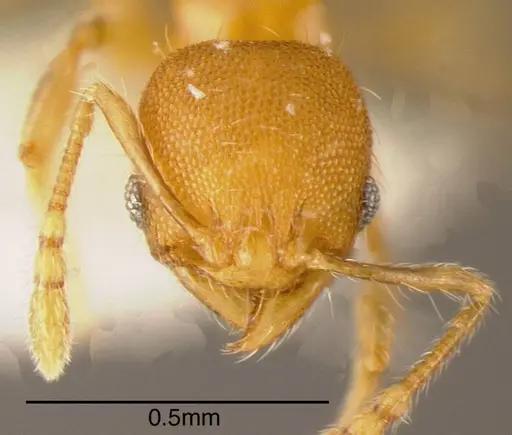
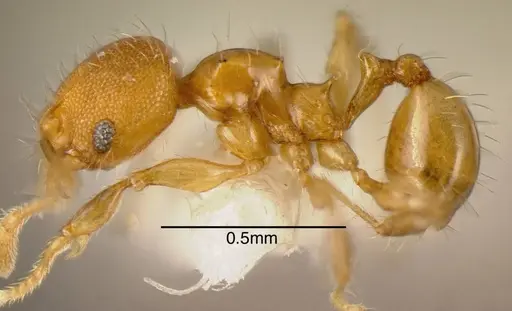
Pheidole multispina is a small Neotropical ant species native to Panama and the southwestern lowlands of Costa Rica. This species is easily recognized by its distinctive spiny morphology, major workers have conspicuous paired angles or spines on the pronotum, mesonotum, and propodeum, giving it the name 'multispina' meaning 'many spines'. Major workers measure around 0.70mm head width and are light brown with a dark almost blackish gaster, while minor workers are smaller at 0.40mm head width and range from reddish yellow to dark brown depending on location. In the wild, colonies nest in flat cavities beneath loose bark on rotten logs or inside small cavities within rotting wood. This is a dimorphic species with major and minor workers, typical of the genus Pheidole.
Quick Summary
- Difficulty: Medium
- Origin & Habitat: Tropical forests of Panama and southwestern Costa Rica. Colonies nest in flat cavities beneath loose bark on rotten logs and in small cavities inside rotting wood.
- Colony Type: Colony structure is unconfirmed. Most Pheidole species are monogyne (single queen) but some can be polygyne. This species likely forms single-queen colonies based on typical genus patterns.
- Founding: Claustral
- Size & Growth:
- Queen: Unconfirmed, Pheidole queens are typically 4-8mm. Estimated 5-7mm based on genus patterns.
- Worker: Major: 0.70mm HW. Minor: 0.40mm HW.
- Colony: Unknown for this specific species. Most Pheidole colonies reach several hundred to a few thousand workers. Estimated moderate colony size based on typical genus patterns.
- Growth: Moderate, typical for tropical Pheidole species
- Development: 6-10 weeks estimated based on typical Pheidole development at tropical temperatures (24-28°C) (Development time is estimated from related species, direct observations for this species are unavailable.)
- Antkeeping:
- Temperature: Keep at 24-28°C. As a tropical species from Costa Rica and Panama, they prefer warm, stable temperatures. A heating cable on one side of the nest can create a gentle gradient if room temperature is below this range.
- Humidity: Keep moderately humid, around 60-80%. This species naturally nests in rotting wood and under bark in humid tropical forests, so the nest substrate should remain damp but not waterlogged. Provide a water tube for humidity but avoid oversaturation.
- Diapause: No, as a tropical species from Costa Rica and Panama, they do not require hibernation. Keep temperatures consistent year-round.
- Nesting: This species naturally nests in rotting wood and under loose bark. In captivity, a Y-tong (AAC) nest, plaster nest, or naturalistic setup with rotting wood pieces works well. The chambers should be appropriately sized for their small minor workers (0.40mm). Avoid very dry conditions.
- Behavior: Pheidole species are generally non-aggressive but will defend their nest vigorously. Major workers serve as soldiers and defenders, while minor workers handle foraging and brood care. They are opportunistic foragers that typically collect seeds and small insects. Escape prevention should be good, while small, they are not particularly known for escaping. Standard barrier methods like Fluon work well.
- Common Issues: tropical species requires warm, stable temperatures year-round, cold exposure can be fatal, nesting in rotting wood means they need humid conditions, dry nests cause desiccation and colony loss, small minor workers (0.40mm) may require fine mesh barriers to prevent escapes, colonies may be slow to establish during founding phase, patience is needed, wild-caught colonies may harbor parasites that can devastate captive colonies
Nest Preferences and Housing
In the wild, Pheidole multispina nests in flat cavities beneath loose bark on rotten logs and inside small cavities within rotting wood. This preference for moist, decaying wood should guide your captive setup. A Y-tong (AAC) nest or plaster nest works well for this species. The nest chambers should be appropriately sized, these are tiny ants with minor workers measuring only 0.40mm head width. Keep the nest material consistently moist but not waterlogged. A water tube attached to the nest helps maintain humidity. You can also create a naturalistic setup with pieces of rotting wood or cork bark, which mimics their natural habitat. The outworld should have a shallow water source and feeding area.
Feeding and Diet
Pheidole species are typically omnivorous with a preference for seeds and small insects. In captivity, offer a varied diet including small live prey like fruit flies, pinhead crickets, and mealworms. Sugar sources like honey water or sugar water are typically accepted. Seeds from grasses or dandelions are often taken and stored by major workers. Feed protein prey 2-3 times per week and keep a constant sugar source available. Remove uneaten prey after 24 hours to prevent mold. Given their small size, prey items should be appropriately sized, very small insects and arthropods work best.
Temperature and Seasonal Care
As a tropical species from Costa Rica and Panama, Pheidole multispina requires warm temperatures year-round. Keep the nest area at 24-28°C. Temperatures below 20°C can stress these ants and slow or stop brood development. Use a heating cable on one side of the nest if your room temperature is below this range. Place the heating element on top of the nest to avoid evaporating moisture too quickly. Unlike temperate species, they do not require a diapause or winter rest period. Maintain consistent temperatures throughout the year, tropical ants are sensitive to temperature fluctuations. Avoid placing the nest near air conditioning vents or drafty windows.
Colony Structure and Development
Pheidole multispina is a dimorphic species with distinct major and minor workers. Major workers (0.70mm head width) serve as soldiers and defenders, while minor workers (0.40mm head width) handle foraging and brood care. The colony likely starts with a single claustral queen that seals herself in a chamber and raises the first brood alone on stored fat reserves. After the first workers emerge (nanitics, which are typically smaller), the colony grows as the queen continues laying eggs. The development time from egg to worker is estimated at 6-10 weeks based on related Pheidole species. Mature colonies likely contain several hundred to a few thousand workers. The spiny morphology of major workers develops as the colony grows, early major workers may be smaller than those in established colonies.
Behavior and Temperament
Pheidole ants are generally non-aggressive toward humans but will vigorously defend their nest if threatened. Major workers use their mandibles to bite, while minor workers handle most foraging and brood care tasks. They are active foragers that will explore the outworld in search of food. This species is not known for being particularly aggressive or for escaping, standard escape prevention with Fluon or other barriers should be adequate. However, their small size (minor workers are only 0.40mm) means fine mesh barriers are recommended. Workers are most active during the day, following typical diurnal patterns common in tropical ants. They communicate through chemical trails and will quickly recruit nestmates to food sources.
Frequently Asked Questions
How long does it take for Pheidole multispina to produce first workers?
The egg-to-worker timeline is estimated at 6-10 weeks based on related Pheidole species, at optimal tropical temperatures of 24-28°C. This is an estimate as direct observations for this specific species are unavailable. The claustral queen seals herself in and raises the first brood alone, so patience is essential during the founding phase.
What do Pheidole multispina ants eat?
They are omnivorous like most Pheidole species. Offer small live insects (fruit flies, pinhead crickets, small mealworms), seeds, and sugar sources (honey water or sugar water). Feed protein prey 2-3 times per week with a constant sugar source available. Remove uneaten food after 24 hours.
Do Pheidole multispina ants need hibernation?
No. As a tropical species from Costa Rica and Panama, they do not require hibernation or a diapause period. Keep temperatures warm and consistent year-round, ideally 24-28°C.
What size colony does Pheidole multispina reach?
The maximum colony size is unknown for this specific species. Based on typical Pheidole patterns, colonies likely reach several hundred to a few thousand workers. Growth is moderate for a tropical species.
Can I keep multiple Pheidole multispina queens together?
The colony structure is unconfirmed for this species. Most Pheidole species are monogyne (single queen), though some can be polygyne. It is not recommended to combine unrelated foundress queens as they may fight. If you capture a colony, it likely has a single queen.
What nest type is best for Pheidole multispina?
They naturally nest in rotting wood and under bark. A Y-tong (AAC) nest, plaster nest, or naturalistic setup with rotting wood pieces works well. Keep the nest material consistently moist but not waterlogged. The chambers should be appropriately sized for their tiny minor workers (0.40mm).
Are Pheidole multispina ants good for beginners?
This species is rated as Medium difficulty. They require warm, humid conditions year-round (tropical species) and need patience during the founding phase. If you have experience with other Pheidole species or tropical ants, they can be a rewarding species to keep.
What temperature do Pheidole multispina ants need?
Keep them at 24-28°C. As a tropical species from Costa Rica and Panama, they prefer warm, stable temperatures. A heating cable on one side of the nest can provide warmth if needed. Avoid temperatures below 20°C.
Why are my Pheidole multispina ants dying?
Common causes include: temperatures below 20°C (tropical species are sensitive to cold), dry nest conditions (they need humid rotting wood), improper feeding, or parasites from wild-caught colonies. Ensure warm, humid conditions and offer varied food. If caught wild, isolate and monitor for parasites.

This caresheet is licensed under CC BY-SA 4.0 .
CASENT0283400
View on AntWeb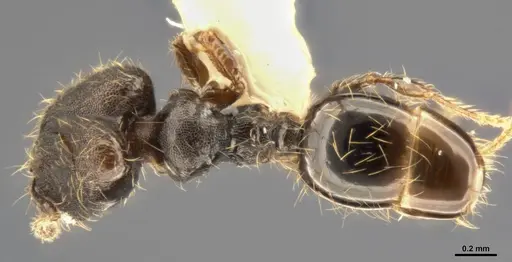
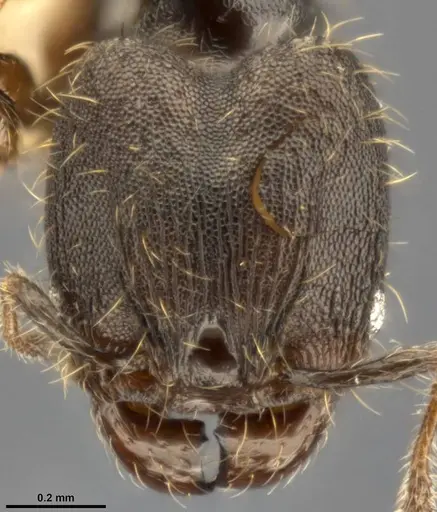
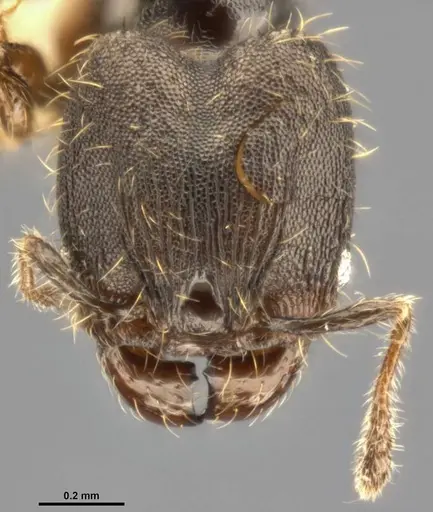
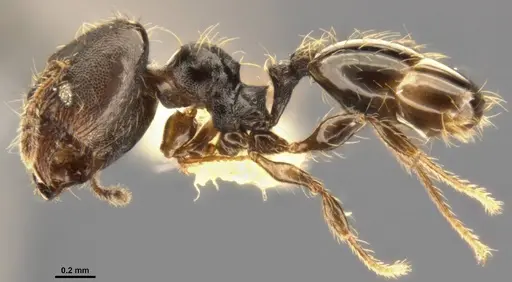
CASENT0283440
View on AntWeb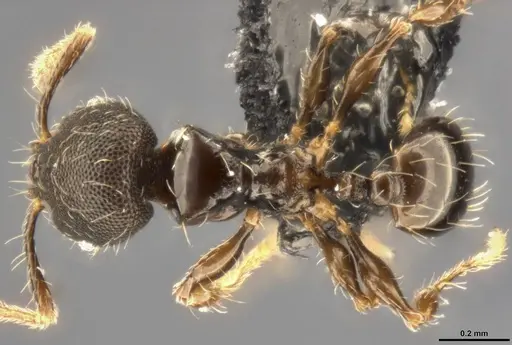
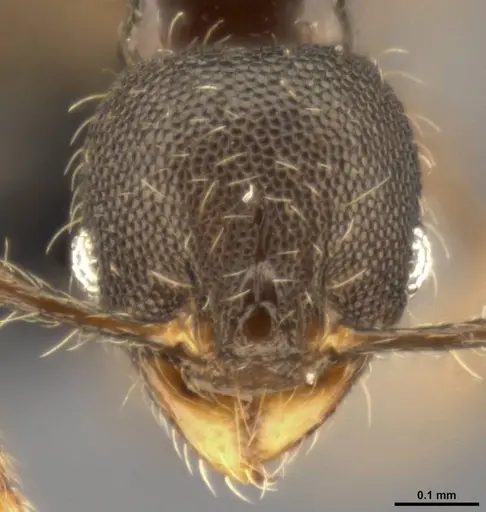
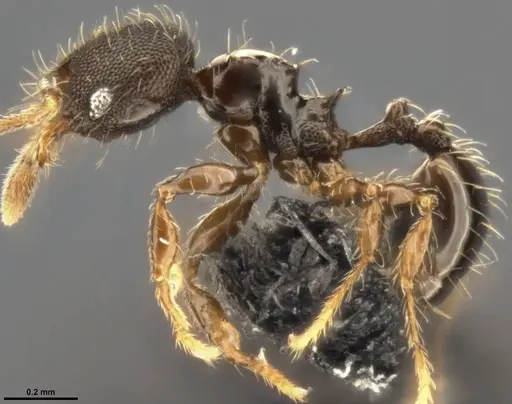
CASENT0635492
View on AntWeb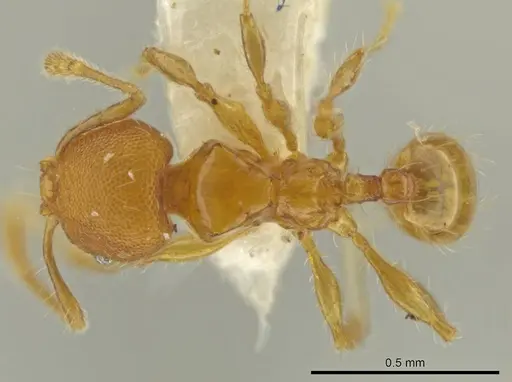
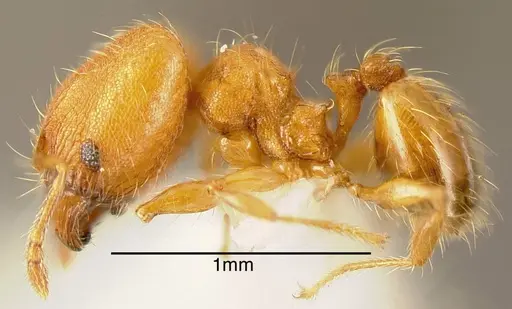
INBIOCRI002279766
View on AntWeb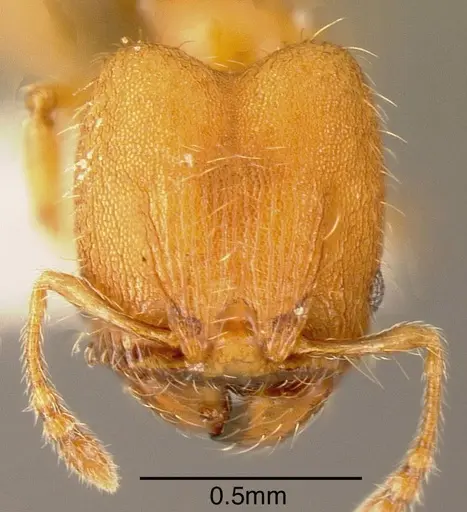
Literature
Loading...Loading products...