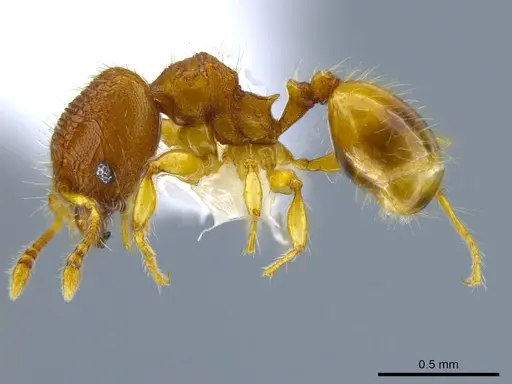
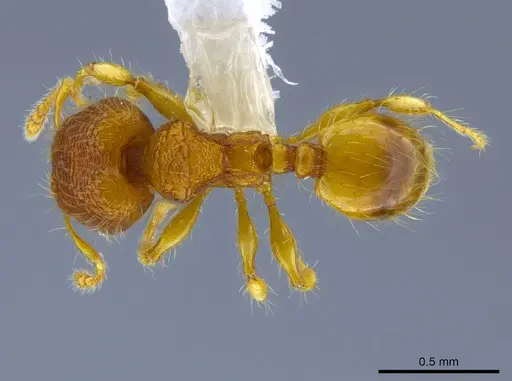
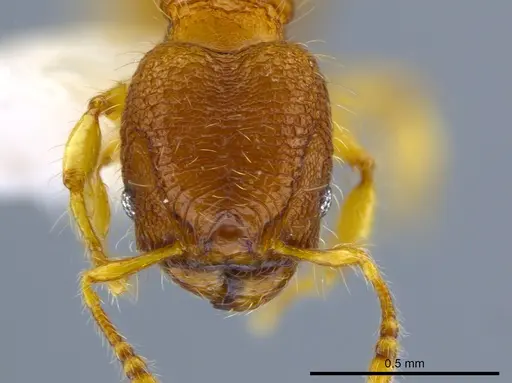
Pheidole mendicula - "Little and Beggarly Big-headed Ant"
Pheidole mendicula is a small, reddish-brown ant species belonging to the hyperdiverse Pheidole genus, often informally called 'Big-headed Ants' due to their distinctive major workers. These ants exhibit dimorphism, meaning their colonies contain two worker castes: the smaller 'minor' workers and the larger 'major' workers, also known as 'soldiers'. The majors are easily recognized by their significantly larger heads and mandibles compared to their body size, which they utilize for defense and food processing. This adaptable species has been found nesting in various environments, including clay soil, second-growth forests, and even rotten wood.
- Difficulty: Medium
- Origin & Habitat: Neotropical Region (South and Central America), including Panama, Costa Rica, Brazil, Colombia, Cuba, Ecuador, French Guiana, Guadeloupe, Peru, Trinidad and Tobago. in Tropical rainforests, grasslands, urban areas, under rocks/wood, soil, leaf litter..
- Colony Type: Monogyne (single queen), though in some rare cases, multiple queens can start a colony together., claustral (queen seals herself in). founding.
- Size & Growth:
- Queen: Not specified
- Worker: 0.34-0.6mm
- Colony: Large (tens of thousands) - Pheidole colonies can reach thousands of workers, with some species exceeding 49,000 ants.. Fast - Colonies can grow extremely fast, reaching thousands of workers in a few years if provided with proper temperature and humidity. growth.
- Antkeeping:
- Temperature: Pheidole mendicula, like many other tropical Pheidole species, prefers warm temperatures. An ideal range is between 21°C and 28°C. Keeping them at room temperature is generally acceptable, but a heat mat or cable can accelerate brood development..
- Humidity: This species loves high humidity levels, ideally maintaining moisture inside the nest between 60% and 70%. They can tolerate up to 80% humidity. Avoid dry climates, as they can negatively impact the colony..
- Diapause: Required. 2-4 months at 10-15°C.
- Nesting: Pheidole mendicula thrives in various nest types, including ytong, acrylic, 3D-printed, and natural setups with substrate for tunneling. They are known escape artists, so a secure nest and outworld are crucial. It's best to start with a small setup for founding colonies, like a test tube, and gradually expand as the colony grows..
- Behavior: Medium (towards food or other ants) aggressiveness.
- Common Issues: Mold in nest, Mites, Colony stalling (due to insufficient protein or humidity), Overfeeding leading to waste, Humidity fluctuations, Queen stress (especially during founding), Escapes (very common).
One of the most captivating aspects of Pheidole mendicula, and Pheidole ants in general, is their dimorphic worker caste. The contrast between the small, nimble minor workers and the large-headed, powerful major workers is truly a sight to behold in your formicarium. These majors aren't just for show; they play a vital role in colony defense and processing larger food items, breaking them down into manageable pieces for their smaller sisters. Witnessing this division of labor firsthand offers a fascinating glimpse into the intricate social structure of an ant colony.
Pheidole species are notorious escape artists in the antkeeping community. Their small size, especially the minors, allows them to squeeze through surprisingly tiny gaps. When setting up your Pheidole mendicula colony, investing in a highly secure setup with effective escape barriers is paramount. Many experienced keepers recommend using barriers like talcum powder or Fluon along the edges of your outworld to prevent breakouts. This vigilance will save you a lot of headache and ensure your tiny escapees don't become unwanted houseguests.
These ants have a remarkably fast colony growth rate, which can be incredibly rewarding for an ant keeper. With proper heat and consistent feeding, a Pheidole mendicula colony can explode in numbers, quickly populating their nest with thousands of workers. This rapid expansion means you'll need to be prepared to upgrade their living space, or formicarium, regularly. Keeping a close eye on their population and providing timely nest expansions will ensure your colony remains healthy and avoids overcrowding stress.
Providing a varied and consistent diet is crucial for a thriving Pheidole mendicula colony, especially given their fast growth and the needs of their dimorphic castes. They are omnivores in the wild, consuming insects, seeds, and honeydew. In captivity, a steady supply of protein, such as freshly killed feeder insects like mealworms or crickets, is vital for queen egg production and brood development. Carbohydrates, like sugar water or honey water, will fuel your workers' activity and foraging efforts. Don't be afraid to experiment with different food sources to see what your colony prefers, as some Pheidole can be a bit particular.
Frequently Asked Questions
What kind of nest is best for Pheidole mendicula?
Pheidole mendicula colonies are quite versatile and can thrive in various formicarium types. You can use setups made of ytong, acrylic, or even 3D-printed nests. They also do well in more naturalistic setups that allow for tunneling, like those with sand or loam substrates. The key is to ensure the nest maintains good humidity and is escape-proof, as these tiny ants are notorious for finding ways out! Starting them in a simple test tube setup is often recommended until they reach a good worker count, then transitioning them to a larger formicarium.
How do I prevent my Pheidole mendicula from escaping?
Preventing escapes with Pheidole mendicula requires diligent measures. They are incredibly small and can slip through minuscule openings. A popular method among antkeepers is using a barrier like talcum powder or Fluon (PTFE) applied to the upper interior walls of their outworld. Maintaining a clean outworld and keeping them well-fed can also reduce their motivation to explore beyond their enclosure. Always double-check your setup for any potential gaps!
What do Pheidole mendicula eat?
These ants are omnivores, so a balanced diet is essential for a flourishing colony. For protein, which is vital for the queen's egg-laying and larval development, offer freshly killed insects like small mealworms, crickets, or even pieces of chicken. For carbohydrates, provide sugar water or honey water. You can also offer seeds, as Pheidole species are known to collect and process them. Variety is key, as they can sometimes be picky!
Do Pheidole mendicula need hibernation?
Yes, Pheidole mendicula, like many ants from temperate regions, requires a period of diapause, often referred to as hibernation, for the long-term health of the queen and colony. This typically occurs during the cooler months, from late November to late March. During this time, you should keep them in a cooler environment, ideally between 10°C and 15°C. They'll be less active and won't need much food, but always ensure they have access to water.
How fast do Pheidole mendicula colonies grow?
Pheidole mendicula colonies are known for their impressively fast growth rate! If you provide them with optimal conditions-consistent warmth and plenty of protein-you can expect your colony to grow exponentially. They can quickly go from a founding queen and a handful of nanitics to thousands of workers within a few years. This means you'll need to be ready for frequent nest expansions to accommodate their ever-increasing numbers and ensure they don't become overcrowded.
What is the 'major' worker in Pheidole mendicula?
The 'major' worker, often called a 'soldier' in the antkeeping community, is a distinctive caste in Pheidole mendicula colonies. These ants have disproportionately large heads and powerful mandibles compared to the smaller 'minor' workers. Their primary roles include defending the colony from threats and processing tough food items, like crushing seeds or dismembering larger insects, making the food accessible for the rest of the colony, including the queen and brood. They are a defining characteristic that makes Pheidole a visually fascinating genus to keep.
What is the ideal temperature for Pheidole mendicula?
For Pheidole mendicula, maintaining a comfortable temperature between 21°C and 28°C is ideal. While they can tolerate typical room temperatures, providing a consistent warm spot, perhaps with a heat mat or cable, can significantly boost their metabolism and accelerate brood development, leading to faster colony growth. Just be sure to avoid extreme temperature fluctuations, as sudden changes can stress the colony.
How much humidity do Pheidole mendicula need?
Pheidole mendicula thrives in higher humidity environments. Aim for humidity levels within their nest of 60% to 70%, although they can tolerate up to 80%. Ensuring consistent moisture is crucial for the healthy development of their brood. If you notice your nest drying out too quickly, you might need to adjust your setup to better retain humidity, perhaps by adding some moisture-retaining substrate or increasing the water reservoir.
Are Pheidole mendicula aggressive?
Pheidole mendicula are generally considered to have medium aggressiveness, particularly when it comes to defending their colony or competing for food resources. While they might not be overtly aggressive towards handlers, they are quite bold in foraging and protecting their nest from perceived threats, including other ant species or potential prey. This assertive nature makes them interesting to observe in their outworld, especially during feeding times.
Can I keep multiple Pheidole mendicula queens together?
Pheidole mendicula is typically a monogyne species, meaning colonies usually have only one queen. While there are rare instances where multiple queens might initiate a colony together (pleometrosis), in most cases, they will eventually fight until only one queen remains. For successful long-term antkeeping, it's generally recommended to keep a single Pheidole mendicula queen in your setup to avoid potential conflicts and ensure colony stability.