

Pheidole uncagena
- Scientific Name
- Pheidole uncagena
- Tribe
- Attini
- Subfamily
- Myrmicinae
- Author
- Sarnat, 2008
- Distribution
- Found in 2 countries
Pheidole uncagena Overview
Pheidole uncagena is an ant species of the genus Pheidole. It is primarily documented in 2 countries , including Fiji, Wallis and Futuna. Detailed taxonomic data and occurrence records can be further explored via authoritative databases such as AntWeb or the Global Biodiversity Information Facility (GBIF).
Pheidole uncagena
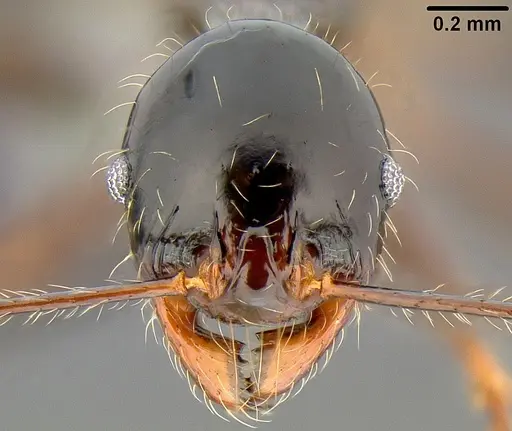
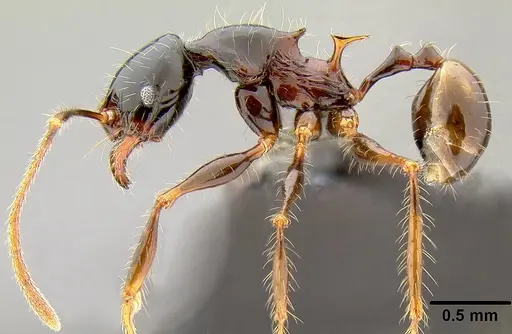
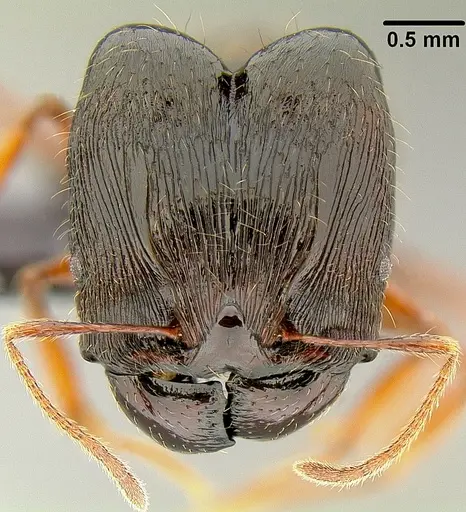
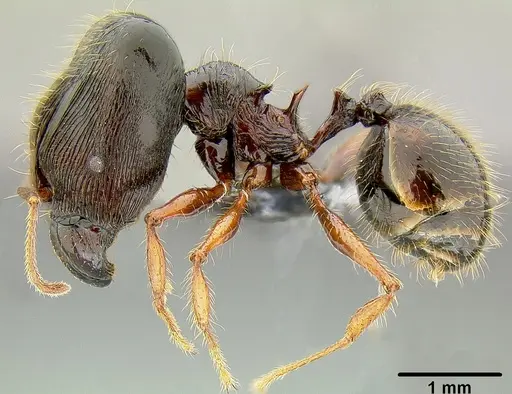
Pheidole uncagena is a rare ant species endemic to Fiji, specifically found on the islands of Vanua Levu and Taveuni. This species belongs to the Pheidole roosevelti group and is known for its distinctive morphology, the minor workers have hook-like flanges on their cheeks (genal carinae) that give them a unique appearance when viewed from the side. Workers are reddish-brown with notably paler legs and gaster. Major workers reach 6.62-7.21mm while minors are much smaller at 3.47-4.21mm [1]. The species was discovered nesting in bare soil with multiple turret entrances at high elevation moss forest on Mt. Delaikoro [1]. Workers have been captured in malaise traps set in tree canopies, suggesting they forage in the arboreal stratum [2]. The queen has never been collected, so colony structure and founding behavior remain unknown [2].
Quick Summary
- Difficulty: Unknown, likely moderate
- Origin & Habitat: Endemic to Fiji islands, Vanua Levu (Mt. Delaikoro) and Taveuni (Devo Peak). Found in high elevation moss forest at around 910m altitude. Nests in bare soil with multiple turret entrances [1][2].
- Colony Type: Unknown, queen has never been collected. Based on typical Pheidole patterns, likely single-queen colonies but this is unconfirmed.
- Size & Growth:
- Queen: Unknown, likely large (8-10mm estimated based on sister species P. pegasus and typical Pheidole queen size [2])
- Worker: Major: 6.62-7.21mm, Minor: 3.47-4.21mm [1]
- Colony: Unknown, likely several hundred workers based on typical Pheidole colony sizes
- Growth: Unknown, estimated moderate based on genus patterns
- Development: Unknown, estimated 6-10 weeks based on typical Pheidole development at tropical temperatures (No direct data available. Estimates based on genus-level patterns for Pheidole species in similar climates.)
- Antkeeping:
- Temperature: Keep at 24-28°C as a starting point, this matches their Fiji highland origin and supports brood development. Adjust based on colony activity. A gentle heat gradient allows workers to self-regulate.
- Humidity: Moderate to high, they come from moss forest habitat. Keep nest substrate moist but not waterlogged. Provide a water tube for drinking water.
- Diapause: Unknown, Fiji is tropical with minimal seasonal temperature variation. Likely no true diapause, but may show reduced activity during cooler periods.
- Nesting: In the wild they nest in bare soil with turret entrances. In captivity, a typical Pheidole setup works well, test tubes for founding, then a Y-tong or plaster nest with chambers scaled to their size. The larger majors need appropriately sized tunnels.
- Behavior: Workers are active foragers and have been found in tree canopies, suggesting they search widely for food. Pheidole species typically show major/minor caste differentiation with majors specializing in seed processing and defense. Minor workers do most of the foraging. Escape prevention should be moderate, they are not tiny ants but use standard antkeeping barriers. Stinging risk is low, Pheidole stings are mild and these are not aggressive species.
- Common Issues: queen never collected means founding behavior is completely unknown, this is a major gap in care knowledge, wild-caught colonies from Fiji may face quarantine restrictions and potential parasites, colony size and growth rate are unknown, making it difficult to plan housing transitions, high elevation origin means they may not tolerate consistently high temperatures
Discovery and Taxonomy
Pheidole uncagena was described in 2008 by Eli M. Sarnat as part of a taxonomic revision of the Pheidole roosevelti-group in Fiji [1]. The species name 'uncagena' comes from Latin words 'uncus' (hook) and 'gena' (cheek), referring to the distinctive hook-like modification of the genal carinae on the workers' cheeks [1]. This species is most easily confused with its sister species P. pegasus, as both are found on Vanua Levu and share characteristics like smooth shiny integument, paler coloration, and long propodeal spines [2]. The key identifying features of P. uncagena are the modified genal carinae that appear almost hook-like in oblique lateral view, and the strongly attenuated mesonotal process visible in dorsal view [2]. The type series was collected from a nest in bare soil with multiple turret entrances at 910m elevation on Mt. Delaikoro [1].
Distribution and Habitat
Pheidole uncagena is endemic to Fiji and known only from the northern islands. The primary distribution includes Vanua Levu (Mt. Delaikoro) and Taveuni (Devo Peak) [1][2]. A single questionable record from Kadavu exists but is considered possibly due to a labeling error, such a record would represent an unusual disjunction for this group [2]. The species is restricted to high elevation areas in the northern islands of Vanua Levu, Taveuni, and Koro, making it one of the more restricted Pheidole species in Fiji [3]. The type locality is high elevation moss forest at approximately 910m altitude [1]. This is a relatively rare species with limited distribution.
Worker Morphology
This species exhibits the typical Pheidole major/minor worker caste dimorphism. Major workers measure 6.62-7.21mm in total length with a head width of 2.05-2.12mm [1]. The most distinctive morphological features include strongly elevated genal carinae that form ventrolateral flanges with a hook-like appearance, and a mesonotal process that is strongly attenuated in dorsal view giving the sides a concave appearance [1]. The propodeal spines are notable, they maintain even thickness for about 4/5 of their length before angling to form an acuminate tip, and in some specimens (particularly the type series from Vanua Levu) they are bifurcate with both anterior and posterior points [1]. Minor workers are much smaller at 3.47-4.21mm with a smooth and shining head except for arcuate carinae between the eyes and antennal insertions [1]. The body coloration is reddish-brown with the petiole, postpetiole, gaster, and legs distinctly paler [1].
What We Don't Know
This is one of the least studied Pheidole species in Fiji, and significant gaps exist in our knowledge of its biology. The queen has never been collected, so we have no direct information about queen size, morphology, or colony founding behavior [2]. Based on similarities with P. pegasus, researchers predict the queen will be large with a well-developed mesonotum, but this remains unconfirmed [2]. Colony size, growth rate, development timeline, and colony structure (single queen vs multiple queen) are all unknown. The species has never been kept in captivity to our knowledge, so all care recommendations are educated guesses based on typical Pheidole husbandry and the species' known habitat preferences. This makes P. uncagena a species for advanced antkeepers who enjoy experimenting and documenting new species behavior.
Feeding and Diet
While no specific dietary studies exist for P. uncagena, Pheidole species are typically omnivorous. In the wild, they likely consume seeds, small insects, and honeydew from aphids or scale insects [4]. The arboreal foraging observed in malaise traps suggests they may be particularly active in searching for honeydew or small arthropods in tree canopies [2]. For captive care, offer a varied diet: protein sources like small insects (fruit flies, pinhead crickets, mealworms) and seeds as a supplemental food source. Sugar water or honey can be offered occasionally, though Pheidole species vary in their sugar acceptance. Feed protein 2-3 times per week and keep sugar water available.
Housing and Nesting
In their natural habitat, P. uncagena nests in bare soil with multiple turret entrances, this is an unusual nest architecture among ants [1]. For captive care, start with a standard test tube setup for founding colonies. Once established, a Y-tong (acrylic) or plaster nest works well for Pheidole species. The nest chambers should be appropriately sized, major workers at 6-7mm need reasonably sized tunnels, but not the massive chambers required for giant Camponotus. Provide a water tube for humidity and drinking. The species' highland origin suggests they may prefer slightly cooler temperatures than typical tropical ants, so avoid overheating.
Frequently Asked Questions
Is Pheidole uncagena available in the antkeeping hobby?
No, this is an extremely rare species endemic to Fiji that has never been collected in significant numbers. The queen has never been scientifically described. Unless you have specific connections to Fiji researchers or collectors, this species is essentially unavailable in the antkeeping hobby.
How do I care for Pheidole uncagena?
Since the species has never been kept in captivity, all care is speculative. Based on typical Pheidole care and their Fiji highland origin: keep at 24-28°C with moderate humidity, offer protein insects 2-3 times weekly with sugar water available, and use standard Pheidole nest setups. This is an experimental species for advanced keepers.
What does Pheidole uncagena look like?
Minor workers are 3.47-4.21mm with a smooth shiny reddish-brown body and distinctly paler legs and gaster. The most distinctive feature is the hook-like flanges on the cheeks (genal carinae). Major workers are larger at 6.62-7.21mm with elongated propodeal spines. Both castes have the characteristic Pheidole major/minor dimorphism.
Where is Pheidole uncagena found?
This species is endemic to Fiji, found only on the northern islands of Vanua Levu (Mt. Delaikoro type locality) and Taveuni (Devo Peak). It is restricted to high elevation moss forest around 910m altitude.
How big do colonies of Pheidole uncagena get?
Unknown, no colony size data exists for this species. Based on typical Pheidole colony sizes, expect several hundred workers at maturity. The queen has never been collected so we don't know maximum colony size.
Can I keep multiple Pheidole uncagena queens together?
Unknown, the colony structure of this species has never been studied. The queen has never been collected, so we don't know if they are single-queen or multi-queen colonies. Based on typical Pheidole patterns, single-queen colonies are more common, but this is unconfirmed for this species.
What is the egg to worker timeline for Pheidole uncagena?
Unknown, no development data exists for this species. Based on typical Pheidole development at tropical temperatures, estimate 6-10 weeks from egg to first worker. This is a rough guess based on genus patterns, not species-specific data.
Does Pheidole uncagena need hibernation?
Unknown, Fiji is tropical with minimal seasonal temperature variation, so true hibernation is unlikely. The species comes from high elevation moss forest which may experience cooler periods, but this is not equivalent to temperate diapause. Observe your colony for seasonal activity changes.
Are Pheidole uncagena good for beginners?
No, this species is not recommended for beginners. The queen has never been collected, meaning we have no confirmed care information. Additionally, the species is extremely rare and essentially unavailable in the antkeeping hobby. For beginners, start with well-established species like Lasius niger, Camponotus species, or common Pheidole species with documented care.
References

This caresheet is licensed under CC BY-SA 4.0 .
CASENT0171026
View on AntWeb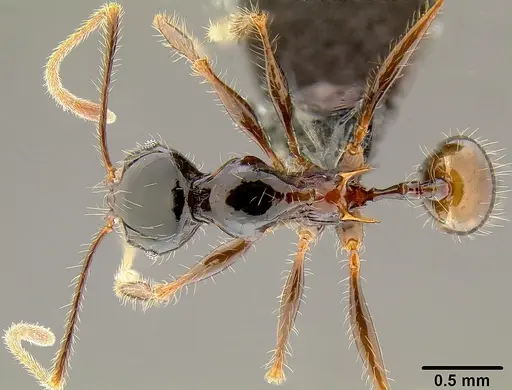
CASENT0171110
View on AntWeb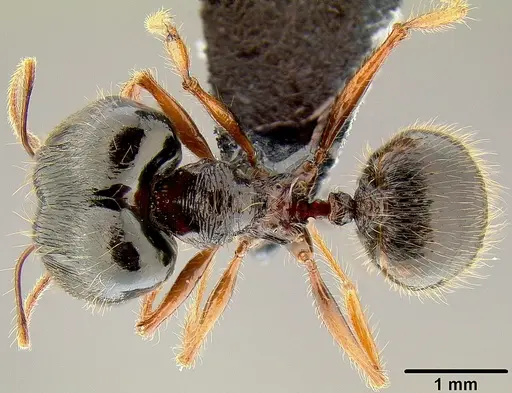
Literature
Loading...Loading products...