

Pheidole rugaticeps
- Scientific Name
- Pheidole rugaticeps
- Tribe
- Attini
- Subfamily
- Myrmicinae
- Author
- Emery, 1877
- Distribution
- Found in 4 countries
Pheidole rugaticeps Overview
Pheidole rugaticeps is an ant species of the genus Pheidole. It is primarily documented in 4 countries , including Eritrea, Gambia, Nigeria. Detailed taxonomic data and occurrence records can be further explored via authoritative databases such as AntWeb or the Global Biodiversity Information Facility (GBIF).
Pheidole rugaticeps
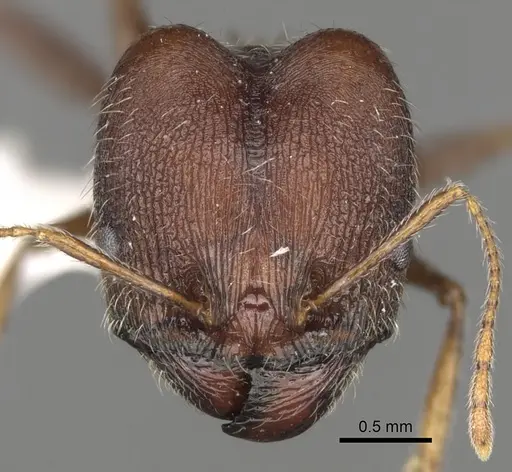
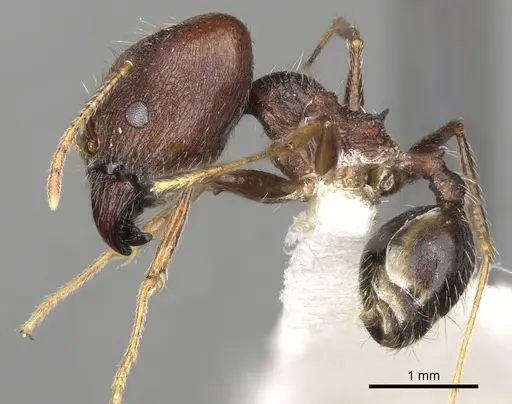
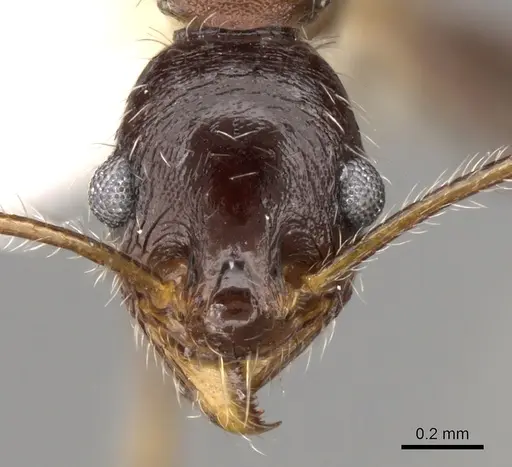
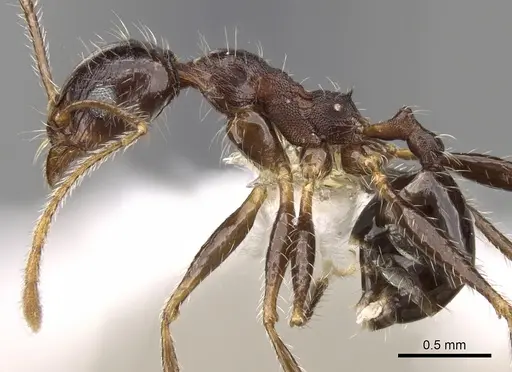
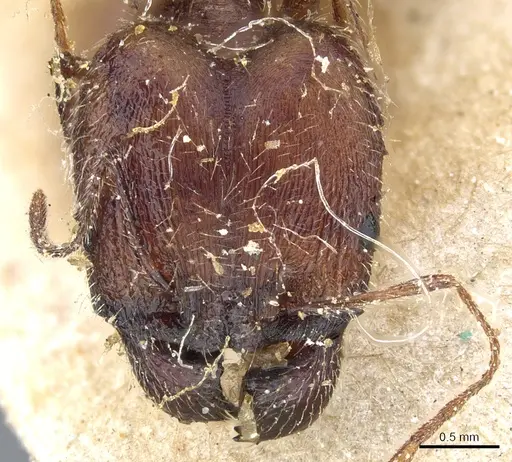
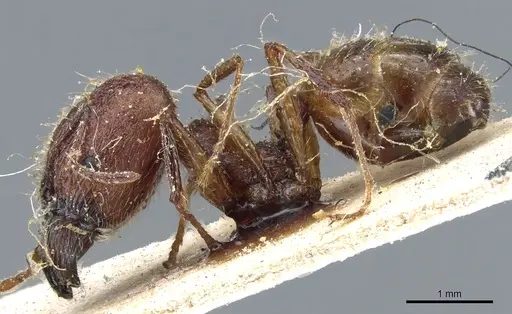
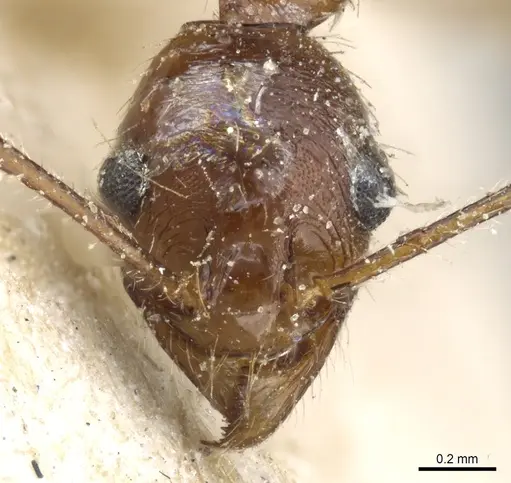
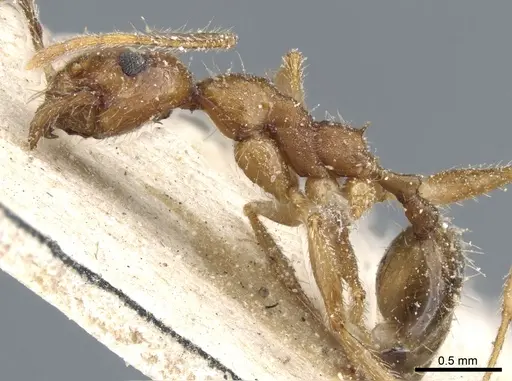
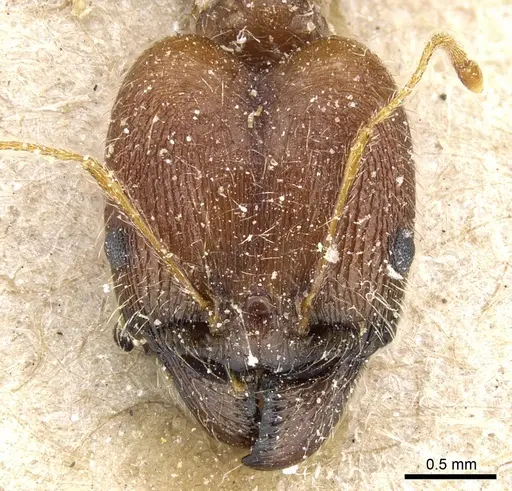
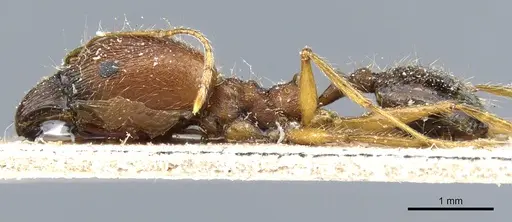
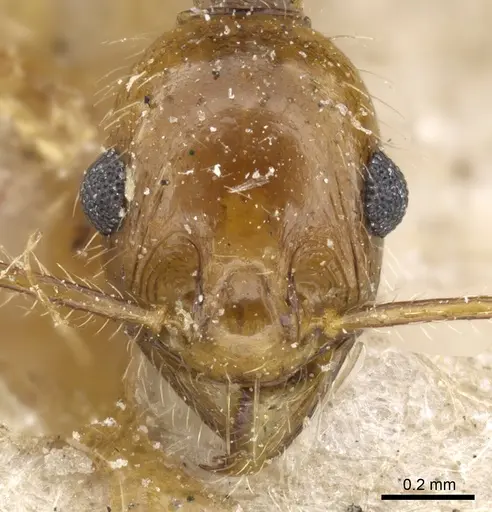
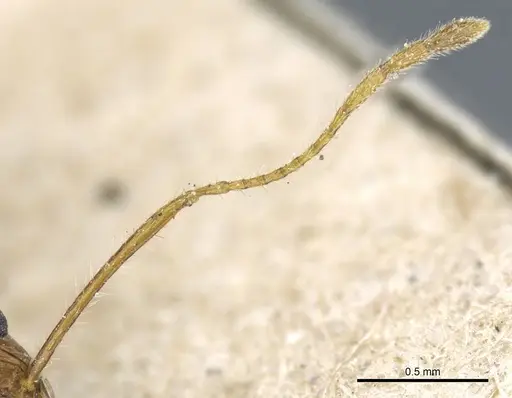
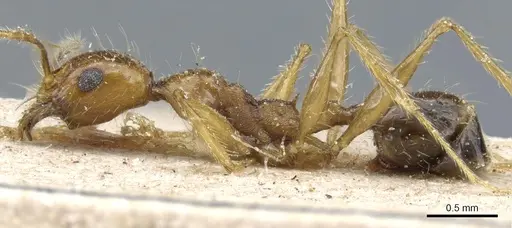
Pheidole rugaticeps is a small to medium-sized ant species known for its distinctive dimorphic workers, large major workers (soldiers) with oversized heads and smaller minor workers. Major workers measure 1.6-1.9mm with a medium reddish-brown to dark coloration, while minor workers are 0.6-0.8mm and more glossy. Both castes have notably long antennal scapes. This species is widely distributed across tropical Africa and the Arabian Peninsula, ranging from Senegal and Gambia east to Ethiopia, Eritrea, Saudi Arabia, and Oman [1][2][3].
What makes P. rugaticeps particularly interesting is its highly efficient scavenging behavior. Studies in Nigeria found this species to be the most abundant ant at 51% relative abundance, with colonies operating in organized groups that recruit nestmates to large food sources. They can take down prey much larger than themselves, including American cockroaches, and will spread-eagle struggling live prey to immobilize it. Major workers assist minors with transporting large prey items back to the nest [4].
Quick Summary
- Difficulty: Easy
- Origin & Habitat: Tropical Africa and Arabian Peninsula, found in Ethiopia (type locality), Eritrea, Saudi Arabia, Oman, Yemen, Burkina Faso, Gambia, Mali, Senegal, and South Africa. Inhabits diverse habitats from savanna to urban areas, nesting in soil and foraging in both indoor and outdoor environments [1][2][3][5].
- Colony Type: Colony structure is unconfirmed for this specific species. Most Pheidole species are monogyne (single queen), but this has not been directly documented for P. rugaticeps. The genus typically forms colonies with one founding queen that produces workers through claustral founding.
- Founding: Claustral
- Size & Growth:
- Queen: Unconfirmed, no documented measurements for queens. Based on genus patterns, likely 5-8mm.
- Worker: Major workers: 1.6-1.9mm head length, Minor workers: 0.6-0.8mm head length [4].
- Colony: Likely reaches several thousand workers based on typical Pheidole colony sizes and the species' high abundance in the wild [4].
- Growth: Moderate, based on typical Pheidole development patterns.
- Development: 6-8 weeks, estimated based on typical Pheidole genus development at warm temperatures. (Development time is estimated from related species. Warm temperatures (24-28°C) will accelerate development.)
- Antkeeping:
- Temperature: Keep at 24-28°C. This species comes from tropical regions and prefers warm conditions. A heating cable on one side of the nest creates a temperature gradient allowing ants to self-regulate [4].
- Humidity: Moderate to high humidity (50-70%). Keep the nest substrate slightly moist but not waterlogged. These ants are adaptable and have been found in both dry and humid habitats across their range.
- Diapause: No, as a tropical species, P. rugaticeps does not require hibernation. They remain active year-round in warm conditions.
- Nesting: In nature, they nest in soil and under stones. For captivity, standard formicariums with soil or acrylic chambers work well. Y-tong (AAC) nests are also suitable. Provide a moisture reservoir to maintain humidity.
- Behavior: P. rugaticeps is a highly active and efficient scavenger. Colonies forage in organized groups and recruit nestmates to large food sources. They are aggressive toward other ants and can take down prey much larger than individual workers. Major workers assist with transport of large items. They are not aggressive toward keepers but will defend their nest. Minor workers are small (under 1mm) so escape prevention should focus on fine mesh barriers. They forage day and night [4].
- Common Issues: colonies may decline if temperatures drop below 20°C for extended periods, keep them warm, small minor workers can escape through standard barrier gaps, use fine mesh or fluon, overfeeding can lead to mold problems in the nest, remove uneaten food promptly, wild-caught colonies may carry parasites that can devastate captive colonies, colonies that are too cold will show reduced activity and failed brood development
Housing and Nest Setup
Pheidole rugaticeps adapts well to various captive setups. Standard test tube setups work for founding colonies, but you'll need to upgrade to a formicarium as the colony grows. Y-tong (AAC) nests or acrylic formicariums with soil chambers are ideal choices. These ants prefer nesting in darker areas, so cover the nest with an outworld cover or use a nest with opaque sides. Provide a moisture source, either a water tube attached to the nest or a hydration chamber in acrylic nests. The outworld should be spacious enough for foraging and food placement. Because minor workers are tiny (under 1mm), use fine mesh on any ventilation holes and apply fluon or barrier tape to prevent escapes. [4]
Feeding and Diet
P. rugaticeps is a confirmed efficient scavenger that accepts a wide variety of foods. In studies, they were observed collecting dead and alive American cockroaches, other ants (including Camponotus maculatus), and various dead insects [4]. For captive colonies, offer protein sources like mealworms, crickets, and other small insects 2-3 times per week. They also readily accept sugar sources, honey water or sugar water should be provided at all times. Their organized foraging behavior means they will quickly recruit many workers to large food items. Remove uneaten prey within 24-48 hours to prevent mold. Major workers assist with cutting up and transporting larger prey items.
Temperature and Seasonal Care
As a tropical species from Africa and Arabia, P. rugaticeps requires warm conditions. Keep the nest area at 24-28°C for optimal brood development. Temperatures below 20°C will slow colony growth and may cause brood death. Use a heating cable on one side of the nest to create a gentle gradient, this allows ants to move to warmer or cooler areas as needed. Place the heating on top of the nest, not underneath, to avoid excessive drying. Room temperature (22-25°C) is acceptable if your home stays in this range. Unlike temperate species, these ants do not require hibernation or diapause, they remain active year-round when kept warm. [4]
Behavior and Foraging
This species shows remarkable foraging organization. Unlike many ants that forage individually, P. rugaticeps operates in coordinated groups and actively recruits nestmates to food sources [4]. When encountering large prey like cockroaches, multiple workers work together to subdue it, they can spread-eagle the prey's legs and wings to immobilize struggling prey. Major workers (soldiers) assist with cutting and transporting large prey items, especially when the food source is close to the nest. For distant food sources, only minor workers may be tasked with retrieval. They forage both day and night and will explore both indoor and outdoor areas of the setup. This makes them fascinating to watch but also means they are active and alert.
Colony Development
Pheidole colonies grow through the typical big-headed ant pattern. A newly mated queen seals herself in a claustral chamber and raises the first brood alone on stored fat reserves. The first workers (nanitics) are typically smaller than normal workers. Once the first minor workers emerge, the queen stops foraging and is fed by workers. Major workers (soldiers) appear as the colony grows larger, these develop from larger larvae and serve as specialized defenders and food processors. Based on typical Pheidole patterns, expect 6-8 weeks from egg to first worker at optimal temperatures. Colony growth is moderate, with major workers typically appearing when the colony reaches several hundred workers. A mature colony can contain several thousand workers.
Frequently Asked Questions
How long does it take for Pheidole rugaticeps to produce first workers?
Expect first workers (nanitics) in about 6-8 weeks at optimal temperatures of 24-28°C. This is based on typical Pheidole genus development patterns, as specific development timing has not been documented for this species.
Can I keep Pheidole rugaticeps in a test tube setup?
Yes, test tubes work well for founding colonies. Keep the water reservoir filled and maintain temperatures above 24°C. You'll need to move the colony to a larger formicarium once the colony reaches several hundred workers.
What do Pheidole rugaticeps eat?
They are confirmed scavengers that accept protein and sugar. Feed small insects like mealworms or crickets 2-3 times per week, and provide constant access to sugar water or honey water. They will also scavenge dead insects and other protein sources.
Are Pheidole rugaticeps good for beginners?
Yes, this species is considered easy to keep. They are adaptable, accept a wide variety of foods, and are active foragers. The main requirements are warm temperatures (24-28°C) and attention to escape prevention due to their tiny minor workers.
Do Pheidole rugaticeps need hibernation?
No, as a tropical species they do not require hibernation. Keep them warm year-round at 24-28°C. They remain active throughout the year in these conditions.
How big do Pheidole rugaticeps colonies get?
Based on typical Pheidole patterns and the species' high abundance in the wild, colonies likely reach several thousand workers at maturity.
Why are my Pheidole rugaticeps dying?
Common causes include temperatures below 20°C, which stress tropical species, poor escape prevention allowing tiny workers to escape, overfeeding causing mold, or parasites from wild-caught colonies. Ensure warm temperatures, proper barriers, and clean feeding practices.
When should I move my colony to a formicarium?
Move from test tube to formicarium when the colony reaches several hundred workers or when the test tube becomes crowded. This is typically around 6-12 months after founding, depending on growth rate.
References

This caresheet is licensed under CC BY-SA 4.0 .
CASENT0281618
View on AntWeb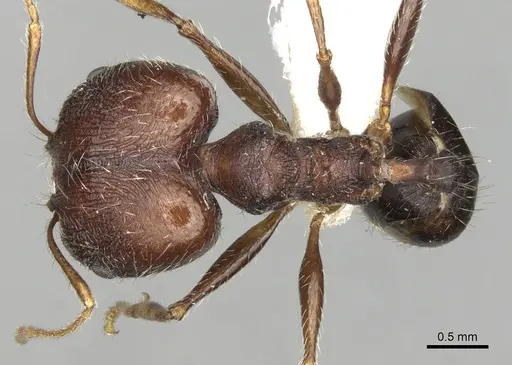
CASENT0281619
View on AntWeb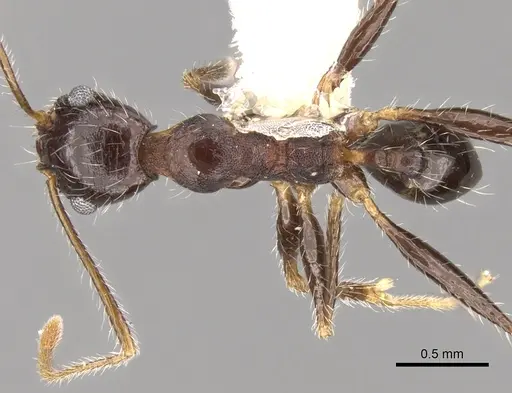
CASENT0904214
View on AntWeb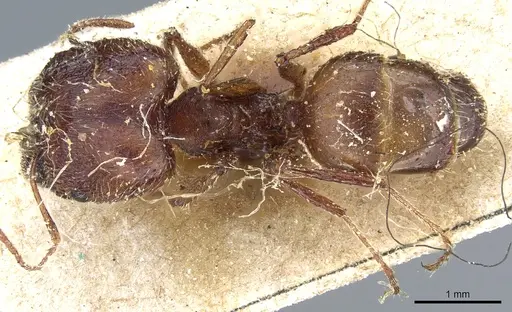
CASENT0904215
View on AntWeb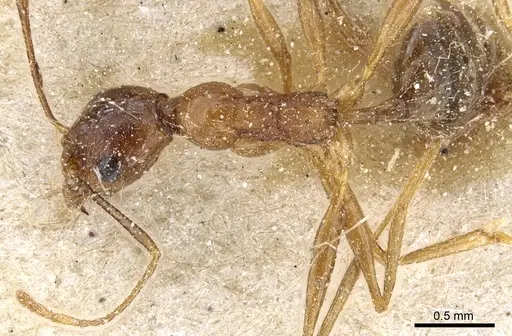
CASENT0904216
View on AntWeb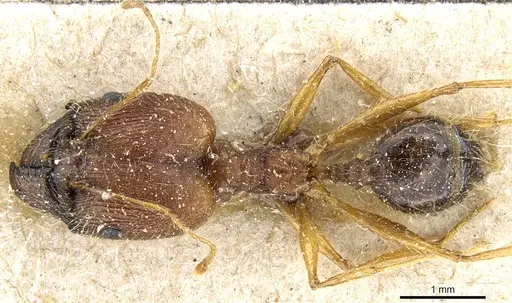
CASENT0904217
View on AntWeb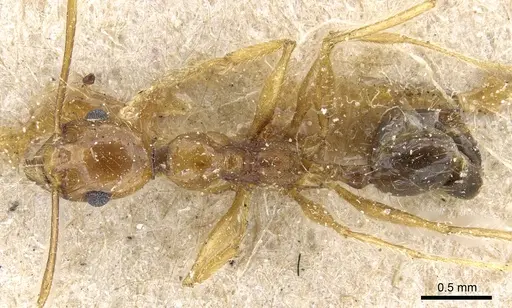
Literature
Loading...Loading products...