
Camponotus maculatus shows a October to December flight window. Peak activity occurs in November, with nuptial flights distributed across 3 months.
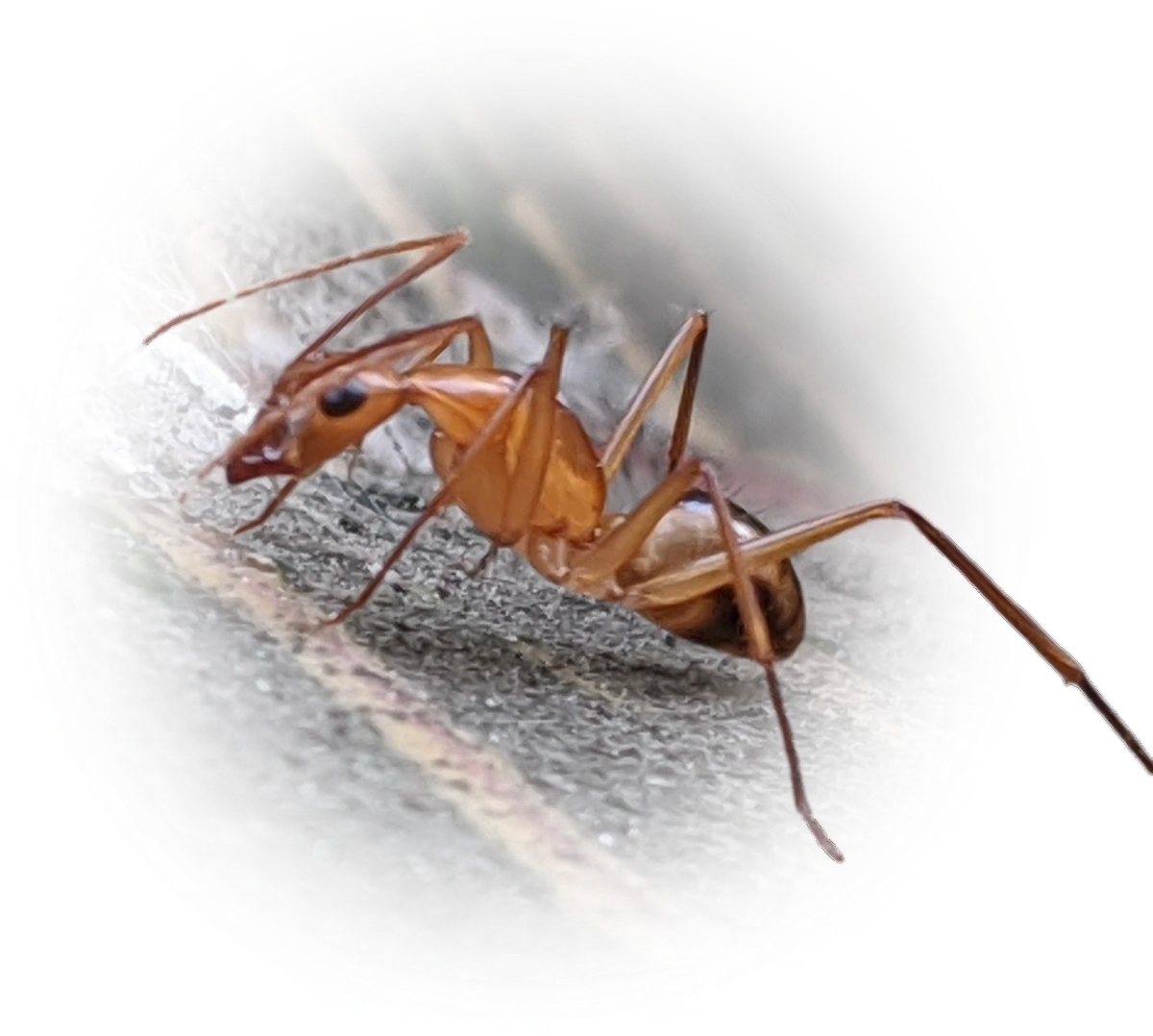
Camponotus maculatus
- Scientific Name
- Camponotus maculatus
- Subgenus
- Tanaemyrmex
- Tribe
- Camponotini
- Subfamily
- Formicinae
- Author
- Fabricius, 1782
- Common Name
- Spotted Sugar Ant
- Distribution
- Found in 13 countries
- Nuptial Flight
- from October to December, peaking in November
AI Identifiable
try →
Camponotus maculatus Overview
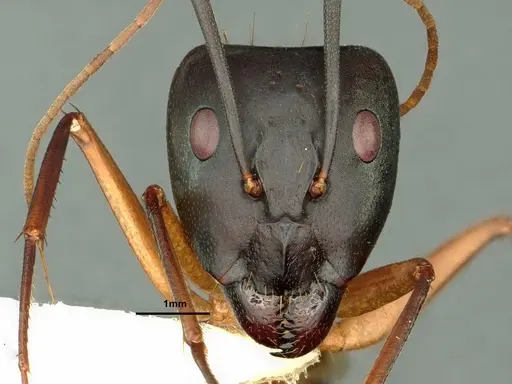
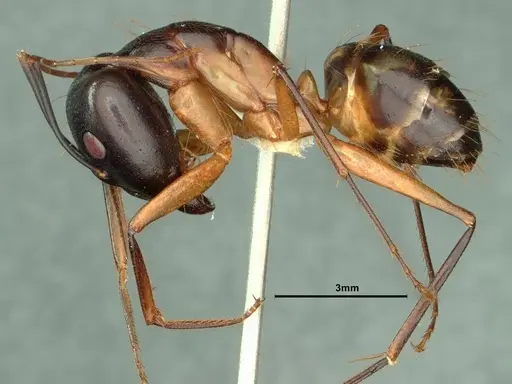
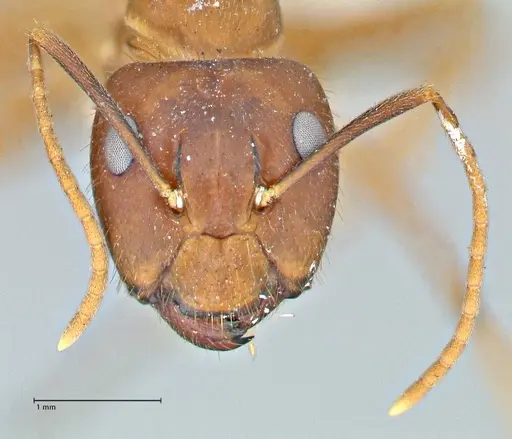
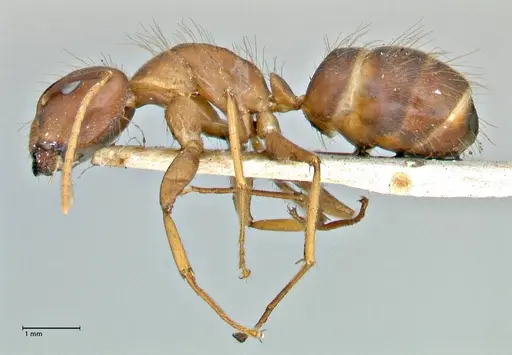
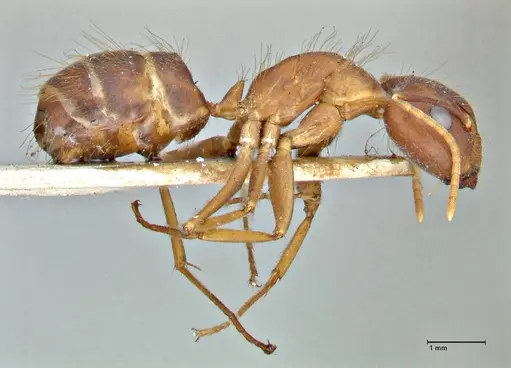
Camponotus maculatus (commonly known as the Spotted Sugar Ant) is an ant species of the genus Camponotus. It is primarily documented in 13 countries , including Côte d'Ivoire, Cabo Verde, Gambia. Detailed taxonomic data and occurrence records can be further explored via authoritative databases such as AntWeb or the Global Biodiversity Information Facility (GBIF).
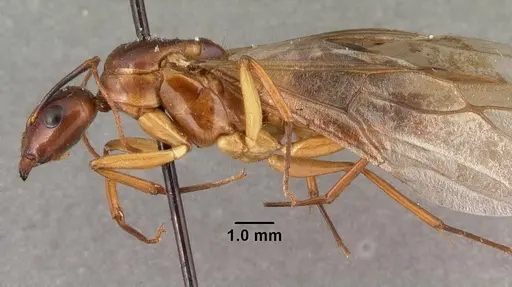
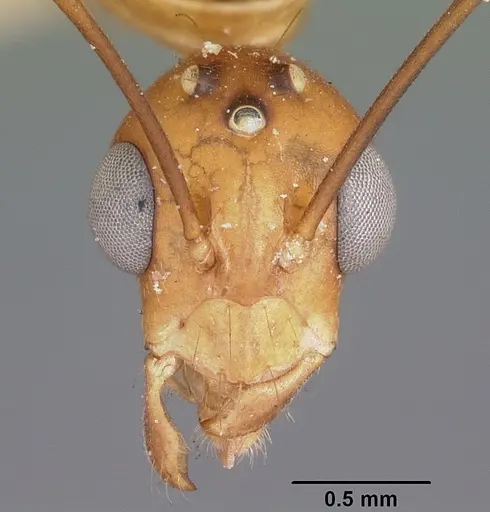
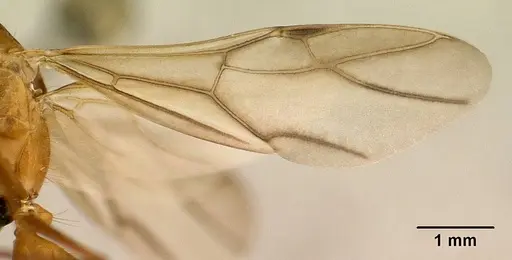
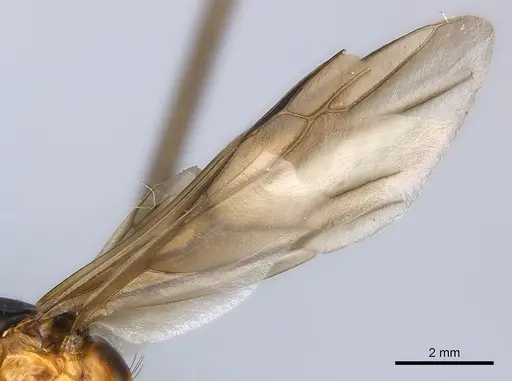
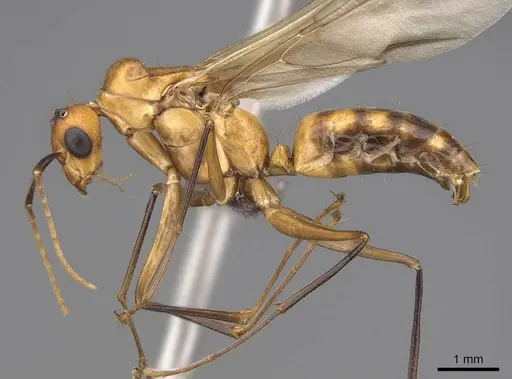
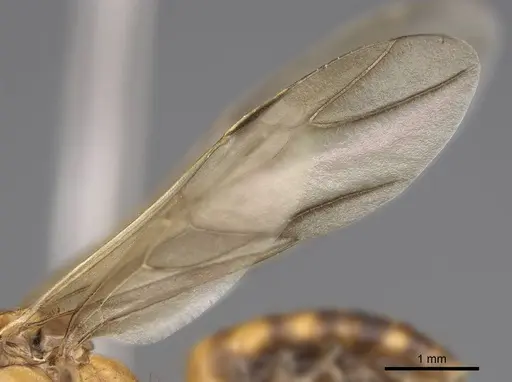
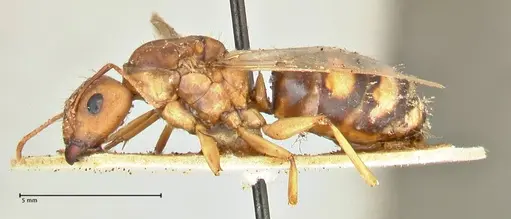
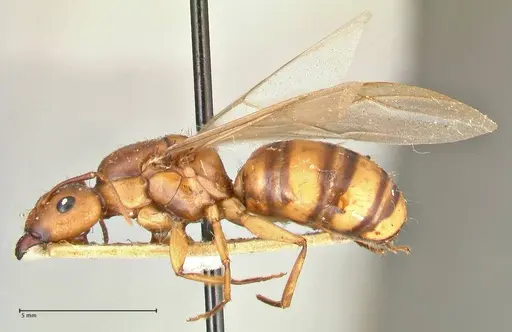
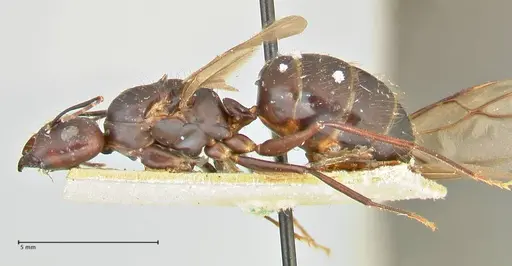
The nuptial flight of Camponotus maculatus is a significant biological event, typically occurring from October to December, peaking in November. During this time, winged queens and males leave the nest to mate and establish new colonies.
Camponotus maculatus - "Spotted Sugar Ant"
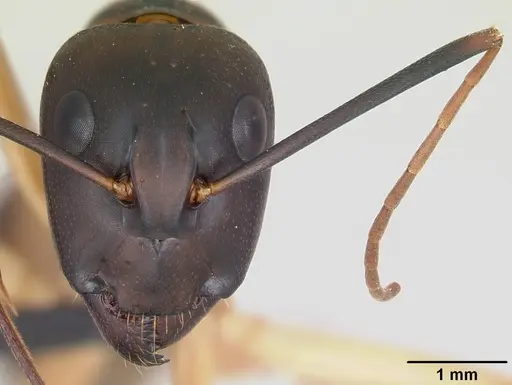
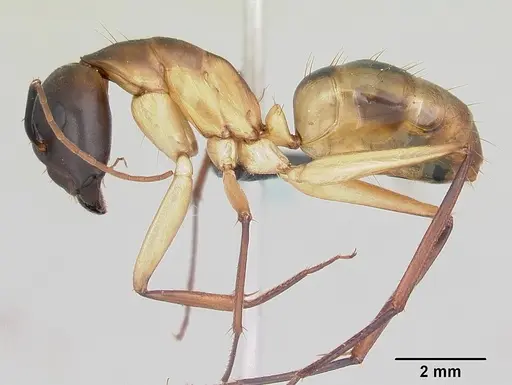
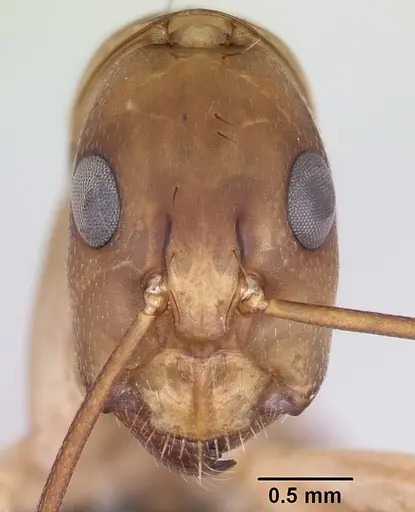
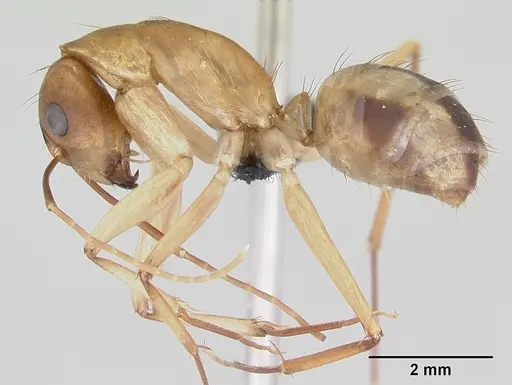
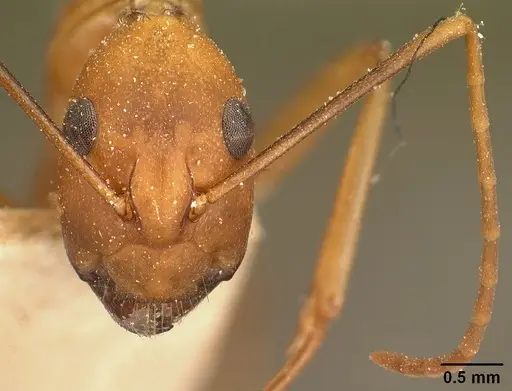
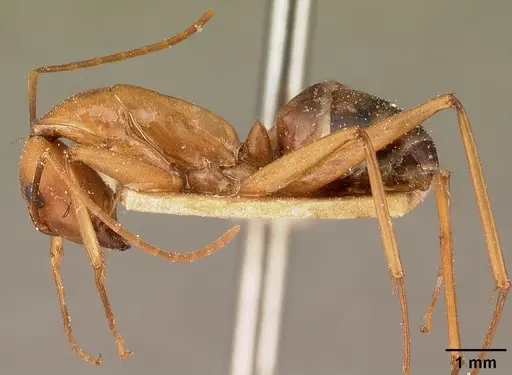
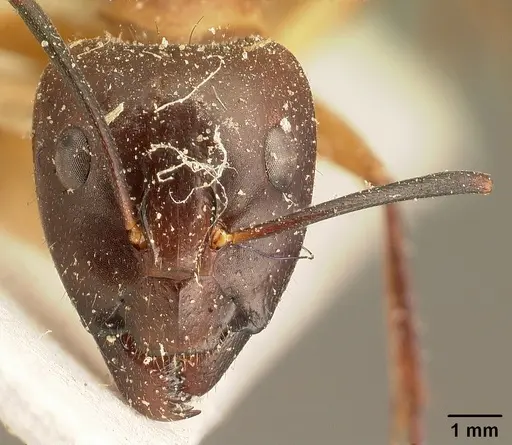
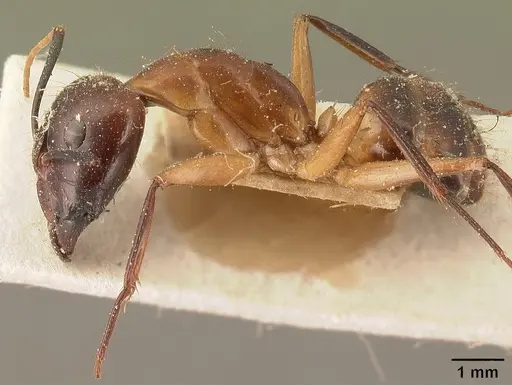
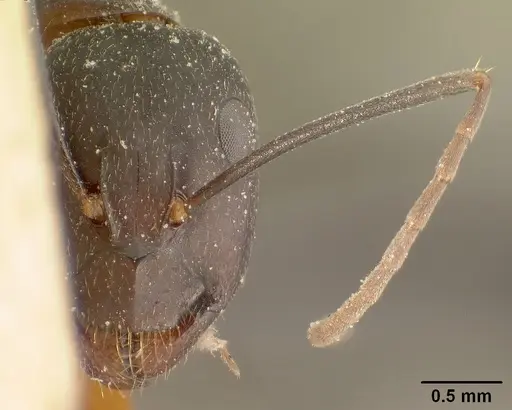
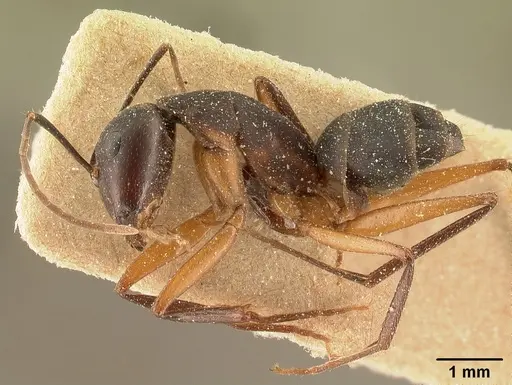
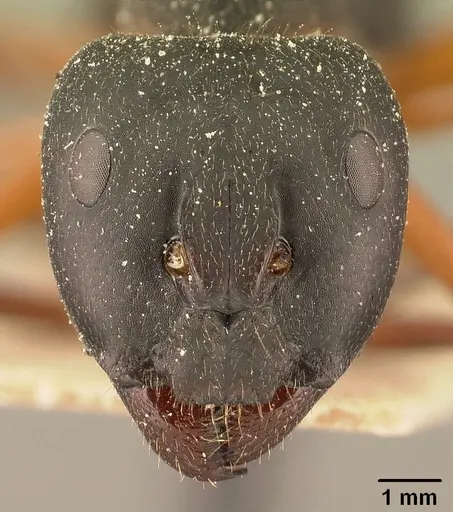
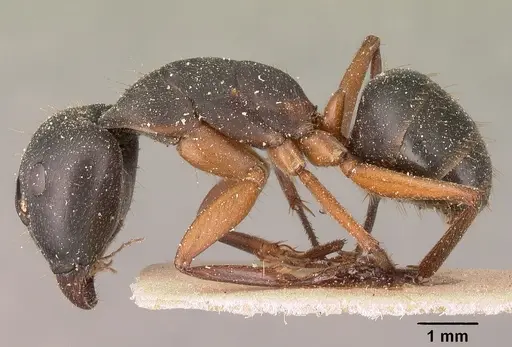
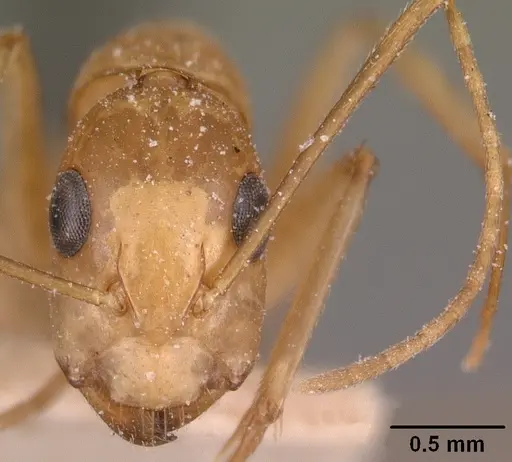
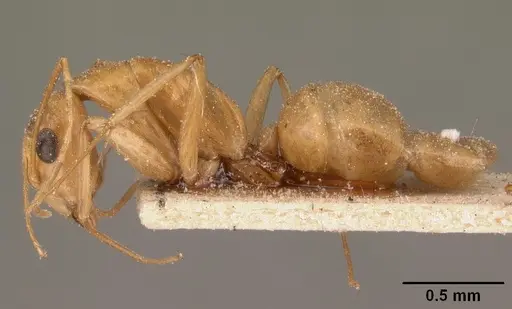
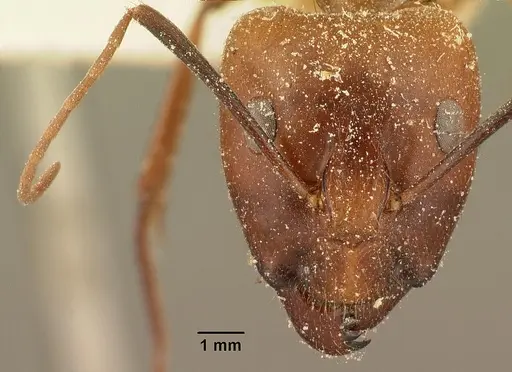
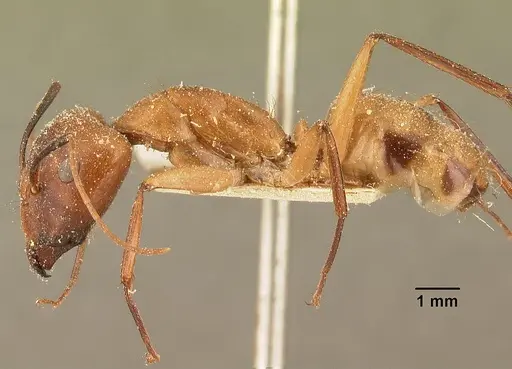
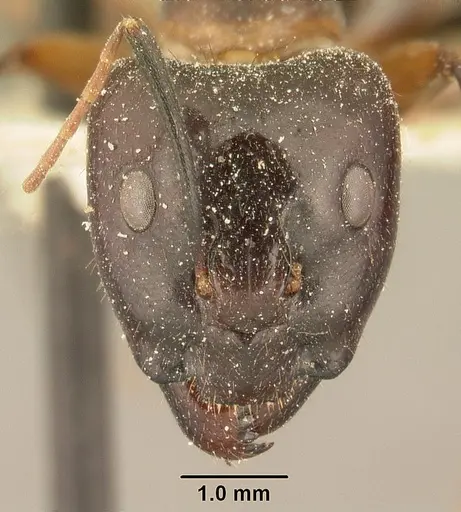
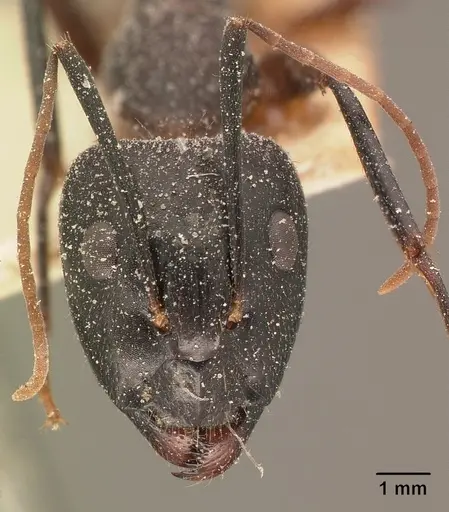
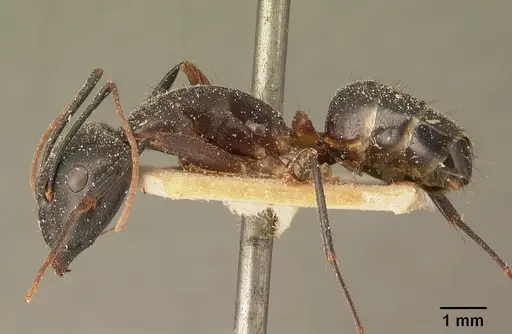
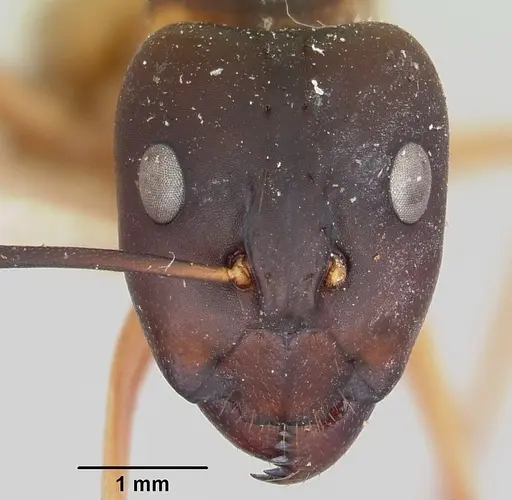
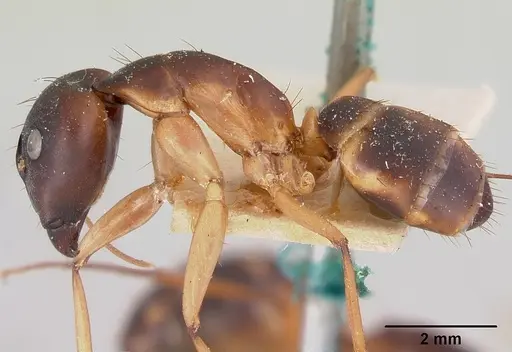
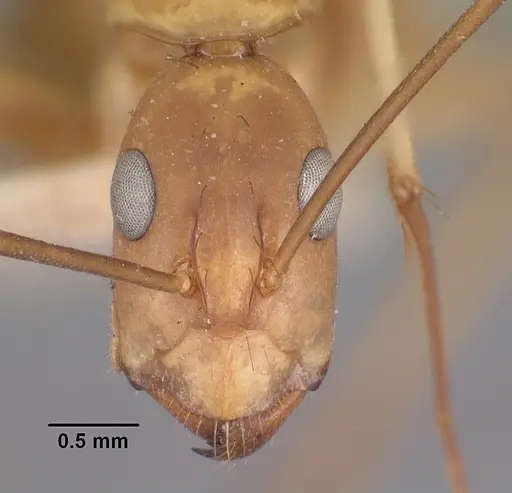
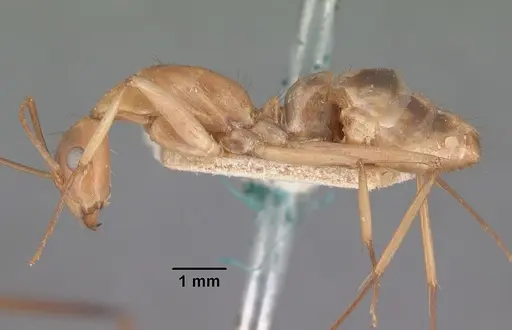
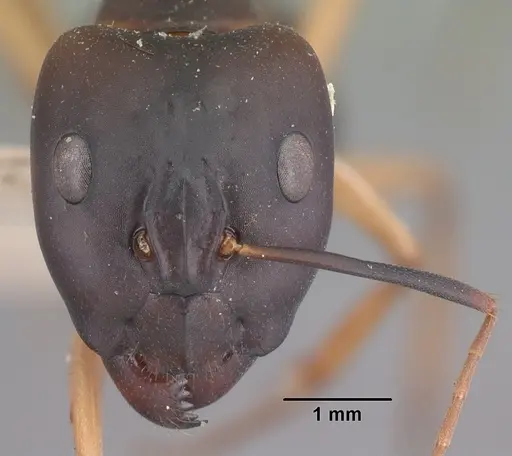
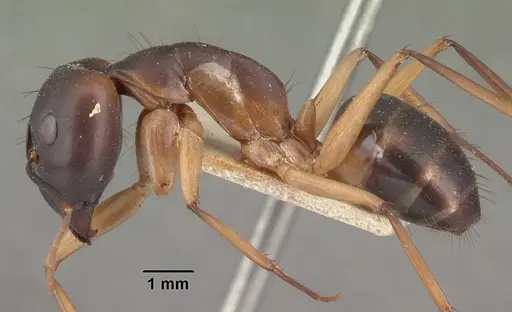
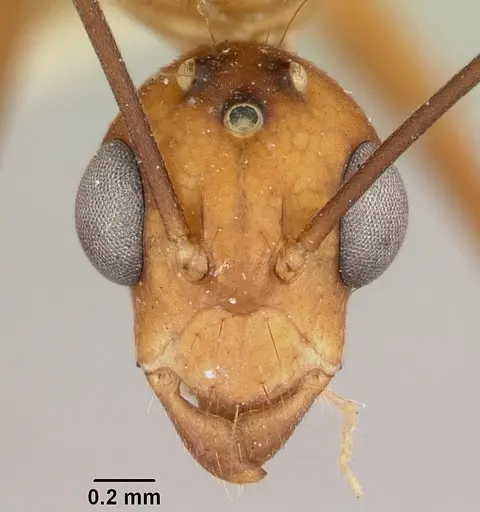
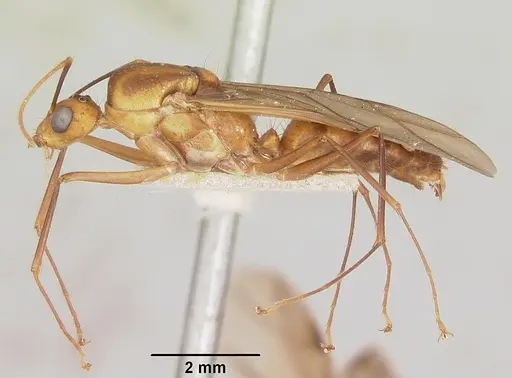
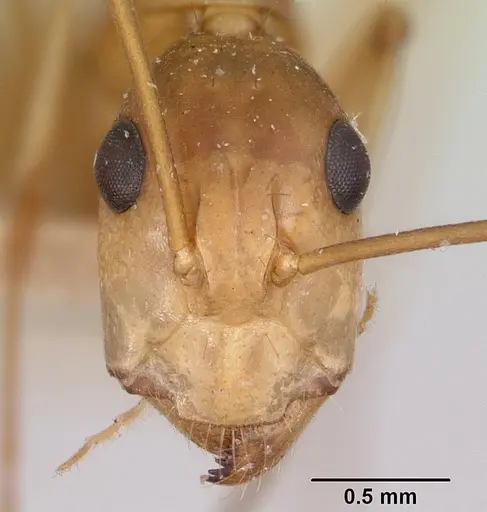
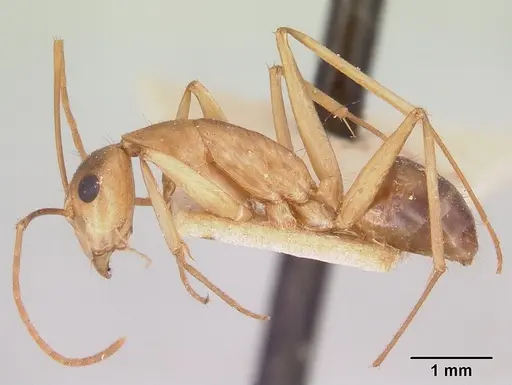
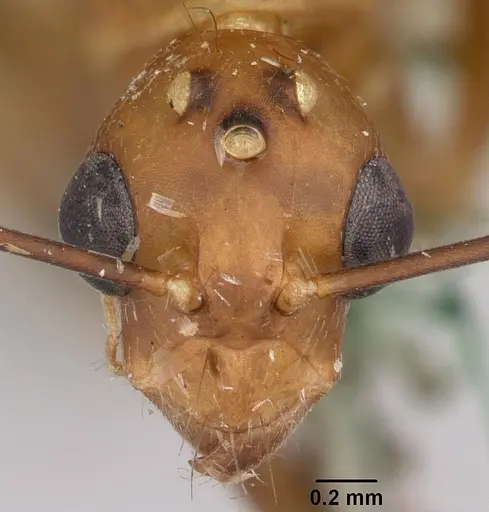
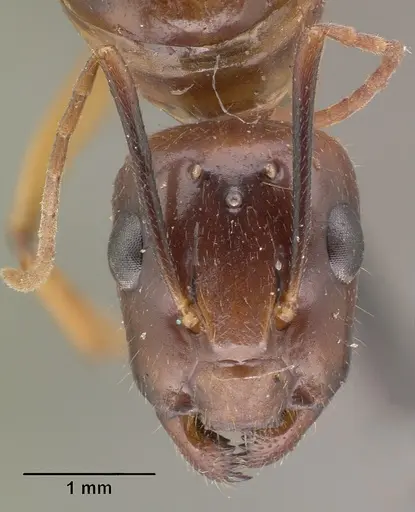
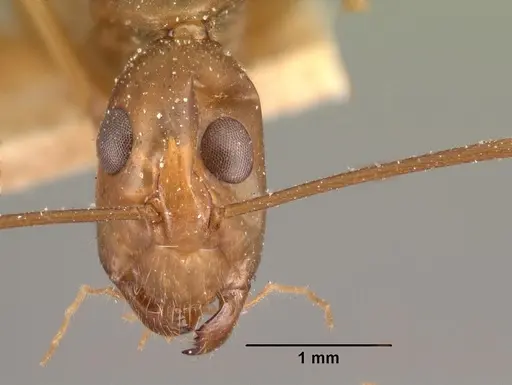
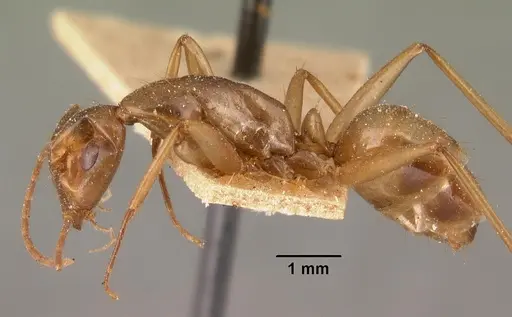
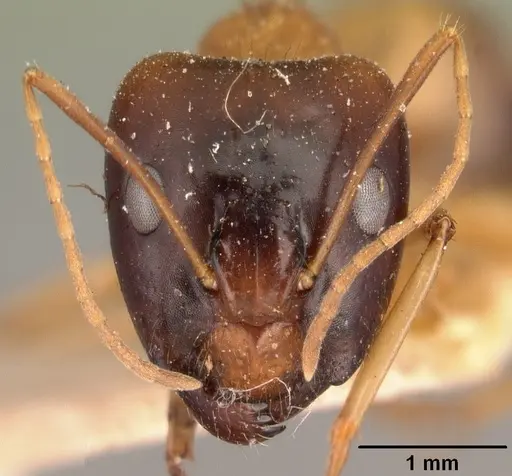
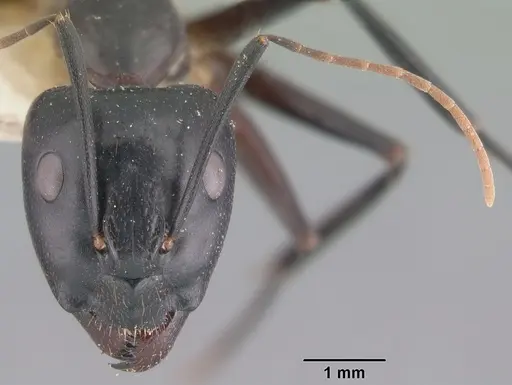
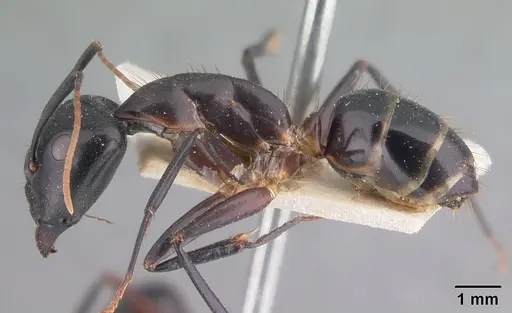
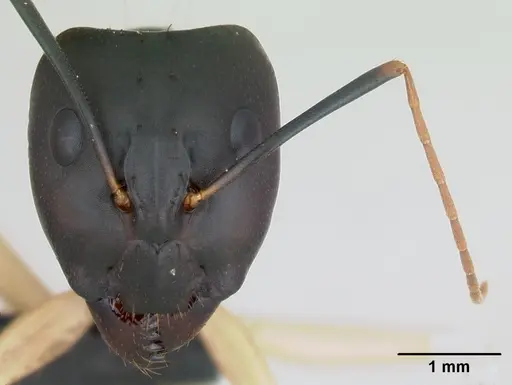
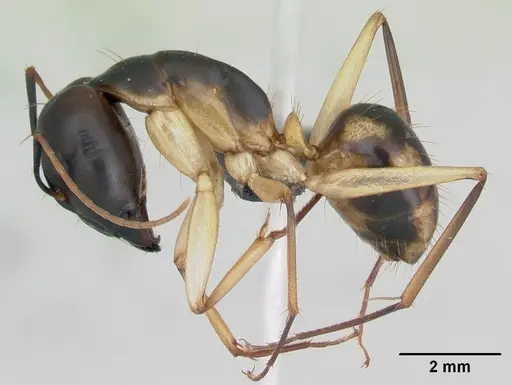
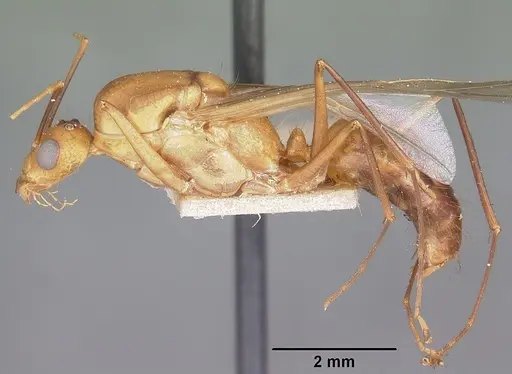
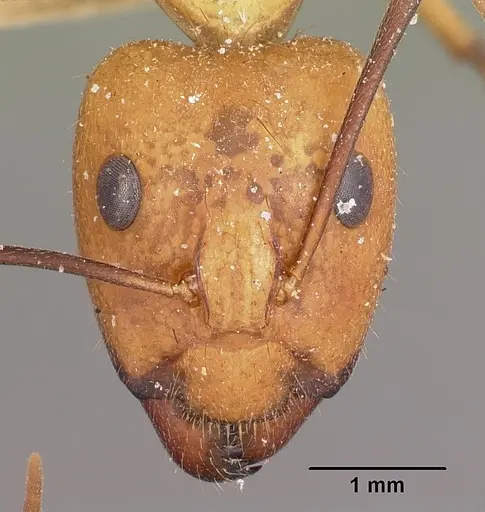
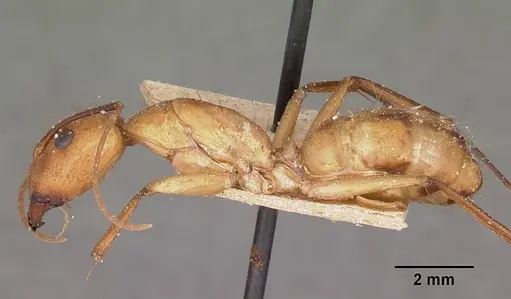
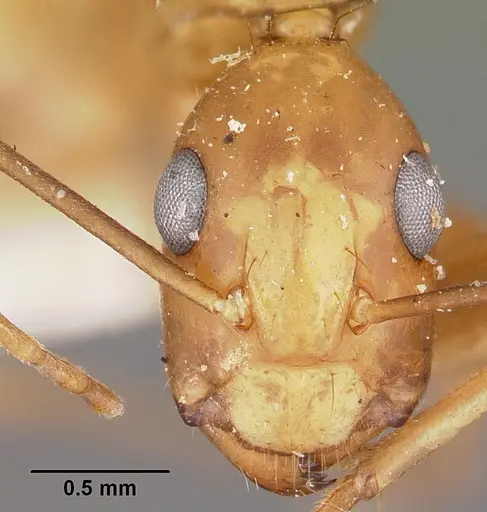
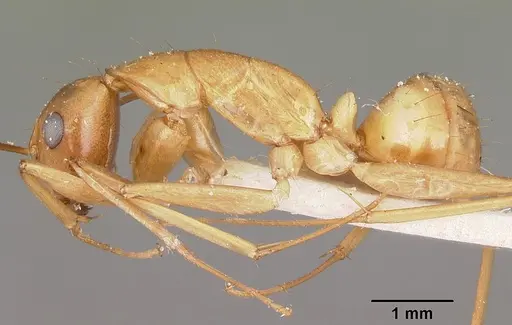
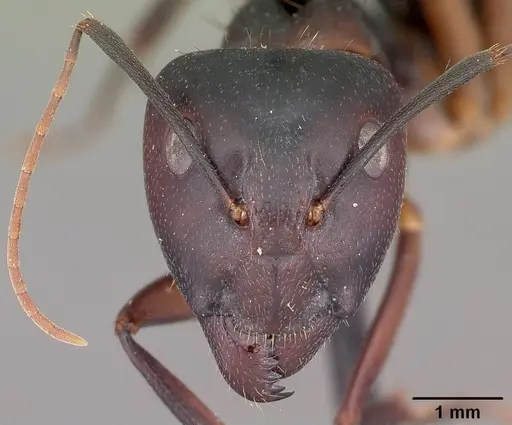
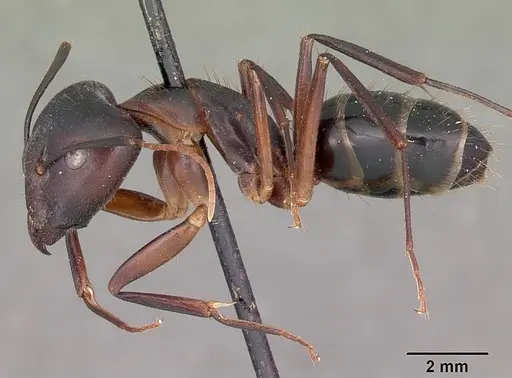
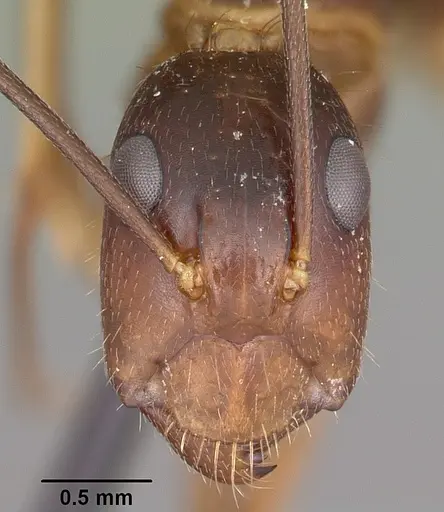
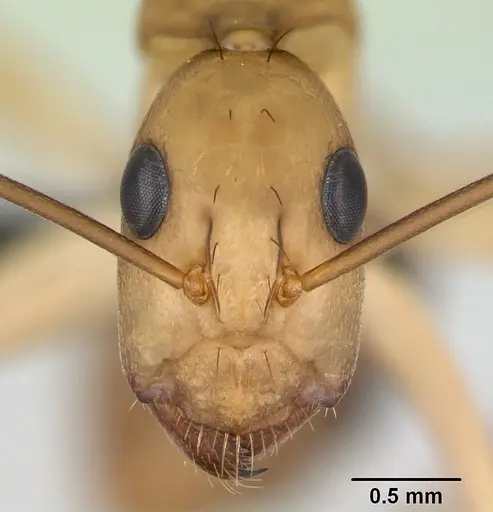
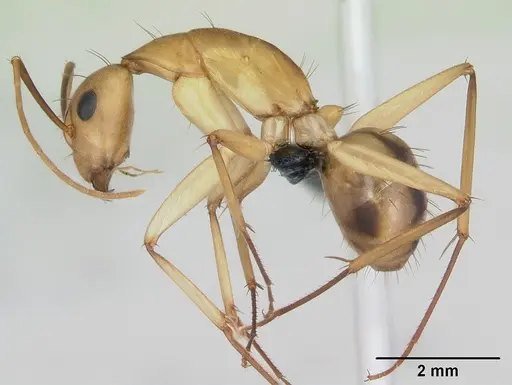
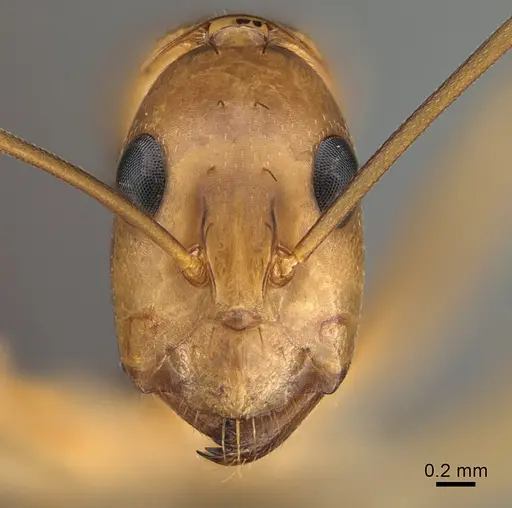
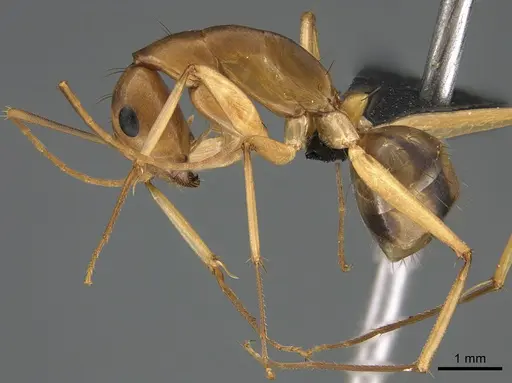
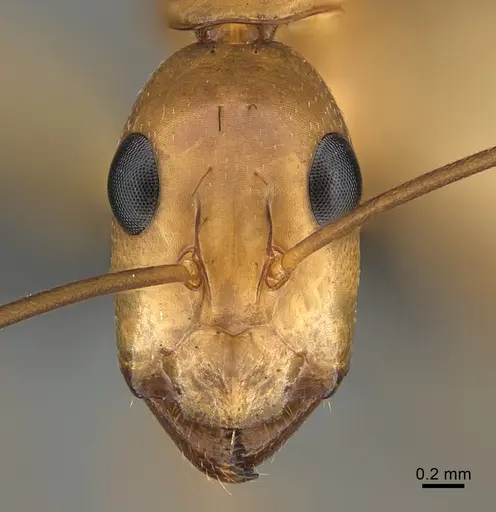
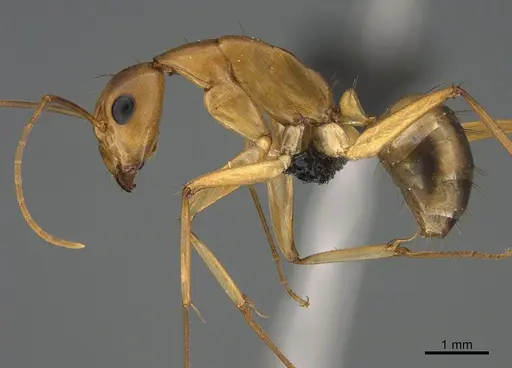
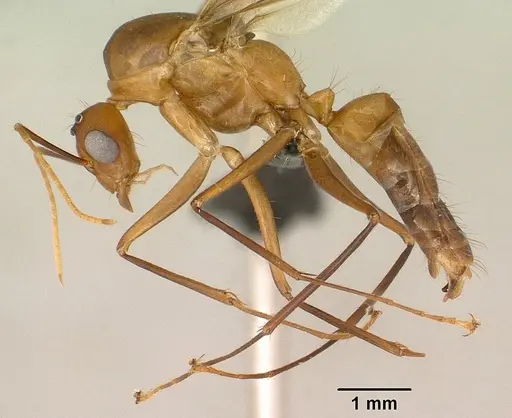
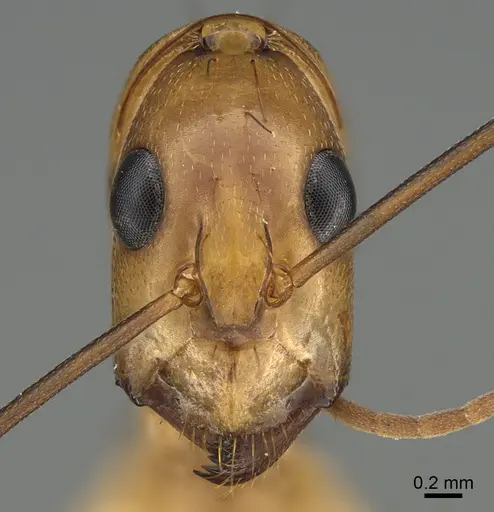
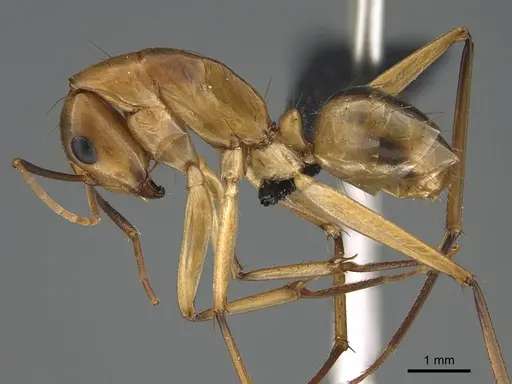
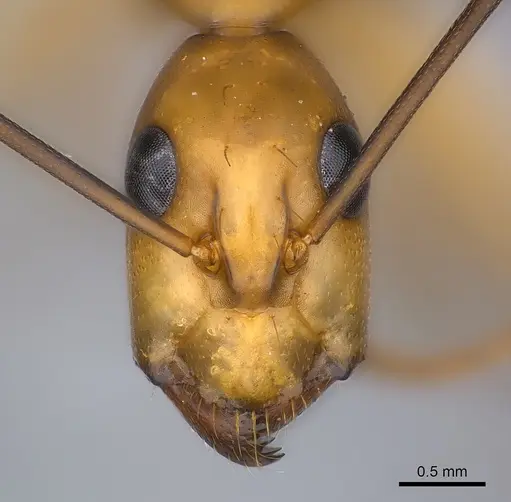
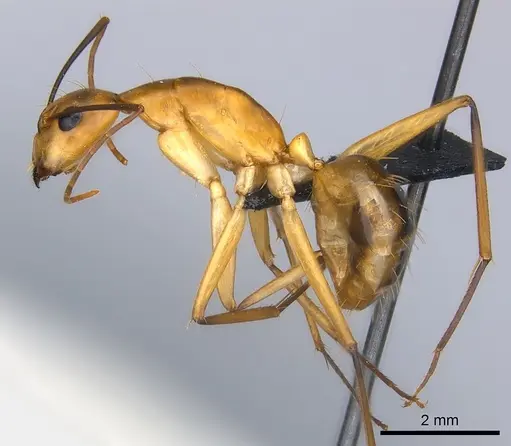
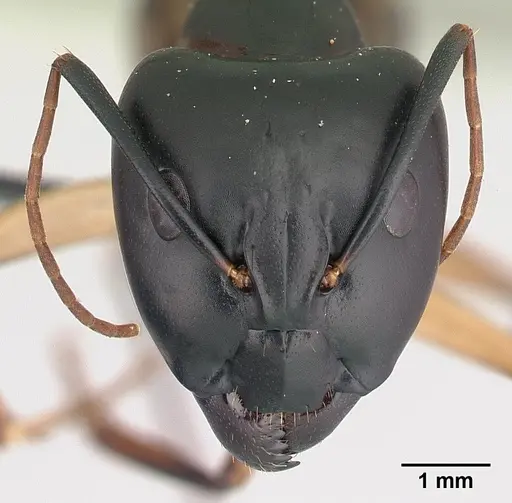
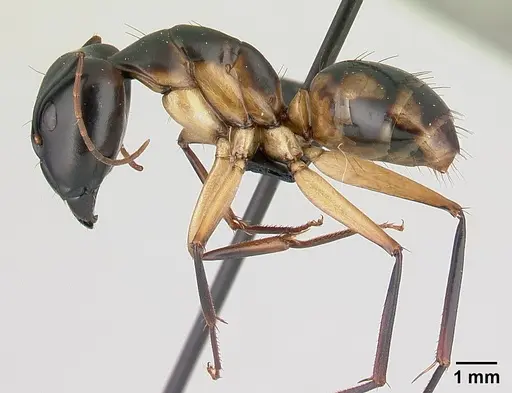
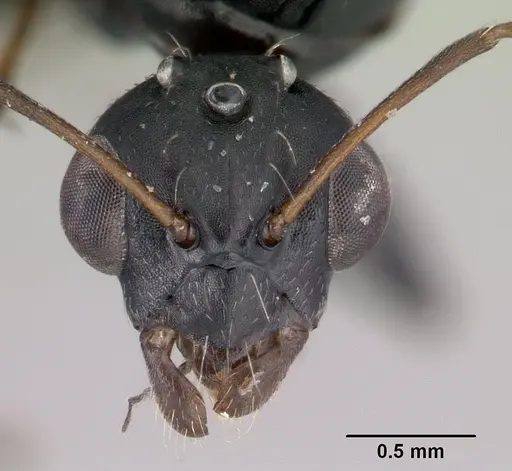
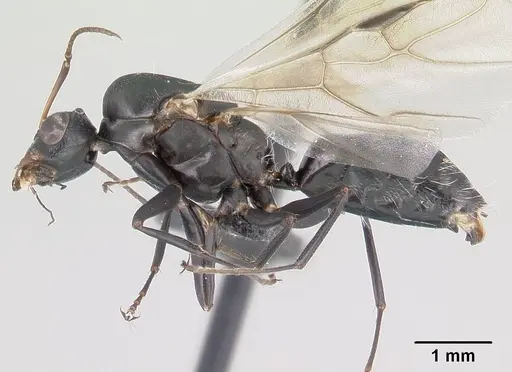
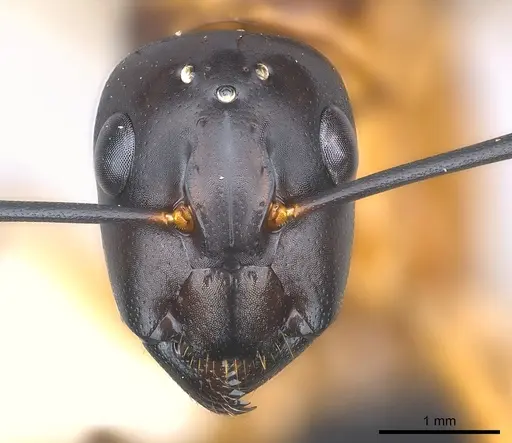
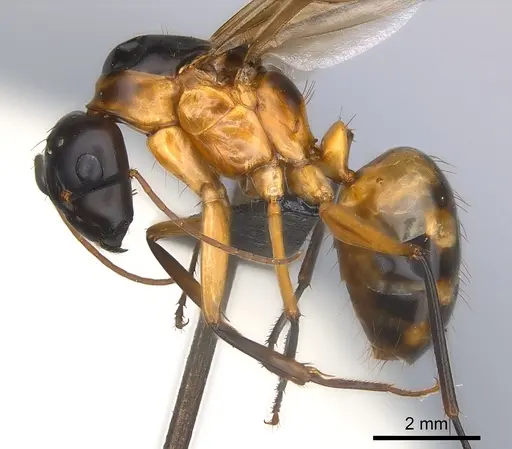
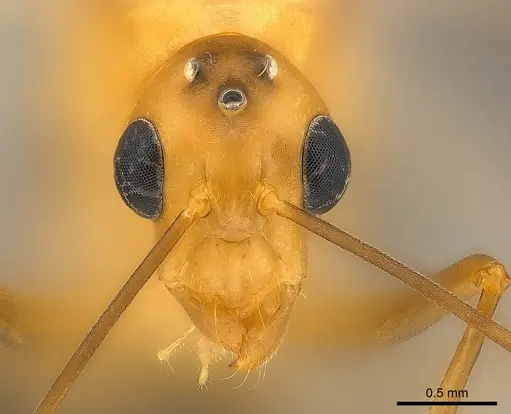
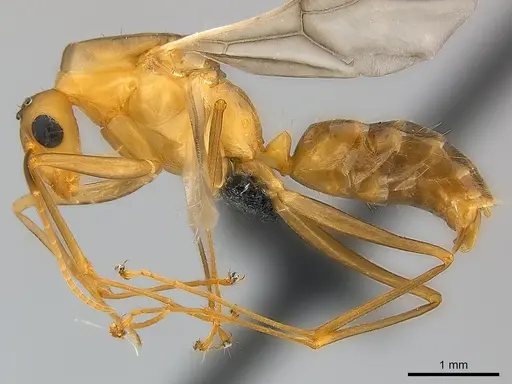
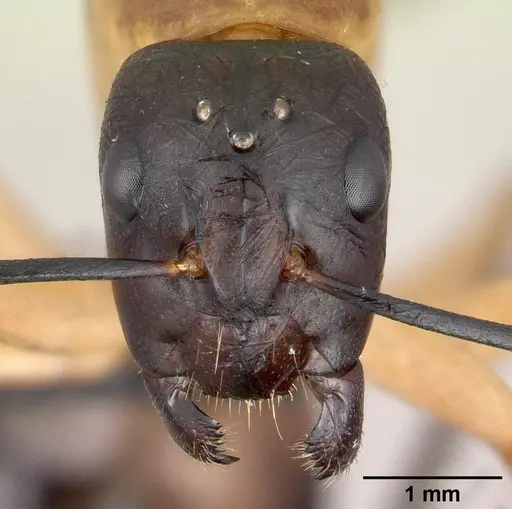
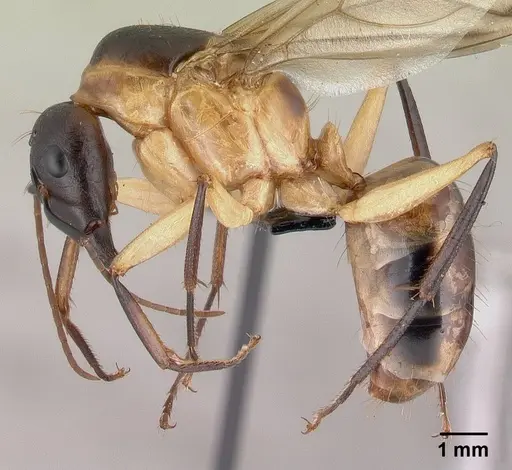
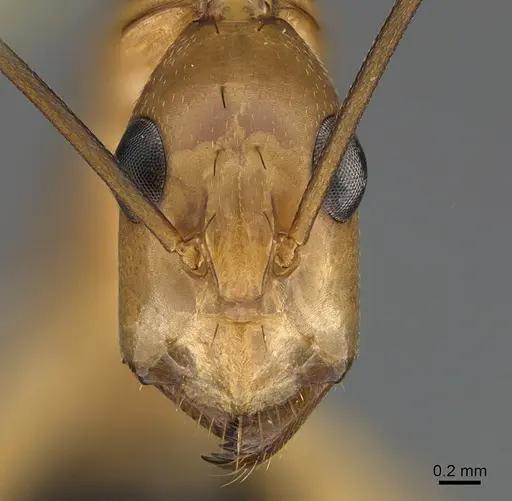
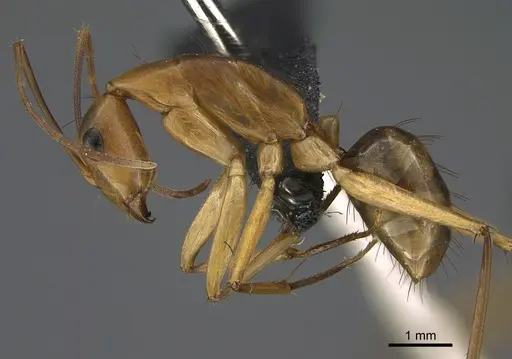
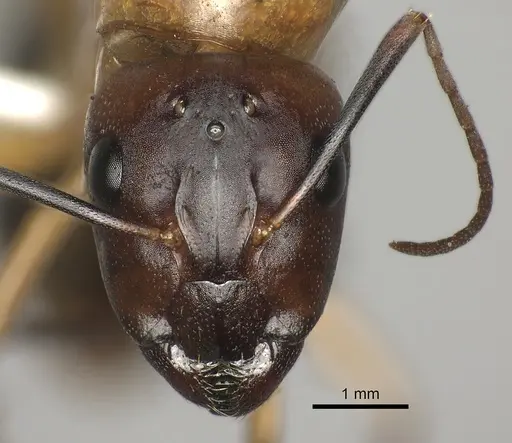
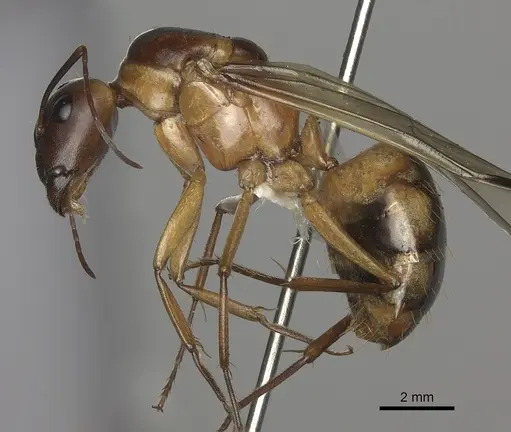
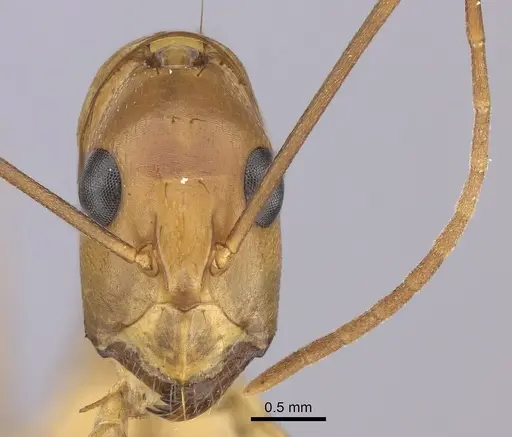
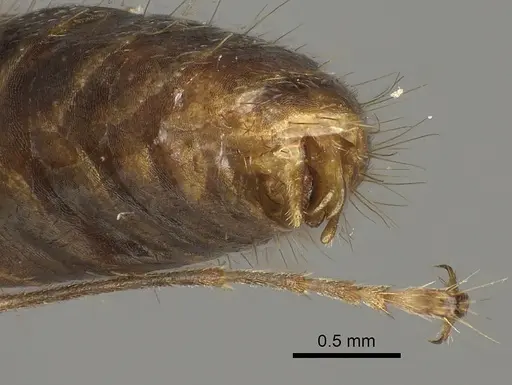
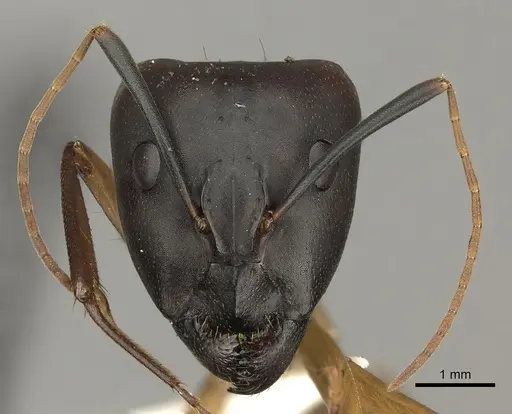
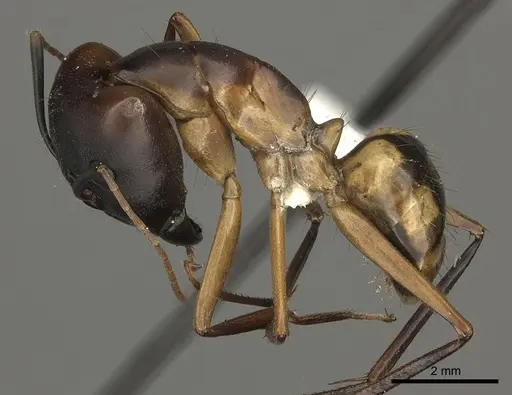
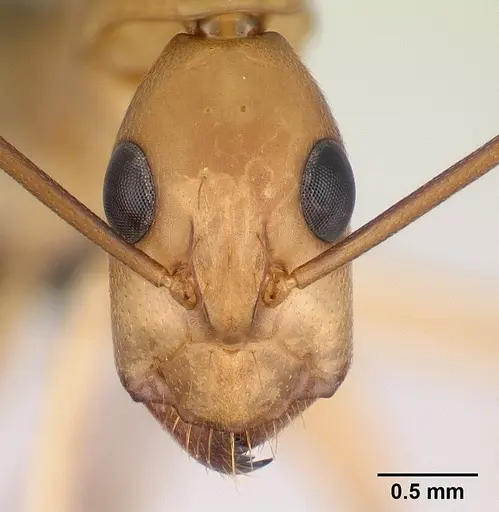
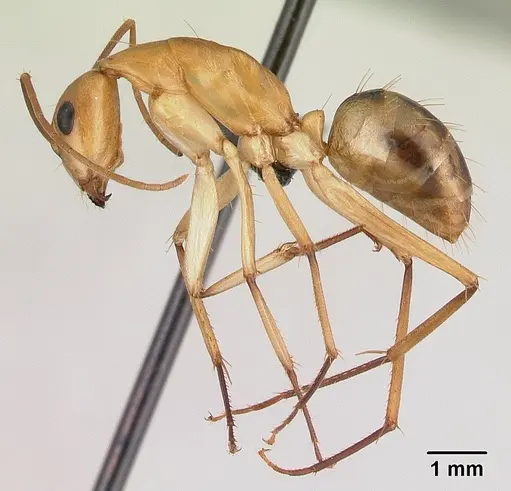
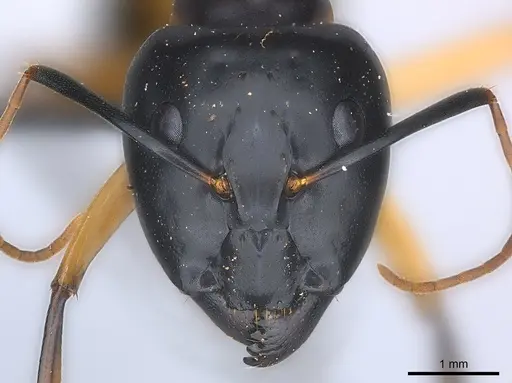
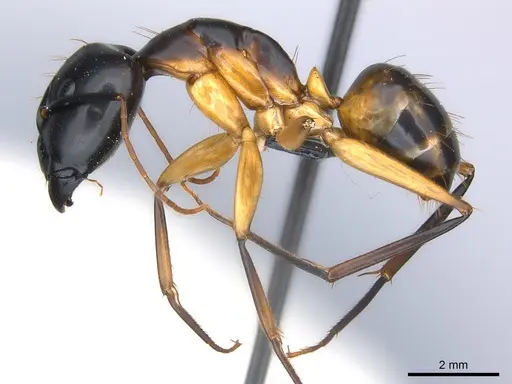
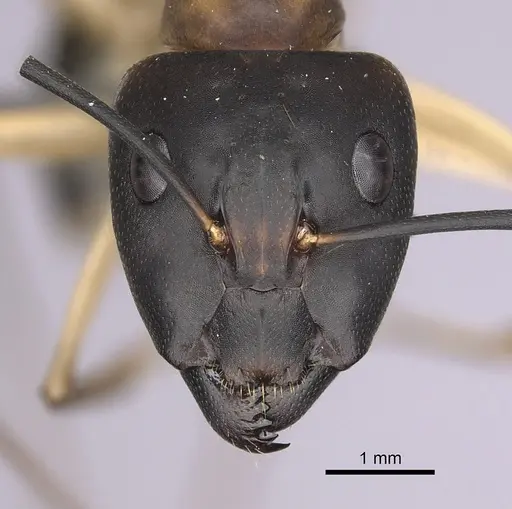
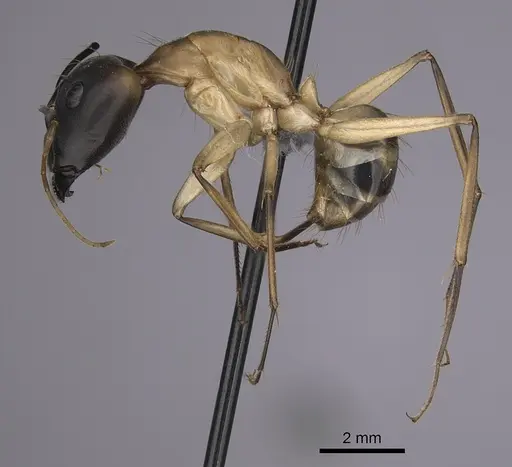
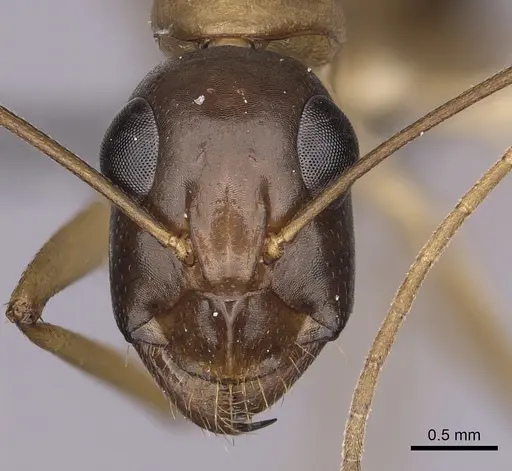
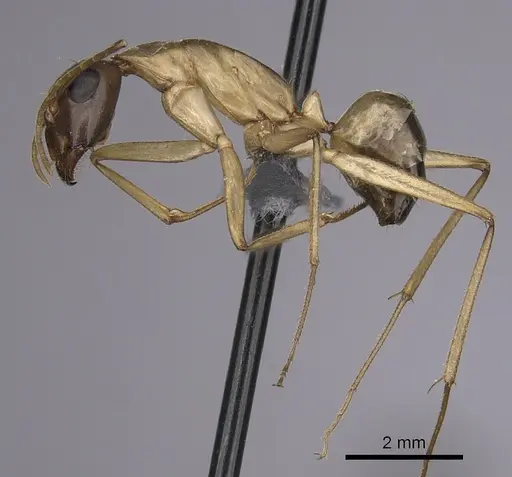
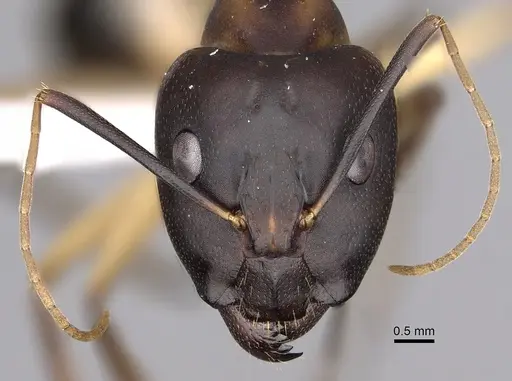
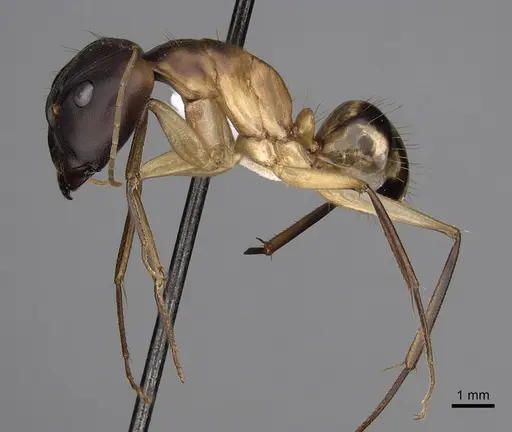
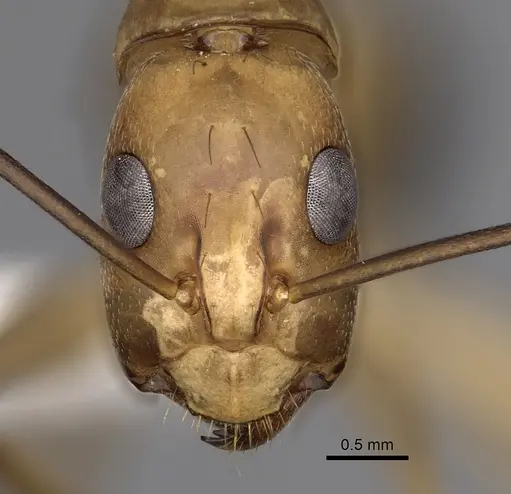
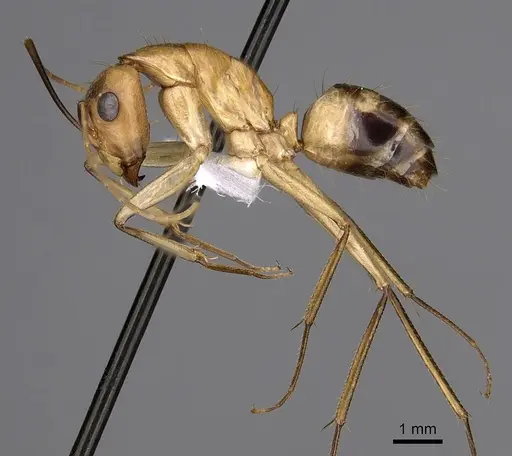
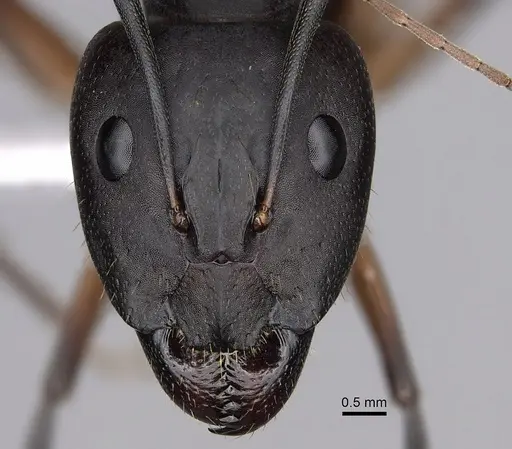
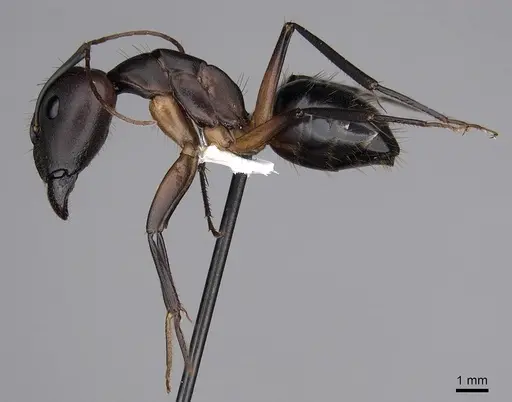
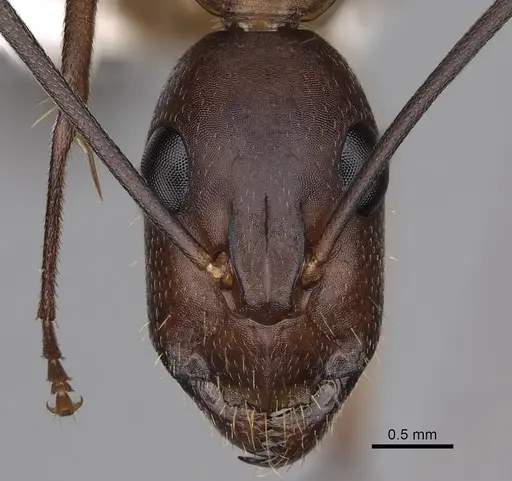
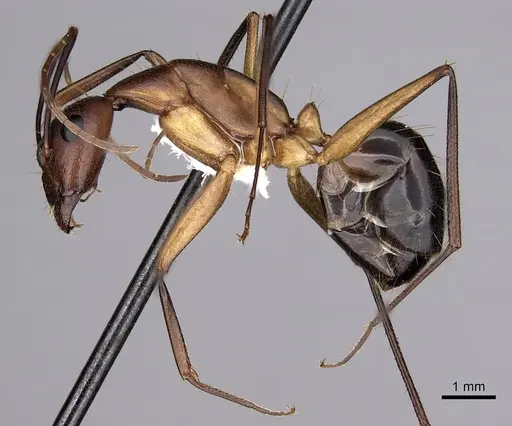
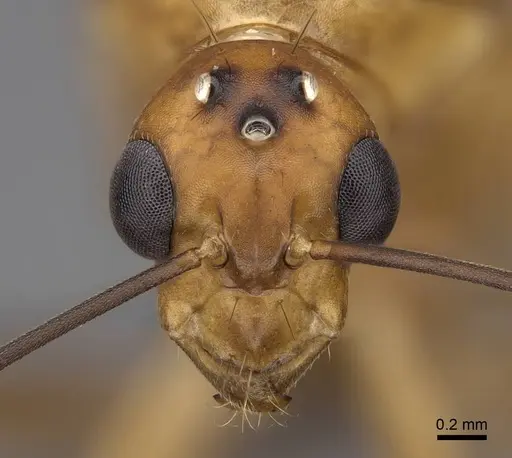
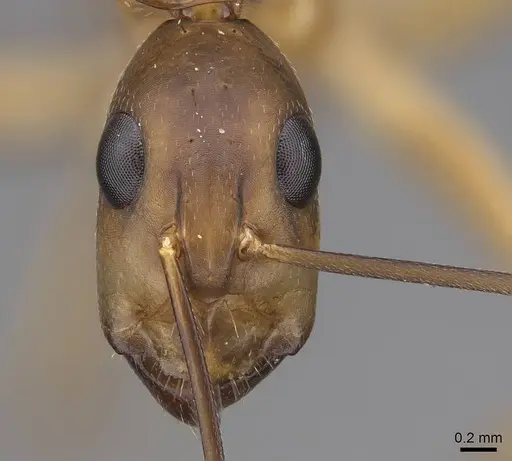
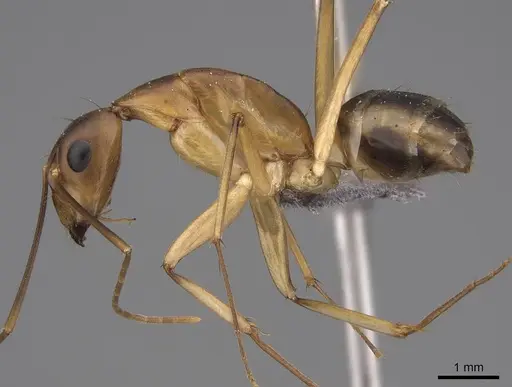
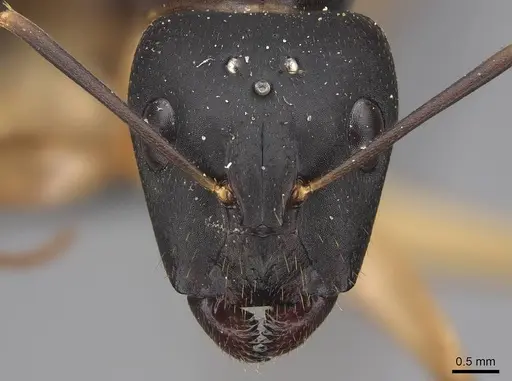
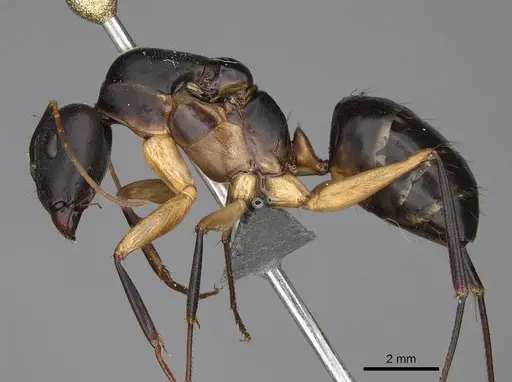
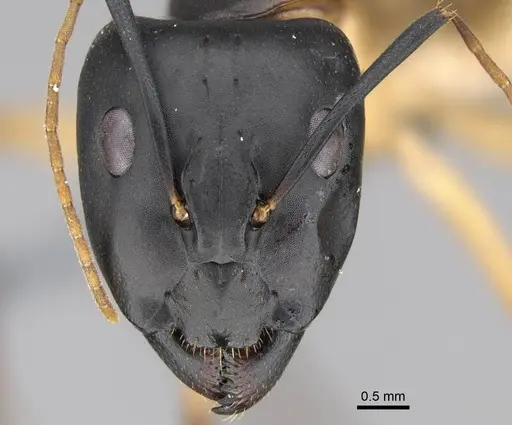
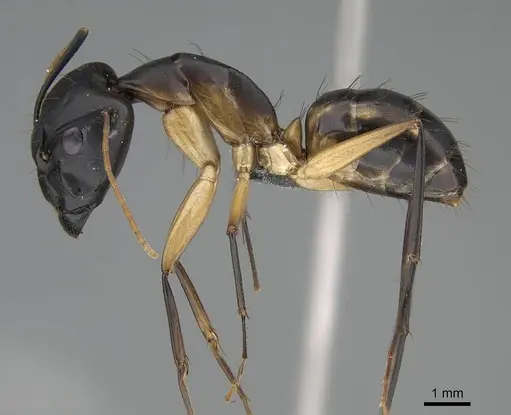
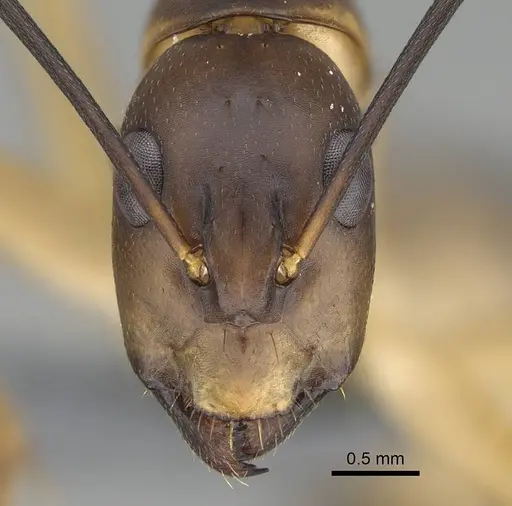
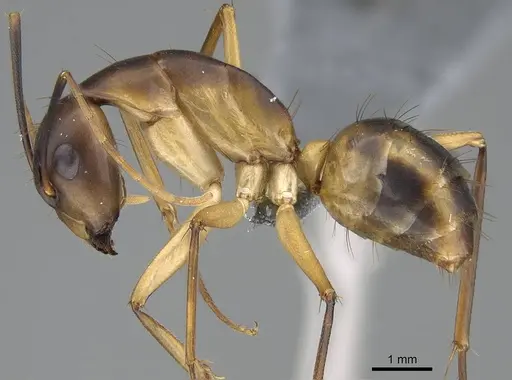
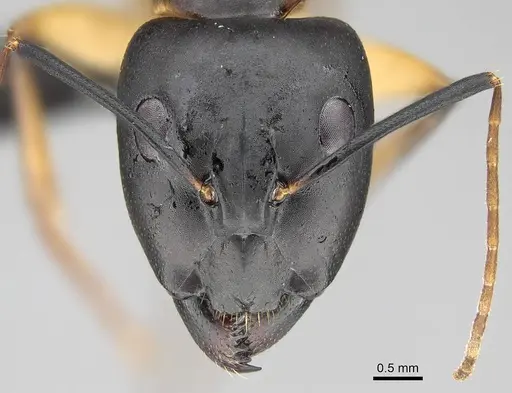
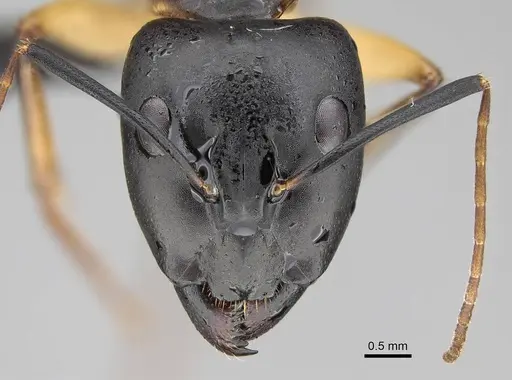
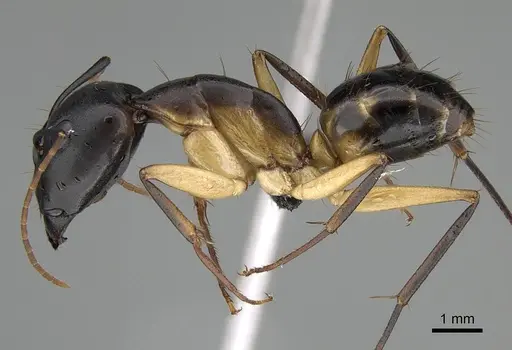
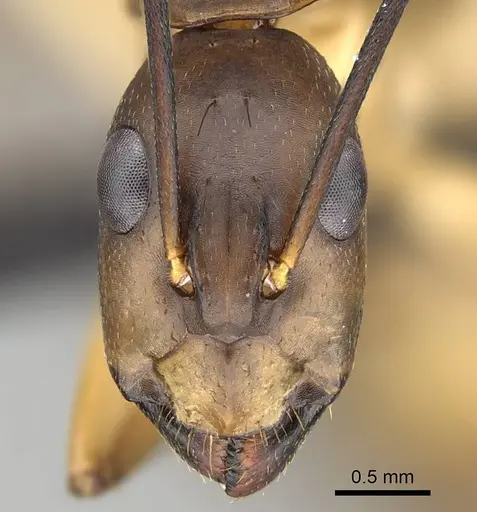
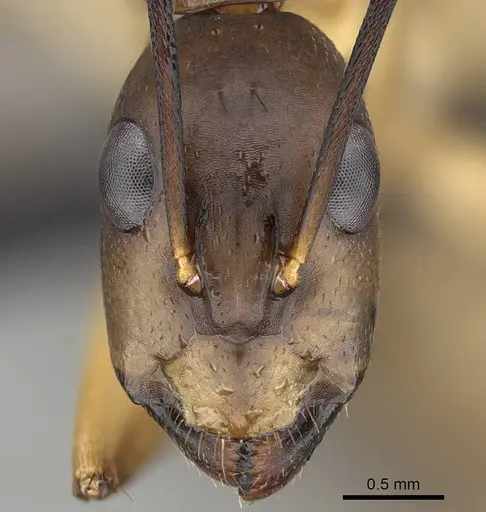
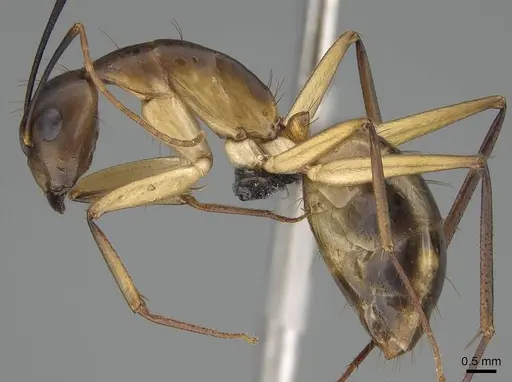
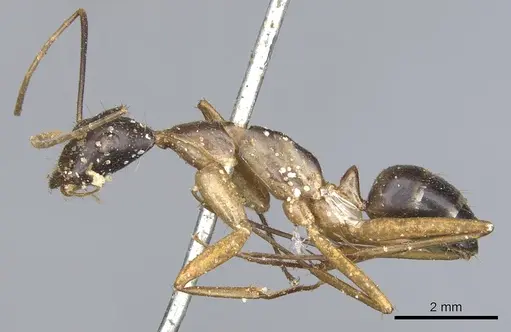
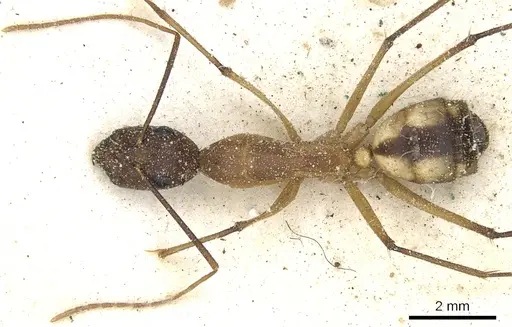
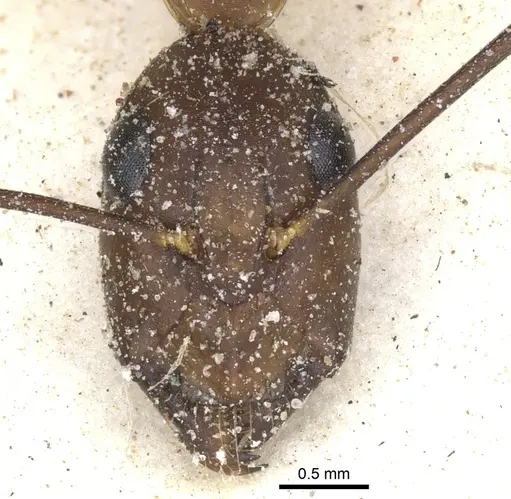
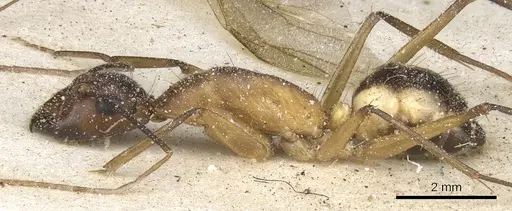
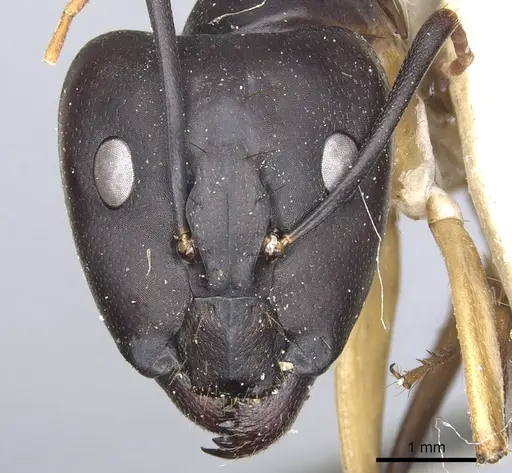
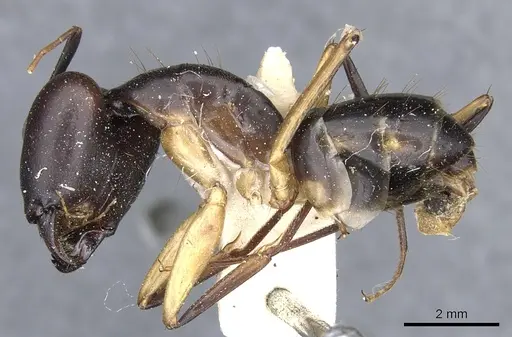
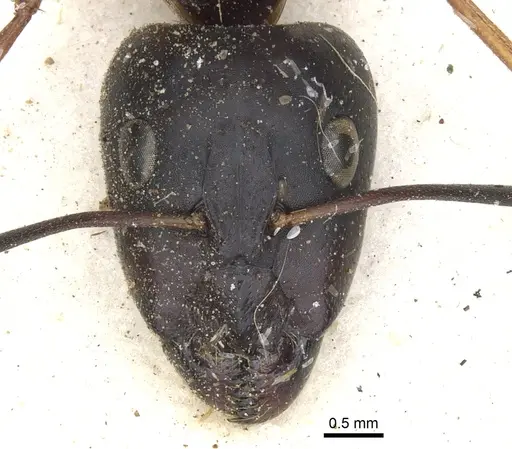
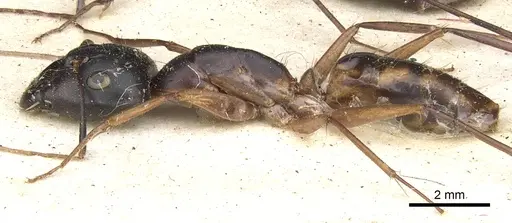
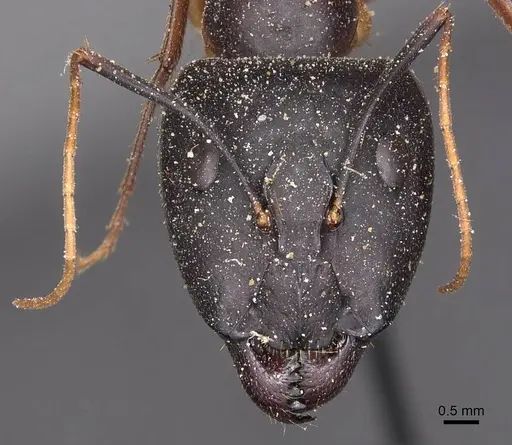
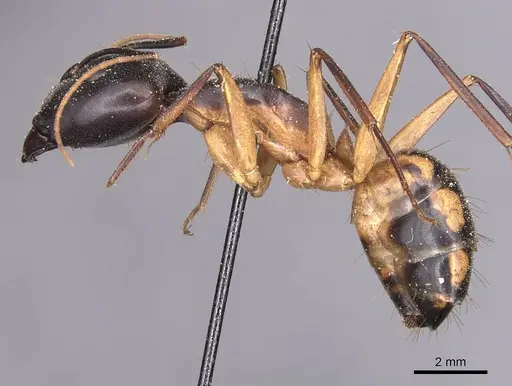
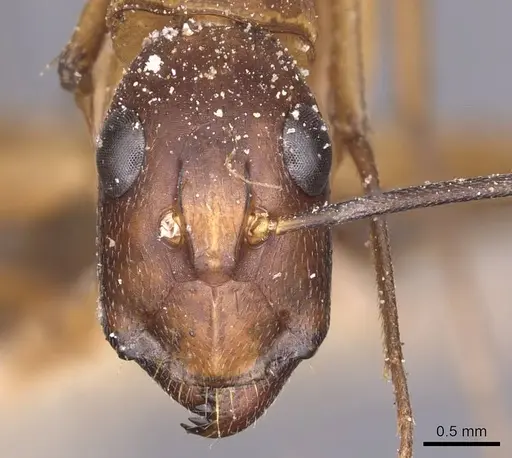
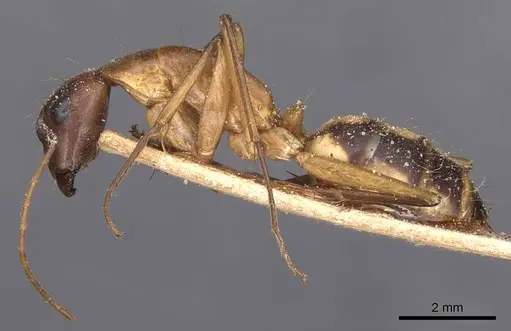
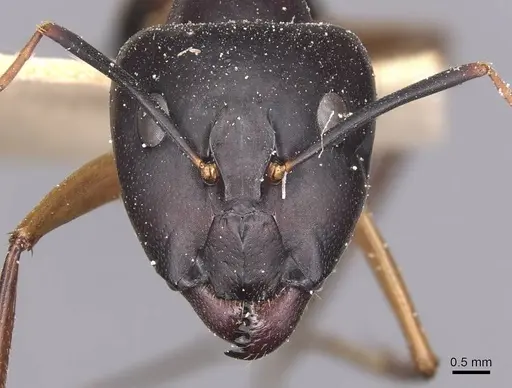
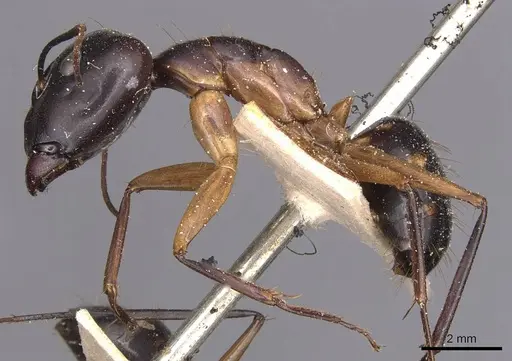
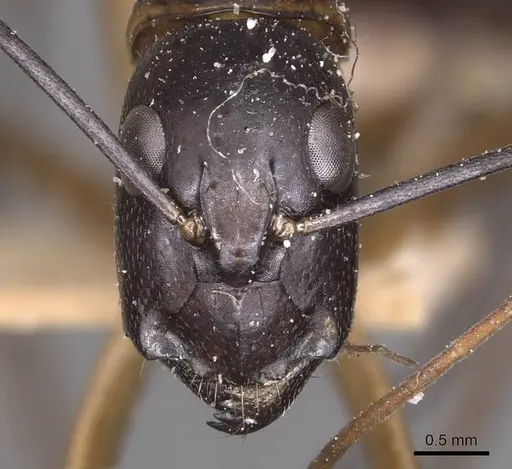
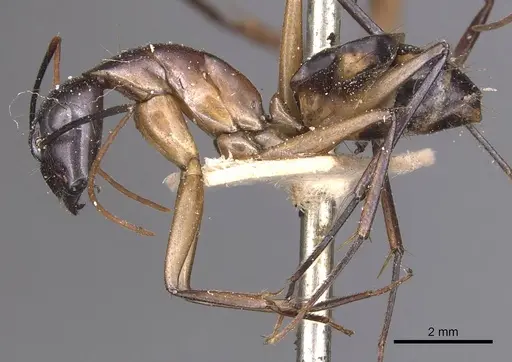
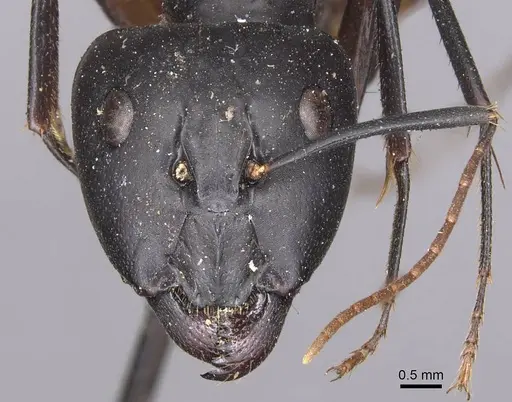
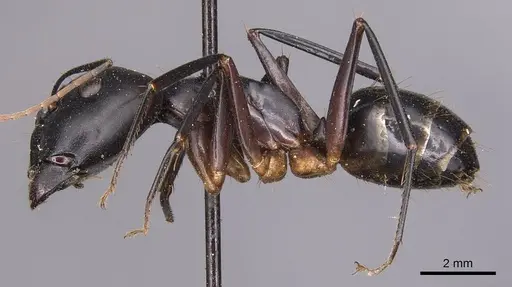
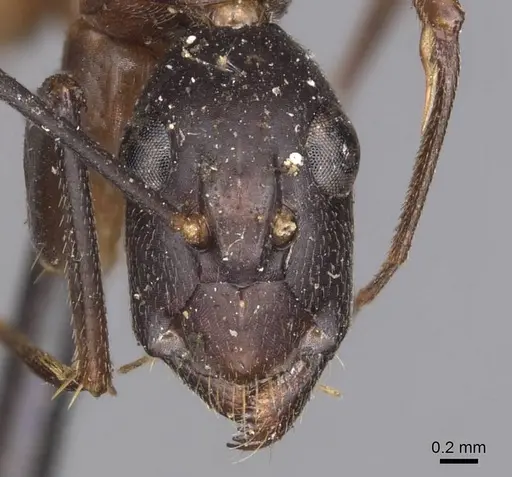
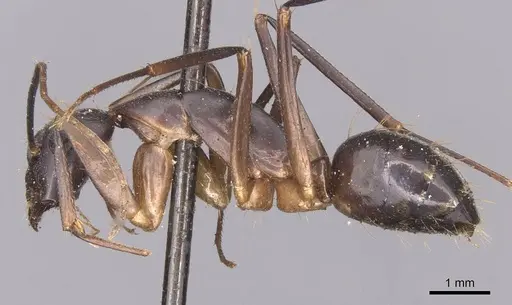
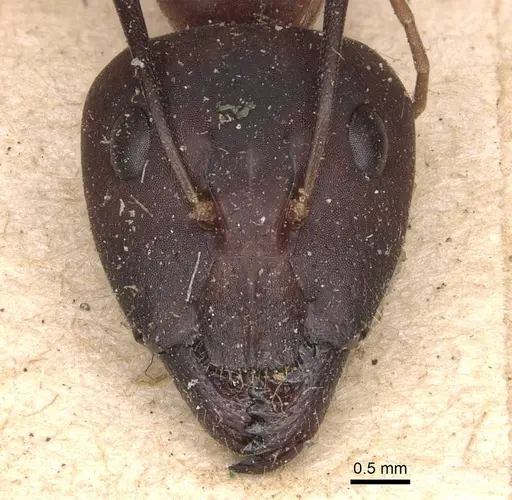
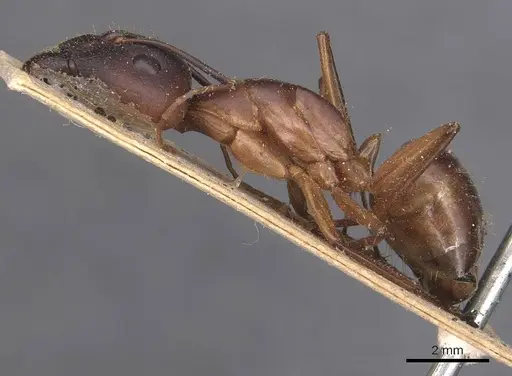
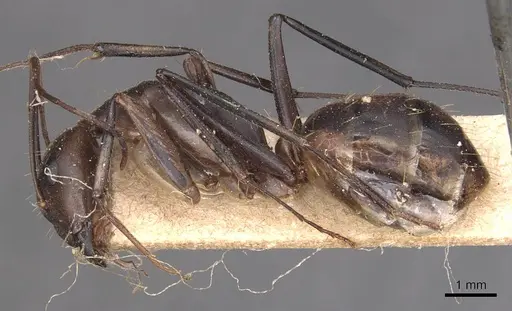
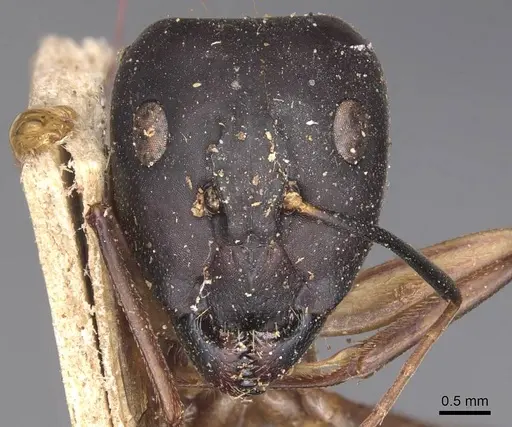
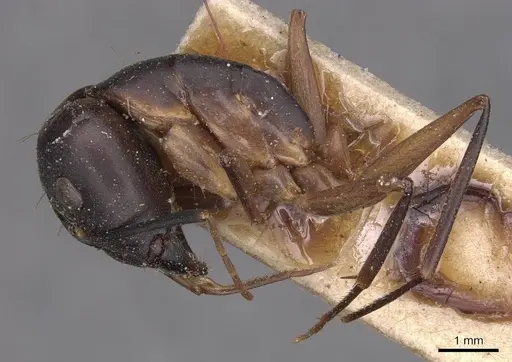
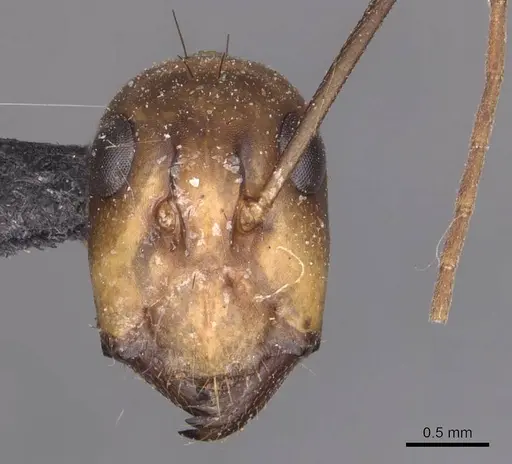
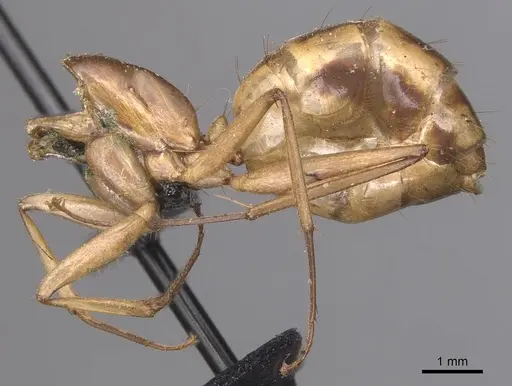
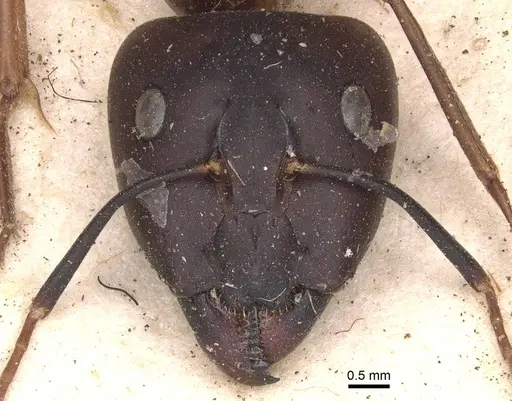
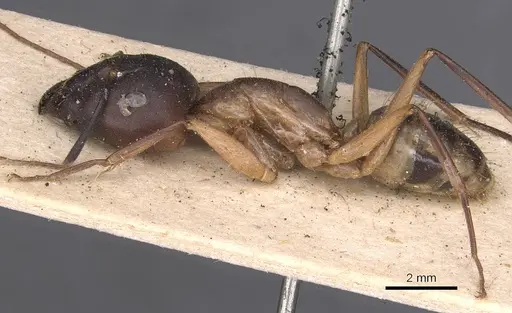
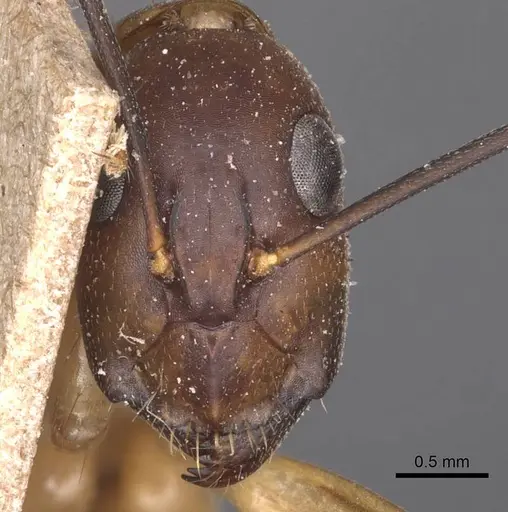
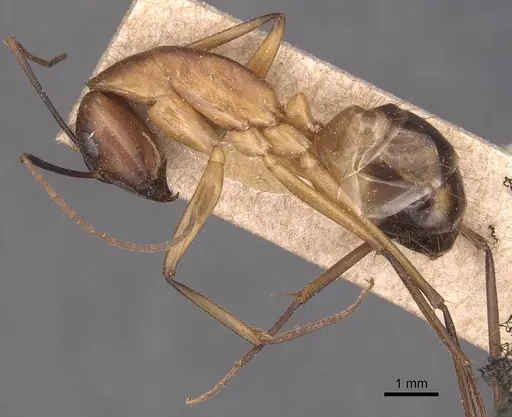
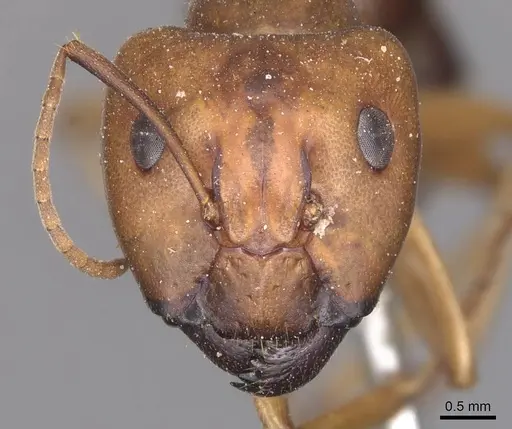
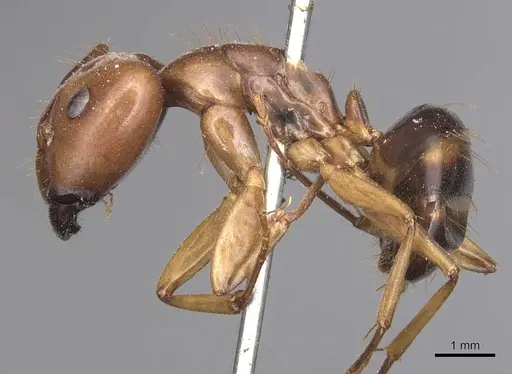
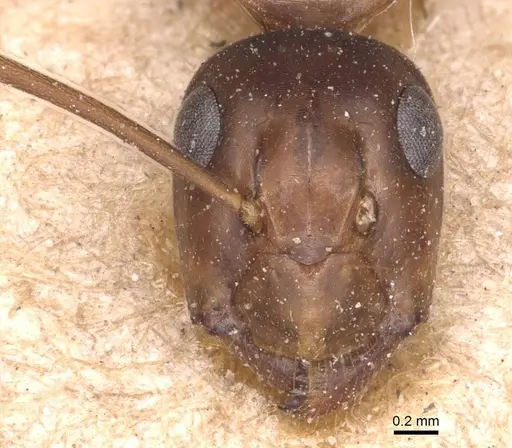
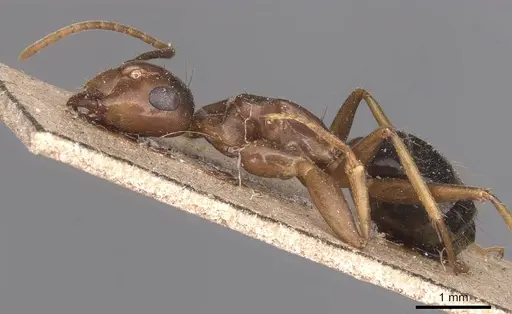
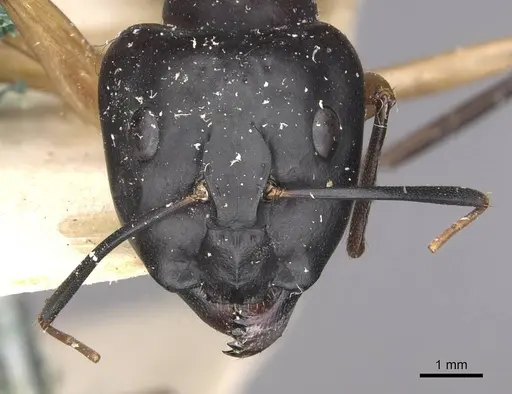
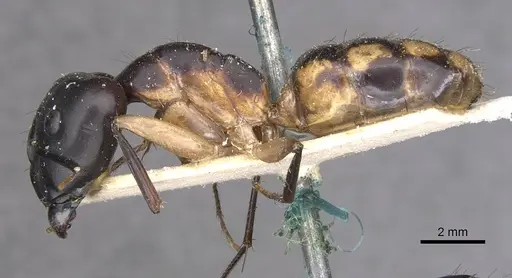
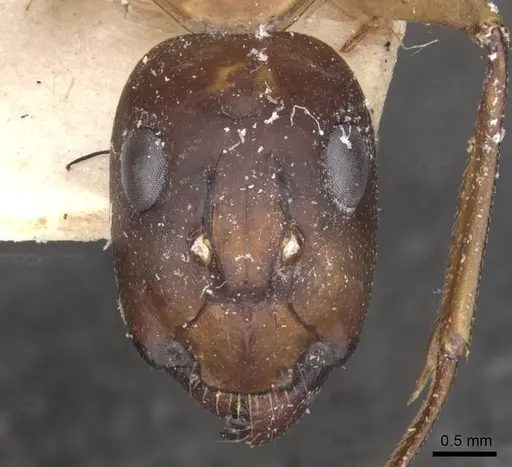
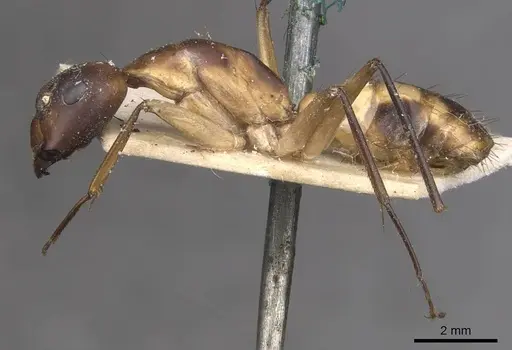
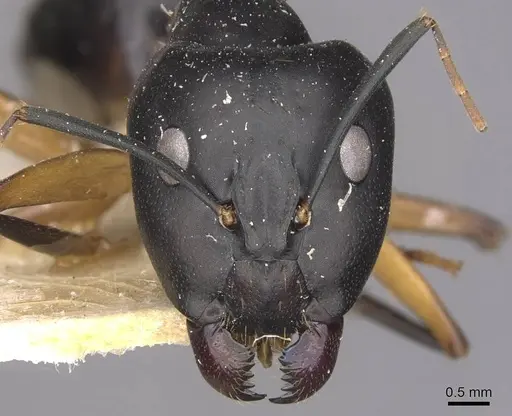
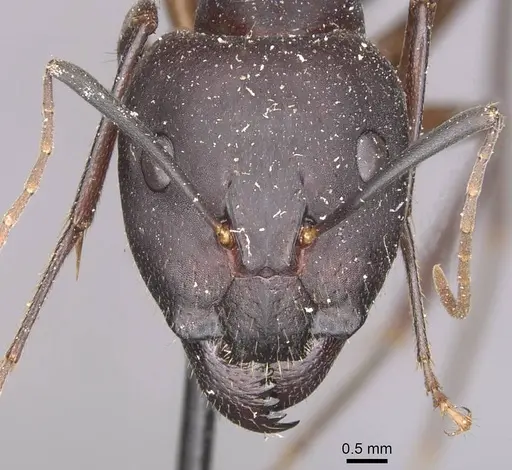
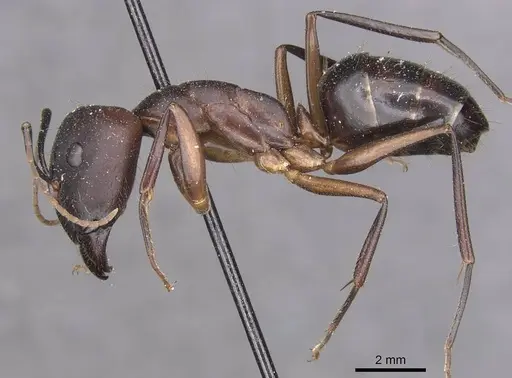
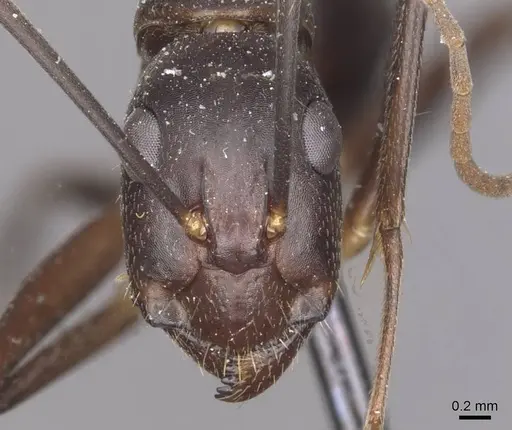
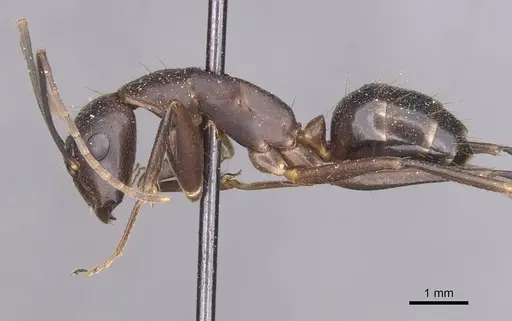
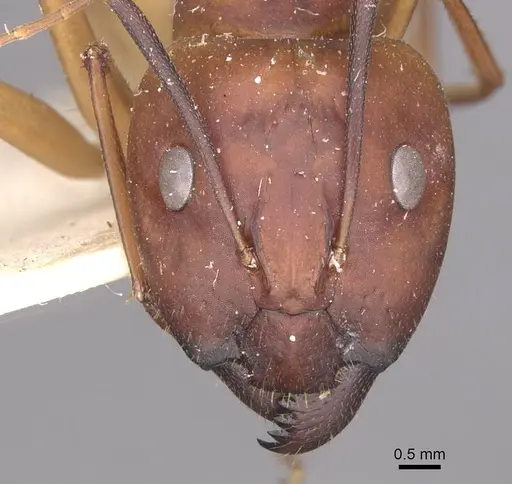
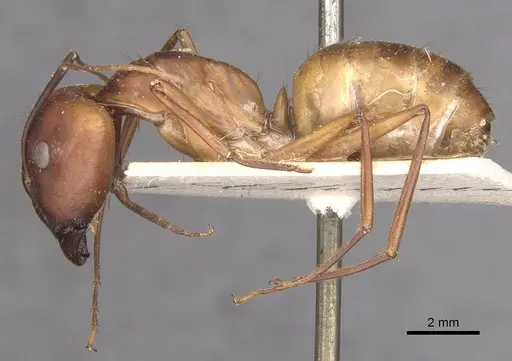
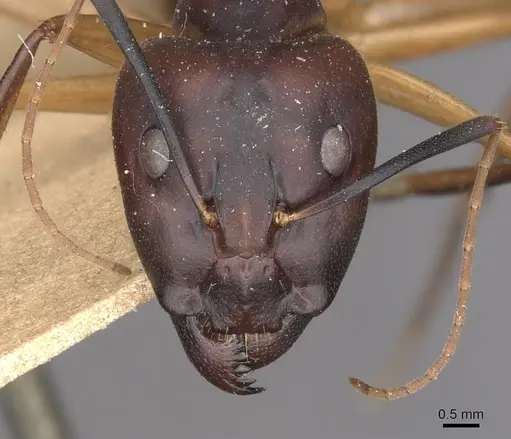
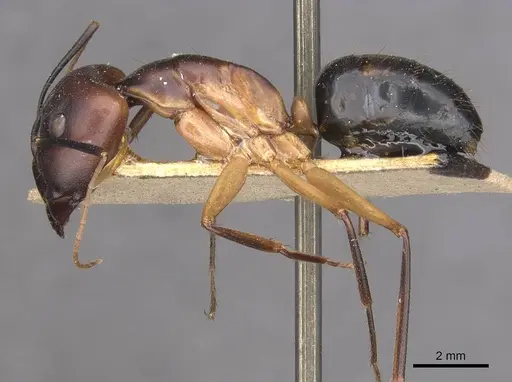
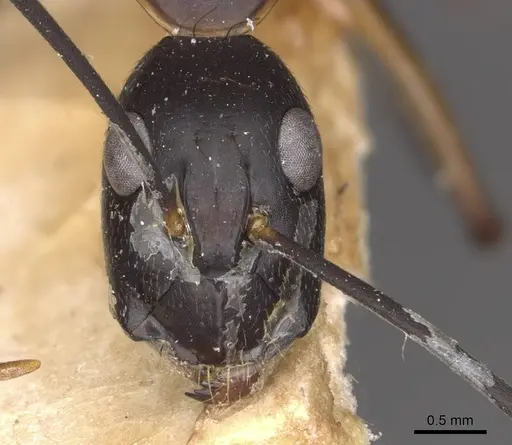
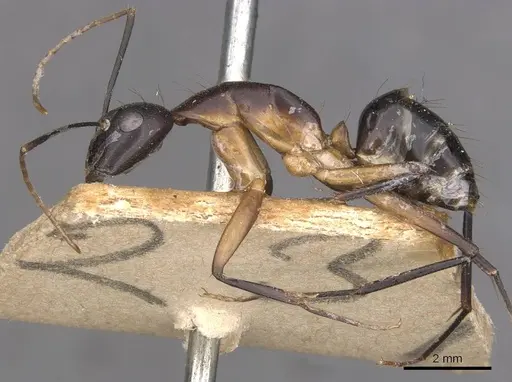
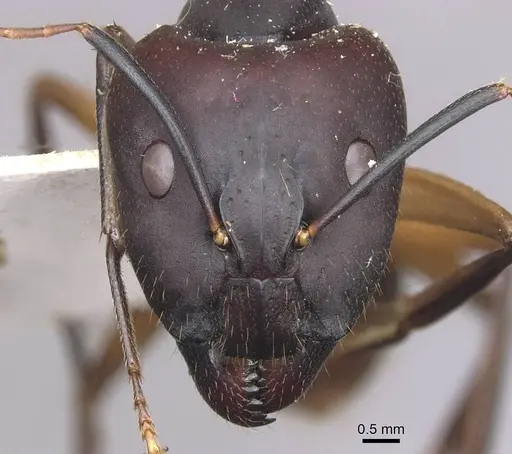
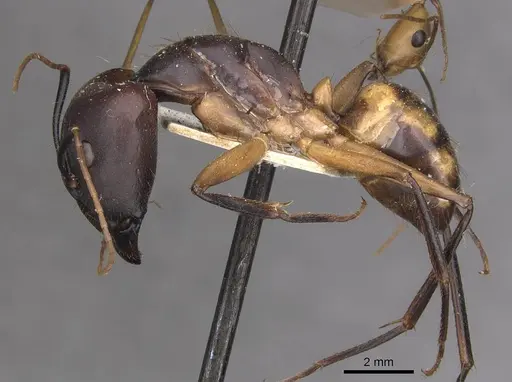
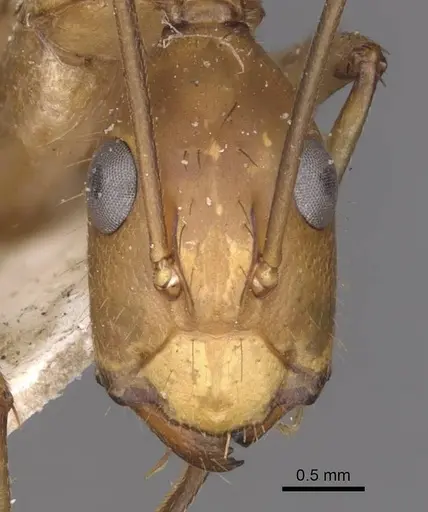
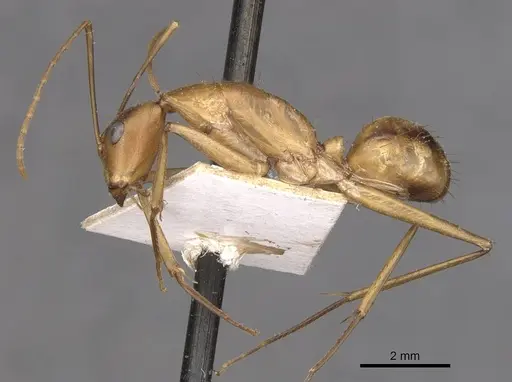
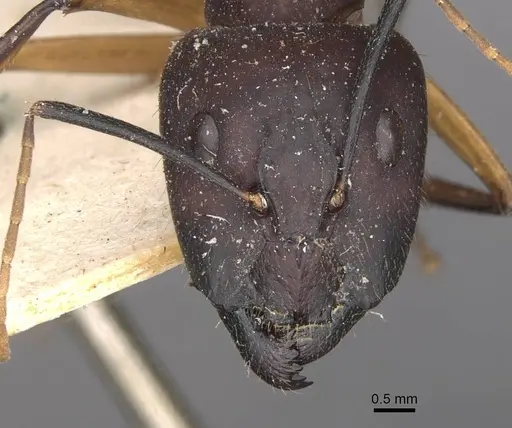
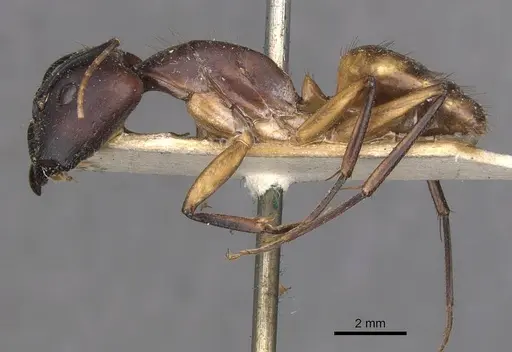
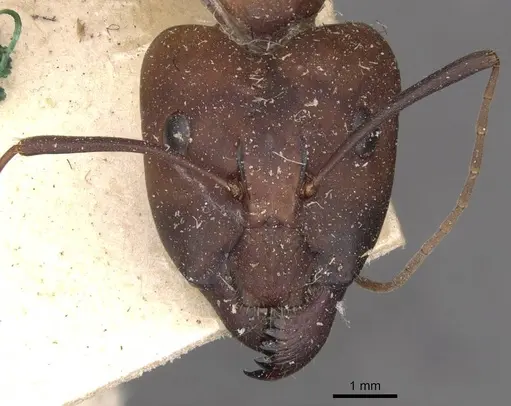
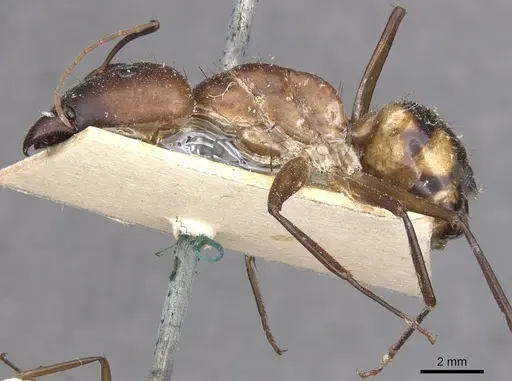
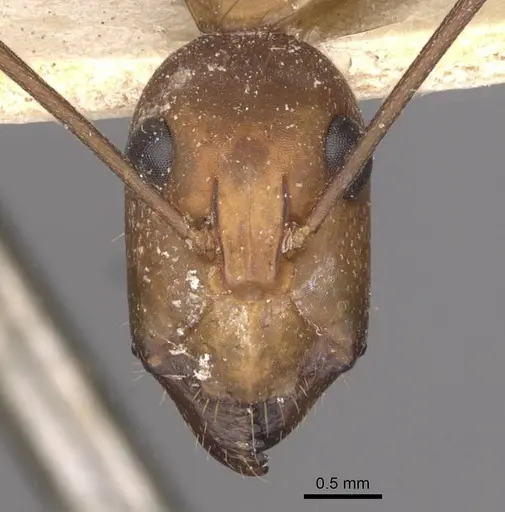
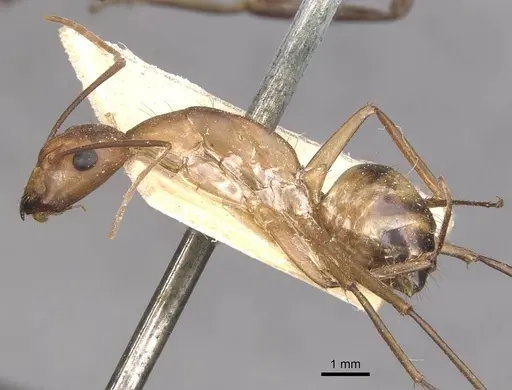
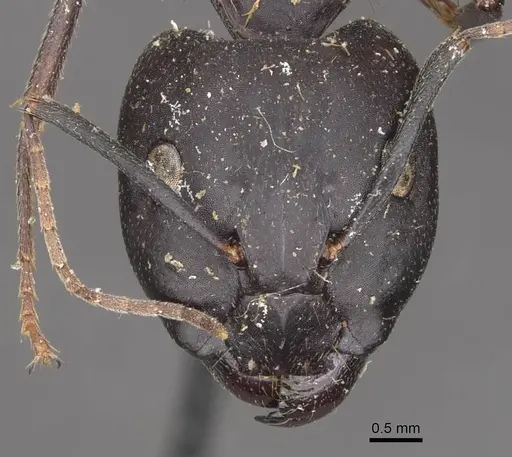
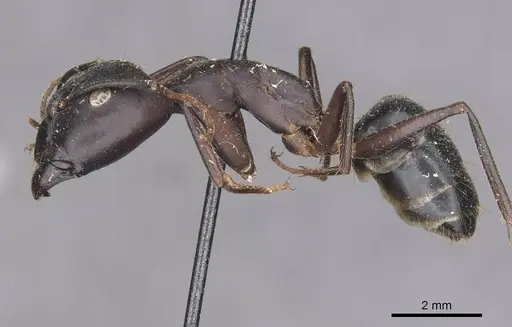
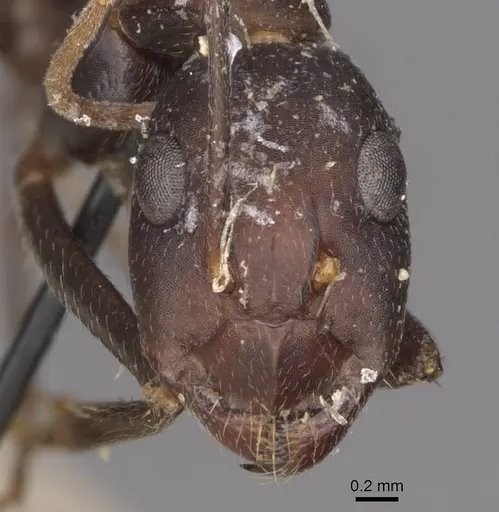
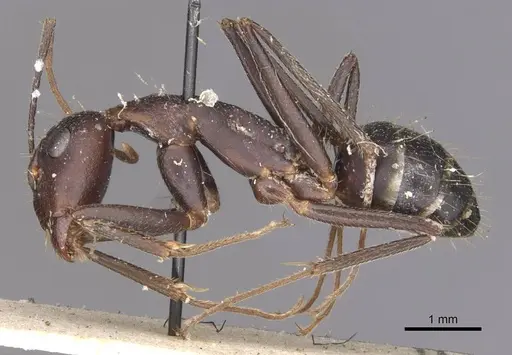
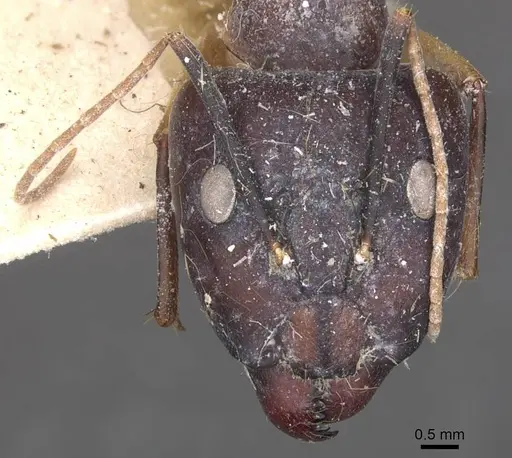
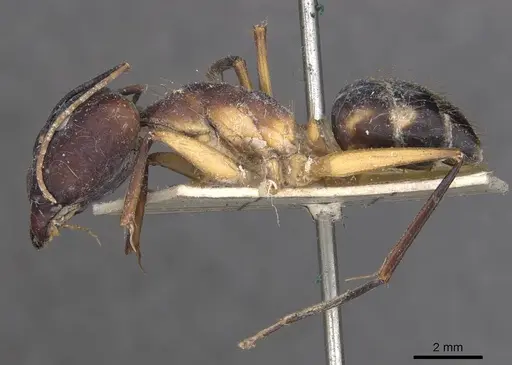
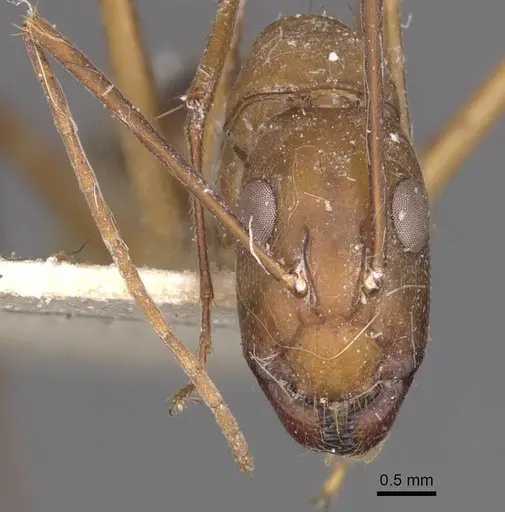
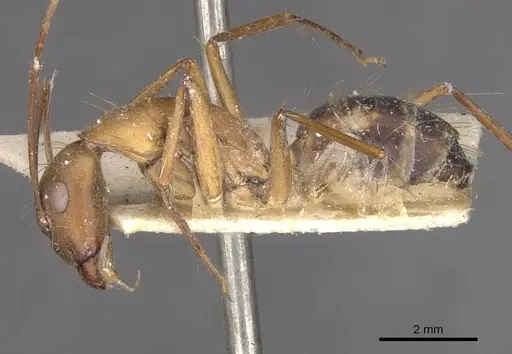
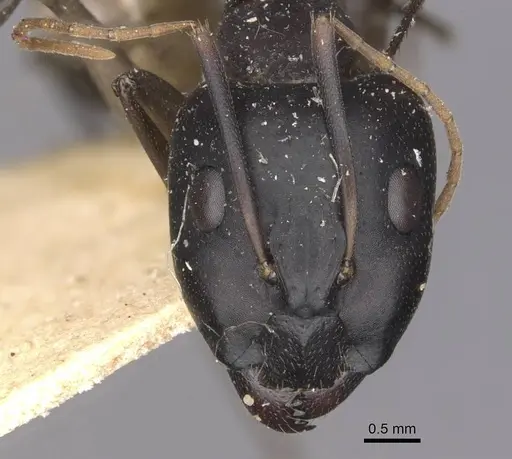
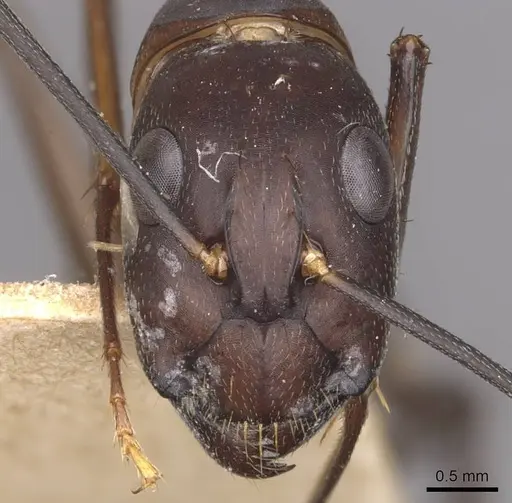
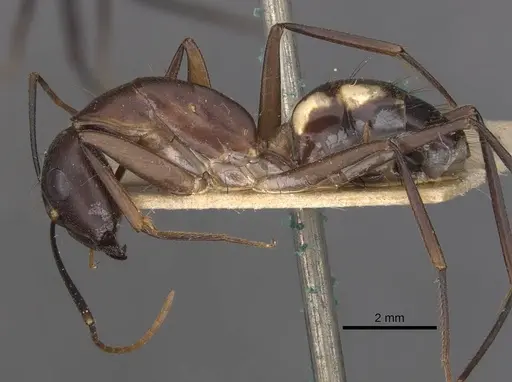
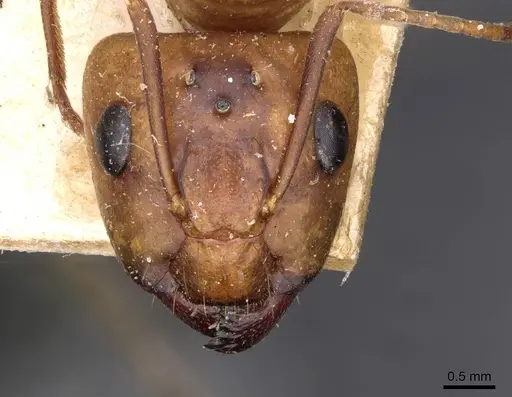
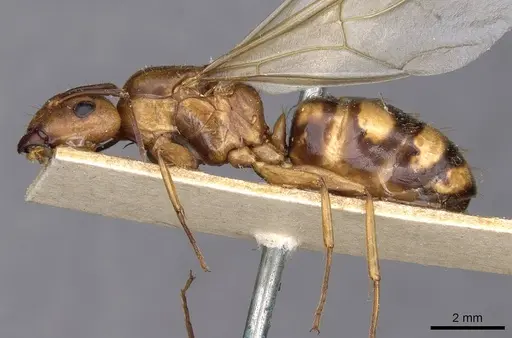
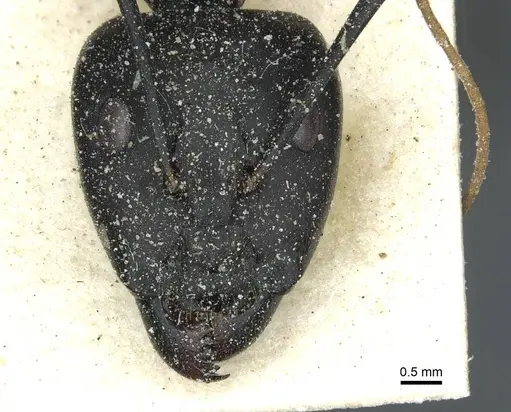
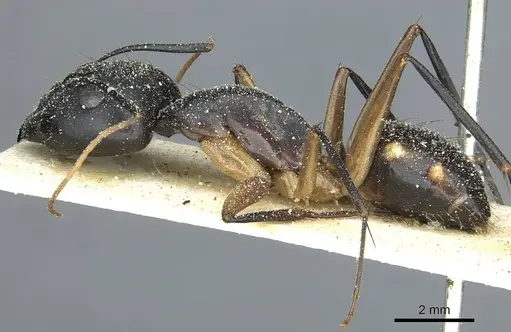
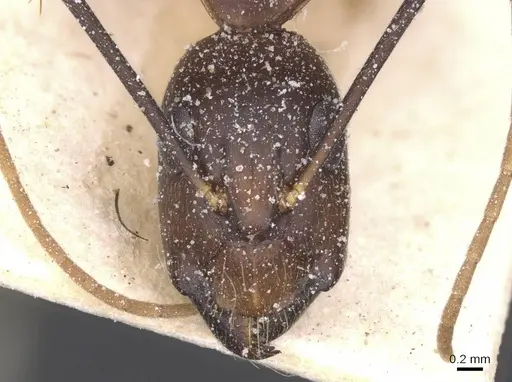
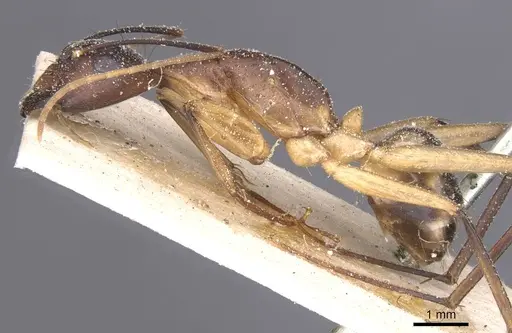
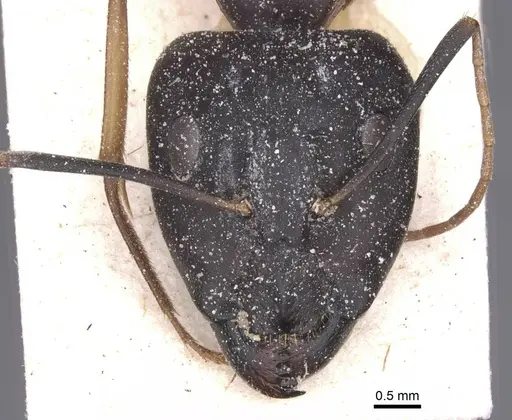
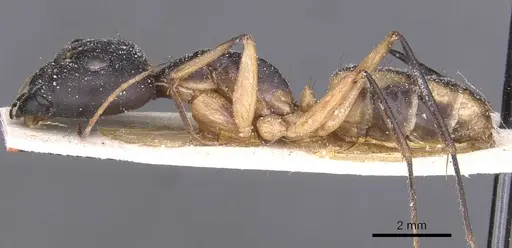
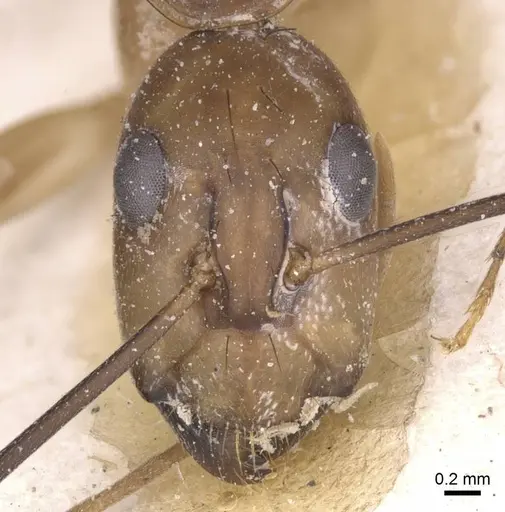
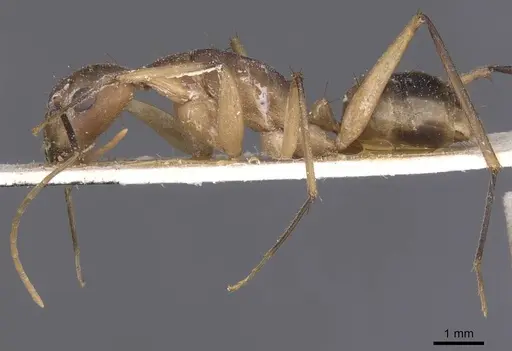
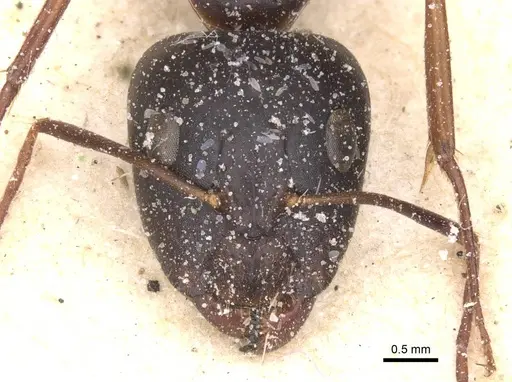
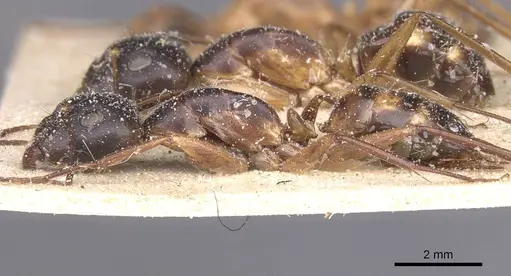
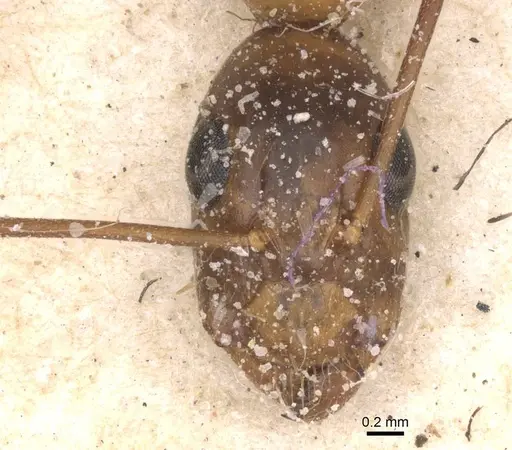
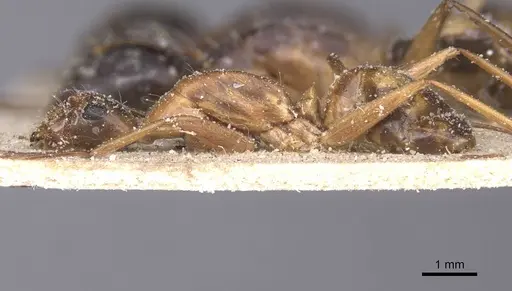
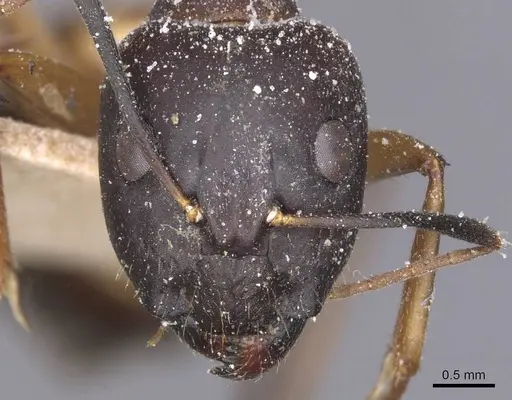
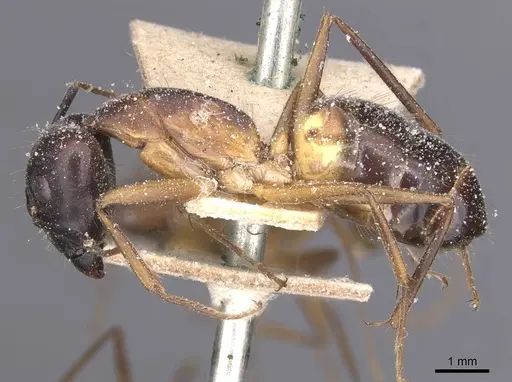
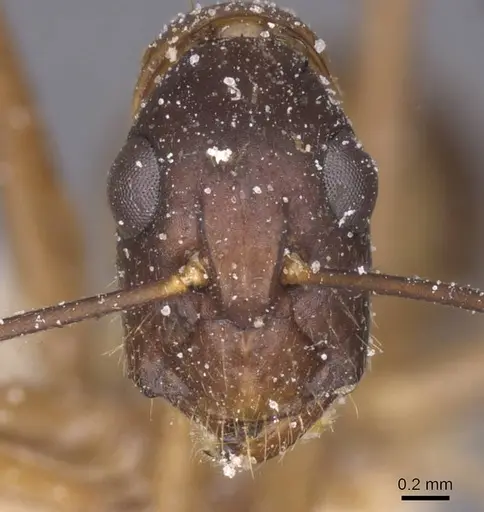
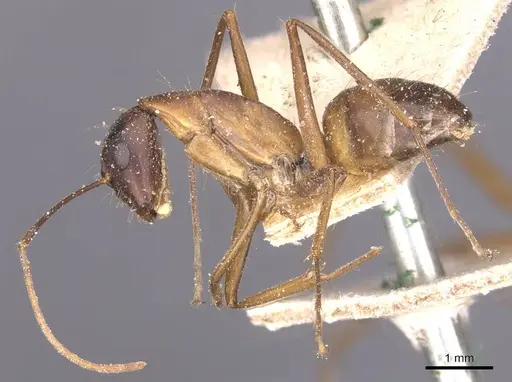
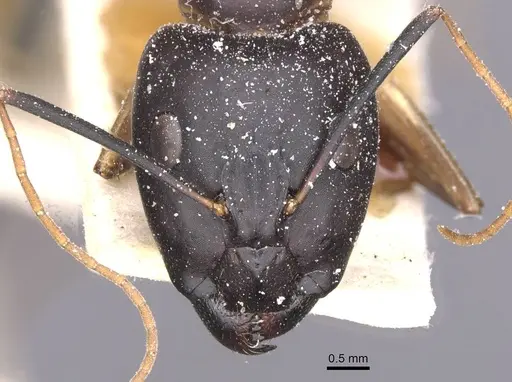
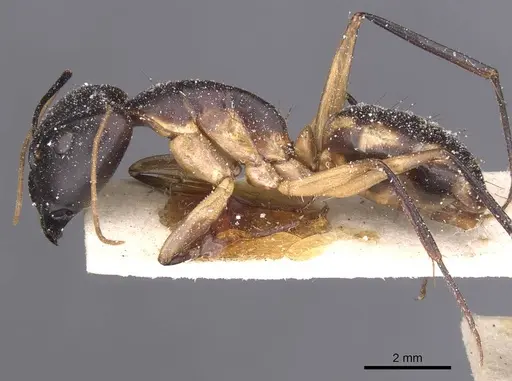
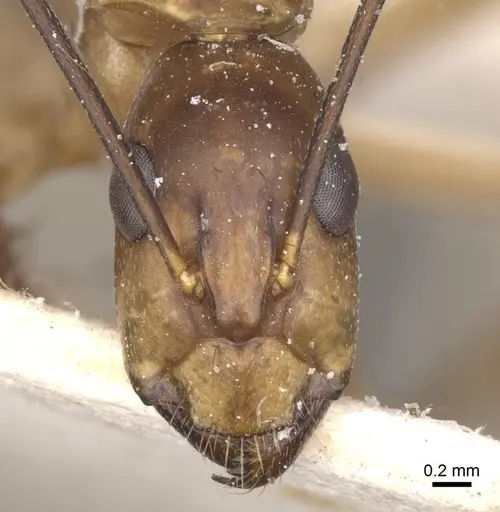
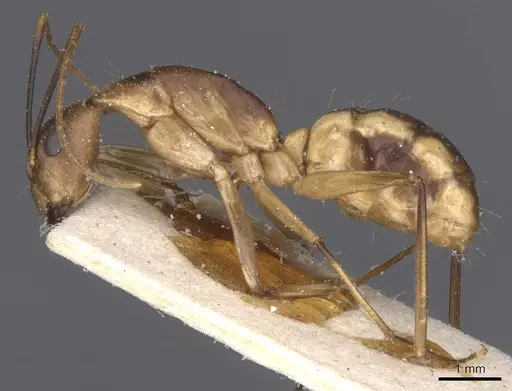
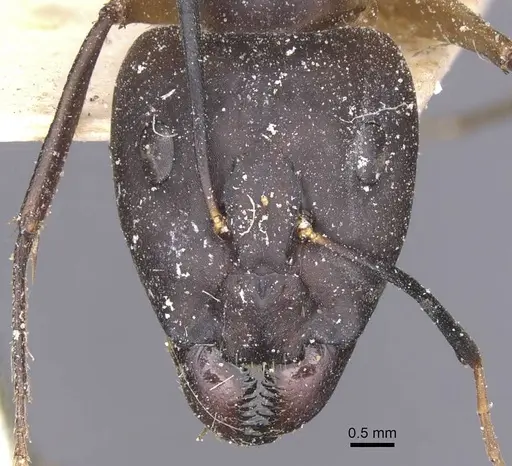
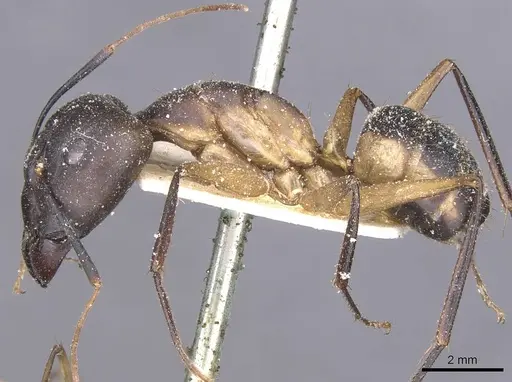
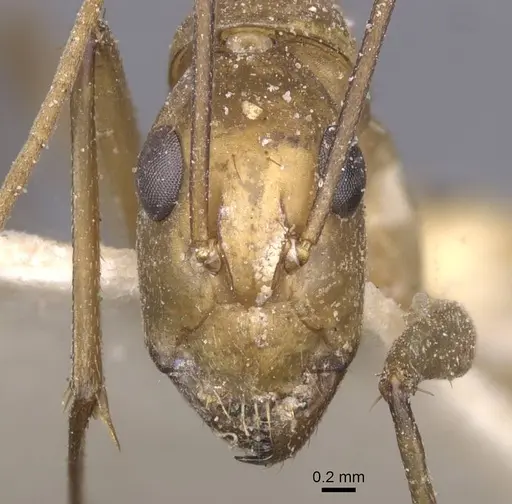
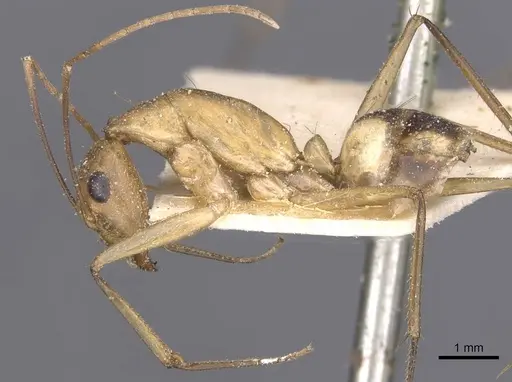
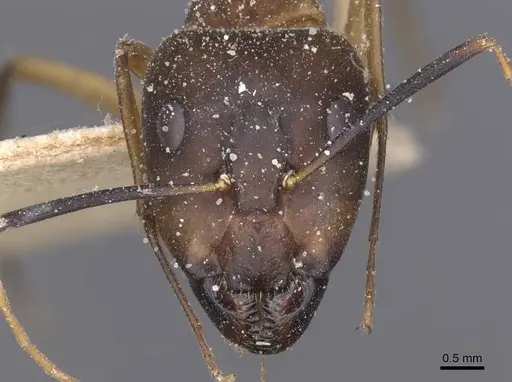
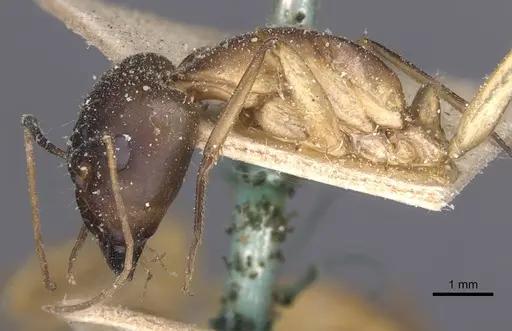
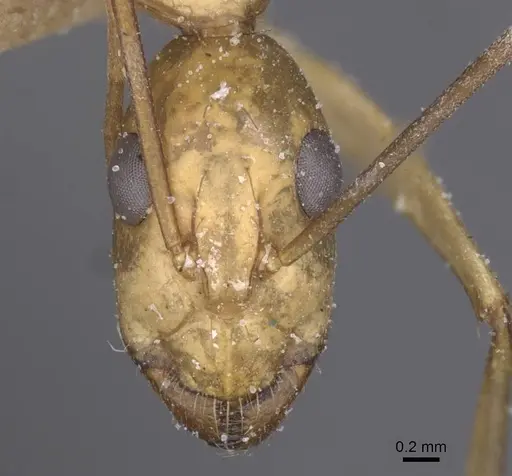
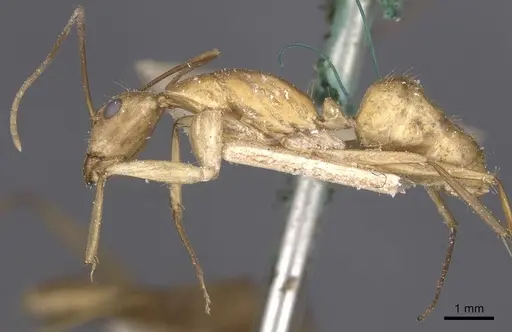
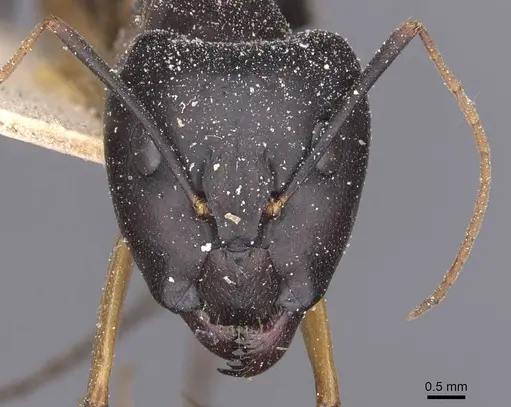
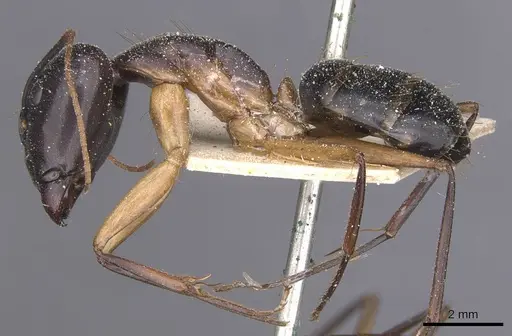
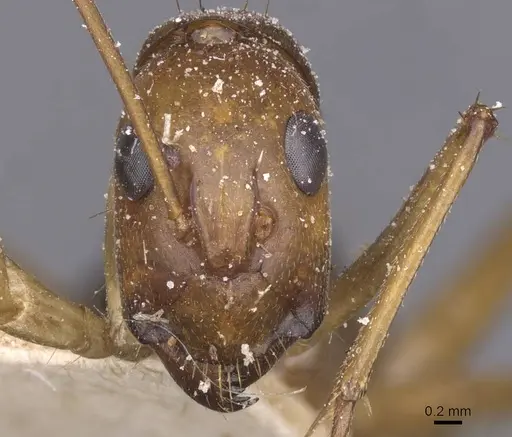
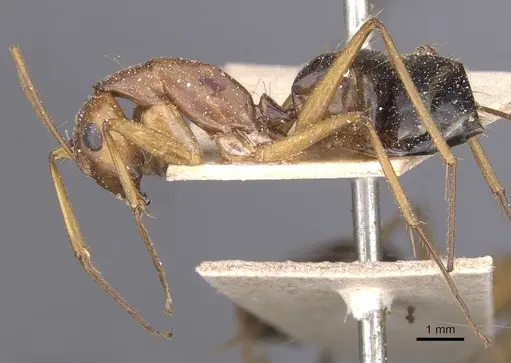
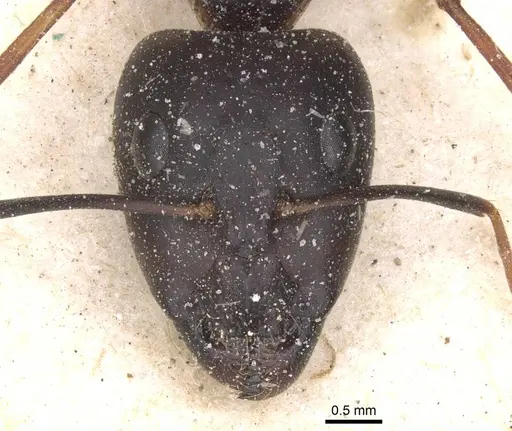
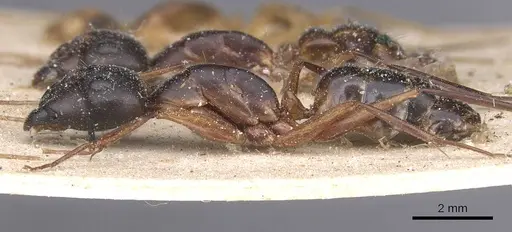
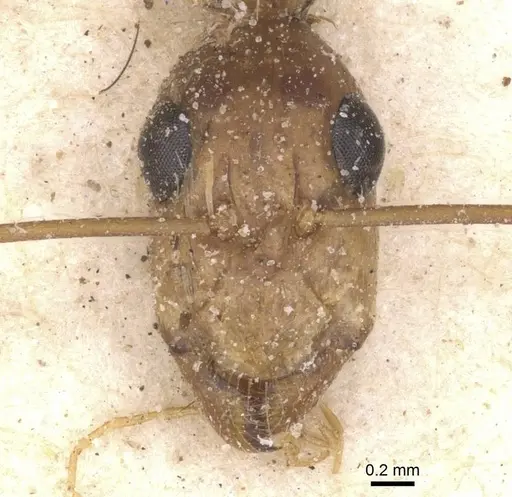
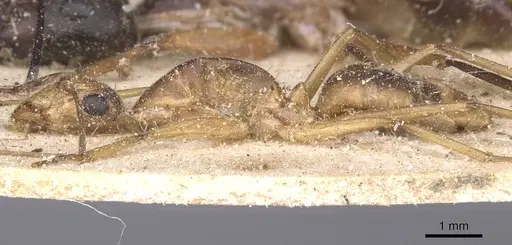
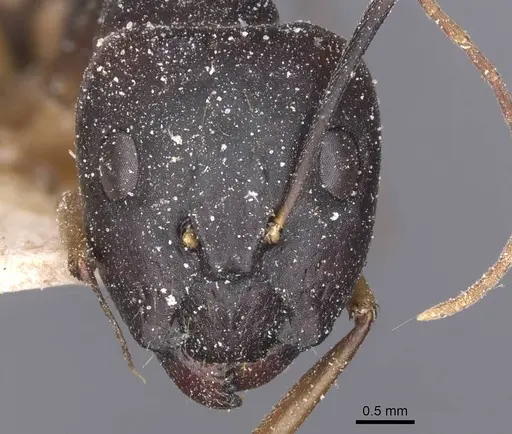
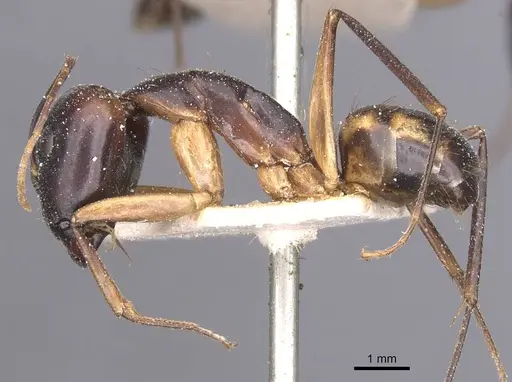
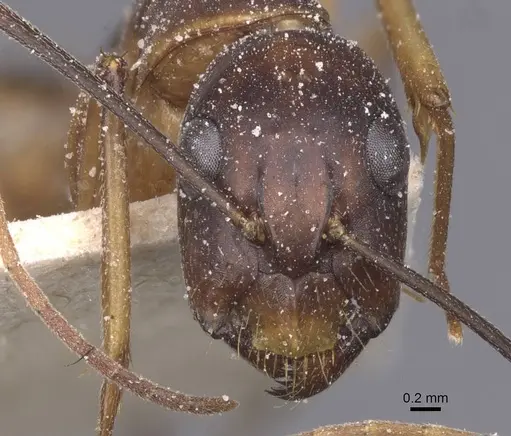
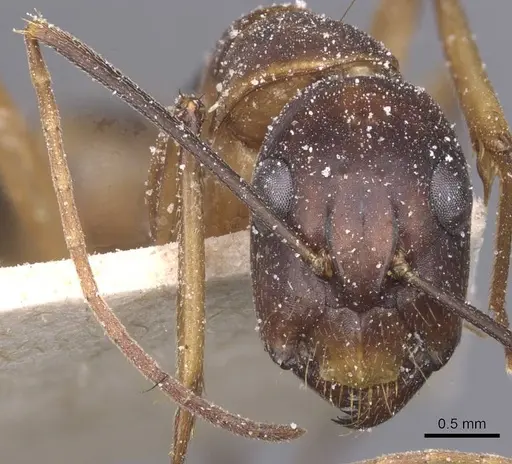
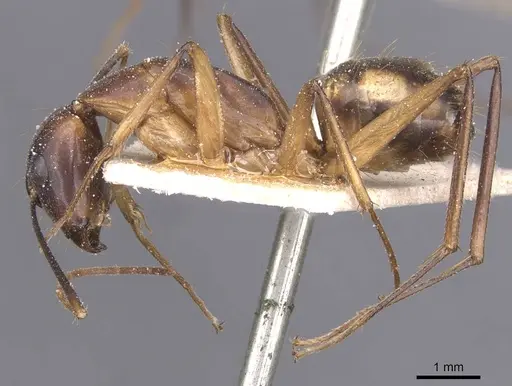
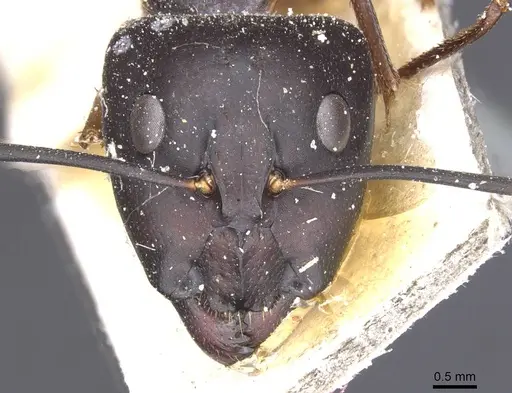
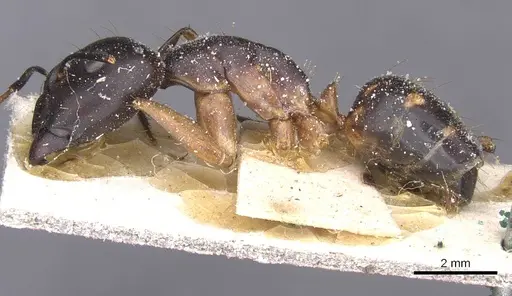
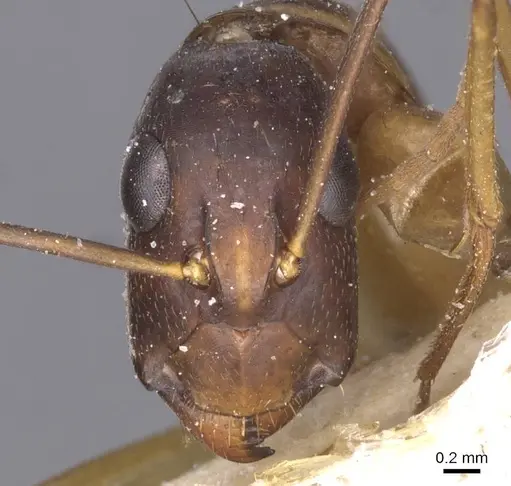
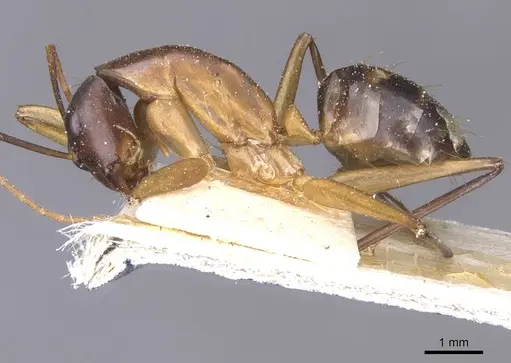
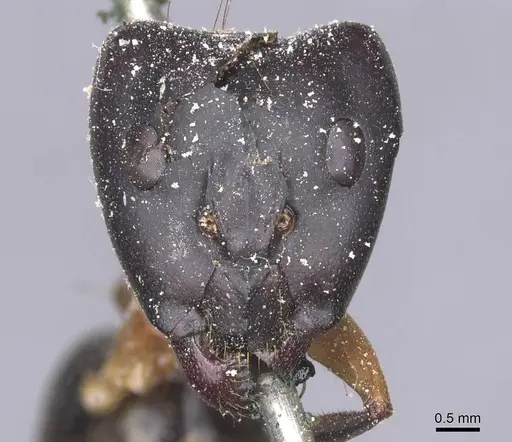
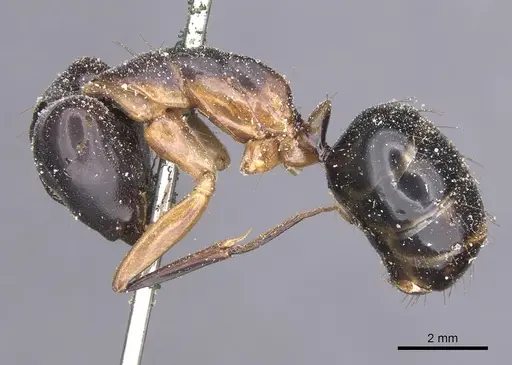
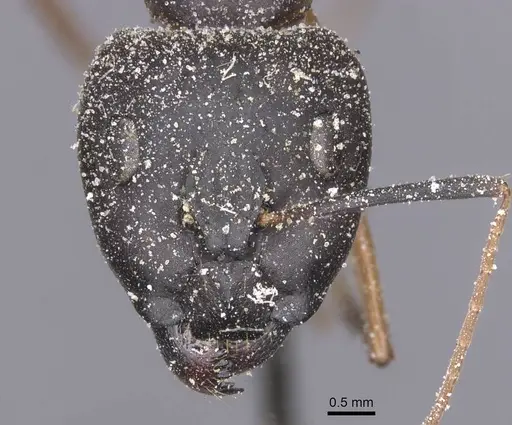
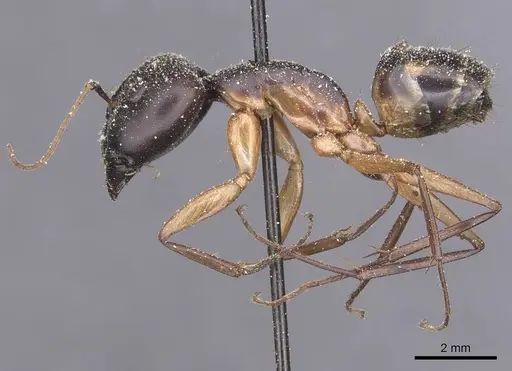
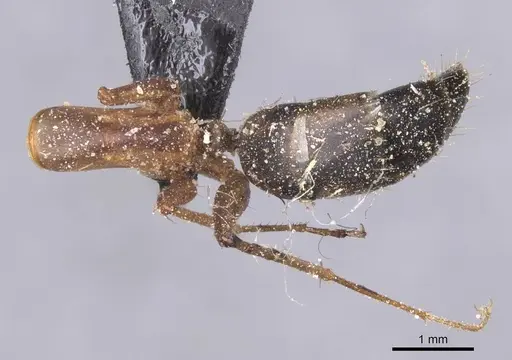
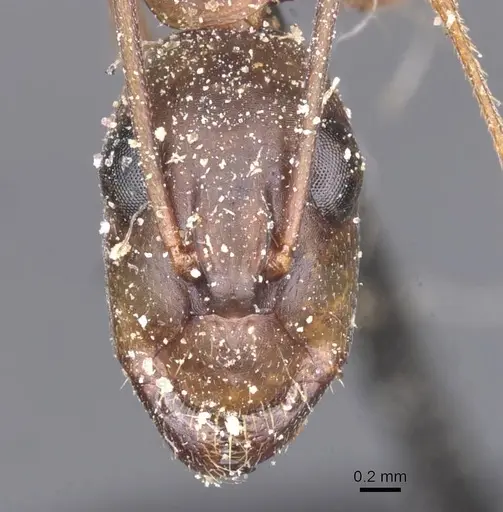
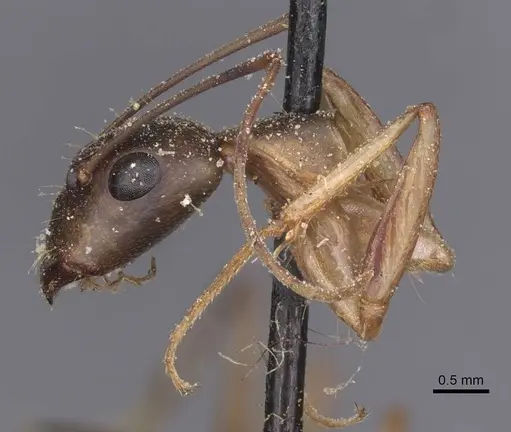
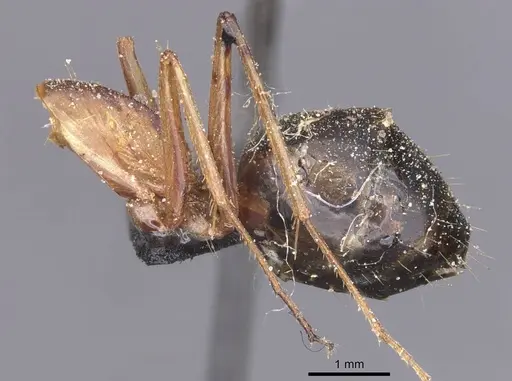
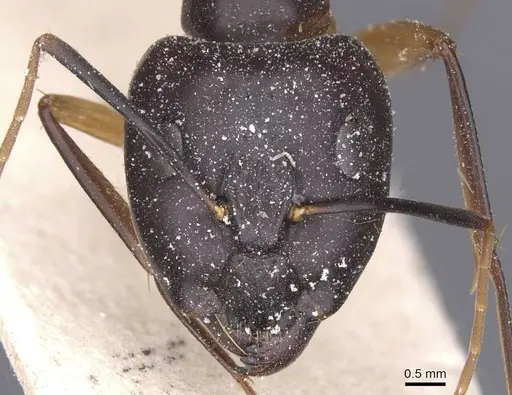
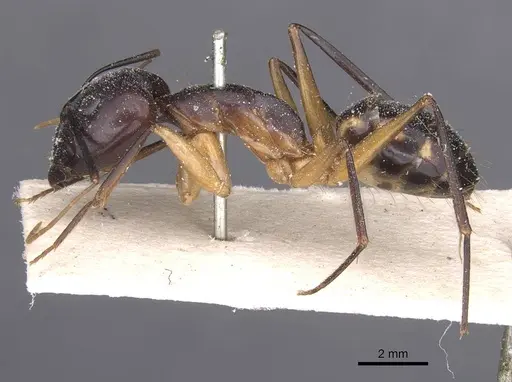
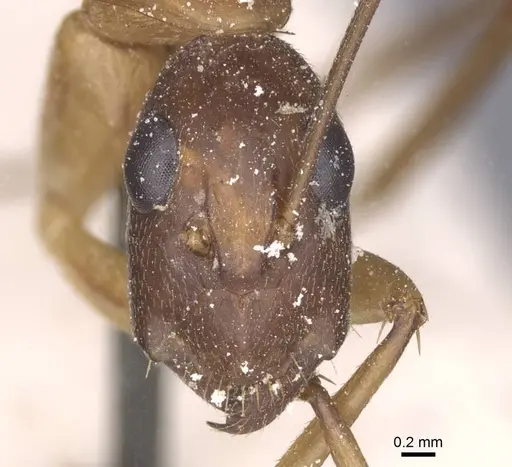
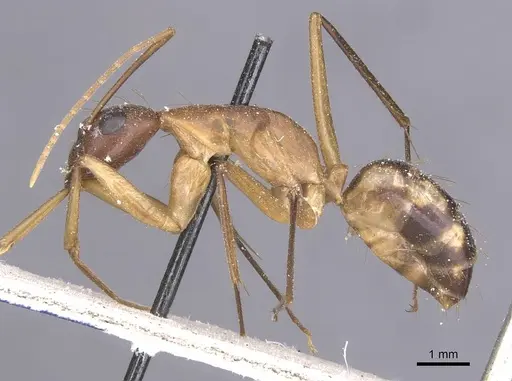
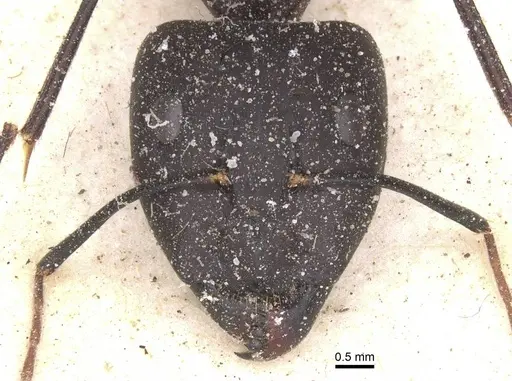
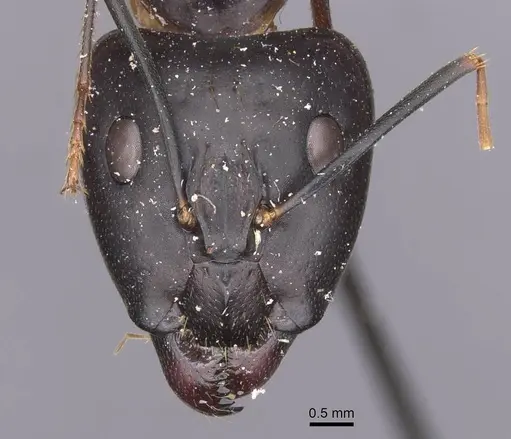
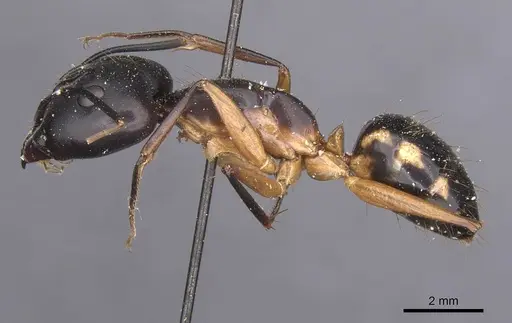
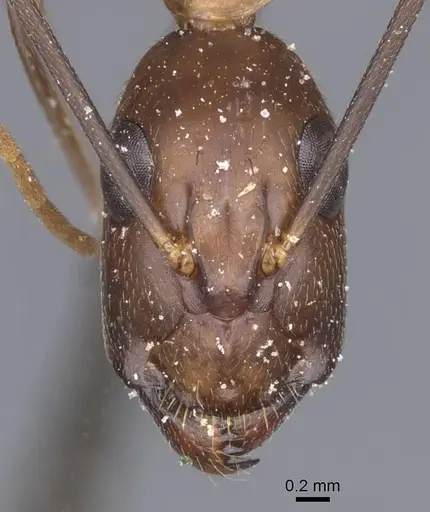
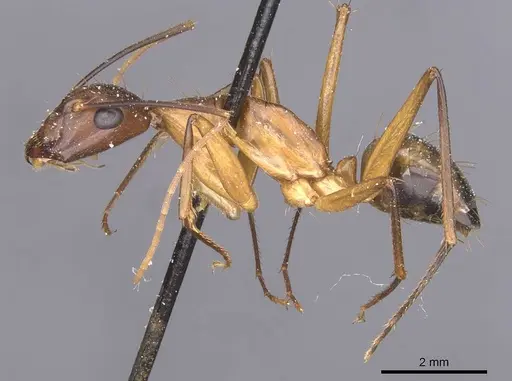
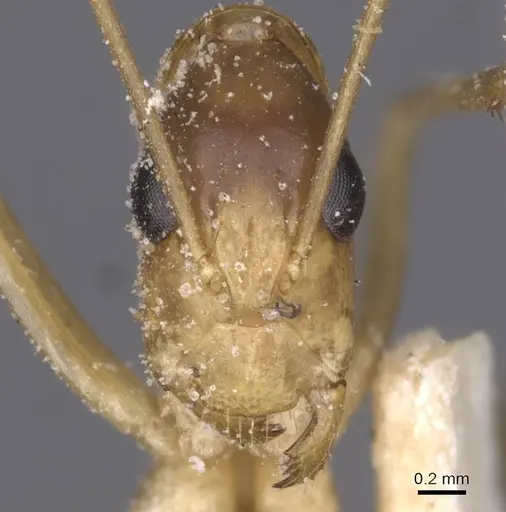
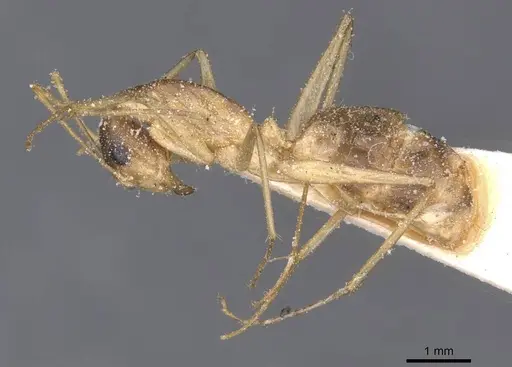
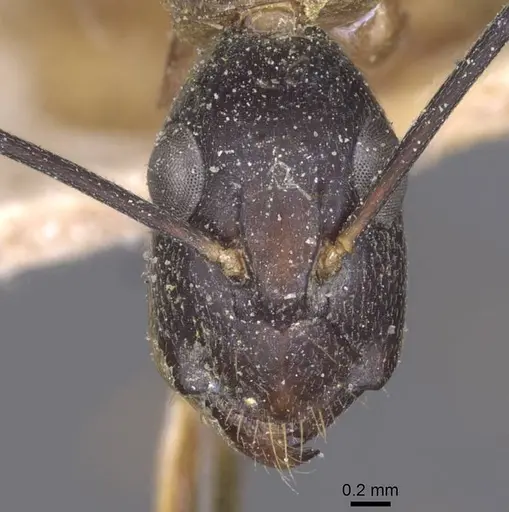
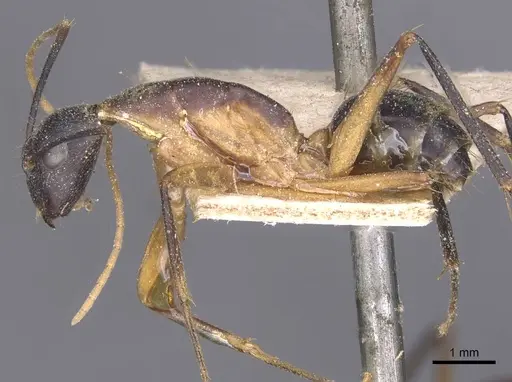
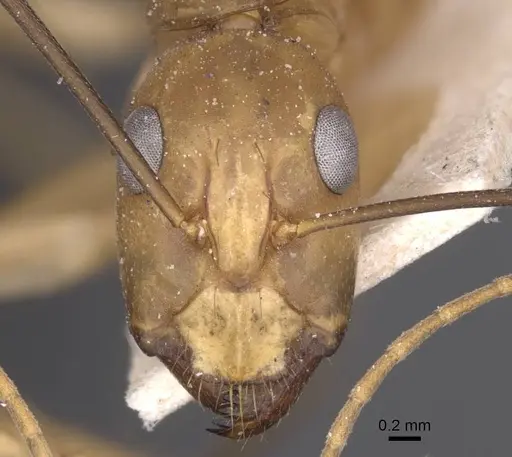
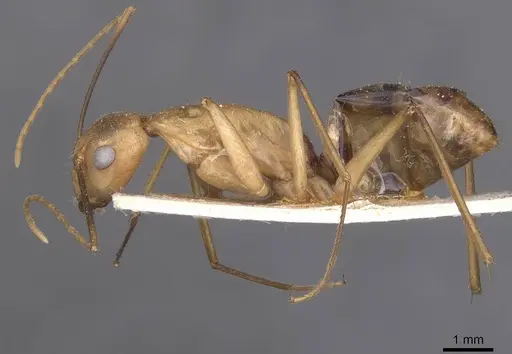
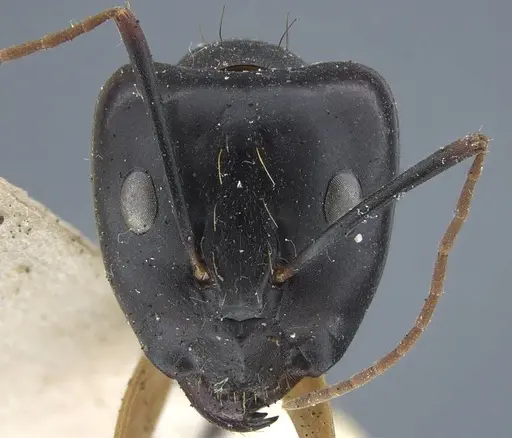
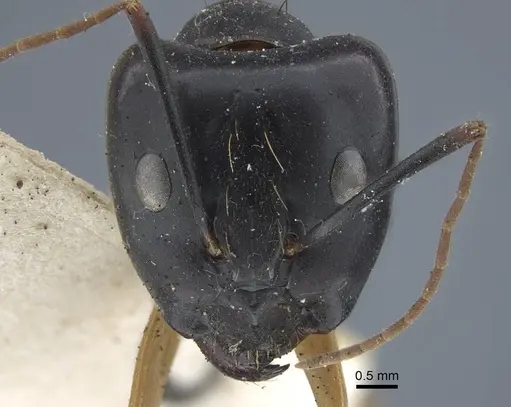
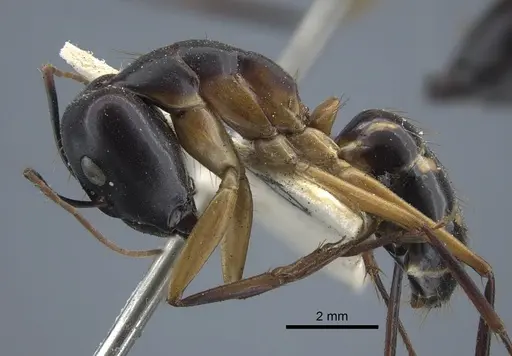
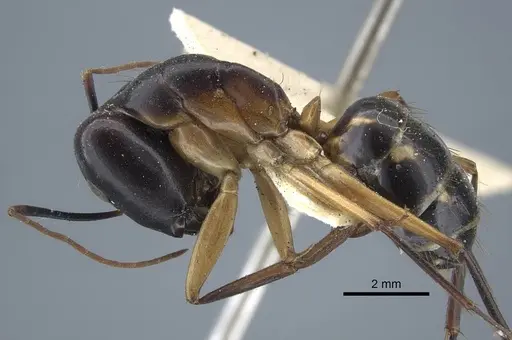
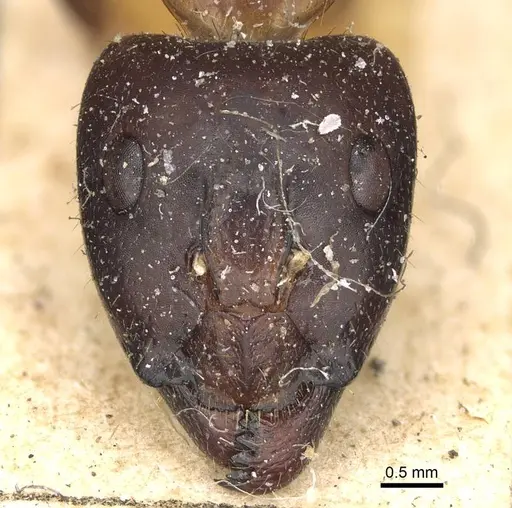
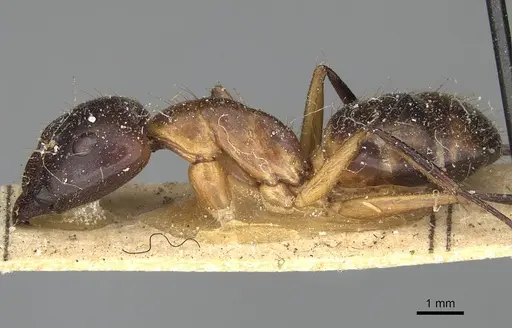
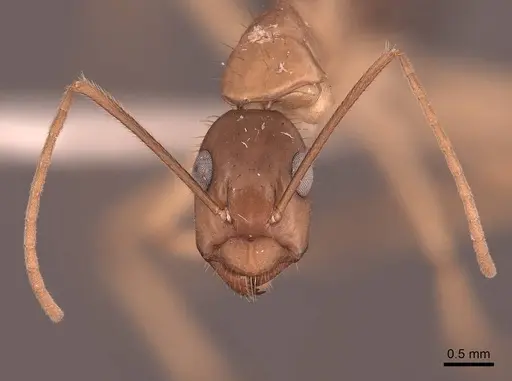
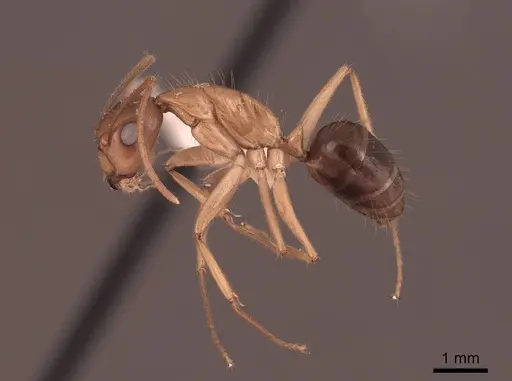
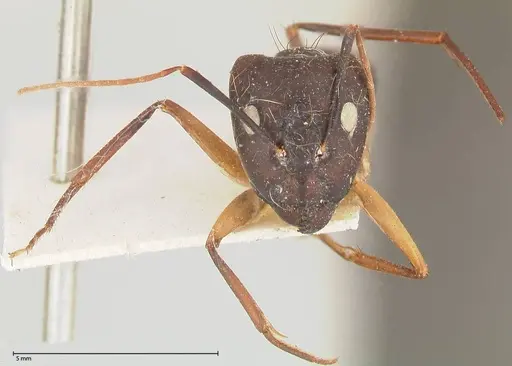
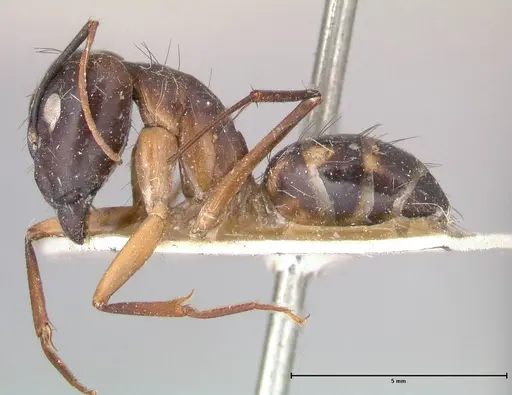
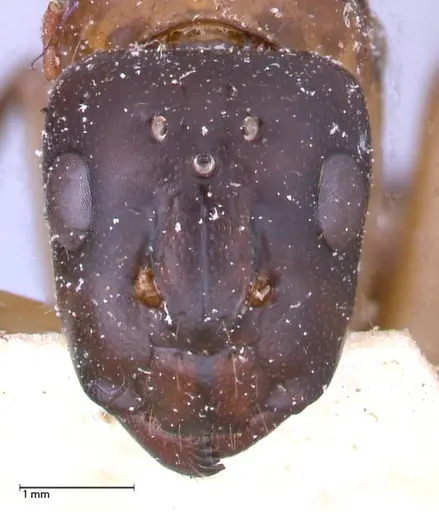
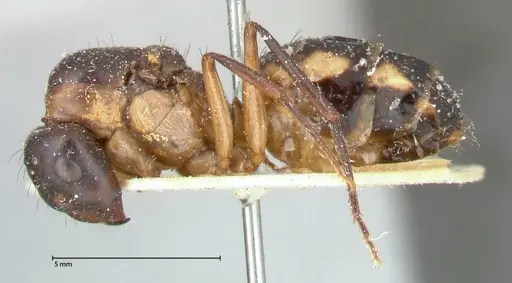
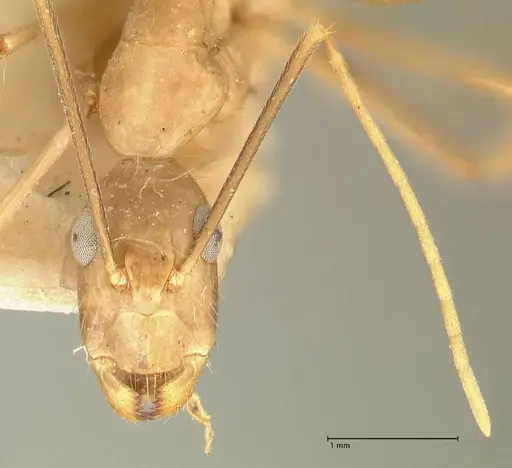
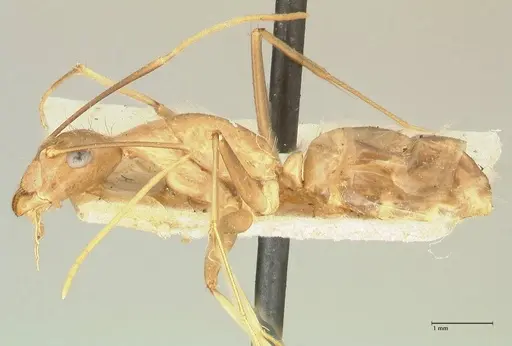
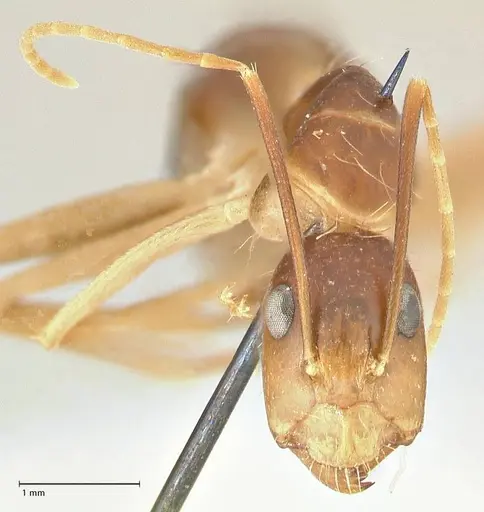
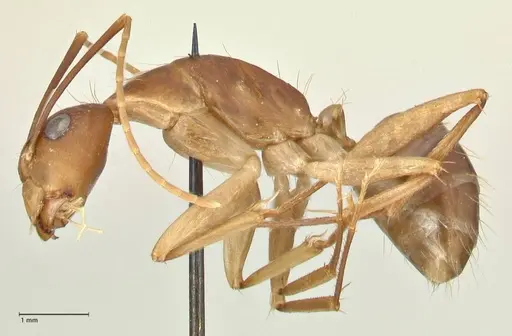
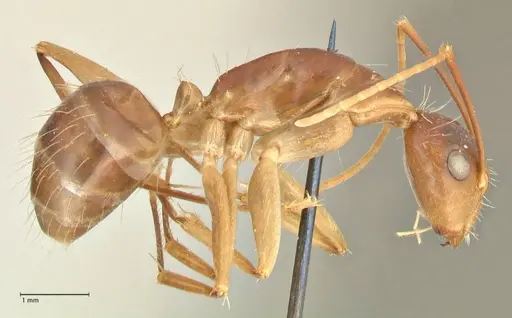
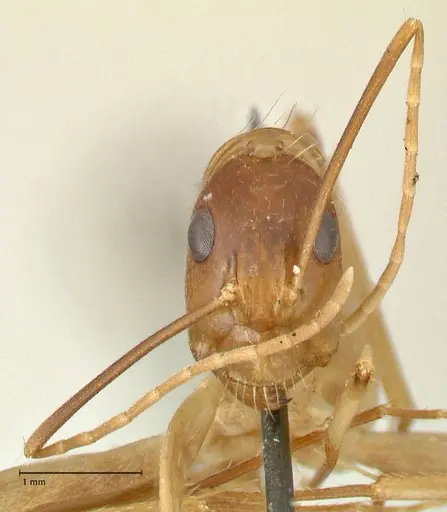
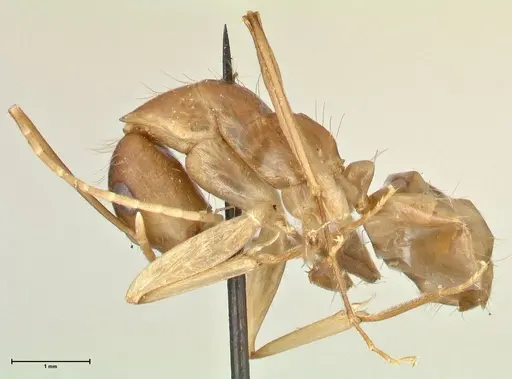
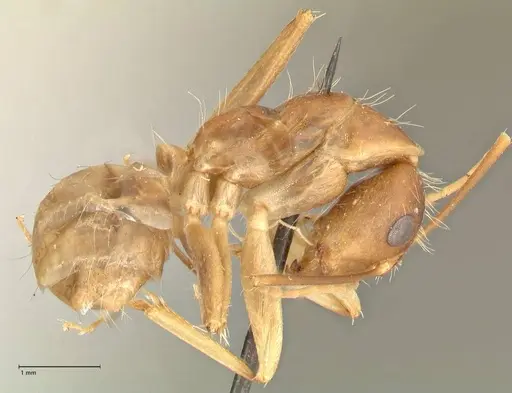
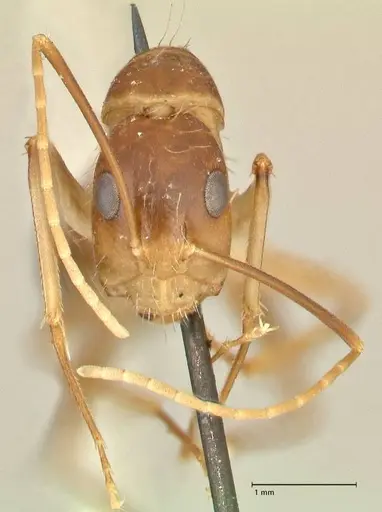
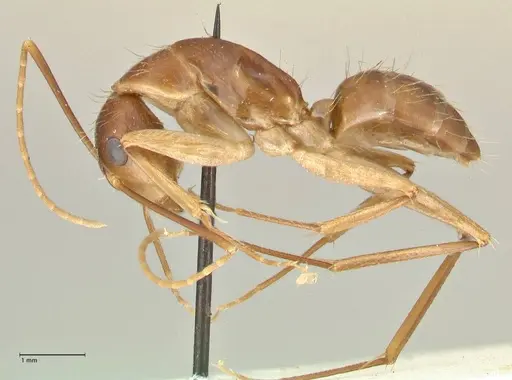
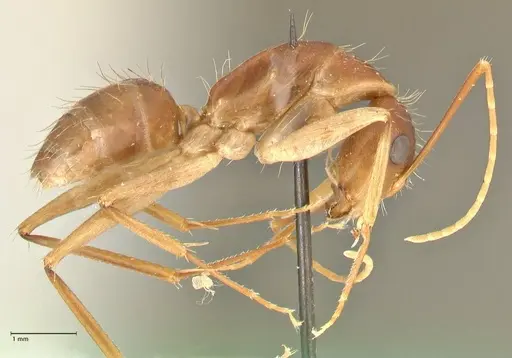
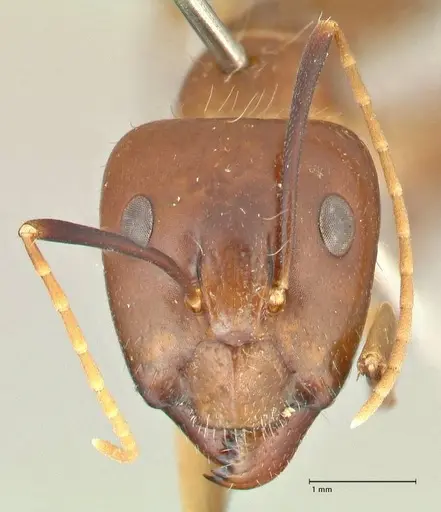
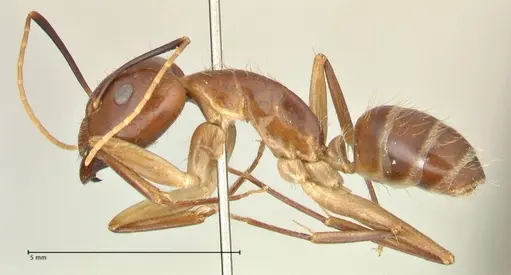
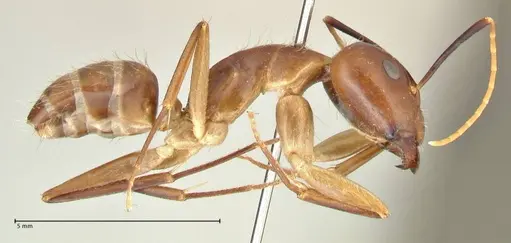
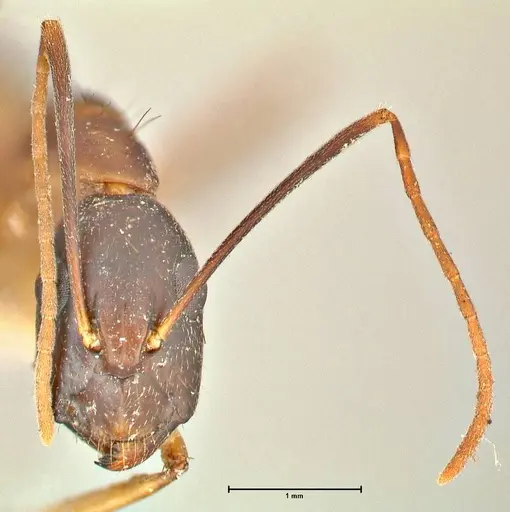
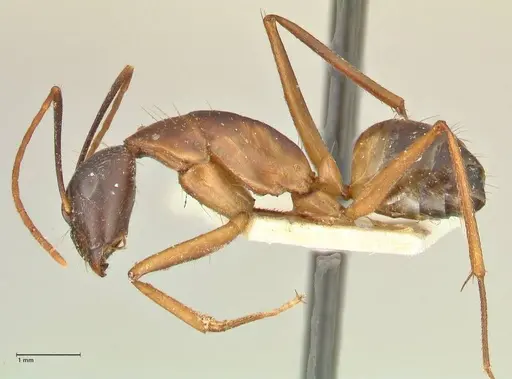
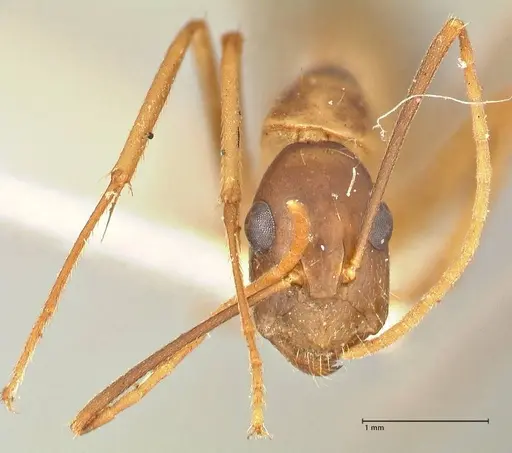
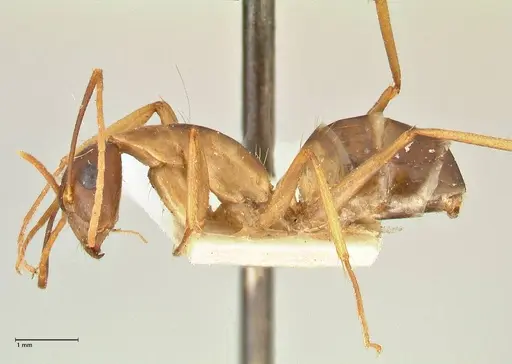
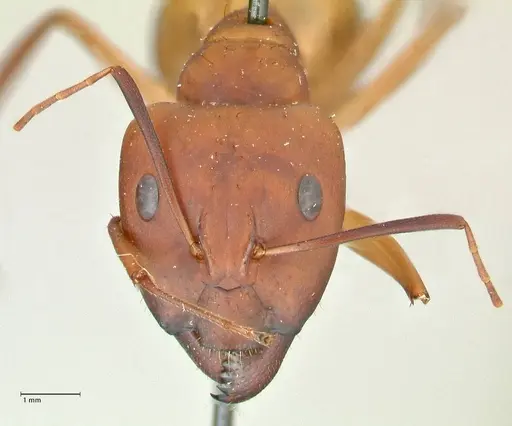
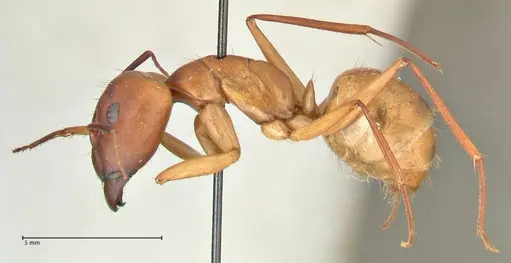
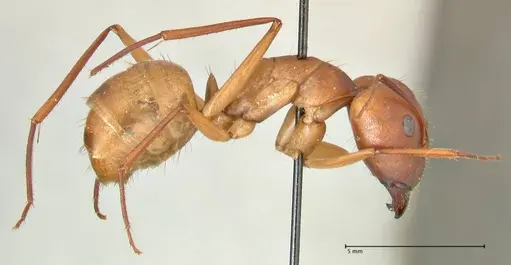
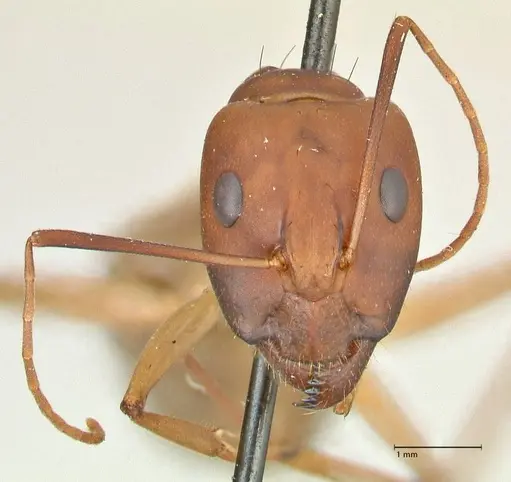
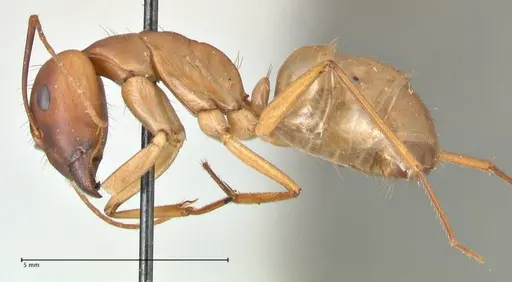
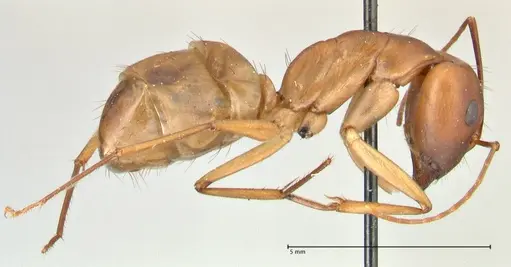
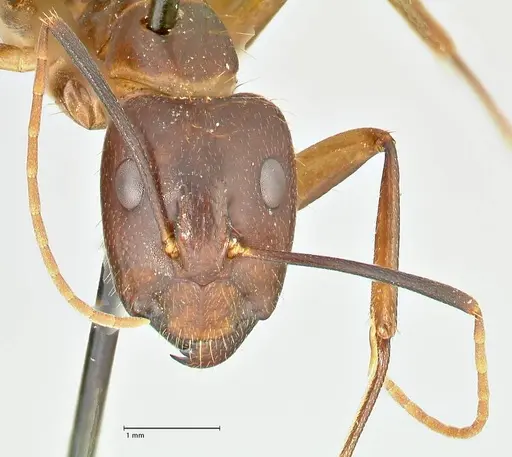
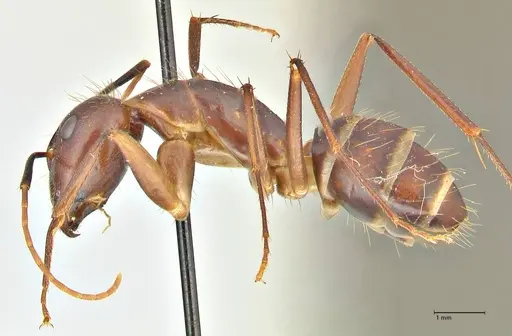
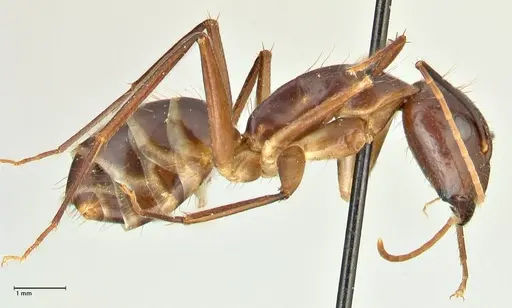
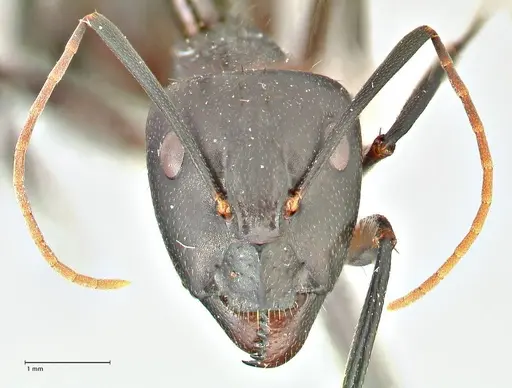
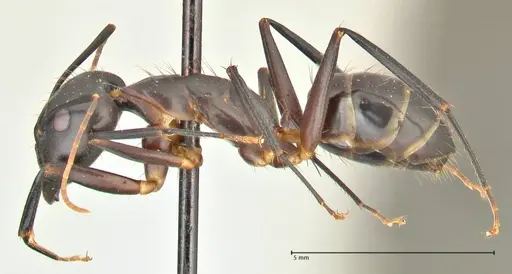
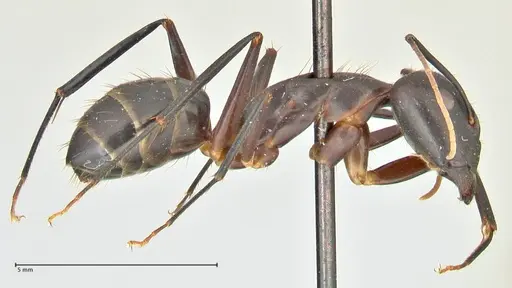
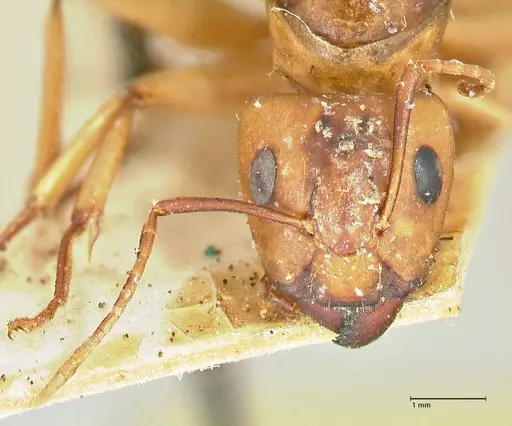
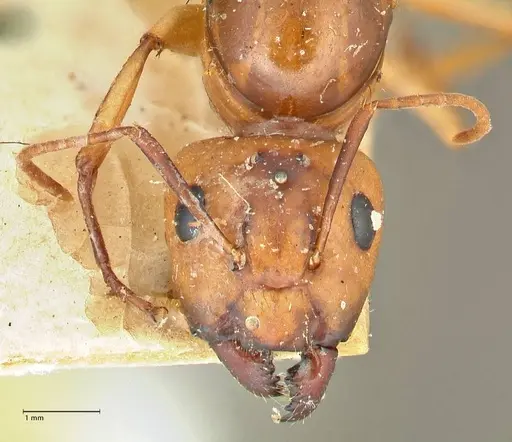
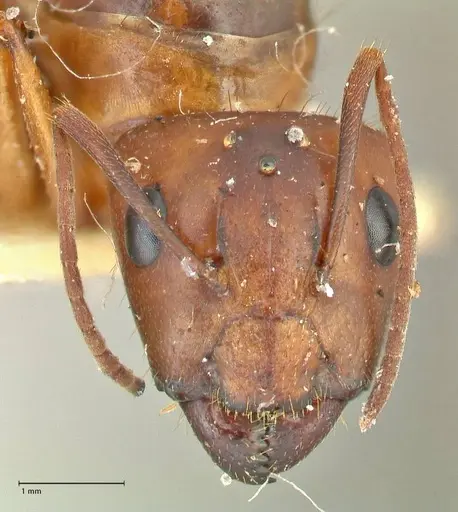
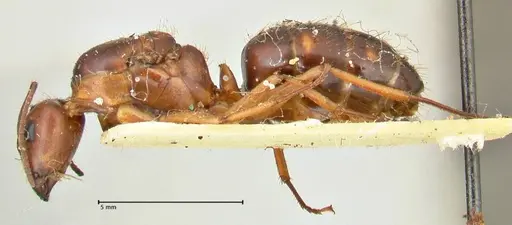
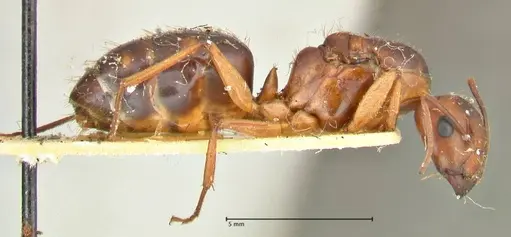
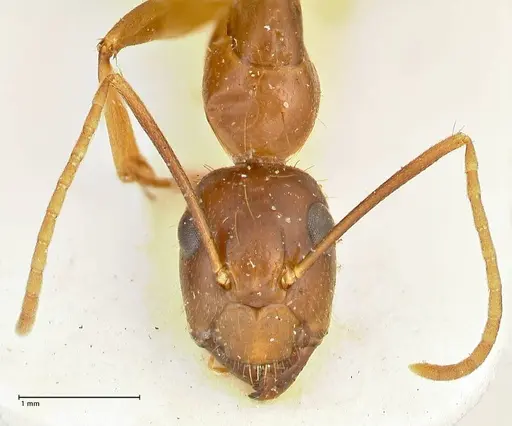
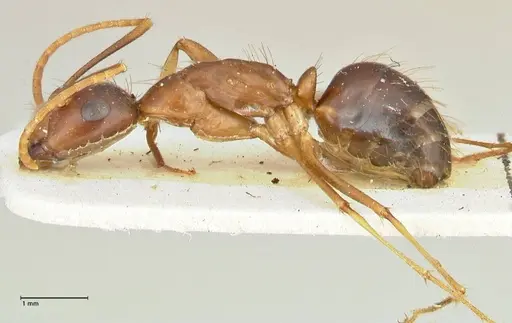
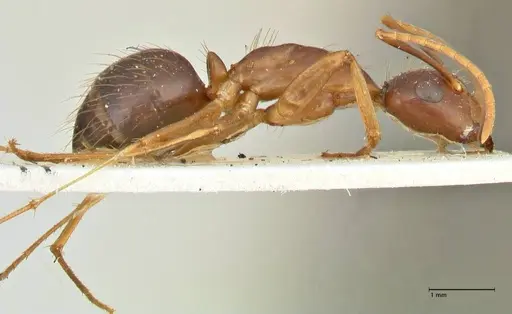
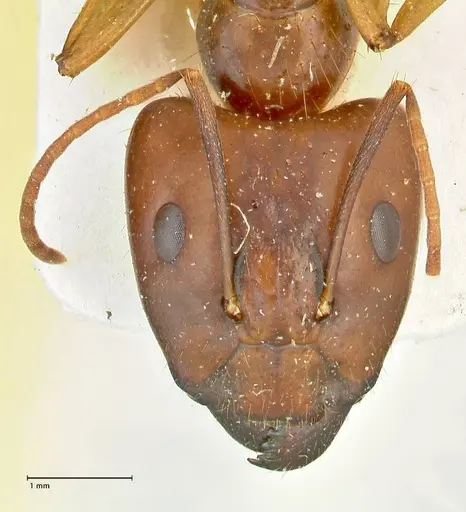
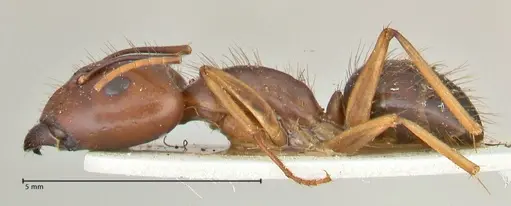
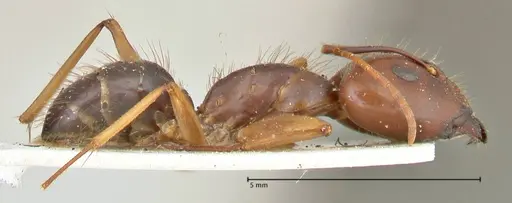
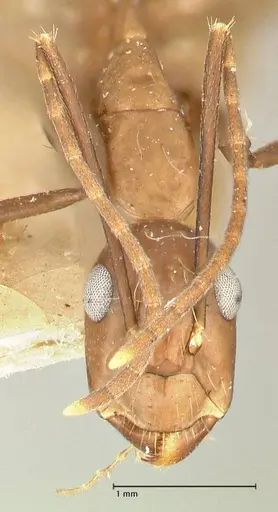
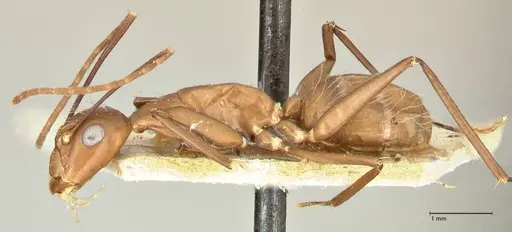
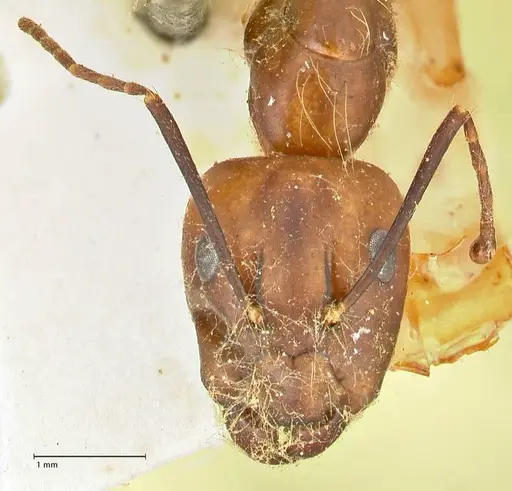
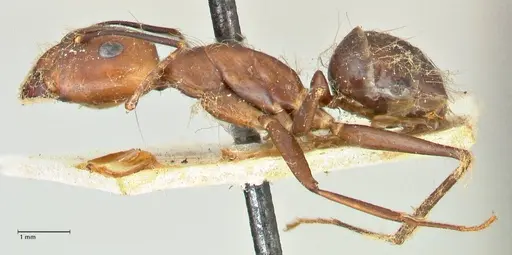
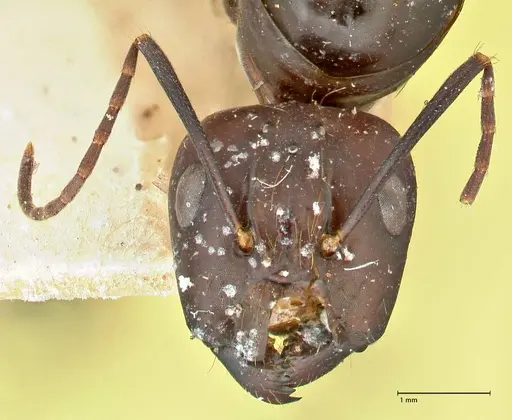
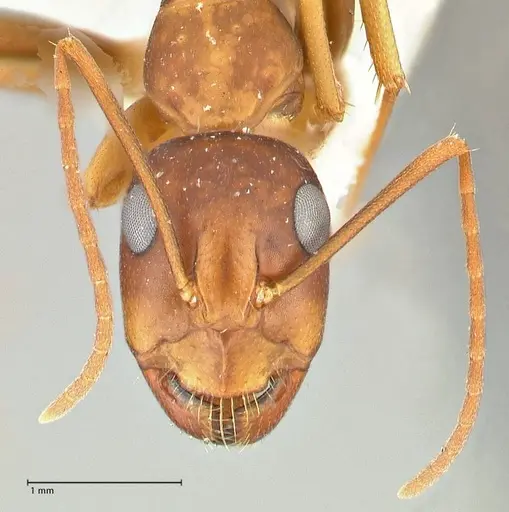
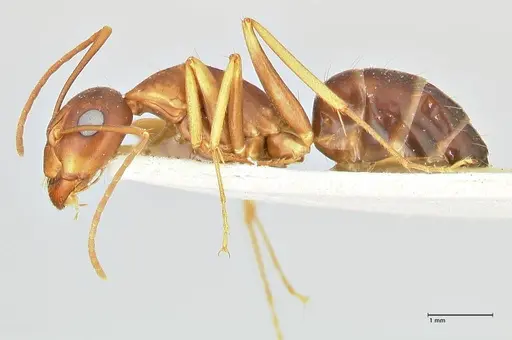
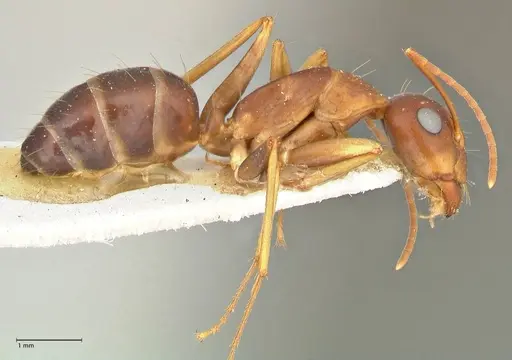
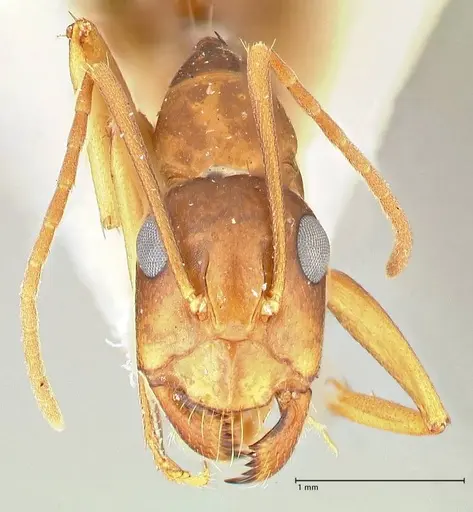
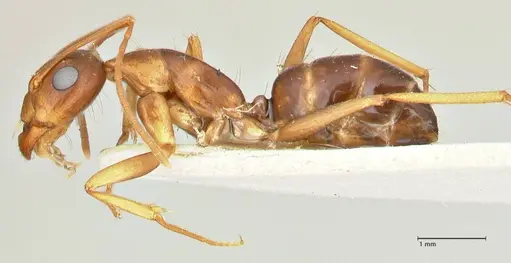
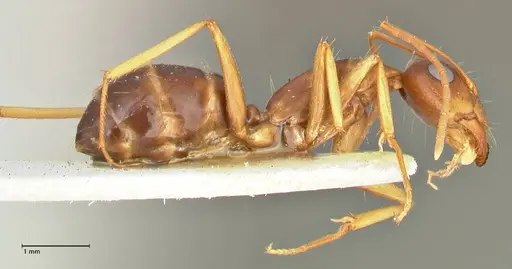
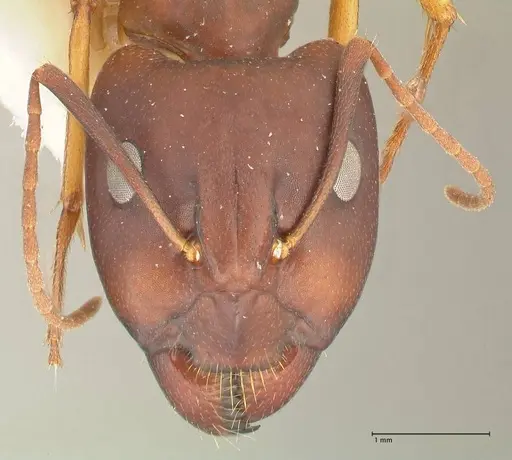
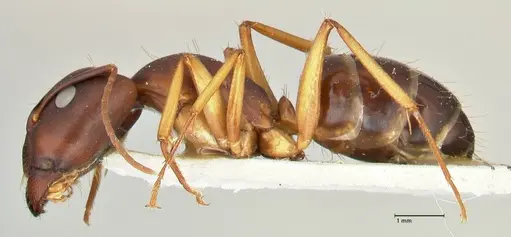
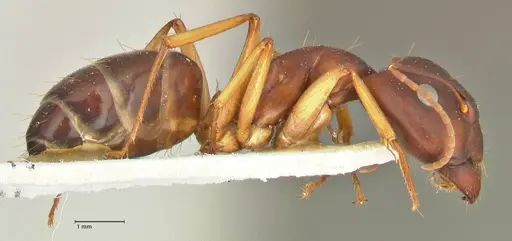
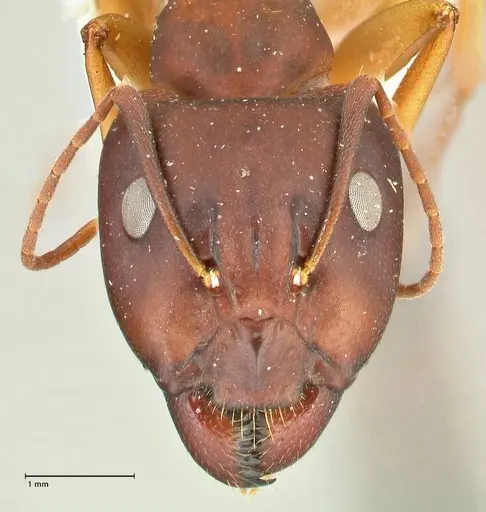
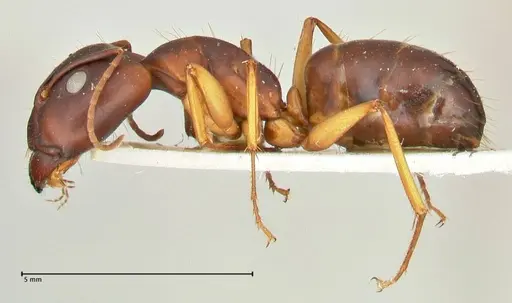
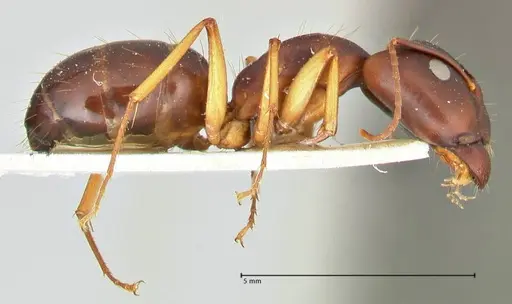
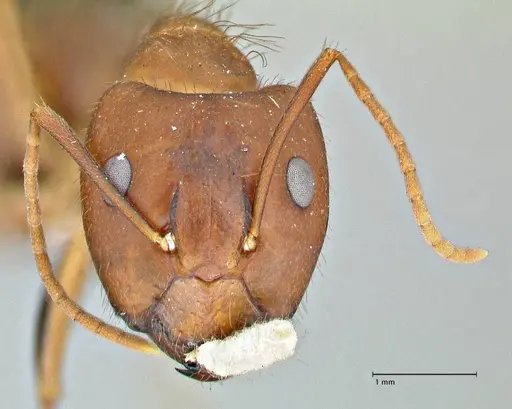
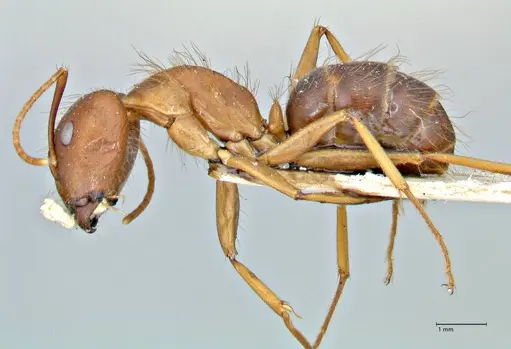
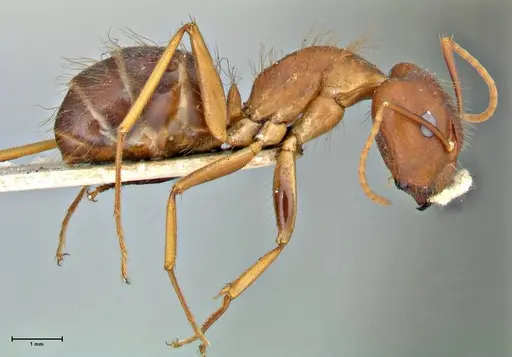
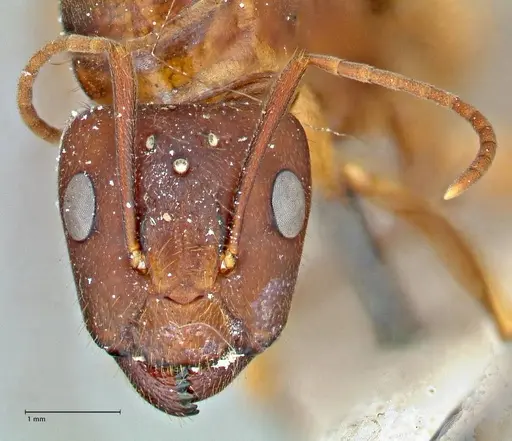
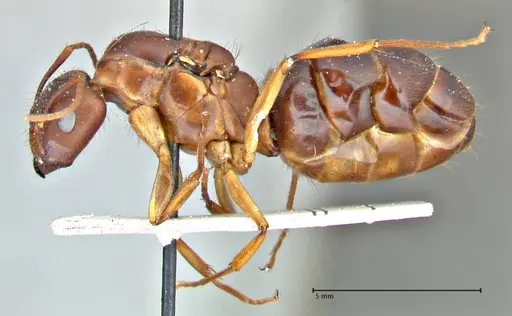
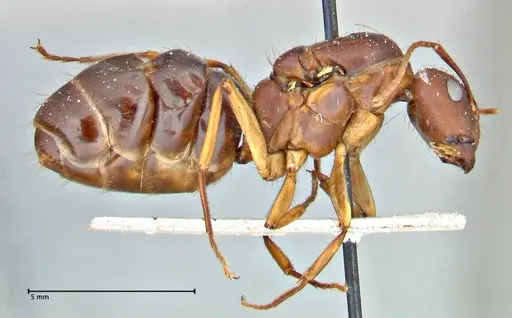
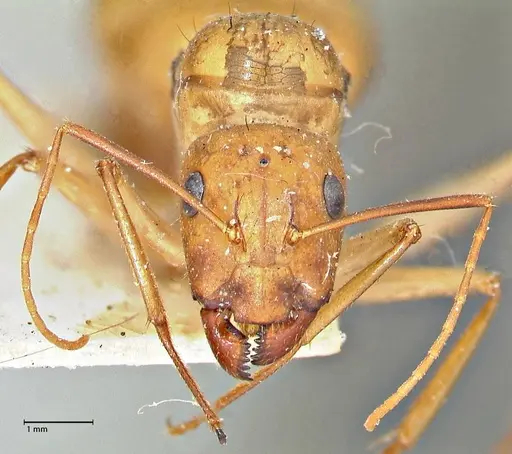
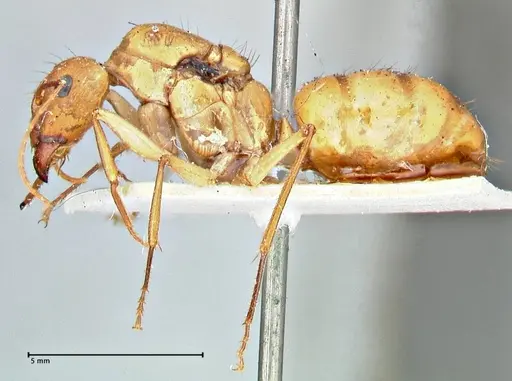
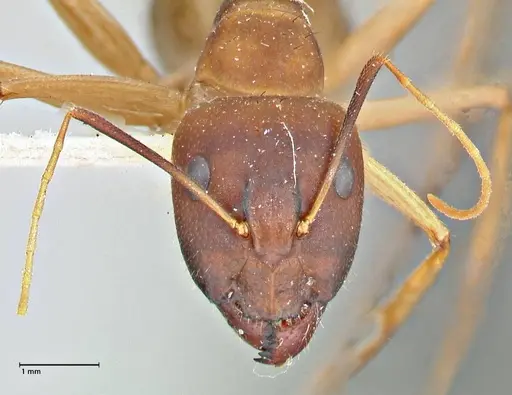
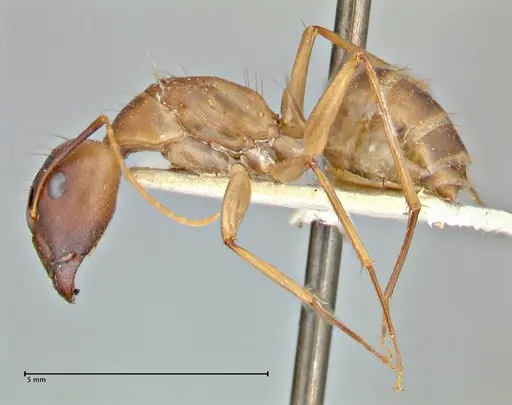
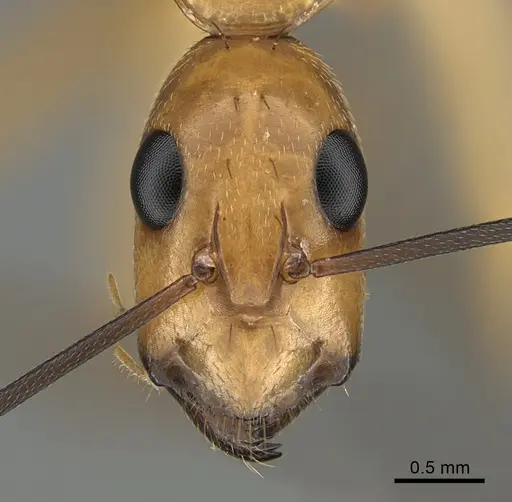
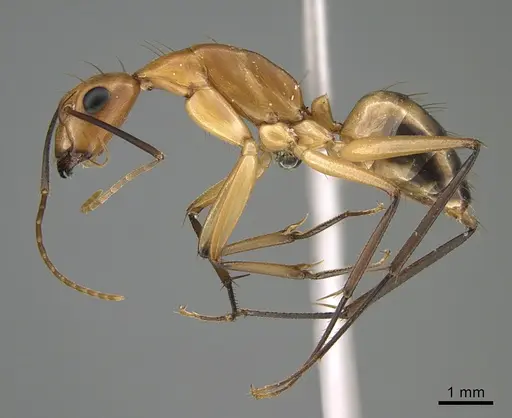
Camponotus maculatus is a large, variable carpenter ant species native to Africa and surrounding regions. Workers range from 7-13mm, with major workers displaying dark chestnut-brown heads and distinctive yellowish spots on their abdomen [1]. This species is incredibly diverse, over 100 subspecies and varieties have been described, though many have since been reclassified [2]. They are ground-nesting ants that frequently forage up trees to tend aphids and collect honeydew, but unlike some related species, they do not build tent-like structures [3]. The species gets its scientific name from the Latin 'macula' meaning blotch or stain, referring to the lighter patches on their mesosoma [2].
Quick Summary
- Difficulty: Medium
- Origin & Habitat: Native to Africa, this species is found across the continent from South Africa to the Mediterranean coast, as well as Madagascar, the Middle East, and parts of Asia [3][4]. They inhabit diverse environments including savannas, forests, and urban areas, typically nesting in soil or under stones.
- Colony Type: Single-queen colonies (monogyne) are typical for this species, though the highly variable nature of the maculatus complex means colony structures can vary across its range. Queens are large and robust, typical of the Camponotus genus.
- Colony: Monogyne
- Founding: Claustral
- Size & Growth:
- Queen: Approximately 13-15mm, queens are large and robust [1]
- Worker: Major workers: 10-13mm, Minor workers: 7-9mm [1]
- Colony: Colonies can grow large, potentially reaching several thousand workers given their widespread distribution and the size of related Camponotus species
- Growth: Moderate, typical for larger carpenter ants
- Development: Approximately 6-8 weeks at optimal temperature, based on typical Camponotus development patterns (Development time depends on temperature, warmer conditions within acceptable range speed up development)
- Antkeeping:
- Temperature: Keep at 22-26°C. As an African species, they prefer warmer conditions but can tolerate a range. A heating cable on one side of the nest creates a useful gradient [3].
- Humidity: Moderate humidity around 50-60%. They are adaptable but prefer substrate that holds some moisture. Provide a water tube for humidity access.
- Diapause: Not required for this tropical/subtropical species. They may show reduced activity in cooler periods but do not need true hibernation.
- Nesting: Y-tong (acrylic) nests or plaster nests work well. They are ground-nesting by nature so appreciate deeper chambers. Provide a connection to an outworld for foraging.
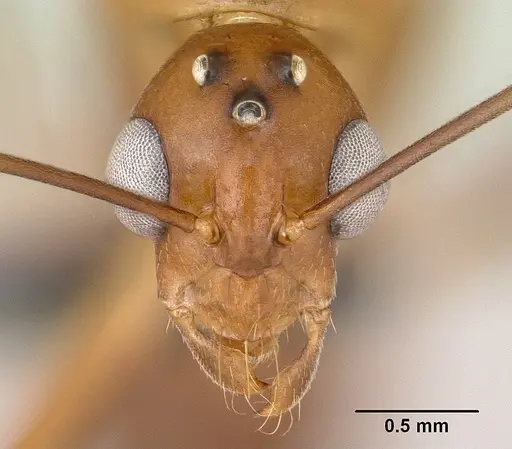
- Behavior: These ants are generally moderate in temperament, they will defend their nest if threatened but are not excessively aggressive. Workers are active foragers that can recruit nestmates to food sources. They are known to tend aphids and collect honeydew, and will also scavenge on protein sources. Major workers have powerful mandibles and can deliver a painful bite if handled roughly. Escape prevention is important as they can climb smooth surfaces, though not as prolific as some smaller species.
- Common Issues: colonies may fail if kept too cold, maintain warm temperatures consistently, major workers can be aggressive defenders, use caution when cleaning nests, their large size requires appropriately sized formicarium chambers, wild-caught colonies may carry parasites that can impact captive colonies, they produce formic acid as a defense, can irritate eyes and skin
Nuptial Flight Activity Analysis 93 observations
Flight Activity by Hour 93 observations
Camponotus maculatus nuptial flight activity peaks around 20:00 during the evening. Activity is spread across a 22-hour window (02:00–23:00). A secondary activity peak occurs around 09:00. Times may be influenced by human observation patterns.
Housing and Nest Setup
Camponotus maculatus is a ground-nesting species that adapts well to captive conditions. Y-tong (acrylic) nests or plaster formicariums work best, providing chambers deep enough for the colony to feel secure. The nest should be kept dark, these ants prefer dim conditions and will move brood away from light. Connect the nest to an outworld via a tube or simple connection. Because of their large size, ensure chambers are appropriately sized, too-small chambers can cause stress. A water tube attached to the nest provides humidity and drinking water. Outworlds can be decorated with sand, soil, or decorative elements, but keep them simple for easy cleaning. [1][3]
Feeding and Diet
In the wild, Camponotus maculatus is an omnivore that tends aphids for honeydew, scavenges on dead insects, and feeds on plant nectar. In captivity, offer a varied diet: sugar water or honey as a constant energy source, and protein sources like mealworms, crickets, or other insects 2-3 times per week. They are known to be effective scavengers, one study showed they can recruit nestmates to capture prey 4-18mm in size [5]. Remove uneaten protein within 24-48 hours to prevent mold. Fresh fruit can occasionally be offered as enrichment. The species is sometimes called the 'large sugar ant' due to its attraction to sweet substances.
Temperature and Seasonal Care
As an African species, Camponotus maculatus prefers warm conditions. Maintain temperatures between 22-26°C for optimal colony development. Temperatures below 20°C can slow activity and development significantly. A heating cable placed on or near part of the nest creates a thermal gradient that allows ants to self-regulate. Unlike temperate species, they do not require a diapause or hibernation period. However, avoid overheating, temperatures above 30°C can be harmful. Room temperature within the 22-26°C range is often suitable without additional heating in most homes. [3]
Behavior and Temperament
This species shows typical Camponotus behavior: workers are active foragers that efficiently recruit nestmates to food sources. They are not among the most aggressive ants but will defend their nest vigorously if disturbed. Major workers have large mandibles and can deliver a painful bite. They also possess an acidopore and can spray formic acid as a defensive measure, this can irritate eyes and skin, so handle with care. Workers are polymorphic, with distinct major and minor castes. Majors typically remain in or near the nest while minors handle most foraging. The species is known to ascend trees to tend aphids, demonstrating arboreal foraging behavior in the wild. [1][3]
Growth and Development
Colony development follows typical Camponotus patterns. The claustral queen seals herself in a chamber and raises the first brood alone, surviving on stored fat reserves. First workers (nanitics) are typically smaller than normal workers. After the nanitics emerge, the colony enters a growth phase as the queen continues laying eggs and workers take over all foraging and nest maintenance. Growth rate is moderate, faster at warmer temperatures within the acceptable range. A well-established colony can produce alates (reproductives) annually, with nuptial flights typically occurring during warmer months. [1]
Common Challenges
The main challenges in keeping Camponotus maculatus relate to their size and African origins. Temperature control is critical, colonies kept too cold will struggle or die. Their large size means they need appropriately sized formicarium chambers, and very small nests can cause stress or lead to escape attempts. Wild-caught colonies may carry internal parasites that can devastate captive colonies, so quarantine and observation is recommended. They produce formic acid as a defense, which can be irritating, avoid handling directly and keep their enclosure away from face level. Escape prevention is important though not as critical as for tiny species, they can climb smooth surfaces but are not extreme escape artists.
Frequently Asked Questions
Is Camponotus maculatus a good beginner ant?
This species is rated as medium difficulty. While not as challenging as some exotic species, it requires attention to temperature (they need warmth) and appropriately sized housing. Beginners should be comfortable with maintaining consistent temperatures before trying this species.
How long until first workers appear?
Expect first workers (nanitics) in approximately 6-8 weeks after the queen lays eggs, at optimal temperatures around 24-26°C. Development is temperature-dependent, cooler conditions will slow this timeline significantly.
What do I feed Camponotus maculatus?
Offer sugar water or honey as a constant energy source, plus protein sources like mealworms, crickets, or other insects 2-3 times per week. They are omnivores and will also scavenge on fruit or other sweet substances. Remove uneaten protein within 24-48 hours.
Can I keep multiple queens together?
No. This species forms single-queen colonies. Combining unrelated queens is not recommended and will likely result in fighting. Only keep one queen per colony.
Do they need hibernation or diapause?
No. As an African/tropical species, they do not require hibernation. They may show reduced activity in cooler conditions but a true diapause period is not necessary.
How big do colonies get?
Mature colonies can reach several thousand workers. The species is widespread and adaptable, with colonies growing large given proper care and appropriate housing.
When should I move them to a formicarium?
You can keep a founding colony in a test tube setup until the colony reaches 20-30 workers. Once the colony outgrows the test tube or you see workers avoiding the humid area, transfer to a proper formicarium with connected outworld.
Are Camponotus maculatus invasive?
While sometimes reported as invasive in various regions, these reports are often based on misidentifications within the complex maculatus species group. The species is native to Africa and surrounding regions. However, always check local regulations before acquiring any ant species.
Why is my colony declining?
Common causes include: temperatures too low (below 20°C), excessive dryness, mold from overfeeding or poor ventilation, or parasites from wild-caught colonies. Review temperature, humidity, and feeding practices. If from the wild, parasites are a likely cause.
References

This caresheet is licensed under CC BY-SA 4.0 .
CASENT0055750
View on AntWeb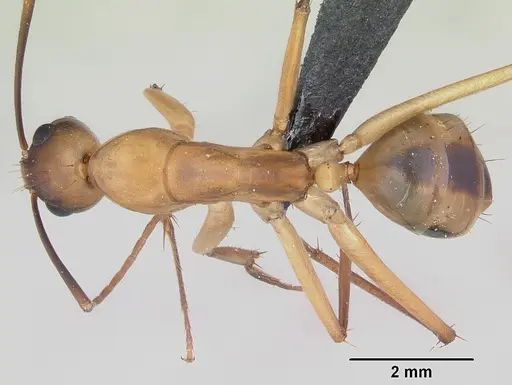
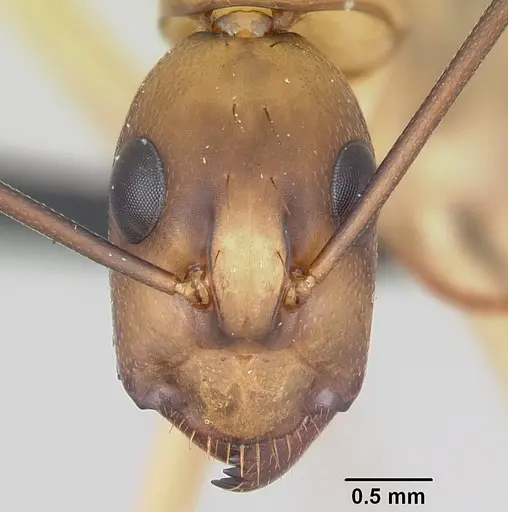
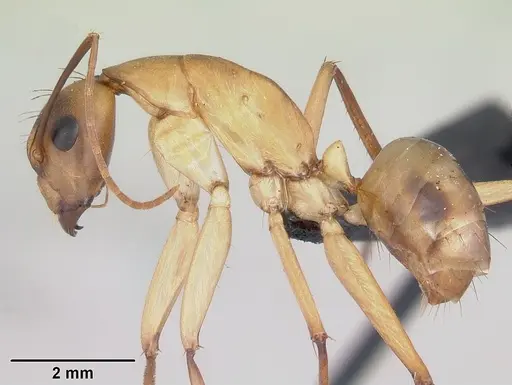
CASENT0055751
View on AntWeb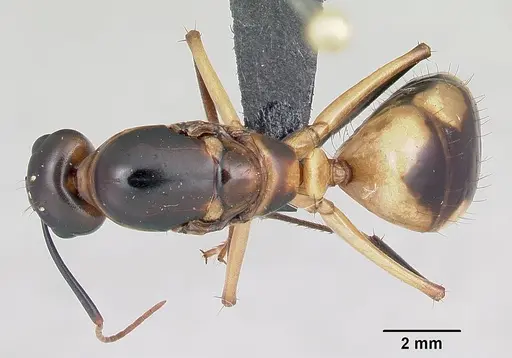
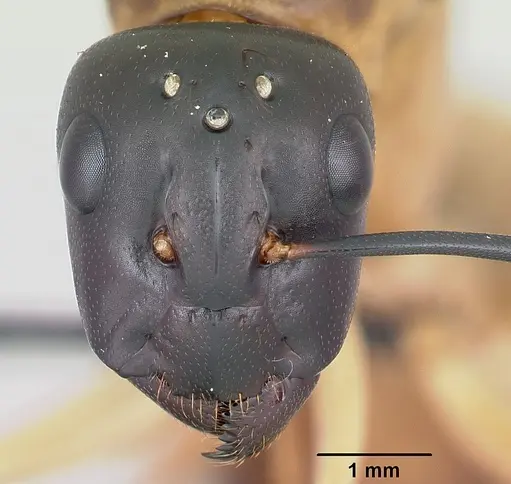
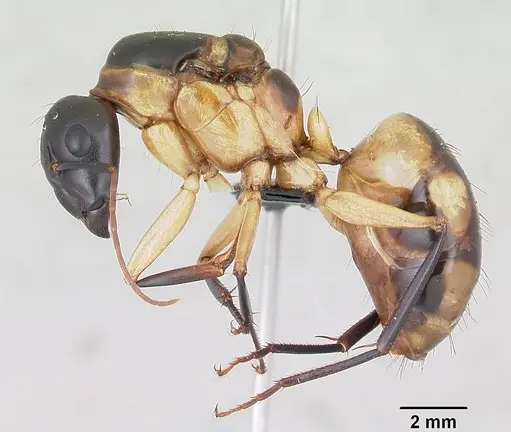
CASENT0055753
View on AntWeb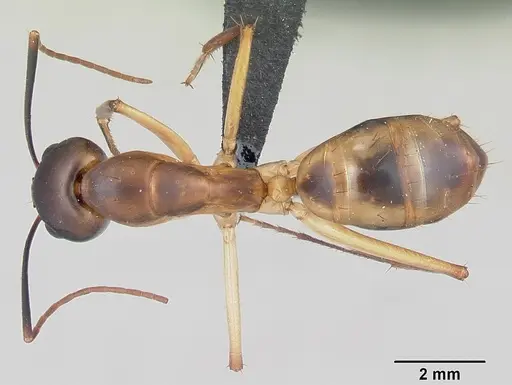
CASENT0063127
View on AntWeb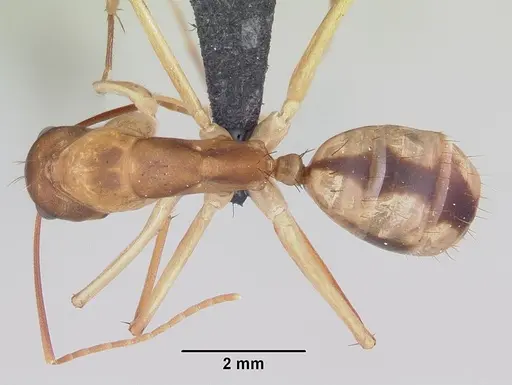
CASENT0101095
View on AntWeb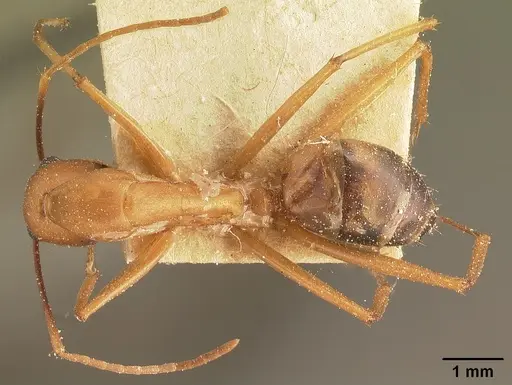
CASENT0101096
View on AntWeb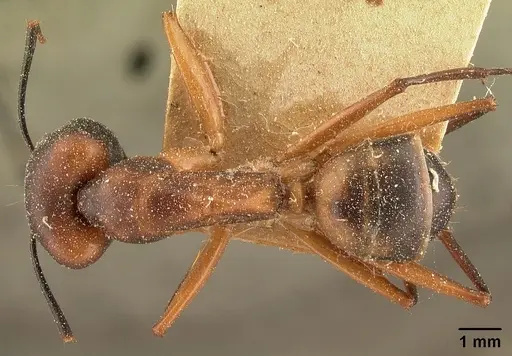
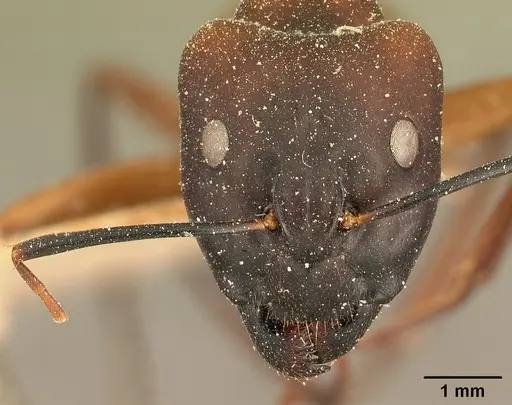
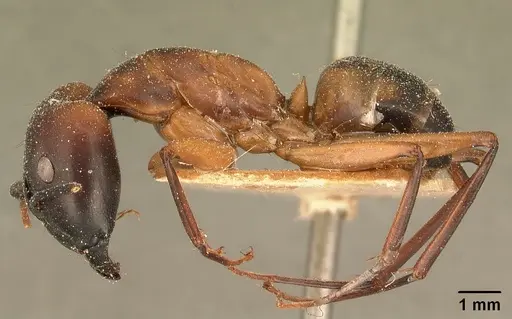
CASENT0101099
View on AntWeb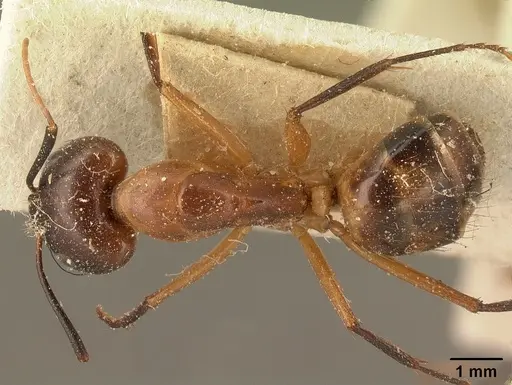
CASENT0101100
View on AntWeb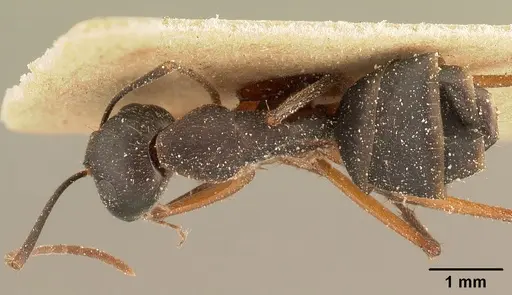
CASENT0101101
View on AntWeb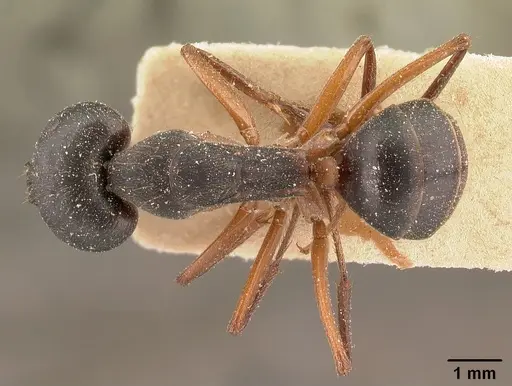
CASENT0101102
View on AntWeb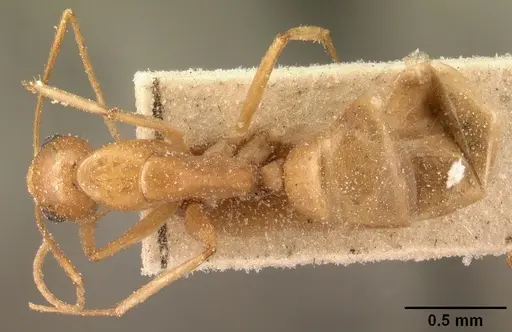
CASENT0101103
View on AntWeb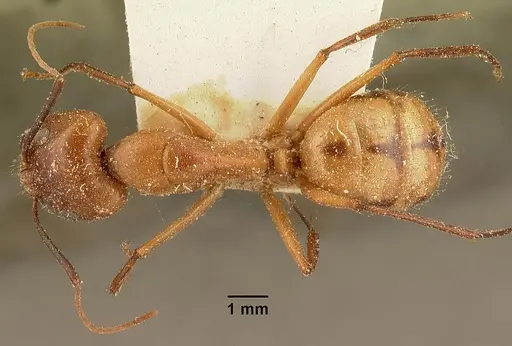
CASENT0101109
View on AntWeb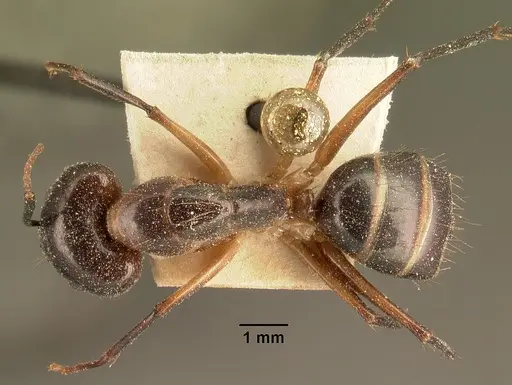
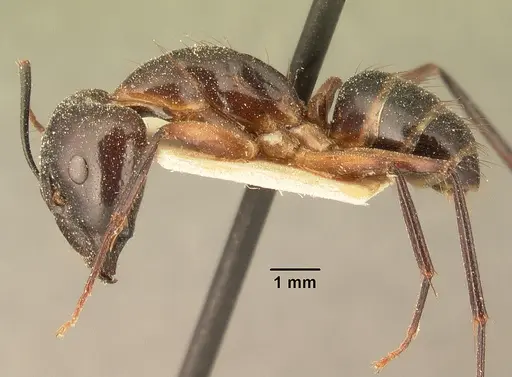
CASENT0101110
View on AntWeb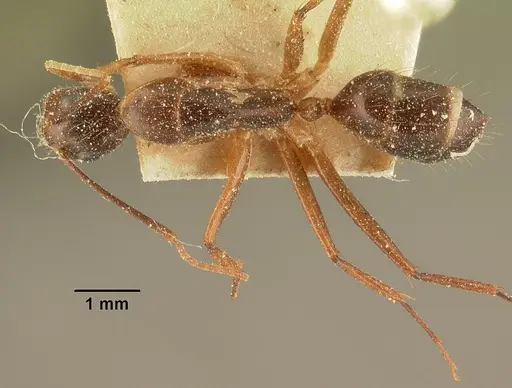
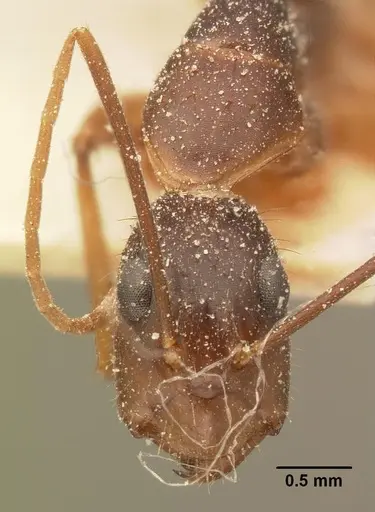
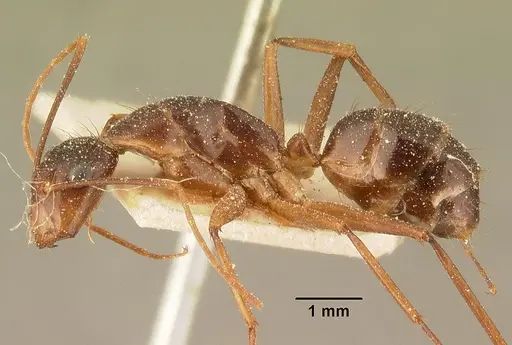
CASENT0101111
View on AntWeb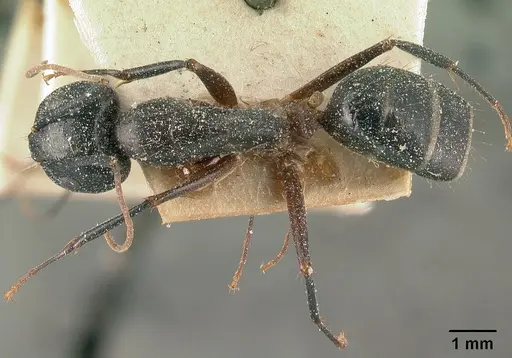
CASENT0101334
View on AntWeb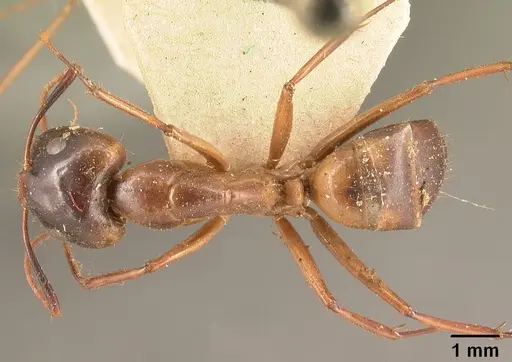
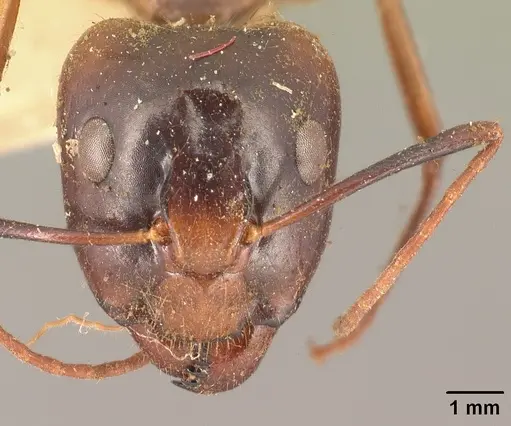
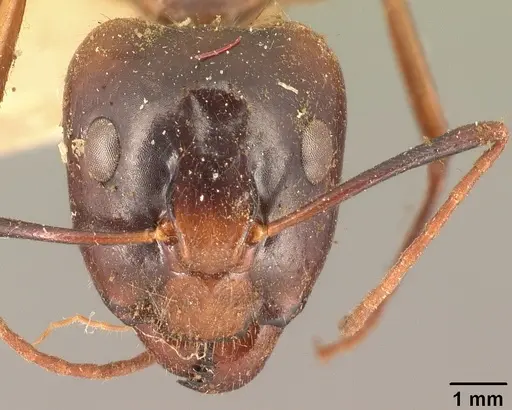
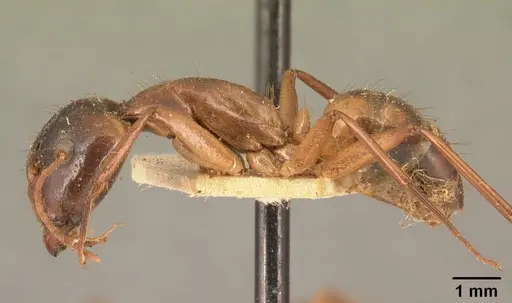
CASENT0101352
View on AntWeb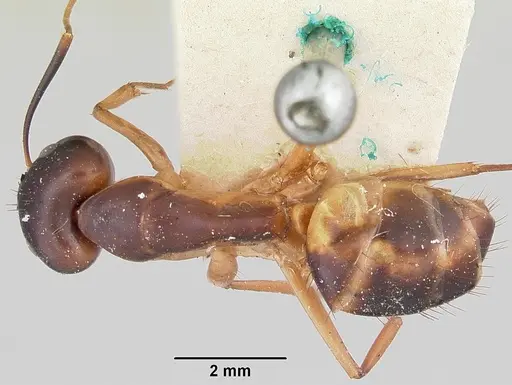
CASENT0101353
View on AntWeb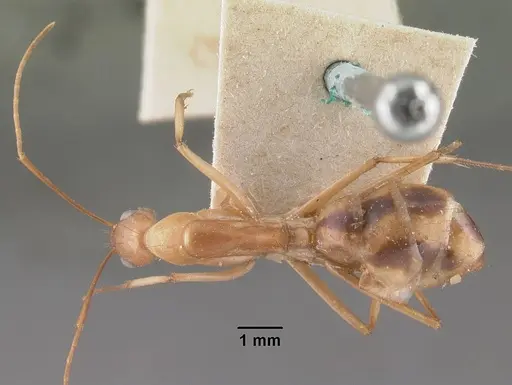
CASENT0101354
View on AntWeb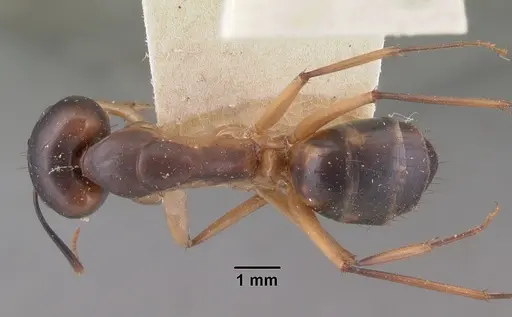
CASENT0101355
View on AntWeb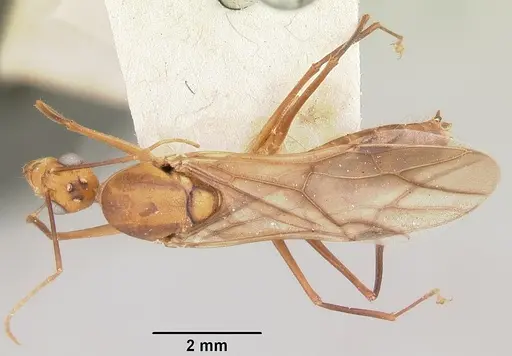
CASENT0101356
View on AntWeb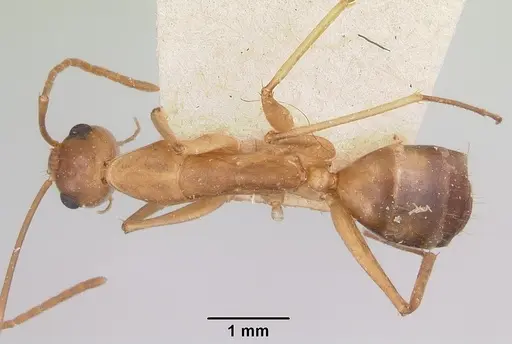
CASENT0101361
View on AntWeb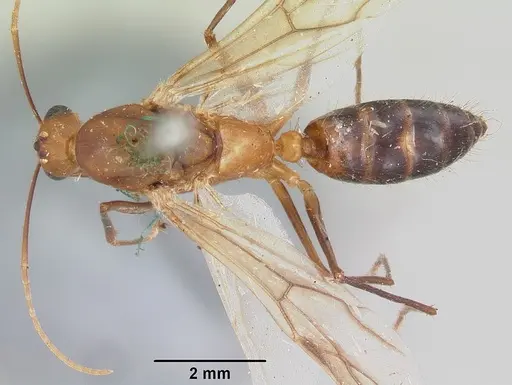
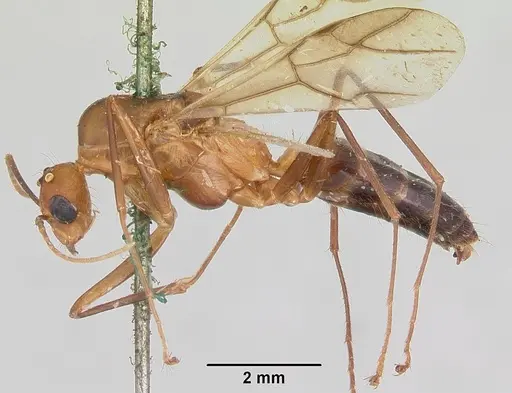
CASENT0101412
View on AntWeb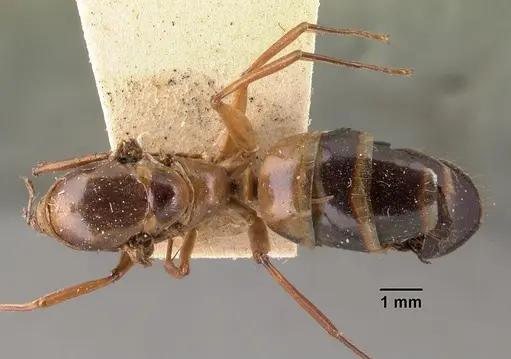

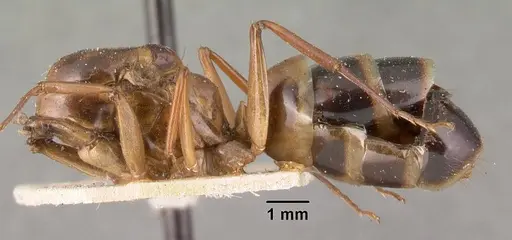
CASENT0101421
View on AntWeb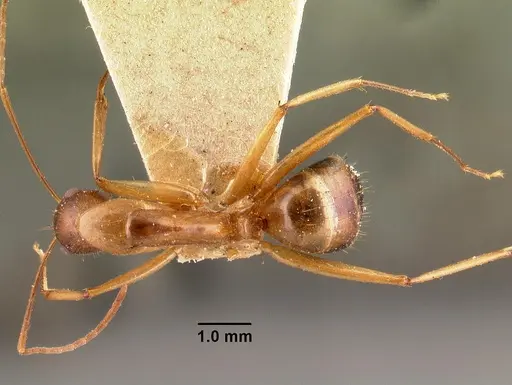
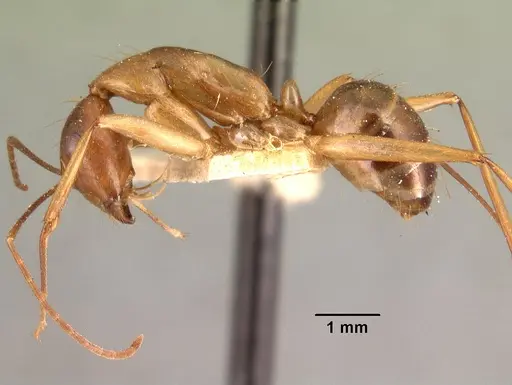
CASENT0101426
View on AntWeb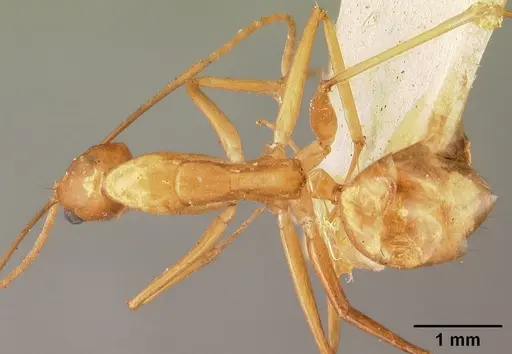
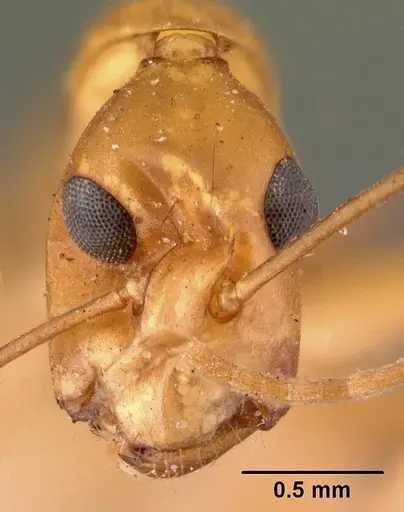
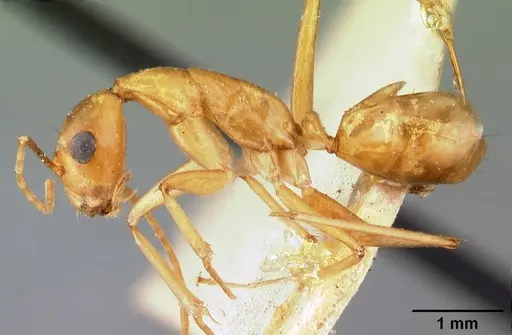
CASENT0101427
View on AntWeb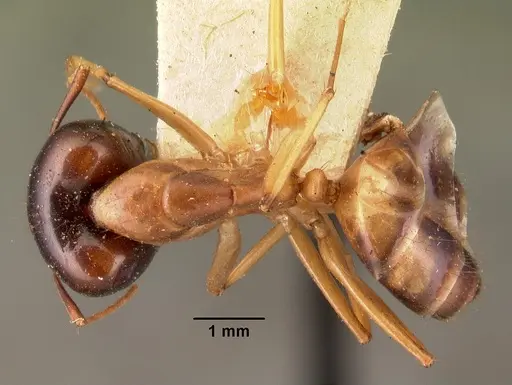
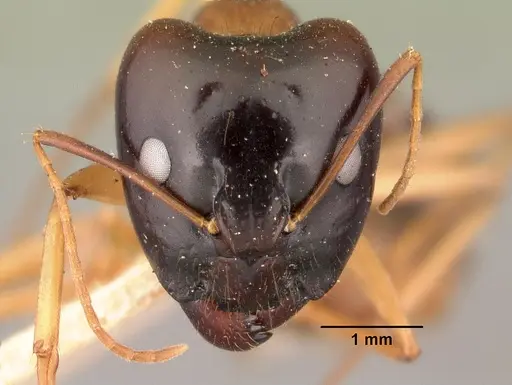
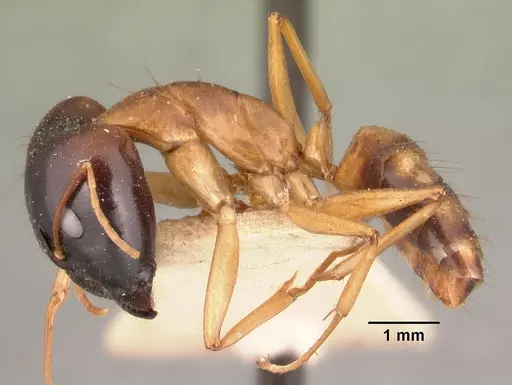
CASENT0101428
View on AntWeb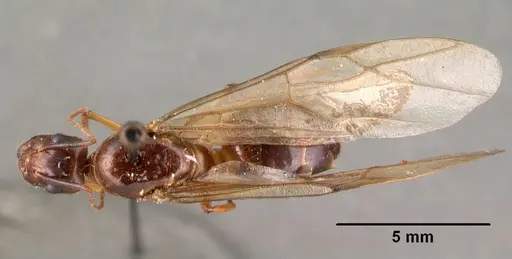
CASENT0101429
View on AntWeb
CASENT0101432
View on AntWeb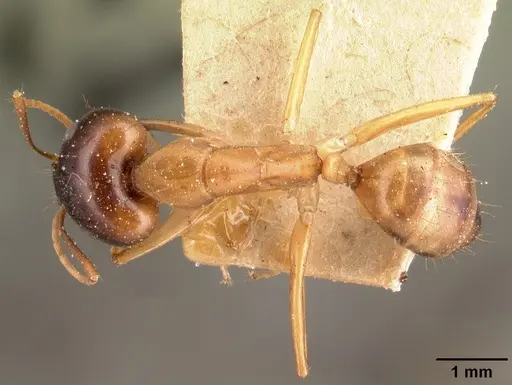
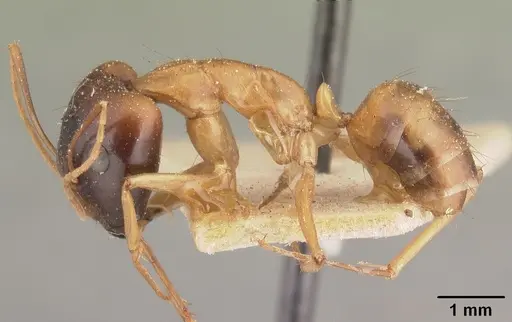
CASENT0101908
View on AntWeb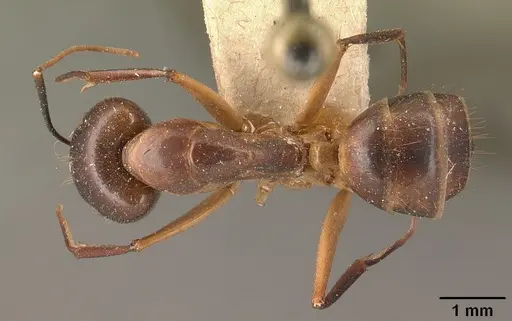
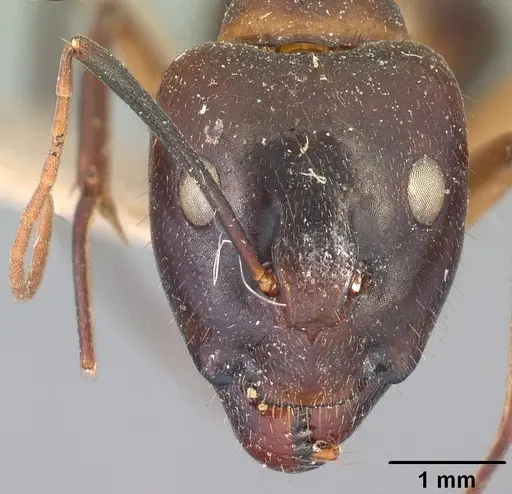
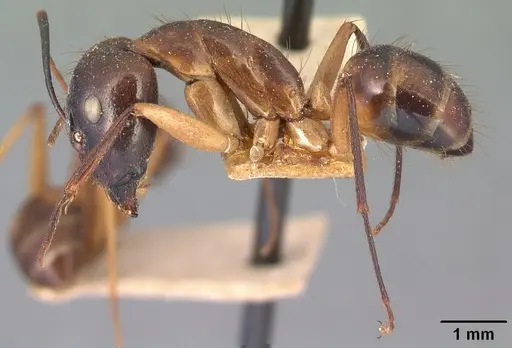
CASENT0101929
View on AntWeb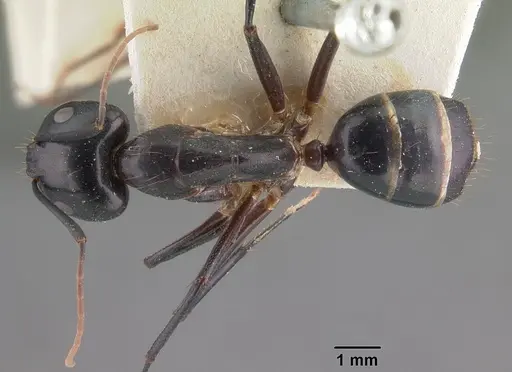
CASENT0103332
View on AntWeb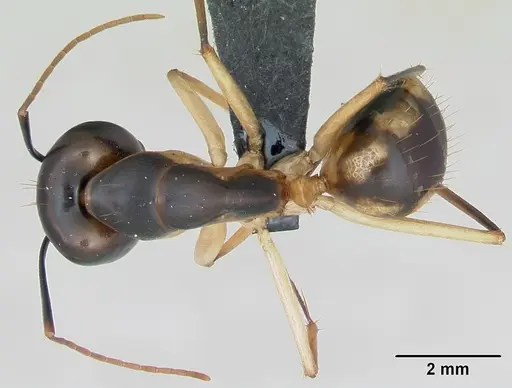
CASENT0104637
View on AntWeb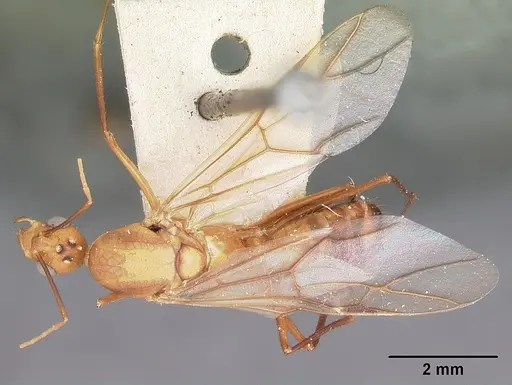
CASENT0104638
View on AntWeb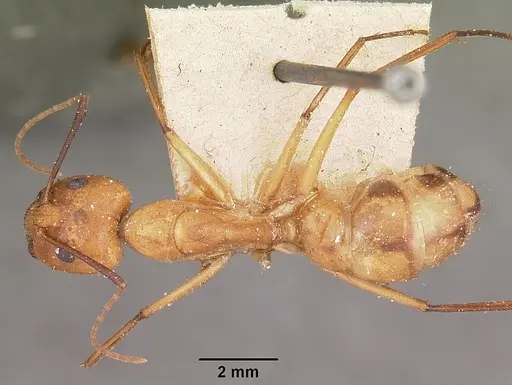
CASENT0104639
View on AntWeb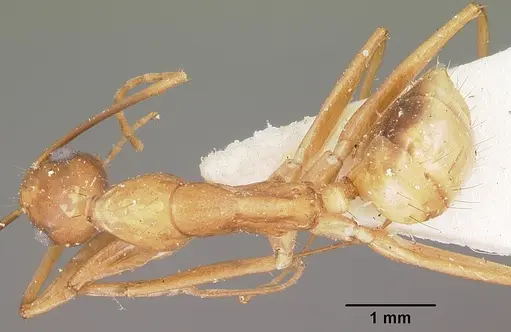
CASENT0104640
View on AntWeb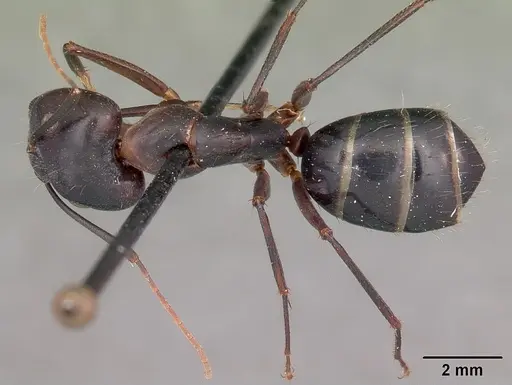
CASENT0104641
View on AntWeb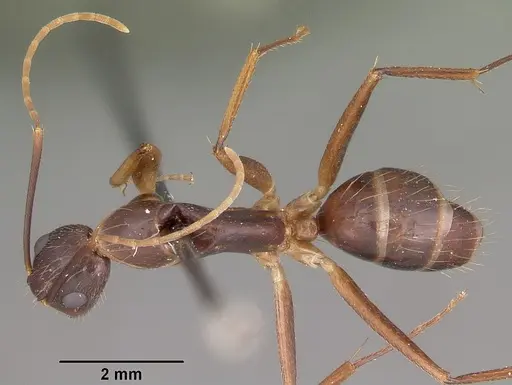
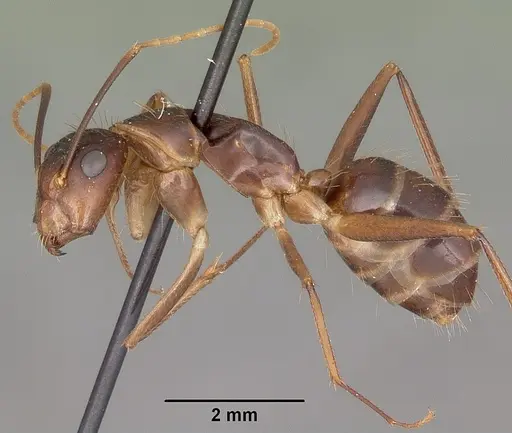
CASENT0125148
View on AntWeb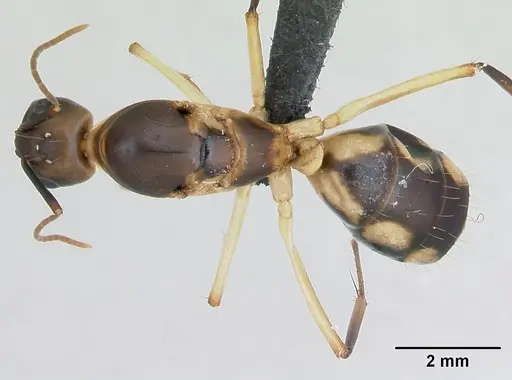
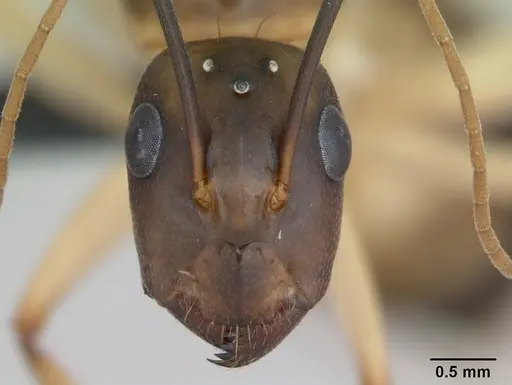
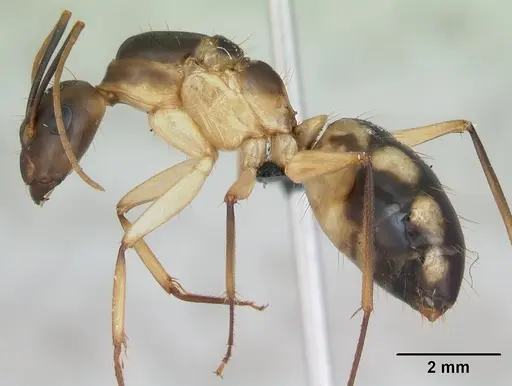
CASENT0135006
View on AntWeb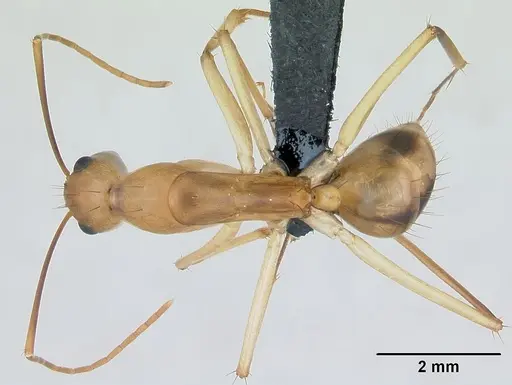
CASENT0135010
View on AntWeb
CASENT0135215
View on AntWeb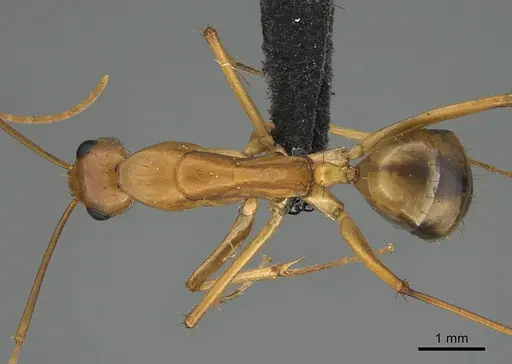
CASENT0144621
View on AntWeb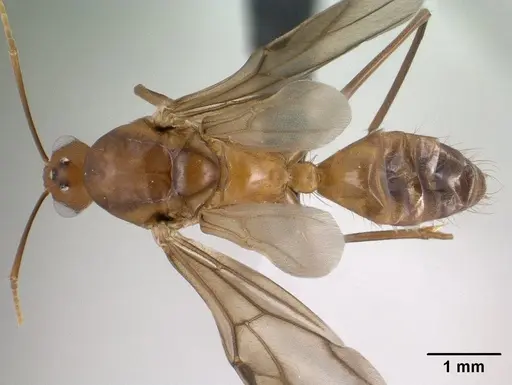
CASENT0145887
View on AntWeb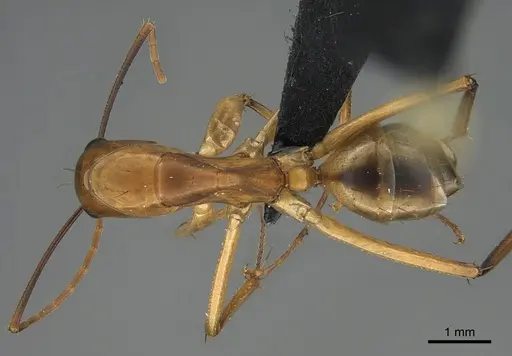
CASENT0146440
View on AntWeb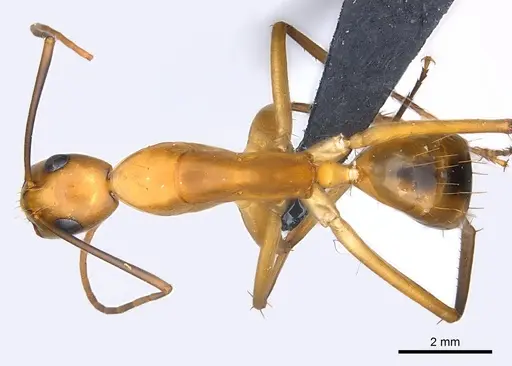
CASENT0146442
View on AntWeb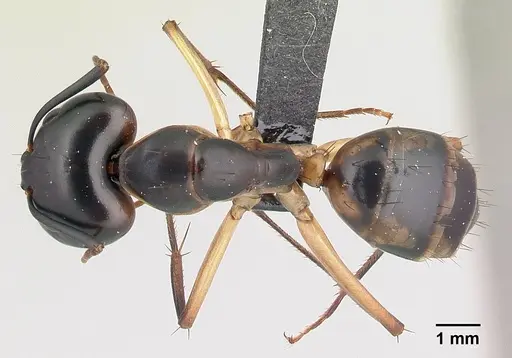
CASENT0146792
View on AntWeb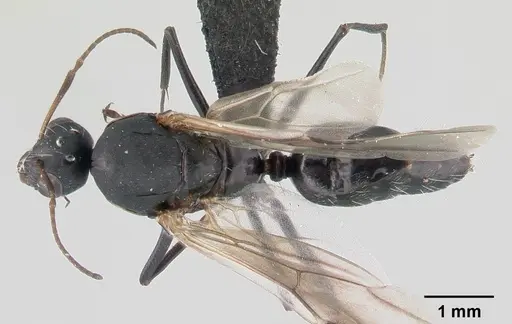
CASENT0146795
View on AntWeb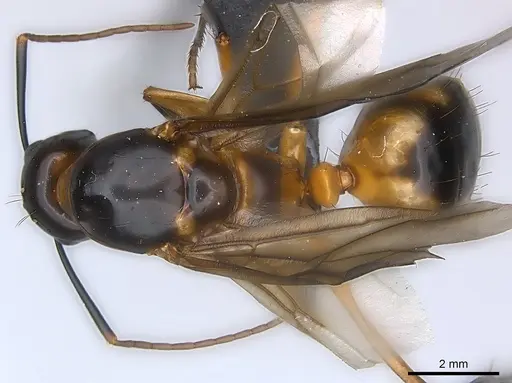
CASENT0146871
View on AntWeb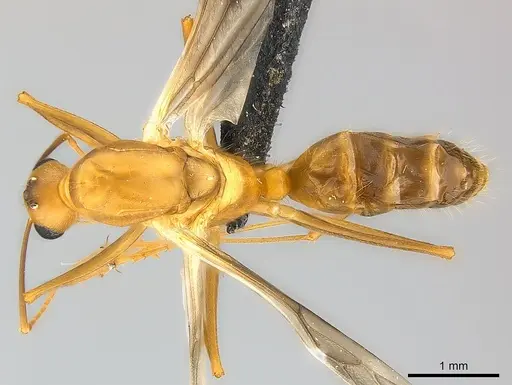
CASENT0147206
View on AntWeb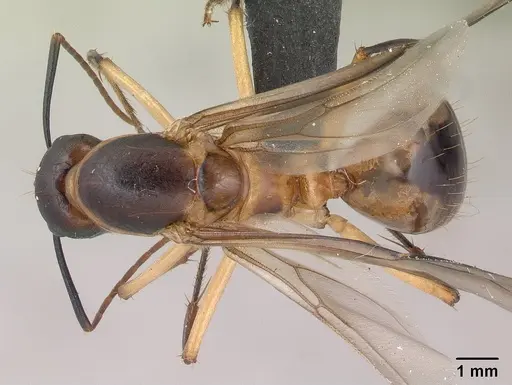
CASENT0160173
View on AntWeb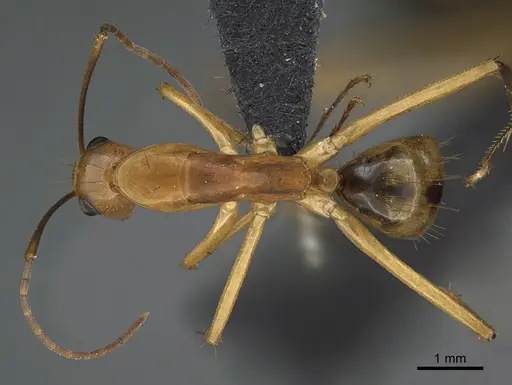
CASENT0170560
View on AntWeb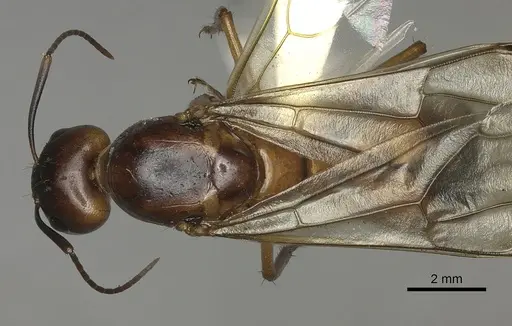
CASENT0170561
View on AntWeb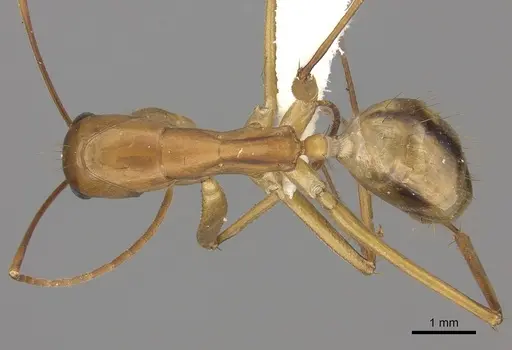
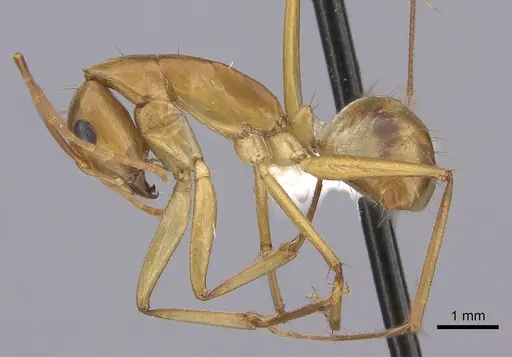
CASENT0170562
View on AntWeb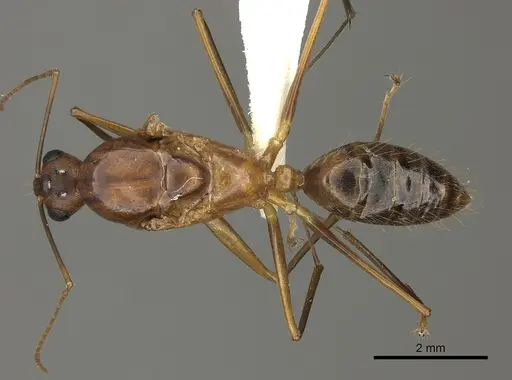
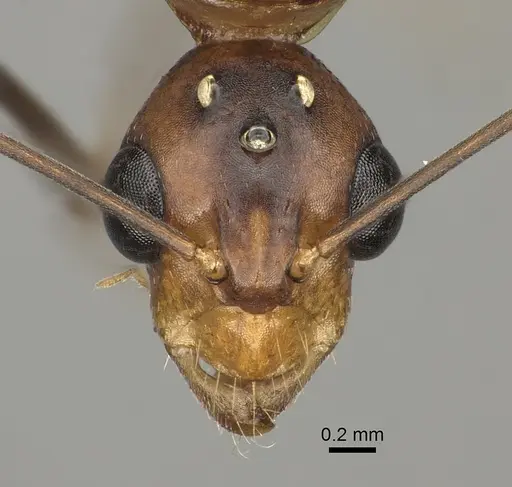
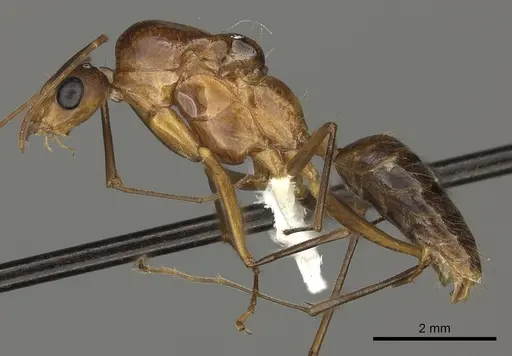
CASENT0170563
View on AntWeb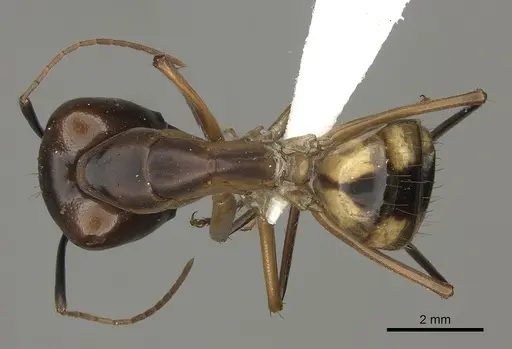
CASENT0179509
View on AntWeb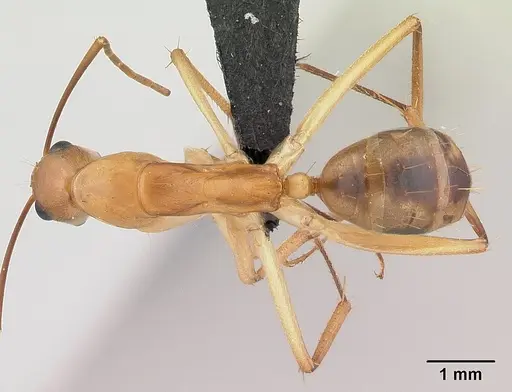
CASENT0217354
View on AntWeb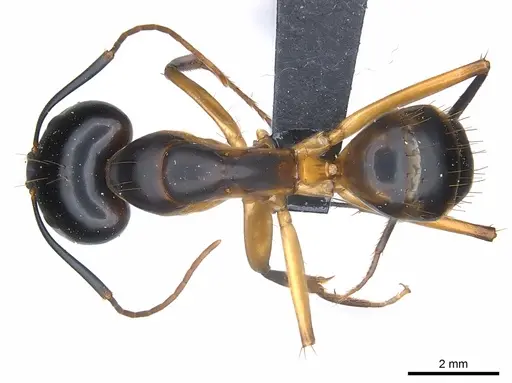
CASENT0263900
View on AntWeb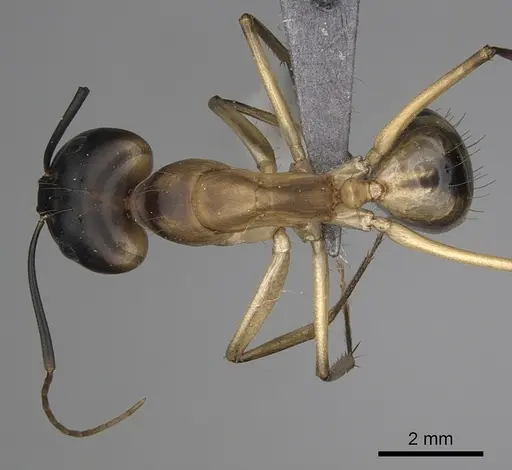
CASENT0264129
View on AntWeb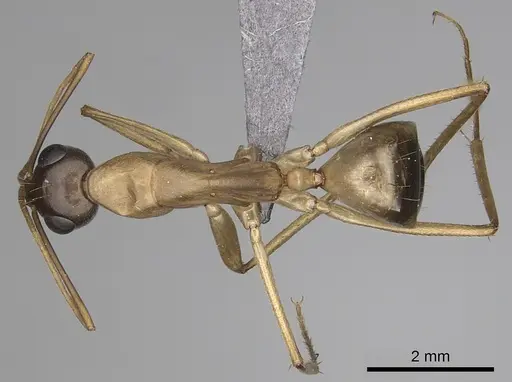
CASENT0280282
View on AntWeb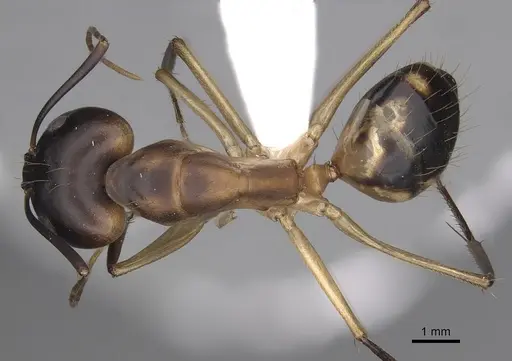
CASENT0280283
View on AntWeb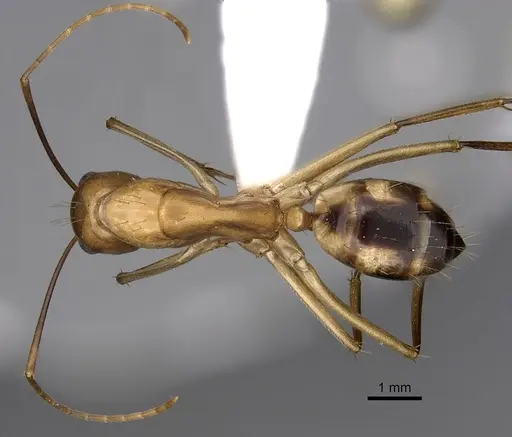
CASENT0280284
View on AntWeb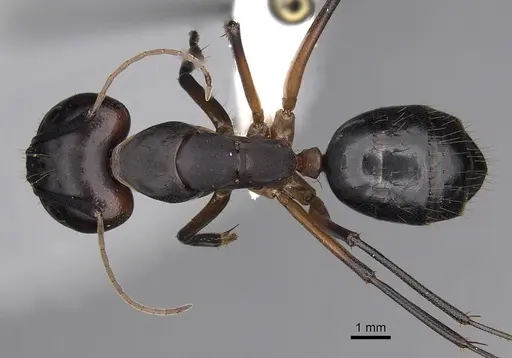
CASENT0280285
View on AntWeb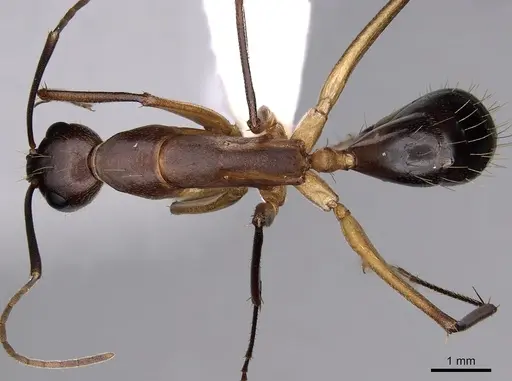
CASENT0774792
View on AntWeb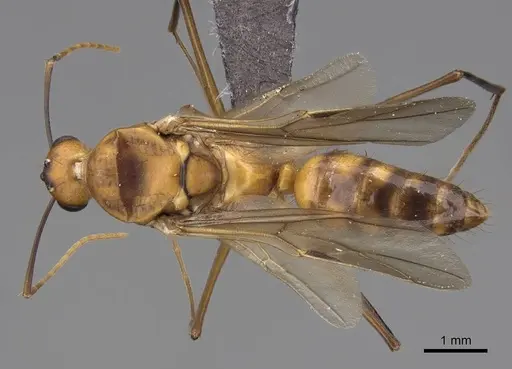
CASENT0775399
View on AntWeb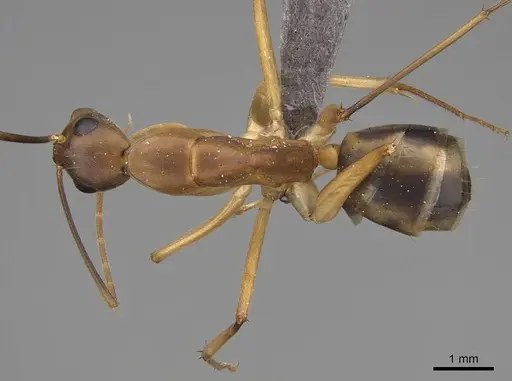
CASENT0775400
View on AntWeb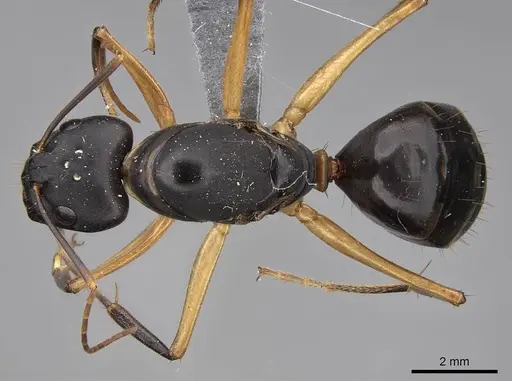
CASENT0785938
View on AntWeb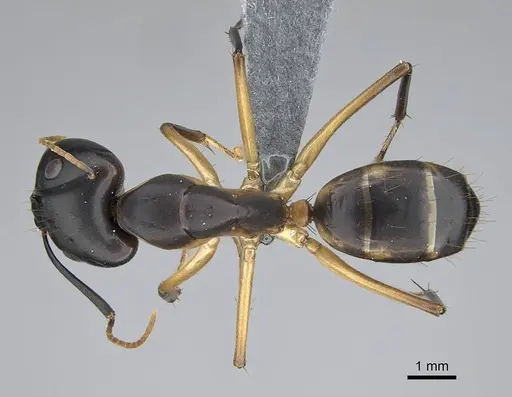
CASENT0785939
View on AntWeb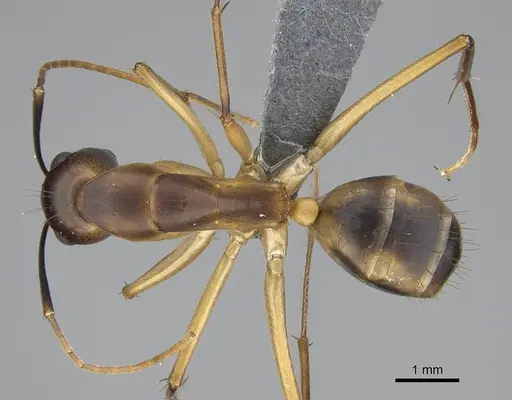
CASENT0822198
View on AntWeb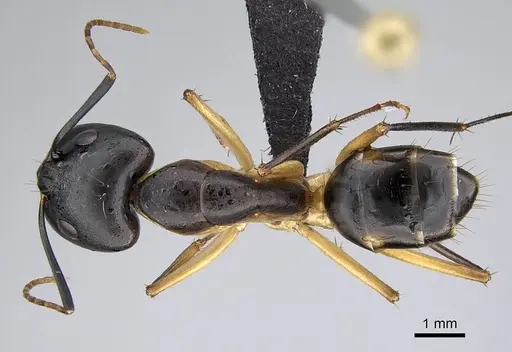
CASENT0822199
View on AntWeb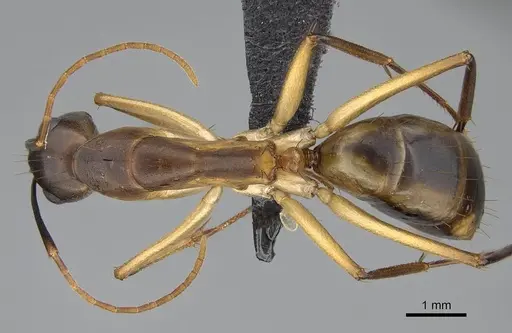
CASENT0883446
View on AntWeb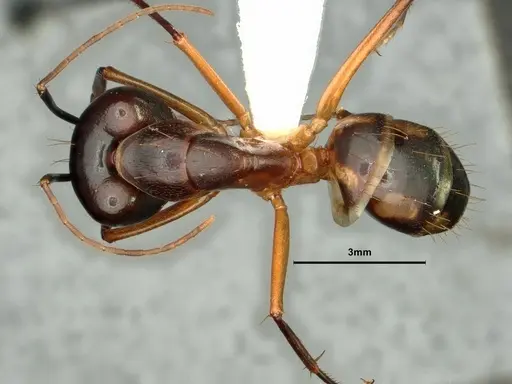
CASENT0903511
View on AntWeb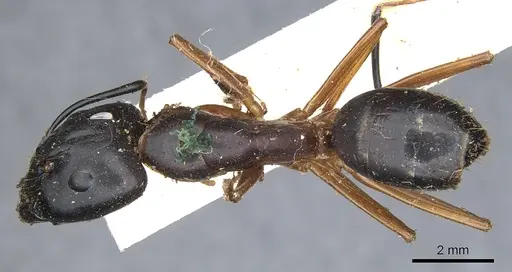
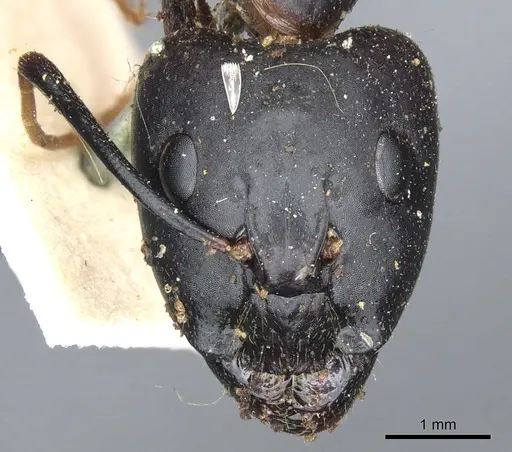
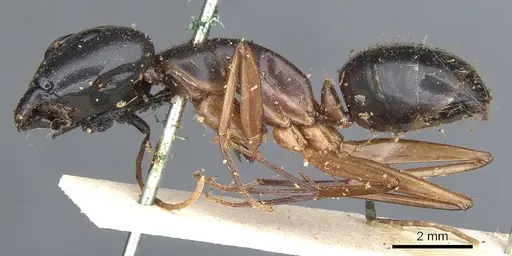
CASENT0903512
View on AntWeb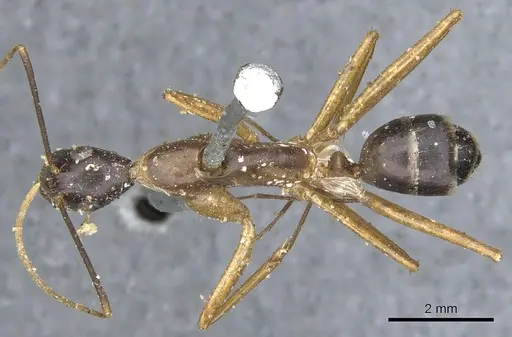
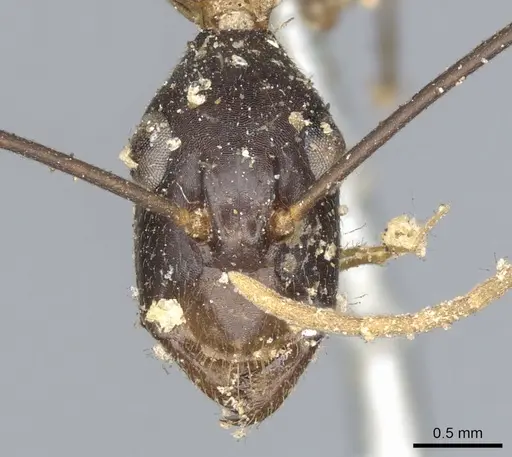
CASENT0903513
View on AntWeb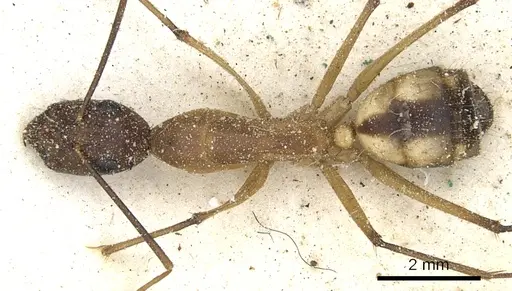
CASENT0903514
View on AntWeb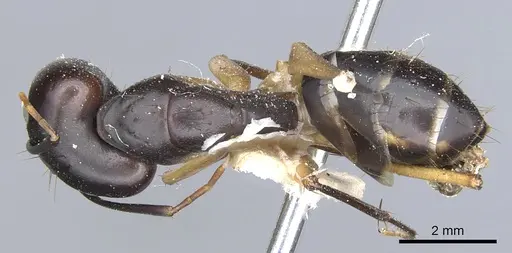
CASENT0903515
View on AntWeb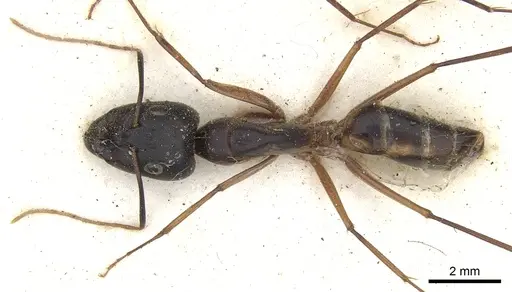
CASENT0905266
View on AntWeb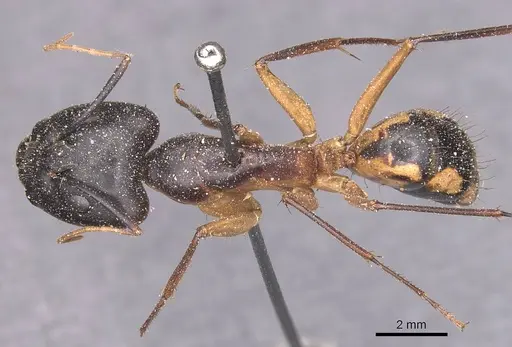
CASENT0905267
View on AntWeb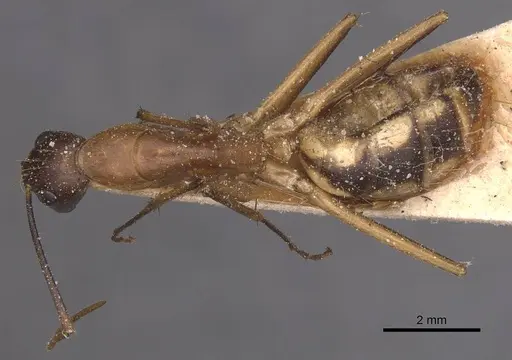
CASENT0905268
View on AntWeb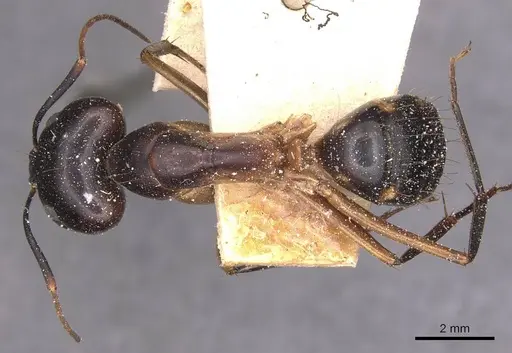
CASENT0905269
View on AntWeb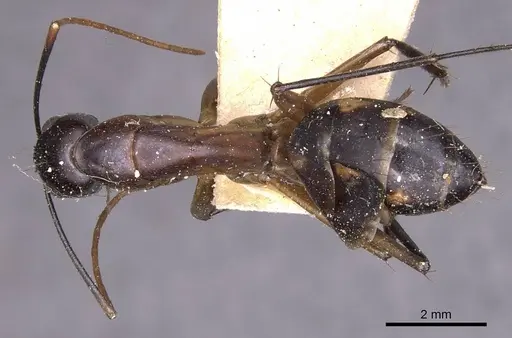
CASENT0905270
View on AntWeb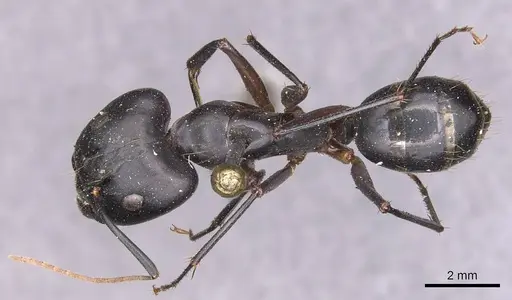
CASENT0905271
View on AntWeb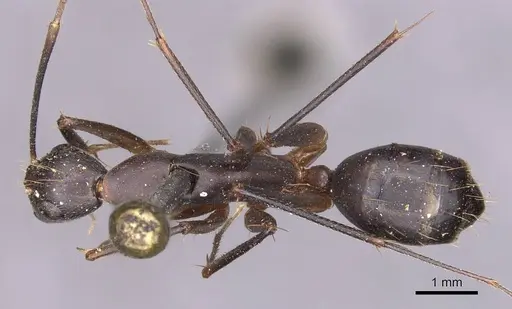
CASENT0905272
View on AntWeb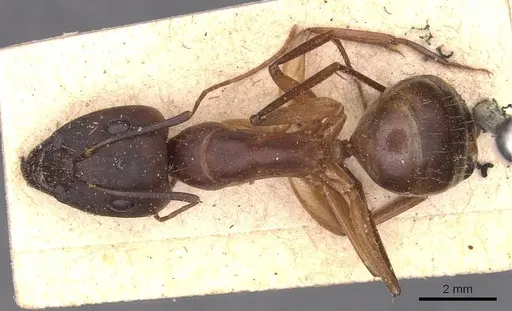
CASENT0905273
View on AntWeb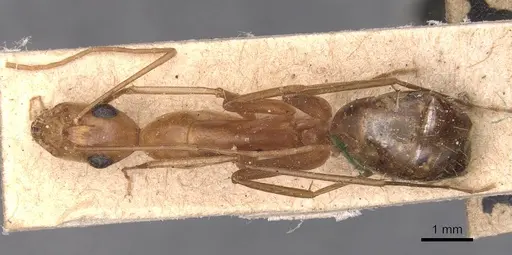
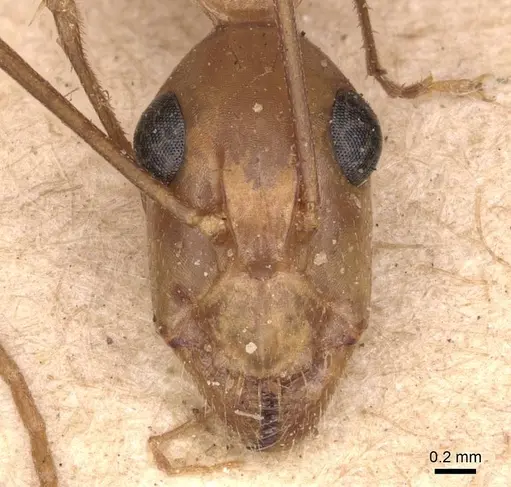
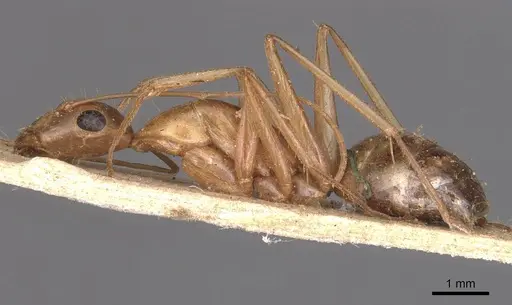
CASENT0905274
View on AntWeb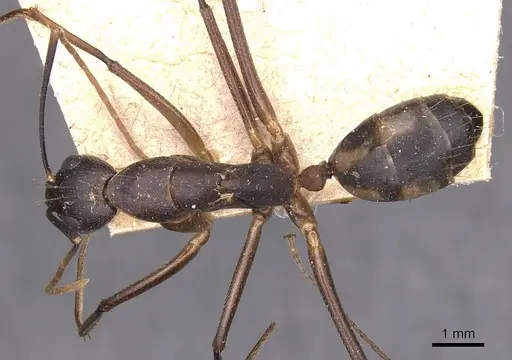
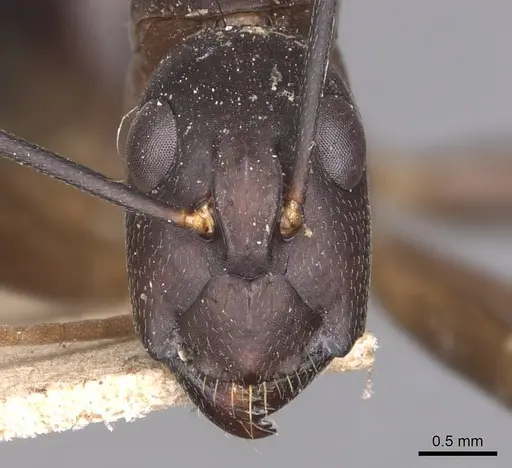
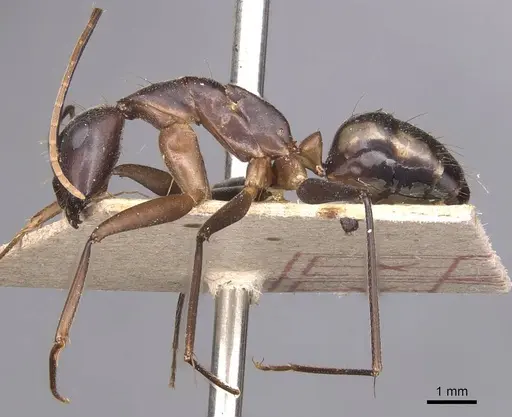
CASENT0905275
View on AntWeb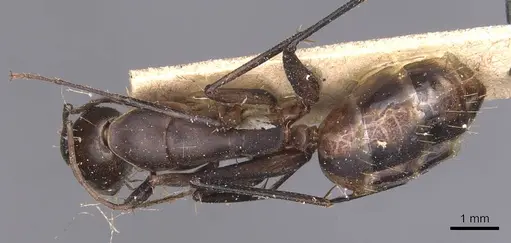
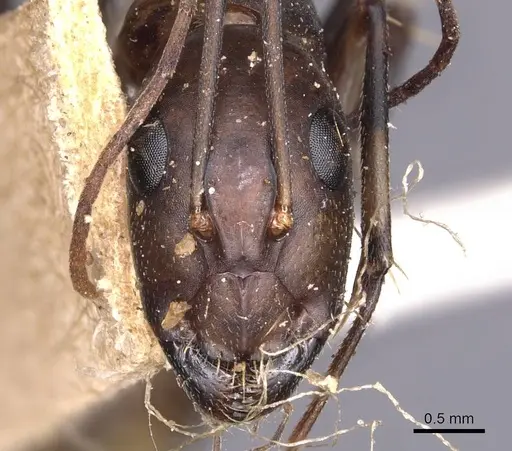
CASENT0905276
View on AntWeb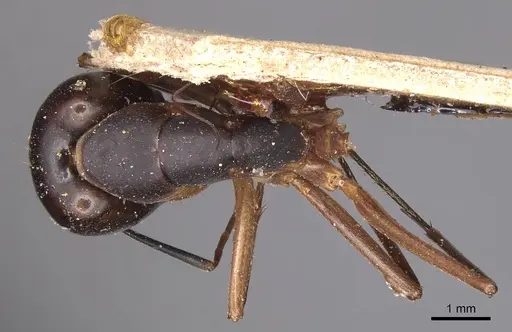
CASENT0905277
View on AntWeb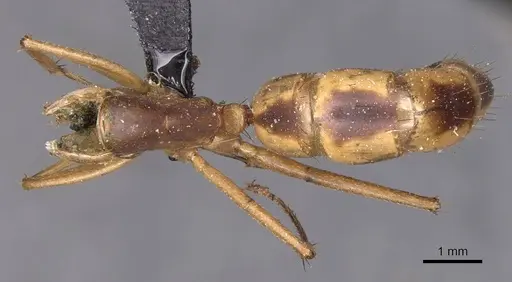
CASENT0905278
View on AntWeb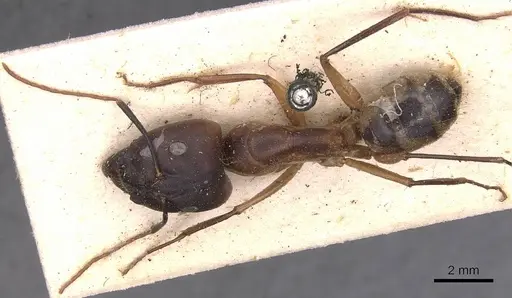
CASENT0905279
View on AntWeb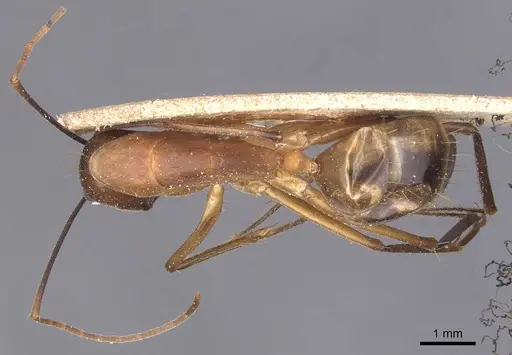
CASENT0905335
View on AntWeb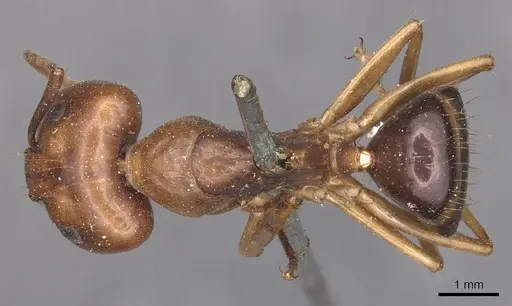
CASENT0905336
View on AntWeb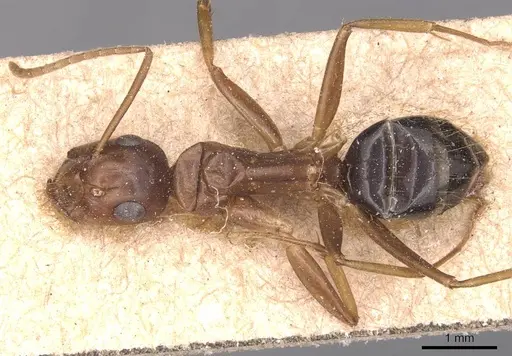
CASENT0910049
View on AntWeb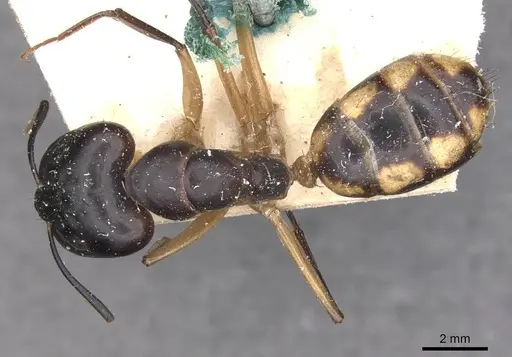
CASENT0910050
View on AntWeb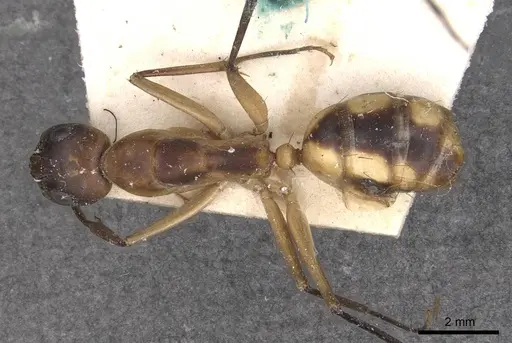
CASENT0910051
View on AntWeb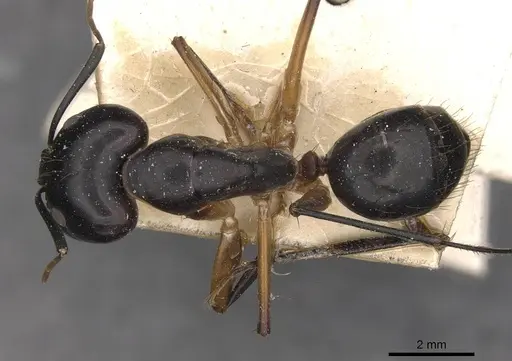
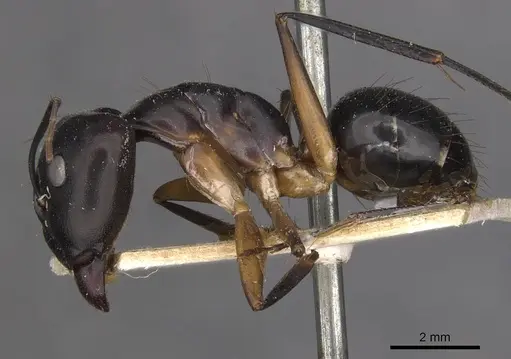
CASENT0910052
View on AntWeb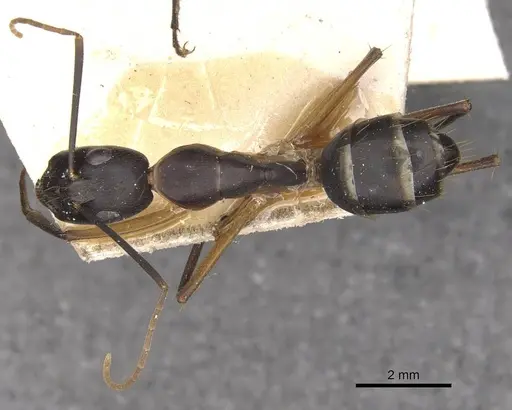
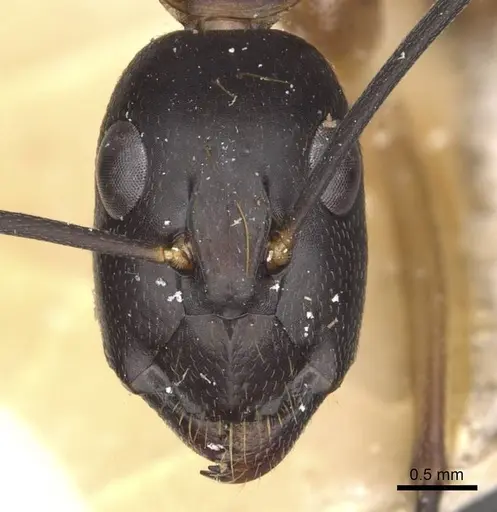
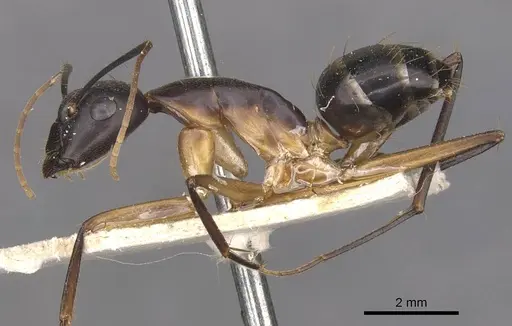
CASENT0910053
View on AntWeb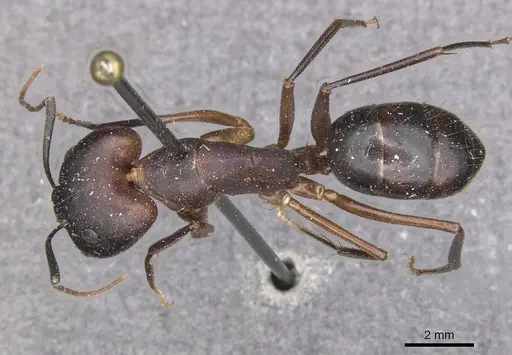
CASENT0910054
View on AntWeb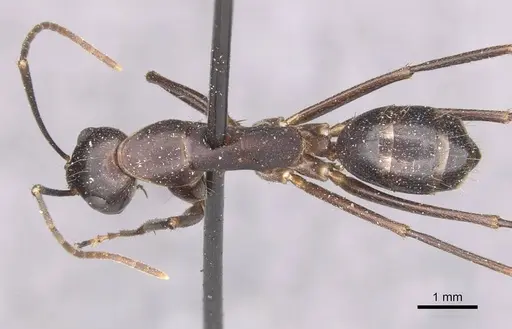
CASENT0910055
View on AntWeb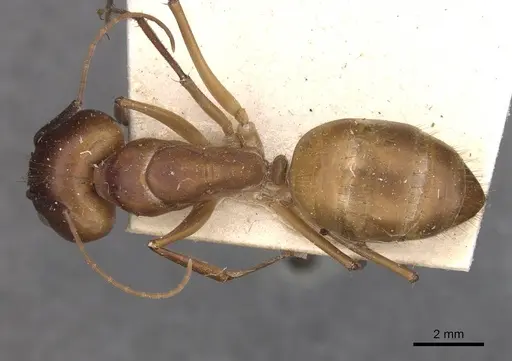
CASENT0910056
View on AntWeb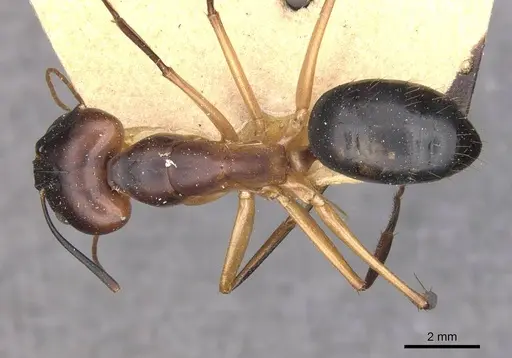
CASENT0910057
View on AntWeb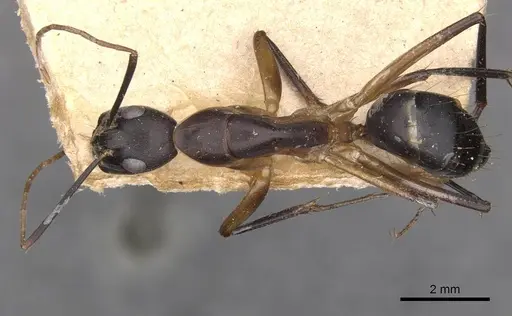
CASENT0910060
View on AntWeb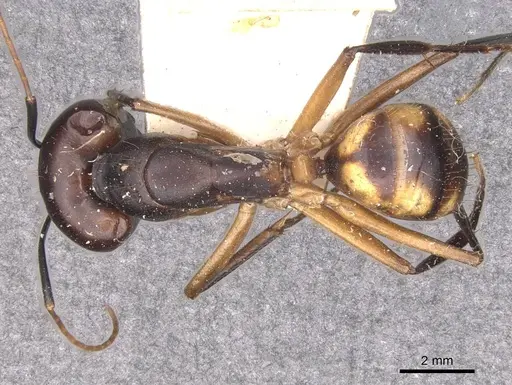
CASENT0910061
View on AntWeb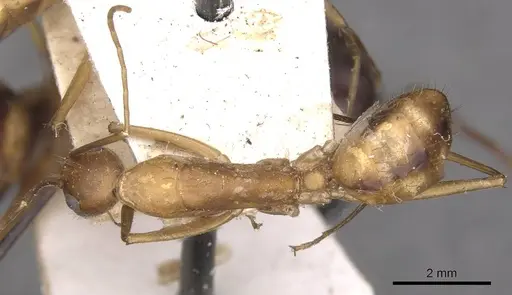
CASENT0910062
View on AntWeb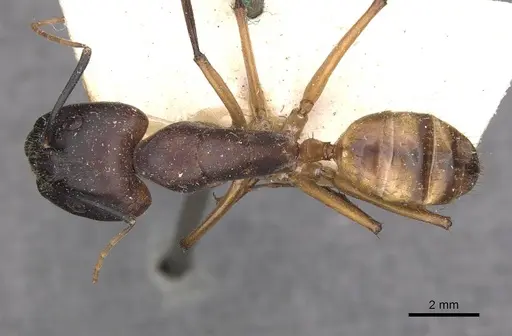
CASENT0910063
View on AntWeb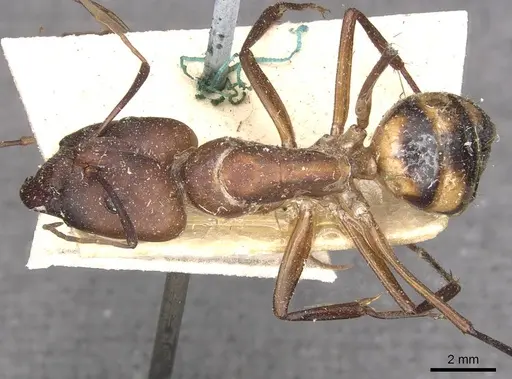
CASENT0910064
View on AntWeb
CASENT0910065
View on AntWeb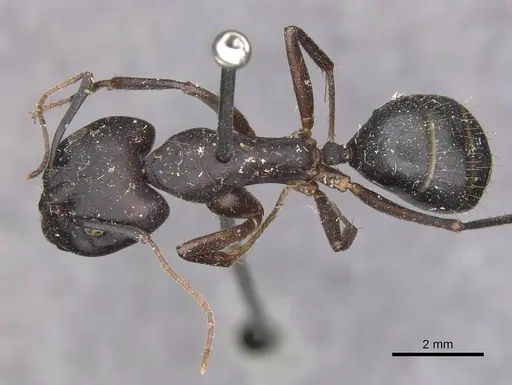
CASENT0910066
View on AntWeb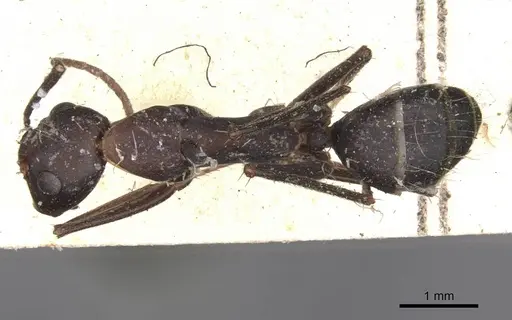
CASENT0910067
View on AntWeb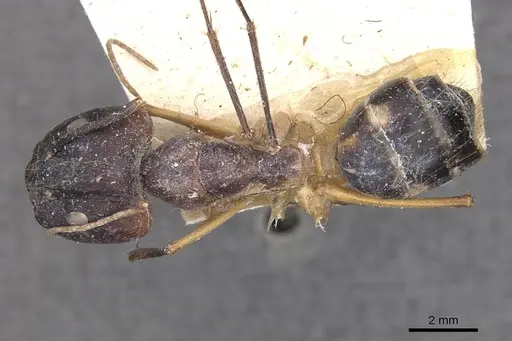
CASENT0910068
View on AntWeb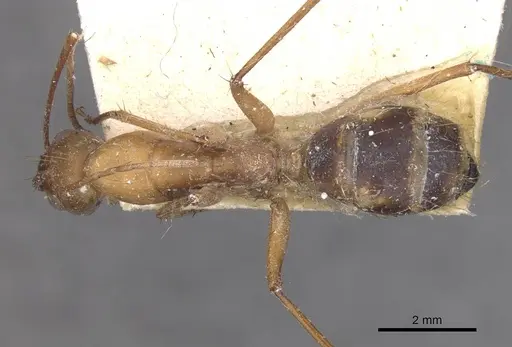
CASENT0910069
View on AntWeb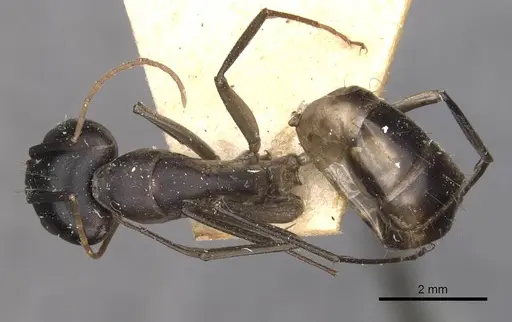
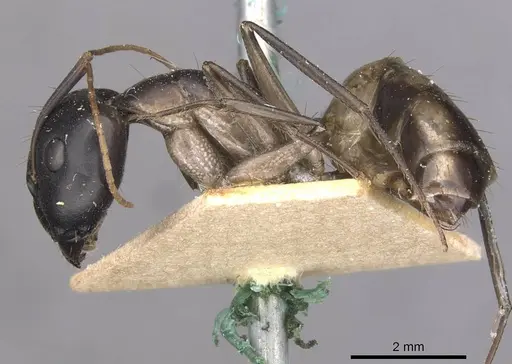
CASENT0910070
View on AntWeb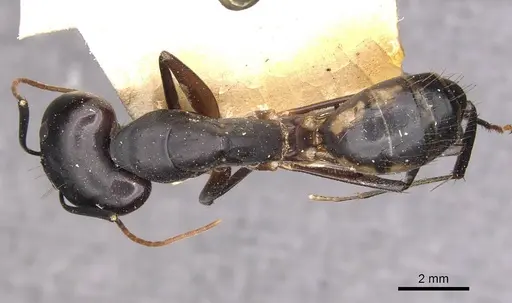
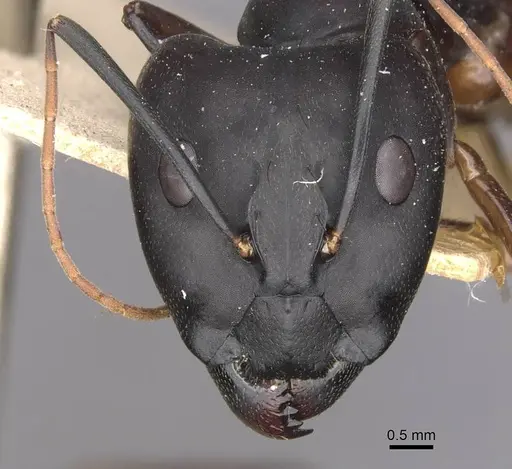
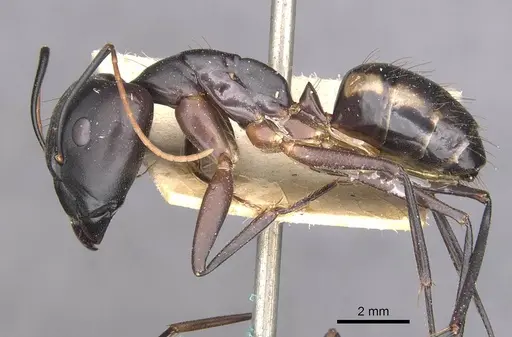
CASENT0910071
View on AntWeb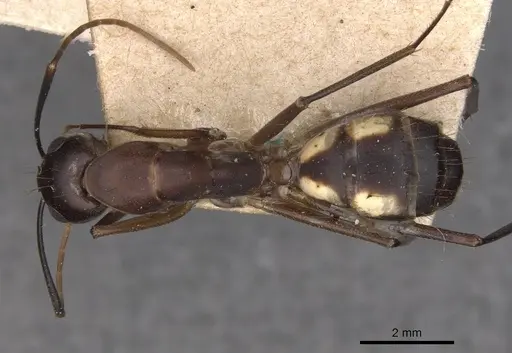
CASENT0910155
View on AntWeb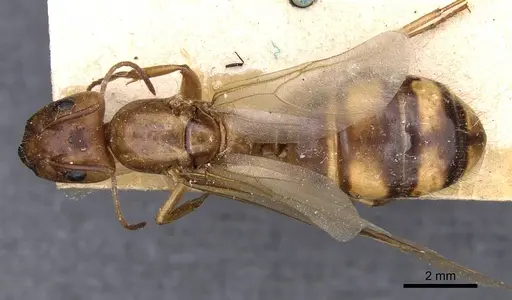
CASENT0911966
View on AntWeb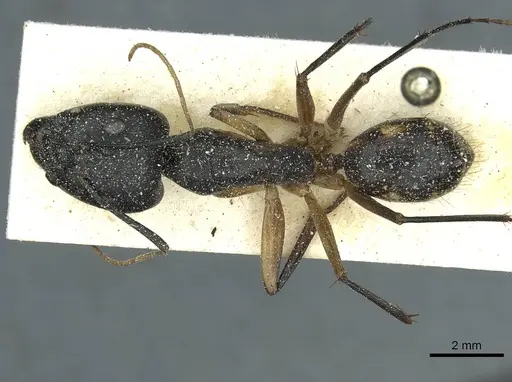
CASENT0911967
View on AntWeb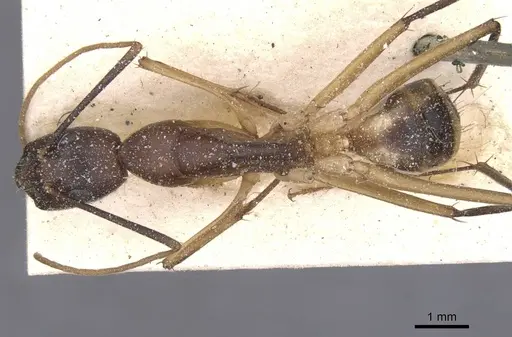
CASENT0911968
View on AntWeb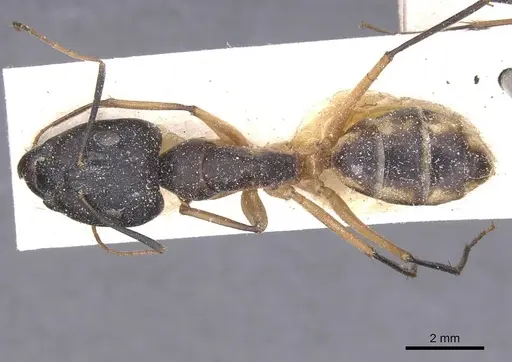
CASENT0911969
View on AntWeb
CASENT0911970
View on AntWeb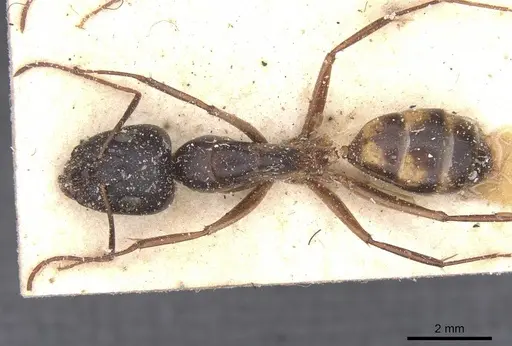
CASENT0911971
View on AntWeb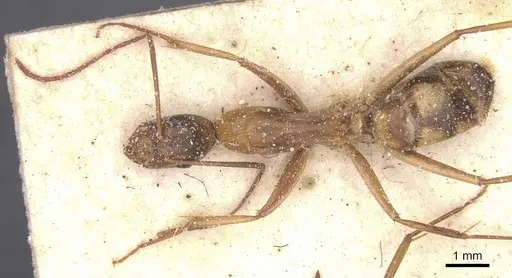
CASENT0911972
View on AntWeb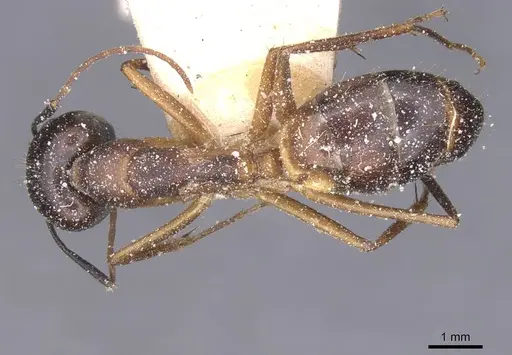
CASENT0911973
View on AntWeb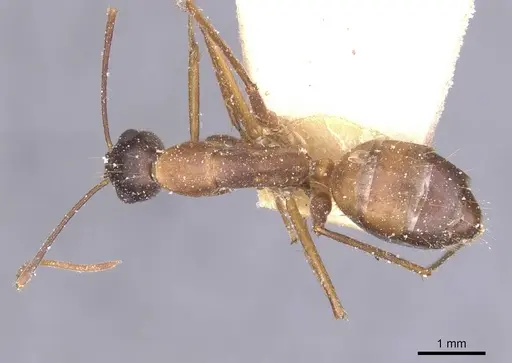
CASENT0911974
View on AntWeb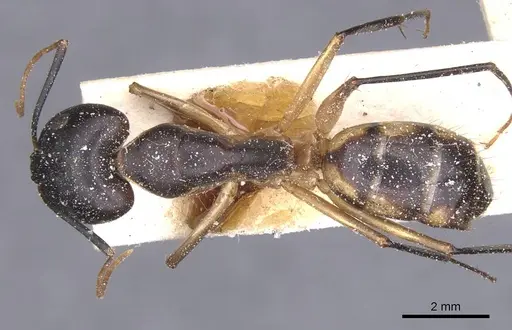
CASENT0911975
View on AntWeb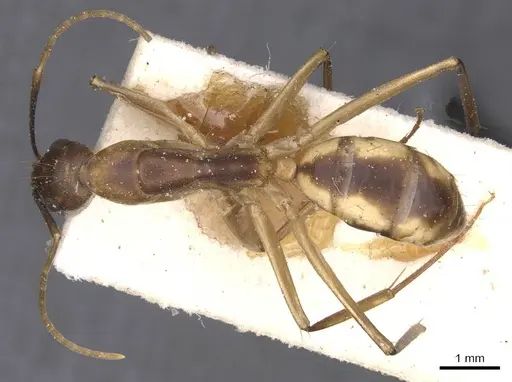
CASENT0911976
View on AntWeb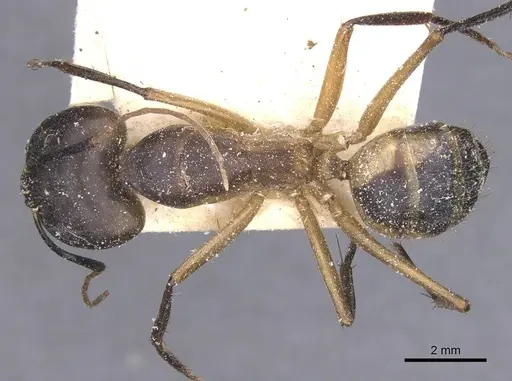
CASENT0911977
View on AntWeb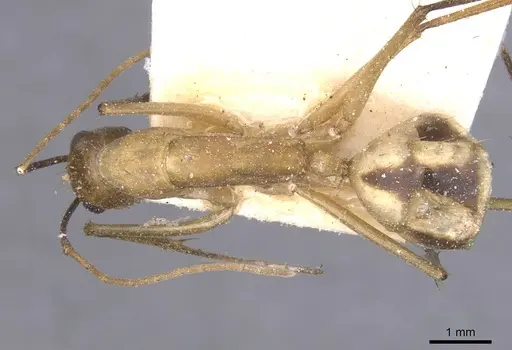
CASENT0911978
View on AntWeb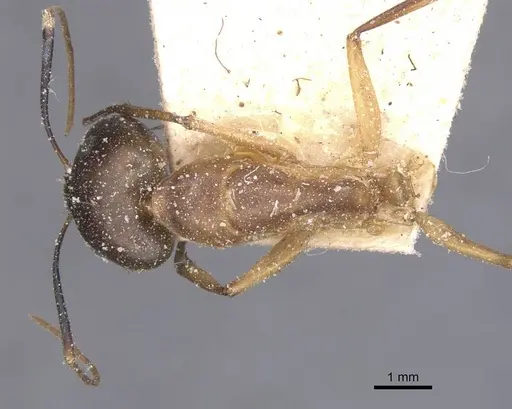
CASENT0911979
View on AntWeb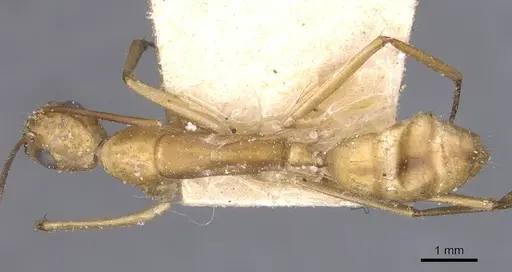
CASENT0911980
View on AntWeb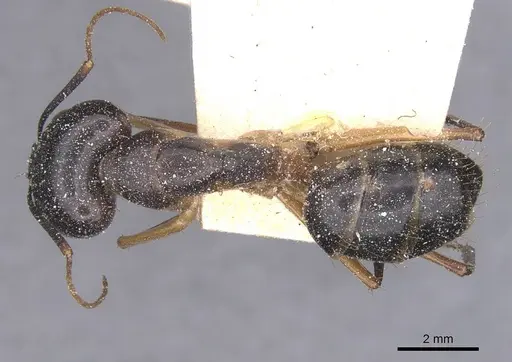
CASENT0911981
View on AntWeb
CASENT0911982
View on AntWeb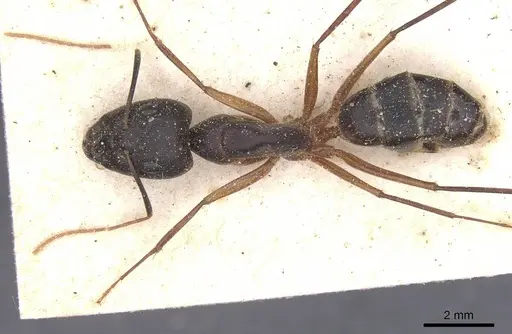
CASENT0911983
View on AntWeb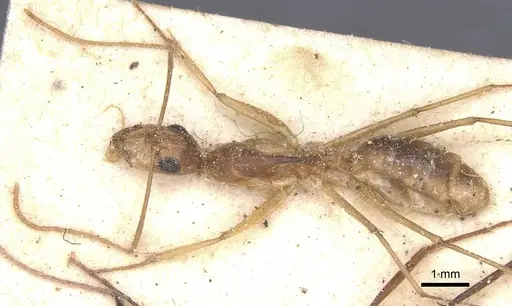
CASENT0911984
View on AntWeb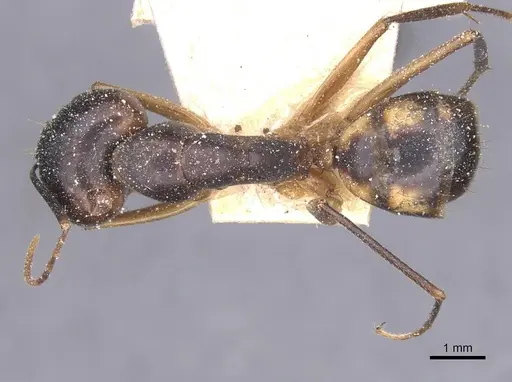
CASENT0911985
View on AntWeb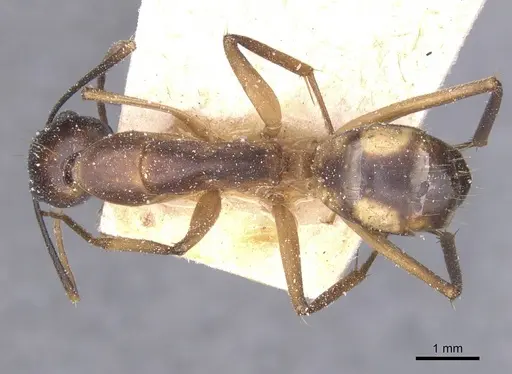
CASENT0911986
View on AntWeb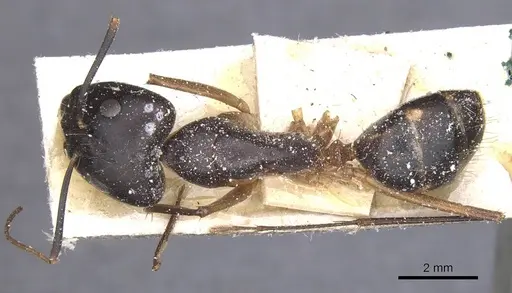
CASENT0911987
View on AntWeb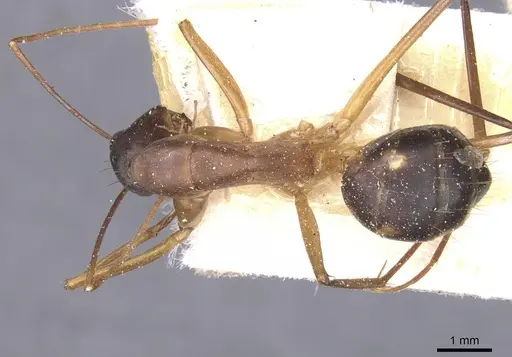
CASENT0911988
View on AntWeb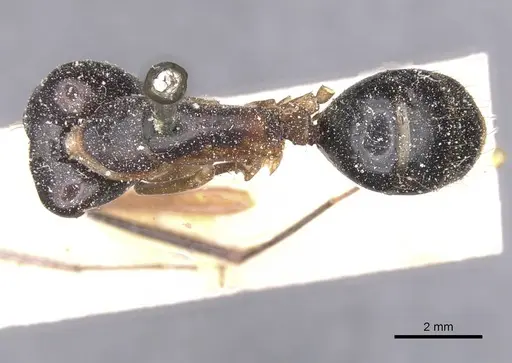
CASENT0911989
View on AntWeb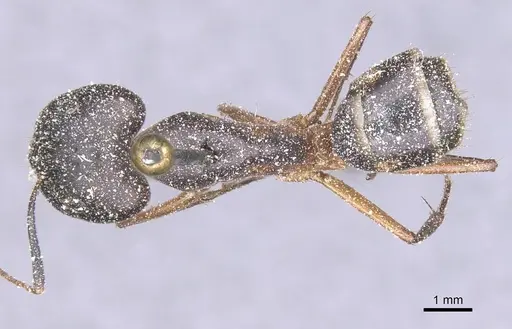
CASENT0911990
View on AntWeb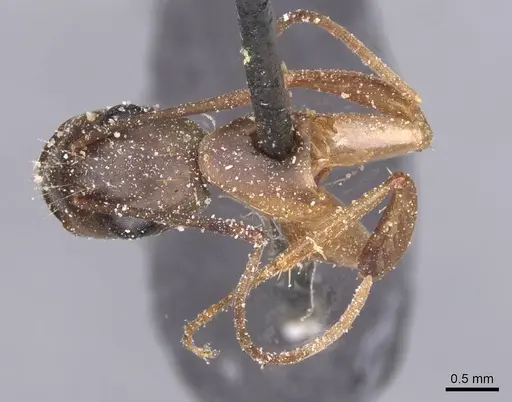
CASENT0911991
View on AntWeb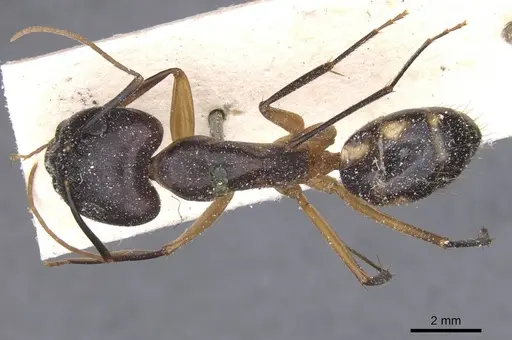
CASENT0911992
View on AntWeb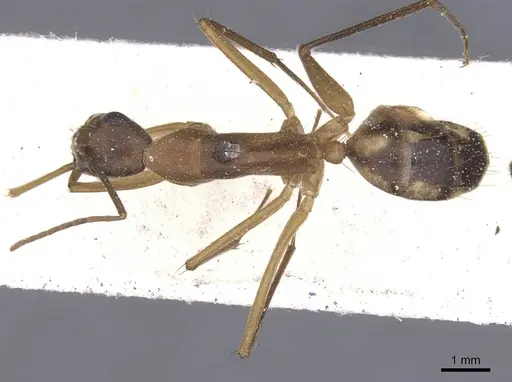
CASENT0911993
View on AntWeb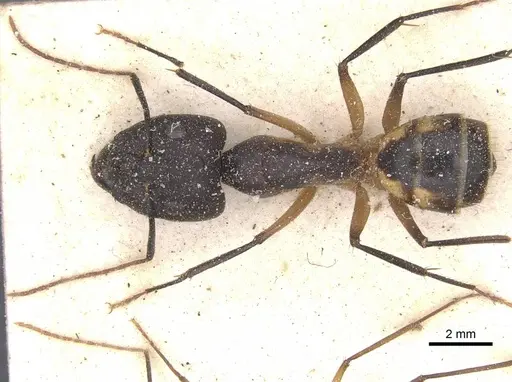
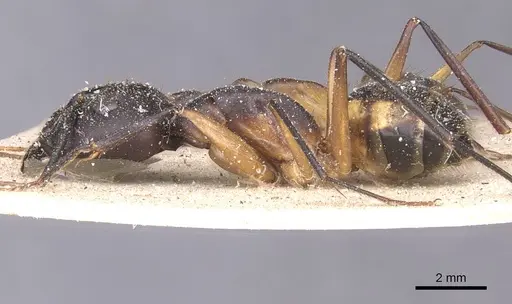
CASENT0911994
View on AntWeb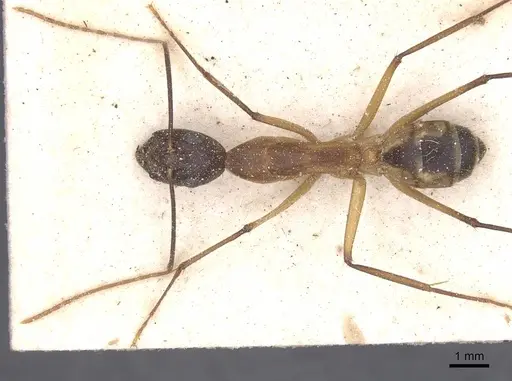
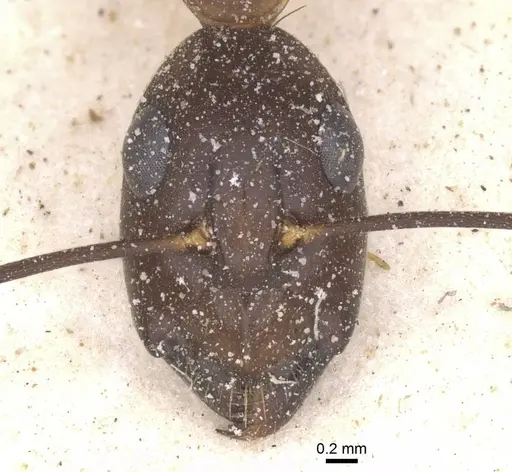
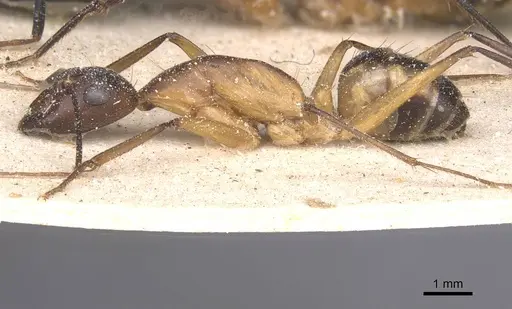
CASENT0911995
View on AntWeb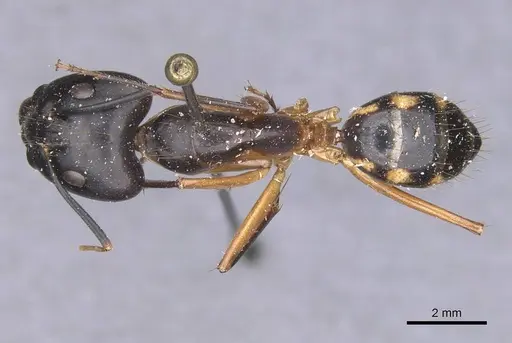
CASENT0911996
View on AntWeb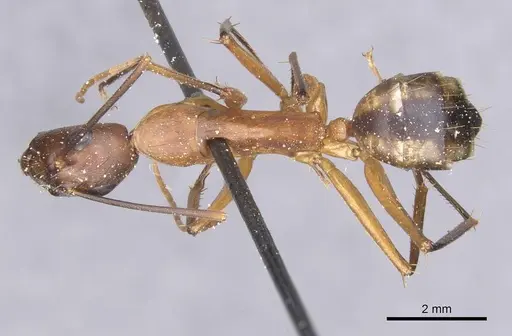
CASENT0911997
View on AntWeb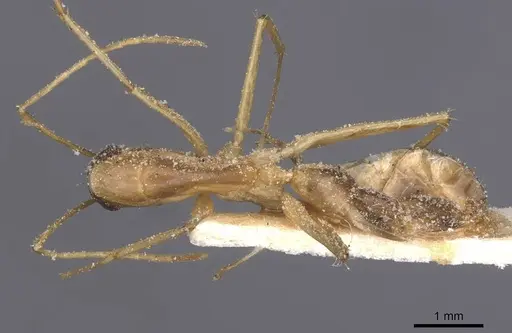
CASENT0911998
View on AntWeb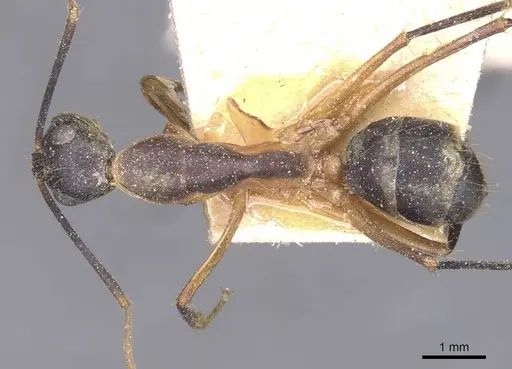
CASENT0913695
View on AntWeb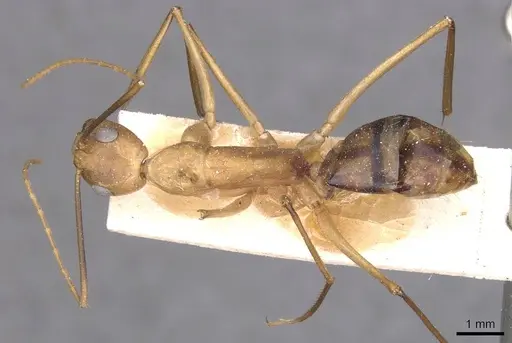
CASENT0917147
View on AntWeb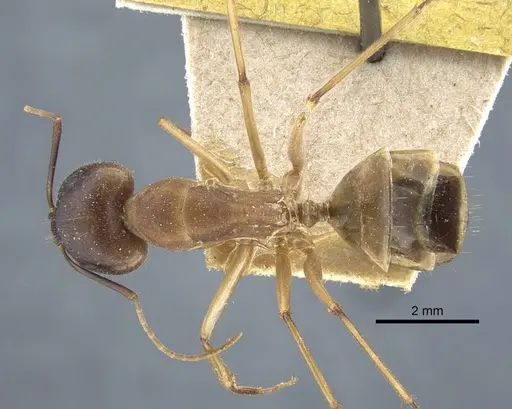
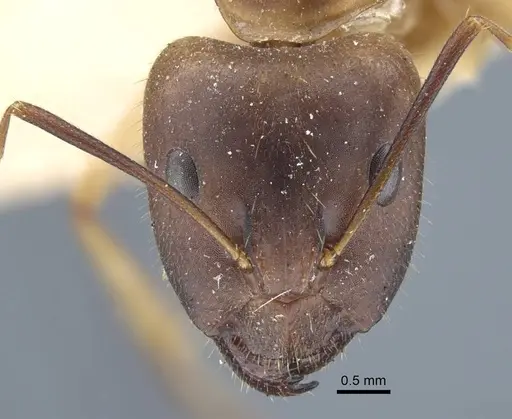
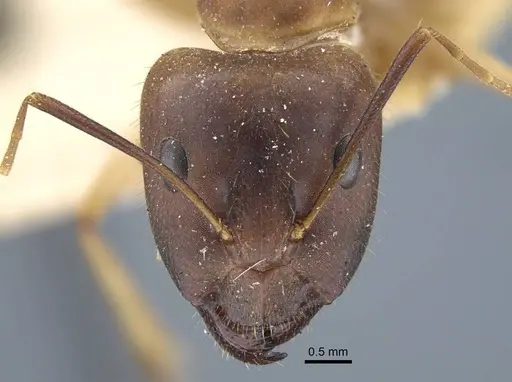
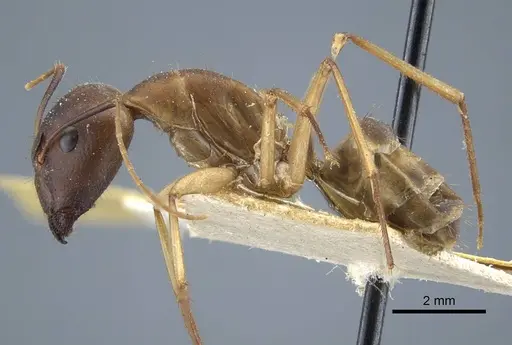
CASENT0917148
View on AntWeb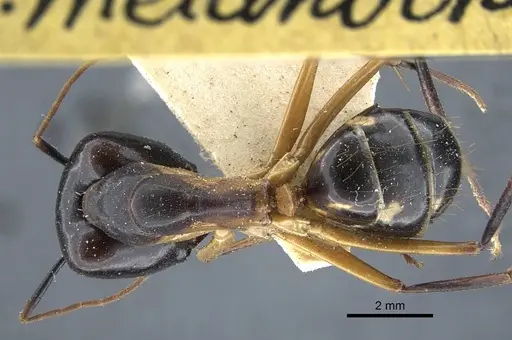
CASENT0922413
View on AntWeb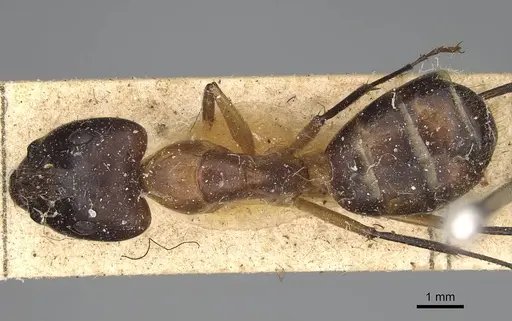
FMNHINS0000065575
View on AntWeb
FOCOL0560
View on AntWeb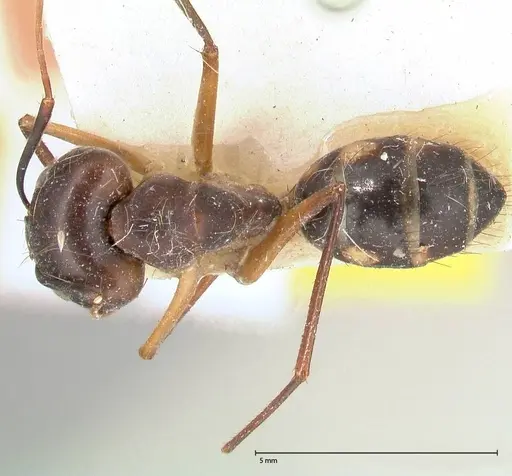
FOCOL0561
View on AntWeb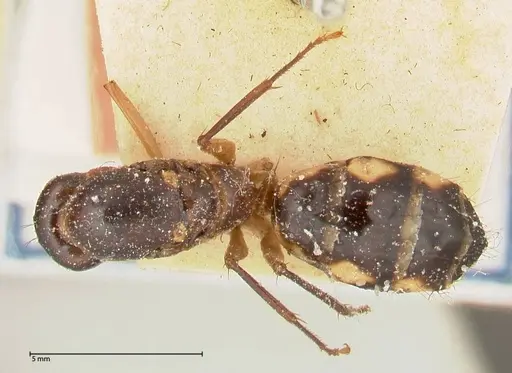
FOCOL2330
View on AntWeb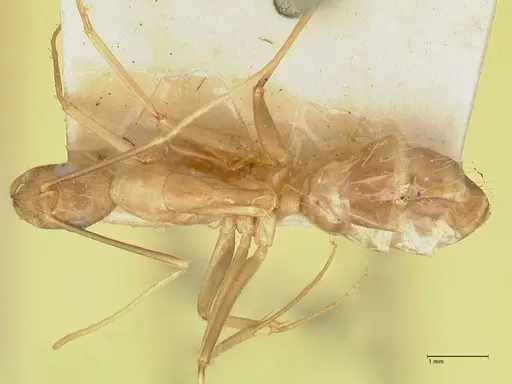
FOCOL2361
View on AntWeb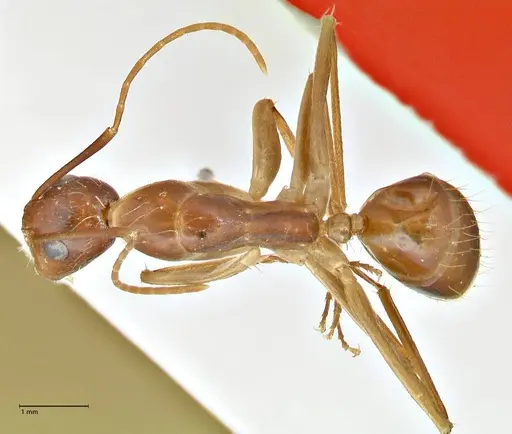
FOCOL2362
View on AntWeb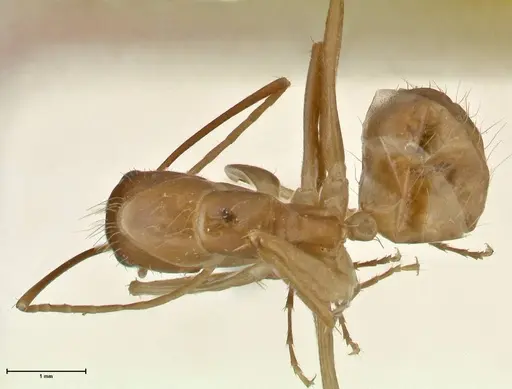
FOCOL2363
View on AntWeb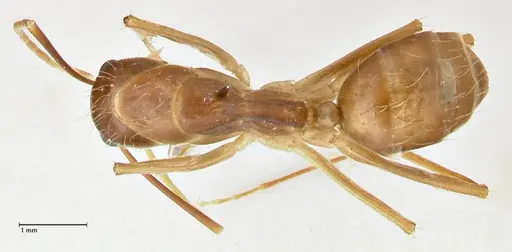
FOCOL2364
View on AntWeb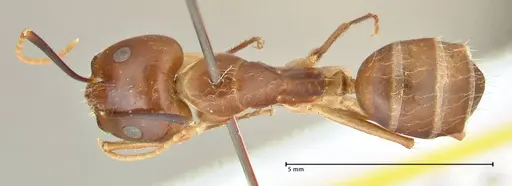
FOCOL2365
View on AntWeb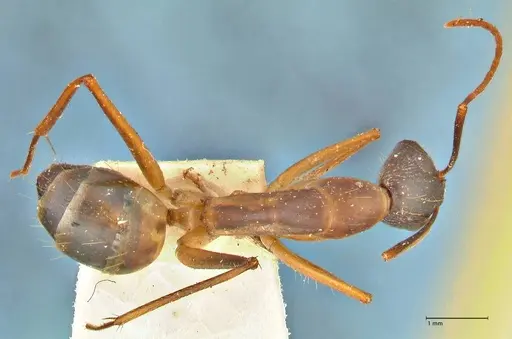
FOCOL2366
View on AntWeb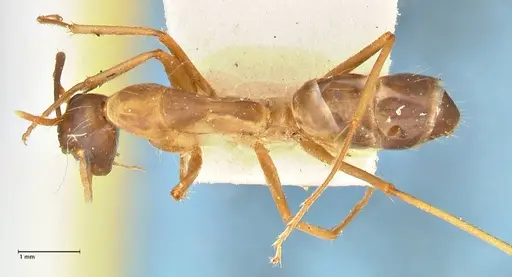
FOCOL2367
View on AntWeb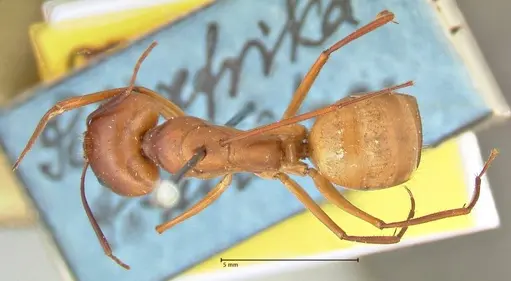
FOCOL2368
View on AntWeb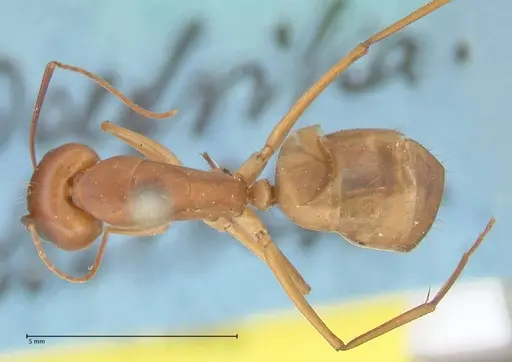
FOCOL2384
View on AntWeb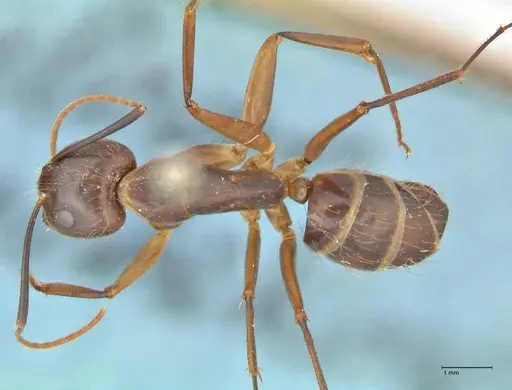
FOCOL2385
View on AntWeb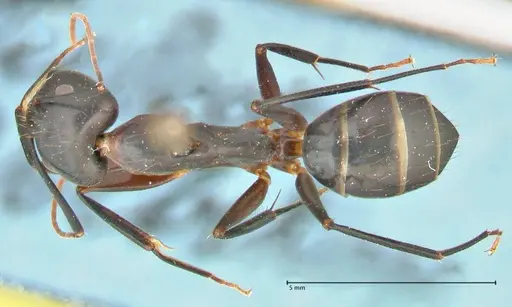
FOCOL2397
View on AntWeb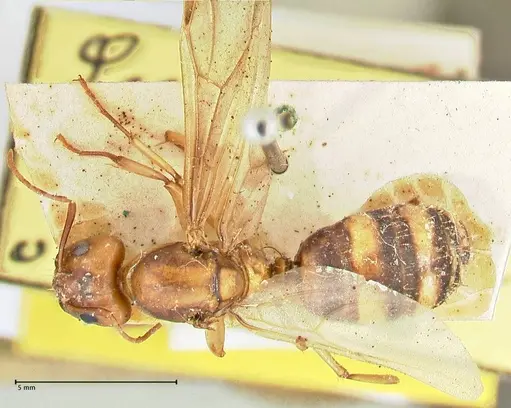
FOCOL2398
View on AntWeb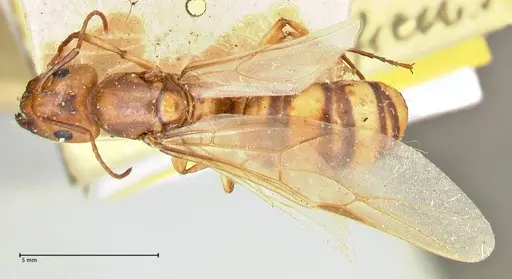
FOCOL2400
View on AntWeb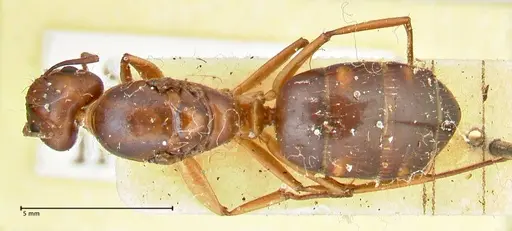
FOCOL2401
View on AntWeb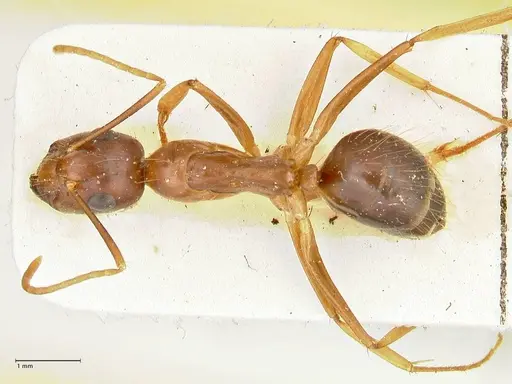
FOCOL2402
View on AntWeb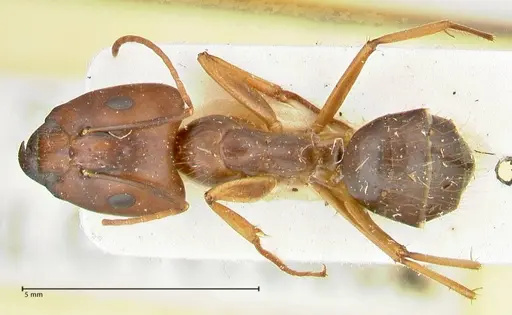
FOCOL2406
View on AntWeb
FOCOL2407
View on AntWeb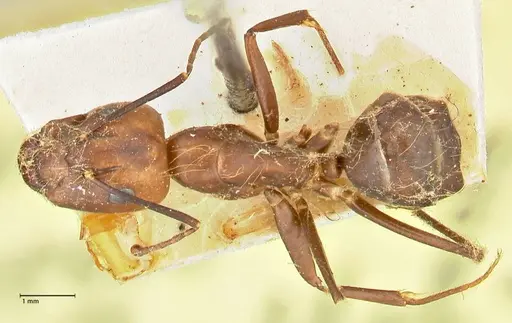
FOCOL2408
View on AntWeb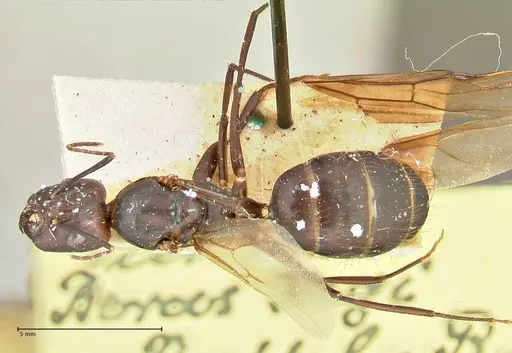
FOCOL2438
View on AntWeb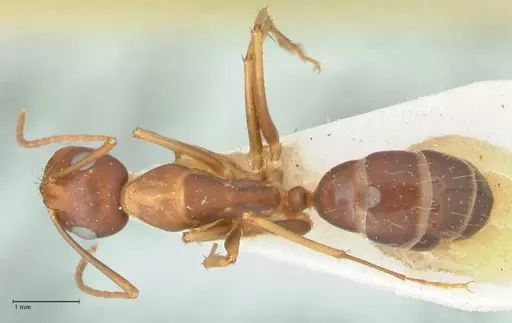
FOCOL2439
View on AntWeb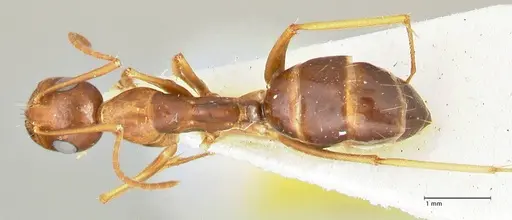
FOCOL2440
View on AntWeb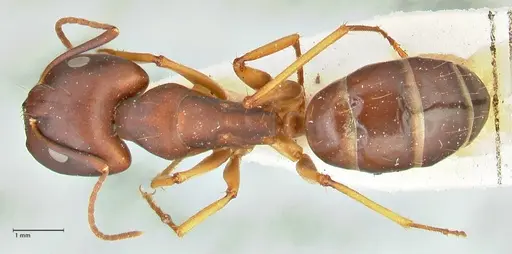
FOCOL2441
View on AntWeb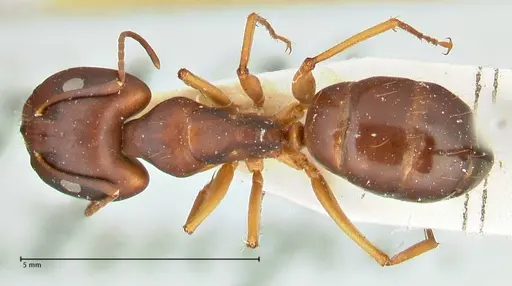
FOCOL2907
View on AntWeb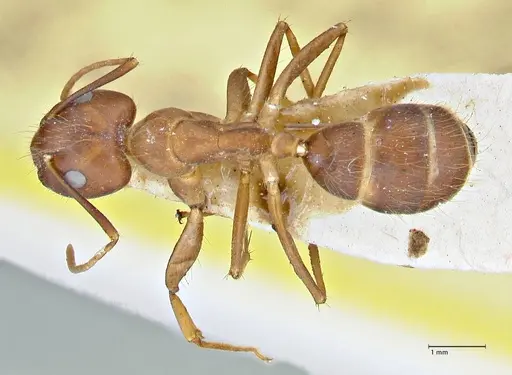
FOCOL2908
View on AntWeb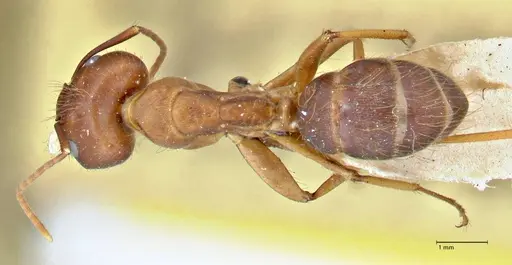
FOCOL2909
View on AntWeb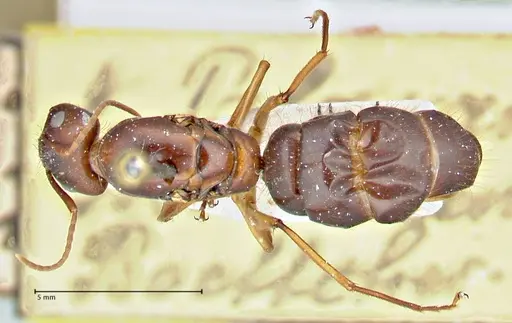
FOCOL2945
View on AntWeb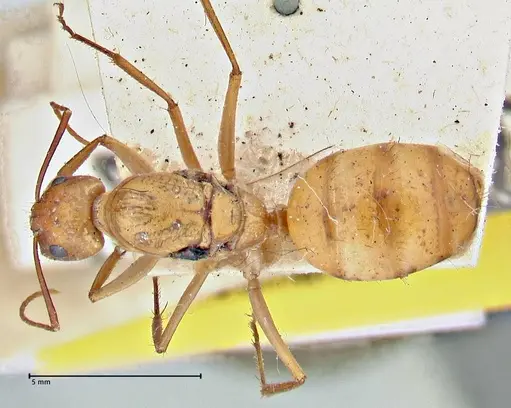
FOCOL2946
View on AntWeb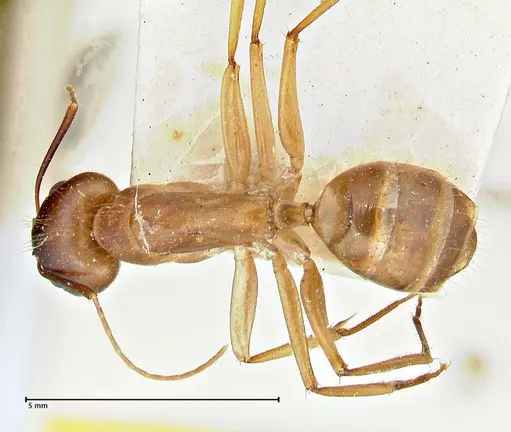
KG05098
View on AntWeb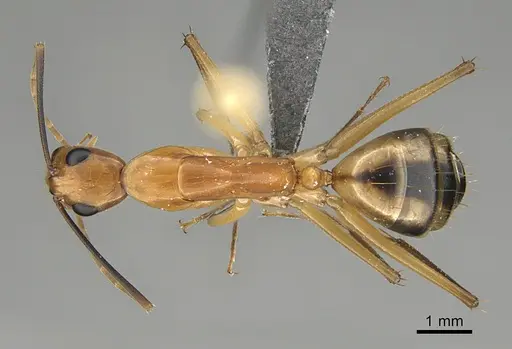
Literature
Loading...Loading products...