Pheidole mamore - "Mamoré Big-Headed Ant"
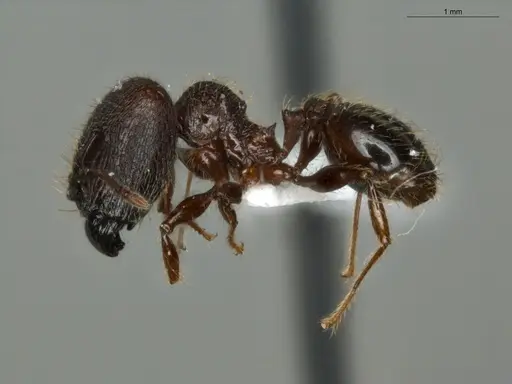
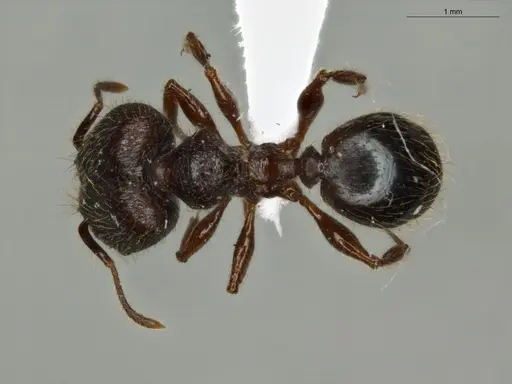
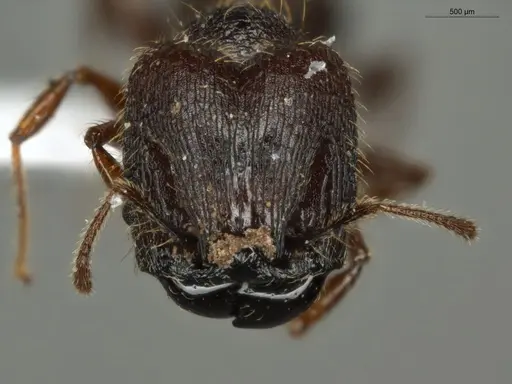
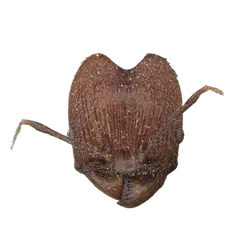
Pheidole mamore is a fascinating ant species belonging to the hyper-diverse Pheidole genus, renowned for its distinct worker castes. Like all Pheidole, this species features two main worker forms: the smaller, more numerous minor workers and the larger, conspicuously big-headed major workers (also known as soldiers). Minor workers typically measure around 0.60 mm in head width, while majors are significantly larger, with head widths up to 1.64 mm. The majors are notably robust with medium to dark reddish-brown bodies, and the minors are a plain medium brown. This species builds its nests in rotten wood on the forest floor.
- Difficulty: Medium
- Origin & Habitat: Neotropical Region (Brazil, Peru, Suriname, Guyana, French Guiana) in Primary rainforests and transitional forests, typically nesting in rotten wood on the forest floor..
- Colony Type: Monogyne (single queen), though some Pheidole species can exhibit temporary polygyny during founding., claustral (queen seals herself in), with temporary pleometrosis (multiple queens founding together) observed in some pheidole, although typically only one queen survives to raise the first brood. founding.
- Size & Growth:
- Queen: Not specified
- Worker: 0.6-1.64mm
- Colony: Large (tens of thousands), as Pheidole colonies can range from thousands to hundreds of thousands.. Fast, like many Pheidole species. growth.
- Antkeeping:
- Temperature: Preferred temperature is generally warm, mimicking their tropical origin. Keeping them between 24-28°C is ideal for optimal development and activity..
- Humidity: High humidity is crucial for this species, ideally maintained between 60-80% within the nest. They are susceptible to desiccation in dry conditions..
- Diapause: Not required. Not specified at Not specified.
- Nesting: Prefers nesting in rotten wood in the wild. In captivity, they can adapt to various setups like ytong, acrylic, 3D-printed, or naturalistic soil/sand setups. Good ventilation is important..
- Behavior: Medium (towards food and other ants; low towards handler) aggressiveness.
- Common Issues: Humidity fluctuations, Mold in nest (due to high humidity if not well-ventilated), Escape artists (due to small size), Colony stalling (if diet or temperature are inadequate).
Pheidole mamore, like other Pheidole species, thrives in warmer climates. Maintaining a consistent temperature within their formicarium, ideally between 24-28°C, is vital for their brood development and overall colony health. A heat mat or heat cable can be used to create a warm spot, which can significantly speed up the progression of eggs to adult workers, ensuring a robust and active colony. Always monitor the temperature carefully to prevent overheating.
Humidity management is paramount for Pheidole mamore. Hailing from humid rainforest environments, these ants require high moisture levels in their nest, ranging from 60-80%. Insufficient humidity can lead to colony stress and even death, as they are prone to desiccation. Using a nest material that retains moisture well, such as ytong or a slightly moist soil mix, is recommended. Regular misting of the foraging area can also help maintain ambient humidity.
This species exhibits strong polymorphism, with striking differences between the small minor workers and the massive-headed major workers. The majors serve crucial roles, from defending the colony and processing larger food items to potentially storing food. Providing a varied diet rich in both protein (small insects) and carbohydrates (sugar water, honey, or ant nectar) will ensure both castes are well-nourished and the colony can grow rapidly.
Pheidole ants are known for their opportunistic foraging behavior and aggressive tendencies towards food. They are general scavengers but will also prey on small arthropods. It's a joy to watch their efficient recruitment mechanisms as they quickly organize to bring back new food discoveries. Ensure their outworld is secure, as these ants, being quite small, can be escape artists, especially when exploring for new resources.
While Pheidole mamore is generally considered a fast-growing species, observing the nuances of their development and behavior can be incredibly rewarding. Keep an eye on their brood, as rapid expansion means you’ll need to consider larger housing relatively quickly. Transitioning them to a larger formicarium as the colony matures will prevent overcrowding and potential stress, allowing them to continue their impressive growth trajectory.
Frequently Asked Questions
How big do Pheidole mamore colonies get?
Pheidole mamore colonies can become quite large, potentially reaching tens of thousands of individual ants. Some Pheidole species are even known to form supercolonies with hundreds of thousands of members. Keeping a close eye on their growth is key, as you’ll need to upgrade their formicarium as they expand.
What is the best type of nest for Pheidole mamore?
Given their natural habit of nesting in rotten wood, Pheidole mamore will appreciate setups that offer good humidity retention and a secure environment. Acrylic, ytong, or 3D-printed nests with good ventilation are excellent choices. Many antkeepers also find success with naturalistic setups featuring a soil or sand-loam substrate where they can tunnel. Just remember, these tiny ants are notorious escape artists, so a secure barrier is crucial!
What do Pheidole mamore ants eat?
These ants are omnivorous, meaning they need a balanced diet of both protein and carbohydrates. For protein, offer them freshly killed insects like small mealworms, crickets, or fruit flies. For carbs, sugar water, honey, or specialized ant nectar are perfect. A varied diet keeps your colony healthy and thriving.
Do Pheidole mamore need to hibernate?
No, Pheidole mamore, being a tropical species, does not require hibernation. They thrive in consistent, warmer temperatures year-round. Maintaining a stable temperature around 24-28°C will ensure their continuous activity and development.
How fast do Pheidole mamore grow?
Pheidole mamore colonies are known for their fast growth rate, especially when provided with optimal temperature, humidity, and a good food supply. You can expect their first brood of workers to develop from egg to adult in about 4-6 weeks under ideal conditions. Be prepared for rapid expansion!
Are Pheidole mamore aggressive?
While Pheidole mamore are not typically aggressive towards their antkeeper, they can be quite aggressive towards food items and other ant species. Their major workers, with their large heads, play a significant role in defending the colony and processing larger prey. It's fascinating to observe their coordinated efforts during foraging and defense.
What is the difference between minor and major workers in Pheidole mamore?
Pheidole mamore exhibits a clear dimorphism in its worker caste. Minor workers are smaller, more numerous, and generally handle most of the foraging and brood care. Major workers, often called soldiers, have disproportionately large heads and are specialized for tasks like defense, cracking seeds, and dismembering larger prey. This division of labor is a hallmark of the Pheidole genus.
What humidity do Pheidole mamore need?
Maintaining high humidity is critical for Pheidole mamore. They prefer humidity levels between 60-80% inside their nest. Inadequate humidity can lead to issues like brood drying out or ants dying from desiccation. Using a water-rich nest setup and regularly moistening the outworld can help keep conditions optimal.
Can I keep multiple Pheidole mamore queens together?
Pheidole mamore is typically a monogyne species, meaning colonies are founded by a single queen. While some Pheidole species might exhibit temporary pleometrosis (multiple queens founding together), usually only one queen survives to establish a mature colony. It's generally best to keep them as single-queen colonies for long-term success.
What are common issues when keeping Pheidole mamore?
The most common challenges with Pheidole mamore include maintaining consistent high humidity to prevent desiccation, preventing mold outbreaks in humid setups, and keeping them contained due to their small size and tendency to explore. Ensuring a secure nest and proper ventilation are key to avoiding these issues.