

Pheidole angulifera
- Scientific Name
- Pheidole angulifera
- Tribe
- Attini
- Subfamily
- Myrmicinae
- Author
- Wilson, 2003
- Distribution
- Found in 2 countries
Pheidole angulifera Overview
Pheidole angulifera is an ant species of the genus Pheidole. It is primarily documented in 2 countries , including Costa Rica, Panama. Detailed taxonomic data and occurrence records can be further explored via authoritative databases such as AntWeb or the Global Biodiversity Information Facility (GBIF).
Pheidole angulifera
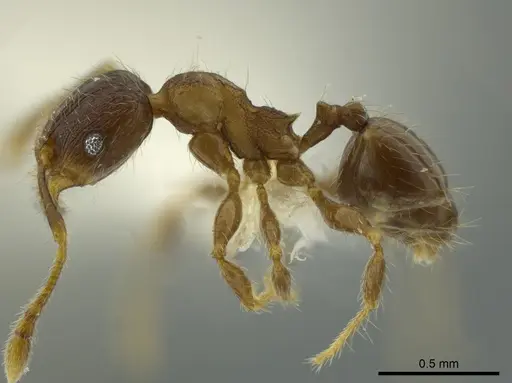
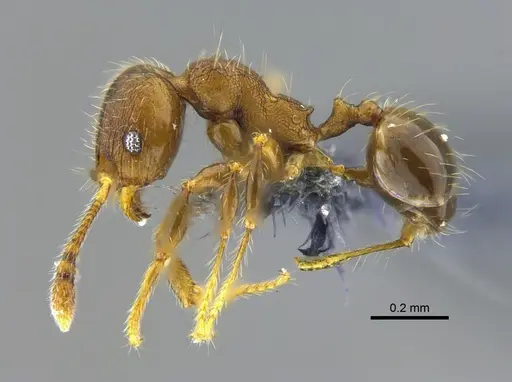
Pheidole angulifera is a small Neotropical ant belonging to the flavens group, native to the wet montane forests of Costa Rica and Colombia. Majors are distinctive for their prominent 'shark fin' shaped pronotal humeri, a unique feature among related species. Workers are bicolorous: majors are yellowish brown with a slightly darker head capsule, while minors have a light brown head with dark yellow markings on the gena and anterior mesosoma. This species nests in dead wood branches in highland habitats around 1000-1200m elevation [1]. The species was described by Wilson in 2003 and represents one of the more recently documented Pheidole species in Central America [2].
Quick Summary
- Difficulty: Medium
- Origin & Habitat: Wet montane forests of southern Pacific highlands of Costa Rica and Antioquia, Colombia. Type colony found nesting in a hard dead branch at approximately 1200m elevation [1][2].
- Colony Type: Unconfirmed, Pheidole genus typically forms single-queen colonies, but colony structure has not been specifically documented for this species.
- Size & Growth:
- Queen: Not documented for this species. Based on genus patterns, likely 5-7mm.
- Worker: Major: 0.88mm HW, Minor: 0.48mm HW [1].
- Colony: Unknown, no colony size data available for this species.
- Growth: Unknown, no development data available for this species.
- Development: Unconfirmed. Based on typical Pheidole patterns in tropical species, estimate 4-8 weeks at optimal temperature. (No direct development data exists for P. angulifera. Estimates based on genus-level patterns for small Myrmicinae in tropical environments.)
- Antkeeping:
- Temperature: Based on highland wet forest habitat (1200m), likely prefers moderate temperatures around 20-24°C. Avoid overheating, these ants come from cooler mountain environments, not lowland tropics.
- Humidity: High humidity required, wet montane forest habitat. Keep nest substrate consistently moist but not waterlogged. Provide a water source in the outworld.
- Diapause: Unknown for this species. Given the highland origin (1200m), they may experience cooler seasonal temperatures but true diapause requirements are unconfirmed.
- Nesting: In nature, colonies nest in dead wood branches. In captivity, Y-tong nests, plaster nests, or test tube setups with access to a humid outworld work well. Avoid completely dry conditions.
- Behavior: Minor workers are small (0.48mm) and major workers are larger (0.88mm), creating a typical Pheidole dimorphic colony with distinct soldier castes. Based on genus behavior, they are likely active foragers that harvest seeds and tend aphids. Escape prevention is important due to the small minor workers, use fine mesh barriers. Temperament is typically non-aggressive toward keepers but majors will defend the colony if threatened.
- Common Issues: high humidity maintenance is critical, dry conditions will kill colonies, small minor workers require fine mesh for escape prevention, limited availability in the antkeeping hobby, rarely available for purchase, no established captive breeding lines means wild-caught colonies may struggle with captivity, temperature sensitivity, avoid warm conditions above 26°C
Natural History and Distribution
Pheidole angulifera is native to the Neotropical highlands of Central America. The species was originally described from Costa Rica, specifically from the southern Pacific highlands in Puntarenas province at around 1200m elevation. More recent surveys have documented the species in Colombia's Antioquia department at approximately 980m elevation, expanding the known range [2][3]. The species inhabits wet montane forests, a habitat characterized by high humidity, moderate temperatures, and dense vegetation. The type colony was found nesting in a hard dead branch, indicating this species prefers nesting in wood rather than soil [1]. This highland distribution suggests the species is adapted to cooler, more humid conditions than many lowland tropical ants.
Identification and Morphology
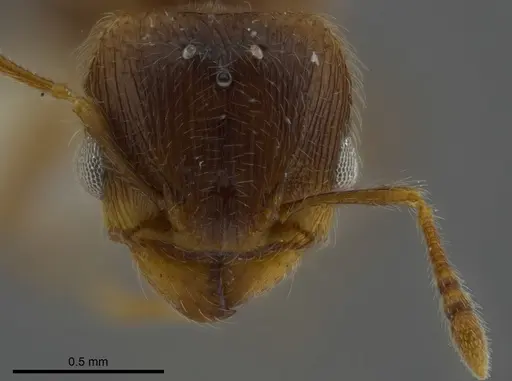
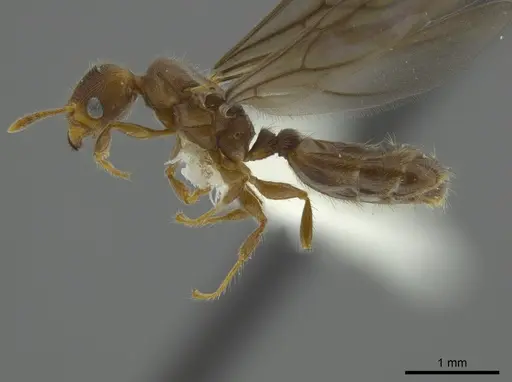
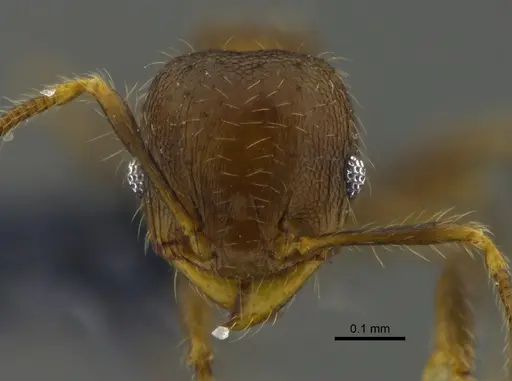
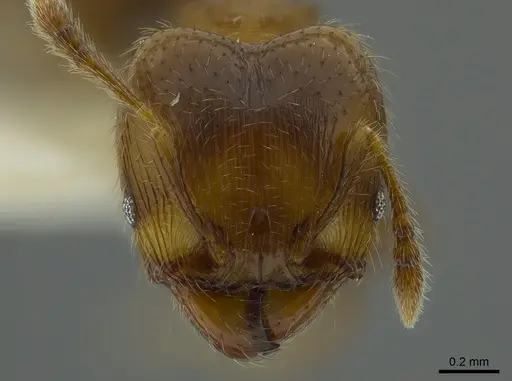
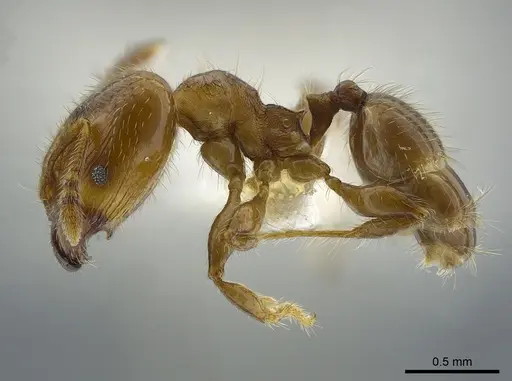
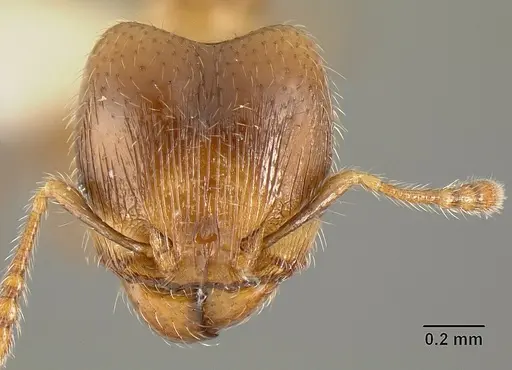
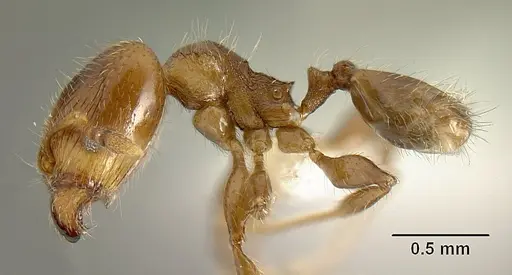
Pheidole angulifera is a member of the flavens group within the genus Pheidole. The species is most easily identified by the distinctive 'shark fin' shape of the pronotal humerus in major workers when viewed from a dorsal-oblique angle. This feature sets it apart from related species like Pheidole schmalzi. Major workers measure approximately 0.88mm head width and 0.92mm head length, while minor workers are much smaller at around 0.48mm head width [1]. The coloration is bicolorous: majors are yellowish brown with a slightly darker head capsule, while minors have a light brown head with contrasting dark yellow markings on the gena and anterior mesosoma. The presence of major workers with this distinctive humeral morphology makes identification relatively straightforward for this species.
Housing and Nesting
In their natural habitat, P. angulifera colonies nest in dead wood branches found in wet montane forests. For captive care, replicate these conditions using a nest setup that provides humid, enclosed spaces. Y-tong (acrylic) nests or plaster nests work well, as they can be kept consistently moist. Test tube setups are also suitable, provided you maintain high humidity in the outworld. The key requirement is avoiding completely dry conditions, this species has evolved in environments with constant moisture. Include a water source in the outworld for drinking. Because minor workers are very small (0.48mm), ensure all connections between nest and outworld have tight seals and fine mesh barriers to prevent escapes. [1]
Temperature and Humidity Requirements
Based on the species' origin in highland wet forests at approximately 1000-1200m elevation, these ants prefer moderate temperatures rather than warm conditions. Aim for temperatures in the range of 20-24°C. Avoid temperatures above 26°C, as this species is not adapted to lowland tropical heat. Humidity is critical, maintain high humidity by keeping the nest substrate consistently moist and providing a water dish in the outworld. The substrate should feel damp to the touch but not be waterlogged. Poor humidity is one of the most common causes of colony failure with this species. A hygrometer can help monitor conditions, with target humidity around 70-80%. [1]
Feeding and Diet
As a member of the tribe Attini (leafcutter and fungus-growing ants' relatives), Pheidole species typically have varied diets including seeds, dead insects, and honeydew from aphids. While specific feeding data for P. angulifera is lacking, offer a varied diet similar to other small Pheidole species. Protein sources like small crickets, mealworms, or other small insects should be provided regularly. Sugar sources like honey water or sugar water are typically accepted. Seeds may also be hoarded, reflecting the genus' seed-harvesting tendencies. Feed every 2-3 days, removing uneaten prey after 24 hours to prevent mold.
Colony Development
No specific development data exists for Pheidole angulifera. Based on typical Pheidole genus patterns for small tropical species, expect a development timeline of approximately 4-8 weeks from egg to first worker (nanitic) at optimal temperature. Pheidole colonies are dimorphic, producing both minor workers and major workers (soldiers). Major production typically increases as the colony matures. The founding queen likely seals herself in a chamber (claustral founding), surviving on stored fat reserves until the first workers emerge, this is the typical pattern for the genus, though not directly documented for this species. Colony growth rate is unknown but is likely moderate for a small Pheidole species.
Frequently Asked Questions
How long does it take for Pheidole angulifera to produce first workers?
The exact timeline is unconfirmed for this species, but based on typical Pheidole patterns for small tropical ants, expect approximately 4-8 weeks from egg to first worker at optimal temperature (around 22°C).
What temperature do Pheidole angulifera ants need?
Keep them at moderate temperatures between 20-24°C. This species comes from highland wet forests (around 1200m elevation) and is not adapted to warm conditions, avoid temperatures above 26°C.
Do Pheidole angulifera ants need hibernation?
Diapause requirements are unknown for this species. Given their highland origin, they may experience seasonal temperature changes but true hibernation is not documented. If kept at stable room temperature (20-24°C), no special winter care is likely needed.
What do Pheidole angulifera ants eat?
While not specifically documented, they likely accept small insects (protein), sugar sources (honey or sugar water), and possibly seeds, similar to other Pheidole species. Offer a varied diet.
Are Pheidole angulifera ants aggressive?
Pheidole species are generally not aggressive toward keepers but will defend their colony. The major workers (soldiers) have larger mandibles for defense. They are not considered dangerous to humans.
How big do Pheidole angulifera colonies get?
Maximum colony size is unknown, no colony size data exists for this species. Most Pheidole colonies reach several hundred to a few thousand workers at maturity.
Can I keep multiple Pheidole angulifera queens together?
Colony structure is unconfirmed for this species. Pheidole genus typically forms single-queen colonies, but combining unrelated foundress queens is not recommended without documented evidence that they can co-found successfully.
What size nest does Pheidole angulifera need?
Start with a test tube setup for the founding queen. Once the colony reaches 20-30 workers, you can move to a small Y-tong or plaster nest. They prefer enclosed, humid spaces, avoid dry, open setups.
Why is my Pheidole angulifera colony dying?
The most common cause is low humidity, this species requires consistently moist conditions. Also check temperature (avoid overheating above 26°C) and ensure escape prevention is adequate for their tiny minor workers.
Is Pheidole angulifera available in the antkeeping hobby?
This species is rarely available. It has a limited distribution in Costa Rica and Colombia and is not commonly collected for the hobby. Most available colonies would be wild-caught.
References

This caresheet is licensed under CC BY-SA 4.0 .
CASENT0610094
View on AntWeb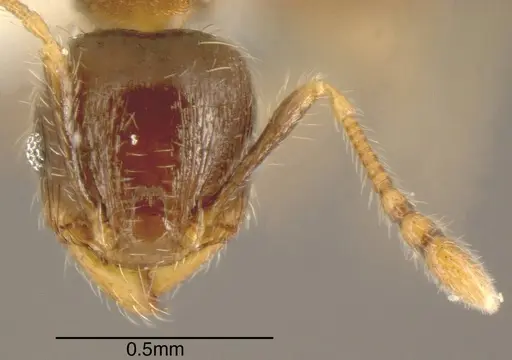
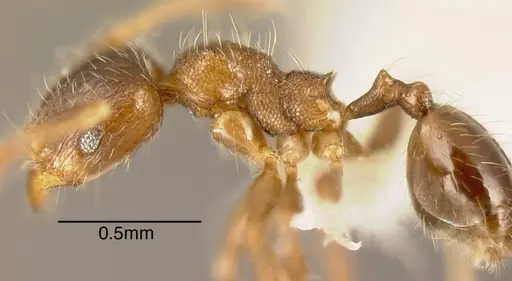
CASENT0625430
View on AntWeb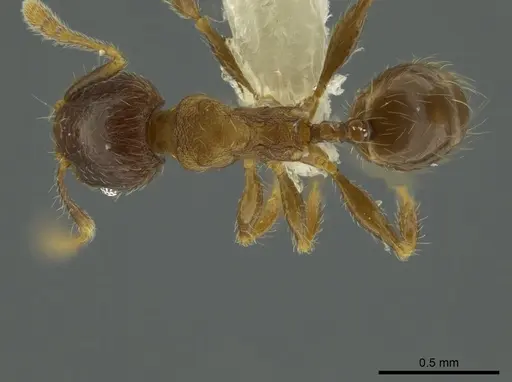
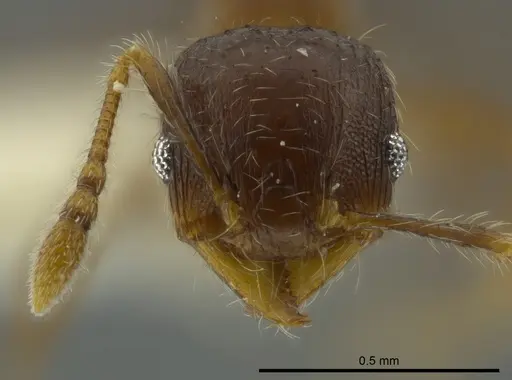
CASENT0625431
View on AntWeb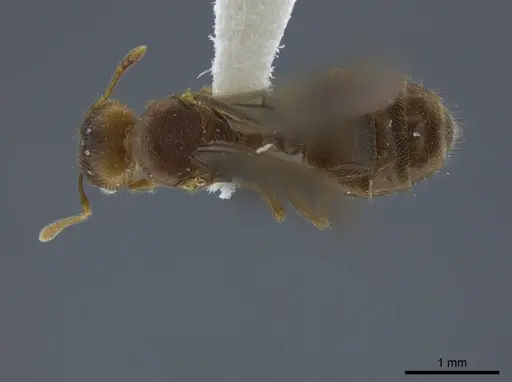
CBUMAGENT42037
View on AntWeb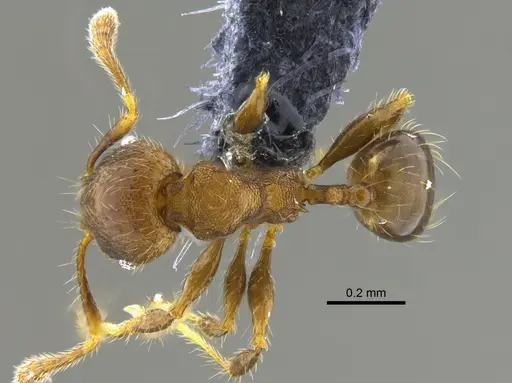
INBIOCRI001281571
View on AntWeb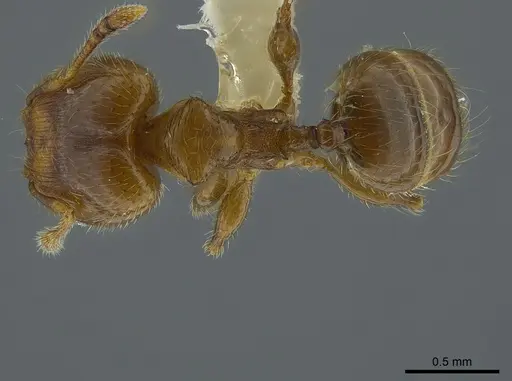
INBIOCRI001281572
View on AntWeb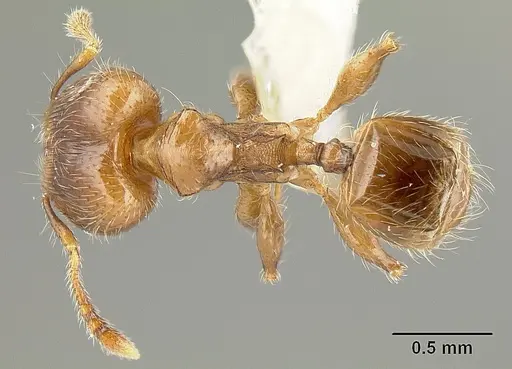
Literature
Loading...Loading products...