

Pheidole schmalzi
- Scientific Name
- Pheidole schmalzi
- Tribe
- Attini
- Subfamily
- Myrmicinae
- Author
- Emery, 1894
- Distribution
- Found in 2 countries
Pheidole schmalzi Overview
Pheidole schmalzi is an ant species of the genus Pheidole. It is primarily documented in 2 countries , including Brazil, French Guiana. Detailed taxonomic data and occurrence records can be further explored via authoritative databases such as AntWeb or the Global Biodiversity Information Facility (GBIF).
Pheidole schmalzi
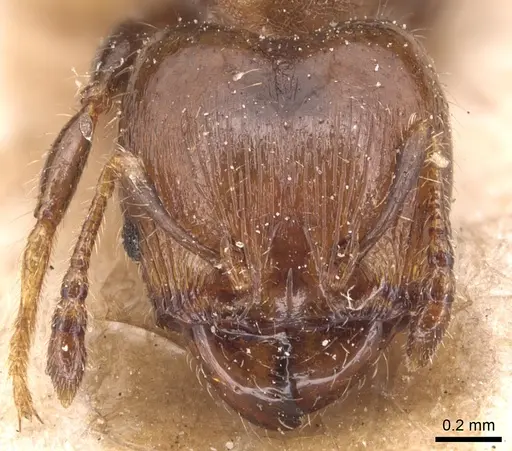
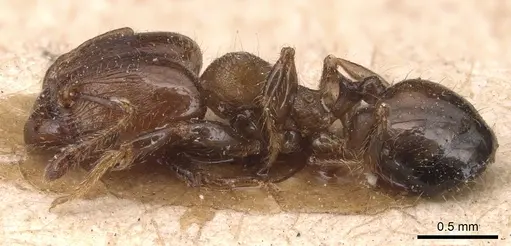
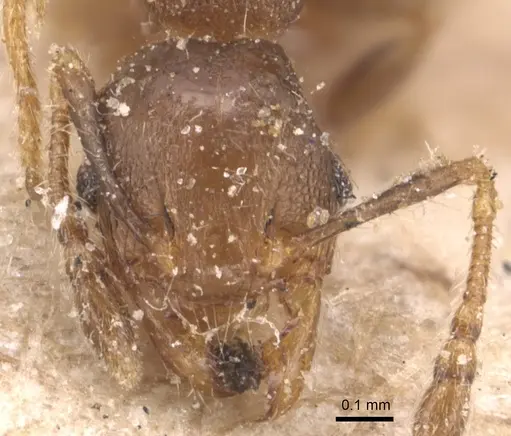
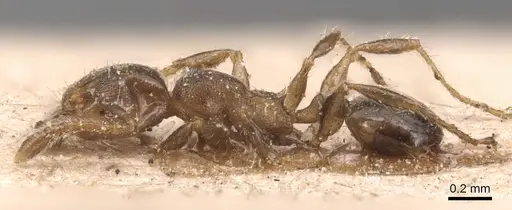
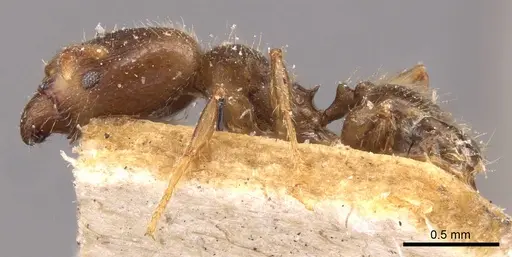
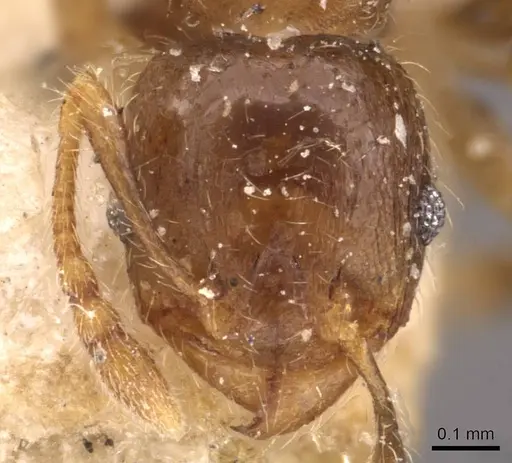
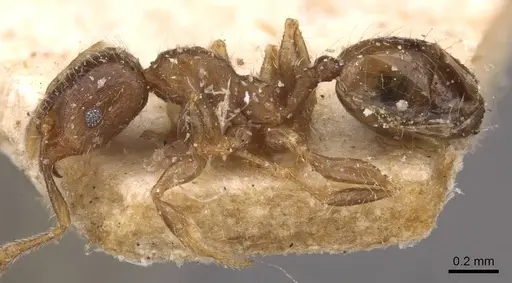
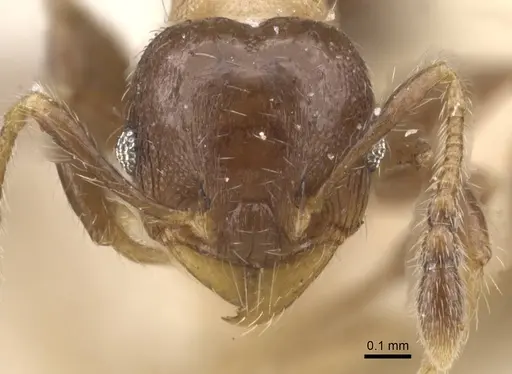
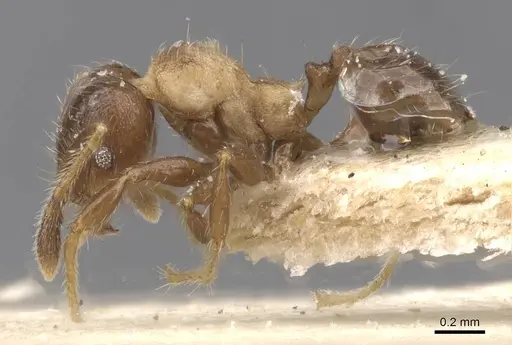
Pheidole schmalzi is a medium-sized ant in the genus Pheidole, part of the flavens group. Major workers measure around 5mm with a HW of 0.94mm, while minor workers are smaller at approximately 3mm. The species has a distinctive reddish-yellow to brown coloration, with the body and appendages ranging from light brown to medium brown, and the waist and gaster often appearing darker. This ant is named after Signor Schmalz, the original collector.
This species is known only from type specimens collected in Brazil (Santa Catarina and Rio de Janeiro), Bolivia, and Venezuela. Unfortunately, nothing has been documented about its biology in the wild, we don't know its nesting habits, diet, colony size, or behavior. This makes it one of the more challenging Pheidole species to keep because there's no established care protocol to reference.
Quick Summary
- Difficulty: Unknown, no documented care exists for this species
- Origin & Habitat: Santa Catarina and Rio de Janeiro, Brazil, Bolivia, Venezuela, Neotropical region
- Colony Type: Unknown, no colony structure data exists. Most Pheidole species are single-queen (monogyne) colonies, but this hasn't been confirmed for P. schmalzi.
- Size & Growth:
- Queen: Undocumented, estimated 7-9mm based on typical Pheidole major size
- Worker: Major: ~5mm (HW 0.94mm), Minor: ~3mm (HW 0.50mm)
- Colony: Unknown, no colony data exists
- Growth: Unknown, no development data exists
- Development: Estimated 6-8 weeks based on typical Pheidole development at tropical temperatures (This is a rough estimate based on genus-level data. Actual development time is unconfirmed.)
- Antkeeping:
- Temperature: Estimated 22-28°C based on Neotropical distribution, provide a warm area around 25°C
- Humidity: Estimated 60-80% based on typical Brazilian ant preferences, keep substrate moderately moist
- Diapause: Unlikely, Neotropical species typically remain active year-round
- Nesting: Unknown, likely nests in soil or rotting wood like other Pheidole species. A standard test tube setup or acrylic nest works for founding.
- Behavior: Undocumented, no behavioral observations exist for this species. Most Pheidole species are non-aggressive, seed-harvesting ants with major workers that defend the nest. Escape risk is moderate given the ~5mm major size.
- Common Issues: no documented care exists, keepers are essentially pioneering husbandry for this species, unknown founding behavior, may have different requirements than typical claustral Pheidole, no known dietary preferences, must experiment with protein and sugar sources, risk of colony failure due to unknown specific needs, possible parasite or disease issues since wild-caught specimens may carry unknown pathogens
Why Keep Pheidole schmalzi?
Pheidole schmalzi represents a unique opportunity for experienced antkeepers who want to contribute to our understanding of this species. Since nothing has been documented about its biology, you'll be essentially pioneering the husbandry for this ant. The species is part of the flavens group, which includes several well-studied Pheidole, so you can use related species as rough guides for care. The major workers have a distinctive appearance with a large, shark-fin shaped humerus that makes them visually striking. This is a species for keepers who enjoy experimentation and documenting their observations.
Housing and Nest Setup
Since we don't know this species' natural nesting preferences, use standard Pheidole housing. For founding colonies, a test tube setup works well, fill it with water and plug the other end with cotton, providing a dark, humid chamber. The tube should be placed in a warm, quiet area away from direct sunlight. Once the colony establishes (first workers appear), you can transition to a small acrylic nest or formicarium. The major workers reach about 5mm, so chambers should be appropriately sized. Provide a water test tube as a humidity source and ensure the nest material doesn't dry out completely.
Feeding and Diet
The diet is completely unconfirmed for this species. As a Pheidole in the Attini tribe (leaf-cutter and seed-harvester ants), it likely accepts seeds and grain like other members of this group. However, the flavens group species often supplement with protein from insects. Start with standard ant foods: a sugar water or honey solution, small insects like fruit flies or mealworms, and optionally seeds. Observe what the workers accept and adjust. Feed protein 2-3 times per week and keep sugar water available at all times. Remove uneaten food after 24-48 hours to prevent mold.
Temperature and Humidity
Pheidole schmalzi comes from Brazil and Venezuela, tropical to subtropical regions. This means it likely prefers warm, humid conditions. Aim for temperatures between 22-28°C, with an ideal around 25°C. A heating cable on one side of the nest can create a gradient if your room temperature is cooler. For humidity, target 60-80%, the substrate should feel damp but not waterlogged. A water tube in the outworld helps maintain humidity. Since this is a tropical species, diapause is unlikely needed, but you might reduce temperatures slightly during winter if the colony shows reduced activity.
Colony Establishment
Since founding behavior is unconfirmed, assume this species is claustral like most Pheidole, the queen seals herself in and lives off stored fat until her first workers emerge. After mating, the queen will dig a small chamber and seal the entrance. She'll remain inside for several weeks to months while laying eggs and raising the first brood. Do not disturb her during this time. The first workers (nanitics) will be smaller than normal workers. Once they emerge, the colony becomes active and the queen will resume egg-laying. This founding period typically takes 4-8 weeks in tropical conditions, but exact timing for P. schmalzi is unknown.
Growth Expectations
Without species-specific data, growth expectations are estimates. Based on typical Pheidole development at 25°C, expect eggs to hatch in about 2 weeks, larvae to develop over 2-3 weeks, and pupae to emerge as workers in another 2 weeks, roughly 6-8 weeks from egg to first worker. Colony growth will depend on how well the ants accept your care. Start with a small colony (just the founding queen) and be patient. Pheidole colonies can eventually reach thousands of workers, but it takes time. Document your observations, they may be the first published data on this species' development.
Frequently Asked Questions
How do I care for Pheidole schmalzi since nothing is known about its biology?
You will need to experiment. Start with standard Pheidole care: test tube for founding, protein insects + sugar water, warm humid conditions around 25°C. Observe your colony closely and adjust based on their behavior. Your observations could become the first documented care information for this species.
What should I feed Pheidole schmalzi?
Since diet is unconfirmed, offer a variety: sugar water or honey, small insects like fruit flies or mealworms, and optionally seeds. Remove uneaten food after 24-48 hours. Watch what the workers actually consume and focus on those foods.
What temperature does Pheidole schmalzi need?
Based on its Brazilian and Venezuelan distribution, aim for 22-28°C with an ideal around 25°C. A heating cable can provide warmth if your room is cooler. This is a tropical species that likely doesn't need hibernation.
How long does it take for Pheidole schmalzi to produce first workers?
Estimated 6-8 weeks from egg to worker at optimal tropical temperatures (around 25°C). This is based on typical Pheidole development, actual timing for P. schmalzi is unconfirmed and may vary.
Can I keep multiple queens of Pheidole schmalzi together?
Unknown, colony structure hasn't been documented for this species. Most Pheidole are single-queen (monogyne), but some can have multiple queens. It's best to start with one queen per colony until more is known.
Does Pheidole schmalzi need hibernation?
Unlikely, it's a Neotropical species from Brazil and Venezuela where temperatures remain warm year-round. Diapause is probably not required, though you might reduce temperatures slightly in winter if the colony shows reduced activity.
What size nest do I need for Pheidole schmalzi?
Start with a test tube for the founding colony. Once established with 20-50 workers, a small acrylic nest or formicarium works well. Major workers reach about 5mm, so standard-sized chambers are fine. Provide an outworld for foraging.
Are Pheidole schmalzi ants aggressive or dangerous?
Undocumented, no behavioral observations exist. Most Pheidole species are non-aggressive and primarily forage for seeds and small insects. The majors can bite but are not considered dangerous to humans.
Why are my Pheidole schmalzi dying?
Without documented care, trial and error is expected. Common issues include: wrong temperature/humidity, unsuitable food, disturbance during founding, or parasites from wild-caught specimens. Try adjusting conditions gradually and document what you observe.
Where does Pheidole schmalzi come from?
This species is known from Santa Catarina and Rio de Janeiro in Brazil, plus Bolivia and Venezuela. It's a Neotropical species that was described in 1894 but remains poorly studied.

This caresheet is licensed under CC BY-SA 4.0 .
CASENT0904430
View on AntWeb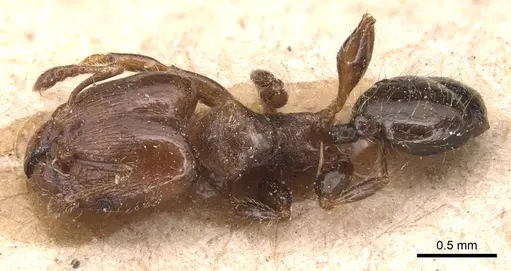
CASENT0904431
View on AntWeb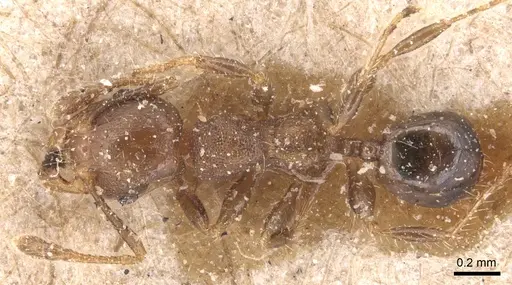
CASENT0908265
View on AntWeb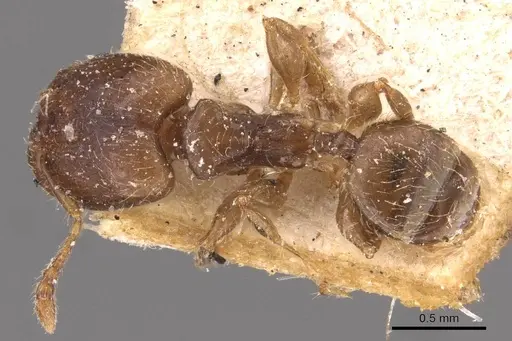
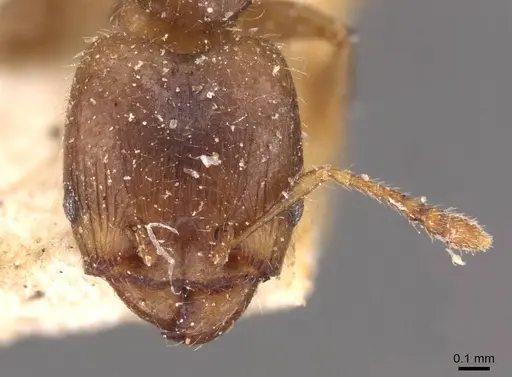
CASENT0908266
View on AntWeb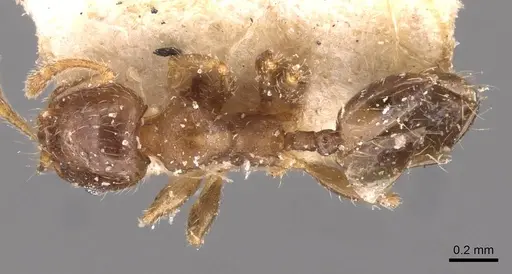
CASENT0913412
View on AntWeb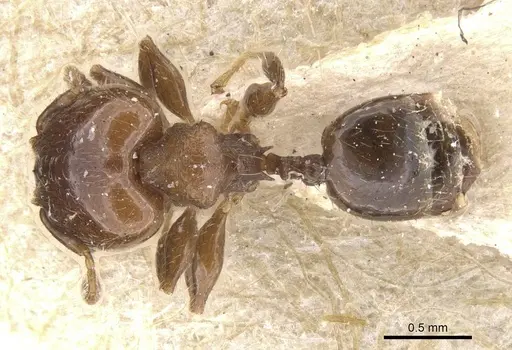
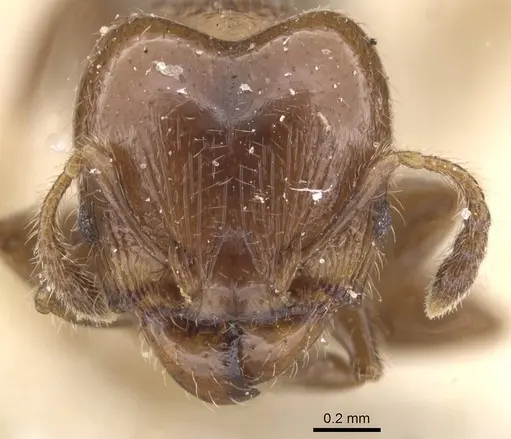
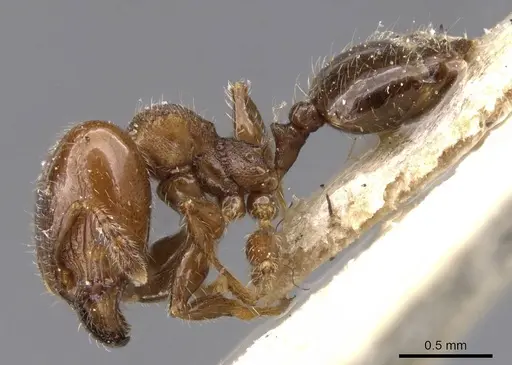
CASENT0913413
View on AntWeb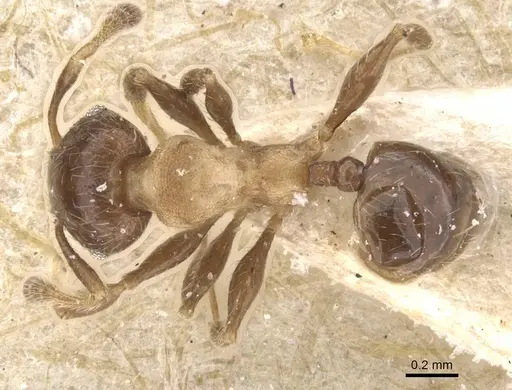
Literature
Loading...Loading products...