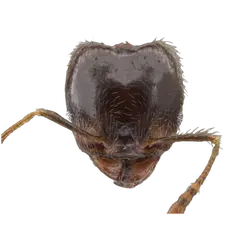
Pheidole exigua - "Small Big-headed Ant"
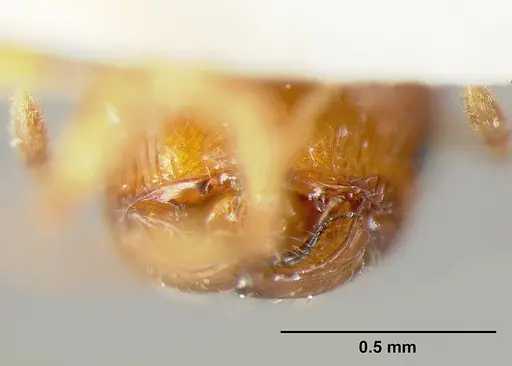
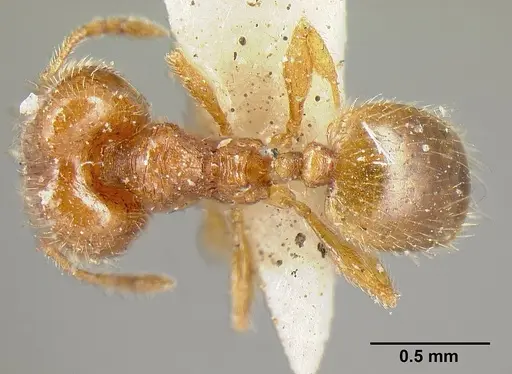
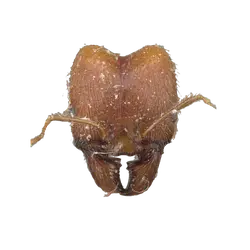
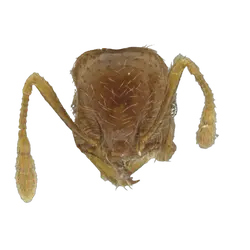
Pheidole exigua is a fascinating ant species known for its dimorphic worker caste, meaning colonies feature two distinct types of workers: smaller minor workers and larger-headed major workers, often called 'soldiers.' The major workers possess disproportionately large heads and mandibles compared to their body size, earning the genus Pheidole the nickname 'big-headed ants.' These ants typically have brownish-yellow bodies, with major workers having a reddish-yellow body and a plain yellow gaster that is light brown in the rear half. Minor workers are entirely brownish-yellow. Pheidole exigua is part of the 'flavens complex,' a group of similar Pheidole species.
- Difficulty: Medium
- Origin & Habitat: Neotropical Region (South and Central America, and the Caribbean) in Dry semi-deciduous forests, rotten wood, rotten stumps..
- Colony Type: Monogyne (single queen) or Facultatively Polygynous (multiple queens possible in some Pheidole species, but specific data for P. exigua is limited)., claustral (queen seals herself in) founding.
- Size & Growth:
- Queen: 7-8mm
- Worker: 2-4mm
- Colony: Large (tens of thousands). Fast growth.
- Antkeeping:
- Temperature: Ideal nest temperature ranges from 22°C to 28°C, with an outworld temperature between 20°C and 30°C. Maintaining a warmer spot in the nest can accelerate brood development..
- Humidity: The nest should maintain a high humidity level of 60-80%, while the outworld can be slightly drier at 50-70%..
- Diapause: Required. 4-4 months at 10-15°C.
- Nesting: These ants prefer nests that allow for humidity gradients and ample space for their fast-growing colonies. They can thrive in various setups including ytong, acrylic, 3D-printed nests, or even bioactive setups with a substrate for tunneling. A secure nest is crucial as Pheidole species are known escape artists..
- Behavior: Medium (towards food or other ants, rather than handlers) aggressiveness.
- Common Issues: Escape artists (due to small size and fast movement), Mold in nest (due to high humidity requirements), Colony stalling (if conditions or feeding are inadequate), Humidity fluctuations.
Pheidole exigua, like many members of the Pheidole genus, exhibits distinct worker dimorphism, featuring both minor workers and robust major workers, sometimes called soldiers. These major workers are easily identified by their disproportionately large heads, which are adapted for crushing seeds and defending the colony. This specialization allows for an efficient division of labor, with minor workers handling most foraging and brood care, while majors focus on processing larger food items and protection. Keeping both castes healthy and active is key to a thriving colony.
Colony growth with Pheidole exigua can be incredibly rapid once established, often progressing from a founding queen to a large colony with thousands of individuals within a couple of years. This quick expansion means antkeepers should be prepared for frequent nest upgrades. Starting in a test tube setup is typical for a founding queen, but be ready to transition them to a larger formicarium as the first workers emerge and the colony begins to multiply. Adequate space is essential to prevent stress and encourage healthy development.
Humidity and temperature management are crucial for Pheidole exigua. Hailing from warm, tropical and subtropical regions, these ants require consistent warmth and a relatively high humidity level within their nest. Providing a heat source to maintain temperatures in the optimal range will significantly boost brood development and overall colony activity. Simultaneously, ensuring adequate moisture, especially in the nesting area, is vital to prevent desiccation and promote a healthy environment for the brood.
Feeding Pheidole exigua involves a balanced diet of both protein and carbohydrates. As omnivores, they readily accept a variety of insect protein sources like mealworms and crickets, which are essential for the queen's egg production and larval growth. Carbohydrates, in the form of sugar water or honey, provide energy for the active workers. Given their fast growth and large colony sizes, a consistent and generous feeding schedule is necessary. Removing uneaten food quickly is important to prevent mold and maintain hygiene in the outworld.
Frequently Asked Questions
What makes Pheidole exigua different from other ant species?
Pheidole exigua stands out primarily due to its striking worker dimorphism. You'll observe two distinct worker castes: the small minor workers handling daily tasks and the much larger-headed majors, or 'soldiers,' specializing in crushing seeds and colony defense. This 'big-headed' characteristic is a hallmark of the Pheidole genus and makes them quite unique in an antkeeping setup.
How large do Pheidole exigua colonies typically get?
These ants are known for their impressive colony growth! A healthy Pheidole exigua colony can expand rapidly, reaching into the tens of thousands of individual workers. Be prepared to upgrade their formicarium as they grow, as they'll quickly fill out smaller setups.
What's the best type of nest for Pheidole exigua?
Due to their rapid growth and preference for humidity, a formicarium that allows for a moisture gradient is ideal. Options like ytong, acrylic, or 3D-printed nests with good hydration systems work well. Many keepers find that a hybrid setup with a substrate outworld for foraging and tunneling is also a great choice. Just remember, Pheidole are notorious escape artists, so a secure setup is non-negotiable!
What do Pheidole exigua eat?
Pheidole exigua are omnivores with a robust appetite. They require a balanced diet of insect protein, which is vital for queen egg production and larval development. Offer them freshly killed mealworms, crickets, or other feeder insects. For carbohydrates, provide sugar water or honey. Ensure a consistent supply, as their fast-growing colonies consume a lot.
Do Pheidole exigua need to hibernate?
Yes, Pheidole exigua does require a diapause period, often referred to as hibernation in antkeeping. This helps regulate their life cycle and contributes to the colony's long-term health. A cooler period, typically from November to March at temperatures between 10-15°C, is recommended. During this time, they will be less active and won't require regular feeding, but always ensure they have access to water.
How quickly do Pheidole exigua grow from egg to worker?
Pheidole exigua are known for their relatively fast development. From egg to adult worker, it generally takes about 4 to 6 weeks, depending on the temperature and nutrition provided. Maintaining optimal temperatures will help speed up their brood's development.
Are Pheidole exigua aggressive?
While Pheidole exigua are not typically aggressive towards handlers, they can be quite feisty when it comes to defending their colony or securing food. Their major workers are equipped with powerful mandibles, making them formidable against rival ants or larger prey. This assertive behavior is part of what makes them so captivating to observe.
Can I keep multiple Pheidole exigua queens together?
Pheidole exigua is generally considered monogyne, meaning one queen per colony. However, some Pheidole species can be facultatively polygynous, where multiple queens might co-found a colony, though they may eventually separate or fight. For best success and stability with P. exigua, it's typically recommended to keep a single queen.
What are common issues when keeping Pheidole exigua?
One of the most common challenges with Pheidole exigua is their propensity for escaping, given their small size and quick movements. Ensuring a highly secure setup is crucial. Additionally, maintaining the correct humidity is vital; too much can lead to mold, while too little can cause desiccation and colony stalling. Regular cleaning and careful feeding can help mitigate these issues.
What are the major workers (soldiers) used for in Pheidole exigua?
The major workers, or 'soldiers,' in Pheidole exigua colonies serve crucial roles. Their large heads and strong mandibles are perfectly adapted for breaking down larger food items, especially seeds, into manageable pieces for the smaller minor workers and the queen. They also play a significant role in colony defense, making them important protectors of the nest and its resources.