

Oxyepoecus punctifrons
- Scientific Name
- Oxyepoecus punctifrons
- Tribe
- Solenopsidini
- Subfamily
- Myrmicinae
- Author
- Borgmeier, 1927
- Distribution
- Found in 1 countries
Oxyepoecus punctifrons Overview
Oxyepoecus punctifrons is an ant species of the genus Oxyepoecus. It is primarily documented in 1 countries , including Brazil. Detailed taxonomic data and occurrence records can be further explored via authoritative databases such as AntWeb or the Global Biodiversity Information Facility (GBIF).
Oxyepoecus punctifrons
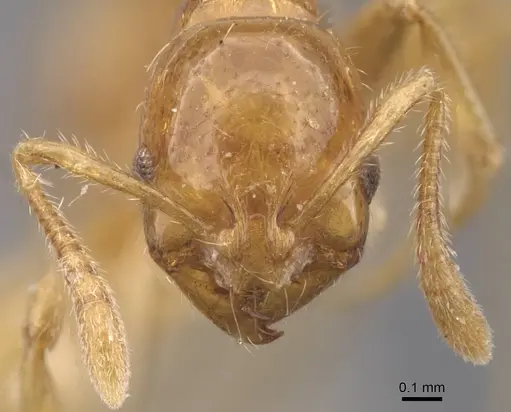
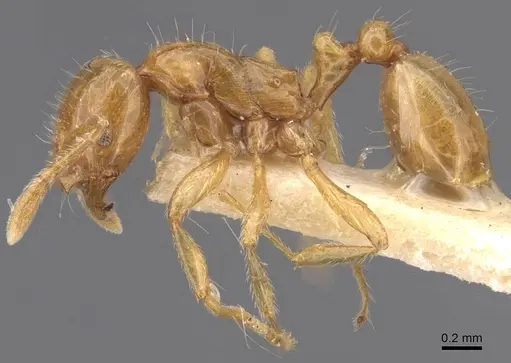
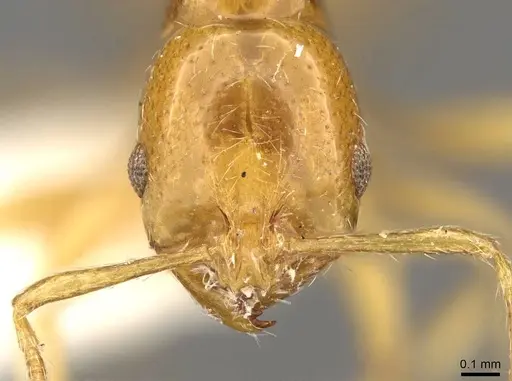
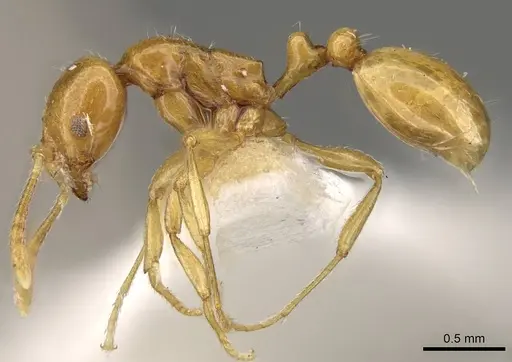
Oxyepoecus punctifrons is a tiny Neotropical ant species native to the Atlantic Forest of southeastern and southern Brazil. Workers measure just 2.7-3.4mm and have a distinctive reddish-yellow coloration with an almost smooth and shiny exoskeleton. This species stands out from most other Oxyepoecus because it is one of the few in the genus that has been found nesting in its own independent nest rather than being associated with another ant species as a social parasite. They have remarkably large eyes for their size and a characteristic club-shaped petiole. The queen is ergatomorphic, meaning she is wingless and worker-like in appearance, which is relatively rare among ants [1].
Quick Summary
- Difficulty: Medium
- Origin & Habitat: Atlantic Forest Domain in southeastern and southern Brazil, specifically found in Paraná, Rio Grande do Sul, Santa Catarina, and São Paulo states. They inhabit leaf litter in damp forest environments and have also been collected from the canopy of Angico trees [1].
- Colony Type: This species is notable for being one of the few Oxyepoecus that forms independent colonies. The queen is ergatomorphic (wingless and worker-like). Colony structure is not fully documented, but they are known to nest in their own nests rather than as social parasites of other ants [1].
- Colony: Monogyne
- Size & Growth:
- Queen: 3.32mm (ergatomorphic queen) [1]
- Worker: 2.7-3.4mm [1]
- Colony: Unknown, likely small colonies based on typical genus patterns
- Growth: Unknown, likely moderate based on related Solenopsidini
- Development: Unknown, estimated 6-8 weeks based on related Solenopsidini species at tropical temperatures (No direct development data available for this species. Estimates based on genus-level patterns for small Myrmicinae in warm climates.)
- Antkeeping:
- Temperature: Keep at 22-26°C. This species comes from warm Atlantic Forest habitats in southeastern Brazil, so aim for low-to-mid 20s°C. A gentle temperature gradient allows the colony to self-regulate [1].
- Humidity: Requires moderate to high humidity, think damp forest floor conditions. Keep the nest substrate consistently moist but not waterlogged. Provide a water tube as a moisture source and mist the outworld occasionally. The leaf litter habitat indicates they prefer humid conditions [1].
- Diapause: Unknown, likely no true diapause given their tropical/subtropical origin, but they may reduce activity during cooler months. Monitor colony behavior and reduce feeding if activity decreases.
- Nesting: Based on their leaf litter habitat and the fact they form independent nests, they likely prefer tight, humid spaces. A Y-tong (AAC) nest or plaster nest with small chambers works well. They are tiny, so narrow passages are essential. Avoid dry, airy setups.
- Behavior: These are tiny, generally peaceful ants. They are not aggressive and likely have minimal sting capability given their small size. Workers are active foragers in the leaf litter layer. Their large eyes suggest they may rely more on visual cues than many Myrmicinae. Escape prevention is critical due to their very small size, they can squeeze through the tiniest gaps. Use fine mesh and tight-fitting barriers [1].
- Common Issues: escape prevention is critical, their tiny 2.7-3.4mm size means they can slip through standard barriers, humidity management is tricky, they need damp conditions but mold can be a problem in enclosed nests, no development data available makes timing uncertain, beginners may struggle with patience, ergatomorphic queen is unusual, may have different founding requirements than typical claustral queens, wild colonies may be difficult to locate, this species is rarely collected and not commonly available in the hobby
Housing and Nest Setup
Oxyepoecus punctifrons is a tiny ant requiring carefully scaled housing. A Y-tong (AAC) nest or plaster formicarium with small, tight chambers works best. The chambers should be narrow, these ants are only 2.7-3.4mm and will feel exposed in large open spaces. Keep the nest humid by including a water reservoir or moisture chamber. A test tube setup can work for founding colonies, but monitor humidity closely. The outworld should also be appropriately scaled, a small container with tight-fitting lid is essential. Escape prevention cannot be overstated: use fine mesh (at least 0.5mm or finer) on any ventilation holes and ensure all connections are sealed. These tiny ants can exploit even microscopic gaps [1].
Feeding and Diet
While specific dietary studies are lacking for O. punctifrons, members of the Solenopsidini tribe are typically omnivorous. Based on related species, they likely accept small protein sources like fruit flies, pinhead crickets, and other tiny arthropods. They probably also consume honeydew from aphids and may accept sugar water or honey. Feed small amounts of protein 2-3 times per week and keep a constant sugar source available. Remove uneaten prey after 24-48 hours to prevent mold. Given their tiny size, prey items should be appropriately scaled, flightless fruit flies and small springtails are ideal. Their large eyes may indicate more active foraging than some blind Myrmicinae [1].
Temperature and Seasonal Care
This species comes from the Atlantic Forest of southeastern Brazil, a warm and humid region. Keep temperatures in the 22-26°C range, ideally around 24°C. A heating cable on one side of the nest can create a gentle gradient, but avoid hot spots that could dry out the nest. Room temperature in most homes may be suitable if kept in a warm room. Monitor colony activity, if workers cluster near heat sources, increase temperature slightly, if they avoid heated areas, reduce heat. The ergatomorphic queen suggests this species may have different seasonal patterns than typical ants with winged queens. No documented diapause is known, but expect reduced activity during cooler months. Reduce feeding frequency if the colony becomes less active [1].
Colony Structure and Reproduction
Oxyepoecus punctifrons is unusual within its genus because it forms independent colonies rather than being socially parasitic. The queen is ergatomorphic, she is wingless and worker-like in appearance, measuring 3.32mm. This is a significant departure from typical ant queens that have wings for dispersal. Ergatomorphic queens likely mate on or near the nest rather than conducting nuptial flights. Males have never been collected, suggesting reproduction may be through ergatoid males or that mating behavior is unusual [1]. The colony structure appears to be monogyne (single queen), though detailed studies are lacking. This species represents an interesting case study in alternative reproductive strategies within the Myrmicinae.
Behavior and Temperament
These are small, generally peaceful ants. Based on their habitat in leaf litter and the behavior of related species, they are likely not aggressive and pose no threat to keepers. Their large eyes (unusually large for the genus) suggest they may be more visually oriented than many Myrmicinae. Workers are probably active foragers in the leaf litter layer, searching for small prey and honeydew. They are unlikely to sting given their tiny size, and even if they could, the sting would be imperceptible to humans. The main behavioral concern for keepers is their small size making escape a constant risk. Always use excellent escape prevention and check enclosures regularly. They are not known to be particularly territorial or aggressive toward other colonies [1].
Frequently Asked Questions
How long does it take for Oxyepoecus punctifrons to produce first workers?
The exact development timeline is unknown for this species. Based on related Solenopsidini species, expect approximately 6-8 weeks from egg to worker at optimal temperatures (24-26°C). Be patient, small colonies often develop slowly, and the lack of specific data means timing may vary [1].
Can I keep multiple Oxyepoecus punctifrons queens together?
Not recommended. While colony structure is not fully documented, the ergatomorphic queen suggests this species likely has single-queen colonies. Combining unrelated queens has not been studied and could result in aggression. It is best to start with one queen [1].
What do Oxyepoecus punctifrons eat?
Based on related species, they are omnivorous. Offer small protein sources like flightless fruit flies, tiny crickets, or springtails 2-3 times per week. Keep a constant sugar source available like honey water or sugar water. Remove uneaten food within 24-48 hours to prevent mold [1].
Are Oxyepoecus punctifrons good for beginners?
This species is rated as Medium difficulty. While not aggressive, the lack of available care information and their tiny size make them challenging for complete beginners. Experienced antkeepers interested in unusual species will find them more rewarding. Escape prevention is critical [1].
What temperature do Oxyepoecus punctifrons need?
Keep them at 22-26°C, ideally around 24°C. This matches their native Atlantic Forest habitat in southeastern Brazil. A gentle temperature gradient allows the colony to self-regulate. Avoid temperatures below 20°C or above 28°C [1].
How big do Oxyepoecus punctifrons colonies get?
Colony size is not documented, but based on typical genus patterns and their small worker size, colonies likely reach dozens to a few hundred workers. They are not known to form large supercolonies [1].
Why is the queen of Oxyepoecus punctifrons unusual?
The queen is ergatomorphic, she is wingless and worker-like in appearance rather than having the typical winged queen morphology. This is relatively rare among ants and suggests different reproductive behavior than species with winged queens. Males have never been collected, which is also unusual [1].
Do Oxyepoecus punctifrons need hibernation?
No, they come from the warm Atlantic Forest of Brazil and do not require a true diapause. They may reduce activity during cooler months, but hibernation is not necessary. Simply reduce feeding frequency if the colony becomes less active in winter [1].
When should I move Oxyepoecus punctifrons to a formicarium?
Wait until the colony reaches at least 20-30 workers before moving from a test tube setup. Ensure the formicarium has appropriately sized chambers, these tiny ants need tight spaces. Always provide a water source and maintain humidity. Move gradually by connecting the formicarium to the test tube and allowing the ants to explore [1].
References

This caresheet is licensed under CC BY-SA 4.0 .
CASENT0911211
View on AntWeb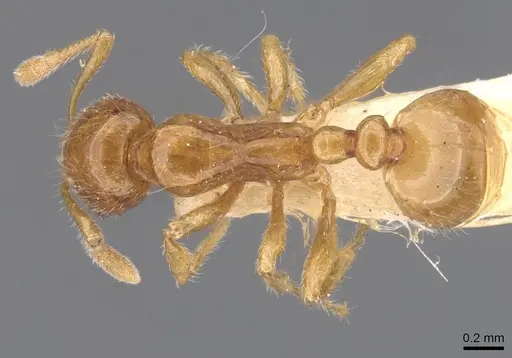
CASENT0914063
View on AntWeb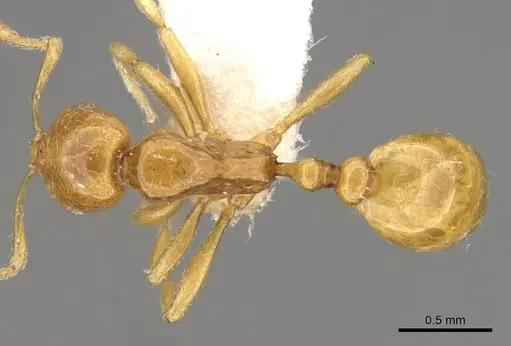
Literature
Loading...Loading products...