

Oxyepoecus myops
- Scientific Name
- Oxyepoecus myops
- Tribe
- Solenopsidini
- Subfamily
- Myrmicinae
- Author
- Albuquerque & Brandão, 2009
- Distribution
- Found in 1 countries
Oxyepoecus myops Overview
Oxyepoecus myops is an ant species of the genus Oxyepoecus. It is primarily documented in 1 countries , including Brazil. Detailed taxonomic data and occurrence records can be further explored via authoritative databases such as AntWeb or the Global Biodiversity Information Facility (GBIF).
Oxyepoecus myops
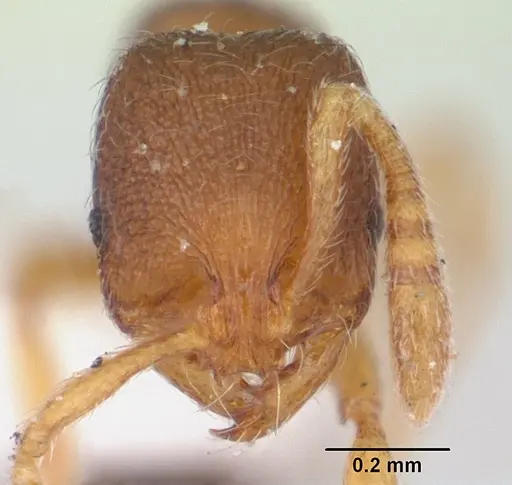
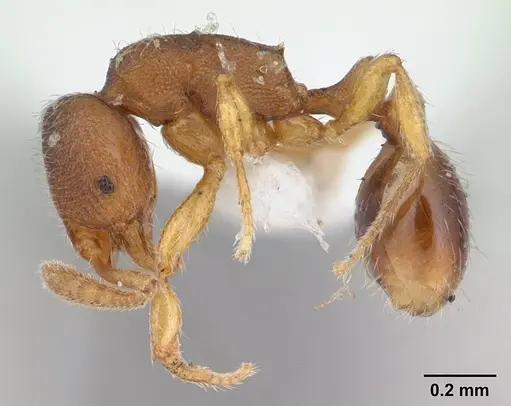
Oxyepoecus myops is a tiny Neotropical ant native to the Atlantic Forest regions of southeastern Brazil. Workers measure just 1.95-2.15mm, making them one of the smaller ant species you'll encounter in the hobby [1]. They have a distinctive chestnut-brown coloration with lighter legs and antennae, and possess the smallest compound eyes in the entire genus, a feature so notable that 'myops' means 'small-eyed' in Greek [1][2]. These ants live in leaf litter and shallow forest floor habitats, where they forage during the day and are attracted to protein baits like sardines [1].
Quick Summary
- Difficulty: Medium
- Origin & Habitat: Oxyepoecus myops comes from the Atlantic Forest biome of southeastern Brazil, specifically in Minas Gerais, São Paulo, and Rio de Janeiro states . They live in leaf litter at elevations from sea level to over 1000m in the Serra do Mar mountain range, preferring dense evergreen tropical forests but also appearing in drier forest areas [3][4].
- Colony Type: Colony structure is unconfirmed. Males have never been documented . Based on related Solenopsidini species, they likely form small colonies with a single queen.
- Size & Growth:
- Queen: 2.53-2.58mm [5]
- Worker: 1.95-2.15mm [1]
- Colony: Likely small, under 100 workers based on typical litter ant patterns and the rarity of this species in surveys [6]
- Growth: Unknown, likely slow to moderate given their tiny size and cryptic lifestyle
- Development: 6-10 weeks (estimated based on related Solenopsidini) (No direct data exists for this species. Estimates based on genus-level patterns for small Myrmicinae in tropical conditions.)
- Antkeeping:
- Temperature: Keep around 22-26°C, mimicking warm Atlantic Forest conditions. A gentle gradient allowing cooler areas is beneficial since they live in leaf litter where temperatures are moderated [3][4].
- Humidity: High humidity is essential, these ants live in forest floor litter in a humid tropical biome. Keep substrate consistently moist but not waterlogged, with some drier areas available [3][4].
- Diapause: Unlikely, as a tropical species from southeastern Brazil, they probably do not require a true hibernation period. Activity may reduce slightly during cooler months.
- Nesting: These tiny leaf-litter ants need a naturalistic setup with fine substrate material they can move through. A Y-tong nest with very small chambers or a setup with moist soil/leaf litter works well. Their small size means they can easily get stuck in standard test tube setups if the cotton is too dense.
- Behavior: Oxyepoecus myops is a cryptic, ground-dwelling species that forages in leaf litter and is attracted to protein baits . They are not aggressive and likely have mild temperament typical of small Solenopsidini. Their tiny size (under 2.5mm) makes escape prevention critical, they can squeeze through remarkably small gaps. They are considered a cryptic taxon, meaning they are difficult to detect and study in the wild [7].
- Common Issues: escape prevention is critical due to their very small size, use fine mesh and tight-fitting barriers, wild-caught colonies may be difficult to establish due to their cryptic nature and potential stress from collection, slow colony growth may lead to impatience and overfeeding, causing mold issues, they require high humidity which can lead to mold if ventilation is poor, their tiny size makes them vulnerable to drowning in water reservoirs, use very small water tubes or damp substrate instead
Natural History and Distribution
Oxyepoecus myops is endemic to the Atlantic Forest biome of southeastern Brazil, with confirmed records from São Paulo, Minas Gerais, and Rio de Janeiro states . They have been collected at elevations ranging from sea level to over 1000m in the Serra do Mar mountain range [3]. This species prefers dense evergreen tropical forests but has also been recorded in drier forest areas like Seara, SC and Teresópolis, RJ [4]. Workers are extracted from leaf litter samples using Winkler extractors, confirming their status as litter-dwelling ants. Notably, they have been attracted to sardine baits set on the forest floor during the day, indicating diurnal foraging behavior and a preference for protein-rich food sources . Studies show they are found exclusively in secondary Atlantic Forest and are absent from adjacent pine plantations [8].
Identification and Morphology
This species is distinguished by having the smallest compound eyes in the genus Oxyepoecus, workers have only 3-4 facets per eye with a total of no more than 7 ommatidia [3][2]. Workers measure 1.95-2.15mm total length and have a chestnut-brown coloration with slightly lighter legs and antennae [1][2]. The most diagnostic feature is the irregularly reticulate sculpture that covers almost the entire head dorsum and mesosoma [2]. Queens are larger at 2.53-2.58mm and possess three ocelli and compound eyes with about 30 ommatidia [5]. Males have never been documented .
Housing and Nest Setup
Due to their extremely small size, Oxyepoecus myops requires specialized housing. A Y-tong (AAC) nest with very small chambers works well, as standard test tube setups may have cotton that is too dense and can trap these tiny ants. Alternatively, a naturalistic setup with moist soil and leaf litter material allows them to create their own tunnels. The key requirements are: high humidity maintained through damp substrate, small passages scaled to their 2mm body size, and excellent escape prevention using fine mesh. Because they are cryptic litter-dwellers, they prefer dark, humid environments and will do best with minimal disturbance during the founding stage.
Feeding and Diet
Field observations show workers are attracted to sardine baits on the forest floor, indicating a strong preference for protein . In captivity, offer small protein sources like micro-arthropods (springtails, fruit flies, tiny crickets) and protein-based ant diets. Sugar sources may be accepted but are not a primary food source for this genus. Feed small amounts of protein 2-3 times per week, adjusting based on colony consumption. Remove uneaten food promptly to prevent mold in their humid setup.
Temperature and Humidity
As a tropical Atlantic Forest species from southeastern Brazil, maintain temperatures in the 22-26°C range. They inhabit elevations from sea level to 1000m, suggesting adaptability to slight temperature variations [3]. Humidity is critical, these ants live in leaf litter in a humid tropical biome. Keep the nest substrate consistently moist but not waterlogged, with some slightly drier areas available so ants can self-regulate. Poor ventilation combined with high humidity can cause mold problems, so ensure adequate airflow while maintaining moisture.
Colony Dynamics
This species is considered rare in the wild, with low occurrence numbers in ant surveys across Atlantic Forest fragments [6]. They are characterized as a cryptic taxon, making them difficult to study and collect [7]. Males have never been documented, suggesting either they are produced seasonally or are difficult to catch . Colony sizes are likely small, probably under 100 workers, based on typical patterns for leaf-litter ants in the Solenopsidini tribe. Growth rate is expected to be slow to moderate given their tiny size and the cryptic nature of the colony.
Frequently Asked Questions
How long does it take for Oxyepoecus myops to produce first workers?
The exact timeline is unconfirmed, but based on related Solenopsidini species, expect 6-10 weeks from egg to worker at optimal temperature (22-26°C). Their tiny size suggests slower development than larger ant species.
What do Oxyepoecus myops ants eat?
They are attracted to protein baits in the wild (sardines), so their diet should focus on small protein sources like springtails, fruit flies, and tiny insects. Sugar sources may be accepted but are not essential. Remove uneaten food promptly to prevent mold.
Are Oxyepoecus myops good for beginners?
No, this species is rated as medium difficulty and is not ideal for beginners. Their extremely small size (under 2.5mm) makes them difficult to house and maintain. They require high humidity, excellent escape prevention, and are rarely available in the antkeeping hobby.
What temperature should I keep Oxyepoecus myops at?
Maintain temperatures between 22-26°C, mimicking warm Atlantic Forest conditions. A gentle temperature gradient is beneficial since they live in leaf litter where conditions are moderated.
How big do Oxyepoecus myops colonies get?
Colony size is estimated at under 100 workers based on typical litter ant patterns and the rarity of this species in surveys. They are considered a cryptic species with low occurrence in the wild.
Can I keep multiple Oxyepoecus myops queens together?
Colony structure is unconfirmed for this species. Based on related Solenopsidini, they likely form single-queen colonies. Combining unrelated queens is not recommended without documented evidence of success.
Why are my Oxyepoecus myops escaping?
Their extremely small size (under 2.5mm) means they can squeeze through tiny gaps. Use fine mesh (at least 0.5mm), tight-fitting lids, and reliable barrier methods like fluon. Check all connections and ventilation holes.
Do Oxyepoecus myops need hibernation?
As a tropical species from southeastern Brazil, they likely do not require true hibernation. Activity may reduce slightly during cooler months, but maintain temperatures above 20°C year-round.
What is the best nest type for Oxyepoecus myops?
Use a Y-tong nest with very small chambers scaled to their 2mm size, or a naturalistic setup with moist soil and leaf litter. Standard test tubes may have cotton that is too dense. Ensure high humidity is maintainable.
References

This caresheet is licensed under CC BY-SA 4.0 .
CASENT0178853
View on AntWeb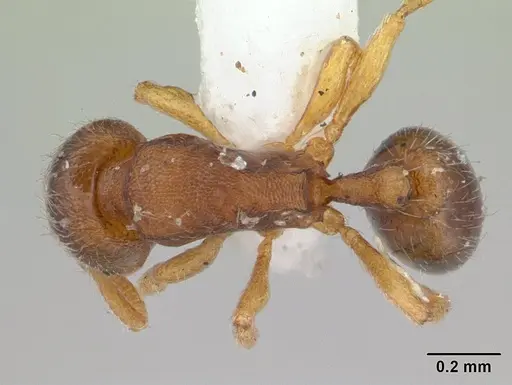
Literature
Loading...Loading products...