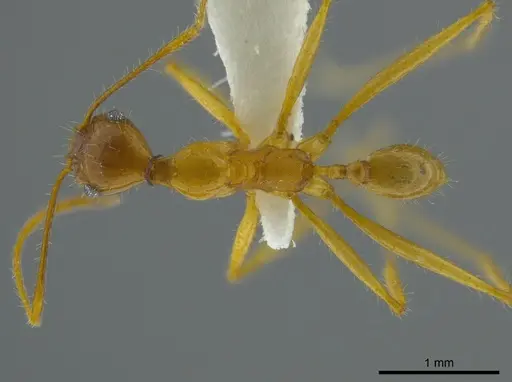
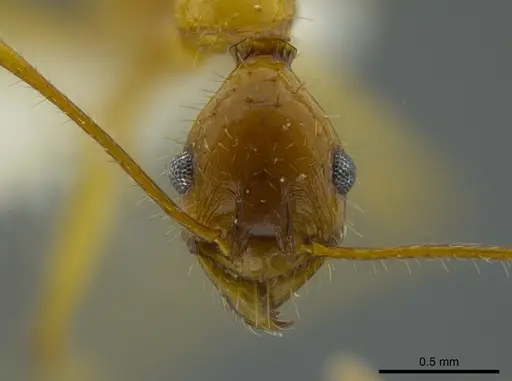
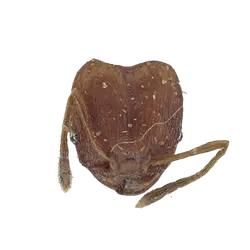
Pheidole astur - "Astur's Big-headed Ant"
Pheidole astur is a fascinating ant species known for its distinct dimorphism, meaning it has two different sizes of workers: the smaller minor workers and the much larger major workers, often called 'soldiers' due to their formidable heads and mandibles. These ants are reddish-brown, with lighter shades on their legs and antennae. Minors are concolorous yellow. The majors are particularly striking, with heads that can be wider than their bodies, adorned with short, bristly hair. They are part of the larger 'fallax group' of Pheidole species, characterized by their impressive major workers. While minors are active foragers, the large-headed majors likely play a significant role in defense and processing larger food items, showcasing impressive teamwork within the colony.
- Difficulty: Medium
- Origin & Habitat: South America (specifically Amazonian Ecuador, Peru, Bolivia, French Guiana, Suriname, and Colombia) in Lowland rainforests, nesting in soil, with minors foraging on the surface of soil and leaf litter..
- Colony Type: Monogyne (single queen), though some Pheidole species can be polygyne., claustral (queen seals herself in) founding.
- Size & Growth:
- Queen: Not specified
- Worker: 0.68-2.34mm
- Colony: Large (tens of thousands). Fast growth.
- Antkeeping:
- Temperature: Ideal temperatures for Pheidole species are generally between 24-28°C in the nest, with the outworld a bit cooler at 20-30°C. Maintaining a warmer area can help speed up brood development..
- Humidity: Pheidole astur, coming from lowland rainforests, will appreciate higher humidity levels in the nest, ideally between 60-80%. The outworld can be slightly drier, around 50-70%. Consistent moisture is important for brood development..
- Diapause: Not required. Not specified at Not specified.
- Nesting: These ants nest in soil in their natural habitat, so a formicarium that allows for digging, like a soil or sand-based setup, is highly recommended. Artificial nests with good humidity control, such as acrylic or Ytong nests, can also work, but ensure they have access to a substrate for digging if possible..
- Behavior: Medium (towards food or other ants) aggressiveness.
- Common Issues: Mold in nest, Mites, Colony stalling due to inadequate heat/humidity, Escape artists (minor workers), Overfeeding leading to waste and mold.
Pheidole astur, like many other Pheidole species, is known for its incredible dimorphism. This means your colony will feature two distinct worker castes: small, agile minor workers and significantly larger, powerful major workers, often called 'soldiers.' The majors possess impressively large heads and mandibles, which they use for defense and breaking down tougher food items. Observing the cooperation between these two castes as they forage and process food is one of the most rewarding aspects of keeping this species.
Given their tropical rainforest origin, maintaining consistent humidity levels within the nest is crucial for the health and development of a Pheidole astur colony. They thrive in environments with higher moisture, so ensure your chosen formicarium or nest setup provides adequate hydration. While they appreciate warmth, avoid excessive heat or direct sunlight, which can quickly dry out their habitat and stress the colony. A good moisture gradient within the nest will allow your ants to choose their preferred humidity.
Pheidole ants are generally quite active and can be prolific foragers. This means they'll need a steady supply of both protein (like insects) and carbohydrates (such as sugar water or honey). They are typically omnivorous in the wild, consuming a mix of prey and sweet secretions. Due to their varied diet and active nature, it’s important to provide a diverse range of food to ensure your colony receives all necessary nutrients and continues to thrive.
One common challenge with many Pheidole species, including this one, is their tendency to be escape artists. Their smaller minor workers are incredibly agile and can squeeze through surprisingly tiny gaps. It is absolutely essential to implement robust escape prevention measures, such as fluon or talcum powder barriers, around your outworld to keep your colony contained. Diligent maintenance of these barriers is key to preventing escapes, which can be particularly problematic with fast-growing Pheidole colonies.
While Pheidole astur specifically doesn't have confirmed reports of being an invasive species like some other Pheidole, it's always good practice for ant keepers to exercise caution. Ensure your colony is securely contained to prevent any accidental escapes, especially since Pheidole colonies can grow quite large. This responsible approach helps protect local ecosystems from non-native species establishing themselves.
Frequently Asked Questions
What makes Pheidole astur unique among ant species?
Pheidole astur truly stands out because of its striking dimorphism, featuring both small, quick minor workers and impressively large-headed major workers, often dubbed 'soldiers'. The major workers have huge mandibles and heads covered in bristly hair, making them quite distinctive and fascinating to observe in an ant setup.
Where does Pheidole astur naturally live, and how does that affect their care?
These amazing ants hail from the lowland rainforests of South America, specifically in regions like Peru, French Guiana, and Colombia. This tropical background means they thrive in warm, humid conditions, so you'll want to replicate that in your formicarium, ensuring good moisture levels within their nest and a consistent warm temperature.
How big do Pheidole astur colonies get, and how fast do they grow?
Pheidole astur colonies can become quite substantial, reaching tens of thousands of individuals when mature. They also boast a fast growth rate, especially once established and provided with optimal care, making them a very rewarding species to watch expand.
Do Pheidole astur queens need to be fed during the founding stage?
No, Pheidole astur queens are fully claustral, meaning they seal themselves off during the founding stage and do not require food until their first batch of tiny workers, known as nanitics, hatches. They use their stored fat reserves to raise their initial brood.
What kind of nest is best for Pheidole astur?
Since Pheidole astur nests in soil in the wild, a formicarium that allows them to dig, such as a soil or sand-based setup, would be ideal to mimic their natural habitat. Many ant keepers also use artificial nests like acrylic or Ytong setups, but it's important to provide adequate humidity and potentially a digging area if possible.
What do Pheidole astur eat?
Pheidole astur are generalist feeders, meaning they need a varied diet. Their workers will eagerly consume a mix of protein sources, like freshly killed insects such as mealworms or crickets, and carbohydrates, which can be offered as sugar water or honey water. Don't forget, the major workers will help break down larger food items for the colony!
Do Pheidole astur require a diapause (hibernation) period?
No, Pheidole astur, being a tropical species from South America, does not require a diapause or hibernation period. They thrive year-round with consistent warm temperatures and humidity, unlike many temperate ant species.
Are Pheidole astur escape artists?
Absolutely! Like many Pheidole species, Pheidole astur minor workers are notorious for being escape artists. They are tiny and incredibly agile, capable of squeezing through the smallest cracks. You'll need to use reliable escape prevention methods, such as a fluon or talcum powder barrier around your outworld, and consistently check for any potential escape routes.
How aggressive are Pheidole astur?
Pheidole astur can be considered medium in aggressiveness, especially when it comes to defending their colony or securing food resources. Their large major workers are formidable defenders. While not typically aggressive towards keepers unless provoked, they will readily engage with prey or competing ant species.
What are common issues to watch out for when keeping Pheidole astur?
Keep an eye out for common antkeeping issues like mold growth in the nest, especially if humidity is too high without proper ventilation. Mite infestations can also occur. Colony stalling can happen if temperature or humidity levels aren't optimal, and overfeeding can lead to uneaten food rotting. And of course, always be vigilant about preventing escapes due to their small size and agility.
Can I keep multiple Pheidole astur queens together?
Pheidole astur is generally considered monogyne, meaning colonies typically have a single queen. While some Pheidole species can be polygynous, it's best to assume monogyne for Pheidole astur unless specific information states otherwise, to avoid potential conflicts between queens.
How long does it take for Pheidole astur eggs to develop into workers?
The development time from egg to adult worker for Pheidole astur, like many ant species, is influenced by temperature and food availability. While specific times for P. astur aren't widely documented, Pheidole species generally have a relatively fast brood development when kept at optimal warm temperatures, often completing the cycle within a few weeks.