

Octostruma rugiferoides
- Scientific Name
- Octostruma rugiferoides
- Tribe
- Attini
- Subfamily
- Myrmicinae
- Author
- Brown & Kempf, 1960
- Distribution
- Found in 4 countries
Octostruma rugiferoides Overview
Octostruma rugiferoides is an ant species of the genus Octostruma. It is primarily documented in 4 countries , including Costa Rica, Guatemala, Mexico. Detailed taxonomic data and occurrence records can be further explored via authoritative databases such as AntWeb or the Global Biodiversity Information Facility (GBIF).
Octostruma rugiferoides
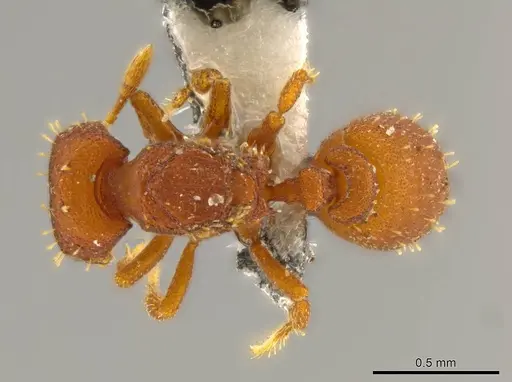
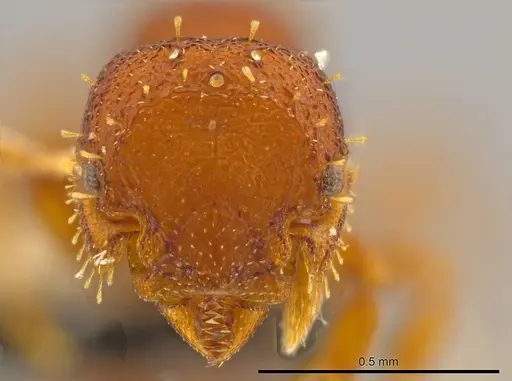
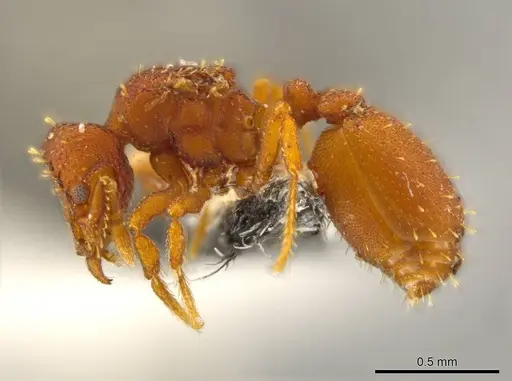
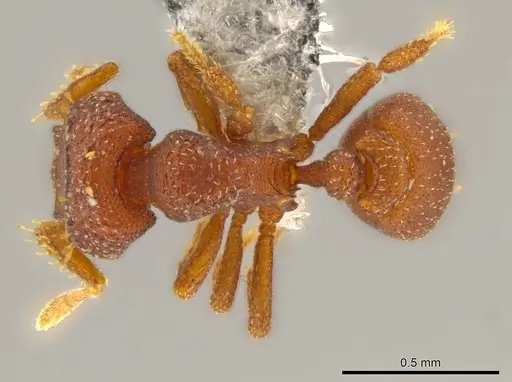
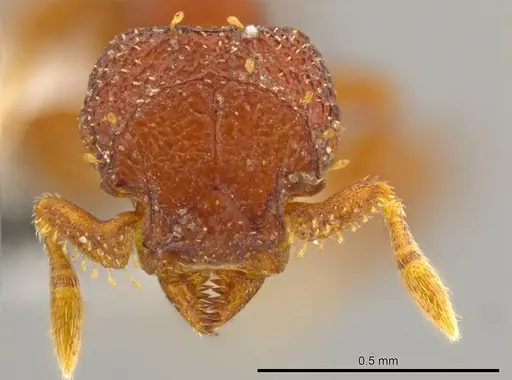
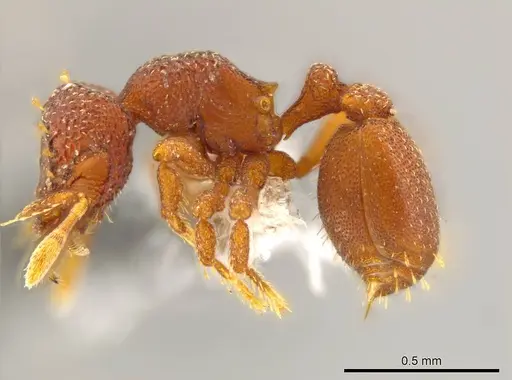
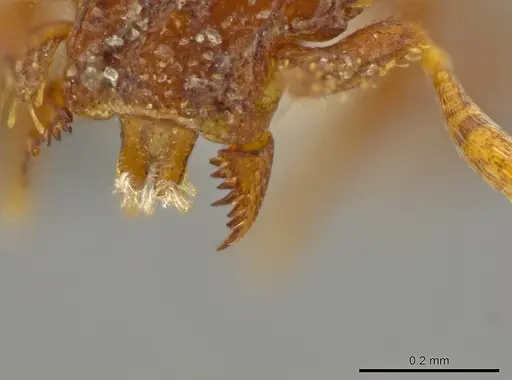
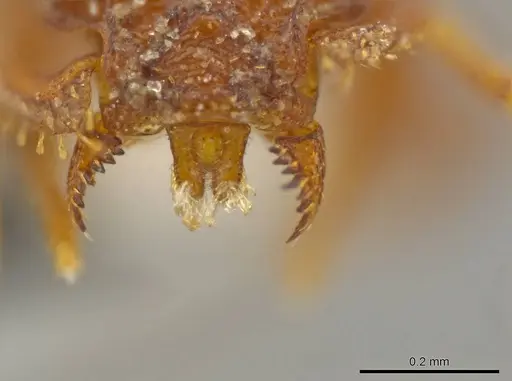
Octostruma rugiferoides is a tiny leaf-litter ant native to the tropical forests of Mexico and Guatemala. Workers measure just 2mm in total length, making them one of the smaller ant species kept in captivity. They belong to the tribe Basicerotini, characterized by their specialized hairs and minute eyes. The head and body have a distinctive rugulose (wrinkled) sculpture, and they feature a transverse arc on the face. Queens were only described in 2013,reflecting how little we know about this species. In the wild, they live in the forest floor leaf litter, where they forage in the dark, humid microhabitats beneath the canopy.
Quick Summary
- Difficulty: Hard
- Origin & Habitat: Tropical evergreen forests of eastern Mexico (Veracruz) and Guatemala. In the wild, they live in leaf litter on the forest floor, collected from both dry rocky forests and wet scrubby forests [1][2].
- Colony Type: Colony structure is unconfirmed. Based on related Octostruma species, likely single-queen colonies.
- Size & Growth:
- Queen: Queens approximately 0.59mm head width,0.68mm Weber's length [1]. Estimated 3-4mm total length based on morphology.
- Worker: Workers 2.0mm total length, with head width 0.54-0.57mm [1].
- Colony: Unknown. Related Octostruma species typically form small colonies of fewer than 100 workers.
- Growth: Unknown, no captive breeding data exists.
- Development: Unconfirmed, no development data exists for this species. Based on typical Myrmicinae patterns, estimate 6-10 weeks at tropical temperatures. (No direct measurements available. Timeline is an estimate based on related small Myrmicinae.)
- Antkeeping:
- Temperature: Keep at 22-26°C. As a tropical species from Mexico and Guatemala, they likely prefer warm, stable conditions. A gentle heat gradient allows workers to regulate temperature.
- Humidity: High humidity is essential. These ants live in forest floor leaf litter where conditions are constantly moist. Keep the nest substrate damp but not waterlogged, with humidity around 70-80%.
- Diapause: Unlikely, as a tropical species from lowland forests, they probably do not require a diapause period. However, slight seasonal slowing during winter months may occur if room temperature drops.
- Nesting: Naturalistic setup with moist substrate works best. A Y-tong or plaster nest with tight chambers scaled to their tiny size is suitable. They prefer dark, confined spaces similar to their leaf-litter microhabitat. Provide a moisture reservoir to maintain humidity.
- Behavior: These ants are cryptic and slow-moving, spending most of their time in dark, humid nest chambers. They are not aggressive and rarely venture into the open. Workers are tiny and can squeeze through small gaps, escape prevention must be excellent. They likely forage for small prey and honeydew in the leaf litter layer. Their specialized hairs may help detect vibrations or chemical signals.
- Common Issues: escape prevention is critical, their tiny 2mm size means they can slip through remarkably small gaps, very small colony sizes mean any losses have a big impact on the population, wild-caught colonies may not adapt well to captive conditions, lack of available care information makes troubleshooting difficult, slow growth may lead keepers to abandon colonies prematurely
Housing and Nest Setup
Octostruma rugiferoides requires a setup that mimics their natural leaf-litter habitat. A naturalistic terrarium with moist substrate works well, use a mixture of soil and rotting leaves to create the humid forest-floor conditions they prefer. Alternatively, a Y-tong or plaster nest with small chambers scaled to their tiny size provides a more controlled environment. The nest must be completely dark inside, these ants avoid light and will not venture into illuminated areas. A water reservoir connected to the nest helps maintain constant humidity without frequent misting. Because they are so small, use fine mesh on any ventilation holes and ensure all connections are tight. [1][2]
Feeding and Diet
Like most Basicerotini ants, Octostruma rugiferoides likely feeds on small invertebrates and honeydew. Offer tiny prey items such as springtails, fruit flies, and other micro-arthropods. They are too small to tackle large insects. Sugar sources may be accepted, a small drop of honey water or sugar water can be offered, but acceptance is uncertain. Feed small amounts every few days and remove any uneaten prey to prevent mold. Their tiny size means even a single fruit fly is a substantial meal for the colony.
Temperature and Humidity Management
Maintain temperatures between 22-26°C, mimicking the warm tropical forests of their native range. A small heat cable on one side of the nest creates a temperature gradient, allowing workers to move between warmer and cooler areas. Humidity is critical, keep the nest substrate consistently moist. The forest floor leaf litter where they live is constantly damp but never flooded. Use a moisture meter or observe condensation on the nest walls as a guide. Avoid both drying out and waterlogging. Room temperature in the low-to-mid 20s°C is often suitable without additional heating. [1]
Understanding Their Rarity
Octostruma rugiferoides is rarely kept in captivity and is one of the less-studied ant species. They were first described in 1960,and the queen was only described in 2013. This means much of their biology remains unknown, and established captive care protocols do not exist. What we know comes from a handful of scientific papers describing their morphology and distribution. Keeping this species successfully may require experimentation and careful observation. Expect challenges and be prepared to adjust your setup based on colony behavior. [1]
Acquiring This Species
Finding Octostruma rugiferoides for sale is extremely difficult. They are not commonly available in the antkeeping hobby. If you obtain a colony, it will likely be from a specialized breeder or through field collection in their native range (with appropriate permits). Wild-caught colonies from leaf litter samples face high mortality rates due to stress and potential parasites. If you do acquire a colony, quarantine and monitor closely for the first few weeks.
Frequently Asked Questions
How long does it take for Octostruma rugiferoides to develop from egg to worker?
The egg-to-worker timeline has not been documented for this species. Based on typical Myrmicinae development patterns, estimate 6-10 weeks at optimal tropical temperatures (around 24-26°C). However, this is purely an estimate, actual development time is unknown.
What do Octostruma rugiferoides ants eat?
They likely accept small live prey such as springtails and fruit flies. Sugar sources may be accepted experimentally. Feed tiny prey items every few days and remove uneaten food promptly.
Are Octostruma rugiferoides good for beginners?
No. This species is not recommended for beginners. They are extremely small, require specific humidity conditions, and almost no captive care information exists. They are also very difficult to acquire.
What temperature do Octostruma rugiferoides need?
Keep them at 22-26°C. As a tropical species from Mexico and Guatemala, they prefer warm, stable conditions. Room temperature in the low-to-mid 20s°C is typically suitable.
How big do Octostruma rugiferoides colonies get?
Colony size is unknown. Based on related Octostruma species, colonies likely remain small with fewer than 100 workers.
Can I keep multiple Octostruma rugiferoides queens together?
This has not been studied. The colony structure is unconfirmed. Based on related species, single-queen colonies are likely. Do not attempt combining unrelated queens without documented evidence they can coexist.
Do Octostruma rugiferoides need hibernation?
Unlikely. As a tropical lowland species from Mexico and Guatemala, they probably do not require a diapause. However, they may slow down slightly during cooler winter months if room temperature drops.
Why are my Octostruma rugiferoides dying?
Potential causes include: incorrect humidity (too dry or too wet), temperature stress, escape through tiny gaps, stress from wild capture, or disease. Their small size makes them vulnerable. Ensure excellent escape prevention and maintain consistent moisture.
When should I move Octostruma rugiferoides to a formicarium?
If you start them in a test tube setup, wait until the colony has reached 15-20 workers and shows consistent activity. However, given their leaf-litter nature, a naturalistic setup with moist substrate may be more appropriate than a traditional formicarium.
References

This caresheet is licensed under CC BY-SA 4.0 .
Literature
Loading...Loading products...