

Octostruma gymnogon
- Scientific Name
- Octostruma gymnogon
- Tribe
- Attini
- Subfamily
- Myrmicinae
- Author
- Longino, 2013
- Distribution
- Found in 5 countries
Octostruma gymnogon Overview
Octostruma gymnogon is an ant species of the genus Octostruma. It is primarily documented in 5 countries , including Costa Rica, Ecuador, Guatemala. Detailed taxonomic data and occurrence records can be further explored via authoritative databases such as AntWeb or the Global Biodiversity Information Facility (GBIF).
Octostruma gymnogon
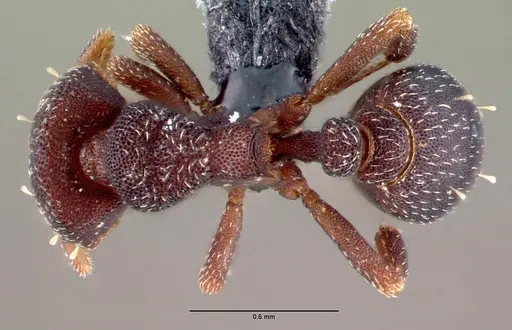
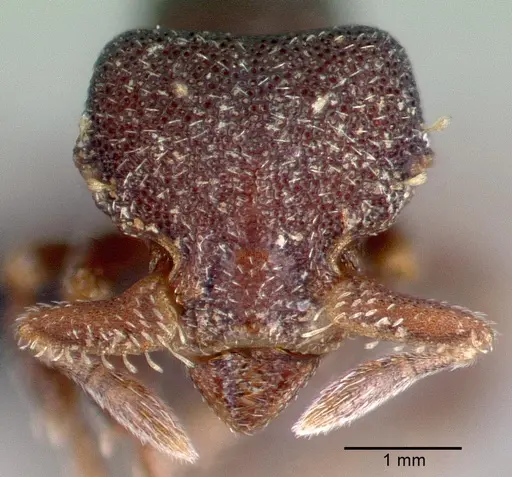
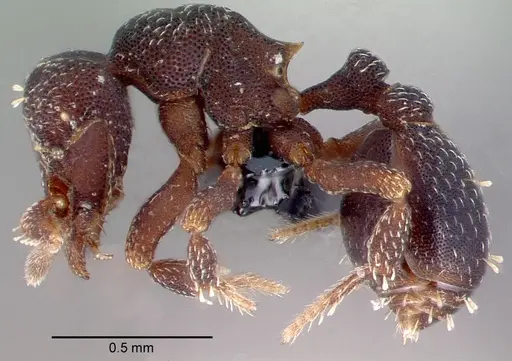
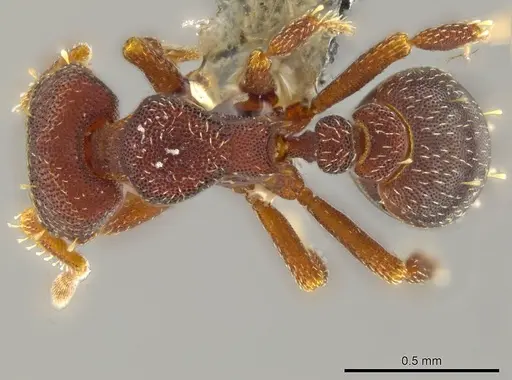
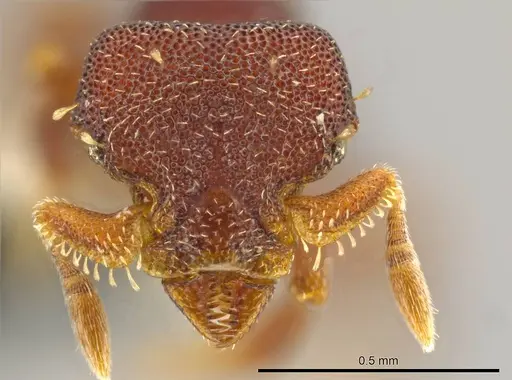
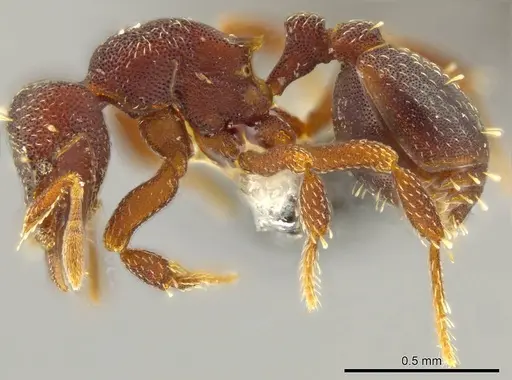
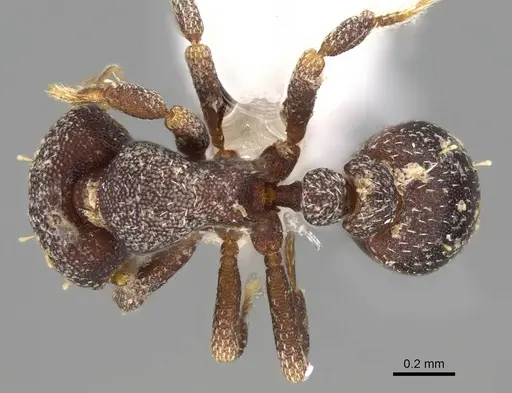
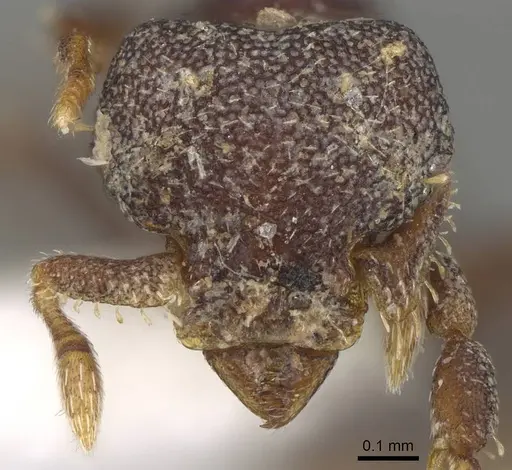
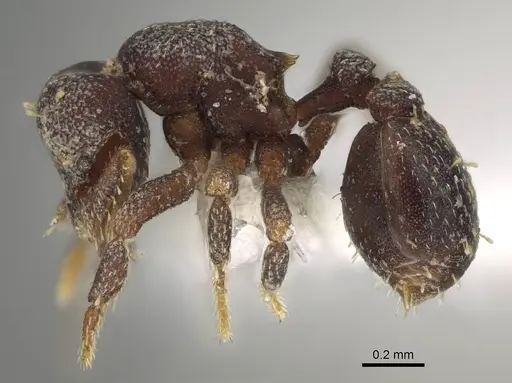
Octostruma gymnogon is a tiny montane ant species from Central America, measuring just 0.62-0.68mm for workers and around 0.66mm for queens [1]. They are dark brown in color and belong to the O. balzani species complex [1]. These ants live in mature cloud forests at elevations above 400m, from Guatemala through Costa Rica to Panama [2]. They are found almost exclusively in sifted leaf litter and rotting wood from the forest floor, making them a true litter-dwelling species [2]. The genus Octostruma is part of the tribe Attini, and while many Attini grow fungus, Octostruma species are predatory ants that hunt small invertebrates in the leaf litter layer.
Quick Summary
- Difficulty: Expert
- Origin & Habitat: Montane cloud forest in Central America (Guatemala to Panama), found above 400m elevation in mature wet forest [1][2]
- Colony Type: Colony structure is unconfirmed. Dealate queens and intercaste workers have been found together with workers in litter samples, suggesting possible multi-queen colonies or ergatoid replacement reproductives [2].
- Size & Growth:
- Queen: 0.66 mm [1], estimated from single specimen
- Worker: 0.62-0.68 mm [1]
- Colony: Unknown, likely small (under 100 workers) based on typical litter-dwelling ant patterns
- Growth: Unknown, likely slow given small colony sizes
- Development: Unknown, estimate 8-12 weeks based on related litter-dwelling Myrmicinae (No direct development data exists. Estimates based on genus-level patterns for small tropical ants. Nanitics will be very tiny.)
- Antkeeping:
- Temperature: Keep around 20-24°C. As a montane cloud forest species, they prefer cooler conditions than typical tropical ants. Avoid overheating, aim for room temperature or slightly below
- Humidity: High humidity required, think damp forest floor. Keep substrate consistently moist but not waterlogged. Provide a gradient with slightly drier areas available
- Diapause: Unknown, montane species may have reduced activity during cooler months but true diapause is unconfirmed
- Nesting: Naturalistic setup with deep leaf litter layer works best. They nest in rotting wood and sifted litter in the wild. A Y-tong or plaster nest with added moisture retention can work, but they need access to the outworld to forage in litter
- Behavior: Very tiny ants that are likely secretive and slow-moving. They are predatory on small micro-arthropods like springtails and mites in the wild. Escape prevention is critical due to their minute size, they can squeeze through the tiniest gaps. Temperament is likely docile, focused on hunting rather than defense. Their small size makes them vulnerable to drying out.
- Common Issues: escape prevention is critical, they are tiny enough to slip through standard mesh barriers, drying out is a major risk, they need consistently humid conditions, slow growth and small colony sizes mean colonies are fragile, very small prey requirements, may need specialized live food like springtails, lack of available biological data makes care experimental
Housing and Nest Setup
Octostruma gymnogon requires a setup that mimics their natural leaf litter habitat. A naturalistic terrarium-style setup with a deep layer of moist substrate (a mix of soil and rotting wood fragments) works best. You can also use a Y-tong or plaster nest with good moisture retention, paired with an outworld where they can forage. The key is providing high humidity while allowing some ventilation to prevent mold. Because they are so tiny, any gaps in your setup must be sealed with fine mesh, these ants can escape through gaps that would hold back larger species. A water reservoir connected to the nest helps maintain humidity without constant misting. [1][2]
Feeding and Diet
In the wild, Octostruma species are predators that hunt small invertebrates in the leaf litter layer. Their diet consists primarily of micro-arthropods like springtails, mites, and other tiny creatures. In captivity, you should offer small live prey, springtails are an ideal staple food. Other options include flightless fruit fly larvae, tiny mealworms, and other appropriately-sized live insects. Due to their minute size, these ants cannot take down large prey. Sugar sources are unlikely to be accepted, they are specialized predators, not honeydew feeders. Feed small amounts every 2-3 days and remove uneaten prey promptly to prevent mold.
Temperature and Humidity
As a montane cloud forest species from elevations above 400m, Octostruma gymnogon prefers cooler temperatures than typical tropical ants. Keep the nest area around 20-24°C, room temperature is often ideal. Avoid placing the colony near heat sources or in direct sunlight, as overheating can be fatal. Humidity should be high, aim for consistently moist substrate that feels damp to the touch but is not waterlogged. A gradient with slightly drier areas allows the ants to self-regulate. Montane species are often more sensitive to temperature and humidity extremes than lowland ants. [1]
Colony Dynamics and Growth
This species is poorly studied in captivity, and we don't have specific data on colony size or growth rates. Based on typical patterns for litter-dwelling ants, colonies are likely small, probably under 100 workers even at maturity. Growth is probably slow compared to more common ant species. The discovery of dealate queens alongside workers in litter samples suggests either polygyny (multiple queens) or the presence of ergatoid (wingless) replacement reproductives. For keepers, this means a colony could potentially support multiple egg-layers, but more research is needed. Expect slow development from egg to worker, plan for months of patience before seeing your first nanitics. [1][2]
Frequently Asked Questions
How long does it take for Octostruma gymnogon to produce first workers?
The egg-to-worker timeline is unconfirmed for this species. Based on related litter-dwelling Myrmicinae, estimate 8-12 weeks at optimal temperature (around 22°C). Expect this to be a slow process, patience is essential.
What do Octostruma gymnogon ants eat?
They are predatory ants that hunt small invertebrates. Feed them live springtails as a staple, with occasional tiny prey like flightless fruit flies or minute mealworms. They are unlikely to accept sugar water or honey.
Can I keep Octostruma gymnogon in a test tube setup?
A test tube can work for founding colonies, but these ants need access to an outworld for foraging due to their predatory nature. A test tube with a connected outworld or a small naturalistic setup is better than a sealed test tube alone.
Are Octostruma gymnogon ants aggressive?
They are not aggressive toward humans, these tiny ants are focused on hunting small prey in the leaf litter. They have no sting and pose no danger to keepers.
Do Octostruma gymnogon need hibernation?
True diapause is unconfirmed for this species. As a montane cloud forest ant, they may have reduced activity during cooler months but probably do not need a formal hibernation period. Keep temperatures stable year-round.
How big do Octostruma gymnogon colonies get?
Colony size is unknown but likely small, probably under 100 workers based on typical litter-dwelling ant patterns. They are not large colony builders.
What temperature is best for Octostruma gymnogon?
Keep them around 20-24°C. As a montane species, they prefer cooler conditions than typical tropical ants. Room temperature is often ideal, avoid heating the nest.
Why are my Octostruma gymnogon dying?
The most common causes are drying out (they need high humidity), escape through tiny gaps, and lack of appropriate small live prey. Also avoid overheating, they are sensitive to high temperatures.
Can I keep multiple queens together?
This is unconfirmed. The presence of dealate queens with workers in wild samples suggests possible polygyny or ergatoid reproductives, but combining unrelated foundresses has not been documented. Keep single queens until more information is available.
Is Octostruma gymnogon good for beginners?
No, this is an expert-level species due to their tiny size, specific humidity requirements, need for live prey, and the general lack of available care information. They are recommended only for experienced antkeepers who can provide specialized conditions.
References

This caresheet is licensed under CC BY-SA 4.0 .
Literature
Loading...Loading products...