

Neoponera concava
- Scientific Name
- Neoponera concava
- Tribe
- Ponerini
- Subfamily
- Ponerinae
- Author
- MacKay & MacKay, 2010
- Distribution
- Found in 1 countries
Neoponera concava Overview
Neoponera concava is an ant species of the genus Neoponera. It is primarily documented in 1 countries , including Brazil. Detailed taxonomic data and occurrence records can be further explored via authoritative databases such as AntWeb or the Global Biodiversity Information Facility (GBIF).
Neoponera concava
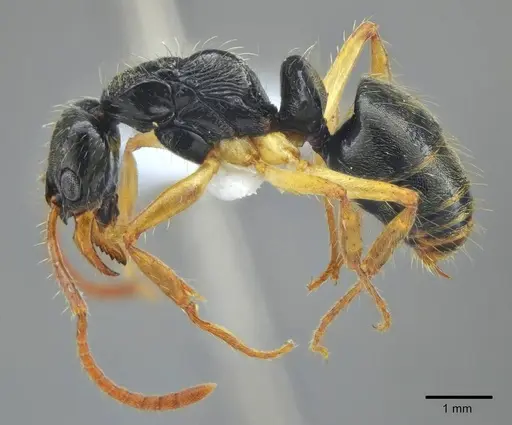
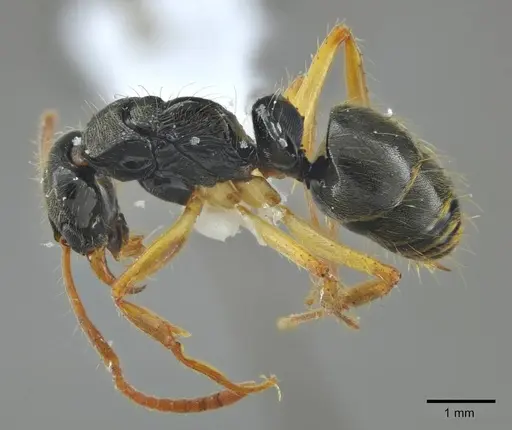
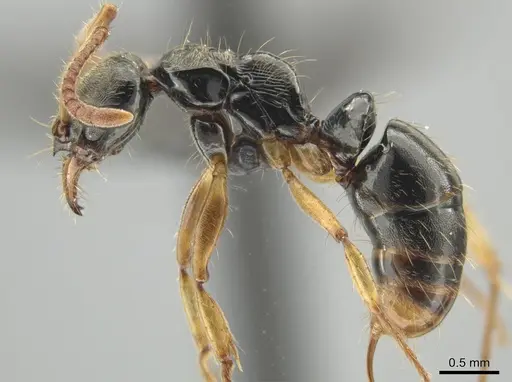
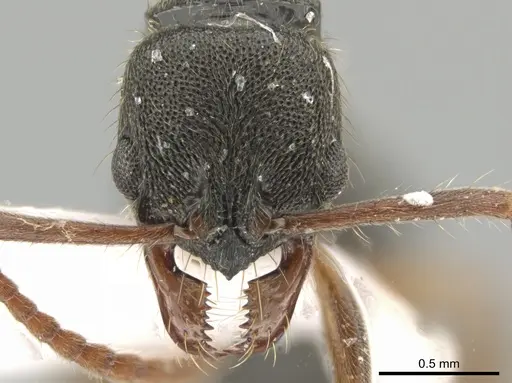
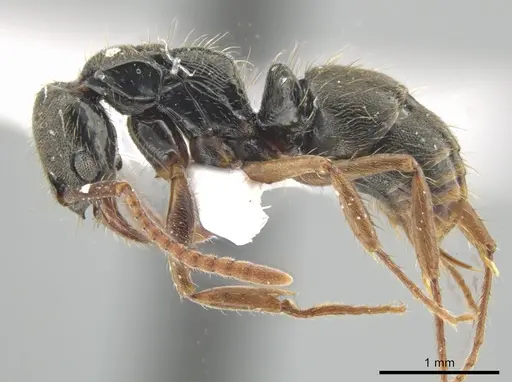
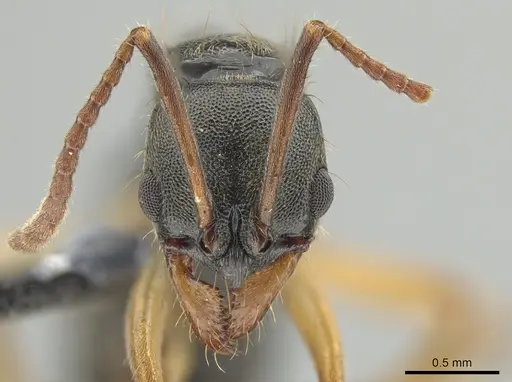
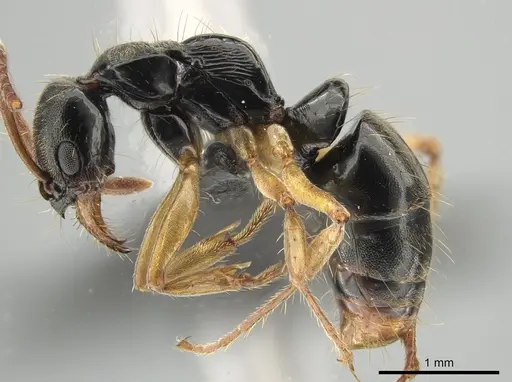
Neoponera concava is a small ponerine ant native to Bahia, Brazil. Workers measure around 5mm in total length and have a striking appearance, they're mostly black with reddish appendages and a red-tipped gaster. The species gets its name from the distinctive concave (curved inward) shape of the postpetiole, which is the segment right before the abdomen. This feature helps separate it from similar-looking relatives like N. venusta and N. schultzi. The workers have a well-developed sharp lobe on the clypeus that overhangs the face, and their body surface is mostly smooth and glossy with some striation patterns. Queens and males have not been described for this species, making captive breeding more challenging since we lack much of the basic biology that other ants have [1].
Quick Summary
- Difficulty: Expert
- Origin & Habitat: This species is known only from the Atlantic Forest region of Bahia, Brazil. The few specimens have been collected using Winkler extraction from soil samples, suggesting they nest in leaf litter or the upper soil layers in humid forest habitats [1].
- Colony Type: Unknown colony structure. Queens have not been described, so we don't know if this species is monogyne (single queen) or polygyne (multiple queens). Based on related Neoponera species, expect single-queen colonies but this is unconfirmed.
- Size & Growth:
- Queen: Unknown, queens have not been described for this species [1]
- Worker: Approximately 5mm total length [1]
- Colony: Unknown, no colony size data exists
- Growth: Unknown, no development data available
- Development: Unknown, no direct measurements exist. Based on typical Neoponera/Ponerinae patterns, expect 6-10 weeks at warm temperatures, but this is a rough estimate. (This is entirely inferred from related species, no specific data exists for N. concava)
- Antkeeping:
- Temperature: Likely 24-28°C based on its Brazilian tropical habitat. Provide a warm area in the nest around 26°C with a slight gradient.
- Humidity: High humidity expected, Atlantic Forest is a humid environment. Keep nest substrate consistently moist but not waterlogged, with some drier areas available.
- Diapause: Unknown, tropical species from Bahia may not require true hibernation, but may slow down during cooler seasons.
- Nesting: Likely prefers humid setups with soil or leaf litter. A naturalistic setup with moist substrate or a Y-tong/plaster nest works well. The species is small (5mm) so chambers should be appropriately sized.
- Behavior: Not well documented. Like most Ponerinae, they are likely predatory and may have a potent sting. Workers are relatively small but the sting is likely functional. Escape prevention should be moderate, these aren't tiny ants but standard fluon barriers on test tubes work well. Activity level is unknown but likely moderate. They probably forage on the forest floor for small prey.
- Common Issues: queen status unknown, you may not be able to establish a true colony from a wild-caught queen, no colony size data means you won't know if your colony is thriving or struggling, tropical species may be sensitive to temperature drops, lack of documented captive care means you're essentially pioneering husbandry, no information on accepted foods, you'll need to experiment carefully
Discovery and Distribution
Neoponera concava is one of the rarest ant species in the hobby, known only from a handful of specimens collected in Bahia, Brazil. The original description was published in 2010 by MacKay and Mackay under the name Neoponera concava, and it was later moved to the genus Neoponera in 2014 during a major taxonomic revision of the Ponerinae subfamily. The species name 'concava' refers to the concave (curved inward) shape of the postpetiole, which is the defining characteristic that separates it from similar species. All known specimens come from the Atlantic Forest region, specifically from the state of Bahia, and most have been collected using Winkler extraction methods from soil and leaf litter samples. This sampling method involves collecting forest floor material and placing it in cloth bags to let ants crawl out over time, indicating the species lives in the forest floor microhabitat [1][2].
Identification and Morphology
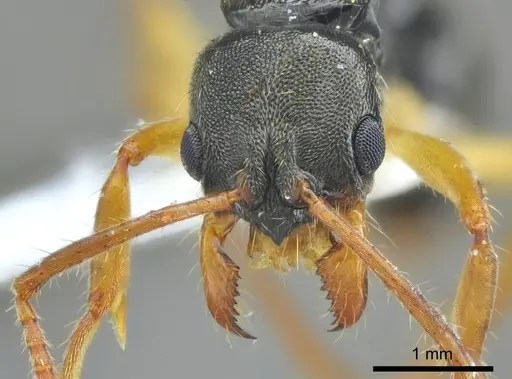
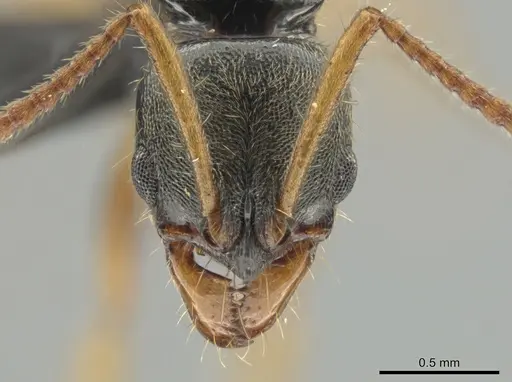
Workers of Neoponera concava are small but distinctive. At about 5mm total length, they're smaller than many other Ponerine ants. The body is mostly black with reddish legs, antennae, and a red-tipped gaster (the final abdominal segment). The most distinctive feature is the strongly concave anterior face of the postpetiole, when viewed from the side, this segment curves inward dramatically, giving the species its name. The clypeus (the shield-like plate above the mandibles) has a well-developed sharp lobe that overhangs the rest of the face. The eyes are positioned relatively far forward on the head, and there's a well-developed ridge (malar carina) running from the eye toward the mandible. The body surface is mostly smooth and glossy with some striations, particularly on the pronotum and lower petiole. These ants have nine teeth on their mandibles and a well-developed stinger [1].
Related Species and Taxonomy
Neoponera concava belongs to what MacKay and Mackay called the emiliae species complex, a group of closely related ants that can be difficult to tell apart. Its closest relatives include Neoponera venusta and Neoponera schultzi, which both look similar but lack the strongly concave postpetiole that defines N. concava. Additionally, N. venusta doesn't have the sharp overhanging lobe on the clypeus. The mesopleuron (the side of the middle body segment) of N. concava is mostly smooth and glossy, which separates it from N. schultzi where that area is covered with horizontal lines. The species was originally described as Neoponera concava but was moved to Neoponera in 2014 when Schmidt and Shattuck reorganized the higher classification of the Ponerinae subfamily. Genetic studies have placed it in the venusta species group, and chromosome analysis shows it has 2n=54 chromosomes (6 metacentric and 48 acrocentric) [2][3][1].
Keeping This Species in Captivity
Keeping Neoponera concava is truly expert-level territory, this is not a species for beginners. Since queens have never been described and no captive breeding records exist, you'll essentially be pioneering the husbandry of this species. If you obtain workers, you'll need to house them in a humid, warm setup. A small test tube setup or Y-tong nest works for a few workers, but scale up as the colony grows. Temperature should be kept around 26°C with a slight gradient, these are tropical forest ants from Bahia, Brazil, so they expect warmth and humidity. The nest substrate should stay consistently moist but never waterlogged. For feeding, start with small live prey like fruit flies, pinhead crickets, or small mealworms, Ponerinae ants are typically predatory and may reject sugar sources. Because we don't know their exact requirements, you'll need to observe carefully and adjust. Escape prevention is important though not critical for this size, standard barriers work fine. This species is extremely rare in the hobby and may not be available at all.
Why So Little Is Known
Neoponera concava illustrates a common problem in ant taxonomy, many species are known from only a handful of specimens collected during scientific surveys. The original description was based on just three worker specimens, and subsequent researchers have found very few more. The species wasn't even given a common name because it's too obscure. Most specimens have been collected using Winkler extraction from leaf litter, which tells us they live in the forest floor layer but doesn't reveal much about their actual behavior or colony structure. No one has ever observed a queen, a nuptial flight, or a functioning colony in the wild. This makes captive husbandry extremely challenging because we have no baseline information about what they need to survive and reproduce. For the dedicated antkeeper, this also represents an opportunity, any successful captive breeding of this species would be a genuine contribution to our knowledge [1].
Frequently Asked Questions
Can I keep Neoponera concava as a pet ant?
This species is extremely rare and rarely available in the ant hobby. Even if you find one, keeping it is expert-level territory since we have almost no information about its captive care requirements. Queens have never been described, so establishing a true colony may not be possible. This is not a species for beginners, consider starting with more established species like Lasius niger or Camponotus floridanus first.
What do Neoponera concava ants eat?
We don't have specific dietary information for this species. Based on related Neoponera and Ponerinae ants, they are likely predatory and will accept small live prey like fruit flies, pinhead crickets, small mealworms, and other micro-arthropods. Sugar acceptance is uncertain, some Ponerinae take it, others don't. Start with protein prey and experiment with sugar water separately.
How big do Neoponera concava colonies get?
We don't know. No colony size data exists for this species. Related Neoponera species typically reach a few hundred to a few thousand workers, but this is just an estimate.
What temperature do Neoponera concava ants need?
Based on their tropical habitat in Bahia, Brazil, they likely need warm conditions around 24-28°C. A nest temperature of approximately 26°C with a slight gradient is a reasonable starting point. Avoid temperatures below 20°C.
Do Neoponera concava queens exist?
Queens have never been described for this species. The original scientific description only covers workers, and subsequent research hasn't found any queens or males. This is one of the biggest gaps in our knowledge, without queens, we can't establish captive colonies.
Where is Neoponera concava found in the wild?
Only in Bahia, Brazil. The species is known from a few specimens collected in the Atlantic Forest region, specifically from the Rebio UNA-BA protected area. All specimens have been collected using Winkler extraction from leaf litter and soil samples.
Is Neoponera concava a good species for beginners?
No. This is absolutely not a beginner species. We lack almost all basic husbandry information, no one has successfully bred them in captivity, queens haven't been described, and colony size is unknown. If you're interested in Neoponera, consider more established species like Neoponera villosa or Neoponera obscuricornis which have more available care information.
How do I set up a nest for Neoponera concava?
Since we've never had a captive colony, this is speculative. Based on their habitat (leaf litter in humid forest), a naturalistic setup with moist substrate or a Y-tong/plaster nest with high humidity would be appropriate. Keep the nest consistently moist but not waterlogged, and provide a warm area around 26°C.
Why is Neoponera concava so hard to find?
This is one of the rarest ant species in the world, only a handful of specimens have ever been collected. They're small, live in leaf litter (hard to find), and have a very limited distribution in one small region of Brazil. They're not available in the ant hobby and likely not even on the radar of most collectors.
References

This caresheet is licensed under CC BY-SA 4.0 .
ANTWEB1014009
View on AntWeb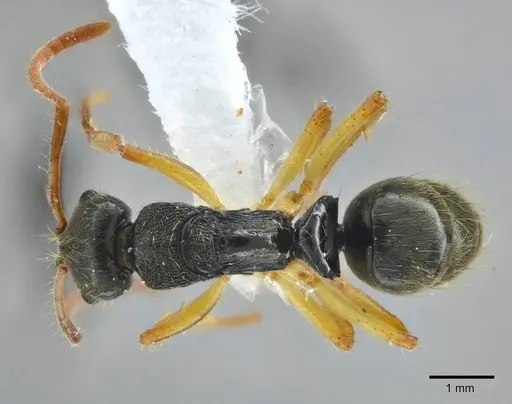
ANTWEB1032620
View on AntWeb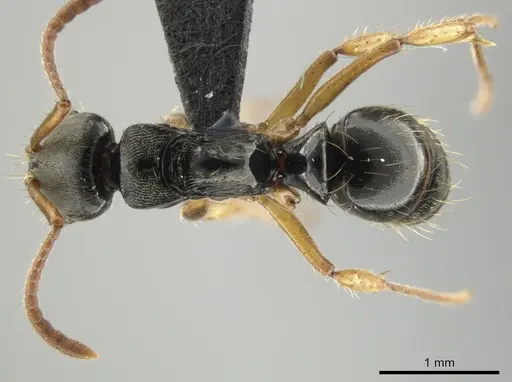
CASENT0649901
View on AntWeb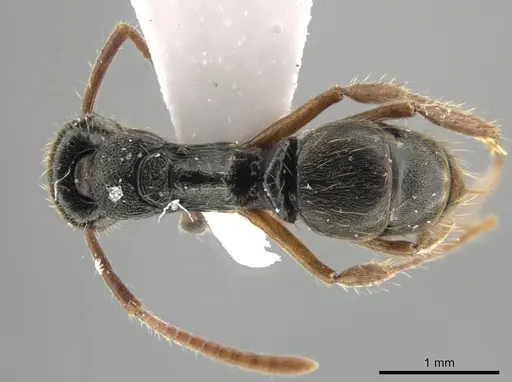
DZUP549361
View on AntWeb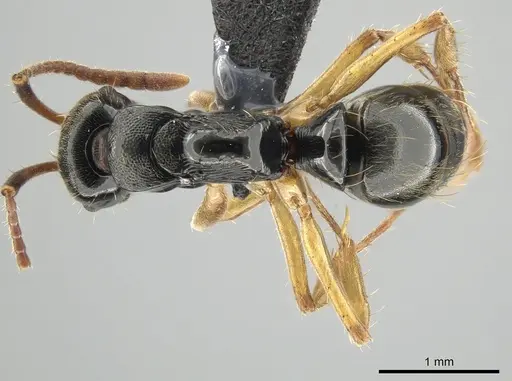
Literature
Loading...Loading products...