

Neoponera venusta
- Scientific Name
- Neoponera venusta
- Tribe
- Ponerini
- Subfamily
- Ponerinae
- Author
- Forel, 1912
- Distribution
- Found in 2 countries
Neoponera venusta Overview
Neoponera venusta is an ant species of the genus Neoponera. It is primarily documented in 2 countries , including Brazil, Colombia. Detailed taxonomic data and occurrence records can be further explored via authoritative databases such as AntWeb or the Global Biodiversity Information Facility (GBIF).
Neoponera venusta
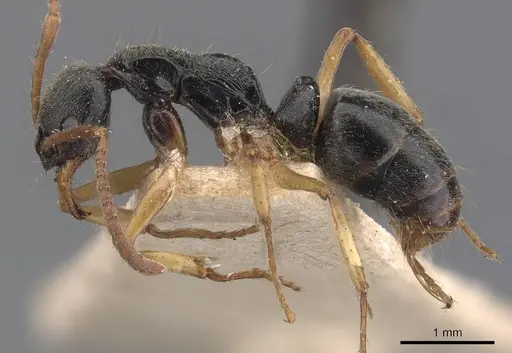
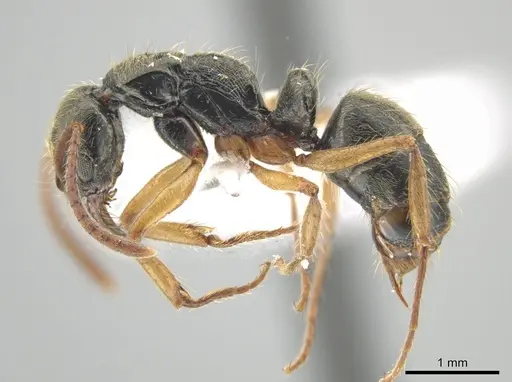
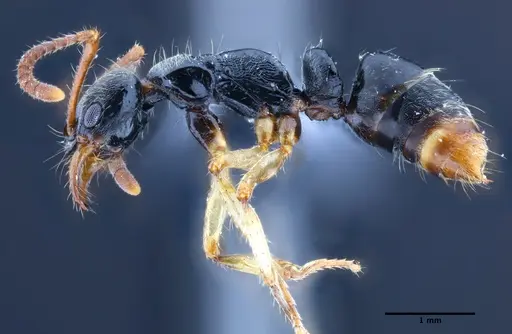
Neoponera venusta is a small Ponerine ant native to Brazil, measuring around 5mm in total length. Workers are striking in appearance, they're mostly black with vibrant orange mandibles, antennae, and legs, creating a beautiful contrast that inspired the species name (from Latin 'venustus' meaning beautiful). This species belongs to the emiliae species complex and is found primarily in the Atlantic Forest and Amazon regions of Brazil. Only the worker caste has been documented, meaning we know nothing yet about their queens, males, or colony founding behavior. They are cryptic leaf-litter ants that nest in small twigs and are generalist predators [1][2].
Quick Summary
- Difficulty: Unknown, likely Medium to Hard
- Origin & Habitat: Brazil (Espírito Santo, Minas Gerais, Pará, Bahia). Found in Atlantic Forest and Amazon rainforest, typically in leaf-litter and small twigs in native forest areas [2][1]. They occur in both primary and secondary forest but are not found in rubber plantations [3].
- Colony Type: Unknown, only worker caste has been documented. Based on related Neoponera species, likely monogyne (single queen) colonies.
- Size & Growth:
- Queen: Unknown, queen caste has not been described
- Worker: 5mm total length [4]
- Colony: Unknown, likely small colonies based on similar leaf-litter Ponerines
- Growth: Unknown
- Development: Unknown, no development data exists for this species. Based on typical Ponerine patterns, expect 6-10 weeks at warm tropical temperatures. (No direct data available. Related Neoponera species suggest several months from egg to first worker.)
- Antkeeping:
- Temperature: Inferred: Keep around 24-28°C based on their tropical Brazilian distribution. A gentle gradient allowing warmer and cooler areas is recommended.
- Humidity: High humidity required, these are leaf-litter ants from humid tropical forests. Keep nest substrate consistently moist but not waterlogged. Provide a water tube for drinking.
- Diapause: Unknown, likely no true diapause given their tropical origin, but may show reduced activity during cooler periods.
- Nesting: Inferred: They naturally nest in small twigs within leaf-litter. In captivity, a small test tube setup or acrylic nest with tight chambers works well. Avoid large, open spaces, scale the nest to their 5mm size.
- Behavior: Likely generalist predators like other Ponerines. They probably hunt small invertebrates in the leaf-litter. Their small size and cryptic nature suggest they are not aggressive or defensive. Escape prevention should be moderate, they're not tiny but can still squeeze through small gaps. Use standard barriers.
- Common Issues: no biological data exists, this is one of the least studied ant species in the hobby, colony founding behavior is completely unknown, you may need to collect a colony rather than a queen, growth rate is unconfirmed, prepare for potentially slow development, only worker caste known, queen and male castes have not been described, keeping requirements are inferred from limited data and related species, be prepared to experiment
Appearance and Identification
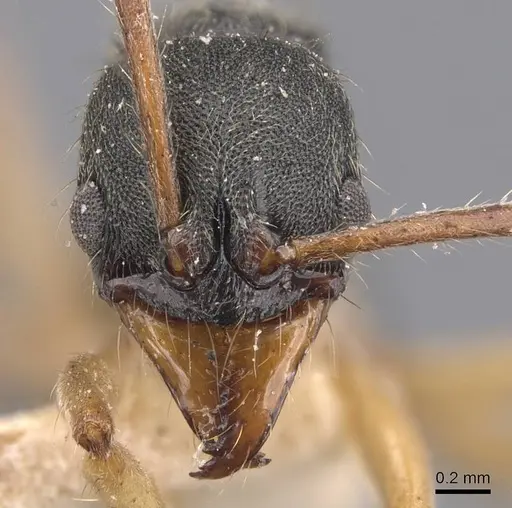
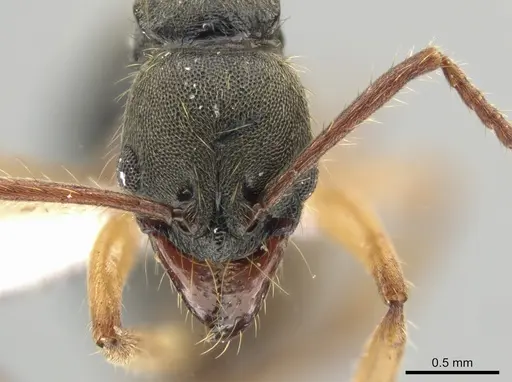
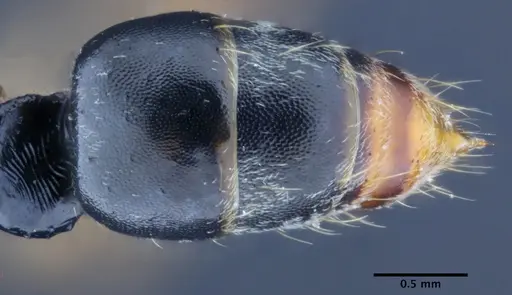
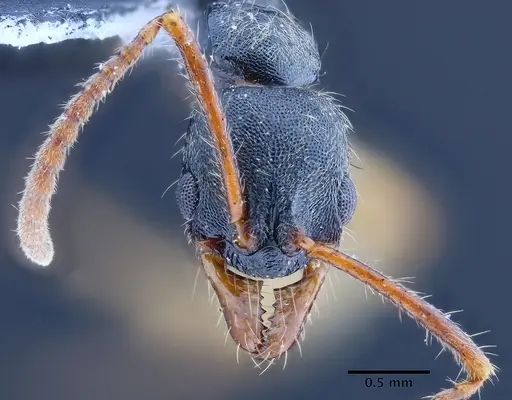
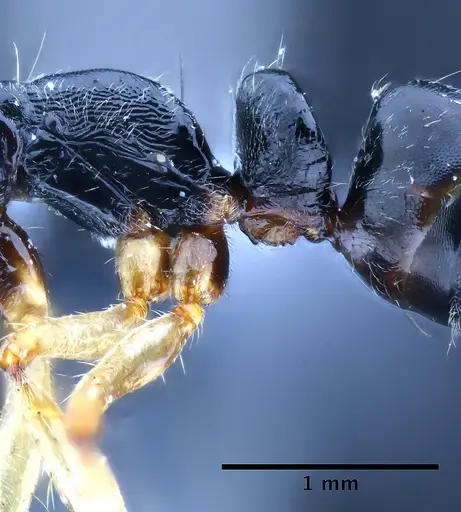
Neoponera venusta workers are small ants measuring about 5mm in total length. They have a distinctive appearance that makes them relatively easy to identify, the body is mostly black, but the mandibles, antennae, and legs are a bright orange color, creating a striking contrast. The mandibles have around 11 teeth, and the anterior border of the clypeus is broadly rounded with a small lobe. The eyes are relatively large, positioned less than half their diameter from the anterior margin of the head. The species is part of the emiliae species complex within Neoponera, though some features suggest relationship to the crenata complex as well. Long erect hairs are present on most body surfaces, and fine golden pubescence gives them a slightly fuzzy appearance. Only the worker caste has been described, so queens and males remain unknown to science. [4]
Natural Distribution and Habitat
This species is known from Brazil, specifically the Atlantic Forest regions of Espírito Santo, Minas Gerais, and Bahia, as well as parts of the Amazon basin in Pará. They are cryptic leaf-litter ants that live in the forest floor layer. Research shows they occur in both primary and secondary forest but are not found in disturbed areas like rubber plantations [3]. They nest in small twigs within the leaf-litter layer, one study found them in about 2% of colonized twigs in native forest [5]. They appear to be more active during the wet season, with specimens collected primarily during rainy periods [6][1].
Feeding and Diet
Based on limited field data, Neoponera venusta is a generalist predator that hunts small invertebrates in the leaf-litter [1]. Like other Ponerine ants, they likely prey on small arthropods including springtails, mites, and tiny insects. In captivity, you should offer small live prey appropriate to their size, fruit flies, pinhead crickets, small mealworms, and similar items. Sugar sources may be accepted occasionally, but Ponerines are primarily protein predators. Feed small amounts of protein prey every few days and remove any uneaten food to prevent mold.
Temperature and Care
Since this species comes from tropical Brazil (Atlantic Forest and Amazon regions), they need warm and humid conditions. Keep the nest area around 24-28°C, which is typical for tropical ants. A heating cable on one side of the nest can create a temperature gradient, allowing the ants to choose their preferred temperature. High humidity is essential, these are leaf-litter ants from humid forests. Keep the nest substrate consistently moist but not waterlogged, and provide a water tube for drinking water. Since their exact requirements are unknown, observe your colony and adjust conditions based on their activity levels.
Nesting Requirements
In the wild, Neoponera venusta nests in small twigs within the leaf-litter layer [5]. This means they prefer tight, enclosed spaces rather than open areas. In captivity, scale your setup to their 5mm size, small test tubes with tight cotton barriers or small acrylic nests work well. Avoid large formicariums with big chambers. The nest should have small, snug chambers that match their natural twig-nesting behavior. Keep the nesting area humid and dark, with the outworld connected for foraging.
Current State of Knowledge
It must be stated clearly: Neoponera venusta is one of the least studied ant species in the world. Nothing is known about their biology, no one has ever documented a queen, observed colony founding, or recorded their development timeline. The worker caste was described in 1912,and since then, only basic distribution data has been collected. This makes keeping them both challenging and potentially rewarding, you may be the first to discover fundamental aspects of their biology. Expect to experiment with care conditions and be prepared for potentially slow or unpredictable colony development. [4]
Frequently Asked Questions
How long does it take for Neoponera venusta to develop from egg to worker?
This is completely unknown, no one has ever documented their development. Based on typical Ponerine ant development patterns, expect 6-10 weeks at warm tropical temperatures, but this is purely an estimate.
What do Neoponera venusta ants eat?
They are generalist predators that hunt small invertebrates in the wild. In captivity, offer small live prey like fruit flies, pinhead crickets, and small mealworms. They may occasionally accept sugar water but are primarily protein feeders.
Can I keep Neoponera venusta in a test tube?
Yes, a small test tube setup should work well given their natural twig-nesting behavior. Use a small test tube with a tight cotton barrier and water reservoir. Scale the setup to their 5mm size, avoid large chambers.
What temperature do Neoponera venusta ants need?
Keep them warm at 24-28°C based on their tropical Brazilian distribution. A temperature gradient allowing them to choose warmer or cooler areas is recommended.
Are Neoponera venusta ants good for beginners?
No, this is not a beginner species. Almost nothing is known about their biology, and they require specific conditions that are not well documented. They are only suitable for experienced antkeepers who enjoy experimenting.
How big do Neoponera venusta colonies get?
Unknown, colony size has not been documented. Based on similar leaf-litter Ponerines, they likely form small colonies of dozens to a few hundred workers.
Where does Neoponera venusta live in the wild?
They are found in Brazil's Atlantic Forest and Amazon regions, living in leaf-litter and nesting in small twigs within the forest floor layer.
Do Neoponera venusta queens exist?
The queen caste has never been described in scientific literature. Only workers have been documented, so we don't know what their queens look like or how colonies are founded.
Is Neoponera venusta difficult to keep?
Yes, the complete lack of biological data makes them extremely challenging. You will be essentially pioneering their care with no established guidelines. This is an expert-level species for antkeepers who enjoy research and experimentation.
References

This caresheet is licensed under CC BY-SA 4.0 .
CASENT0907245
View on AntWeb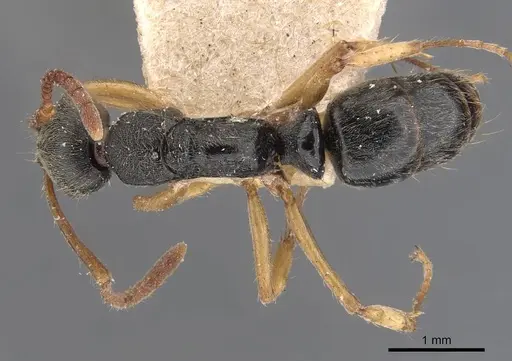
DZUP549414
View on AntWeb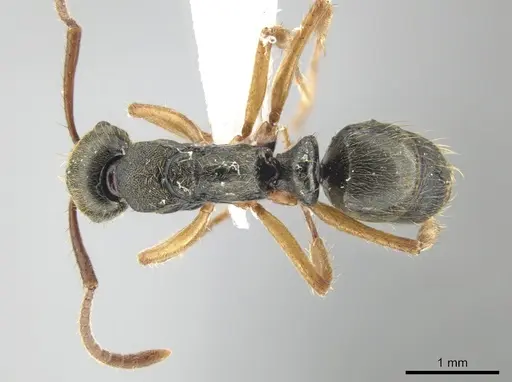
UFV-LABECOL-000492
View on AntWeb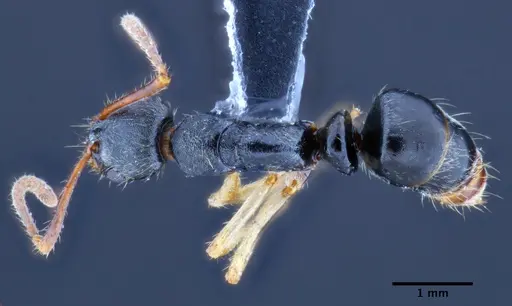
UFV-LABECOL-001934
View on AntWeb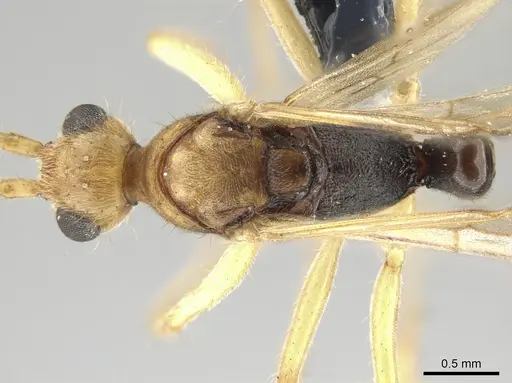
Literature
Loading...Loading products...